Itineraries · Vietnam
Vietnam in 3 weeks: Sa Pa, Hue, Hoi An, Da Lat, the delta and Phu Quoc
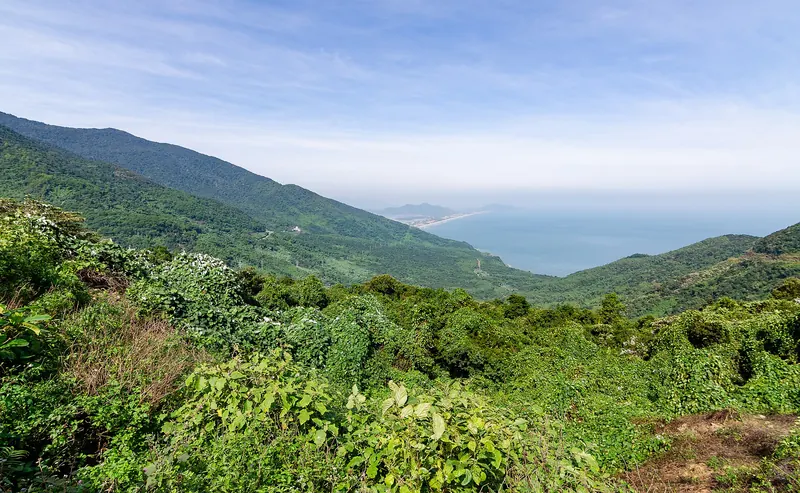
Three weeks is the first length of trip that lets you see Vietnam from the mountains to the southern sea without spending it in airports. It is still a long country: the national tourism board warns that the train from Hanoi to Ho Chi Minh City can take up to 30 hours. This route accepts the distance and makes some of it part of the trip. Two night trains carry you north to the Sa Pa hills and then south to Hue, a short daytime train follows the coast to Da Nang, and the hill town of Da Lat, the Mekong Delta and Phu Quoc island cover the south. You travel in one direction, and you fly home from the island.
- Suggested time
- 21 days (20 nights, including two on night trains)
- Where to stay
- Hanoi Old Quarter (3 nights), night train (1), Sa Pa town (1), a Sa Pa valley homestay (1), night train (1), Hue (2), Hoi An (3), Da Lat (3), Ho Chi Minh City (1), Can Tho (1), Phu Quoc (3)
- Season and timing
- Late February to April is the best compromise for the whole length of the country: spring in Hue, the best months for Hoi An, dry weather in Da Lat, the delta and Phu Quoc, and clear skies in Sa Pa by late April. Avoid October and November if you can: central Vietnam floods, and the storm season normally runs from May to November.
The short answer
Give Vietnam 21 days and 20 nights and travel one way, from Hanoi to Phu Quoc. Sleep three nights in Hanoi's Old Quarter (split around Sa Pa), one on the night train to Lao Cai, one in Sa Pa town and one in a valley homestay, then one on a sleeper south to Hue. After that, two nights in Hue, three in Hoi An, three in Da Lat, one in Ho Chi Minh City's District 1, one in Can Tho and three on Phu Quoc. Take the train where it saves a hotel night or shows you the coast (Hanoi – Lao Cai, Hanoi – Hue, Hue – Da Nang), fly or take the road where it does not, and book a ticket into Hanoi (HAN) and out of Phu Quoc (PQC).
How the three weeks fit together
Vietnam is long and thin, and the way to see it in three weeks is to move steadily in one direction and treat each long move as part of the trip. The national tourism board says the train from Hanoi to Ho Chi Minh City can take up to 30 hours, that 16 hours from central Vietnam to either end is common, and that trains average about 40 km an hour. That is too slow for the whole country, but on three stretches the railway is the best way to go: the overnight run from Hanoi to Lao Cai for Sa Pa, a sleeper from Hanoi to Hue that replaces a hotel night, and the short coastal train from Hue to Da Nang.
The rest of the route is by road and air. Da Lat is not on the main line (the tourism board notes that its tracks no longer join the north–south railway), so you reach it from the coast and leave it by plane or bus for Ho Chi Minh City. From there the road runs into the Mekong Delta, and a fast boat or a flight finishes the trip on Phu Quoc. Book an open-jaw ticket, into Hanoi and out of Phu Quoc or Ho Chi Minh City, so that you never travel back up the country.
Hanoi is where you return once: you come back from Sa Pa to the same hotel, which lets you leave a main bag behind for the mountains. That return is also the one point where the plan can stretch: if you have an extra day, use it for Ninh Binh, a stop for every southbound SE train on the railway's route list, and board the sleeper to Hue there instead of in Hanoi.
Days 1–7: Hanoi, the night train and the Sa Pa hills
Spend the first two nights in or beside Hanoi's Old Quarter, whose streets the tourism board traces back to the 14th century and whose street kitchens it recommends for phở and bún chả. Day one is for arrival and the lake; day two is for the old capital. The Ho Chi Minh Mausoleum is closed for regular maintenance until 2 November 2026: Tuoi Tre reported the Mausoleum Command's notice that visits stop from 4 September and resume on 3 November 2026.
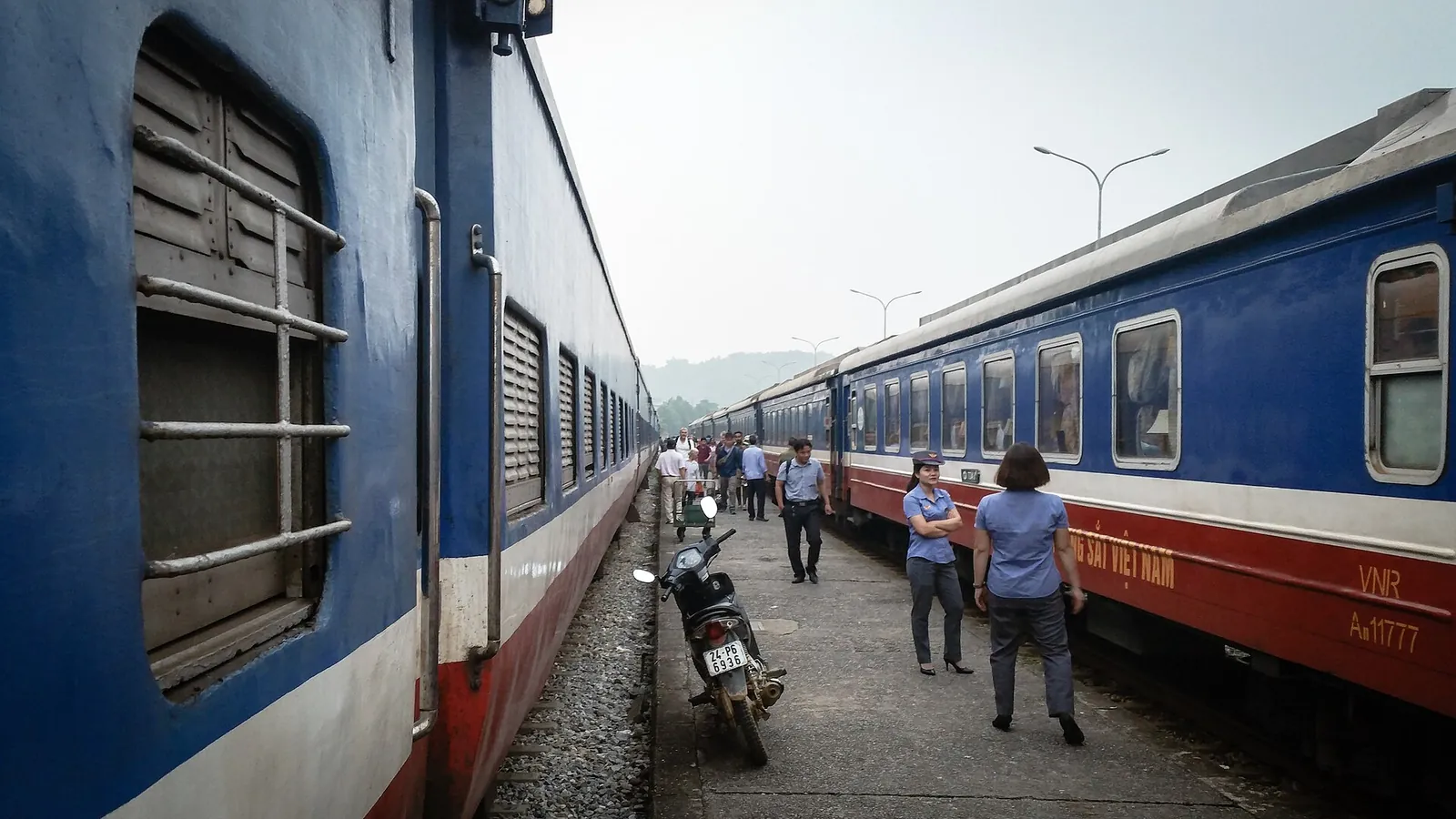
On the evening of day three, take the night train to Lao Cai. There is no railway to Sa Pa itself: the tourism board describes an eight-hour night train to Lao Cai followed by a ride of about an hour up to Sa Pa town. On the operator's route list the regular trains are SP3 and SP7 from Hanoi; check the times and book a berth on dsvn.vn. This line has its own exchange and refund rules, stricter than those for the main line, so fix the date before you buy. Keep day four easy in town after a night on the train.
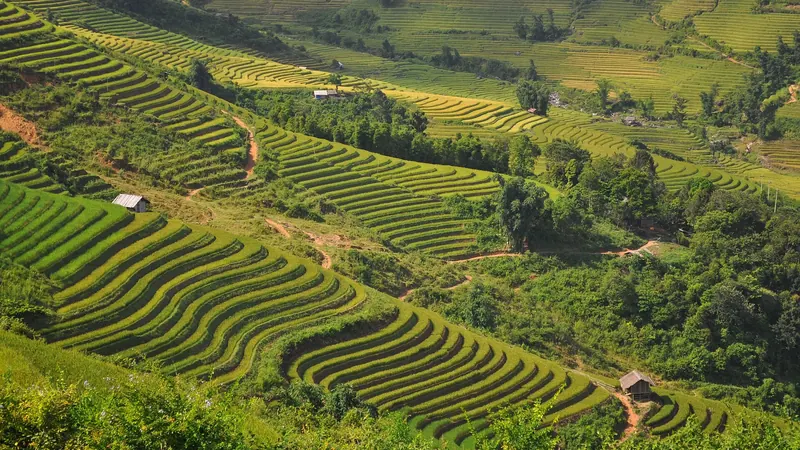
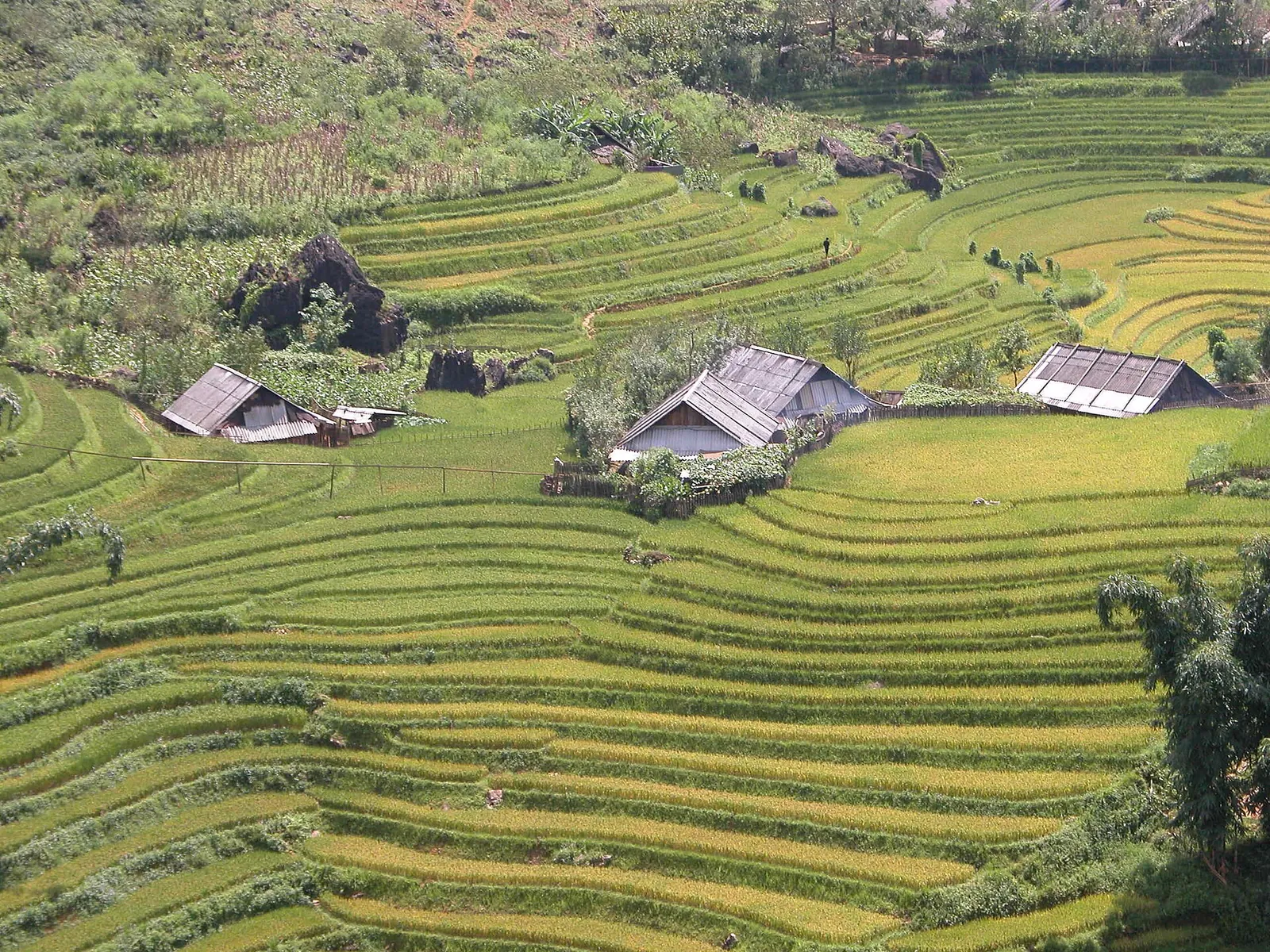
On day five, walk out of town into the terraced valleys with a local guide and sleep in a village homestay. The tourism board suggests choosing a trekking company owned by local people, and notes that Cat Cat and Ta Phin can be visited without a guide. On day six, return to Hanoi by limousine van or bus; the board puts the journey between Hanoi and Sa Pa town at five to six hours, so leave after an early lunch at the latest. Day seven is a last Hanoi day before the evening sleeper south (or the Ninh Binh detour described above).
- Day 1 — Hanoi: arrive at Noi Bai, transfer to the Old Quarter, dinner nearby. Night: Hanoi.
- Day 2 — Hanoi: the old capital and street food. Night: Hanoi.
- Day 3 — To the mountains: a slow Hanoi day, then the evening train to Lao Cai. Night: train.
- Day 4 — Sa Pa: road up from Lao Cai, an easy day in town. Night: Sa Pa town.
- Day 5 — The valley: a guided walk through the rice terraces. Night: village homestay.
- Day 6 — Back to Hanoi: van or bus, about five to six hours. Night: Hanoi.
- Day 7 — Hanoi: a free day, then the evening sleeper south. Night: train.
Make time for the local food
What to eat and where to look
Bún chả and phở (Hanoi)
Hanoi's two defining dishes: barbecued pork with rice noodles and herbs, and rice noodles in a star-anise-scented beef broth. The tourism board describes both simmering and sizzling in the Old Quarter's street kitchens every day.
- Where to look
- Old Quarter lunch shops with a charcoal grill at the door for bún chả; small specialist shops for phở, busiest in the morning.
- Fit it into your day
- Phở for breakfast on days one, two and seven; bún chả for lunch on day two.
Bún chả is served with a fish-sauce dip; phở beef is often added rare and cooks in the broth.
Rainbow trout (Sa Pa)
Trout and sturgeon are the fish of Sa Pa's restaurant menus. The tourism board's feature on a Sa Pa lodge describes rainbow trout in a hot and sour soup with tomato and pineapple, and sturgeon grilled and rolled with greens and rice paper.
- Where to look
- Restaurants in Sa Pa town and the lodges in the valleys; look for 'cá hồi' (trout) or 'cá tầm' (sturgeon).
- Fit it into your day
- Dinner on day four in town, as a hot pot to share after the night train.
Hot pots are made for sharing; between one or two people, ask for the smallest size.
Bún bò Huế (Hue)
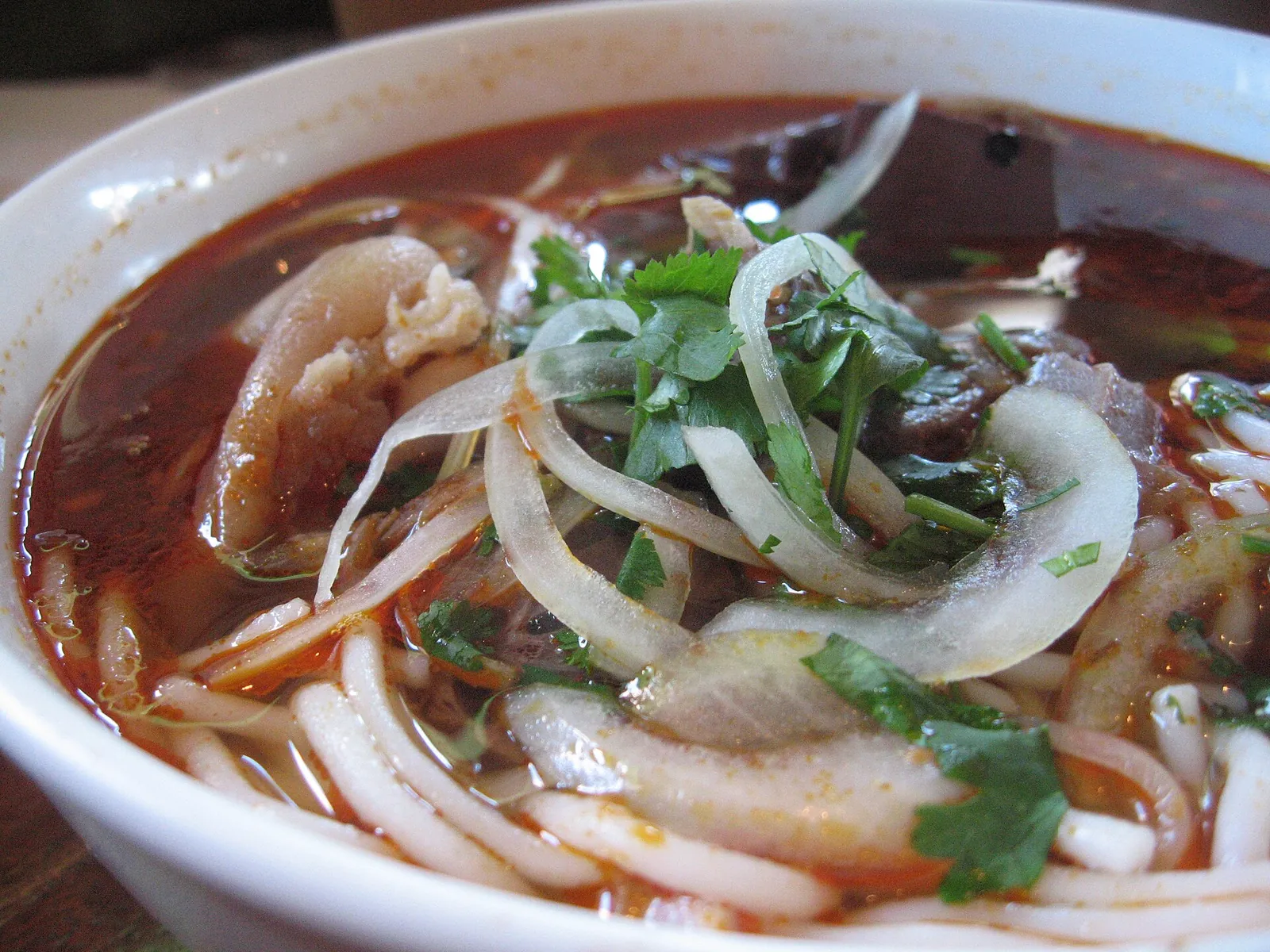
Hue's spicy noodle soup. The tourism board notes that despite the name it uses pork as well as beef brisket, seasoned with lemongrass, shrimp paste, garlic, shallots and paprika.
- Where to look
- Breakfast shops across Hue that specialise in the one dish.
- Fit it into your day
- Breakfast on day nine before the Imperial City.
Often includes pork blood cubes and is chilli-hot; ask for them to be left out if you prefer.
Cao lầu and mì Quảng (Hoi An)
The two noodle dishes the tourism board lists among Hoi An's local specialities, both noodle bowls served with pork or shrimp and fresh herbs rather than a large bowl of soup.
- Where to look
- Old Town restaurants and the small noodle shops on its edges; mì Quảng also turns up on the upper floor of Da Lat's central market.
- Fit it into your day
- Lunch on day eleven in Hoi An, and again in Da Lat on day fourteen to compare.
Usually contains pork and may contain shrimp; ask before you order if you avoid either.
Bánh căn (Da Lat)
Bite-size rice cakes topped with quail egg and dipped into a spring-onion sauce, which the tourism board lists as a Da Lat breakfast alongside bánh bèo with river shrimp and bánh mì xíu mại in hot broth.
- Where to look
- Street stalls around central Da Lat, cooked to order.
- Fit it into your day
- Breakfast on day fourteen or fifteen; save bánh mì xíu mại for a cool evening.
The dipping sauces usually contain fish sauce.
Hủ tiếu on the water (Can Tho) and gỏi cá trích (Phu Quoc)
Two ways to end the trip with the south. The tourism board describes hủ tiếu, chewy noodles with bean sprouts and sliced pork in a savoury broth, served from boats at Can Tho's floating markets. On Phu Quoc, VnExpress describes the island's herring salad: raw herring cured in a sour dressing, eaten with rice paper, herbs, coconut and peanuts.
- Where to look
- The breakfast boats at Cai Rang; seafood restaurants and the night markets on Phu Quoc.
- Fit it into your day
- Breakfast on the river on day eighteen; herring salad at dinner on Phu Quoc.
Gỏi cá trích uses raw fish cured in vinegar or lime, not cooked; the dipping sauce contains fish sauce and peanuts.
Days 8–12: Hue, the coastal train and Hoi An
The sleeper from Hanoi reaches Hue the next day. Every SE train on the railway's route list stops in Hue, and the tourism board's transport page describes four classes, from hard seat to soft sleeper, with four-berth cabins and simple bedding. Pick a four-berth soft sleeper and an evening departure on dsvn.vn, and book it as soon as your dates are fixed. The UK government's travel advice warns of petty theft on overnight trains, particularly while passengers are asleep, so keep your passport and phone with you.
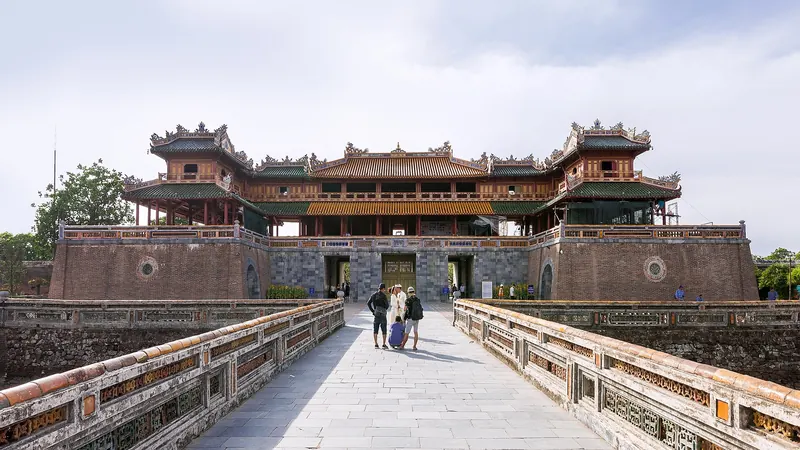
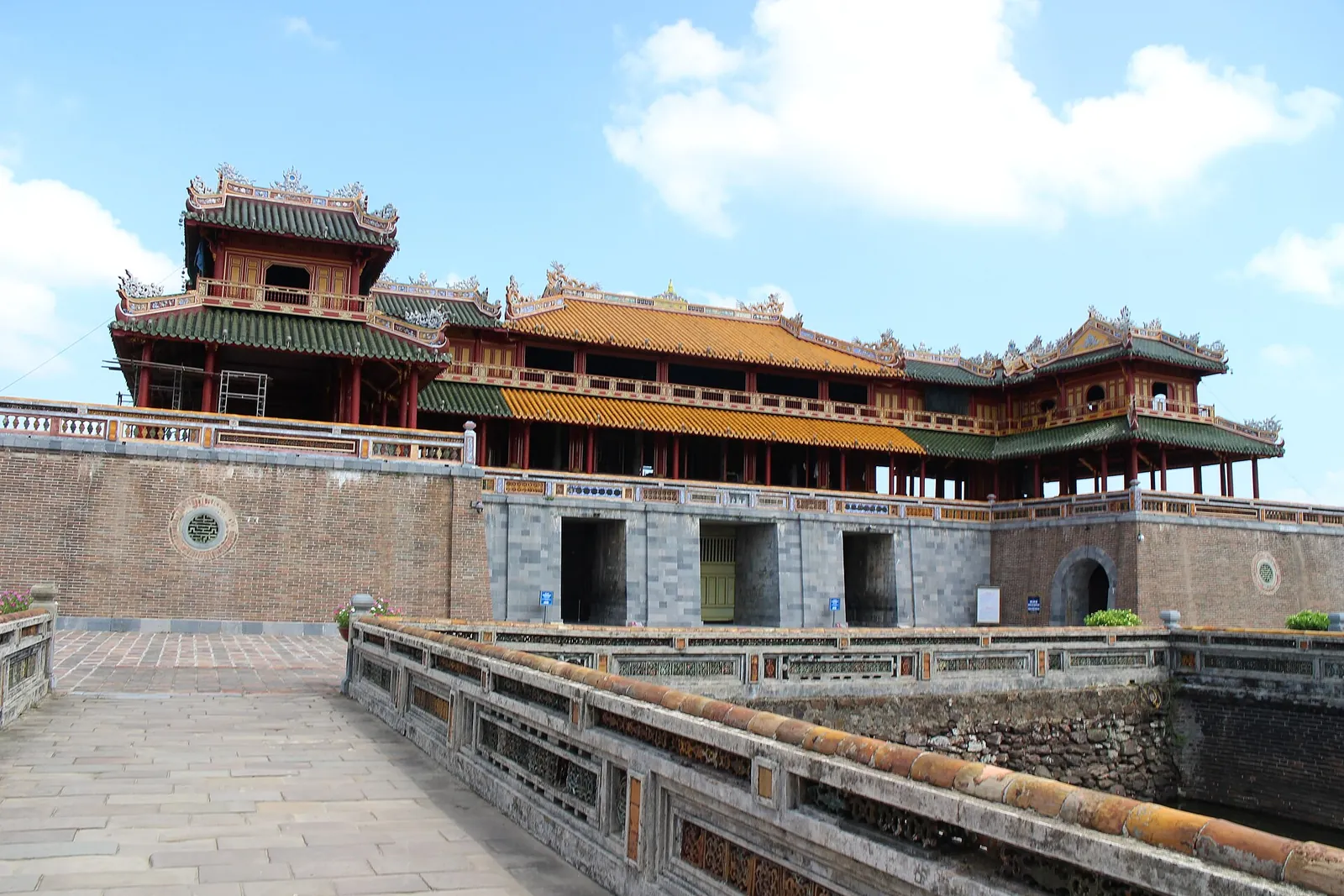
Give Hue two nights. The tourism board's Hue itinerary says the Imperial City takes around two hours and is better with a guide, and that rather than trying to see all seven royal tombs you should choose two or three. The tombs of Tu Duc, Minh Mang and Khai Dinh draw the most visitors, while Gia Long, Thieu Tri, Duc Duc and Dong Khanh are much quieter. Do the Imperial City on the morning of day nine and the tombs in the afternoon.
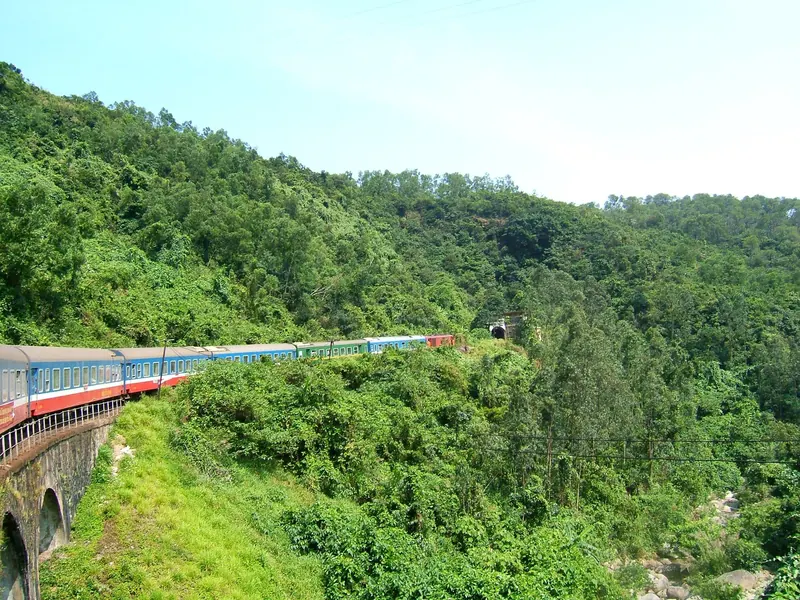
On day ten, take one of the local Hue – Da Nang trains. The railway lists two pairs, HĐ1/HĐ2 and HĐ3/HĐ4, with Lang Co as the only stop between the two cities, and the tourism board says they pause at Lang Co for about ten minutes so passengers can see the bay; it advises checking the exact timetable on the railway's website. There is no railway to Hoi An, so continue by car from Da Nang. Spend three nights there: the Old Town in the early morning and again by lantern light, a day cycling through Tra Que and Cam Thanh, and a morning at My Son, the Cham sanctuary the tourism board places 40 km from Hoi An.
- Day 8 — Hue: arrive on the sleeper, an afternoon by the Perfume River. Night: Hue.
- Day 9 — Hue: the Imperial City in the morning, two royal tombs in the afternoon. Night: Hue.
- Day 10 — Coast: the HĐ train to Da Nang via Lang Co, then by car to Hoi An. Night: Hoi An.
- Day 11 — Hoi An: the Old Town at dawn, a rest, the lanterns after dark. Night: Hoi An.
- Day 12 — Around Hoi An: My Son early, or the countryside by bicycle and An Bang beach. Night: Hoi An.
Days 13–16: up to Da Lat
Day thirteen is the route's awkward move, because there is no train to Da Lat. The faster option is to fly: Lien Khuong airport, about 30 km south of town, connects with the main hubs according to the tourism board, and Da Nang is among the Da Lat routes listed in published flight schedules. Check that a direct flight is on sale for your date before you plan around it. The overland option uses the railway once more: trains from Da Nang to Nha Trang (the railway lists through SE trains and a separate SE41/SE42 pair), then a few hours by car or shuttle van up into the hills. That is a full day at least; if the times do not work, take a night in Nha Trang from your Da Lat nights.
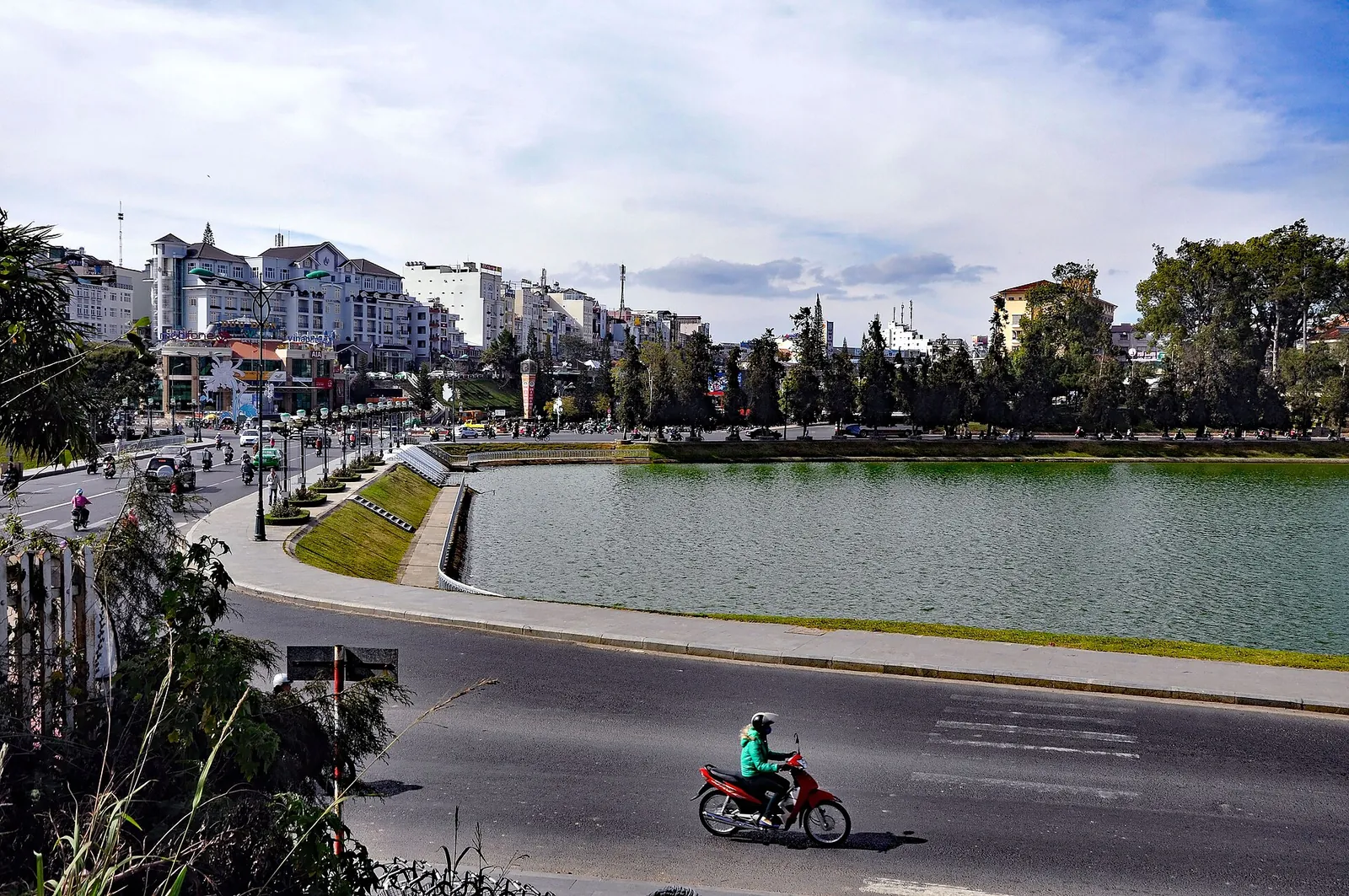
Da Lat is a change of climate and pace. The tourism board recommends a jumper from November to January and an umbrella in the rainy season from April to November. Spend day fourteen in town: Xuan Huong Lake, the central market (go early in the morning, and look for mì Quảng on the upper floor), and the old railway station, from where a short tourist train runs to Trai Mat and the mosaic-covered Linh Phuoc Pagoda. On day fifteen, go outdoors: canyoning at Datanla, a hike up Langbiang, or Truc Lam on Phuong Hoang Hill above Tuyen Lam Lake.
On day sixteen, go down to Ho Chi Minh City. Lien Khuong has flights to Ho Chi Minh City, and the tourism board mentions sleeper buses on the same route. One night in District 1 is enough for this plan: you are heading into the delta the next day. Tan Son Nhat airport is about eight kilometres from the city centre, but the board warns that the drive can take 50 minutes or more in traffic.
- Day 13 — To Da Lat: fly from Da Nang, or train to Nha Trang and road up. Night: Da Lat.
- Day 14 — Da Lat town: the lake, the market, the station and the Trai Mat train. Night: Da Lat.
- Day 15 — Outdoors: Datanla, Langbiang or Tuyen Lam Lake. Night: Da Lat.
- Day 16 — Ho Chi Minh City: fly or take the bus down, dinner in District 1. Night: Ho Chi Minh City.
Days 17–21: the Mekong Delta and Phu Quoc
On day seventeen, travel to Can Tho. The tourism board describes a four-hour bus journey from Ho Chi Minh City that stops at a terminal four kilometres outside town; local buses for the delta leave from the Mien Tay bus station. Walk the Ninh Kieu riverfront in the evening and, as the board suggests, book a boat for the next morning before you go to bed.
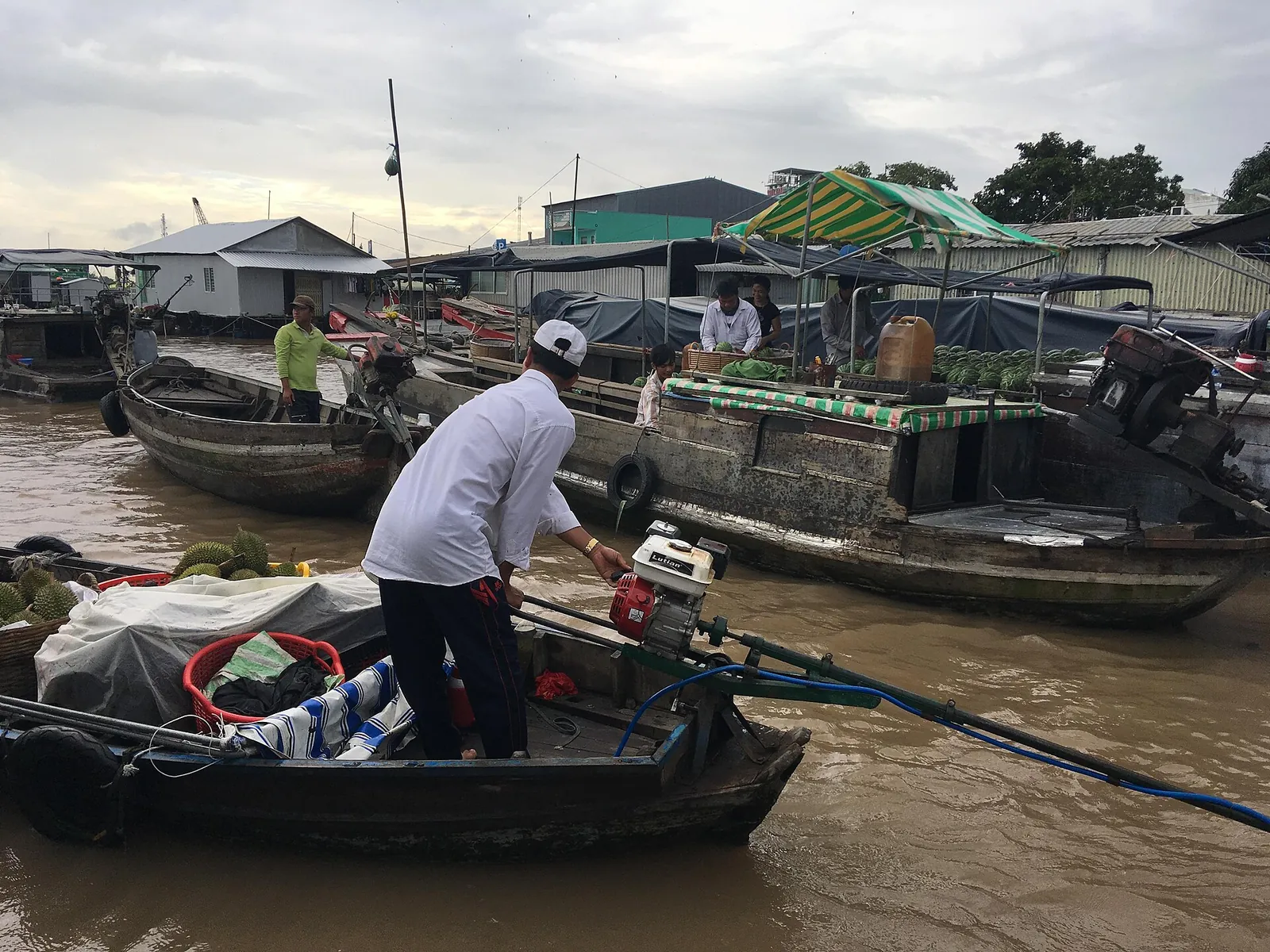
Day eighteen starts at 5am. The tourism board describes Cai Rang as the largest wholesale floating market in the delta, running from early morning to midday, about a 30-minute ride from Can Tho, with hủ tiếu noodles sold for breakfast from boats on the water. Back in town by late morning, continue by road to Rach Gia on the coast. The fast-boat operator to Phu Quoc lists a crossing of about two and a half hours from Rach Gia to Bai Vong port on the island's east coast, and asks passengers to be at the port at least 30 minutes before departure. If no afternoon boat fits, sleep in Rach Gia and cross the next morning; either way, the operator says tickets are fully refunded when a sailing is cancelled for bad weather.
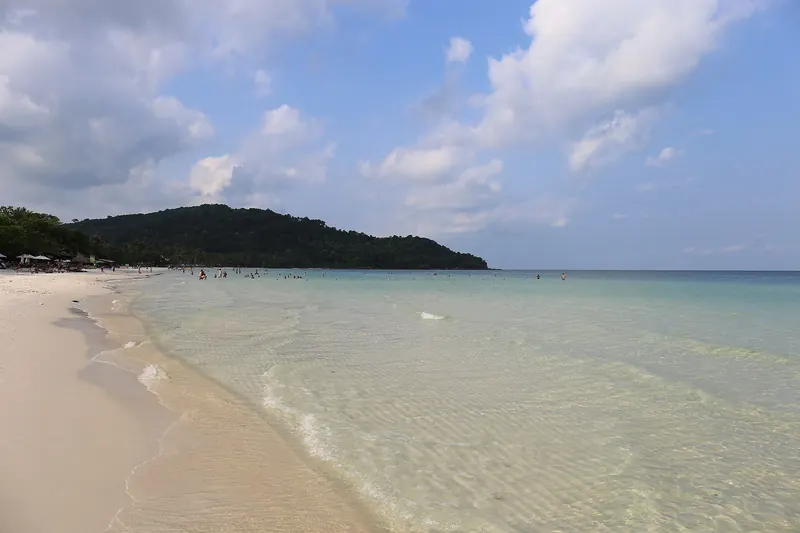
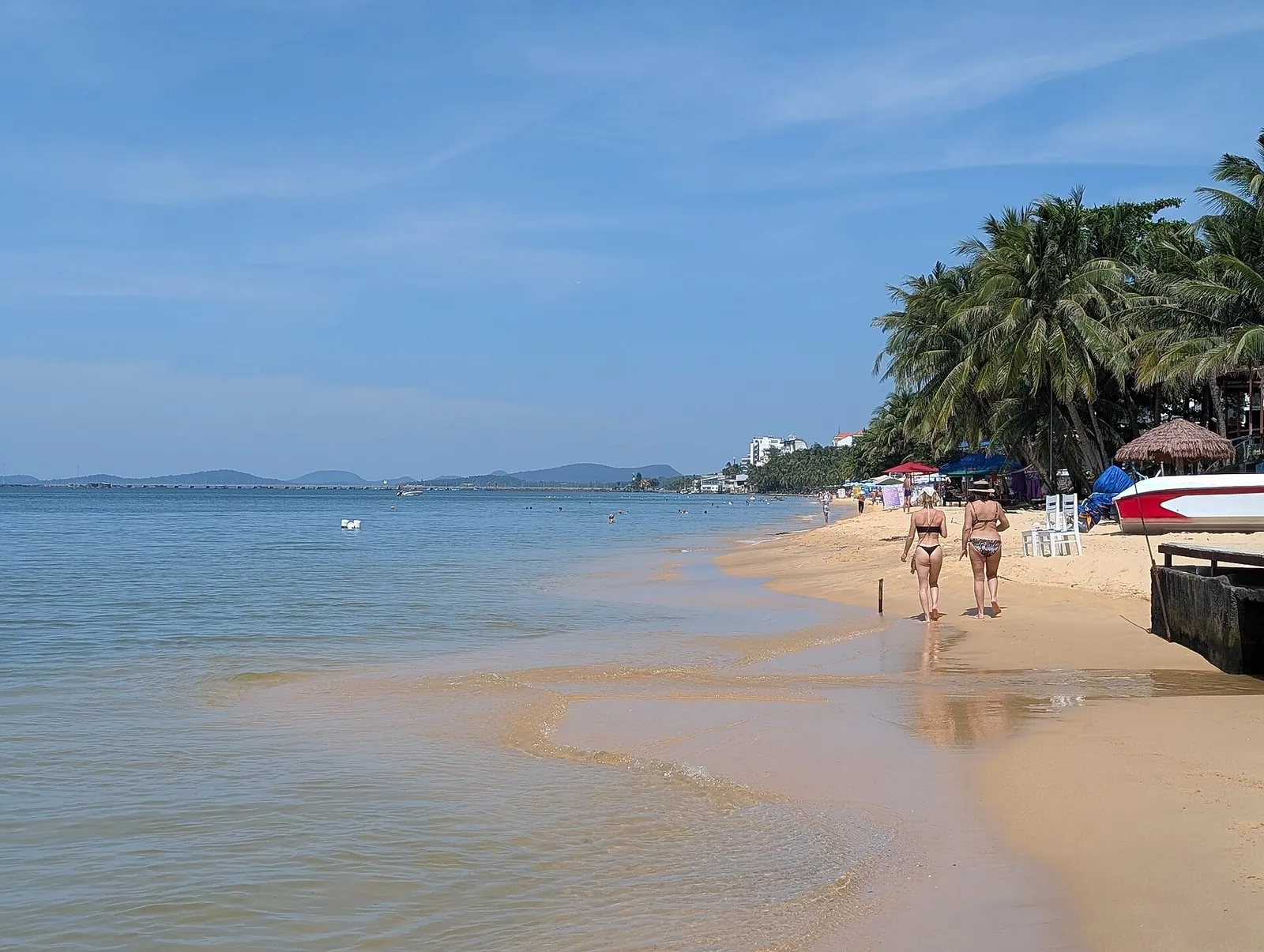
End on Phu Quoc. The tourism board describes Long Beach as 20 kilometres of unobstructed sunsets, snorkelling off the An Thoi islands in the south, and an eight-kilometre cable car to Hon Thom that takes about 15 minutes one way. Spend one day in the south on the cable car or a boat, one on the island's working side (a fish-sauce maker, a pepper farm, the floating restaurants at Ham Ninh) and keep the last morning free. The tourism board lists direct international flights to Phu Quoc, so you can fly home from the island, or connect through Ho Chi Minh City or Hanoi.
- Day 17 — Can Tho: bus or car from Ho Chi Minh City, the riverfront in the evening. Night: Can Tho.
- Day 18 — Cai Rang and the coast: the floating market at dawn, then road and fast boat via Rach Gia. Night: Phu Quoc (or Rach Gia).
- Day 19 — Phu Quoc south: the Hon Thom cable car or a snorkelling boat from An Thoi. Night: Phu Quoc.
- Day 20 — Phu Quoc: fish sauce, pepper and Ham Ninh, sunset on Long Beach. Night: Phu Quoc.
- Day 21 — Home: fly out from Phu Quoc (PQC).
Weather, storms and entry rules for a north-to-south trip
No single month is perfect everywhere, because each region has its own seasons. The tourism board calls Hue's best months February to the end of April, with flooding usually from October to late in the year; Hoi An's best months March to May; Da Lat dry from November to May; Ho Chi Minh City and the delta clear from December to April; and Phu Quoc clear from October to June, at its best in December and January. Sa Pa is chilly and misty from December to March and near-perfect in late April. Late February to April therefore suits the whole route best.
If you travel in the autumn, plan around the centre. The UK government's travel advice describes seasonal flooding in central Vietnam in October and November and a tropical storm season that normally runs from May to November. Keep a free half-day after the Hue and Hoi An legs, do not connect a train to a flight on the same day in those months, and remember that the Phu Quoc boats stop in bad weather; the tourism board advises avoiding the island's stormy months of July to September.
Check the entry rules for your own passport before you book. The tourism board says Vietnam grants e-visas to citizens of all countries, valid for 90 days and multiple entries, and that citizens of 13 countries, including the UK, Germany, France, Italy, Spain and Japan, can stay up to 45 days without a visa. When we checked on 2026-10-03, the UK government's advice confirmed visa-free visits of up to 45 days for British citizens, enough for this route. Phu Quoc's separate 30-day exemption, described by Vietnam Airlines, applies only when you arrive on the island directly from abroad, so it does not help on a trip that starts in Hanoi.
Practical questions
Is three weeks enough to see Vietnam from north to south?
Yes, if you travel in one direction and accept a few long moves. This plan uses 20 nights for eight stops, two of them on night trains, and flies home from Phu Quoc instead of going back to Hanoi. Adding Ha Long Bay, Phong Nha or more islands means taking something else out.
Which train journeys are worth it on this route?
The night train from Hanoi to Lao Cai for Sa Pa, a sleeper from Hanoi to Hue, and the local train from Hue to Da Nang via Lang Co. The railway does not reach Sa Pa, Hoi An or Da Lat, so those last stretches are by road. For Da Nang to Da Lat and Da Lat to Ho Chi Minh City, flying usually saves the most time.
Should I fly into Hanoi or Ho Chi Minh City?
Into Hanoi, and out of Phu Quoc or Ho Chi Minh City. The route runs north to south, so an open-jaw ticket avoids a long trip back. You can do the same route in reverse, but the mountains are better at the start of the trip, before the beach days.
Do I need a visa for three weeks in Vietnam?
It depends on your passport. The tourism board says citizens of 13 countries, including the UK, Germany, France and Japan, can stay up to 45 days without a visa, and that e-visas valid for 90 days are available to all nationalities. Check your own government's advice before you book.
What is the best time of year for this itinerary?
Late February to April. Hue, Hoi An, Da Lat, the delta and Phu Quoc are all in or near their best months, and Sa Pa's skies clear by late April. October and November are the hardest months because of flooding and storms in central Vietnam.
Can I see the Ho Chi Minh Mausoleum in October 2026?
No. Tuoi Tre reported the Mausoleum Command's notice that it is closed for maintenance from 4 September to 2 November 2026, reopening on 3 November.
Sources and checks before you travel
Reference sources for the version dated 3 October 2026. Confirm opening times, access, transport and conditions for your travel dates.
- Vietnam National Authority of Tourism: Transport within Vietnam ↗ — opens in a new tab
- Railway Transport Joint Stock Company: train routes ↗ — opens in a new tab
- Railway Transport Joint Stock Company: 2026 fare policy and exchange/refund rules ↗ — opens in a new tab
- Vietnam National Authority of Tourism: Vietnam railway, an incredible train journey ↗ — opens in a new tab
- Vietnam National Authority of Tourism: Sapa ↗ — opens in a new tab
- Vietnam National Authority of Tourism: Sapa for sustainable travellers ↗ — opens in a new tab
- Vietnam National Authority of Tourism: Ha Noi ↗ — opens in a new tab
- Tuoi Tre: Ho Chi Minh Mausoleum closed for maintenance from 4 September 2026 ↗ — opens in a new tab
- Vietnam National Authority of Tourism: Hue ↗ — opens in a new tab
- Vietnam National Authority of Tourism: Hue itinerary ↗ — opens in a new tab
- Vietnam National Authority of Tourism: Hoi An ↗ — opens in a new tab
- Vietnam National Authority of Tourism: top things to do in Hoi An ↗ — opens in a new tab
- Vietnam National Authority of Tourism: Da Lat ↗ — opens in a new tab
- Vietnam National Authority of Tourism: 8 things to do in Da Lat ↗ — opens in a new tab
- Wikipedia: Lien Khuong International Airport ↗ — opens in a new tab
- Vietnam National Authority of Tourism: a traveller's guide to Vietnam's airports ↗ — opens in a new tab
- VnExpress: Long Thanh airport opening in three phases ↗ — opens in a new tab
- Vietnam National Authority of Tourism: Can Tho ↗ — opens in a new tab
- Vietnam National Authority of Tourism: 4 memorable days in the Mekong Delta ↗ — opens in a new tab
- Phu Quoc Express: Ha Tien and Rach Gia routes ↗ — opens in a new tab
- Phu Quoc Express: Rach Gia port ↗ — opens in a new tab
- Vietnam National Authority of Tourism: Phu Quoc ↗ — opens in a new tab
- Vietnam National Authority of Tourism: beachy, beautiful Phu Quoc ↗ — opens in a new tab
- VnExpress: Phu Quoc herring salad ↗ — opens in a new tab
- Vietnam National Authority of Tourism: Hue's best food on Palace Street ↗ — opens in a new tab
- Vietnam National Authority of Tourism: Topas Ecolodge ↗ — opens in a new tab
- Vietnam National Authority of Tourism: weather and climate in Vietnam ↗ — opens in a new tab
- UK FCDO travel advice: Vietnam safety and security ↗ — opens in a new tab
- Vietnam National Authority of Tourism: visa requirements ↗ — opens in a new tab
- UK FCDO travel advice: Vietnam entry requirements ↗ — opens in a new tab
- Vietnam Airlines: Phu Quoc visa exemption ↗ — opens in a new tab
Does this experience fit your route?
Three bookings shape this route: a guide for the Sa Pa valleys, the Hue – Hoi An transfer and the dawn boat at Cai Rang. Check start times against your trains and boats before you book.
Check dates and details on Viator ↗ — opens in a new tabAffiliate link · Book with ViatorPhoto credits
Rice terraces and village houses in the hills around Sa Pa, the mountain leg of the route.
Photograph: JM Suarez — opens in a new tab · CC BY 2.0 — opens in a new tab
Changes: Resized and converted to WebP; displayed with responsive crops. · Original photograph and licence details ↗ — opens in a new tab
Trains at Lao Cai station, where the night train from Hanoi ends and the road to Sa Pa begins.
Photograph: tomscoffin — opens in a new tab · CC BY 2.0 — opens in a new tab
Changes: Resized and converted to WebP; displayed with responsive crops. · Original photograph and licence details ↗ — opens in a new tab
Ngo Mon, the Meridian Gate of the Imperial City in Hue.
Photograph: Suicasmo — opens in a new tab · CC BY-SA 4.0 — opens in a new tab
Changes: Resized and converted to WebP; displayed with responsive crops. · Original photograph and licence details ↗ — opens in a new tab
Xuan Huong Lake in the centre of Da Lat.
Photograph: P. Hughes — opens in a new tab · CC BY 4.0 — opens in a new tab
Changes: Resized and converted to WebP; displayed with responsive crops. · Original photograph and licence details ↗ — opens in a new tab
A beach on Phu Quoc, where the three weeks end.
Photograph: Elmschrat — opens in a new tab · CC BY-SA 4.0 — opens in a new tab
Changes: Resized and converted to WebP; displayed with responsive crops. · Original photograph and licence details ↗ — opens in a new tab
Bún bò Huế, the spicy beef and pork noodle soup to look for at breakfast in Hue.
Photograph: SauceSupreme — opens in a new tab · CC BY 2.0 — opens in a new tab
Changes: Resized and converted to WebP; displayed with responsive crops. · Original photograph and licence details ↗ — opens in a new tab
Cai Rang floating market near Can Tho, the dawn stop on day eighteen.
Photograph: Christophe95 — opens in a new tab · CC BY-SA 4.0 — opens in a new tab
Changes: Resized and converted to WebP; displayed with responsive crops. · Original photograph and licence details ↗ — opens in a new tab