Plan your trip · Vietnam
Vietnam visa and entry: visa-free stays, the official e-visa and Phu Quoc
Vietnam's entry rules have changed several times since 2023. Since August 2023 every nationality can apply for an e-visa valid for up to 90 days, a growing list of European and Asian countries can enter without a visa for 45 days, and Phu Quoc island has its own 30-day exemption. The details matter: an e-visa ties you to the border gates you name on the form, there is no visa on arrival at land crossings and the only official place to apply for an e-visa is a government portal ending in .gov.vn. This guide sets out the routes in, what the official sources said when we checked on 2026-10-03, and the practical checks that keep a trip from going wrong at the border.
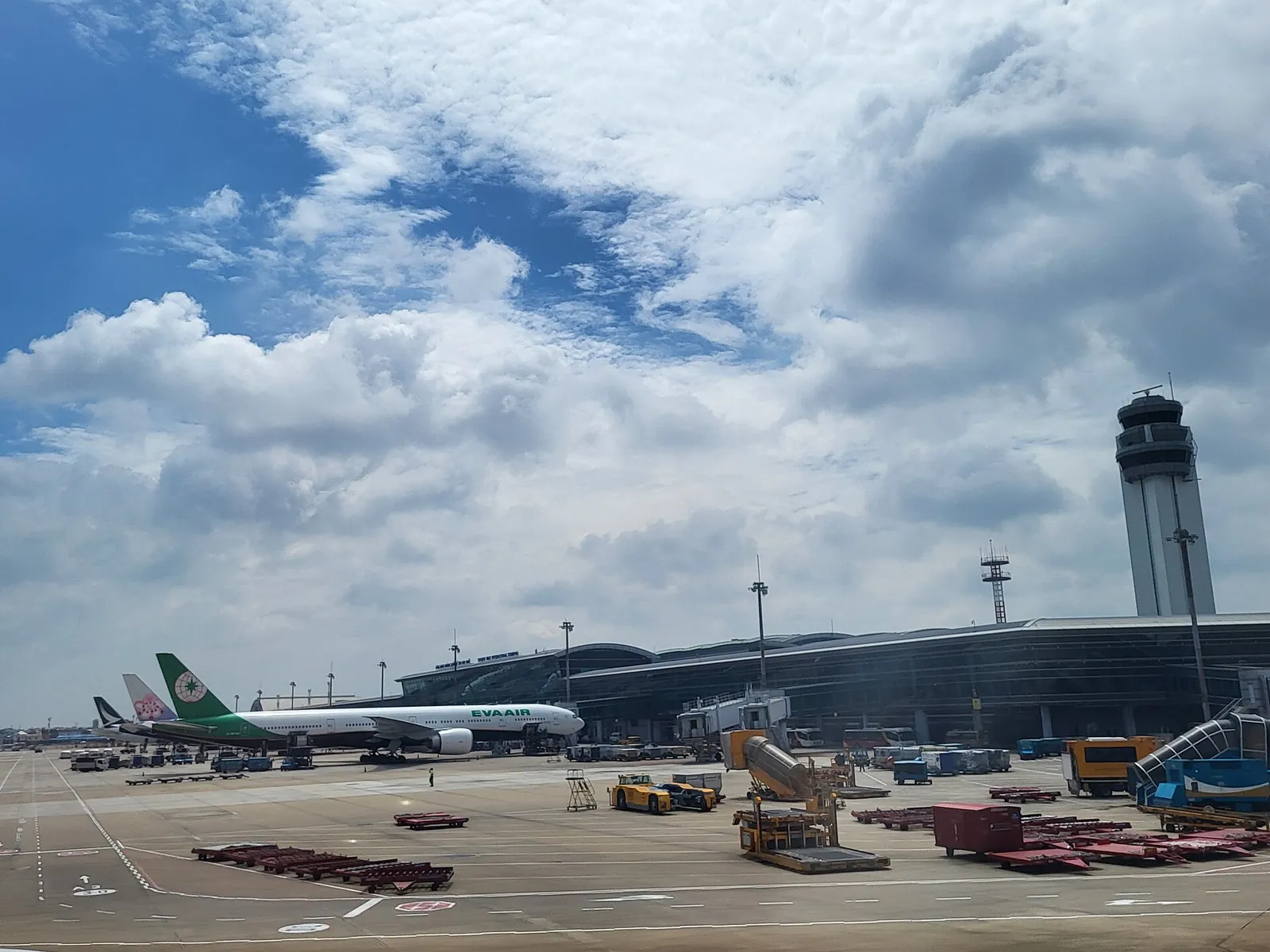
- Suggested time
- Allow at least two weeks before departure for an e-visa; visa-free stays are 45 days for listed countries
- Where to stay
- Hanoi, Ho Chi Minh City or Phu Quoc, depending on where you land
- Season and timing
- All year; apply well ahead of Tet (January or February) and other holiday peaks, when flights and trains fill early
The short answer
First check whether your passport is on Vietnam's visa-exemption lists: when we checked on 2026-10-03, the government had granted a 45-day visa-free stay to citizens of 24 countries, including the UK, Germany, France, Japan, South Korea and the Netherlands, plus ASEAN neighbours under separate agreements. If you are not on a list, or you need more than 45 days, apply for the e-visa yourself on the Immigration Department's portal, evisa.gov.vn, at least a couple of weeks before you fly, and name the airports or land gates you will actually use. If your whole trip is Phu Quoc, the island's 30-day exemption may be enough. Whatever route you use, carry a passport valid for six months, check the stamp before leaving immigration, and confirm the rules on official pages just before departure, because they change.
Three ways in: visa exemption, e-visa or the Phu Quoc rule
Most visitors enter Vietnam in one of three ways. The first is a visa exemption. In March 2025 the government renewed a 45-day visa-free stay for citizens of Germany, France, Italy, Spain, the United Kingdom, Russia, Japan, South Korea, Denmark, Sweden, Norway and Finland, running from 15 March 2025 to 14 March 2028. In August 2025 it added Belgium, Bulgaria, Croatia, the Czech Republic, Hungary, Luxembourg, the Netherlands, Poland, Romania, Slovakia, Slovenia and Switzerland, also for 45 days, from 15 August 2025 to 14 August 2028. That is what the Government Portal reported; the policies run on fixed end dates, so check that yours is still in force for your travel dates.
A second group is exempt under bilateral agreements, which set their own length of stay. The national tourism board's list includes Brunei, Myanmar, the Philippines, Cambodia, Indonesia, Laos, Malaysia, Singapore, Thailand, Kyrgyzstan, Kazakhstan, Belarus, Chile and Panama. According to the Government Portal, the stay follows the treaty, and where a treaty does not set a period, 30 days is granted. Ask your own foreign ministry or the Vietnamese embassy for your exact allowance.
Everyone else, including travellers from countries such as the United States, Canada, Australia and India, which were not on any of these lists when we checked, needs a visa, and for a holiday that almost always means the e-visa. Since 15 August 2023 it has been open to citizens of every country and territory and can be issued for up to 90 days, single or multiple entry. The e-visa is also the answer for visa-exempt travellers who want to stay longer than 45 days. The third route, Phu Quoc's 30-day island exemption, is covered further down.
Applying for the e-visa on the official portal
The e-visa is issued by the Immigration Department of the Ministry of Public Security. Its application portal moved on 11 November 2024 to two new addresses, evisa.gov.vn and thithucdientu.gov.vn, and the old immigration.gov.vn and evisa.xuatnhapcanh.gov.vn pages now carry a notice pointing there. Searches for "Vietnam e-visa" also return commercial agency sites, so type the government address yourself and check that it ends in .gov.vn before you enter passport details or pay.
The tourism board's FAQ describes the process in four steps: fill in the form and upload a scan of your passport data page and a photo, receive a document code and pay, wait for the result, then use the code to check and print the e-visa. Your passport should be valid for at least six months. When we checked on 2026-10-03, the Government Portal listed the fee as US$25 for a single-entry and US$50 for a multiple-entry e-visa, paid through the portal's online payment gateway and not refunded if the visa is refused.
The same FAQ says a result normally comes within three working days of submission and payment, but that page also still carries older visa figures, so treat it as a minimum, not a promise. Apply early enough to fix a mistake: a misspelled name or a passport number that does not match can cause problems at the airport. Print the e-visa and keep a copy on your phone.
- Choose single or multiple entry before you apply: if you will hop to Cambodia or Laos and come back, you need multiple entry or a second visa.
- Enter dates that cover your whole stay, not just the arrival flight.
- Name the airport or border gate where you will arrive and the one you will leave from (see the next section).
- Use the passport you will travel on. Vietnam requires you to enter and exit on the same passport.
Make time for the local food
What to eat and where to look
Phở (rice noodle soup)
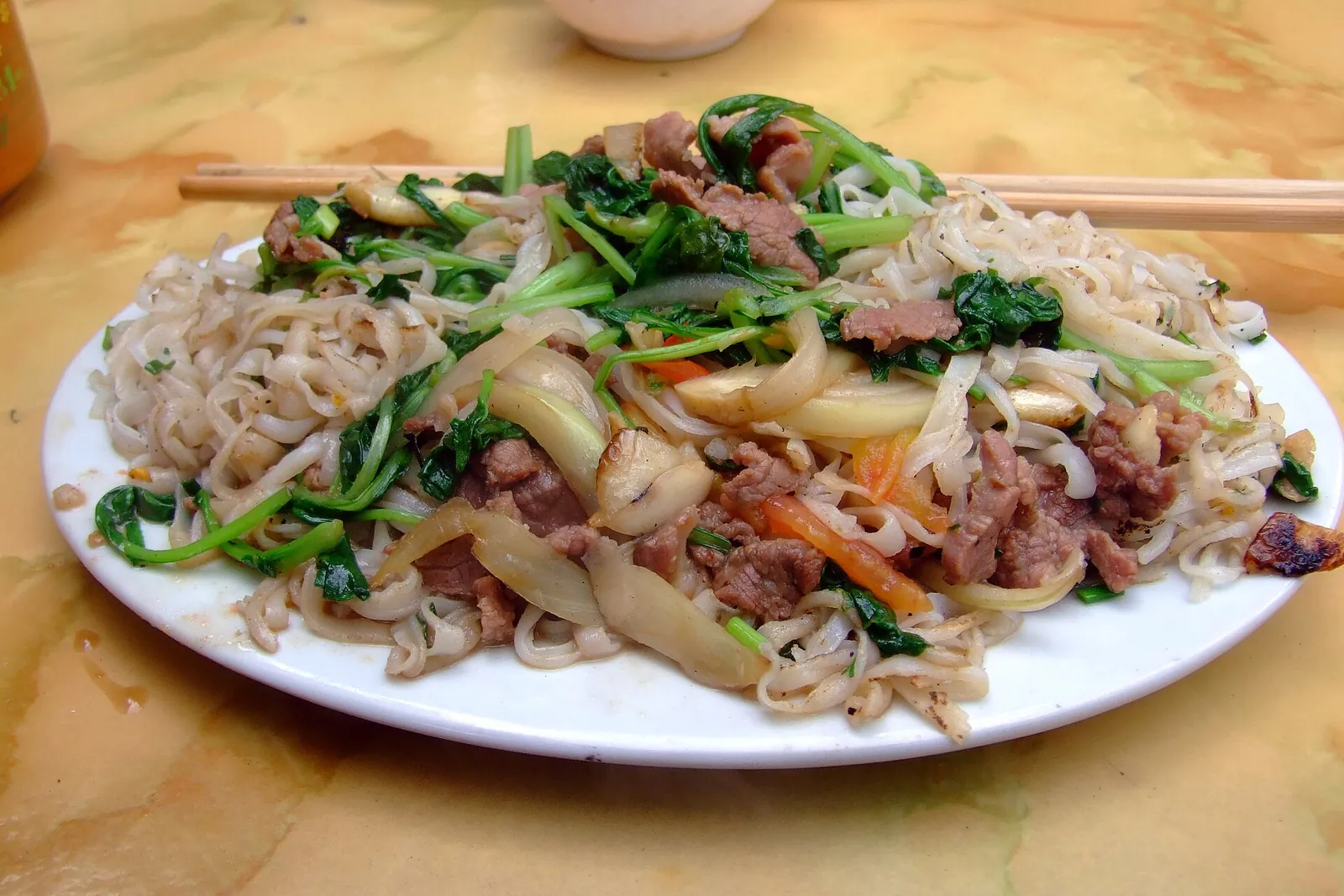
Flat rice noodles in a clear beef or chicken broth, with herbs, lime and chilli on the side. After a night flight into Hanoi, a bowl of phở is the classic first breakfast. In Hanoi you will also see phở xào, the same noodles stir-fried with beef and greens.
- Where to look
- Specialist phở shops in Hanoi's Old Quarter that serve one or two versions and little else, busiest early in the morning.
- Fit it into your day
- Breakfast on your first morning in Hanoi, before you sort out a SIM card and cash.
Beef is often added rare and cooks in the broth; ask for well-done (chín) if you prefer.
Bánh mì
A crisp baguette filled with pâté, cold cuts or grilled meat, pickled vegetables, herbs and chilli: Ho Chi Minh City's grab-and-go meal and an easy first taste of the south.
- Where to look
- Street carts and small bakeries around District 1 in Ho Chi Minh City; a cart with a queue of locals is a good sign.
- Fit it into your day
- A quick lunch on arrival day, when you are still on another time zone and do not want a long sit-down meal.
Most fillings contain pork and pâté; ask for egg (trứng) or tofu if you avoid meat.
Phu Quoc seafood
Shellfish, squid, prawns and fish from the waters around the island, chosen from trays or tanks and grilled or steamed to order, often with scallion oil and peanuts on top.
- Where to look
- The night market in Duong Dong town and seafood restaurants along the island's west coast.
- Fit it into your day
- Dinner on your first evening on Phu Quoc, when most visitors come to the night market anyway.
Prices are usually by weight; confirm the weight and price before it is cooked. Avoid shellfish if you have an allergy.
Choosing entry and exit points, and crossing by land
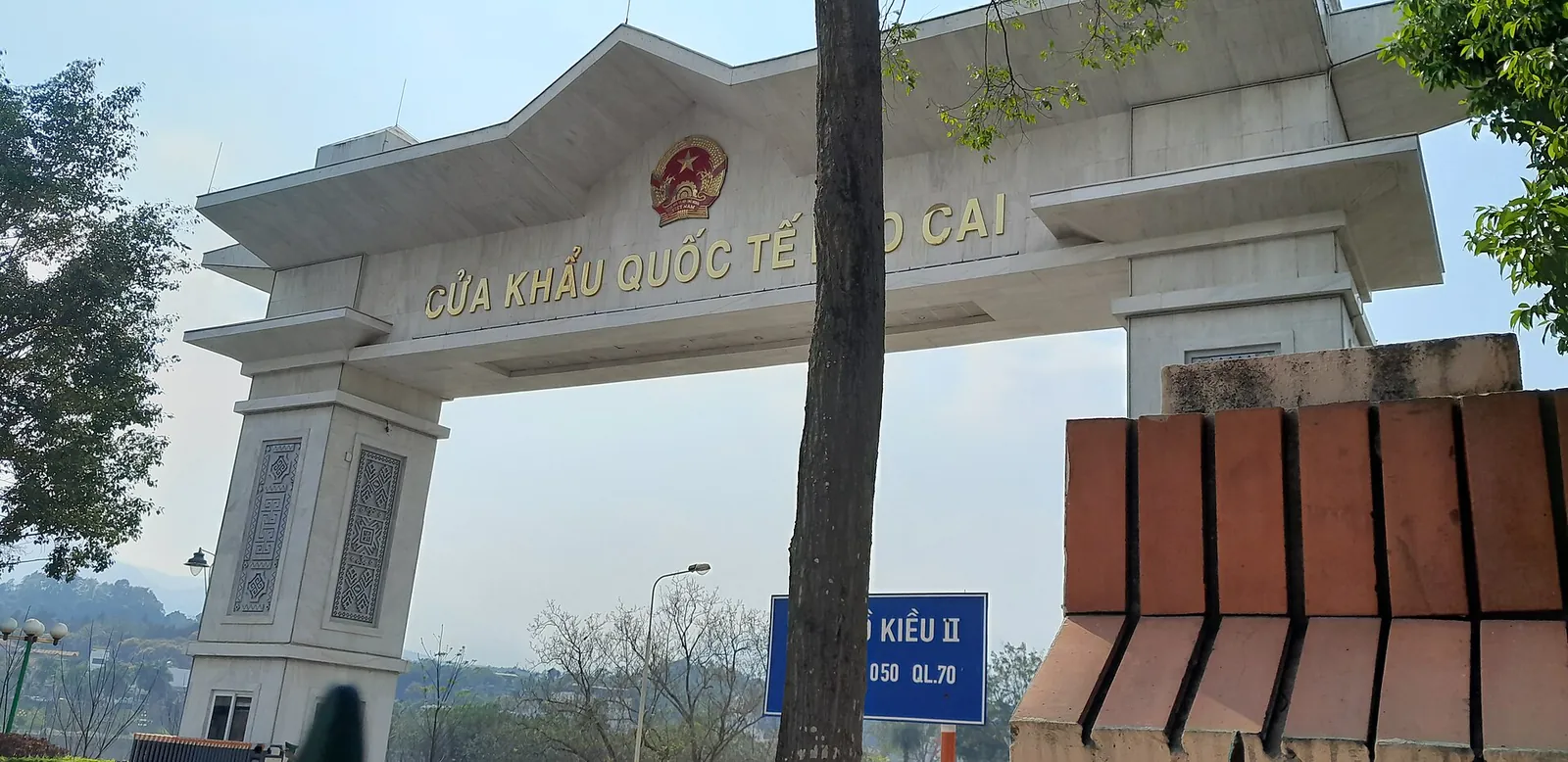
An e-visa is not valid at every border post. The UK government's advice warns that it restricts you to the entry and exit points you select when you apply. The original list had 13 international airports, including Noi Bai (Hanoi), Tan Son Nhat (Ho Chi Minh City), Da Nang, Cam Ranh (Nha Trang), Phu Quoc, Phu Bai (Hue), Cat Bi (Hai Phong) and Van Don (Ha Long), 16 land border gates and 13 seaports. In December 2025, Government Resolution 389/NQ-CP added 41 more gates, bringing the total to 83: among them Vinh and Chu Lai airports, the new Long Thanh International Airport once it opens, the Dong Dang and Lao Cai railway gates on the China border and An Thoi seaport on Phu Quoc.
That Long Thanh entry matters for southern arrivals. The Civil Aviation Authority of Vietnam agreed that international airlines may start flying to Long Thanh in Dong Nai from 1 December 2026, with long-haul flights to Europe, the Americas, Oceania and the Middle East due to move there from 28 March 2027. If you are flying into the Ho Chi Minh City area from December 2026, check which airport your ticket names and put that one on the e-visa form.
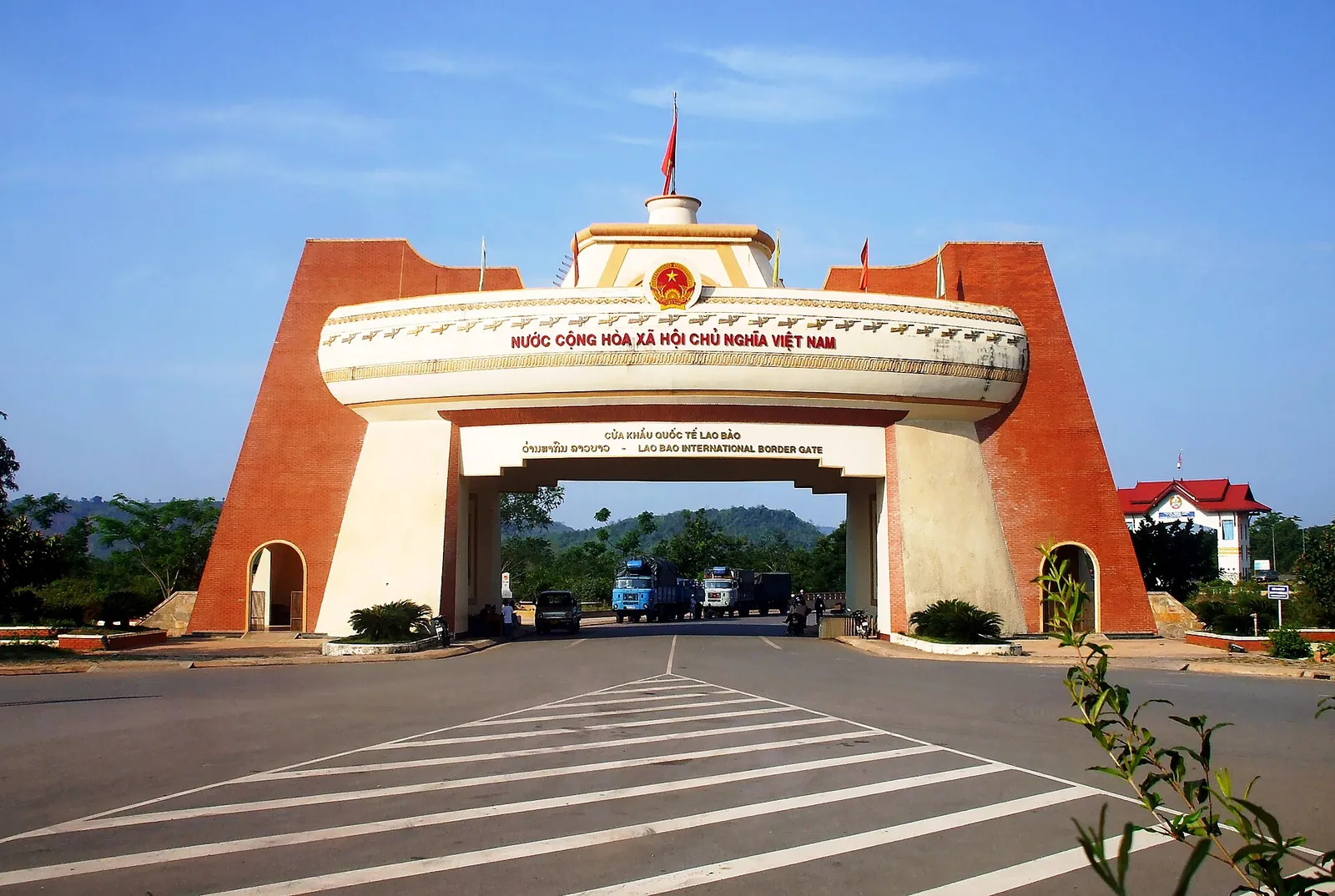
Overland, the tourism board is blunt: there are no visas on arrival at land crossings, so arrive with an e-visa or a visa exemption. The e-visa list includes the gates most travellers use: Moc Bai and Xa Mat (Tay Ninh) for buses from Phnom Penh to Ho Chi Minh City, Tinh Bien and Vinh Xuong (An Giang) for the Mekong route from Cambodia, Ha Tien (Kien Giang) on the coast, Lao Bao (Quang Tri) and Cau Treo (Ha Tinh) from Laos, and Lao Cai, Huu Nghi and Mong Cai on the China border. If you are visa-exempt, still check that a smaller crossing handles foreign travellers before you plan a route around it.
Phu Quoc's island exemption
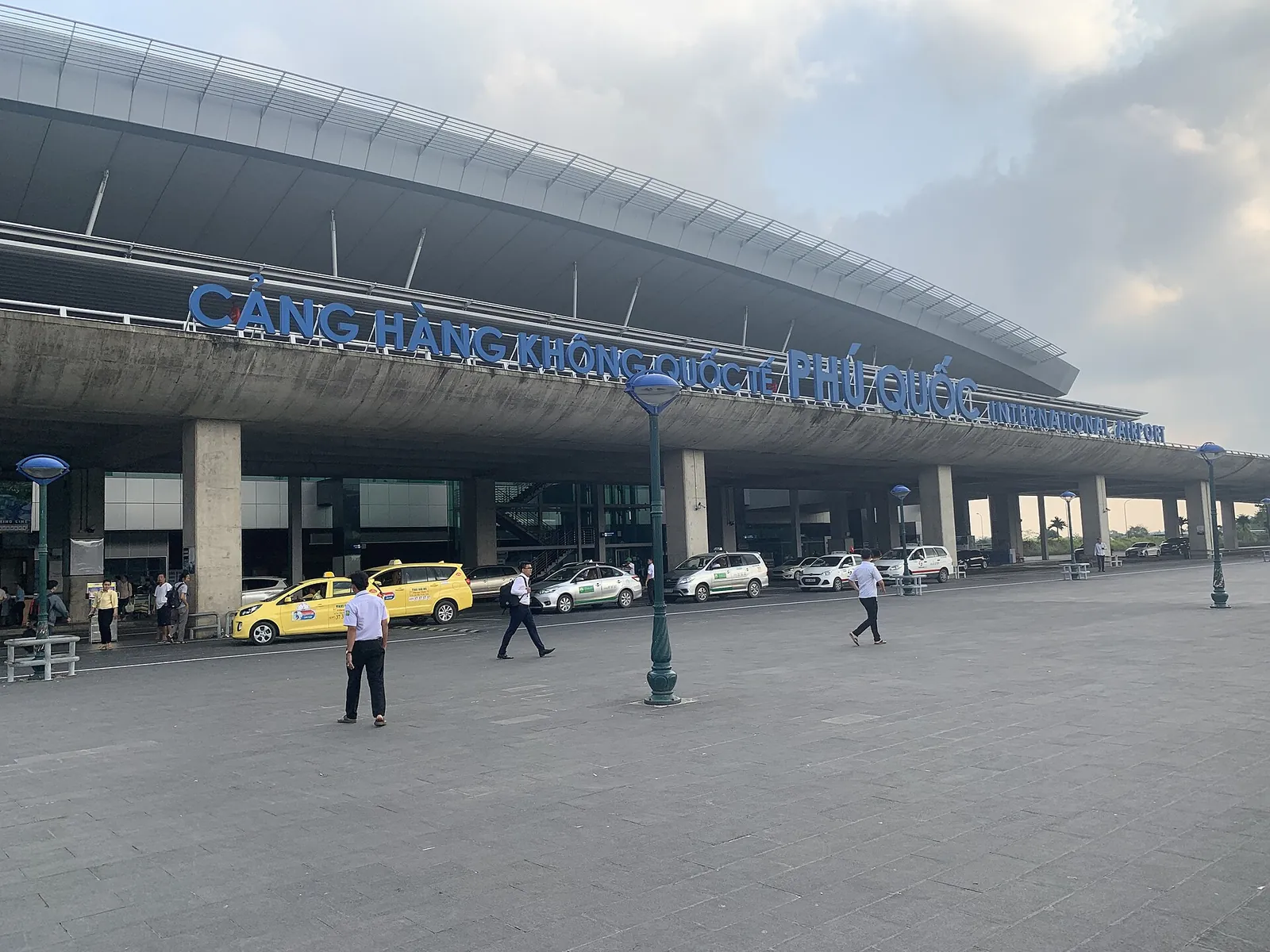
Phu Quoc, in the Gulf of Thailand, has its own rule. The national tourism board's FAQ says foreigners, and Vietnamese people holding foreign passports, may stay on Phu Quoc for up to 30 days without a visa, whatever their nationality. It adds that travellers who arrive through another international entry point by air or sea and continue directly to Phu Quoc can also use the exemption, which is how many people reach the island on a connection through Ho Chi Minh City or Hanoi.
Read that as an island exemption. The FAQ describes a stay on Phu Quoc, not on the mainland, so if the island is only one stop in a longer Vietnam trip, enter with a standard visa exemption or an e-visa that covers the whole journey. If you rely on the direct-transit route, keep your onward Phu Quoc ticket on the same booking and ask your airline how the transfer is handled, because the UK advice says passengers changing from an international to a domestic flight in Hanoi or Ho Chi Minh City must go through immigration first. Check the rule again with the Immigration Department or your airline just before you travel.
At the border: passport, stamp, arrival card and cash
The UK government's advice for British travellers sets out checks that apply in practice to most visitors. Your passport should have at least six months' validity from the date you arrive and at least two blank pages, and it should not be damaged: the advice notes that British nationals have been refused entry and exit over passport damage. You must also enter and leave on the same passport.
Check your entry stamp before you leave the immigration hall. It shows the date by which you must leave, and the UK advice warns that immigration will not correct it once you have left the airport or land border. For a 45-day exemption, count the days yourself.
When we checked on 2026-10-03, the UK advice said that since 15 April 2026 foreigners arriving at Tan Son Nhat in Ho Chi Minh City have been encouraged, but not required, to fill in a digital arrival card online before landing, and that this could become mandatory or spread to other airports at short notice. It also mentioned that a health declaration may be requested; check with the Vietnamese embassy before you fly.
Cash above 15 million dong or US$5,000 (or the equivalent in another currency) must be declared on arrival and departure, according to the same advice. If you carry prescription medicine, keep it in your hand luggage with a copy of the prescription.
Staying longer, changing plans and overstaying
If your plans grow, deal with it before your permitted stay runs out. The UK advice lists the options for visitors who want more than 45 days: an e-visa for up to 90 days, a visa through a Vietnamese embassy, or a visa pre-approval letter arranged by a travel agent in Vietnam. It also warns that an e-visa obtained while you are already in Vietnam only starts when you leave the country and re-enter, so a border hop to Cambodia or Laos is part of the plan. For stays beyond 90 days, it refers travellers to the Immigration Department.
Overstaying is expensive and slow to resolve. The authorities can stop you leaving until a fine is paid, and can deport you and bar future visits. Work and study need a different visa altogether, and working illegally carries the same risks.
Above all, treat any visa guide, including this one, as a starting point. The exemption lists run on fixed dates, the e-visa gates have been expanded by resolution, and the arrival card was still being rolled out when we checked. A last look at the Immigration Department portal and your own government's travel advice a few days before you fly is the cheapest insurance you can buy.
Practical questions
Do I need a visa for Vietnam?
It depends on your passport. When we checked on 2026-10-03, citizens of 24 countries, including the UK, Germany, France, Italy, Spain, Japan, South Korea, the Netherlands and Switzerland, could stay up to 45 days without a visa, and several ASEAN and other countries were exempt under bilateral agreements. Everyone else needs a visa, usually the e-visa.
Where do I apply for the official Vietnam e-visa?
On the Immigration Department's portal at evisa.gov.vn (also reachable at thithucdientu.gov.vn). Check that the address ends in .gov.vn before you enter passport details or pay.
How much does the Vietnam e-visa cost?
When we checked on 2026-10-03, the Government Portal listed US$25 for a single-entry and US$50 for a multiple-entry e-visa, paid online and not refunded if the application is refused.
How long can I stay on an e-visa?
Up to 90 days, single or multiple entry. You must enter and leave through the border gates named on the visa.
Can I get a visa on arrival at a land border?
No. The national tourism board says there are no visas on arrival at land crossings, so arrive with an e-visa or a visa exemption. Visas on arrival at airports are only issued to travellers with a pre-approval letter.
Do I need a visa for Phu Quoc?
Not for a stay of up to 30 days on the island itself, according to the tourism board, including when you transit through another international airport and continue directly to Phu Quoc. If you also want to travel on the mainland, you need a visa exemption or an e-visa.
Sources and checks before you travel
Reference sources for the version dated 3 October 2026. Confirm opening times, access, transport and conditions for your travel dates.
- Viet Nam Government Portal: Viet Nam to offer 45-day visa-free entry for citizens from 12 countries ↗ — opens in a new tab
- Viet Nam Government Portal: Understanding Viet Nam's e-visa ↗ — opens in a new tab
- Viet Nam Government Portal: How to apply for e-visa to enter Viet Nam ↗ — opens in a new tab
- Viet Nam Government Portal: More choices for foreigners with e-visa to enter and exit Viet Nam ↗ — opens in a new tab
- Vietnam Immigration Department: e-visa portal notice ↗ — opens in a new tab
- Vietnam National Authority of Tourism: Vietnam visa requirements ↗ — opens in a new tab
- Vietnam National Authority of Tourism: FAQs ↗ — opens in a new tab
- Vietnam National Authority of Tourism: Getting to Vietnam ↗ — opens in a new tab
- Vietnam National Authority of Tourism: A traveller's guide to Vietnam's airports ↗ — opens in a new tab
- UK FCDO travel advice: Vietnam entry requirements ↗ — opens in a new tab
- VnExpress: Long Thanh airport operating roadmap agreed in three phases ↗ — opens in a new tab
Does this experience fit your route?
Entry sorted? Compare tours from Hanoi and Ho Chi Minh City for your first days, and book only once your visa or exemption is confirmed.
Browse relevant experiences on Viator ↗ — opens in a new tabAffiliate link · Book with ViatorPhoto credits
Tan Son Nhat's international terminal (T2) in Ho Chi Minh City, the main gateway to southern Vietnam
Photograph: Hwi.padam — opens in a new tab · CC BY-SA 4.0 — opens in a new tab
Changes: Resized and converted to WebP; displayed with responsive crops. · Original photograph and licence details ↗ — opens in a new tab
Lao Bao international border gate in Quang Tri, a crossing from Laos on the e-visa list
Photograph: Bùi Thụy Đào Nguyên — opens in a new tab · CC BY-SA 3.0 — opens in a new tab
Changes: Resized and converted to WebP; displayed with responsive crops. · Original photograph and licence details ↗ — opens in a new tab
Lao Cai international border gate on the China border, a road crossing open to e-visa holders
Photograph: JakobHosp — opens in a new tab · CC BY 4.0 — opens in a new tab
Changes: Resized and converted to WebP; displayed with responsive crops. · Original photograph and licence details ↗ — opens in a new tab
Phu Quoc International Airport, where the island's 30-day visa-free rule starts for many visitors
Photograph: Martin Lewison from Forest Hills, NY, U.S.A. — opens in a new tab · CC BY 2.0 — opens in a new tab
Changes: Resized and converted to WebP; displayed with responsive crops. · Original photograph and licence details ↗ — opens in a new tab
Phở xào bò, stir-fried rice noodles with beef, in Hanoi's Cau Giay district
Photograph: Codename5281 — opens in a new tab · CC BY-SA 3.0 — opens in a new tab
Changes: Resized and converted to WebP; displayed with responsive crops. · Original photograph and licence details ↗ — opens in a new tab