Plan your trip · Vietnam
Vietnam with kids: family bases, routes, heat and traffic tips
Vietnam is long, hot and busy on the roads, and those three facts shape a family trip more than any list of sights. Children rarely mind a short flight; they mind a nine-hour road transfer, a midday walk in 35-degree humidity and a pavement full of parked motorbikes. Build the trip around a few comfortable bases, give each day one main outing in the cooler hours, and let the beach, the pool or a calm lakeside neighbourhood carry the rest.
- Suggested time
- 10–14 days with two or three bases; 5–7 days for one region
- Where to stay
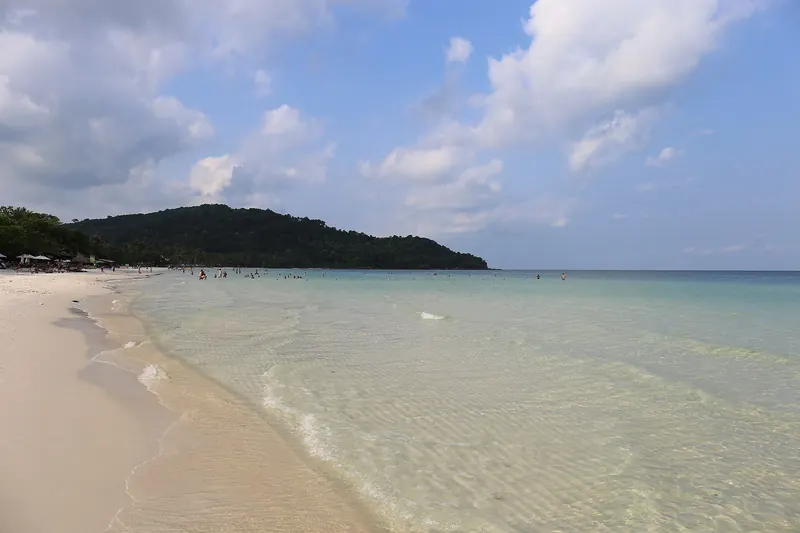
- Tay Ho in Hanoi, a Da Nang or Hoi An beach, and Long Beach on Phu Quoc
- Season and timing
- March to May suits the whole country; February to August for the central coast; October to June for Phu Quoc, avoiding July to September; December to March is cold in Hanoi.
The short answer
For a first family trip, allow 10 to 14 days and use two or three bases, never more: three or four nights in Hanoi (Tay Ho, by West Lake, has more space than the Old Quarter), five or six nights on the central coast at a Da Nang or Hoi An beach, and, if time allows, four nights on Phu Quoc. Fly between regions rather than taking the train or overnight buses: the national tourism board notes that Hanoi to Ho Chi Minh City by train can take up to 30 hours, against a one- or two-hour flight. Plan one main outing per day, start early, rest through the midday heat, and use metered taxis from reputable companies, ride-hailing apps or pre-booked transfers rather than motorbikes.
Fewer bases, shorter transfers
The biggest family decision in Vietnam is how many times you pack. The country is long and narrow, and the official transport guide is blunt about overland travel: trains average about 40 km an hour, Hanoi to Ho Chi Minh City can take up to 30 hours and 16 hours from the centre to either end is common, so a one- or two-hour domestic flight usually makes more sense. With children, every hotel change also costs half a day of settling in, so two or three bases are plenty for two weeks.
A route that works for most families is Hanoi, then the central coast, then optionally Phu Quoc or the south, joined by domestic flights. Da Nang's airport is only about 3 km from the city centre, according to the city's official tourism site, which makes the central coast an easy middle stop: you can be at a beach hotel within the hour of landing. Phu Quoc has direct flights from airports across Asia, which also makes it a good place to start or finish.
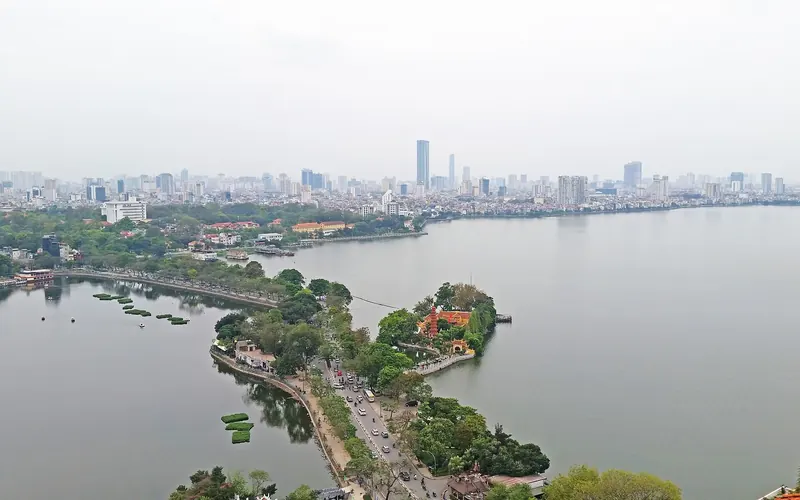
Choose the neighbourhood as carefully as the hotel. In Hanoi, the Old Quarter puts you in the middle of the sights but also in the middle of traffic; Tay Ho, on the shore of West Lake, is quieter and greener, and it is where the tourism board suggests a family stay in serviced apartments with a children's pool, playground and babysitting. On the coast, a hotel on the sand removes the daily transfer altogether: the beach becomes the default plan for every afternoon.
Plan the day around the heat and the season
The national tourism board's health guide warns that Vietnam is hot and humid most of the year, that sunburn can happen quickly, and that headaches and irritability can be early signs of heat exhaustion. With children, that means the main outing goes in the morning, lunch is long and indoors or in the shade, and the second activity, if there is one, starts in the late afternoon. Pack sunscreen and reapply it often on the beach, carry water everywhere, and use DEET-based insect repellent: the same guide notes that dengue is most common in the Mekong Delta, including Ho Chi Minh City, and that there is no vaccine to rely on, so protection around dawn and dusk matters.
The season decides which region deserves the most nights. The tourism board's climate guide gives March to May as the best weather countrywide. Hanoi is surprisingly cold from late December to March, with lows of around 10 degrees, so pack jackets for a winter trip. The central coast around Hoi An is warm to hot and sunny from February to August and wet from September to November, with occasional small floods, so it is a strong choice for summer school holidays and a weak one for the autumn half-term. Phu Quoc is best outside July to September, when storms can make ferries dangerous, and the guide describes December and January as the island at its best.
If you travel with a baby or toddler, bring what you cannot easily replace. The tourism board advises carrying a full supply of any prescribed medicine, and the UK government's advice adds that some medicines are hard to find in Vietnam and many are fake.
Make time for the local food
What to eat and where to look
Phở gà (chicken noodle soup)
Rice noodles in a clear, gentle chicken broth. It is the easiest first Vietnamese meal for most children: the herbs, lime and chilli are served on the side, so you add them to your own bowl, not theirs.
- Where to look
- Phở shops in Hanoi that specialise in one or two soups, busiest at breakfast; also on hotel breakfast buffets across the country.
- Fit it into your day
- Breakfast in Hanoi before the morning outing, and a warm lunch on a cold winter day.
The broth is hot enough to scald; let it cool before small children start. Beef versions are often served rare.
Bánh mì
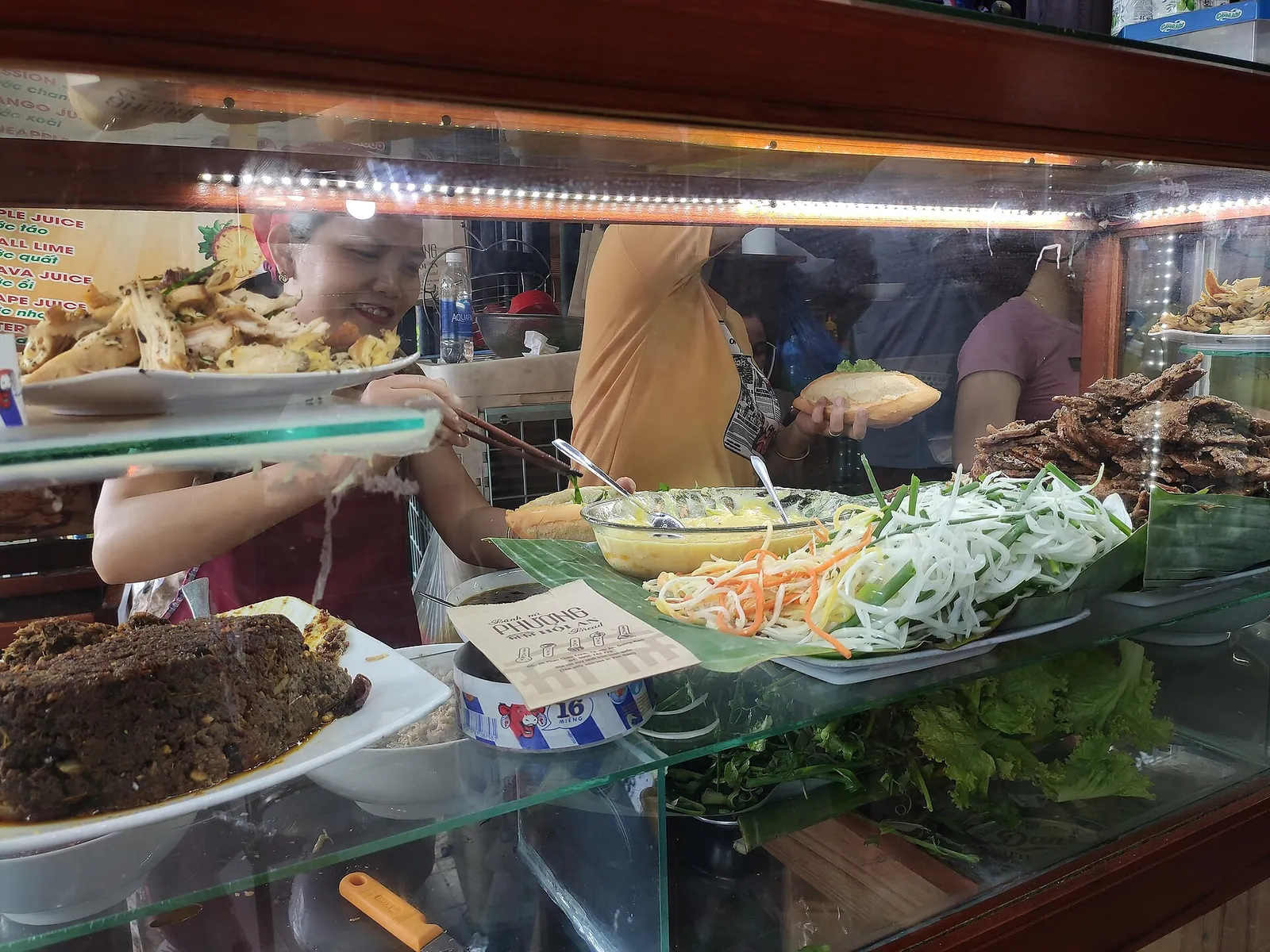
A crisp baguette filled to order with meats, pâté, egg, pickles and herbs. Ordered plain, with egg or grilled meat and no chilli, it makes a portable lunch for a day out.
- Where to look
- Bakery counters and street stalls everywhere; Hoi An has well-known bánh mì shops in the Ancient Town.
- Fit it into your day
- A picnic lunch on a beach or cycling day, or a snack between the morning outing and the afternoon rest.
Ask for no chilli (không cay) for children; pâté and cold meats sit at room temperature at busy stalls, so choose places with a high turnover.
Cơm gà (chicken rice)
Shredded chicken on rice cooked in chicken stock, with a light papaya or herb salad. Hoi An's yellow chicken rice is the best-known version, and it is mild enough for most children.
- Where to look
- Specialist chicken-rice restaurants in Hoi An and simple rice shops (cơm) in every town.
- Fit it into your day
- An early lunch before the midday break, so children eat before they get hot and tired.
The side sauces and pickled chillies are hot; keep them on the adults' side of the table.
Fresh fruit and sinh tố (fruit smoothies)
Mango, dragon fruit, rambutan, mangosteen and other tropical fruit, eaten whole or blended into a smoothie, often with condensed milk.
- Where to look
- Markets and fruit stalls in every town, and smoothie stands near beaches.
- Fit it into your day
- An afternoon snack to rehydrate after the beach or a walk.
Smoothies are usually blended with ice, which the tourism board suggests avoiding in rural areas; buy whole fruit and peel it yourself when you are unsure.
What children actually enjoy, region by region
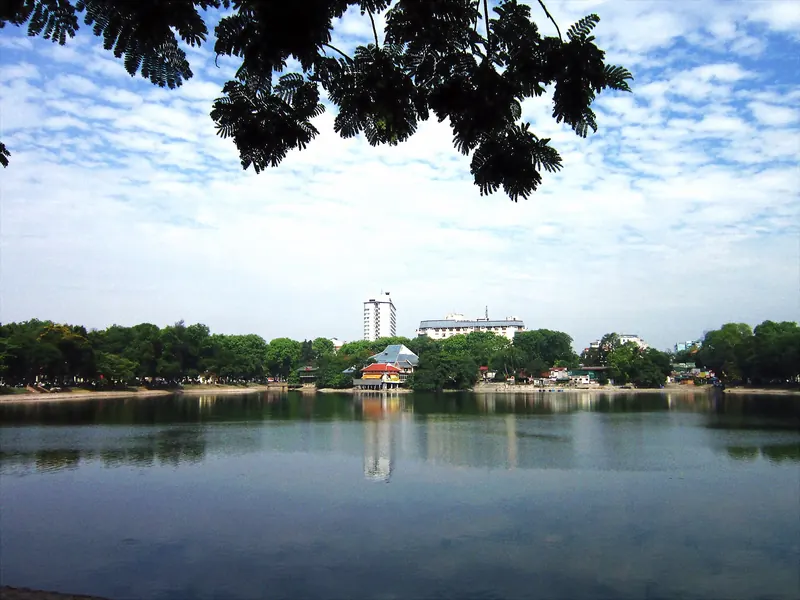
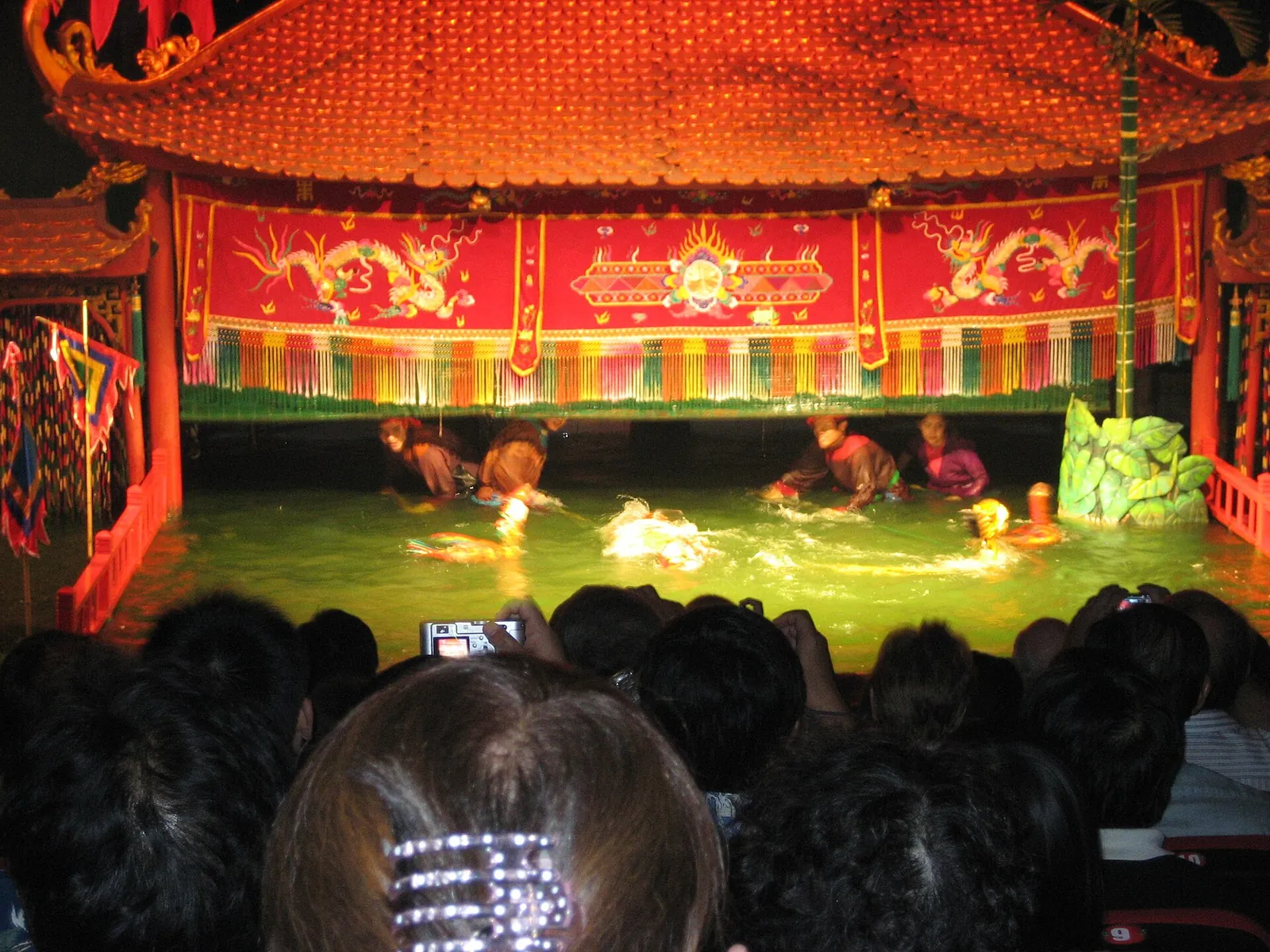
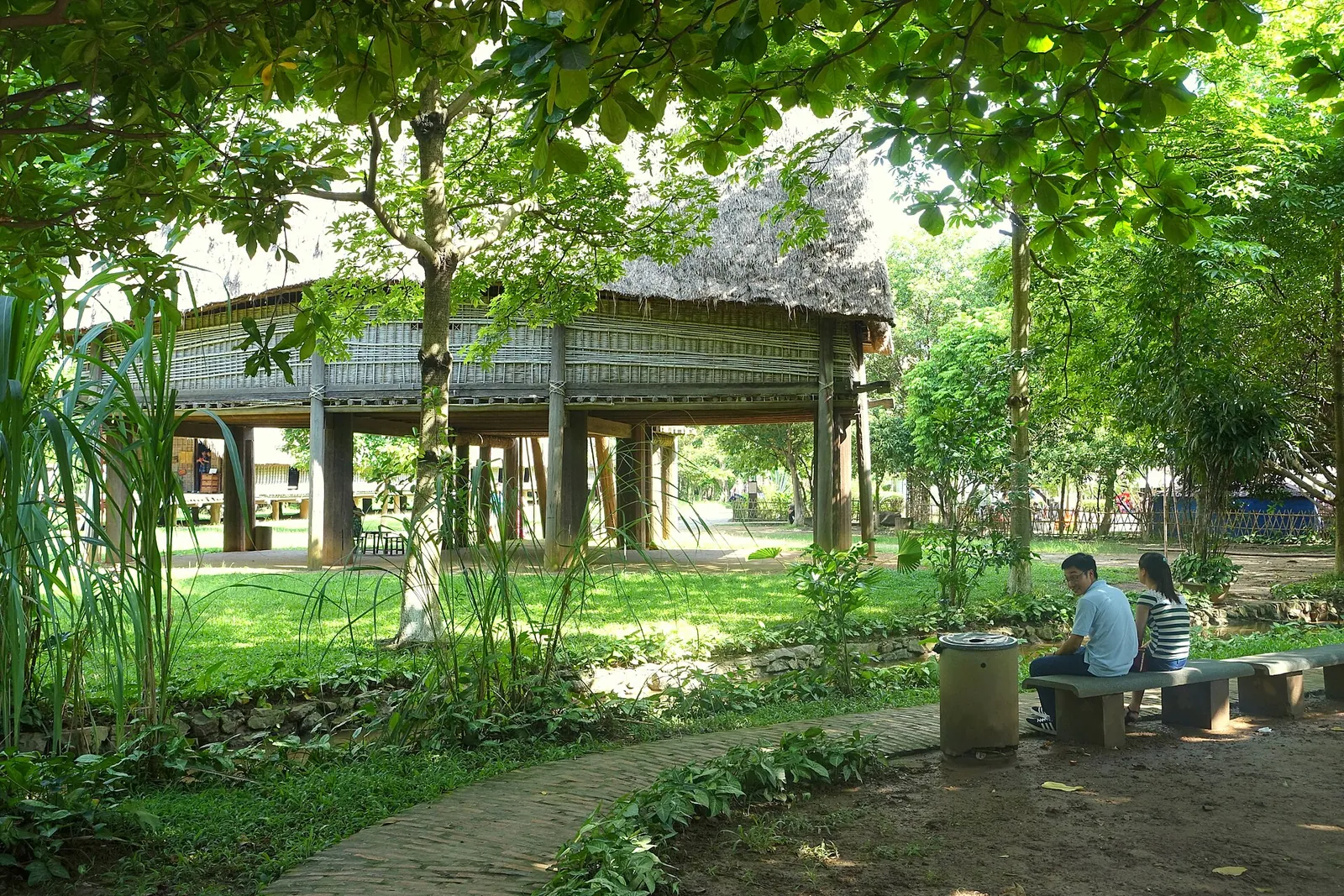
Hanoi. Give the city two outings, not five. The Vietnam Museum of Ethnology, about a 20-minute taxi ride from the centre according to the tourism board, covers the country's 54 ethnic groups and has a garden of full-scale replicas of traditional ethnic homes to wander among; the board also recommends the water puppet performance there. A water puppet show in town, a morning by Hoan Kiem Lake and an evening on the West Lake shore are easy, short additions. Mai Chau's valley of rice fields and stilt-house homestays is about two hours away if you want one night in the countryside.
Hoi An and Da Nang. The tourism board's family itinerary suggests a countryside cycling tour through the rice fields, a cooking class, a basket-boat ride in the coconut palms and afternoons on An Bang Beach, with the Ancient Town saved for its pedestrian-only hours in the morning and evening. Da Nang's beaches are the easiest swimming on this coast: the city's official tourism site describes calm water with small waves and a government lifeguard team on duty from 4:30 to 19:00 daily. For a cooler day, the cable car up to Sun World Ba Na Hills, about 30 km from the city, ends at a mountain-top park with an indoor amusement area; VinWonders Nam Hoi An, about 15 km from the Ancient Town, combines a water park, rides and cultural shows.
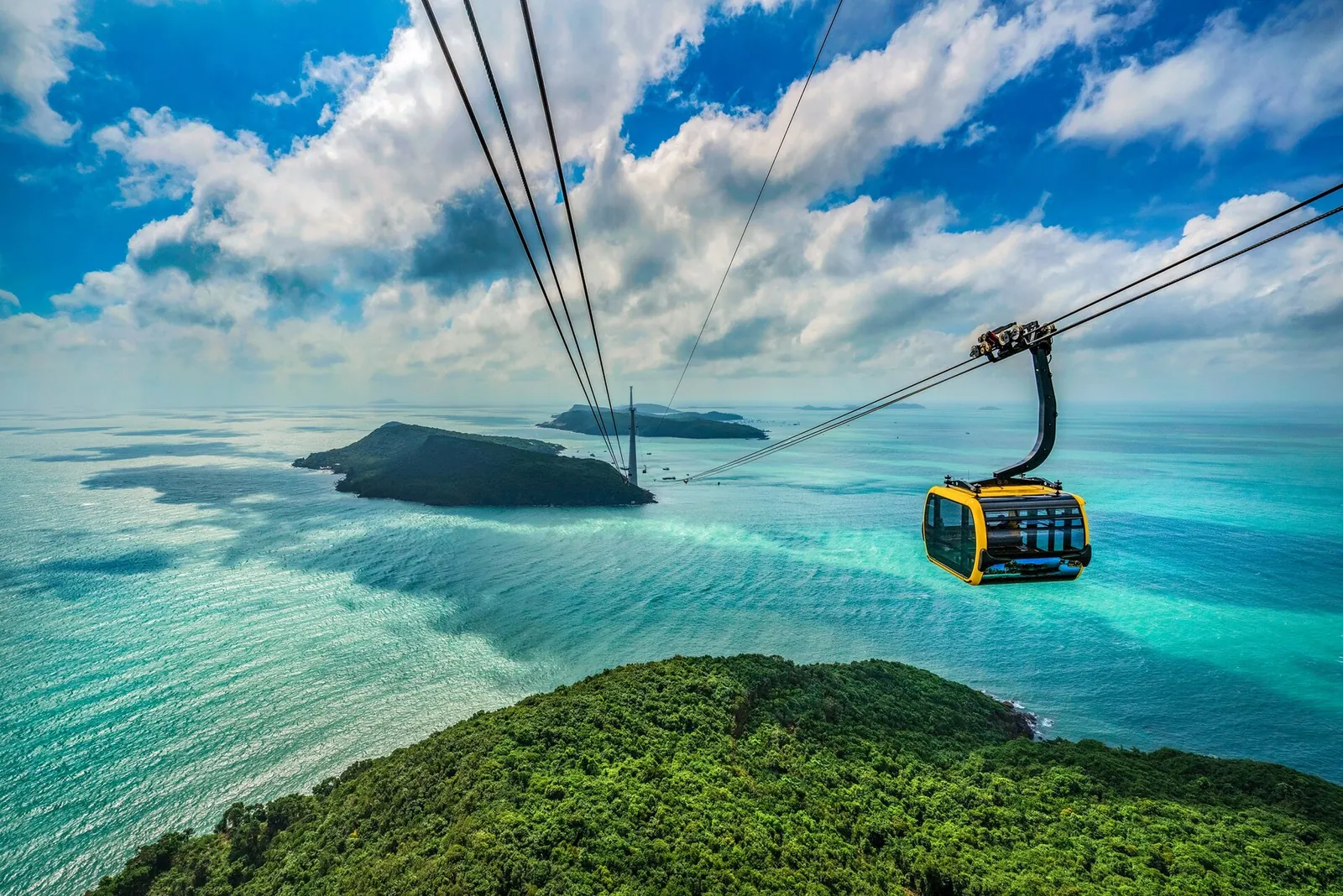
Phu Quoc. This is the low-effort finish: resorts on Long Beach, the over-sea Hon Thom cable car from the south of the island, which the tourism board describes as an eight-kilometre ride, and boat trips from An Thoi to snorkel around the small southern islands. The tourism board also suggests a bee farm on the edge of the national park and a picnic at Suoi Tranh waterfall. Some Long Beach resorts run kids' clubs; one featured by the tourism board takes children aged four to 12.
Elsewhere. Nha Trang suits a beach-and-theme-park stay, with the cable car to VinWonders on Hon Tre Island; Mui Ne's sand dunes, about four hours by road from Ho Chi Minh City, are a favourite with older children and teenagers; and in Sapa the cable car to the top of Fansipan takes about 15 minutes, which turns a mountain into a half-day outing.
Traffic, taxis and transfers with children
Roads are the main safety issue for families. The Canadian government's travel advice describes road safety as poor throughout the country, notes that pedestrians are common victims of accidents and that motorbikes sometimes ride against the traffic and on the pavements, and advises using pedestrian bridges where they exist. Hold small children's hands near the kerb, walk on the side away from the traffic, and keep phones and bags on the inside: the tourism board warns that most thefts are drive-by snatchings from motorbikes.
For getting around, the tourism board recommends taxi companies with sealed meters, naming Mai Linh and Vinasun, and its FAQ adds ride-hailing apps such as Grab in the major cities. The US Centers for Disease Control and Prevention advise riding only in cars with seatbelts and sitting in the back. If your child needs a car seat, ask the hotel or transfer company before arrival rather than assuming one will be fitted, and consider bringing your own for longer drives.
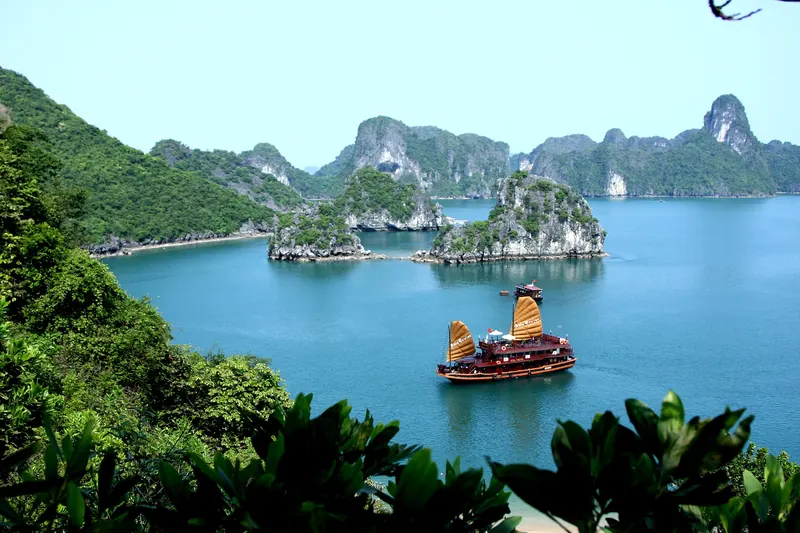
Do not put children on a rented motorbike. The UK government's advice says motorbike accidents are common, that helmets are compulsory for drivers and passengers, and that bus and coach crashes are more likely at night, when tired drivers keep going. That is one more reason to avoid sleeper buses with a family and to fly or hire a car with a driver by day. If a Ha Long Bay cruise is on your list, the same advice asks you to consider safety standards carefully on overnight boats, so book a reputable operator and check the life jackets for children's sizes.
Health, water and paperwork
See a doctor or travel clinic well before you leave: the UK government suggests at least eight weeks, the tourism board two months. The CDC asks all international travellers to be up to date with the measles vaccine, including an early dose for infants aged 6 to 11 months, and lists hepatitis A for infants of that age too. Your clinic will advise on Japanese encephalitis and rabies, which depend on where you go and how long you stay.
Keep children away from dogs, cats and monkeys: the CDC notes that rabid dogs are sometimes found in Vietnam, and the tourism board specifically warns about the monkeys on Cat Ba Island. Swim only where lifeguards are on duty and obey warning flags, and avoid lakes, rivers and ponds, where the CDC warns of leptospirosis. Drink bottled water and, in rural areas, skip the ice, as the tourism board advises.
The tourism board says major cities such as Hanoi, Da Nang and Ho Chi Minh City have state and private hospitals with English-speaking staff, but rural areas may be far from a pharmacy or hospital. The emergency number for an ambulance is 115. Take travel insurance that covers medical evacuation, and check passports early: the UK government's advice lists six months' validity from arrival, no damage, and entering and leaving on the same passport. Entry rules vary by nationality and change, so check your own government's advice and Vietnam's official visa information before you book.
A two-week family route
An editorial outline, not a timetable. Each move is a domestic flight; check current schedules when you book.
- Days 1–4, Hanoi (Tay Ho): arrival and a lakeside walk; the Museum of Ethnology in the morning; a water puppet show and Hoan Kiem Lake; a slow last morning.
- Day 5: fly to Da Nang and go straight to the beach hotel.
- Days 6–10, Da Nang or Hoi An beach: a countryside cycle or cooking class in Hoi An, the Ancient Town in the evening, one cooler day at Ba Na Hills or a theme-park day, and beach afternoons in between.
- Day 11: fly to Phu Quoc, direct or via Ho Chi Minh City depending on the current schedule.
- Days 12–14, Phu Quoc (Long Beach): pool and beach, one boat or cable-car day in the south, then fly home from Phu Quoc or via Ho Chi Minh City.
Practical questions
Is Vietnam a good destination for families with young children?
Yes, if you keep transfers short and the pace slow. Beach bases on the central coast and Phu Quoc, a quieter neighbourhood such as Tay Ho in Hanoi, and domestic flights between regions remove most of the hard parts. The main risks are heat, traffic and stomach upsets, all of which careful planning reduces.
How many places should we visit in two weeks with children?
Two or three bases are enough, for example Hanoi, a Da Nang or Hoi An beach and Phu Quoc. Fly between them: the tourism board notes that Hanoi to Ho Chi Minh City can take up to 30 hours by train.
What is the best time to visit Vietnam with kids?
March to May is the best all-round window, according to the tourism board. For summer school holidays, the central coast is hot and dry from June to August. Phu Quoc is best outside July to September, and Hanoi is cold from late December to March.
Is it safe to cross the road in Vietnam with children?
It needs care. Canada's travel advice says pedestrians are common accident victims and that motorbikes sometimes ride on pavements and against the traffic. Use pedestrian bridges where available, hold hands, cross slowly and steadily, and choose quieter bases such as Tay Ho or a beach hotel.
Which beaches in Vietnam are best for children?
Da Nang's city beaches have calm water, small waves and government lifeguards on duty from 4:30 to 19:00, according to the city's official tourism site. An Bang near Hoi An and Long Beach on Phu Quoc are also family favourites; on any beach, swim where lifeguards are present and respect warning flags.
Do children need vaccinations for Vietnam?
See a doctor or travel clinic at least eight weeks before you leave. The CDC asks all travellers to be up to date with routine vaccines, including measles, with an early dose for infants aged 6 to 11 months; your clinic will advise on others, such as hepatitis A, Japanese encephalitis and rabies, for your route.
Sources and checks before you travel
Reference sources for the version dated 3 October 2026. Confirm opening times, access, transport and conditions for your travel dates.
- Vietnam National Authority of Tourism: 7 places in Vietnam for families ↗ — opens in a new tab
- Vietnam National Authority of Tourism: Hit the beach, a family itinerary ↗ — opens in a new tab
- Vietnam National Authority of Tourism: 3 amazing amusement parks for families ↗ — opens in a new tab
- Vietnam National Authority of Tourism: 5 beach resorts for families in Vietnam ↗ — opens in a new tab
- Vietnam National Authority of Tourism: A beach retreat the family will love ↗ — opens in a new tab
- Vietnam National Authority of Tourism: The perfect weekend in Ha Noi ↗ — opens in a new tab
- Vietnam National Authority of Tourism: Health and safety ↗ — opens in a new tab
- Vietnam National Authority of Tourism: Transport within Vietnam ↗ — opens in a new tab
- Vietnam National Authority of Tourism: Frequently asked questions ↗ — opens in a new tab
- Vietnam National Authority of Tourism: Weather and climate in Vietnam ↗ — opens in a new tab
- Da Nang Department of Tourism: Da Nang beaches ↗ — opens in a new tab
- Da Nang Department of Tourism: Guide for visitors at Da Nang International Airport ↗ — opens in a new tab
- UK FCDO travel advice: Vietnam safety and security ↗ — opens in a new tab
- UK FCDO travel advice: Vietnam health ↗ — opens in a new tab
- UK FCDO travel advice: Vietnam entry requirements ↗ — opens in a new tab
- Government of Canada: Travel advice for Vietnam ↗ — opens in a new tab
- US CDC: Travelers' health, Vietnam ↗ — opens in a new tab
Does this experience fit your route?
Travelling as a family? Compare small-group and private tours in Hoi An and Hanoi, and check minimum ages, child equipment and start times before you book.
Check dates and details on Viator ↗ — opens in a new tabAffiliate link · Book with ViatorPhoto credits
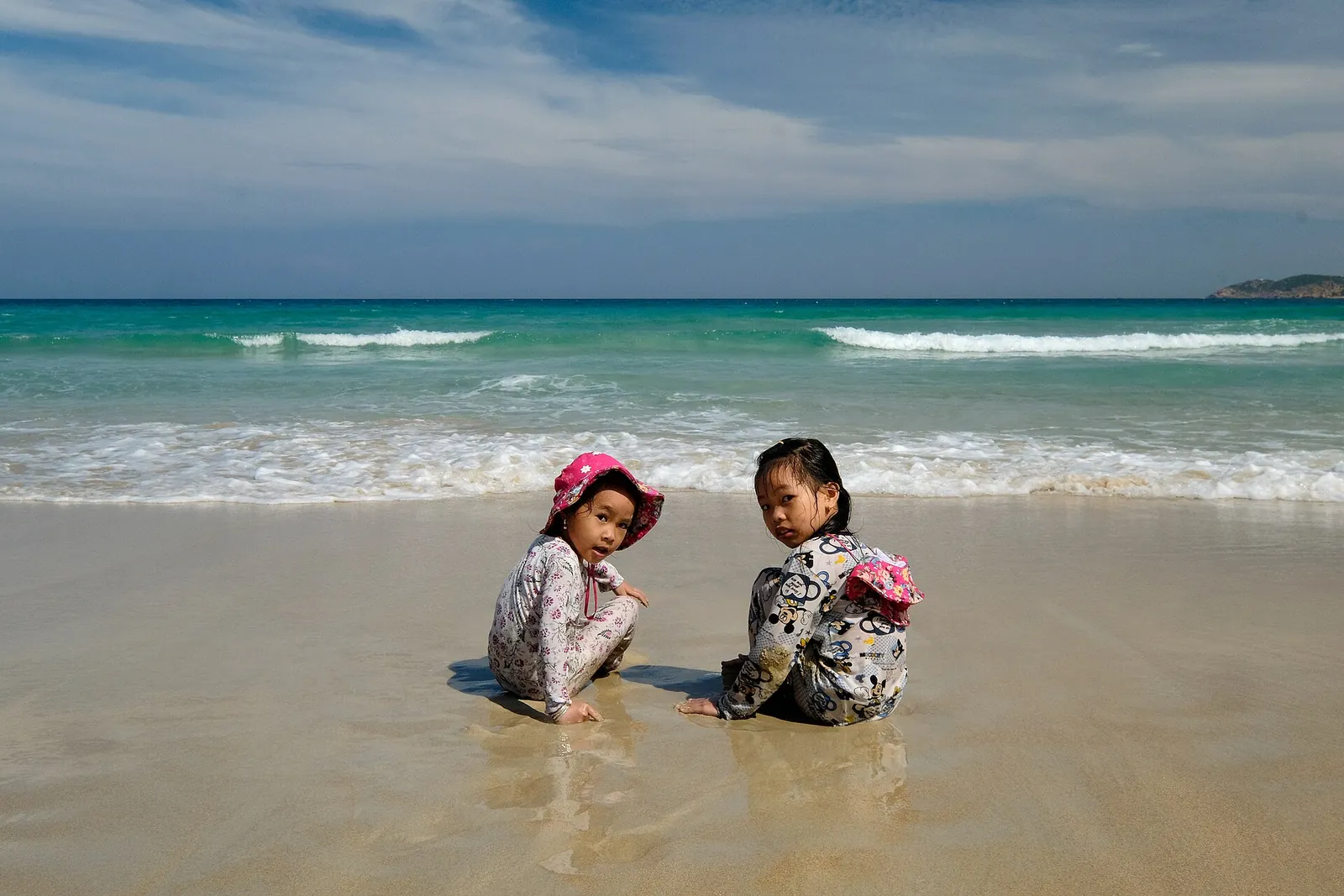
Children playing at the water's edge near Cam Ranh, on the coast south of Nha Trang.
Photograph: Vinnie Cartabiano — opens in a new tab · CC BY 2.0 — opens in a new tab
Changes: Resized and converted to WebP; displayed with responsive crops. · Original photograph and licence details ↗ — opens in a new tab
The over-sea Hon Thom cable car runs from the south of Phu Quoc to the islands offshore.
Photograph: Vivu Vietnam — opens in a new tab · CC BY-SA 4.0 — opens in a new tab
Changes: Resized and converted to WebP; displayed with responsive crops. · Original photograph and licence details ↗ — opens in a new tab
A water puppet show in Hanoi: painted wooden puppets perform on the water in front of a pagoda-style stage.
Photograph: thalling55 — opens in a new tab · CC BY 2.0 — opens in a new tab
Changes: Resized and converted to WebP; displayed with responsive crops. · Original photograph and licence details ↗ — opens in a new tab
The open-air garden of the Vietnam Museum of Ethnology in Hanoi, with full-size traditional houses.
Photograph: Daderot — opens in a new tab · CC0 — opens in a new tab
Changes: Resized and converted to WebP; displayed with responsive crops. · Original photograph and licence details ↗ — opens in a new tab
Bánh mì made to order at the counter of Banh Mi Phuong in Hoi An.
Photograph: DangTungDuong ( thảo luận ) — opens in a new tab · CC BY 4.0 — opens in a new tab
Changes: Resized and converted to WebP; displayed with responsive crops. · Original photograph and licence details ↗ — opens in a new tab