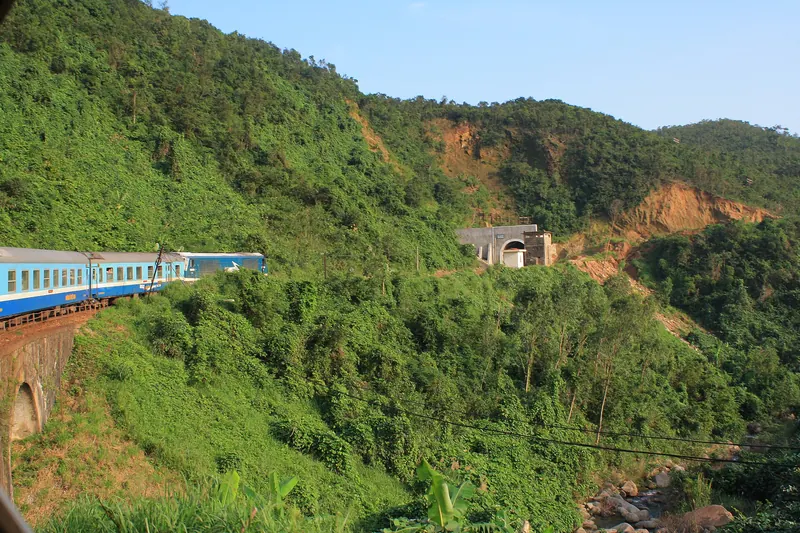
Plan your trip · Vietnam
First trip to Vietnam: how long, which region, visa and what to book
Vietnam is long and narrow, with three climates and three main airports, and the mistakes on a first trip are nearly always ones of order. Travellers book flights before checking which region is in its rainy season, try to cover Hanoi to Ho Chi Minh City in a week, or find out at check-in that their passport is not on the visa-exemption list. This guide takes the decisions one at a time, in the order that saves the most trouble: season, region, entry rules, route length, and how much to fix in advance.
- Suggested time
- 7 days for one region; about 14 days for north, centre and south
- Where to stay
- Hanoi Old Quarter, Hoi An or Hue, and District 1 in Ho Chi Minh City
- Season and timing
- March to May suits the whole country; otherwise let the month choose the region (see the season section).
The short answer
With one week, choose one region and fly into its own airport: Hanoi for the north, Da Nang for Hue and Hoi An, Ho Chi Minh City for the south. With about two weeks, you can link all three if you fly the long legs, sleeping in Hanoi's Old Quarter, Hoi An (or Hue) and central Ho Chi Minh City, arriving in one city and leaving from the other. Choose the month first, because it decides which region gets the most nights. Then check whether your passport is visa-exempt; if not, apply for the e-visa on the official portal, evisa.gov.vn, well before you fly. Book the international flights, the domestic flights, your first night and any Ha Long Bay cruise in advance; leave most day trips and meals open.
Step one: decide how many regions your days allow
Start with the number of nights you actually have on the ground, not the length of the holiday. The arrival day and the departure day are short, and every change of base costs most of a day once you add the hotel checkout, the airport and the transfer at the other end. The official tourism board warns that many travellers underestimate the distances: the train from Hanoi to Ho Chi Minh City can take up to 30 hours, and 16 hours from the centre to either end is common, which is why it recommends a one- or two-hour flight for the long legs.
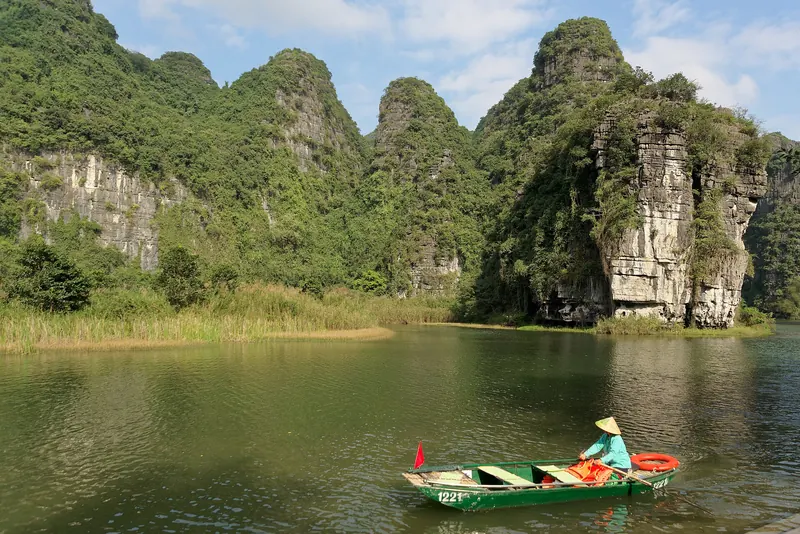
That gives two sensible shapes for a first trip. About one week is enough for one region done well: Hanoi with Ha Long Bay and Ninh Binh in the north, Hue and Hoi An on the central coast, or Ho Chi Minh City with the Mekong Delta in the south. About two weeks lets you link all three with two domestic flights and three bases. Ten days can work for two regions, but trying to see the whole country in seven usually means more time in airports than in the places themselves.
Whatever the length, fewer bases make a better trip. Three or four nights in each base let you take a day trip without packing, and leave room for a rained-off day. A fourth base is only worth it if you have the extra days to go with it.
- 7 days: one region, one or two bases, one international airport.
- 10 days: two regions, for example the north and the central coast, with one domestic flight.
- 14 days: north, centre and south, with two domestic flights; arrive in Hanoi and leave from Ho Chi Minh City, or the reverse.
Step two: let the month choose the main region
Vietnam does not have one weather pattern, so the month you can travel decides where to put most of your nights. The Vietnam National Authority of Tourism says March to May offers the best weather countrywide, with April and May turning very hot. Outside those months, one region is usually at its best while another is wet, stormy or cold.
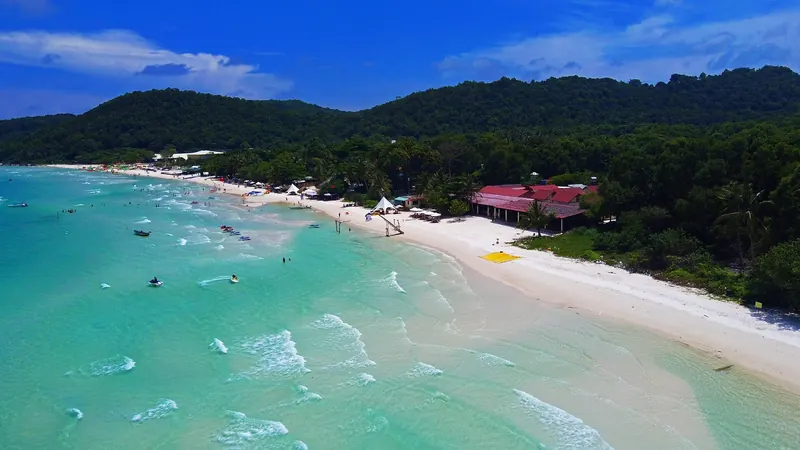
In Hanoi, the official guide recommends April to June or September to December, and warns that late December to March is surprisingly cold, with lows of around 10 degrees; June to August is the rainy season. On the central coast, Hue and Hoi An are wet and cool from September into winter, and the guide notes occasional flooding from September to November, while February or March to August is warm and dry. In Ho Chi Minh City, it is hot all year, and the wet season from May to November brings a dependable afternoon downpour that usually lasts a few hours. Phu Quoc is best avoided from July to September, when storms can make ferrying dangerous.
The UK government's travel advice adds that tropical cyclones normally affect the eastern coast from May to November, and recommends following local forecasts and being ready to change plans. In practice, that means keeping the central coast short and flexible in the autumn, and never planning a long overland transfer the day before your international flight in the wet months. Our separate guide to the best time to visit Vietnam goes through the regions month by month.
- March to May: the whole north-to-south route works; start days early by April.
- June to August: favour the central coast and its beaches; expect rain in Hanoi.
- September to November: favour the north; keep Hue and Hoi An short and flexible.
- December to February: favour the south and Phu Quoc; pack warm layers for Hanoi.
Make time for the local food
What to eat and where to look
Phở (rice noodle soup)
Flat rice noodles in a clear beef or chicken broth, with herbs, lime and chilli on the side. It is the dish most first-time visitors already know, and eating it at a busy breakfast shop is an easy first meal after landing.
- Where to look
- Specialist phở shops in Hanoi's Old Quarter and the streets around it, which serve one or two versions and little else.
- Fit it into your day
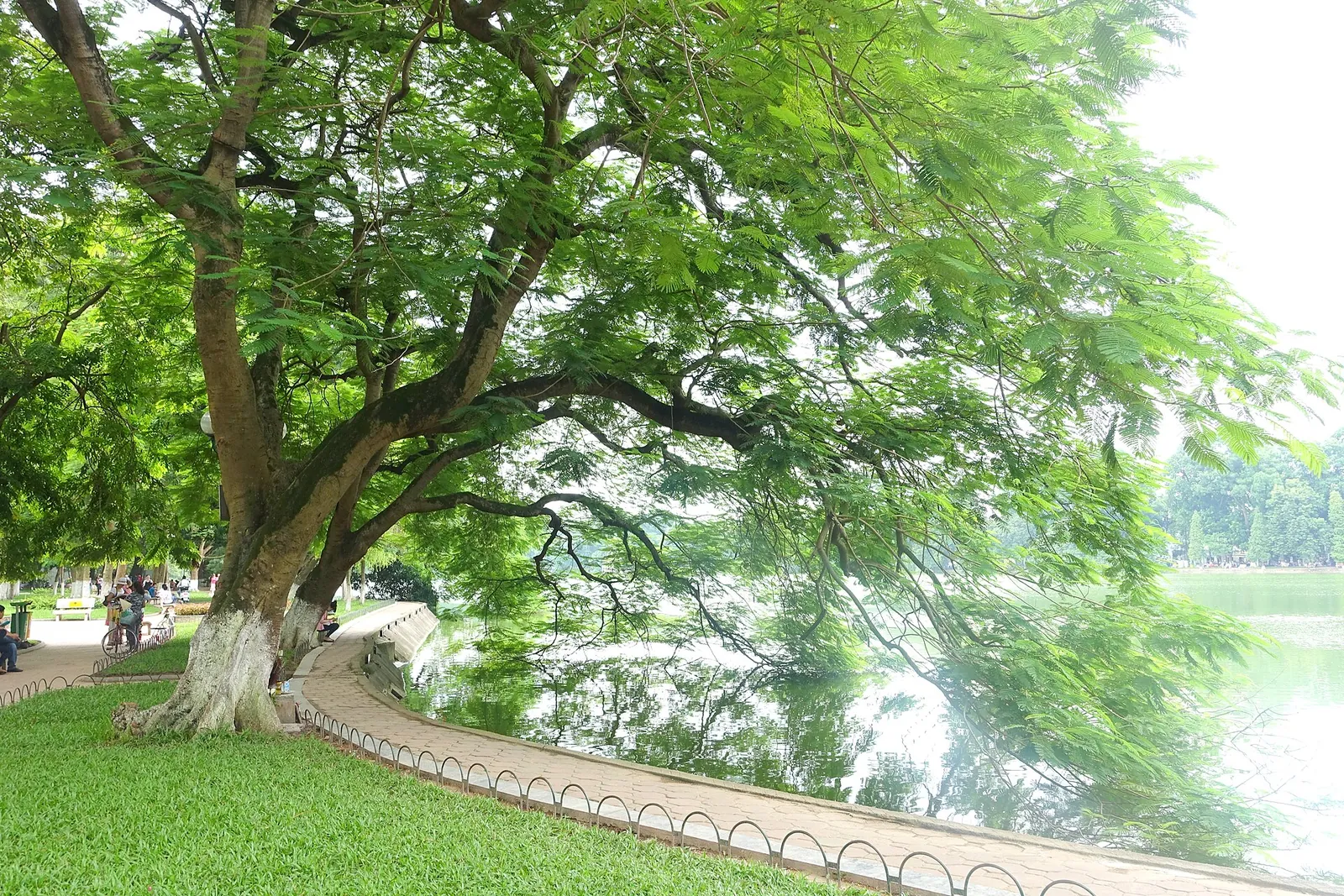
- Breakfast on your first morning, before walking around Hoan Kiem Lake.
Beef is often served rare and cooks in the broth; ask for well-done (chín) if you prefer.
Bún chả
Grilled pork patties and slices in a sweet-sour dipping broth, eaten with rice vermicelli and a basket of fresh herbs. It is Hanoi's classic lunch.
- Where to look
- Small shops with a charcoal grill at the door in Hanoi's Old Quarter.
- Fit it into your day
- Lunch on a Hanoi day; it is traditionally a midday dish, so go earlier rather than later.
Contains pork and fish sauce; fried spring rolls served alongside often contain pork or shellfish.
Cao lầu
Hoi An's own noodle dish: firm, chewy noodles with sliced pork, crisp croutons, herbs and a little rich sauce rather than a soup. It is a reason to eat at least one meal in town rather than at a beach resort.
- Where to look
- Family restaurants and market stalls in and around Hoi An's Ancient Town.
- Fit it into your day
- Lunch between a morning in the Ancient Town and an afternoon on the river or at the beach.
Contains pork and soy; ask before ordering if you avoid either.
Bánh mì
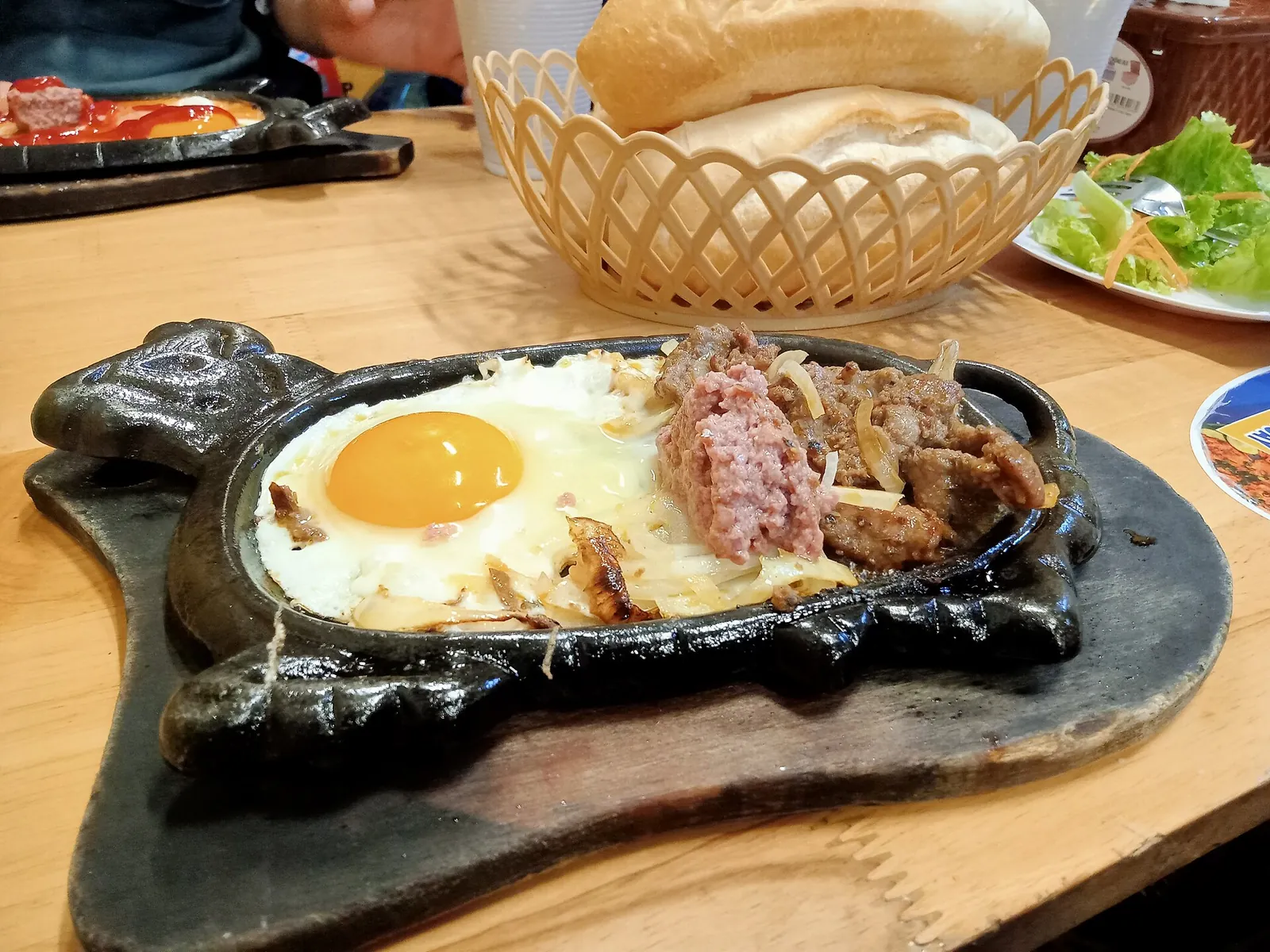
A light, crisp baguette filled with pâté, cold cuts or grilled meat, pickled vegetables, herbs and chilli. It is cheap, quick and sold almost everywhere, which makes it the easiest food for travel days.
- Where to look
- Street carts and small bakeries in every city; Hoi An and Ho Chi Minh City are both known for their versions.
- Fit it into your day
- A takeaway breakfast before an early domestic flight or a long transfer.
Most fillings contain pork and pâté; ask for egg (trứng) or a vegetarian version if you avoid meat.
Bánh xèo
Crisp rice-flour pancakes coloured with turmeric and filled with prawns, pork and bean sprouts, wrapped in leaves and herbs and dipped in fish sauce. Southern versions are large and thin.
- Where to look
- Evening eateries in Ho Chi Minh City and market towns in the Mekong Delta.
- Fit it into your day
- A shared dinner after a day on the Mekong Delta.
Contains shellfish and fish sauce.
Step three: check your entry rules before you book flights
Check the entry rules before you pay for flights, because they decide how long you can stay and, with an e-visa, which airports you may use. When we checked on 2026-10-03, the Vietnamese government's news portal listed a 45-day visa-free stay for citizens of a group of mostly European countries, including the UK, Germany, France, Italy, Spain, Japan and South Korea (until 14 March 2028), and for a second group including the Netherlands, Belgium, Switzerland and Poland (until 14 August 2028). Citizens of several ASEAN neighbours have separate exemptions. The official tourism site's visa page lists them.
If your passport is not on a list, or you want to stay longer than the exemption allows, apply for the e-visa yourself on the Immigration Department's portal, evisa.gov.vn. The government says it is open to citizens of all countries and valid for up to 90 days, single or multiple entry. When we checked, it listed the fee as US$25 for a single entry and US$50 for multiple entries, non-refundable if the visa is refused. The tourism board's FAQ says results normally arrive within three working days, but apply well before departure rather than relying on that. The UK advice points out that an e-visa restricts you to the entry and exit points you choose when you apply, so name both your arrival and your departure airport.
The same UK advice says your passport must be valid for at least six months after arrival, have at least two blank pages and be undamaged, and that you must enter and leave on the same passport. Check the date stamped in your passport before you leave border control; immigration will not change it later. Rules change with little notice, so confirm them on the official pages just before you travel. Our entry guide covers the details, including Phu Quoc's own 30-day exemption.
Step four: fix the route and the airports
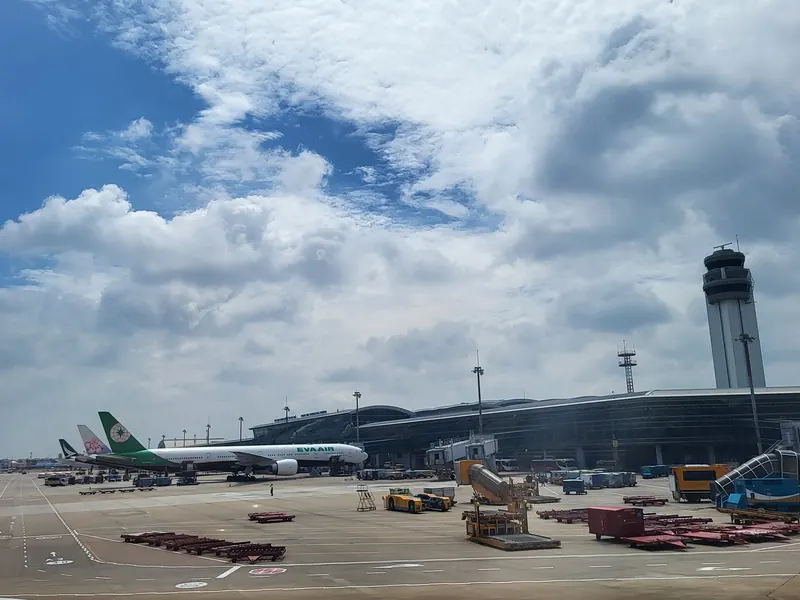
Most international flights arrive at one of three gateways: Noi Bai in Hanoi (HAN), Da Nang (DAD) and Tan Son Nhat in Ho Chi Minh City (SGN). For a two-week trip, an open-jaw ticket into one and out of another saves a full day of backtracking. Da Nang is the airport for both Hoi An and Hue: the tourism board puts it about 29 kilometres from Hoi An's Ancient Town and 98 kilometres from Hue.
Inside the country, fly the long legs. Hanoi to Da Nang and Da Nang to Ho Chi Minh City are the two flights on the classic route; the tourism board notes that domestic fares rise around public holidays. Keep the luggage tag from domestic flights: the official airport guide says staff check it before you leave the terminal. If you want to ride the train, choose one shorter stretch rather than the full line. The official site points travellers to the railway's own ticketing website, dsvn.vn, and advises booking well in advance for holidays and peak periods.
Long overnight buses are the cheapest way to cover distance, but the UK advice warns of theft on buses and overnight trains, particularly while passengers sleep. If your budget allows, a flight gives you back the night and the next morning.
Step five: what to book before you fly, and what to leave open
Pre-book the pieces that are hard to replace at short notice and leave the rest flexible. A first trip needs fewer advance bookings than people think, but the few that matter are worth doing early.
Tet, the Lunar New Year, is the exception to every rule. The tourism board calls it Vietnam's largest festival, usually in January or February, when many people travel home and many businesses close. For 2027, Vietnam Railways opened ticket sales for its peak Tet period of 23 January to 25 February 2027, and by the lunar dates it published, the first day of the new year falls on 6 February 2027. If your dates overlap, book every flight, train and room before you leave home.
- Book ahead: international flights; the visa or e-visa if you need one; domestic flights for the long legs; your first night, so you can give the taxi or driver an address; any overnight Ha Long Bay cruise; train sleepers at holidays.
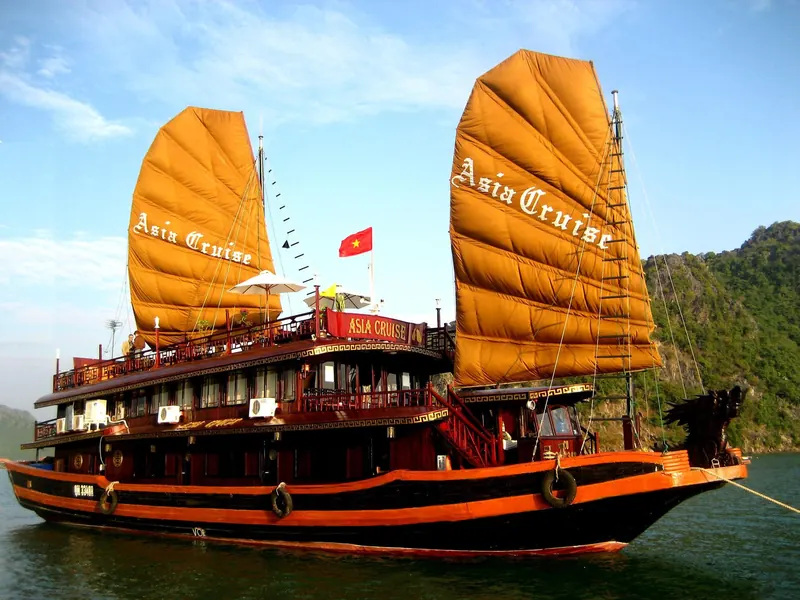
- For Ha Long Bay: the tourism board says most visitors take a packaged cruise that includes transport from Hanoi, and advises booking only with reputable companies. It also warns that tropical storms can sometimes cancel cruises, so leave a spare day in Hanoi after the cruise date.
- Specialist trips: expeditions such as Son Doong in Phong Nha are run by a licensed operator with fitness requirements and a compulsory safety briefing; read the operator's own conditions before you plan the rest of the trip around one.
- Leave open: most day trips, cooking classes, food tours and restaurants. They are easy to arrange on the spot and you will know by then what you want more of.
The first 48 hours: arrival, taxis, money and dress
Plan the first night simply. When we checked on 2026-10-03, the official airport guide put Noi Bai about 27 kilometres from downtown Hanoi, usually about an hour's drive, and listed the orange 86 Express Bus from the airport through central Hanoi to the railway station. Tan Son Nhat is about eight kilometres from central Ho Chi Minh City but can take 50 minutes or more in traffic; buses 109 and 49 run into the centre.
Taxi scams are the most common first-day problem. The tourism board names Mai Linh and Vinasun as trusted taxi companies with sealed meters, and says you can find them at the international airports. The UK advice recommends pre-arranged transport or licensed ride-hailing apps such as Grab or Xanh SM, booking the full journey in the app, and treating offers of free bus transfers to hotels with caution unless you arranged them.
A few rules are easy to break by accident. The UK advice says to change money only at official exchange counters with a clear sign, because changing money elsewhere is illegal; never to hand over your passport as a deposit, for example to a motorbike rental shop; and to carry photo ID, for which a printed copy of your passport's photo page and visa is accepted. To drive a car or motorbike you need the 1968 international driving permit together with your home licence, plus third-party insurance; if you do not have them, use taxis, apps or a driver. At temples and the Ho Chi Minh Mausoleum, cover your shoulders and knees.
Practical questions
How many days do I need for a first trip to Vietnam?
About one week for one region, or about two weeks to link the north, the central coast and the south with two domestic flights. Seven days for the whole country leaves too little time in each place once you count the transfers.
Should I start in Hanoi or Ho Chi Minh City?
It matters less than flying into one and out of the other, which saves a day of backtracking. Let the season decide: if Hanoi is about to turn cold or wet, start there; if the south is heading into its wet months, start in Ho Chi Minh City.
Do I need a visa for Vietnam?
It depends on your passport. When we checked on 2026-10-03, citizens of a list of countries including the UK, Germany, France, Japan and South Korea could stay 45 days without a visa. Others can apply for an e-visa of up to 90 days on the official portal, evisa.gov.vn. Check the current rules before you book.
Is it better to take the train or fly between Hanoi and Ho Chi Minh City?
Fly. The official tourism board says the train can take up to 30 hours end to end, against a flight of one to two hours. If you want the train experience, take it for one shorter stretch of the route.
What should I book in advance?
International and domestic flights, the e-visa if you need one, your first night's room and any overnight Ha Long Bay cruise. Around Tet, book all transport and rooms early. Most day trips and restaurants can be arranged once you are there.
How do I avoid taxi scams on arrival?
Use the companies the tourism board names as trusted, Mai Linh and Vinasun, or licensed ride-hailing apps such as Grab or Xanh SM, which the UK government's advice recommends. Book the full journey in the app and be wary of unrequested offers of free hotel transfers.
Sources and checks before you travel
Reference sources for the version dated 3 October 2026. Confirm opening times, access, transport and conditions for your travel dates.
- Vietnam National Authority of Tourism: Weather and climate in Vietnam ↗ — opens in a new tab
- Vietnam National Authority of Tourism: Transport within Vietnam ↗ — opens in a new tab
- Vietnam National Authority of Tourism: A traveller's guide to Vietnam's airports ↗ — opens in a new tab
- Vietnam National Authority of Tourism: Getting to Vietnam ↗ — opens in a new tab
- Vietnam National Authority of Tourism: Visa requirements ↗ — opens in a new tab
- Vietnam National Authority of Tourism: Frequently asked questions ↗ — opens in a new tab
- Vietnam National Authority of Tourism: Health and safety ↗ — opens in a new tab
- Vietnam National Authority of Tourism: Ha Long Bay ↗ — opens in a new tab
- Vietnam National Authority of Tourism: Top festivals in Vietnam ↗ — opens in a new tab
- Vietnam Government News: 45-day visa-free entry for 12 more countries ↗ — opens in a new tab
- Vietnam Government News: Understanding Viet Nam's e-visa ↗ — opens in a new tab
- Vietnam Immigration Department: e-visa portal notice ↗ — opens in a new tab
- UK FCDO travel advice: Vietnam entry requirements ↗ — opens in a new tab
- UK FCDO travel advice: Vietnam safety and security ↗ — opens in a new tab
- Vietnam Railways: Tet 2027 train tickets on sale ↗ — opens in a new tab
- Oxalis Adventure: Son Doong cave expedition ↗ — opens in a new tab
Does this experience fit your route?
Most of a first trip can stay flexible, but a Ha Long Bay cruise and a first-night food walk in Hanoi are worth sorting early. Check the transfer, the weather policy and the dietary options before you book.
Check dates and details on Viator ↗ — opens in a new tabAffiliate link · Book with ViatorPhoto credits
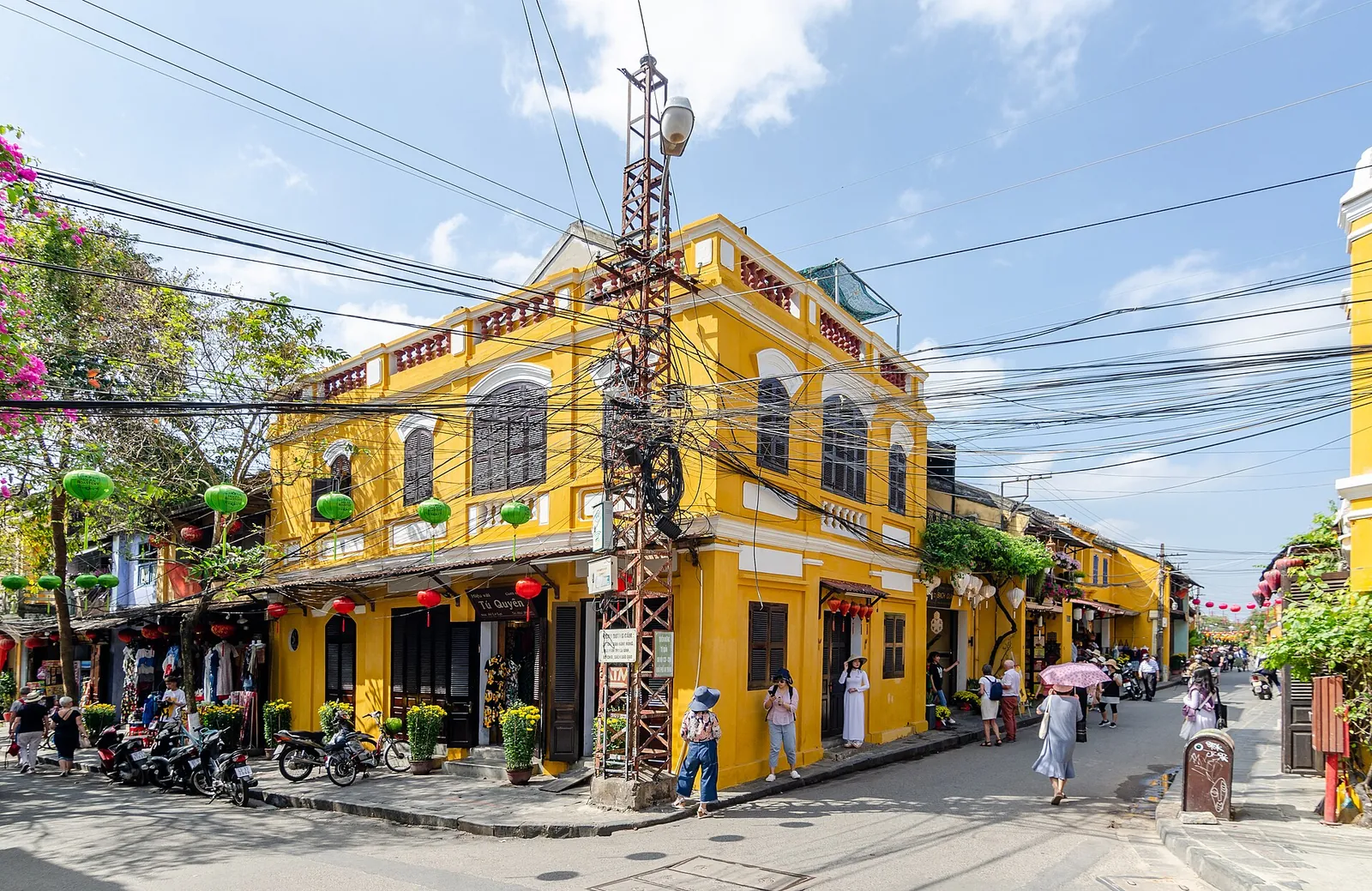
Hoi An Ancient Town, the usual central-coast base on a first north-to-south trip
Photograph: Steffen Schmitz ( more photos ) — opens in a new tab · CC BY-SA 4.0 — opens in a new tab
Changes: Resized and converted to WebP; displayed with responsive crops. · Original photograph and licence details ↗ — opens in a new tab
Hoan Kiem Lake, on the edge of Hanoi's Old Quarter, where many first trips begin
Photograph: Daderot — opens in a new tab · CC0 — opens in a new tab
Changes: Resized and converted to WebP; displayed with responsive crops. · Original photograph and licence details ↗ — opens in a new tab
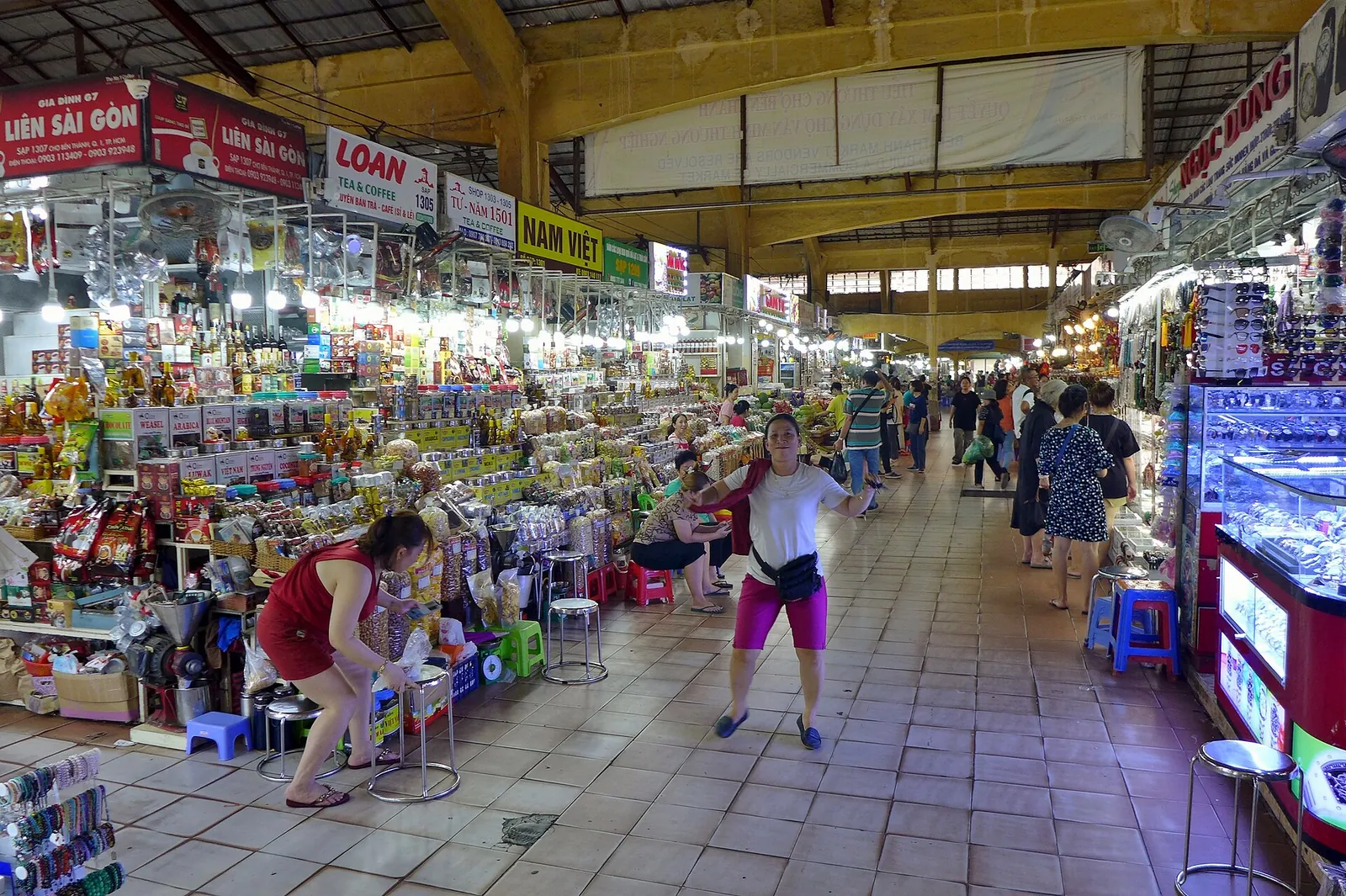
Inside Ben Thanh Market in District 1, Ho Chi Minh City
Photograph: Bahnfrend — opens in a new tab · CC BY-SA 4.0 — opens in a new tab
Changes: Resized and converted to WebP; displayed with responsive crops. · Original photograph and licence details ↗ — opens in a new tab
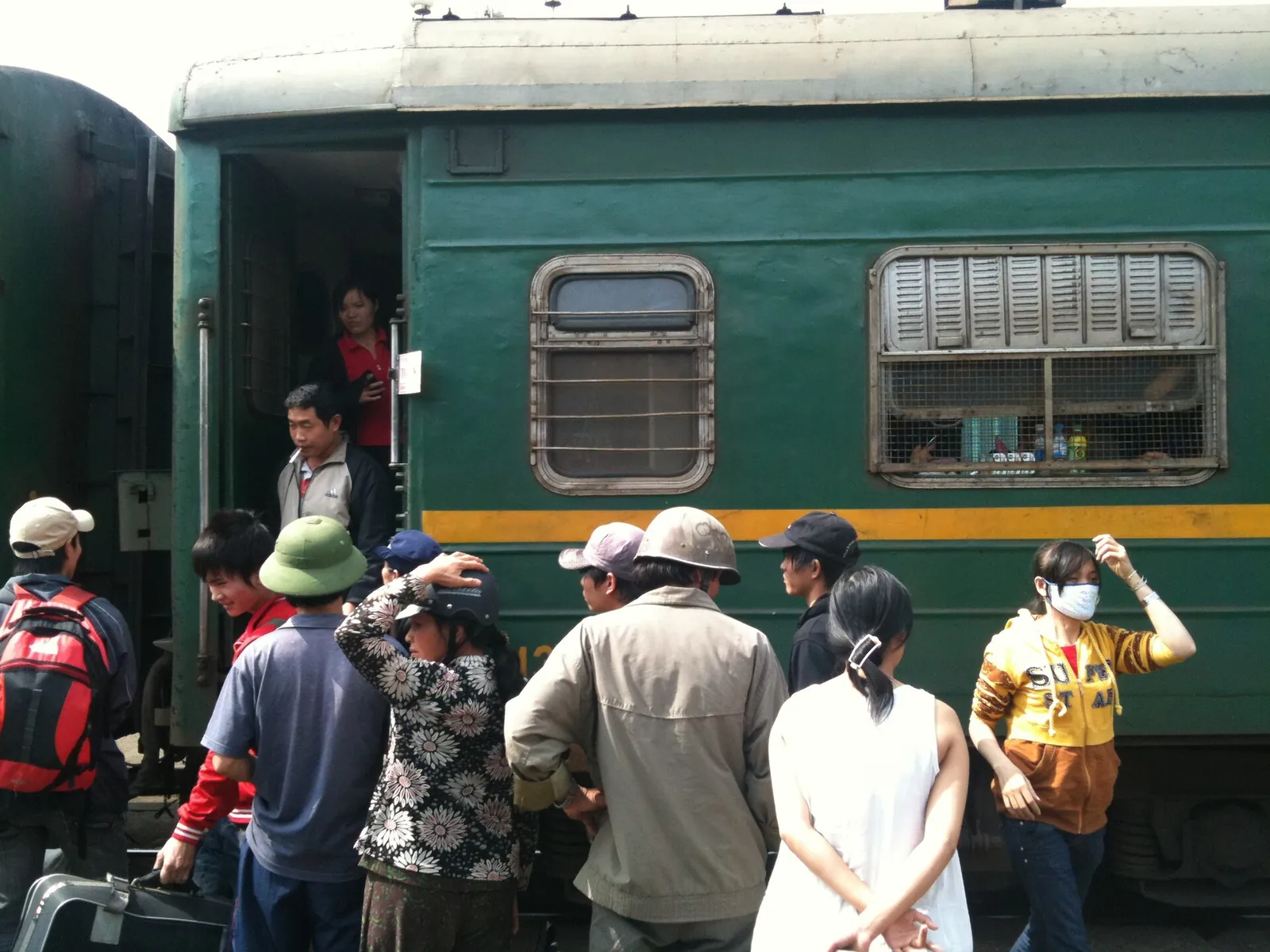
A southbound Reunification Express train at Dieu Tri Station, Binh Dinh Province
Photograph: Dragfyre — opens in a new tab · CC BY-SA 3.0 — opens in a new tab
Changes: Resized and converted to WebP; displayed with responsive crops. · Original photograph and licence details ↗ — opens in a new tab
Bánh mì with bò né, beef and fried egg on a hot iron plate, a typical breakfast
Photograph: Baoothersks — opens in a new tab · CC BY 4.0 — opens in a new tab
Changes: Resized and converted to WebP; displayed with responsive crops. · Original photograph and licence details ↗ — opens in a new tab