Plan your trip
Solo female travel in Vietnam: taxis, night buses, dress and help
Vietnam's north-south route, from Hanoi through Hue and Hoi An to Ho Chi Minh City, is one of Asia's classic solo journeys. The worries women raise along it are concrete: which taxi to take from the airport, whether a sleeper bus at night is a good idea, what to wear at a pagoda, where to find a dorm for women, and what to do when the emergency lines answer only in Vietnamese. This guide takes them in that order, with what the UK, German and French governments say.
In this guide
Find the location ↗ — opens in a new tabThe short answer
The UK Foreign Office (advice updated 21 September 2026) reports rape and sexual assaults in the main tourist areas, often linked to unlicensed taxi drivers, and groping, particularly of women walking alone; it advises pre-arranged transport or the Grab and XanhSM apps, which use licensed cabs. The German Foreign Office reports occasional sexual assaults on overland night buses, especially against women travelling alone, so take a day train, a flight or a day bus where you can. Keep your drink in sight and refuse free welcome shots. At pagodas, cover shoulders and knees. Save 113 for the police and 115 for an ambulance; both answer in Vietnamese only, so ask your hotel to call or keep a Vietnamese-speaking contact.
- Key point
- Set up before you fly: Grab or XanhSM, a local SIM, saved numbers and a scarf for pagodas
- Where it applies
- No base is needed; the advice applies wherever you stay
- Timing
- The advice applies year-round. Around Tet, book rides and rooms ahead.
What the UK, German and French advice says about women
When we checked on 2 November 2026, the UK, German and French governments did not advise against travel to any named region of Vietnam, and each still lists specific risks, which this guide repeats. France Diplomatie, whose security page was updated on 15 September 2026, places the whole country under reinforced vigilance and says the border zones of the centre and north with Cambodia, Laos and China remain sensitive.
The UK Foreign Office (FCDO), whose advice was updated on 21 September 2026, reports rape and sexual assaults in the main tourist areas and places where foreigners live, often committed by or linked to unlicensed taxi drivers, and says women have reported indecent assaults and harassment, including touching and groping, particularly while walking alone. The German Federal Foreign Office (Auswärtiges Amt), whose page has been unchanged since 19 August 2026, describes violent crime against foreigners as rare and reports the risks on night buses and in bars covered below.
The Vietnam National Authority of Tourism (VNAT) says crime against women is uncommon, that solo women can expect to be asked why they are travelling alone, usually out of curiosity, and that it is wise not to be alone on the streets late at night and to take a taxi if you are heading back late. Read your own government's advice too before you book; ours is on our health guide.
From the airport: taxis, Grab and late arrivals
The UK Foreign Office advises pre-arranged transport or official taxi-hailing apps such as Grab or XanhSM, which use licensed cabs, and warns of scams by people who claim to be from these companies. The German Foreign Office advises against cyclo and motorbike taxis (xe om) after dark, warns of taxi meter fraud and counterfeit tickets from intermediaries, and reports occasional sexual assaults on overland night buses, especially against women travelling alone. Buy tickets only at official sales points.
When checked on 2 November 2026, VNAT described Noi Bai, Hanoi's airport, as about 27 km from the city centre, and said the drive usually takes about an hour; it put a metered taxi at VND 300,000 to VND 400,000, plus VND 15,000 if the driver asks for the airport toll, and a GrabCar at about VND 250,000. It names Mai Linh and Vinasun as two trusted taxi companies whose representatives you can find at the airport taxi bays. When checked on 2 November 2026, Noi Bai Airport listed bus 86 to Hanoi Railway Station at VND 50,000 per trip, operating from 07:00 to 22:15. After the last bus, use a pre-arranged car, an official airport taxi or a car booked in an app.
The FCDO's advice for any taxi is to have a hotel or restaurant book a reputable one where possible, to make sure the driver identifies themselves before setting off, and, in Grab, to check that the car and driver match the app. Book the whole journey in the app, not part of it. Our Vietnam transport guide covers the other airports.

Sleeper buses and night trains
Vietnam's long distances tempt travellers onto night buses, and the German advice is the reason to think twice: it asks travellers to take care on overland buses, especially at night, reports occasional sexual assaults, particularly against women travelling alone, and says that in such a case you should insist on a police report, which the police at the destination bus station take. When checked on 2 November 2026, Vietnam Airlines listed Hanoi to Hue at 1 h 15 min by air. The railway timetable for 17 August to 30 December 2026 lists SE7 and SE5 leaving Hanoi at 06:00 and 08:00 respectively. Choose your train by its arrival time as well as its departure time.
Night trains carry a different risk. The German Foreign Office reports thefts from travellers arriving at Hanoi station on night trains from Hue or Sa Pa, so keep your passport, cards and phone on your body, not in the bag on the rack. If a night journey is the only option, book a berth in a compartment through Vietnam Railways or its sales points rather than through an intermediary.
Bars, drinks and walking back
The UK Foreign Office reports deaths and serious illness from alcoholic drinks containing methanol, including drinks bought in licensed bars, shops and hotels in tourist areas; it is not possible to identify methanol by taste or smell, and even small amounts can kill. The German Foreign Office advises against free welcome shots in bars and clubs and against home-distilled alcohol, which is often served in rural homestays, and reports the use of knock-out drops in bars and clubs and on Cat Ba island.
The FCDO's advice is to buy your own drinks and keep them in sight. Arrange the ride back before the evening ends, in Grab or XanhSM, and avoid walking home alone late, as VNAT suggests. In Ho Chi Minh City, VNAT also warns women in particular to keep a tight grip on bags, which can easily be snatched.
What to wear at pagodas and in the countryside
The FCDO asks visitors to dress in appropriate clothing when entering religious or cultural sites, which usually means covering your shoulders and knees, and notes that signs outside often state the dress code. VNAT adds that Vietnam is still quite conservative and that it is best not to bare too much skin; a light scarf and long trousers or a long skirt in your day bag cover both.
Two laws apply to everyone. The FCDO says you must always carry photographic ID, and that the authorities accept a printed copy of the photo page of your passport and your visa. It also says vapes and related products are banned: you cannot buy them in Vietnam or bring them into the country.
Female-only dorms and room security
Hostels on the backpacker route sell dorm beds for women only. When checked on 2 November 2026, Mad Monkey Hanoi listed an eight-bed and a ten-bed female dorm, and Mad Monkey Hoi An six-bed female dorms. Choose a room explicitly labelled female, and read its occupancy rules before booking.
Wherever you sleep, use the safe or a locker: the German Foreign Office reports more thefts of cash from hotel rooms, including in upper-category hotels. Our where-to-stay guide for Hanoi compares the districts.
If something happens: the numbers to save
In an emergency call 113 for the police, 114 for the fire brigade or 115 for an ambulance; 112 is the national search-and-rescue number. The FCDO says these lines are operated in Vietnamese only, so ask your hotel reception to call for you, or keep a Vietnamese-speaking contact's number to hand. The 111 hotline is for child protection.
If you are sexually assaulted, the FCDO says British nationals can contact the British Embassy in Hanoi or the Consulate General in Ho Chi Minh City, whose consular staff can help you report the incident to the local authorities if you wish; travellers of other nationalities should contact their own embassy or consulate. For an assault on a night bus, the German advice is to report it to the police at the destination bus station.
Practical questions
Is Vietnam safe for a woman travelling alone?
When checked on 2 November 2026, the UK, German and French governments did not advise against travel to any named region of Vietnam. Germany strongly advises against travel immediately near military restricted areas. The UK reports sexual assaults linked to unlicensed taxis and groping of women walking alone, and Germany reports occasional assaults on intercity buses, particularly at night. Follow the licensed-taxi advice and consider daytime transport.
Should women take sleeper buses in Vietnam?
The German Foreign Office reports occasional sexual assaults on overland night buses, especially against women travelling alone. A flight or a day train is the better choice on the main legs.
How do I get from Hanoi airport at night?
When checked on 2 November 2026, VNAT put a metered taxi from the airport bays at about VND 300,000 to VND 400,000, with a possible additional VND 15,000 airport toll. Alternatively, book a Grab or XanhSM for the whole journey in the app.
What should I wear at temples in Vietnam?
The UK Foreign Office says appropriate dress at religious or cultural sites usually means covering your shoulders and knees; signs at the entrance often give the dress code.
What is the emergency number in Vietnam?
113 for the police, 114 for the fire brigade and 115 for an ambulance. They answer in Vietnamese only, so ask your hotel to call if you can.
Keep planning your trip
First trip to Vietnam
How many days a first trip to Vietnam needs, whether to start with the north, centre or south, when to go, what to leave out, and money, SIM and etiquette.
Read the guide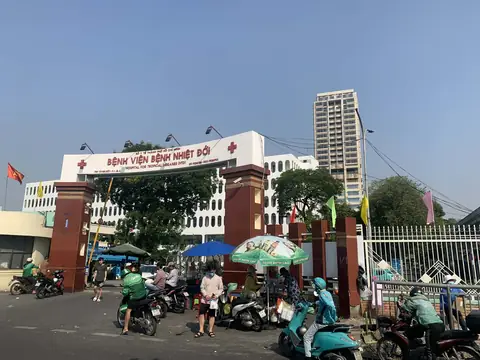
Health and safety in Vietnam
Vaccines and malaria advice for Vietnam, dengue, methanol and water, storm and flood seasons, motorbike risks, scams, drug laws, emergency numbers and hospitals.
Read the guide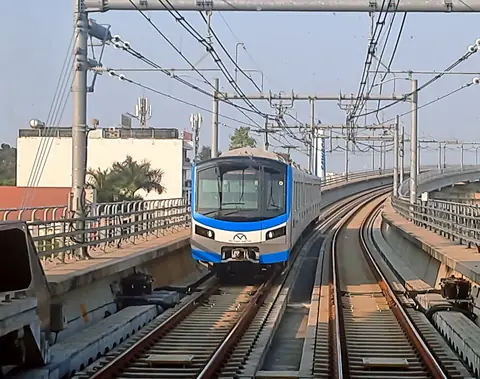
Getting around Vietnam
Which Vietnam legs suit a train, a flight or a coach: Vietnam Railways booking and sample fares, flights, airport transfers, buses, ferries and driving rules.
Read the guide
Where to stay in Hanoi
Old Quarter or French Quarter? Four Hanoi areas compared by who they suit, their evenings, the airport buses that reach them and the room rates hotels publish.
Read the guide
Hanoi
Three nights in Hanoi: where to sleep, the Old Quarter and Hoan Kiem Lake, the Temple of Literature, Citadel and Mausoleum, Noi Bai airport links and tickets.
Read the guide
Hoi An
How many nights Hoi An needs, the Old Town ticket and lantern nights, tailors, My Son, the Cham Islands and the way in from Da Nang airport.
Read the guideSources and checks before you travel
(12)
- UK Foreign Office (FCDO): Vietnam travel advice (updated 21 September 2026) ↗ — opens in a new tab
- UK Foreign Office (FCDO): Vietnam safety and security ↗ — opens in a new tab
- UK Foreign Office (FCDO): Vietnam getting help ↗ — opens in a new tab
- German Foreign Office (Auswärtiges Amt): Vietnam travel and safety advice (in German) ↗ — opens in a new tab
- France Diplomatie: Vietnam security advice (in French) ↗ — opens in a new tab
- Vietnam National Authority of Tourism: health and safety ↗ — opens in a new tab
- Vietnam National Authority of Tourism: guide to Vietnam's airports ↗ — opens in a new tab
- Noi Bai Airport (Noi Bai International Airport): transport to and from the airport ↗ — opens in a new tab
- Vietnam Airlines: flights from Hanoi to Hue ↗ — opens in a new tab
- Railway Transport JSC: notice on tickets for trains after summer 2026 (3 July 2026) ↗ — opens in a new tab
- Mad Monkey Hanoi ↗ — opens in a new tab
- Mad Monkey Hoi An ↗ — opens in a new tab
Reference sources for the version dated 2 November 2026. Confirm opening times, access, transport and conditions for your travel dates.
Photo credits
(4)
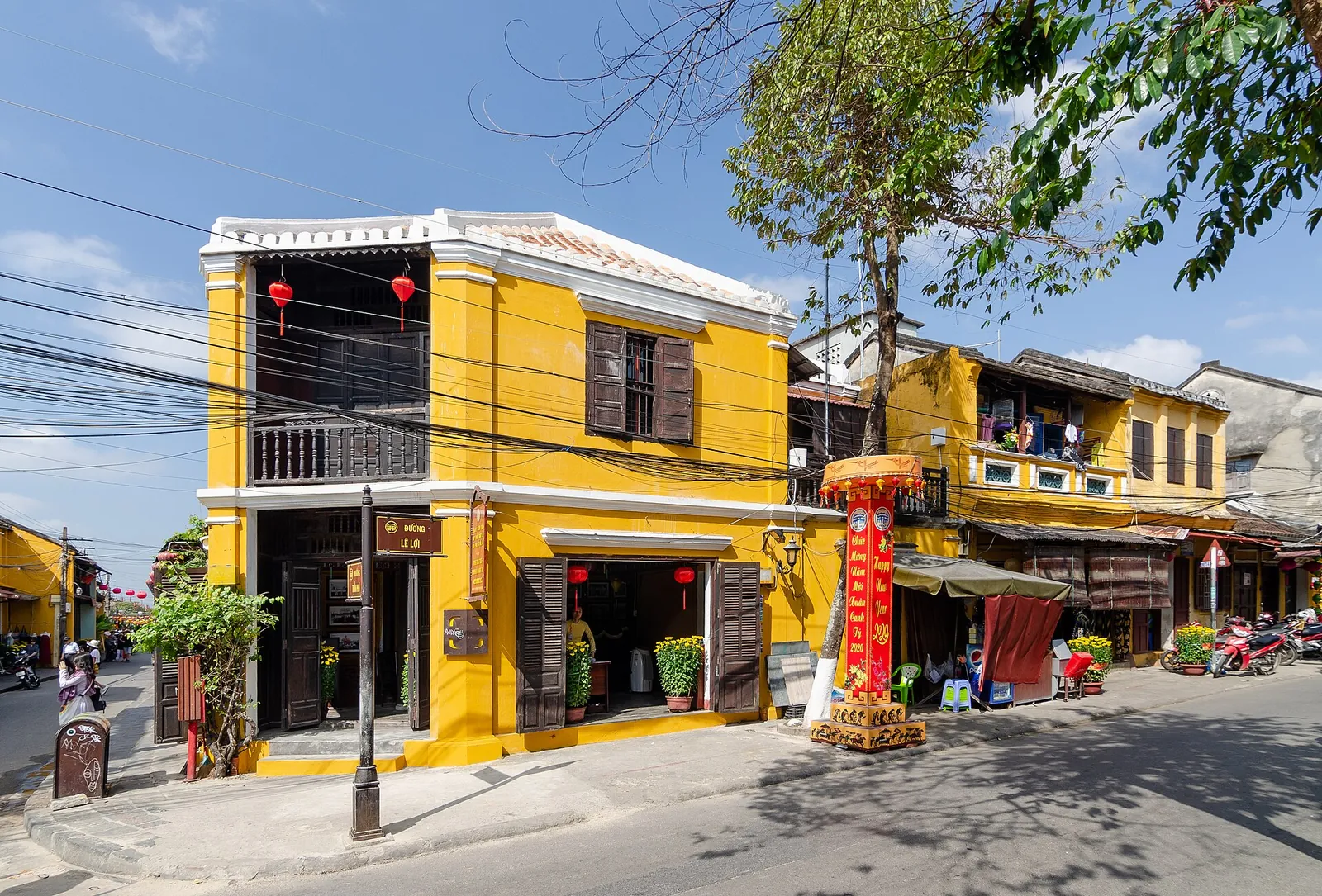
Yellow-walled shophouses in Hoi An Ancient Town.
Photograph: Steffen Schmitz ( more photos ) — opens in a new tab · CC BY-SA 4.0 — opens in a new tab
Changes: Resized and converted to WebP; displayed with responsive crops. · Original photograph and licence details ↗ — opens in a new tab
Tran Quoc Pagoda in Hanoi: cover shoulders and knees before going in
Photograph: RB Photo — opens in a new tab · CC BY 4.0 — opens in a new tab
Changes: Resized and converted to WebP; displayed with responsive crops. · Original photograph and licence details ↗ — opens in a new tab
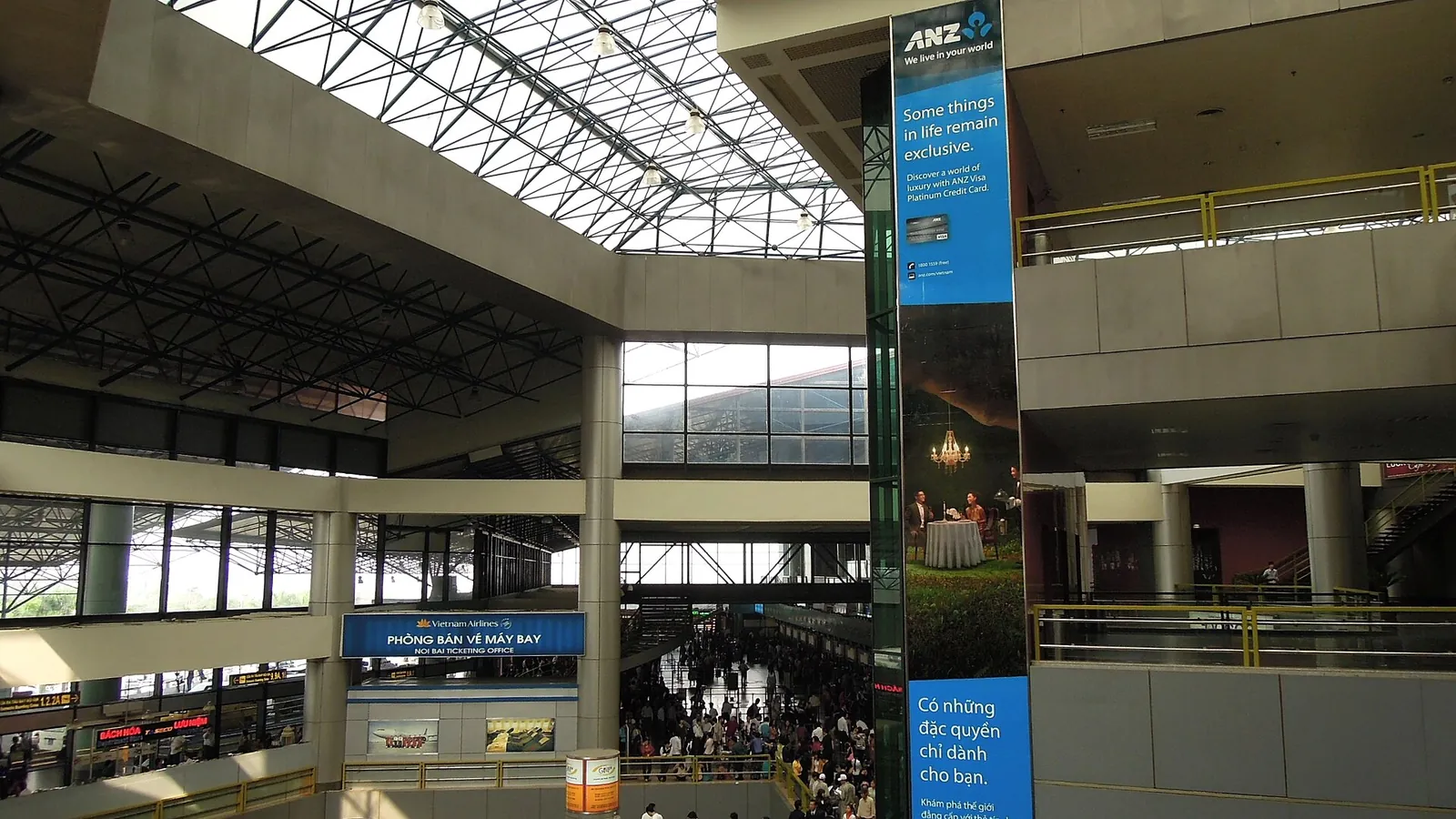
Noi Bai International Airport, 27 km from central Hanoi
Photograph: David McKelvey from Brisbane, Australia — opens in a new tab · CC BY 2.0 — opens in a new tab
Changes: Resized and converted to WebP; displayed with responsive crops. · Original photograph and licence details ↗ — opens in a new tab
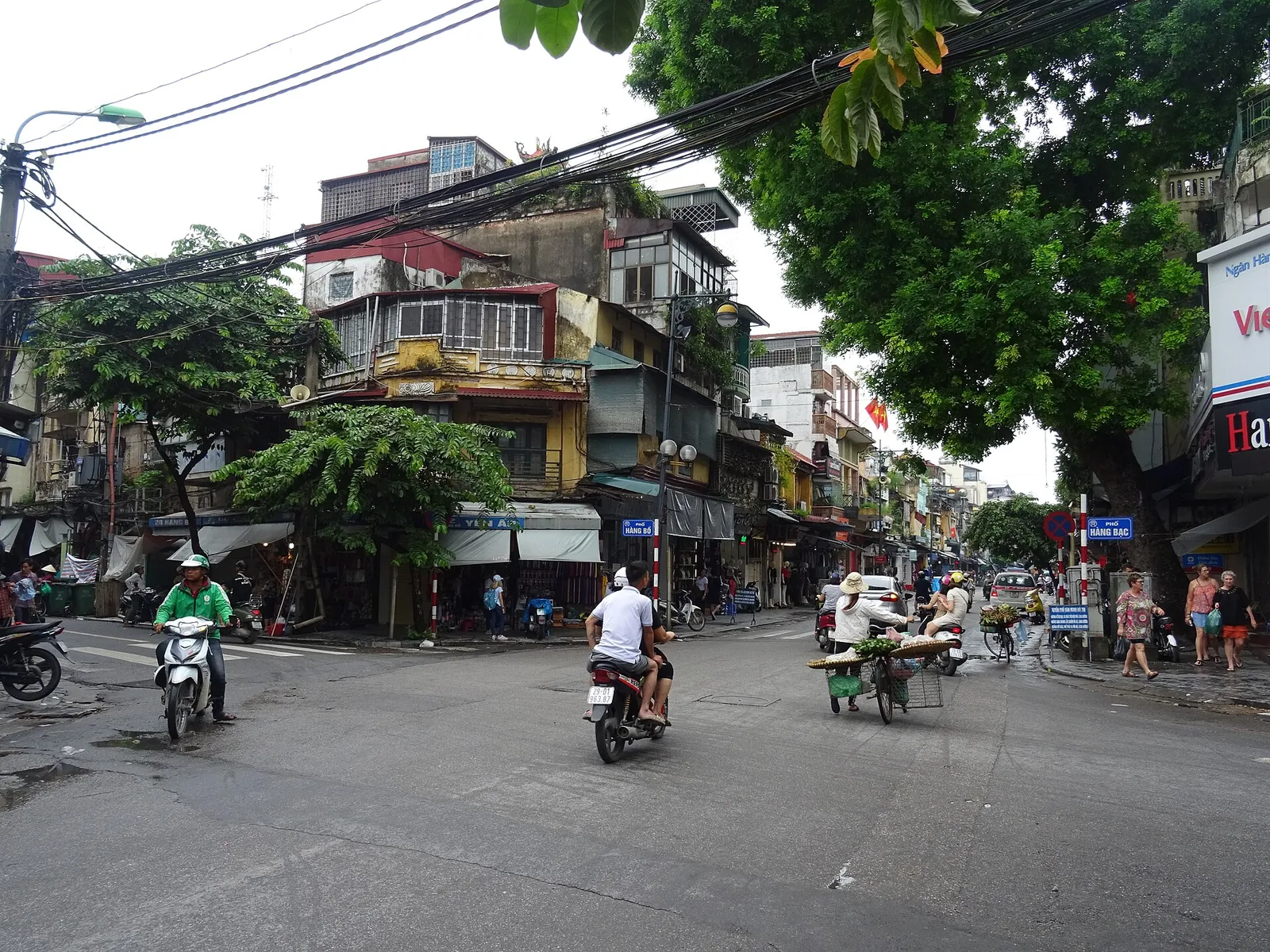
Shopfronts and motorbikes at a junction in Hanoi's Old Quarter.
Photograph: Christophe95 — opens in a new tab · CC BY-SA 4.0 — opens in a new tab
Changes: Resized and converted to WebP; displayed with responsive crops. · Original photograph and licence details ↗ — opens in a new tab