Central Vietnam · Da Nang
Hoi An travel guide: Old Town, lanterns, tailors and where to stay
Hoi An is a small riverside trading town that most visitors meet at its busiest: the lantern-lit streets of the Ancient Town between late afternoon and mid-evening. The town is better than that hour suggests. Give it a morning in the heritage houses before the crowds, an early ride through the vegetable gardens and rice fields, a long lunch at An Bang beach and an evening on the river, and it feels like a different place. Since the 2025 merger of provinces, Hoi An sits inside the new Da Nang City, which is also where you will land.
- Suggested time
- 3–4 nights
- Where to stay
- The edge of the Old Town for walking access; An Bang beach or the Cam Thanh countryside for quiet
- Season and timing
- The national tourism site calls March to May the best months; June to August is hot, and October to January brings rainy days and storms. Keep plans flexible in the wet season.
The short answer
Give Hoi An three nights: one day for the Old Town by morning and by lantern light, one day for the countryside by bicycle and An Bang beach, and a spare evening for tailor fittings or the river. Add a fourth night for My Son or the Cham Islands. Sleep on the edge of the Old Town if you want to walk in at dawn and after dinner; stay at An Bang or in the Cam Thanh countryside if you want quiet and are happy to ride or take a taxi in each evening. Buy the heritage ticket for the houses, and plan your Old Town hours around the walking-street times.
Inside the Old Town or outside it: choose before you book
The Ancient Town itself is a compact grid of shophouses, assembly halls and family temples along the Thu Bon River, and most of it is closed to motor traffic for much of the day. Sleeping on its edge means you can walk in before the tour groups and walk home after the lanterns are lit, which is the single biggest advantage in Hoi An. The trade-off is noise, busier lanes in the evening and little space for a pool or garden.
The national tourism site describes An Bang as the nearest and most popular beach, a short drive from the Ancient Town, with Cua Dai, where most of the resorts are, further along the coast; it notes that erosion has left Cua Dai's beach narrow. The countryside in between, around Cam Thanh, Cam Chau and the Tra Que vegetable village, also has places to stay among the fields. Both are quieter and cooler at night, but every Old Town visit becomes a bicycle ride, a taxi or a ride-hailing trip. Check the exact distance from the property to the Old Town and whether bicycles are included before you choose a cheaper room out of town.
The Old Town by daylight: the ticket and the houses worth entering
Hoi An traded with merchants from China, Japan and later Europe from the 15th to the 19th centuries, and the result is a townscape that the national tourism site says still follows its original street grid, with 844 of its 1,107 buildings listed. Walking the streets is the main pleasure, but the interiors need a ticket. When we checked on 2026-10-03, the Hoi An World Heritage Conservation Centre's ticket page (posted in 2023) listed a 120,000 VND ticket covering the general Old Town area, one of the Japanese Covered Bridge or the Quan Cong Temple, a museum of your choice and three other heritage buildings, and an 80,000 VND ticket with fewer entries. Keep the stub with you: the centre asks visitors to hold on to it for going in and out of the Old Town.
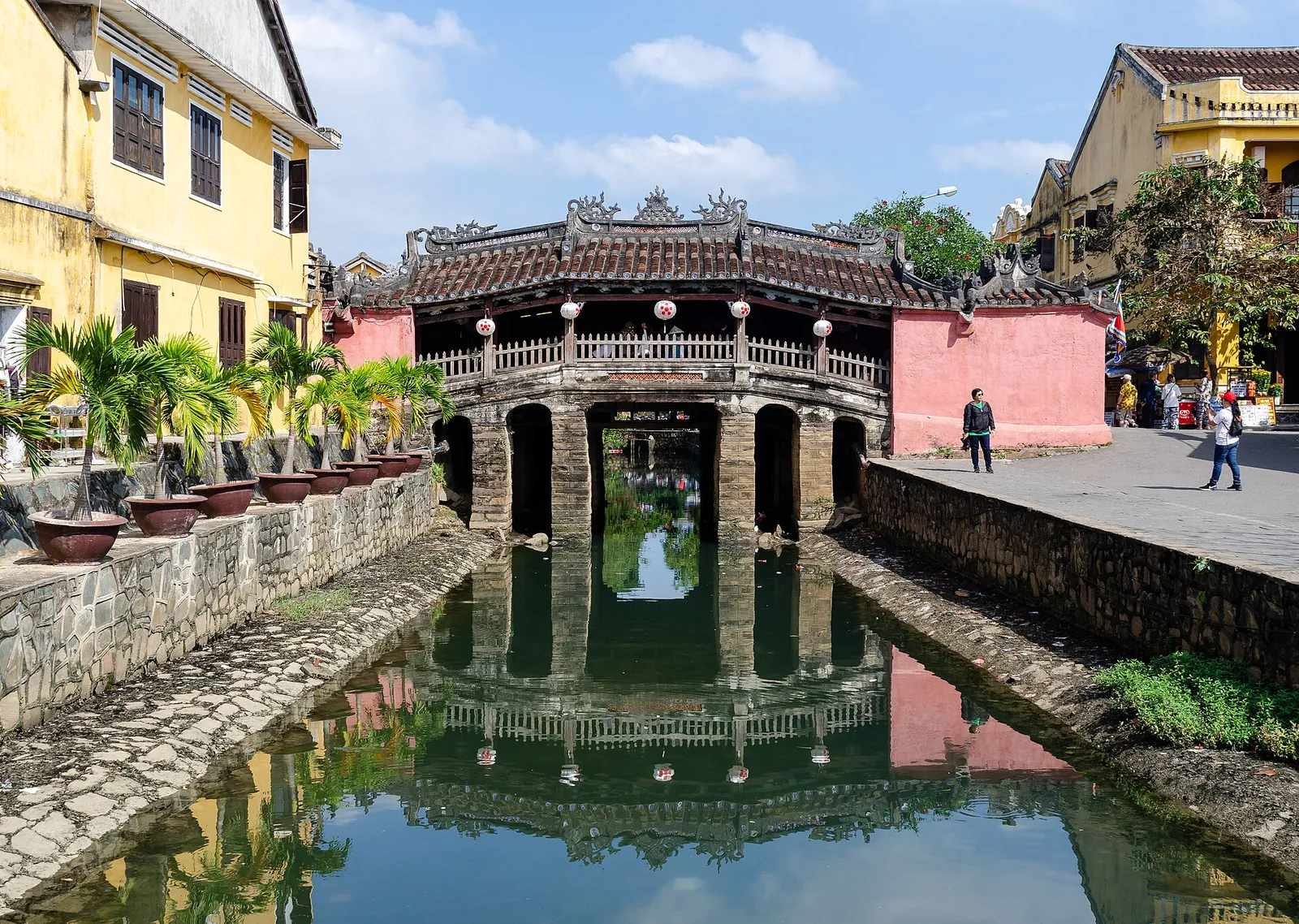
Use your entries on the places that explain the town rather than on whichever door is closest. The Japanese Covered Bridge (Chua Cau), built around 1593 to link the Japanese and Chinese quarters, is the landmark on the 20,000 VND note. Tan Ky House, built in 1741 and home to seven generations of one family, is, in the national tourism site's words, a great example of an 18th-century merchant's home. The Phuc Kien (Fujian) Assembly Hall is one of the Chinese community halls the national tourism site puts on its shortlist, and the Museum of Trade Ceramics displays the pottery that passed through the port. The same ticket page listed a Japanese tea ceremony at the Japanese culture exhibition house, 06 Nguyen Thi Minh Khai, at 09:30 and 16:30 daily.
See the heritage houses in the morning, when the streets are cooler and calmer, and save the riverbank for the end of the afternoon.
Make time for the local food
What to eat and where to look
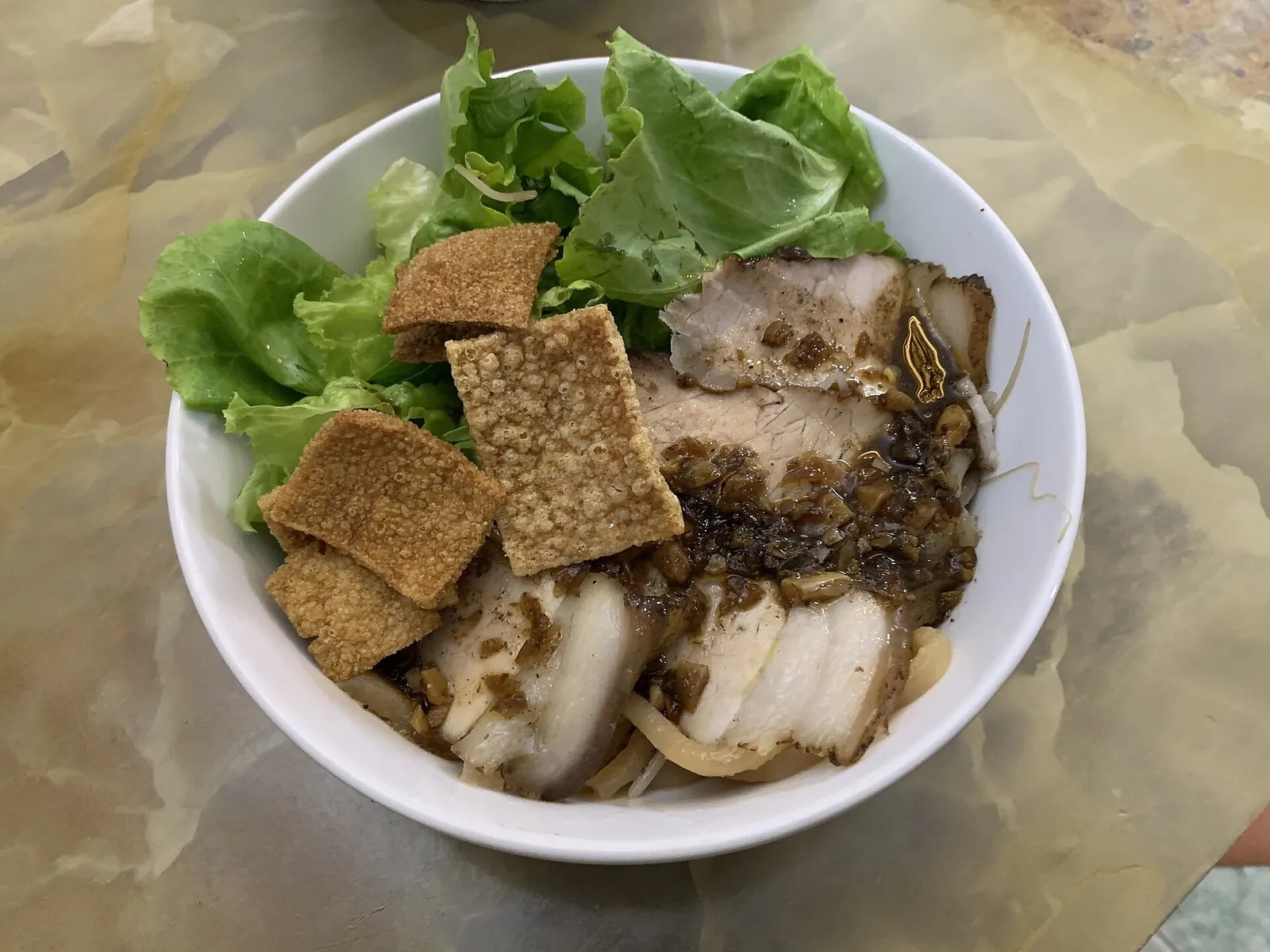
Cao lau
Thick, chewy noodles with slices of pork, crisp crackers, herbs and a little rich sauce rather than a soup. It is the dish most closely tied to Hoi An and one of the three the national tourism site singles out.
- Where to look
- Market stalls and family restaurants in and around the Old Town; look for 'cao lau' on a short menu.
- Fit it into your day
- A quick lunch between heritage houses.
Pork-based; ask if you need a version without meat.
White rose dumplings (banh bao banh vac)
Translucent dumplings pinched into the shape of a flower around a shrimp and pork filling, topped with fried shallots and served with a chilli-garlic fish sauce.
- Where to look
- Old Town restaurants that list local specialities; they are often served as a starter.
- Fit it into your day
- Order a plate to share at the start of dinner.
Contains shrimp and pork, and the dipping sauce contains fish sauce.
Hoanh thanh (Hoi An wontons)
A dish of Chinese origin made Hoi An's own: golden wonton wrappers around shrimp and pork, served in broth with liver, chives and egg, or fried crisp with chilli sauce for dipping.
- Where to look
- Old Town restaurants and some street stalls near the river.
- Fit it into your day
- The fried version works as a shared snack with drinks before an evening walk.
Contains pork, shrimp and wheat; the soup version may include liver.
Mi Quang
Wide rice noodles, often tinted yellow, with a small amount of concentrated broth, pork, shrimp or chicken, herbs, peanuts and a rice cracker broken over the top. The national tourism site lists it among Hoi An's local specialities.
- Where to look
- Breakfast and lunch shops in town and on the way to An Bang or the countryside.
- Fit it into your day
- A filling breakfast before a morning bicycle ride.
Contains peanuts and usually fish sauce.
Banh dap with stir-fried clams (banh dap hen xao)
Baby clams stir-fried with herbs, onion, fried shallots, peanuts and chilli, scooped up with a 'smashed' rice cracker made from a layer of soft rice sheet pressed onto a crisp one.
- Where to look
- Small local eateries and street stalls around town.
- Fit it into your day
- A late-afternoon snack after a boat trip.
Contains shellfish and peanuts; choose a busy place where the clams are freshly cooked.
Rice fields, Tra Que and Cam Thanh by bicycle
The quickest escape from the crowds is a bicycle. Hotels and street shops rent them, and the national tourism site suggests riding out from the Ancient Town towards Cam Thanh and Cam Chau, past vegetable gardens, duck ponds and rice paddies. Go at sunrise or in the late afternoon: the light is softer, the heat lower and the roads quieter.
Tra Que, a vegetable village with a history going back to the 17th century and known for growing herbs and greens by traditional organic methods, was recognised by UN Tourism as one of its Best Tourism Villages in 2024, as the Hoi An heritage centre reported. It is a working farm community, so stay on the paths between the beds and ask before photographing people at work.
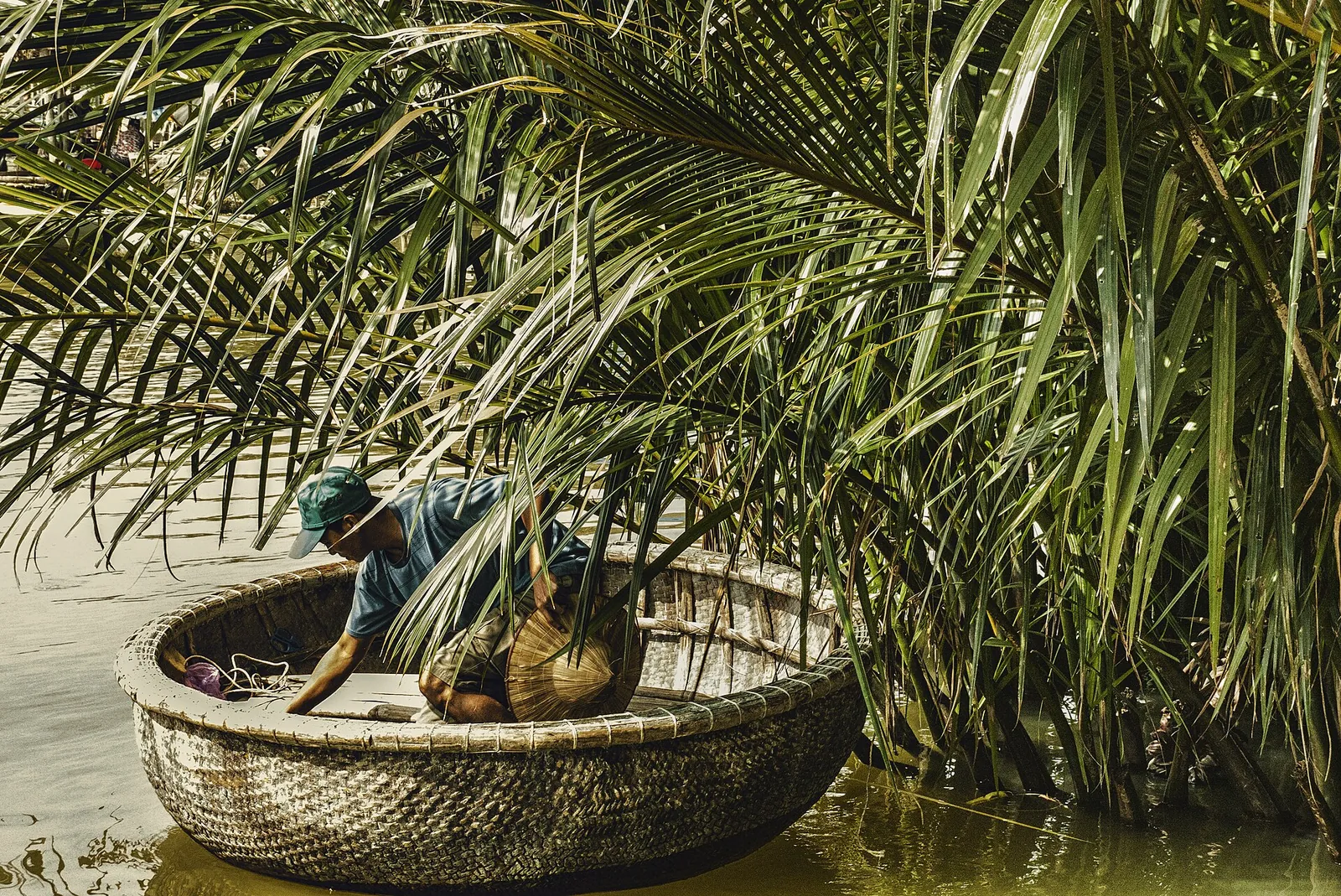
East of the Old Town, the Bay Mau nipa-palm forest at Cam Thanh covers about 58 hectares of waterways, according to the heritage centre, which describes basket-boat rides, net fishing and crab catching among the visitor activities. It is part of the Cu Lao Cham – Hoi An World Biosphere Reserve that UNESCO recognised in 2009.
Lantern evenings without the worst of the crowds
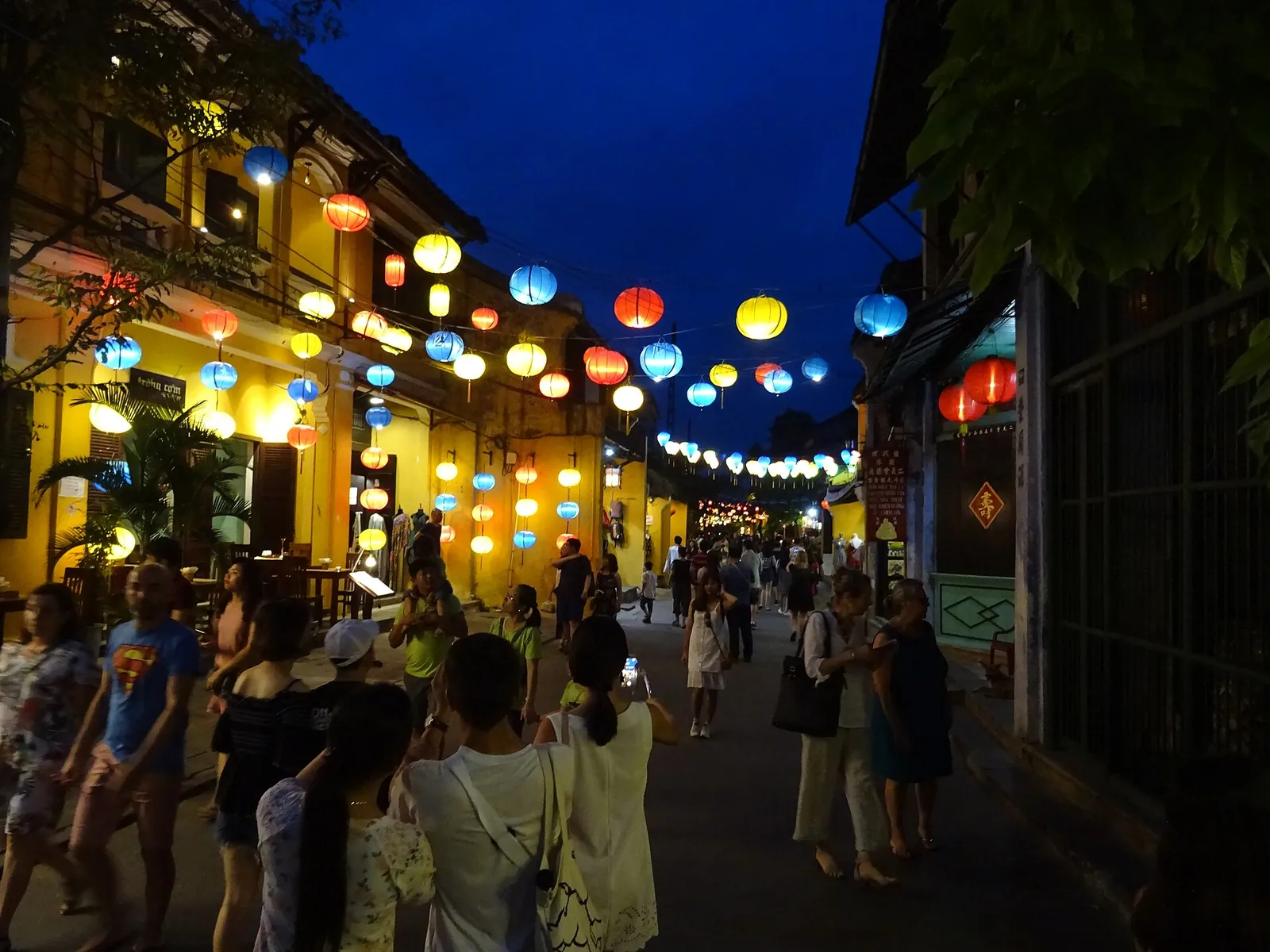
The Ancient Town is at its most beautiful after dark, when lanterns light the streets and reflect on the river, and at its most crowded too. When we checked on 2026-10-03, the heritage centre listed the Old Town walking-street hours as 09:00 to 21:30 in summer and 09:00 to 21:00 in winter, with Phan Chau Trinh Street closed to motor traffic from 17:30 to the same closing times. Outside those hours, expect motorbikes in the lanes.
On the 14th night of each lunar month, the town holds its Old Town Night (Dem pho co), recreating the early-20th-century town: electric lights give way to candles and lanterns, and local groups perform folk songs, traditional music and the bai choi card game. These are the most atmospheric nights and also the busiest; check the lunar calendar for your dates and arrive before dusk.
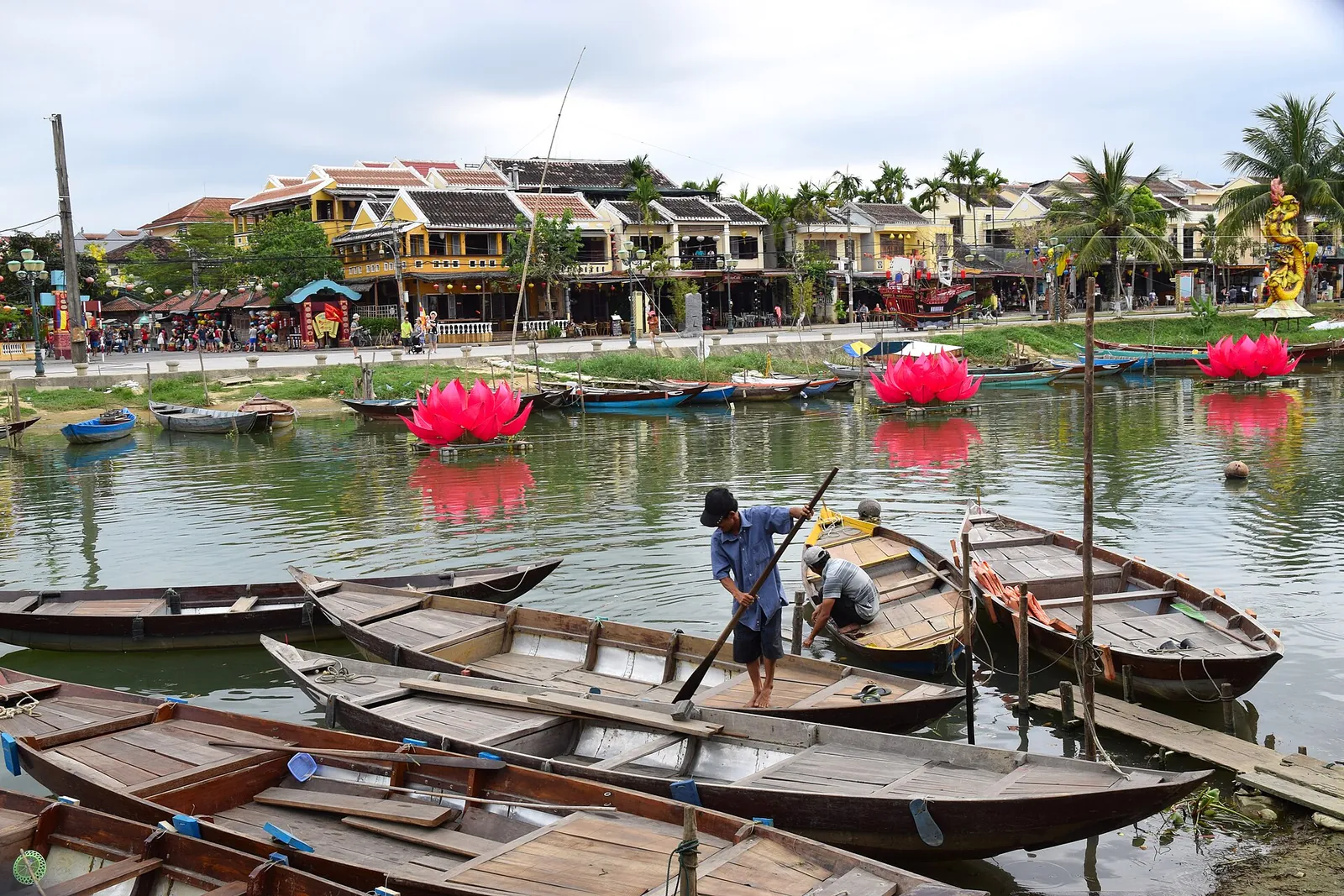
To enjoy the lanterns with more space, look back at the town from the opposite bank of the river, walk the side lanes away from the riverfront, or take a sampan out on the Thu Bon at sunset, which the national tourism site recommends. Agree the length and price of any boat trip before you step aboard, and wear a life jacket where one is offered.
Tailors and shopping: order on day one
Hoi An is known for its tailors, who make suits, dresses and leather bags to order, and the national tourism site notes that the cost of the fabric is included. Its main advice is to place your order early in your stay so there is time for fittings and alterations. Bring a photo or a garment you want copied, and confirm every detail before paying a deposit: fabric, lining, buttons and zips, measurements and the date of the final fitting.
The Hoi An Cloth Market has more than 50 stalls of fabric and is lively but can be overwhelming; the town's established tailor shops offer a calmer process. If you would rather not wait for fittings, the Old Town also has ready-to-wear boutiques, leather workshops and craft shops that sell lanterns and ceramics, and several places offer lantern-making workshops if you would like to make your own.
An Bang beach and the trips beyond town
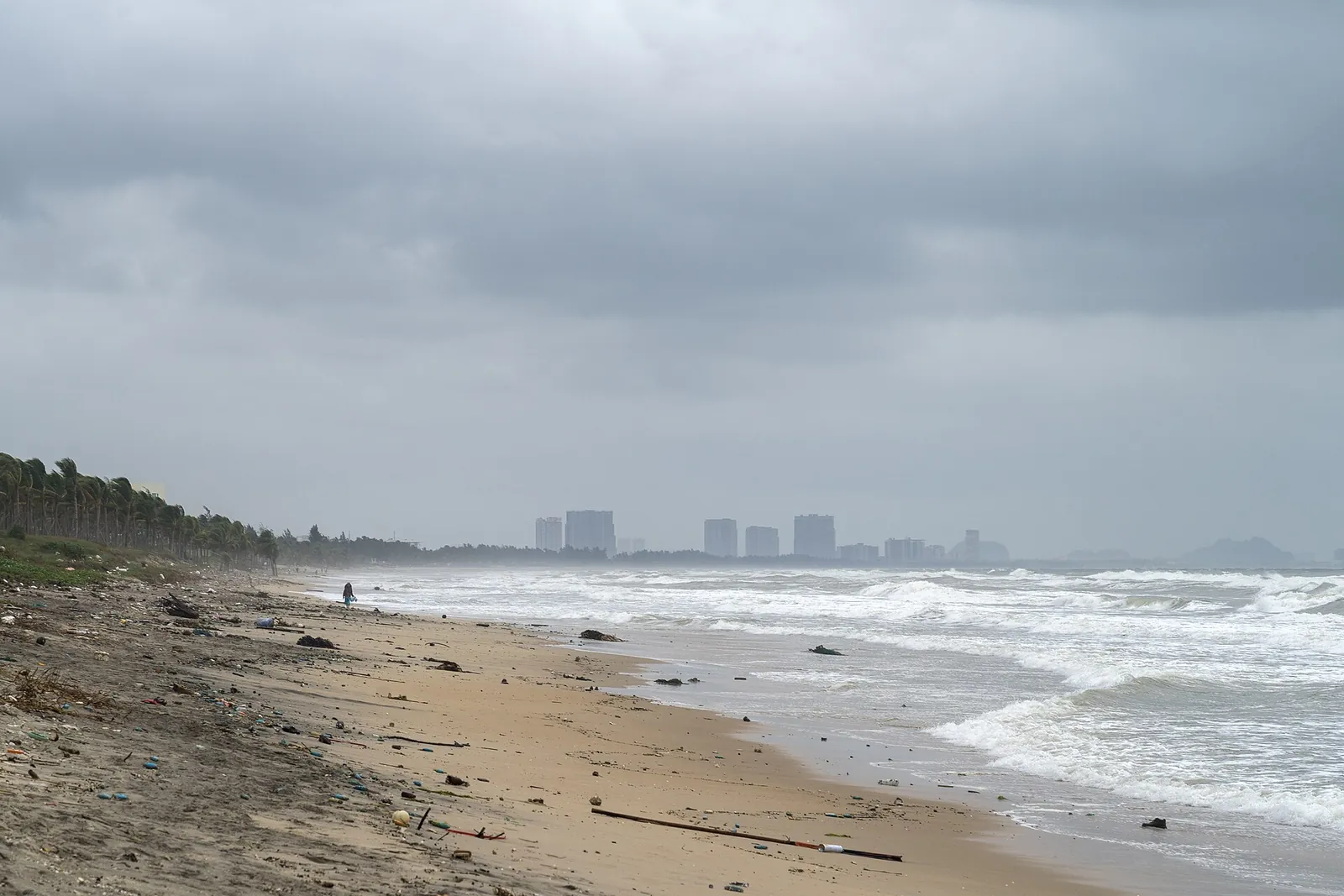
An Bang is the beach to pair with an Old Town stay. The national tourism site describes sun loungers, seafood restaurants and water sports at the main entrance, with things growing more relaxed a little further along the sand. The same site notes that mornings are quiet, while late afternoons and early evenings can be busy. In the rainy months, the sea can be rough: swim only where it looks calm and others are in the water, and follow any flags or lifeguard instructions.
Two trips justify an extra night. My Son Sanctuary, a UNESCO World Heritage Site about 40 kilometres from Hoi An, holds the temple ruins of the Cham people, dating from the 7th to the 13th century; go early in the morning before the heat. The Cham Islands (Cu Lao Cham), about 15 kilometres off the coast and part of the biosphere reserve, can be reached by speedboat or ferry for a day of snorkelling, or overnight for a quieter fishing village. Boats depend on the weather and sea conditions, so keep a flexible day for them.
A workable three-night plan
This is an editorial suggestion, not a timetable. Check opening times and weather for each day you choose.
- Day 1 — Old Town by morning: heritage houses with your ticket in the morning, lunch, a tailor's first fitting or a rest in the heat, then the riverbank and lanterns at dusk.
- Day 2 — Countryside and beach: an early bicycle ride through Tra Que and the rice fields to An Bang, a long seafood lunch and a swim, and a basket-boat trip at Cam Thanh on the way back.
- Day 3 — Slow day: a cooking class or market visit, final tailor fittings, and a sunset boat on the Thu Bon.
- Day 4 (optional): My Son at opening time, or a day on the Cham Islands if the sea is calm.
Practical questions
How many nights should I stay in Hoi An?
Three nights give you two full days: one for the Old Town by morning and evening, one for the countryside and An Bang beach. Add a fourth night for My Son or the Cham Islands, or if you are having clothes tailored and need time for fittings.
Is it better to stay in the Old Town or at An Bang beach?
Stay on the edge of the Old Town if you want to walk in early and come back after the lanterns. Choose An Bang or the countryside for quiet nights and space, accepting a ride or taxi each time you visit the town.
Do I need a ticket for Hoi An Old Town?
The heritage centre asks visitors to buy a ticket before entering the Old Town; it covers the general area and a set number of heritage buildings. When we checked on 2026-10-03, its page listed 80,000 VND and 120,000 VND tickets. Keep the stub, as you may be asked for it.
When is the Hoi An lantern festival?
The Old Town Night is held on the 14th night of every lunar month, when electric lights are dimmed in favour of candles and lanterns and local groups perform. Lanterns are lit every evening, but the 14th is the most atmospheric and the busiest.
How long do Hoi An tailors need?
Plan for at least one fitting and alterations, so do not leave an order to your last day. Order as early as you can and agree the fabric, details, price and fitting dates in writing.
What is the best time of year to visit Hoi An?
Vietnam's national tourism site names March to May as the best months. June to August is hot, while October to January brings rain and storms, so leave flexibility for boat trips and beach days in those months.
Sources and checks before you travel
Reference sources for the version dated 3 October 2026. Confirm opening times, access, transport and conditions for your travel dates.
- Vietnam Tourism: Hoi An ↗ — opens in a new tab
- Vietnam Tourism: the best ways to explore the ancient town of Hoi An ↗ — opens in a new tab
- Vietnam Tourism: 10 essential things to do in Hoi An ↗ — opens in a new tab
- Vietnam Tourism: the shopaholic's guide to Hoi An ↗ — opens in a new tab
- Hoi An World Heritage Conservation Centre: Old Town ticket information ↗ — opens in a new tab
- Hoi An World Heritage Conservation Centre: Old Town Night ↗ — opens in a new tab
- Hoi An World Heritage Conservation Centre: Tra Que named a UN Tourism Best Tourism Village 2024 ↗ — opens in a new tab
- Hoi An World Heritage Conservation Centre: Bay Mau nipa-palm forest, Cam Thanh ↗ — opens in a new tab
- Hoi An World Heritage Conservation Centre: Hoi An dishes to try ↗ — opens in a new tab
- Danang Fantasticity (Da Nang Department of Culture, Sports and Tourism): about Da Nang ↗ — opens in a new tab
Does this experience fit your route?
An early guided bicycle ride is the easiest way to see Hoi An's rice fields and vegetable villages before the heat. Check the route, the start time and what is included before you book.
Check dates and details on Viator ↗ — opens in a new tabAffiliate link · Book with ViatorPhoto credits
The Japanese Covered Bridge, the Old Town's best-known landmark, on a clear morning
Photograph: Steffen Schmitz ( more photos ) — opens in a new tab · CC BY-SA 4.0 — opens in a new tab
Changes: Resized and converted to WebP; displayed with responsive crops. · Original photograph and licence details ↗ — opens in a new tab
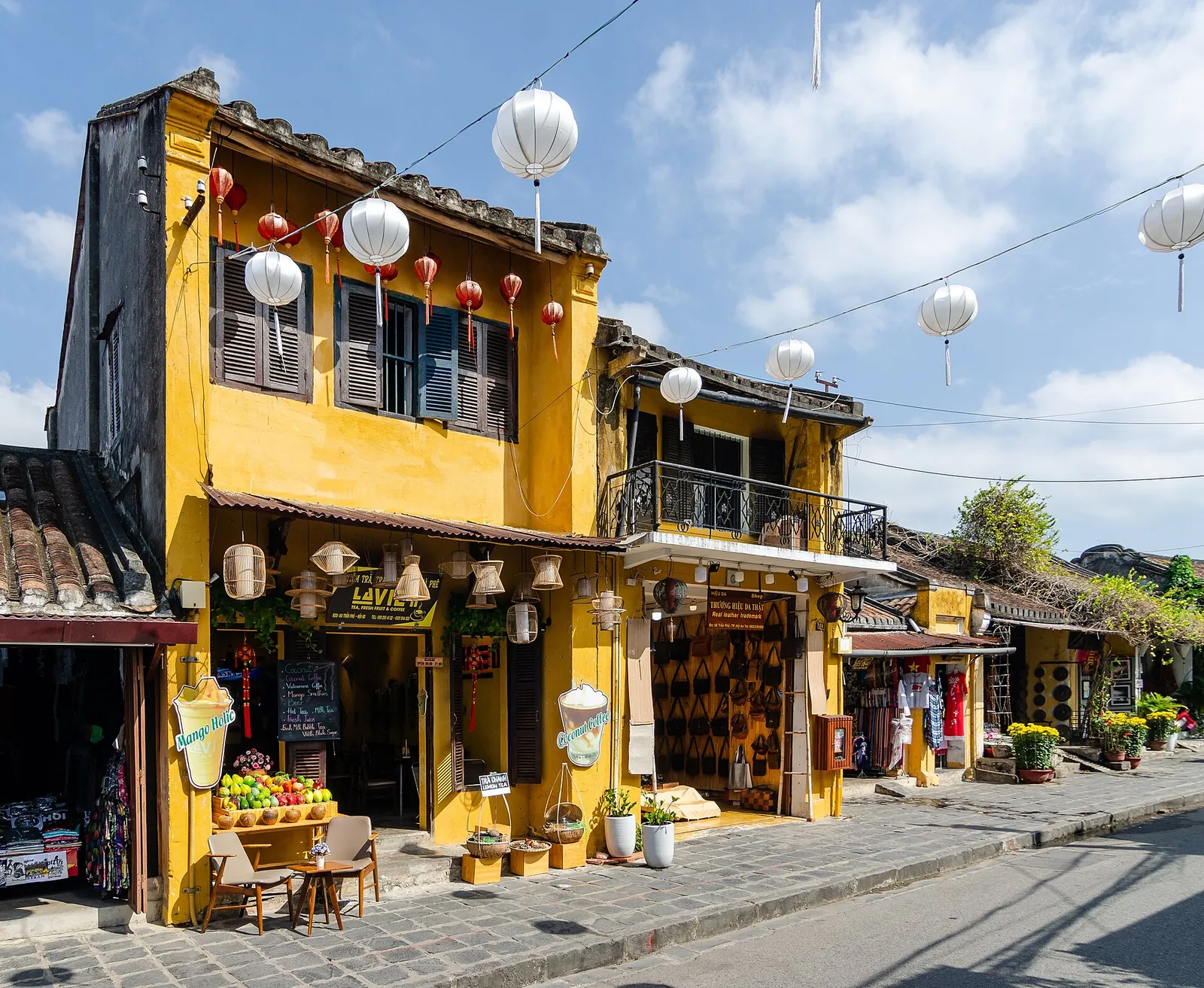
Ochre shophouses and paper lanterns in the Ancient Town by day
Photograph: Steffen Schmitz ( more photos ) — opens in a new tab · CC BY-SA 4.0 — opens in a new tab
Changes: Resized and converted to WebP; displayed with responsive crops. · Original photograph and licence details ↗ — opens in a new tab
The same streets after dark, when the lanterns are lit and the crowds arrive
Photograph: Christophe95 — opens in a new tab · CC BY-SA 4.0 — opens in a new tab
Changes: Resized and converted to WebP; displayed with responsive crops. · Original photograph and licence details ↗ — opens in a new tab
Sampans on the Thu Bon River, ready for evening trips along the Old Town waterfront
Photograph: Raita Futo from Tokyo, Japan — opens in a new tab · CC BY 2.0 — opens in a new tab
Changes: Resized and converted to WebP; displayed with responsive crops. · Original photograph and licence details ↗ — opens in a new tab
Cao lầu, Hoi An's signature noodle dish
Photograph: Chainwit. — opens in a new tab · CC BY 4.0 — opens in a new tab
Changes: Resized and converted to WebP; displayed with responsive crops. · Original photograph and licence details ↗ — opens in a new tab
A basket boat in the nipa-palm waterways of Cẩm Thanh, east of the Old Town
Photograph: Chester Ho chesterho — opens in a new tab · CC0 — opens in a new tab
Changes: Resized and converted to WebP; displayed with responsive crops. · Original photograph and licence details ↗ — opens in a new tab
An Bang Beach in November, when the rainy season brings grey skies and rough sea
Photograph: Alexkom000 — opens in a new tab · CC BY 4.0 — opens in a new tab
Changes: Resized and converted to WebP; displayed with responsive crops. · Original photograph and licence details ↗ — opens in a new tab