Mekong Delta and Phu Quoc · An Giang
Phu Quoc travel guide: which coast to stay on, visa-free entry, ferries
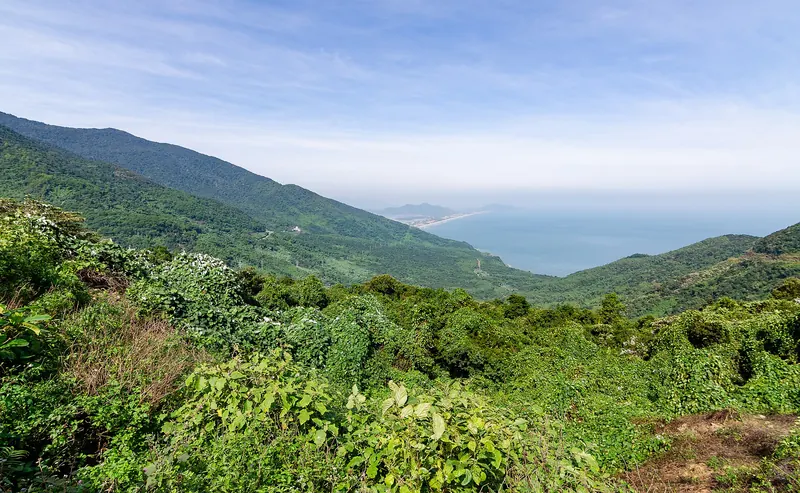
Phu Quoc is Vietnam's largest island, a triangle about 50 kilometres from north to south in the Gulf of Thailand, closer to the Cambodian coast than to the Mekong Delta. Vietnamese know it first for fish sauce and black pepper, and fishing and farming still matter here. Over the past decade the south and north ends have filled with resorts, theme parks and a cable car, while a national park still covers much of the hilly interior. The island is now a special administrative zone of An Giang province, and since 2014 it has had its own 30-day visa exemption for foreign visitors arriving directly from abroad.
- Suggested time
- 4 nights, plus beach days
- Where to stay
- Long Beach (Duong To) or Duong Dong for most visitors; An Thoi in the south or Ganh Dau in the north for resort stays
- Season and timing
- Vietnam Tourism calls December and January the island at its best and the months outside July to September hot and dry; from July to September storms can make ferry crossings dangerous and the beaches less inviting. Fish-sauce makers fish for anchovies in the April–September rainy season.
The short answer
Give Phu Quoc four nights, and add as many extra beach days as you want. Choose one base by what you want to do: Long Beach on the west coast, close to the airport and to Duong Dong, for sunsets, restaurants and the shortest transfers; the An Thoi end in the south for the Hon Thom cable car and boat trips to the southern islands; or the resort and theme-park area around Ganh Dau and Bai Dai in the north for a family stay. Spend one day in the south (cable car, Phu Quoc Prison), one on the island's working side (a fish-sauce maker, a pepper farm, Ham Ninh) and one in the forest or on the sea, and keep the evenings for Dinh Cau at sunset and the night markets. Fly in directly from abroad if you want the visa exemption; from Ha Tien or Rach Gia, take the fast ferry.
Choose your coast before your hotel
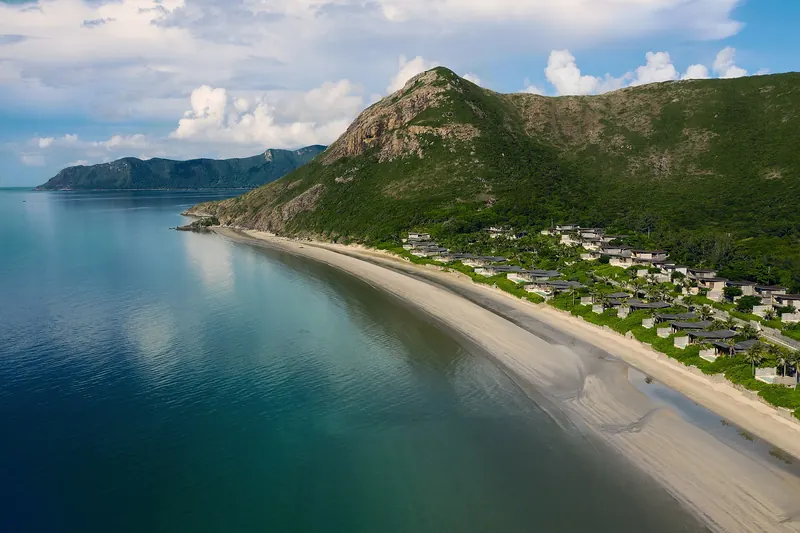
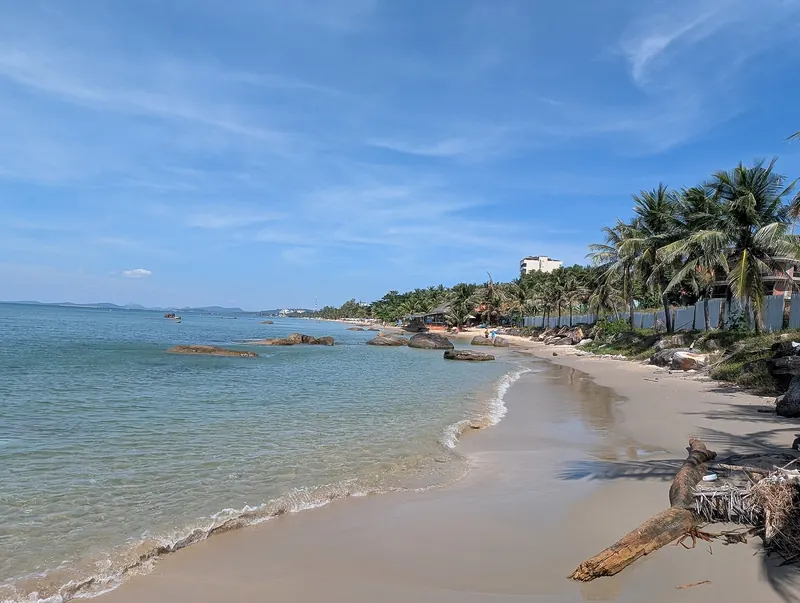
Phu Quoc is bigger than it looks on a resort map, and the side of the island you sleep on decides most of your days. Long Beach (Bai Truong) on the west coast is the default for good reason: Vietnam Tourism describes 20 kilometres of beach with unobstructed sunsets, and many of its resorts line Tran Hung Dao Street in Duong To, the same commune as the airport, which lies about 9 kilometres south of Duong Dong, the island's main town. From here restaurants, Dinh Cau and the airport are all a short ride away.
The south, around An Thoi, is the island's entertainment end: the Hon Thom cable car, the Sunset Town development and boats to the An Thoi islands start here. Stay here if the islands and the cable car are the point of your trip. The north, around Ganh Dau and Bai Dai, is resort country with Vinpearl Safari, a 500-hectare zoo and safari park that opened in late 2015, and the Grand World complex nearby; Vietnam Tourism describes beaches such as Ganh Dau and Bai Thom as tucked away down dirt roads, away from the crowds. It suits families who will stay put, less so travellers who want to explore.
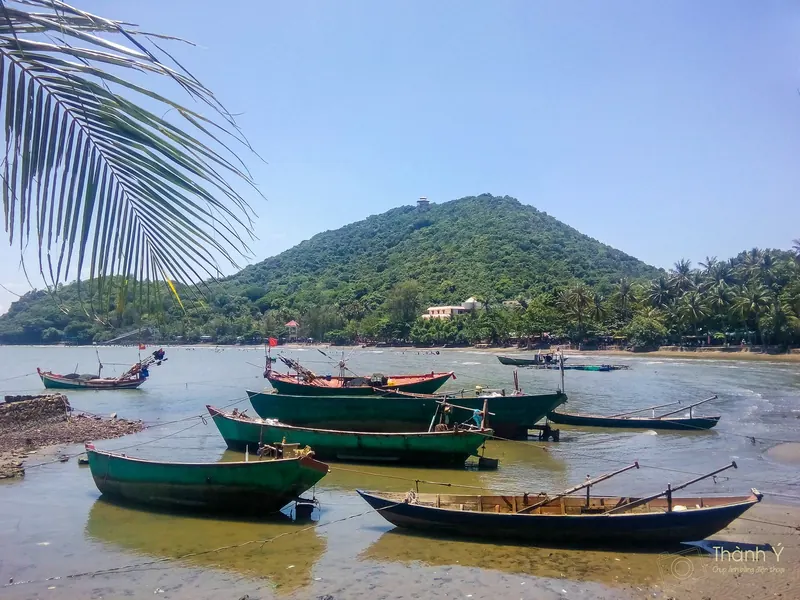
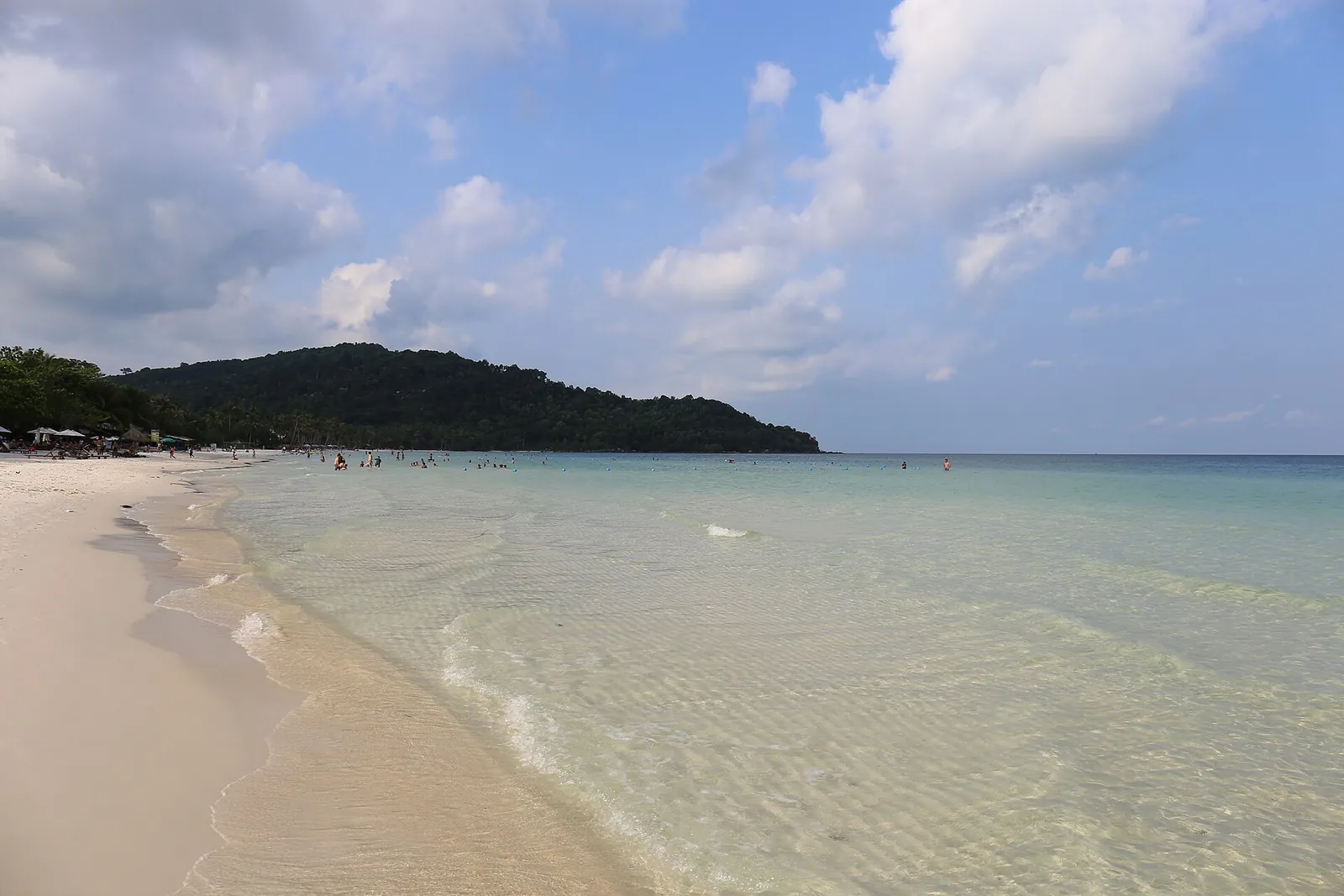
The east coast is the working side, with the fishing village of Ham Ninh and Bai Vong, the port used by the Phu Quoc Express fast ferries from the mainland. Wherever you stay, check how you reach the sand: VnExpress reported in early 2026 that at Bai Sao, one of the island's best-known beaches, visitors had to pass through restaurants to get to the water and that some charged an entry fee. Ask your hotel about beach access before you book.
Fish sauce, pepper and the island's working side
Vietnam Tourism suggests touring a fish-sauce factory to see how the island's best-known product is made, and it is worth an hour. A CNN writer whose visit VnExpress summarised counted more than 70 producers. Anchovies make up about 95 per cent of the fish; at the producer he visited they are salted on board, and the mixture ferments for about a year in large wooden barrels, traditionally made from a tree that grows in the national park. The catch season is April to September, the rainy season. On the bottle, look for nuoc mam nhi, the first extraction, and the protein grade, which ranges from about 35 to 45 degrees.
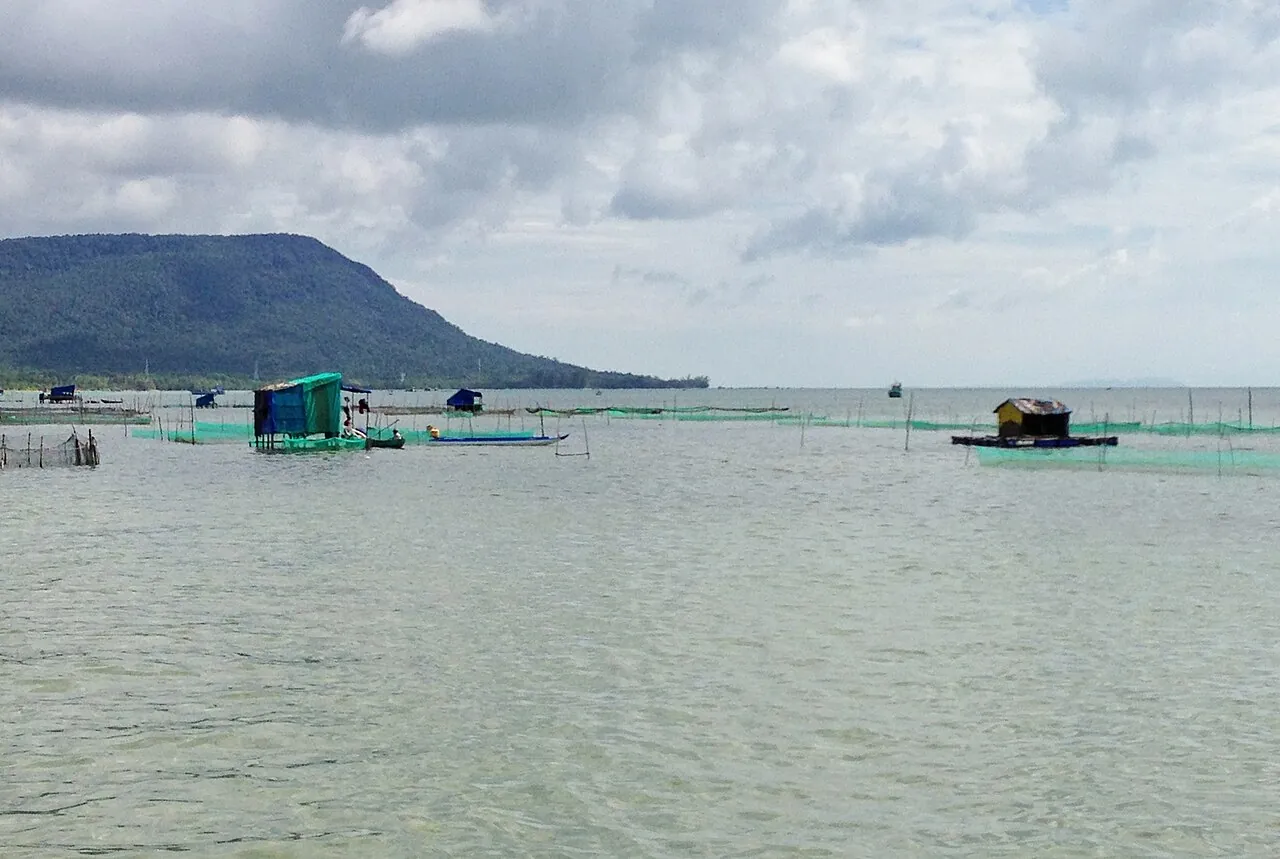
Black pepper grows all over the island, especially in the communes of Ganh Dau and Cua Duong, and Vietnam Tourism recommends trying it with seafood at a floating restaurant in Ham Ninh, a traditional fishing village on the east coast. Vietnam Tourism also mentions farms such as Phu Quoc Countryside and the Phu Quoc Bee Farm, which run guided visits with tastings. If you are buying fish sauce, pepper or pearls to take home, VnExpress advises checking origin and quality, and local producers have long fought the use of the island's name on fish sauce made elsewhere.
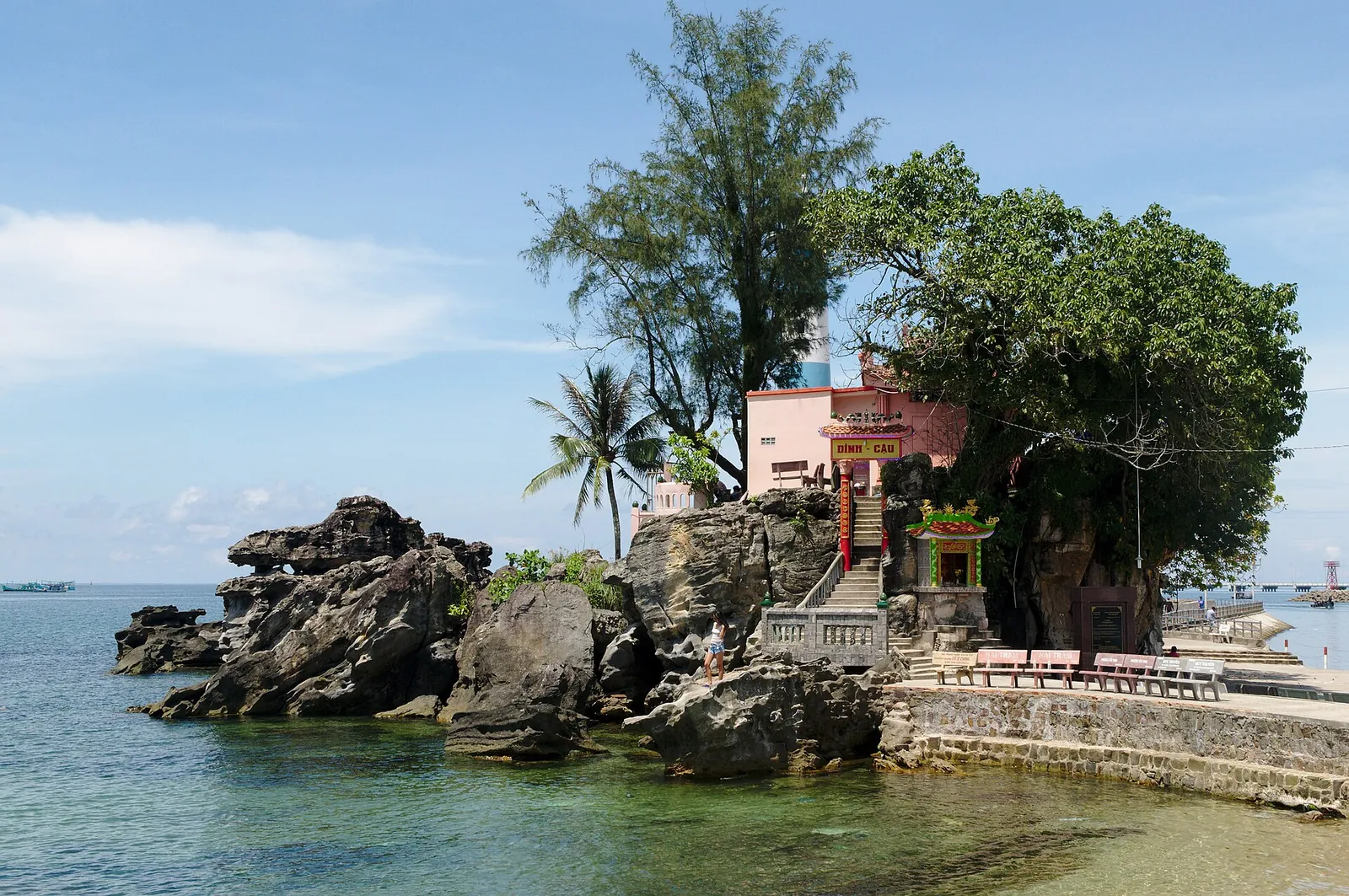
Dinh Cau, a shrine on a rocky outcrop facing the sea at Duong Dong, is where fishermen come to pray for a safe trip. VnExpress dates the present shrine to 1937, restored in 1997, at the top of 29 stone steps, and notes a large festival on the 15th and 16th days of the tenth lunar month. It is one of the island's best sunset spots.
Make time for the local food
What to eat and where to look
Goi ca trich (herring salad)
The island's signature dish: raw herring fillets cured in lime or vinegar, wrapped at the table in rice paper softened with coconut milk, with grated coconut, peanuts, onions and a plate of herbs and wild leaves, and dipped in a fish-sauce dressing.
- Where to look
- Seafood restaurants around the island; ask whether the herring is that day's catch.
- Fit it into your day
- A shared starter at a seafood lunch.
The fish is not cooked; skip it if you are pregnant or have a weak stomach, and eat it only where the fish is clearly fresh.
Bun quay
A breakfast noodle soup with squid, fish and shrimp cakes, served with a dipping sauce you mix yourself from salt, sugar, kumquat and chilli. VnExpress names Kien Xay, near Dinh Cau, as the shop said to have first sold it on the island.
- Where to look
- Noodle shops in Duong Dong.
- Fit it into your day
- Breakfast before a morning on the west coast; VnExpress reports the busiest time at Kien Xay as 8 to 10 in the morning.
The broth itself is unseasoned; the flavour comes from the sauce, so mix it to your taste.
Grilled seafood and crab dishes
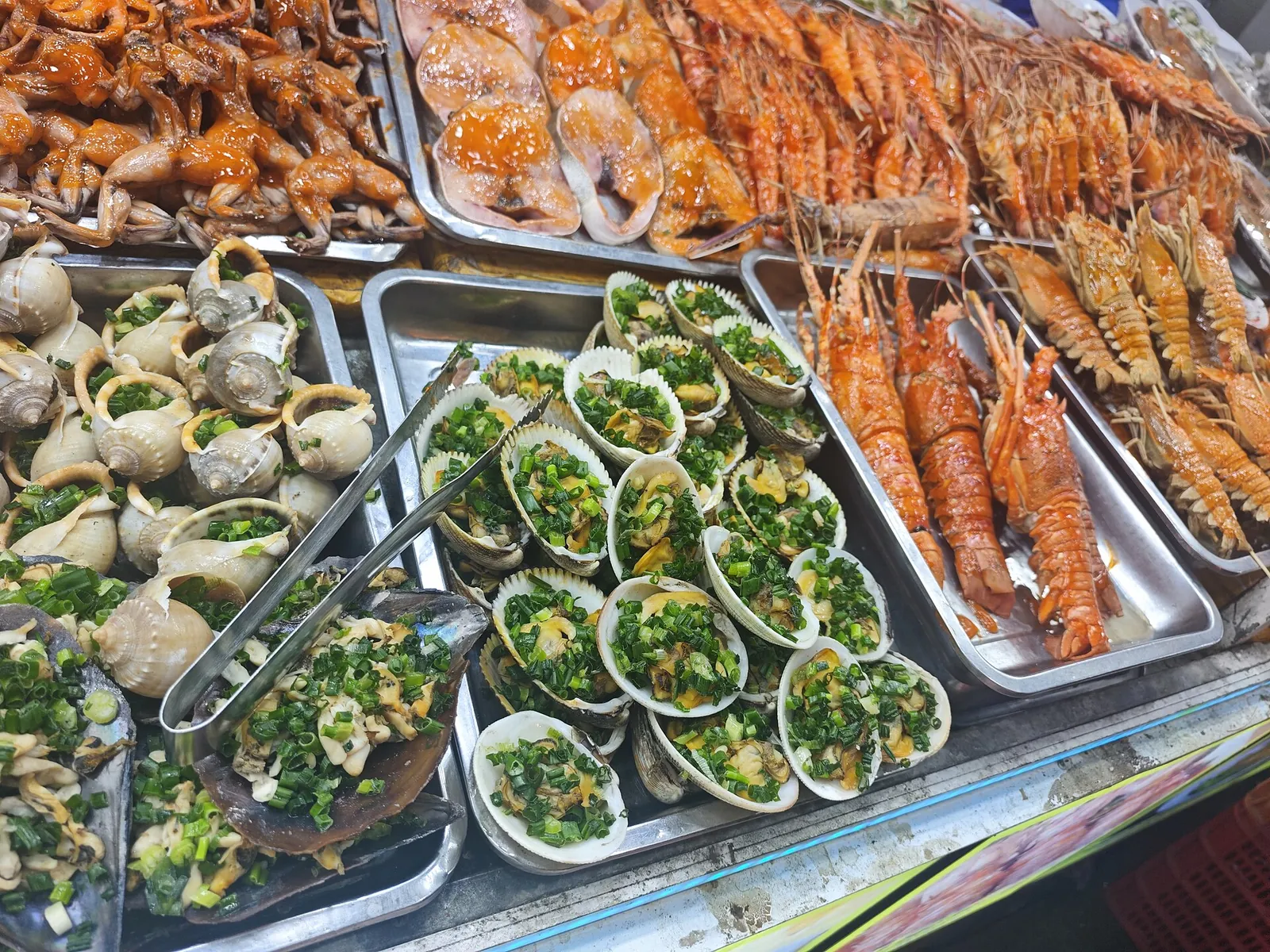
Grilled cobia, squid and crab, and island dishes such as banh canh ghe (thick noodles with crab) and com ghe (crab rice), are the stars of the night markets. The old night market in central Duong Dong closed after 28 February 2026; VnExpress pointed to the markets at Bai Truong, Grand World in the north and Sunset Town in the south instead.
- Where to look
- The Bai Truong night market on the Sonasea walking street along Tran Hung Dao Street, which VnExpress reported in January 2026 as open daily from 16:00 to 23:00; Grand World in the north; the VUI-Fest Bazaar at Sunset Town.
- Fit it into your day
- Dinner after sunset on the west coast.
Most stalls take cash only; ask the price by weight before seafood is cooked.
Phu Quoc fish sauce and pepper
Not dishes in themselves, but they season everything on the island: first-extraction fish sauce (nuoc mam nhi) for dipping, and black, red or white pepper ground over seafood.
- Where to look
- Fish-sauce makers and pepper farms around the island, and the night markets.
- Fit it into your day
- Ask for both with a seafood meal, then buy at the source.
Check the origin before buying, and how your airline treats strong-smelling liquids in luggage.
The national park, waterfalls and the UNESCO biosphere
Vietnam Tourism says more than half of Phu Quoc has been protected since 2006 as part of a UNESCO biosphere reserve, and UNESCO's own entry for the Kien Giang Biosphere Reserve lists Phu Quoc among its core zones, with coral reefs and seagrass beds that feed sea turtles and a population of dugongs. On land, Phu Quoc National Park covers 31,422 hectares across six communes, with evergreen broadleaf forest, melaleuca forest and coastal mangroves, about 1,400 plant species and nearly 500 animal species, according to VnExpress, citing the park's portal. A ridge of hills runs the length of the island; its highest point, Chua Mountain, is 603 metres.
The best introduction is a guided forest walk. A VnExpress report described a trek of about 9 kilometres to the Thay Tu waterfall, a five-metre fall above a clear pool, which the hiker described as fairly easy and suitable for beginners; the guide recommended September to February, when there is less rain but still water in the streams. Bring long sleeves, insect repellent and proper shoes, and follow the park's strict rules on fires, hunting and collecting plants.
Vietnam Tourism also recommends kayaking on the Cua Can river. On the same river, basket-boat trips of 45 to 60 minutes, which VnExpress described in September 2026, are a lighter alternative.
The Hon Thom cable car and the An Thoi islands
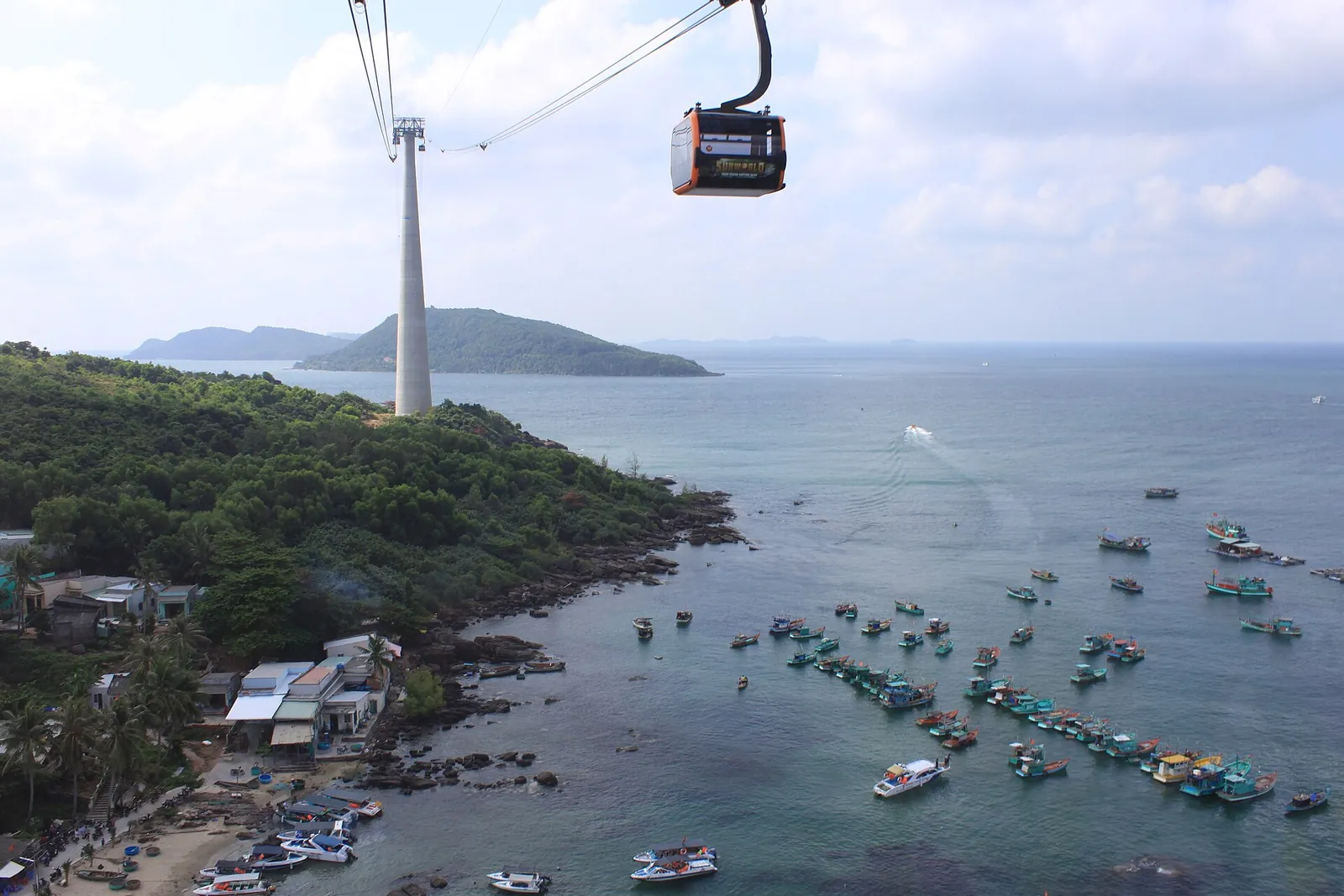
The Hon Thom cable car runs from An Thoi across the islands of Hon Roi and Hon Dua to Hon Thom, the largest of the An Thoi archipelago. VnExpress reported when it opened in February 2018 that the line is 7,899.9 metres long, certified by Guinness at the time as the world's longest cable car, and cuts the trip to 15 minutes, against 30 by boat. Vietnam Tourism notes a free shuttle bus to the station from hotels around Duong Dong; your hotel can give you the schedule and pick-up points.
The system stops automatically in bad weather, and VnExpress reported a power failure on 19 February 2026, during Tet, that left about 8,000 visitors to be brought back by boat until after 19:30. Go early on a clear day, avoid public holidays if you can, and never plan the cable car for the day of your flight.
For snorkelling, Vietnam Tourism recommends a boat trip around the An Thoi archipelago in the south, where reefs lie off small beaches. Choose an operator with life jackets and a fixed itinerary, and in the July–September storm season be ready for trips to be cancelled.
Phu Quoc Prison: the island's war history
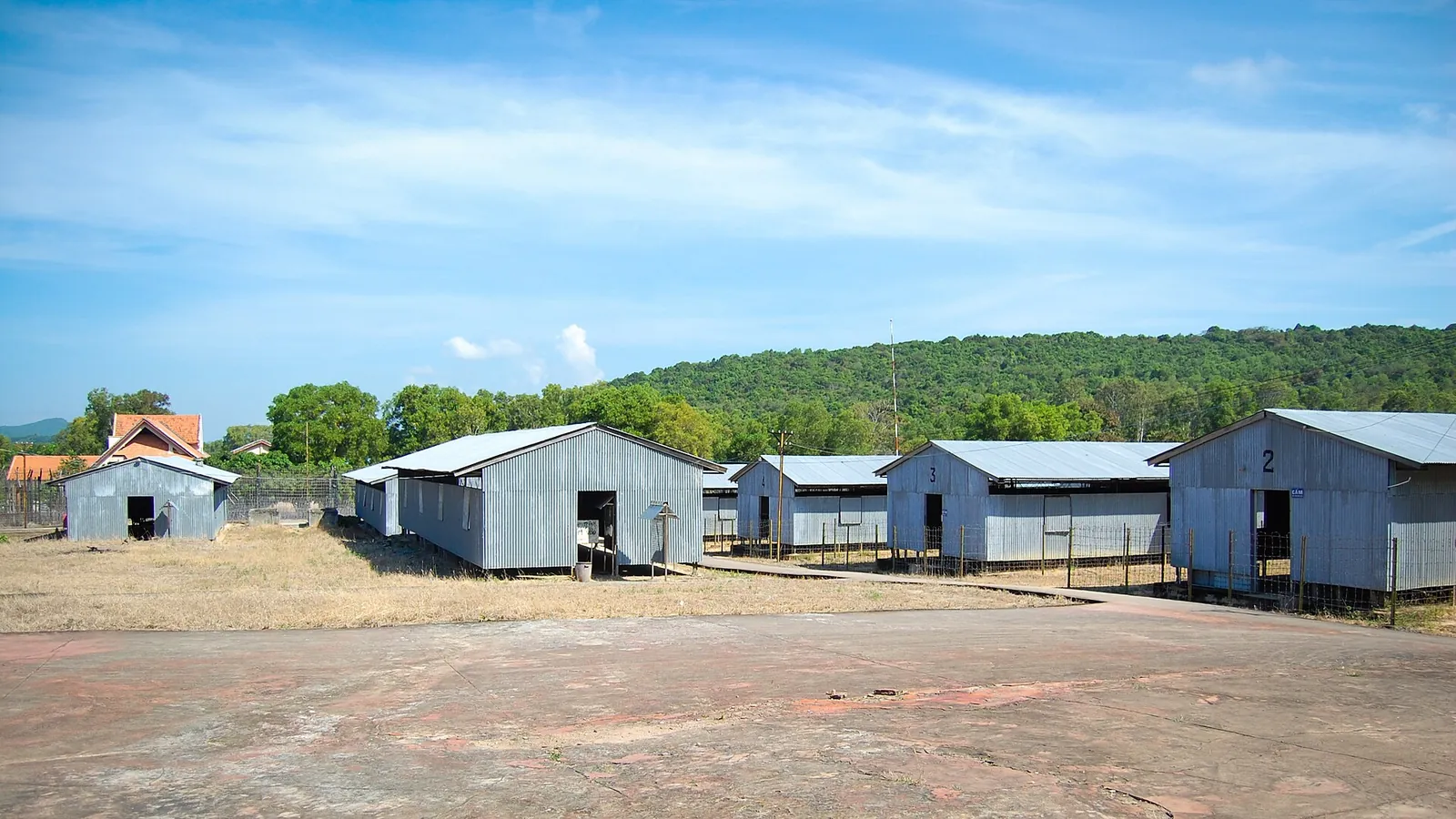
Phu Quoc Prison, also called Cay Dua prison, is in An Thoi ward and is the island's main historic site. According to VnExpress, the camp operated from June 1967 to March 1973 and held about 40,000 prisoners of war in 12 compounds of almost 500 huts over 400 hectares, behind seven to ten layers of barbed wire; prisoners made 45 successful escapes. It was ranked a special national relic in 2014.
The surviving original features include the prisoners' cemetery, Kien Van church, the gates of the military police battalions and compound B2. Photographs of the site show displays with life-size figures re-enacting torture, which are graphic: decide in advance whether to bring children inside. Combine the visit with a day in the south.
Visa-free entry, flights and the ferry
Phu Quoc has its own 30-day visa exemption. When we checked on 2026-10-03, Vietnam Airlines' visa guide said foreigners can enter without a visa if they arrive directly from abroad by air or sea, stay only on Phu Quoc, stay no more than 30 days and can show an onward ticket; transiting through Hanoi or Ho Chi Minh City without leaving the airport still qualifies, but entering Vietnam elsewhere (including overland from Cambodia) does not. If you plan to see the mainland as well, use an e-visa: Vietnam Tourism lists Phu Quoc airport and Duong Dong seaport among the entry points where e-visas are accepted. Rules change, so check the official immigration portal before you travel.
From the mainland, the fast ferry route is from Rach Gia or Ha Tien to Bai Vong port on the east coast. When we checked on 2026-10-03, the operator Phu Quoc Express listed both routes, gave Bai Vong as about 7 kilometres from the airport, 12 kilometres from Duong Dong and 20 kilometres from An Thoi, and asked passengers to arrive at least 30 minutes before departure (45 minutes with a motorbike). Its terms promise a full refund if a crossing is cancelled for bad weather, and Vietnam Tourism warns that storms from July to September can make crossings dangerous.
Getting around the island means a taxi, a hotel transfer or a hired scooter. Distances are longer than they look, especially between the north and south, so group your sightseeing by area rather than criss-crossing the island every day.
A four-night plan
This is an editorial suggestion, not a timetable. Check the weather the evening before any boat trip or cable-car day.
- Day 1 — Arrival and the west coast: check into Long Beach or Duong Dong, swim, and watch the sunset from Dinh Cau.
- Day 2 — The south: the Hon Thom cable car in the morning, a swim on Hon Thom, then Phu Quoc Prison on the way back.
- Day 3 — The island's working side: a fish-sauce maker, a pepper farm and lunch in Ham Ninh, then the evening at a night market.
- Day 4 — Forest or sea: a guided walk to the Thay Tu waterfall, or a snorkelling trip to the An Thoi islands.
- Extra days: beach days, or the ferry to Ha Tien to continue along the Mekong Delta coast.
Practical questions
Do I need a visa for Phu Quoc?
Not if you fly or sail directly to Phu Quoc from abroad and stay only on the island for up to 30 days, according to Vietnam Airlines' visa guide when we checked on 2026-10-03; transiting through Hanoi or Ho Chi Minh City without leaving the airport also qualifies. If you also visit the mainland, you need a visa or e-visa unless your nationality is exempt. Check the official immigration information before you travel.
Which part of Phu Quoc is best to stay in?
Long Beach or Duong Dong on the west coast for most visitors: sunsets, restaurants and a short trip from the airport. Choose An Thoi in the south for the cable car and island boat trips, or the Ganh Dau and Bai Dai area in the north for a family resort stay near the safari park.
How many days do I need on Phu Quoc?
Four nights cover the main sights at an easy pace: one day in the south, one on the island's fish-sauce and pepper side, one in the forest or on the sea. Add beach days to taste.
When is the best time to visit Phu Quoc?
December and January, according to Vietnam Tourism. July to September is the stormy season, when ferry crossings can be dangerous and boat trips are often cancelled.
How do I get to Phu Quoc from the Mekong Delta?
By fast ferry from Rach Gia or Ha Tien to Bai Vong port on the east coast. Arrive at least 30 minutes before departure, and check the operator's current schedule, which depends on the weather.
Is the Duong Dong night market still open?
No. VnExpress reported that the night market in central Duong Dong closed after 28 February 2026. The Bai Truong night market on Long Beach, Grand World in the north and the Sunset Town market in the south have taken its place.
Sources and checks before you travel
Reference sources for the version dated 3 October 2026. Confirm opening times, access, transport and conditions for your travel dates.
- Vietnam Tourism: Phu Quoc ↗ — opens in a new tab
- Vietnam Tourism: Beachy, beautiful Phu Quoc ↗ — opens in a new tab
- Vietnam Tourism: Weather and climate in Vietnam ↗ — opens in a new tab
- Vietnam Tourism: Visa requirements ↗ — opens in a new tab
- Vietnam Airlines: Phu Quoc Vietnam visa guide ↗ — opens in a new tab
- UNESCO: Kien Giang Biosphere Reserve ↗ — opens in a new tab
- Phu Quoc Express: Rach Gia port and Bai Vong port ↗ — opens in a new tab
- Phu Quoc Express: Ha Tien – Phu Quoc route ↗ — opens in a new tab
- VnExpress: Trekking in Phu Quoc National Park (19 June 2023) ↗ — opens in a new tab
- VnExpress: Restoration of Phu Quoc Prison relic (30 November 2022) ↗ — opens in a new tab
- VnExpress: Hon Thom cable car opens (4 February 2018) ↗ — opens in a new tab
- VnExpress: Hon Thom cable car breakdown (19 February 2026) ↗ — opens in a new tab
- VnExpress: Duong Dong night market to close after Tet (9 January 2026) ↗ — opens in a new tab
- VnExpress: Which night market after Duong Dong closes? (17 January 2026) ↗ — opens in a new tab
- VnExpress: Beach access at Bai Sao ↗ — opens in a new tab
- VnExpress: CNN writer on Phu Quoc fish sauce ↗ — opens in a new tab
- VnExpress: Dinh Cau in Phu Quoc ↗ — opens in a new tab
- VnExpress: 8 specialities at the Phu Quoc night market ↗ — opens in a new tab
- VnExpress: Goi ca trich, Phu Quoc ↗ — opens in a new tab
- VnExpress: Bun quay Phu Quoc ↗ — opens in a new tab
- VnExpress: Vinpearl Safari Phu Quoc (2 October 2026) ↗ — opens in a new tab
- VnExpress: Basket boats on the Cua Can river (21 September 2026) ↗ — opens in a new tab
- Wikipedia: Phu Quoc ↗ — opens in a new tab
- Wikipedia: Phu Quoc International Airport ↗ — opens in a new tab
Does this experience fit your route?
On Phu Quoc itself, arrange cable-car tickets, forest walks and boat trips locally and check the weather first. For the days you spend in Ho Chi Minh City on the way, compare the city's tours and day trips.
Browse relevant experiences on Viator ↗ — opens in a new tabAffiliate link · Book with ViatorPhoto credits
Bai Sao, one of Phu Quoc's best-known beaches; check how your hotel reaches the sand before booking.
Photograph: Vnecofriendly — opens in a new tab · CC BY-SA 4.0 — opens in a new tab
Changes: Resized and converted to WebP; displayed with responsive crops. · Original photograph and licence details ↗ — opens in a new tab
The Hon Thom cable car leaves An Thoi and crosses the sea to the islands of the An Thoi archipelago.
Photograph: Klientos — opens in a new tab · CC BY-SA 4.0 — opens in a new tab
Changes: Resized and converted to WebP; displayed with responsive crops. · Original photograph and licence details ↗ — opens in a new tab
Dinh Cau, where Phu Quoc's fishermen pray before going to sea, is also one of the island's sunset spots.
Photograph: Sketyl none — opens in a new tab · CC BY 2.0 — opens in a new tab
Changes: Resized and converted to WebP; displayed with responsive crops. · Original photograph and licence details ↗ — opens in a new tab
The sea off Ham Ninh, the fishing village on Phu Quoc's quieter east coast.
Photograph: trungydang — opens in a new tab · CC BY 3.0 — opens in a new tab
Changes: Resized and converted to WebP; displayed with responsive crops. · Original photograph and licence details ↗ — opens in a new tab
Prison huts at the Phu Quoc Prison relic site in An Thoi, where about 40,000 prisoners of war were held between 1967 and 1973.
Photograph: Mrfly911 — opens in a new tab · CC BY-SA 4.0 — opens in a new tab
Changes: Resized and converted to WebP; displayed with responsive crops. · Original photograph and licence details ↗ — opens in a new tab
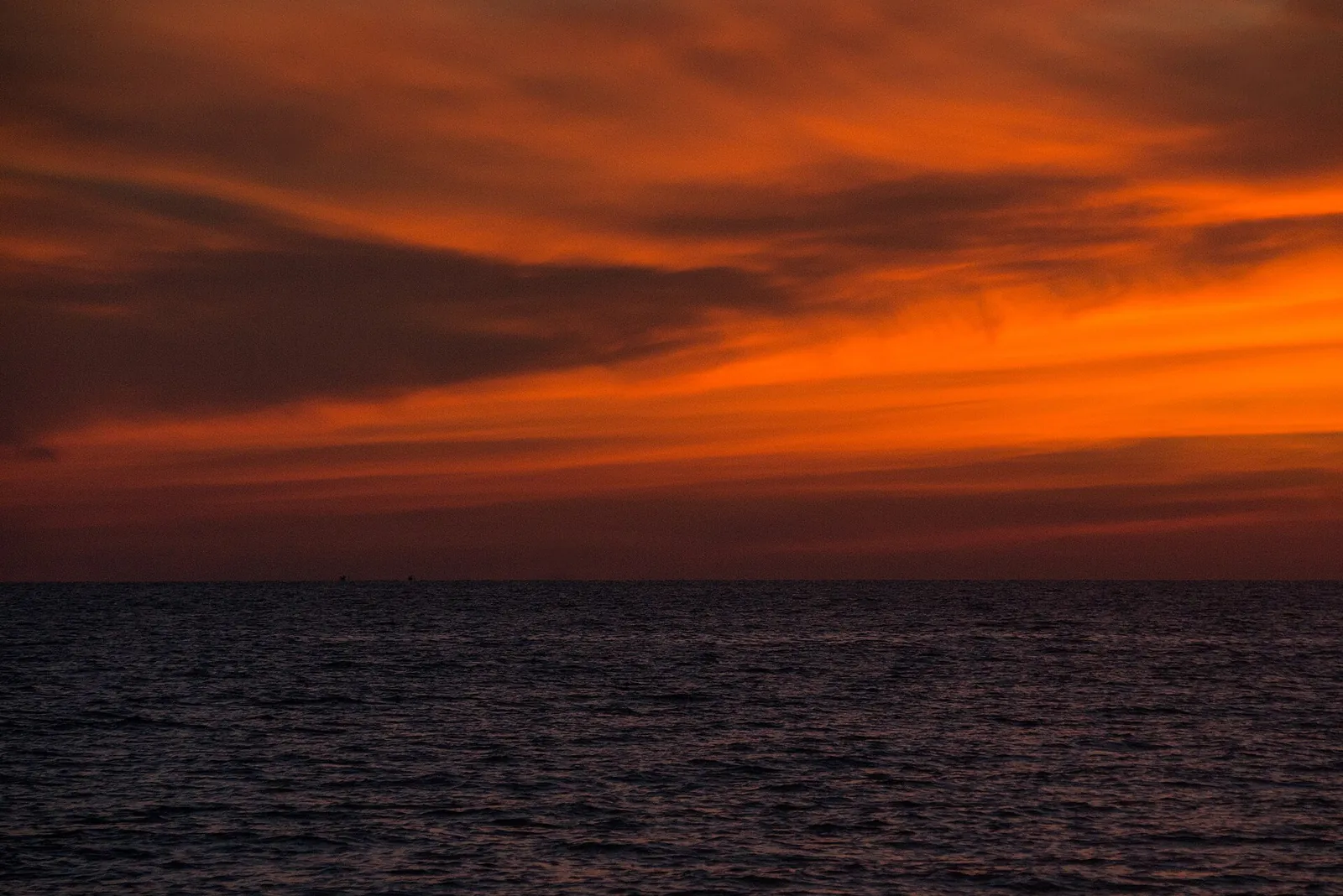
Sunset over the Gulf of Thailand from Long Beach, the west-coast strip where most visitors stay.
Photograph: Alexey Komarov — opens in a new tab · CC BY-SA 4.0 — opens in a new tab
Changes: Resized and converted to WebP; displayed with responsive crops. · Original photograph and licence details ↗ — opens in a new tab
Seafood laid out for the grill at a Phu Quoc night market; ask the price by weight before anything is cooked.
Photograph: FrogsLegs71 — opens in a new tab · CC BY-SA 3.0 — opens in a new tab
Changes: Resized and converted to WebP; displayed with responsive crops. · Original photograph and licence details ↗ — opens in a new tab