Plan your trip · Vietnam
Vietnam SIM card and eSIM guide: registration rules, Grab and useful apps
In Vietnam the phone does more work than in most countries. Ride-hailing apps replace haggling with drivers, homestays and guides send directions by message, and a hotel address saved on a map gets you home at night. Getting connected is easy, but it is not quite the anonymous airport purchase it once was: every local number is registered to a real identity, verification rules were tightened in April 2026, and the last 2G networks were switched off in September 2026. Settle three things before you fly — how you will get data, whether your phone is ready, and which apps you need.
- Suggested time
- Set up in under an hour on arrival day; check your phone a week before departure
- Where to stay
- Hanoi, Ho Chi Minh City or Da Nang, where operator stores and arrival airports are easiest to reach
- Season and timing
- Year-round. Holiday peaks such as Tet bring crowded stores and closures, so set up your connection before a holiday rather than during it.
The short answer
For a trip of a week or more, get a Vietnamese prepaid SIM or eSIM registered with your own passport, either through an operator's official app or in a Viettel, VinaPhone or MobiFone store; a local number makes ride-hailing apps such as Grab work smoothly. For a short stay, roaming or a data-only travel eSIM can be enough, but you will have no Vietnamese number. Before you leave home, check that your phone is unlocked, supports eSIM if you want one, and makes calls over 4G (VoLTE), because 2G no longer exists in Vietnam. Install Grab or another ride-hailing app, a map app with your hotel saved and a messaging app before you land, and use the free airport Wi-Fi to finish setting up.
Three ways to get online, and which one suits your trip
Roaming on your home plan is the least effort: you land, the phone picks a Vietnamese network and you keep your own number. MobiFone says it has roaming agreements with more than 500 networks in nearly 180 countries, and that roaming charges are set and billed by your home operator, not by MobiFone. Ask your operator for its Vietnam rate and whether calls work over 4G there before relying on it for a long trip.
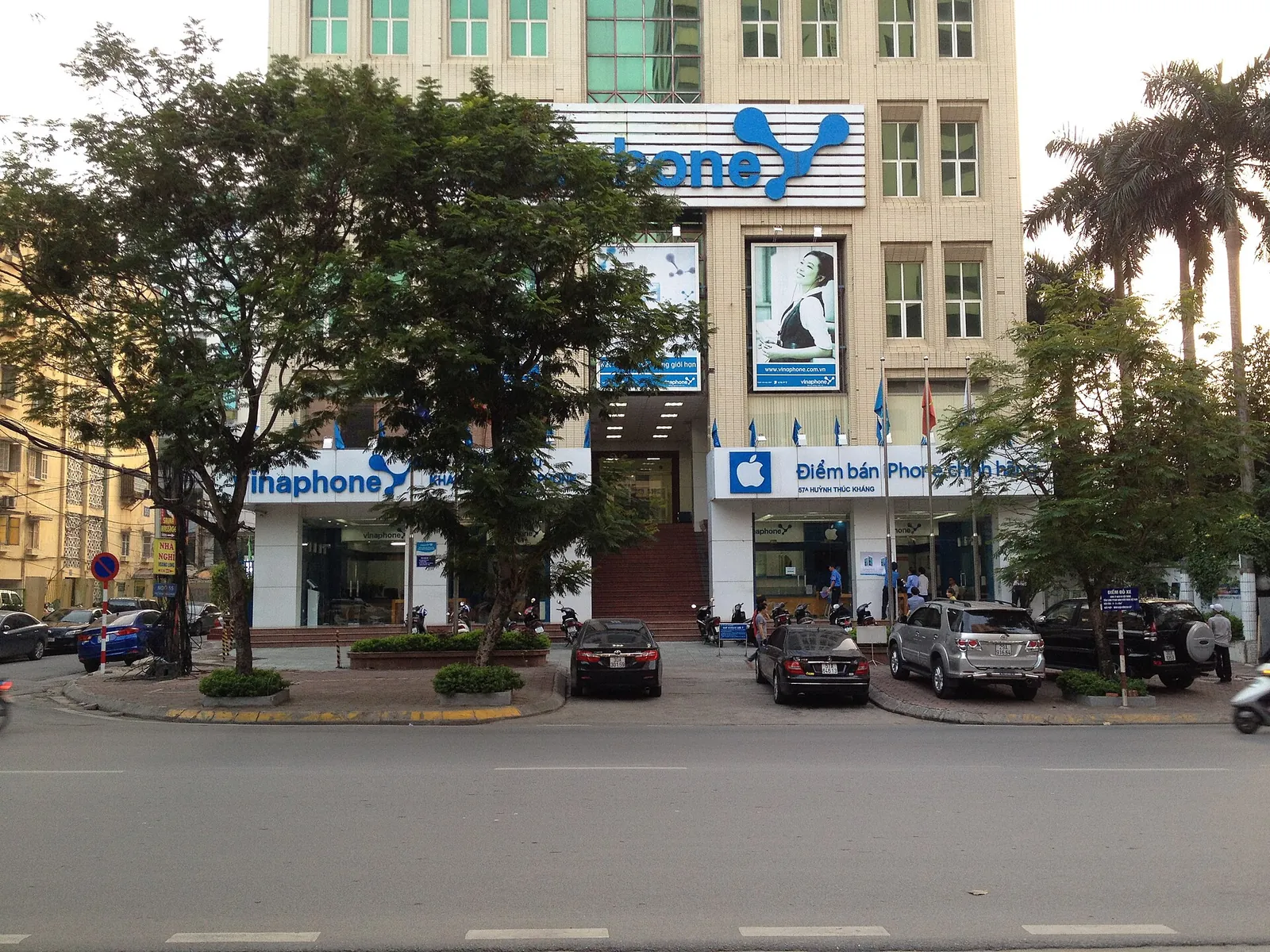
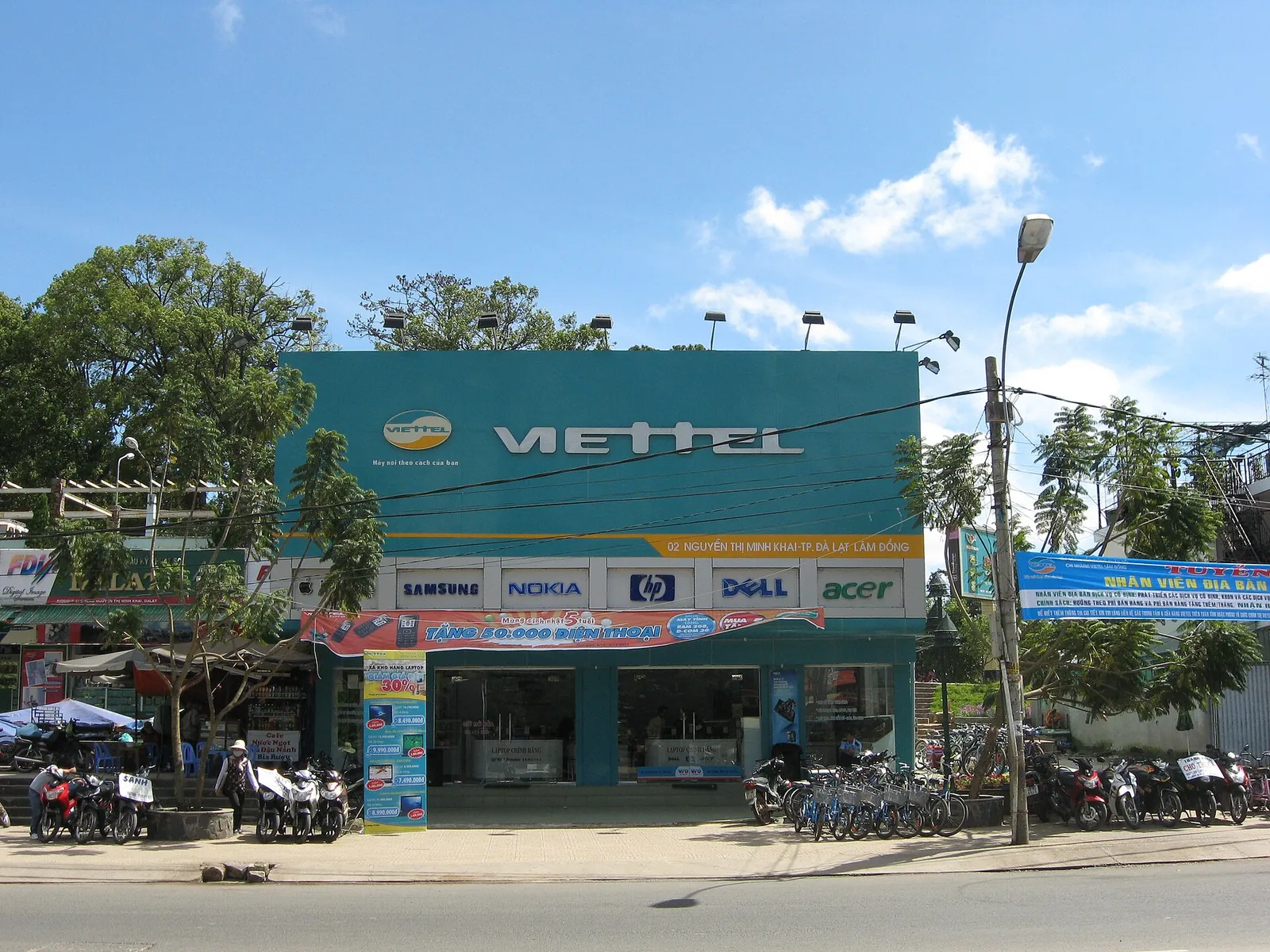
A Vietnamese prepaid SIM or eSIM gives you a local number, which the national tourism board's airport guide says you need to use ride-hailing apps such as Grab and Be comfortably. The three big networks are Viettel, VinaPhone and MobiFone. MobiFone's eSIM page says eSIMs are issued in its stores and authorised outlets on presentation of an original identity card or passport; when we checked on 2026-10-03, it listed 100,000 VND for a new prepaid eSIM line, including the eSIM and connection fee, with data packages bought on top.
A data-only travel eSIM bought online before departure gets you maps and messaging the moment you land, but no Vietnamese number for calls, SMS codes or a driver trying to reach you. It suits short city stays. For two weeks or more, or for routes through smaller towns where you will phone homestays and drivers, a local number is the better choice.
Registration: your passport, your name, your face
Every Vietnamese mobile number must be registered to the person who uses it, and the authorities enforce this. In April 2023 the government news portal reported that about 1.67 million subscribers whose details could not be verified had been barred from making calls and sending messages. From 15 April 2026, Circular 08/2026/TT-BKHCN of the Ministry of Science and Technology tightened verification again: according to MobiFone, a mobile number is now checked against four items — personal identification number, full name, date of birth and a facial biometric photo — and operators publish instructions for unblocking numbers that fail.
For a visitor the practical rule is simple: register the SIM in your own name with your own passport, through an operator store or an operator's official app. A SIM that someone else registered for you is exactly what these checks are designed to catch, and losing outgoing service halfway through a trip is far harder to fix than registering properly at the start. You can text TTTB to 1414, free of charge according to the government news portal, to check whether your subscription details are verified; MobiFone's verification guide gives the same code.
MobiFone also runs Hi Vietnam, an app for foreign visitors that issues an eSIM without a shop visit. When we checked on 2026-10-03, MobiFone's description said registration is done in the app with a photo of your passport, electronic identity checks (eKYC), a video call and an electronic signature, and that the eSIM is activated by calling 900. It listed a free starter package, HVN0, with 8 GB of 5G data and 10 minutes of domestic calls for 24 hours, followed by paid packages from 3 to 30 days paid by Visa or Mastercard in the app. Check the current packages in the app before you rely on it, and allow time for the video call on arrival.
Make time for the local food
What to eat and where to look

Cà phê sữa đá (iced coffee with condensed milk)
Strong Vietnamese coffee dripped through a small metal filter over sweetened condensed milk and poured over ice. Ordering one buys you a seat for as long as you need, which makes a café the natural place to sort out bookings and messages.
- Where to look
- Pavement cafés with low plastic stools and indoor coffee shops in every town; chains such as Highlands Coffee appear in most airport terminals.
- Fit it into your day
- A mid-morning or mid-afternoon break between sights, or the first stop after landing while you set up your phone.
Very strong and very sweet; ask for less condensed milk or a black version (cà phê đen) if you prefer.
Bánh mì
A crisp, light baguette split and filled with pâté, cold cuts or grilled meat, pickled carrot and radish, cucumber, herbs and chilli. It is Vietnam's portable meal, made in a minute at a street cart.
- Where to look
- Street carts and small shops across the country, busiest at breakfast and in the late afternoon.
- Fit it into your day
- A quick lunch on a day spent between stores, stations or bus rides.
Usually contains pork, pâté and chilli; say what you want left out before the vendor starts filling the bread.
Phở (rice noodle soup)
Flat rice noodles in a clear beef or chicken broth with herbs, lime and chilli on the side. It is the classic breakfast in the north and is eaten at any hour in the cities.
- Where to look
- Specialist phở shops that serve one or two versions and little else; in Hanoi they are busiest early in the morning.
- Fit it into your day
- A hot breakfast on your first morning, before heading to a store to sort out a SIM.
Beef is often served rare and cooks in the broth; ask for well-done (chín) if you prefer.
Check your phone before you fly: 4G, VoLTE and eSIM
Vietnam has finished switching off 2G. The government news portal reported that Viettel and VinaPhone shut their 2G networks nationwide on 15 September 2026 and MobiFone on 16 September; phones that support only 2G have not been served since October 2024. MobiFone's switch-off notice tells customers with 4G phones to make sure VoLTE (voice over 4G) is registered and switched on, so that calls keep working. If your handset is old, or your home operator does not support VoLTE roaming, you may have data but no ordinary phone calls. The government expects 3G to start being phased out from September 2028.
Data coverage is not the problem it once was. In July 2026 the Ministry of Science and Technology said Vietnam's 5G network covered about 92 percent of the population. That figure is about people, not land: mountain passes, national parks and sea crossings may still have gaps, so download offline maps for routes such as Ha Giang or Phong Nha.
For an eSIM, your phone must support eSIM and must not be locked to your home operator. MobiFone's guide suggests a quick test: look in the mobile-network settings for an option such as "Add eSIM" or "Add cellular plan". The same FAQ notes that a phone can store several eSIMs but, depending on the model, only one or two can be switched on at the same time, so check whether you can keep your home line active for bank codes while a Vietnamese line handles data.
Apps that do the work on the ground
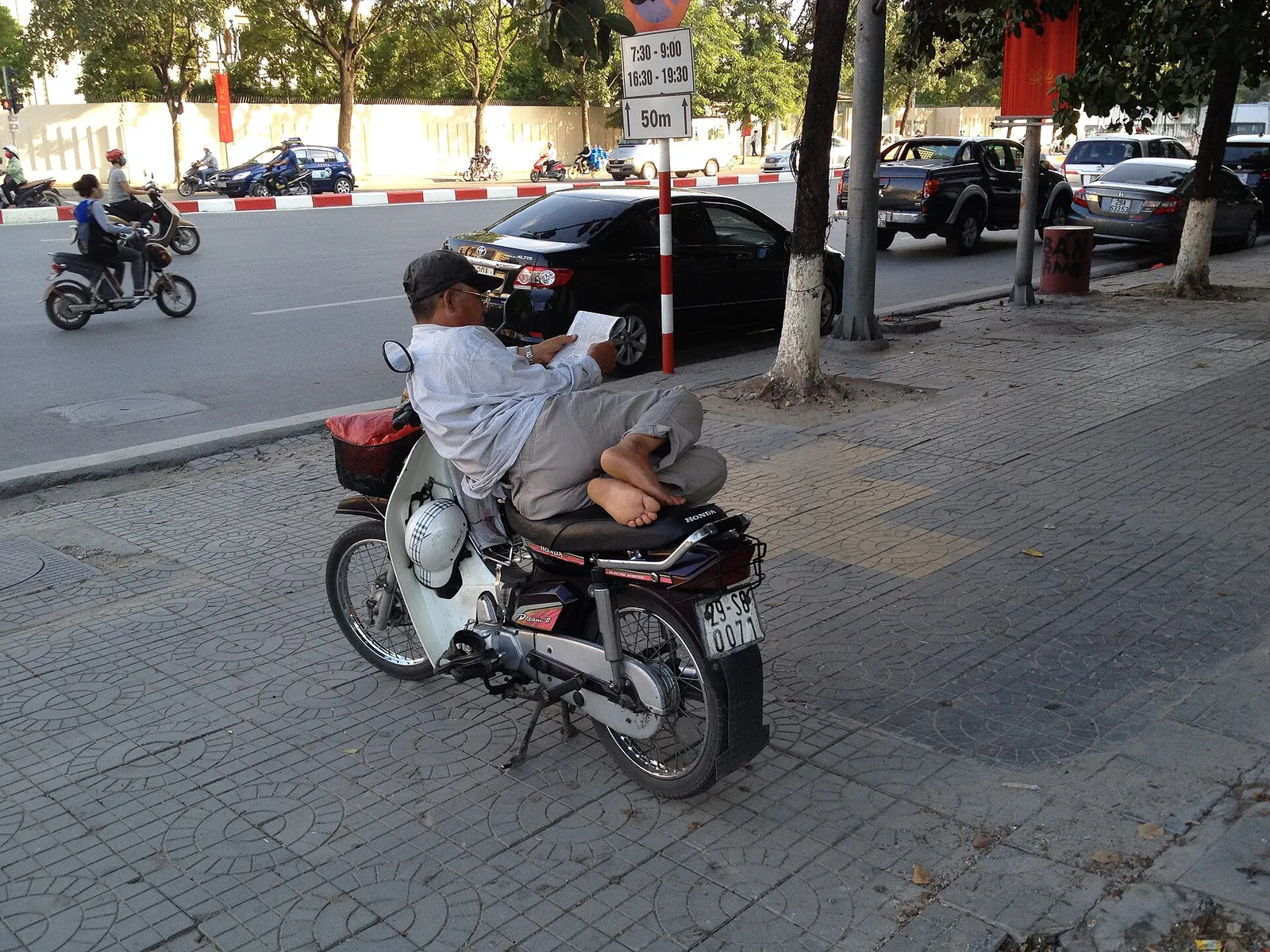
Ride-hailing is the app most visitors use most. Grab offers motorbike rides (GrabBike), cars and taxis (GrabCar, GrabTaxi) and food delivery; Be, a Vietnamese app, offers beBike, beCar and beTaxi; Green SM (Xanh SM in Vietnamese) runs an all-electric fleet of VinFast cars and is backed by Vingroup. The UK government's travel advice recommends official apps such as Grab or Xanh SM because they supply licensed vehicles, and warns about scammers who claim to be from these companies: book the whole journey in the app and check that the car and driver match the details shown. If you prefer a street taxi, the tourism board names Mai Linh and Vinasun as trusted companies.
Messaging: Zalo describes itself as Vietnam's number one communication app, with more than 81 million users, so a homestay, guide or driver may well give you a Zalo contact rather than a WhatsApp one. Install it before you need it; for your own group, any messaging app you already use will do. The UK advice suggests setting up a group chat with your companions.
Maps and addresses: save your accommodation in a map app before you go out, as the UK advice recommends, and keep the address written out in Vietnamese as well, so you can show it to a driver if the app or your battery fails. The same advice notes that internet use is sometimes restricted, which can temporarily affect access to social media sites, and that you should not expect privacy for content on your devices.
- Before departure: a ride-hailing app (Grab, Be or Green SM), a map app with offline areas downloaded, a messaging app, and your operator's or eSIM provider's app.
- Saved offline: hotel names and addresses in Vietnamese, booking references, your passport details page and the first night's directions.
- On arrival: finish SIM or eSIM setup on airport Wi-Fi, check that data and calls work, then book the ride into town in the app.
Arrival day: airport Wi-Fi and the first ride
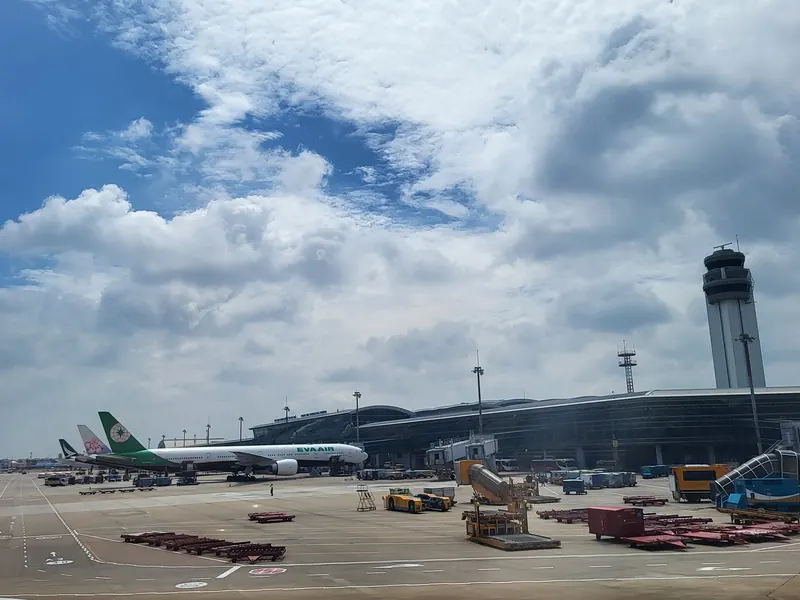
The tourism board's airport guide says all of Vietnam's international airports have free Wi-Fi, and Noi Bai in Hanoi lists free Wi-Fi and device charging among its services. That makes the terminal the right place to finish an eSIM installation, top up a package or run a Hi Vietnam video call before you walk out into the heat and the queue of drivers.
At Noi Bai, the airport's transport page lists metered taxis and public buses; when we checked on 2026-10-03, express route 86 to Hanoi Railway Station was listed at 50,000 VND a trip. Ride-hailing apps work for the trip into the city once your data is running. If your connection is not working yet, a bus or a taxi from the official rank is a better fallback than an offer from someone in the arrivals hall.
Keep the phone safe and know the emergency numbers
Once your phone is your map, wallet and ticket, losing it hurts. Both the tourism board and the UK advice warn about bag and phone snatching by thieves on motorbikes in busy city streets. Keep the phone on the side away from the traffic, step back from the kerb to check a map, and avoid holding it out over the road for a photograph.
Vietnam's emergency numbers are 113 for police, 114 for fire and 115 for an ambulance. The UK advice notes that these lines operate in Vietnamese only, so save your hotel's phone number as well and ask reception to call for you if needed. MobiFone says Hi Vietnam users can also call a free, 24-hour foreign-language support line. Keep a note of your insurer's emergency line somewhere other than the phone itself.
Practical questions
Do I need a Vietnamese SIM card to use Grab in Vietnam?
The national tourism board's airport guide says ride-hailing apps such as Grab and Be are a great option for travellers with a Vietnamese SIM card. A local number lets drivers call you and makes app verification simpler, so get one if you plan to use ride-hailing regularly.
What do I need to register a SIM card in Vietnam as a tourist?
Your original passport. Numbers must be registered to their real user, and from 15 April 2026 verification covers your identification number, name, date of birth and a facial photo. Register in an operator store or through an operator's official app, such as MobiFone's Hi Vietnam, which uses a passport photo, eKYC and a video call.
Will my phone work in Vietnam after the 2G shutdown?
Data will work on any 4G or 5G phone, but calls now need VoLTE, because the last 2G networks were switched off on 15 and 16 September 2026. Check that your phone supports VoLTE and that it is switched on; if you roam, ask your home operator whether it supports VoLTE roaming in Vietnam.
Is there free Wi-Fi at Vietnamese airports?
Yes. The tourism board says all of Vietnam's international airports have free Wi-Fi, and Noi Bai in Hanoi also lists device charging. Use it to finish eSIM setup before you leave the terminal.
Can I check whether my Vietnamese SIM is properly registered?
Text TTTB to 1414. The reply tells you whether your subscription details are verified; if not, follow the operator's instructions or go back to the store where you bought the SIM.
Do WhatsApp and social media work in Vietnam?
Most social media sites are normally available, according to UK government advice, but restrictions sometimes temporarily affect access. Zalo, which calls itself Vietnam's number one communication app, is worth installing in case a homestay or guide gives you a Zalo contact.
Sources and checks before you travel
Reference sources for the version dated 3 October 2026. Confirm opening times, access, transport and conditions for your travel dates.
- MobiFone: eSIM (devices, registration and charges) ↗ — opens in a new tab
- MobiFone: Hi Vietnam app for international visitors ↗ — opens in a new tab
- MobiFone: subscriber verification under Circular 08/2026/TT-BKHCN ↗ — opens in a new tab
- MobiFone: verification guide by subscriber group ↗ — opens in a new tab
- MobiFone: inbound roaming for foreign subscribers ↗ — opens in a new tab
- MobiFone: 2G switch-off and VoLTE ↗ — opens in a new tab
- Viet Nam Government News: Viettel switches off 2G network nationwide ↗ — opens in a new tab
- Viet Nam Government News: Over 1.6 million SIM cards locked ↗ — opens in a new tab
- Viet Nam Government News: Viet Nam among world's top countries with highest 5G coverage ↗ — opens in a new tab
- Vietnam National Authority of Tourism: A traveller's guide to Vietnam's airports ↗ — opens in a new tab
- Vietnam National Authority of Tourism: Health and safety ↗ — opens in a new tab
- Noi Bai International Airport: home page and services ↗ — opens in a new tab
- Noi Bai International Airport: public transportation ↗ — opens in a new tab
- UK FCDO travel advice: Vietnam safety and security ↗ — opens in a new tab
- UK FCDO travel advice: Vietnam getting help ↗ — opens in a new tab
- Grab Vietnam: transport ↗ — opens in a new tab
- Green SM: about ↗ — opens in a new tab
- be: ride-hailing app ↗ — opens in a new tab
- Zalo (VNG) ↗ — opens in a new tab
Does this experience fit your route?
Booking a guided tour? Check how the operator will contact you on the day, save the meeting point offline and make sure your Vietnamese number or eSIM is working before the pick-up.
Browse relevant experiences on Viator ↗ — opens in a new tabAffiliate link · Book with ViatorPhoto credits
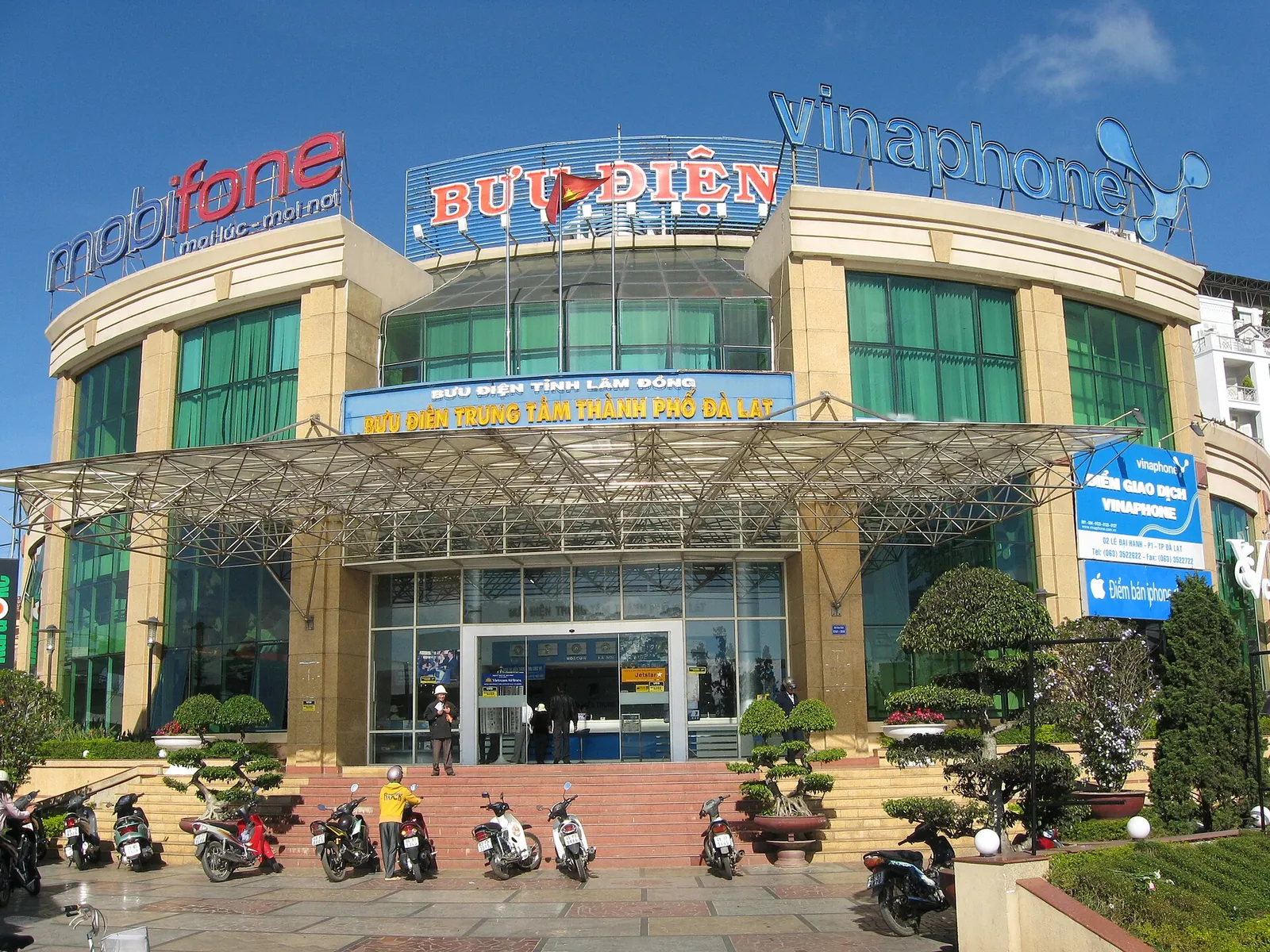
Da Lat's post office carries the signs of two of Vietnam's three big mobile networks, MobiFone and VinaPhone.
Photograph: Diane Selwyn ( talk ) — opens in a new tab · Public domain — opens in a new tab
Changes: Resized and converted to WebP; displayed with responsive crops. · Original photograph and licence details ↗ — opens in a new tab
A VinaPhone shop on Huynh Thuc Khang street, Hanoi: operator stores are where a passport-registered SIM is set up properly.
Photograph: Phan Minh Tuấn — opens in a new tab · CC BY-SA 4.0 — opens in a new tab
Changes: Resized and converted to WebP; displayed with responsive crops. · Original photograph and licence details ↗ — opens in a new tab
A Viettel shop in Da Lat. Viettel, VinaPhone and MobiFone are Vietnam's three big mobile networks.
Photograph: Diane Selwyn — opens in a new tab · CC BY-SA 3.0 — opens in a new tab
Changes: Resized and converted to WebP; displayed with responsive crops. · Original photograph and licence details ↗ — opens in a new tab
A xe om (motorbike taxi) driver waits on Lieu Giai street in Hanoi; ride-hailing apps such as Grab now offer the same kind of ride.
Photograph: Phan Minh Tuấn — opens in a new tab · CC BY-SA 4.0 — opens in a new tab
Changes: Resized and converted to WebP; displayed with responsive crops. · Original photograph and licence details ↗ — opens in a new tab
Iced coffee with milk (ca phe sua da) at a cafe on Nguyen Quang Bich street, Hanoi.
Photograph: ePi.Longo — opens in a new tab · CC BY-SA 2.0 — opens in a new tab
Changes: Resized and converted to WebP; displayed with responsive crops. · Original photograph and licence details ↗ — opens in a new tab