Hanoi and the Northeast · Hanoi
Hanoi travel guide: Old Quarter, temples, street food and where to stay
Hanoi is easy to rush and better taken slowly. Most visitors treat it as a night or two between the airport and Ha Long Bay, but the capital has more than a thousand years of history packed into a few walkable districts: the trading streets of the Old Quarter north of Hoan Kiem Lake, the Confucian Temple of Literature and the Imperial Citadel to the west, and the broad, tree-lined streets of the French Quarter to the south. The city works best when you match each district to a time of day: the lake at dawn, the temples in the cool of the morning, a long lunch, and the street kitchens after dark.
- Suggested time
- 3 days (2 at minimum)
- Where to stay
- Old Quarter for a first visit; French Quarter for quieter streets near the lake; Tay Ho (West Lake) for a longer stay
- Season and timing
- The national tourism site recommends April to June or September to December. June to August is hot, humid and rainy; from late December to March Hanoi is surprisingly cold, with lows around 10 degrees.
The short answer
Give Hanoi three full days on a first visit: one for Hoan Kiem Lake and the Old Quarter on foot, one for the Temple of Literature, the Imperial Citadel and Ba Dinh with an evening at Truc Bach or West Lake, and one for the French Quarter, Hoa Lo Prison and the Museum of Ethnology. Two days is the honest minimum. Sleep in or on the edge of the Old Quarter for a first visit, in the French Quarter if you want calmer streets within walking distance of the lake, or by West Lake (Tay Ho) for a longer, quieter stay. Walk the centre, use taxis or ride-hailing apps for the longer hops, and book Ha Long Bay, Ninh Binh or Sapa as separate trips rather than squeezing them into a Hanoi day.
Choose your district before your hotel
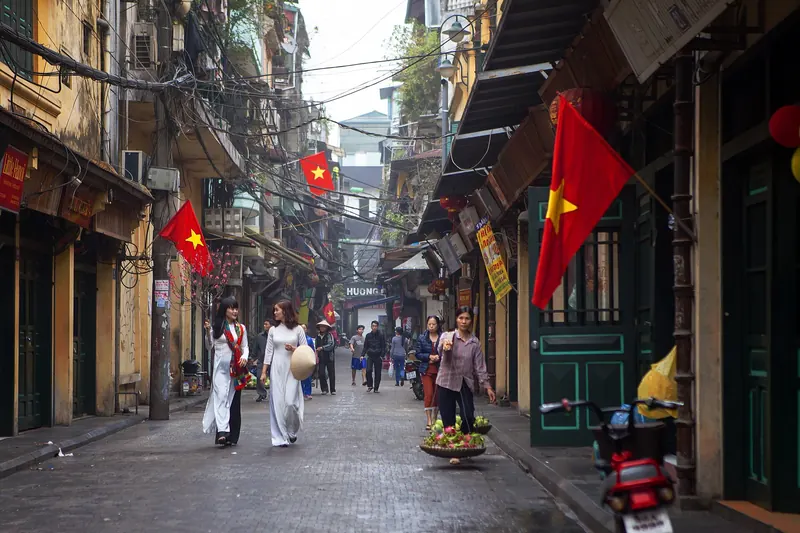
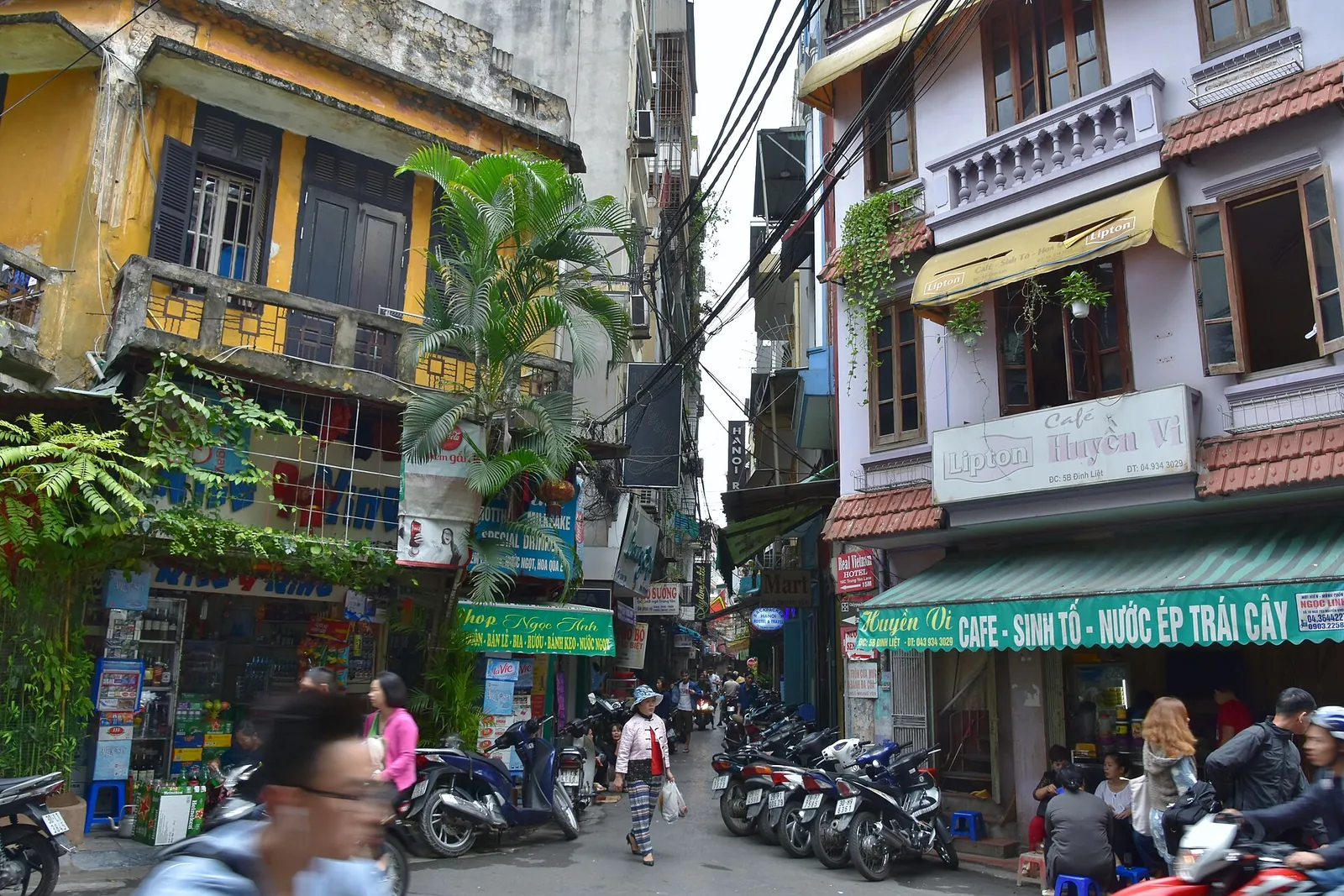
The Old Quarter, the grid of guild streets just north of Hoan Kiem Lake, is the obvious first base. You can walk to the lake before breakfast, eat in the street kitchens every evening and reach most of the central sights on foot or by a short taxi ride. The trade-off is noise: motorbikes, shopfronts that spill onto the pavements and late nights around the beer corners. Ask for a room at the back or on a high floor, and check whether the street outside turns into a night market at the weekend.
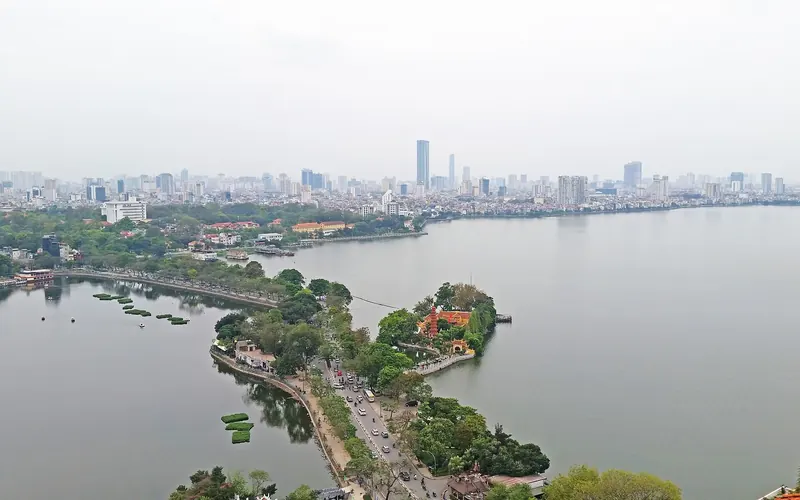
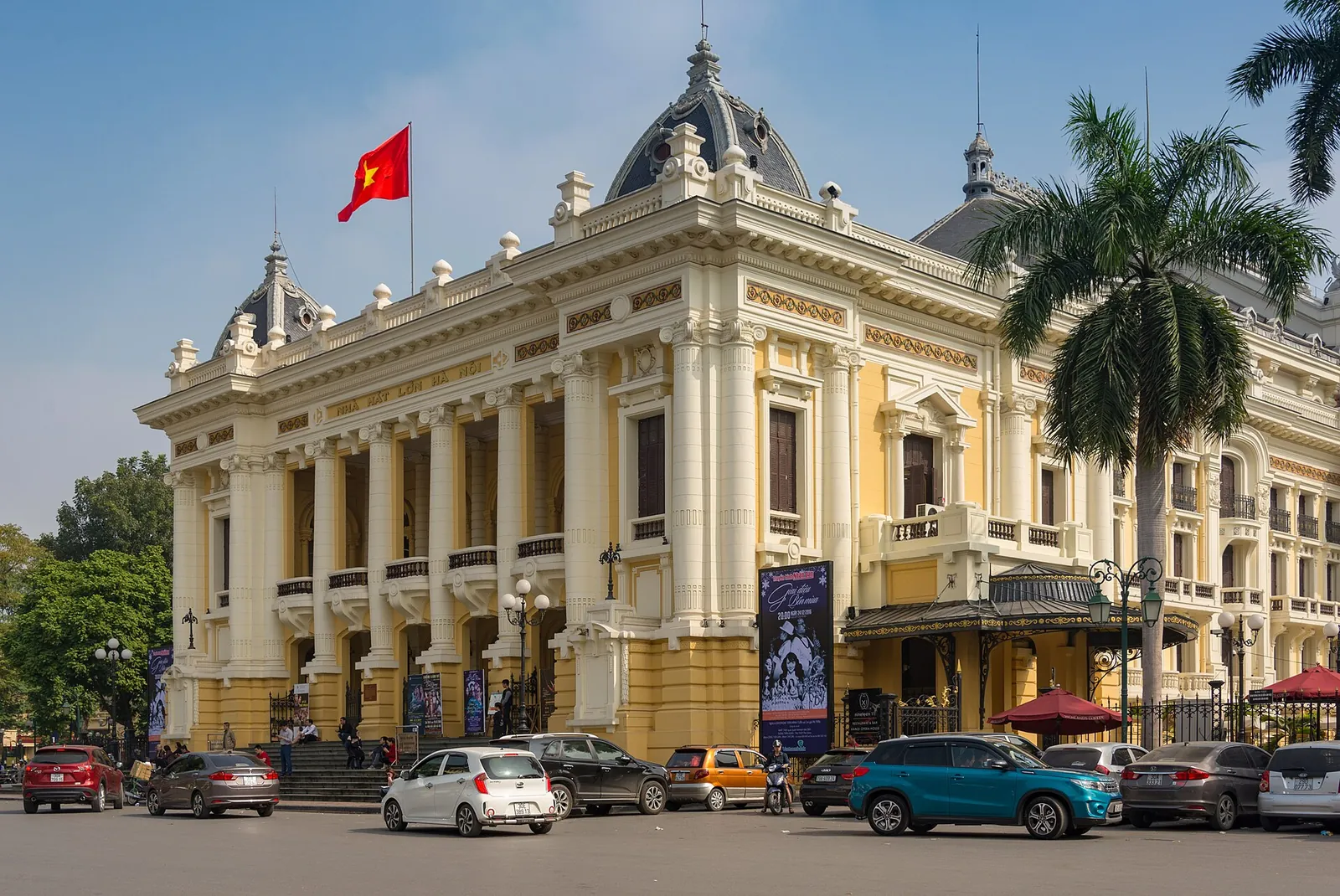
The French Quarter, south and south-east of the lake around the Opera House and Trang Tien Street, has wider avenues, colonial-era buildings and the city's grand hotels; the national tourism site's own list of Hanoi hotels includes the Sofitel Legend Metropole at 15 Ngo Quyen Street. It is quieter at night and still within walking distance of the lake and the Old Quarter. Tay Ho, around West Lake to the north, has a 17-kilometre shoreline lined with cafes, pagodas and gardens, in the national tourism site's description. It suits a longer stay or a return visit, but every trip into the centre becomes a taxi ride, so compare the distance from the hotel to Hoan Kiem before booking a cheaper room out there.
Hoan Kiem Lake and the Old Quarter: a walking day
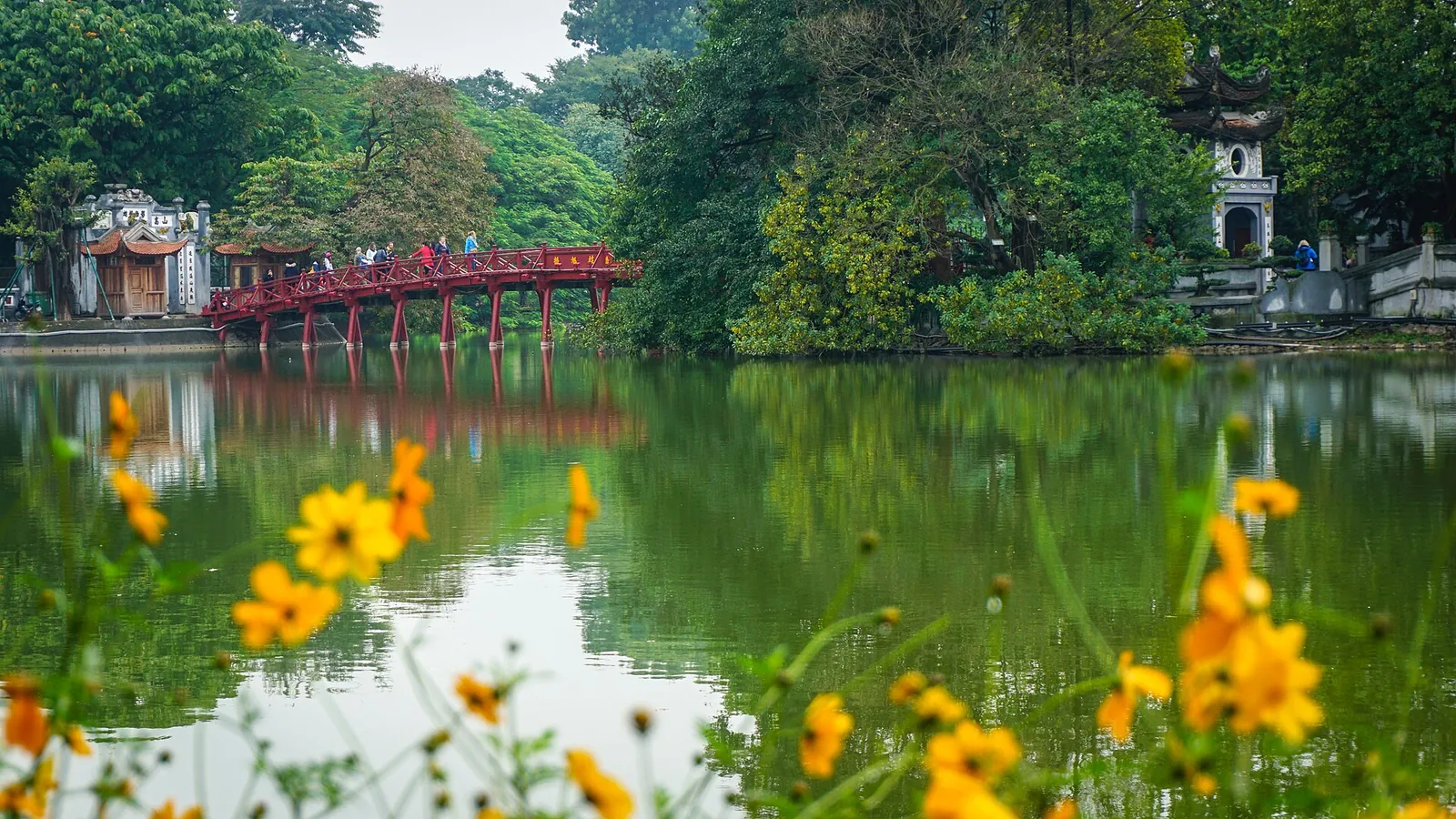
Start at the lake early. The national tourism site describes Hoan Kiem in the hours before sunrise, when joggers, tai chi groups and friends playing games gather on its banks, and again in the evening, when couples and families come out for the cooler air. Cross the red The Huc Bridge to Ngoc Son Temple on its island at the north end, then walk north into the Old Quarter before the traffic builds.
The Old Quarter's streets were named after the trades that supplied the royal court in the citadel nearby, and a few still sell what their names promise. The national tourism site points to Hang Bac (Silver Street), still lined with jewellers and money changers; Hang Ma, where Hanoians buy religious goods and festival decorations; Hang Gai (Silk Street), now for fabrics and made-to-measure clothes; and Lan Ong, a street of traditional medicines and herbs. Look for O Quan Chuong, the only surviving gate of the old city wall, rebuilt in 1817, and Ma May House, a preserved merchant's home that shows how Chinese trading families once lived in the deep, narrow tube houses typical of the quarter.
Keep the afternoon loose: a coffee overlooking the street, a detour to Dong Xuan Market and the wholesale spice and fruit lanes behind it, or a walk out onto the iron Long Bien Bridge, which the national tourism site describes as the city's main supply lifeline during wartime. If the traffic is overwhelming at first, a cyclo ride is the national tourism site's suggested introduction: it moves at a pace that lets you watch the streets without having to navigate them. Agree the route and the price before you set off.
On weekends, the national tourism site notes, the roads around Hoan Kiem Lake close to vehicles and fill with people, music and games, and Hang Dao Street becomes a night market. That makes Friday to Sunday evenings the liveliest time for the lake, and the noisiest for hotels next to it.
Make time for the local food
What to eat and where to look
Pho bo (beef noodle soup)
Rice noodles in a clear beef broth scented with star anise, topped with sliced beef and spring onion. The national tourism site counts it among the city's three most famous dishes, and in Hanoi it is first and foremost breakfast.
- Where to look
- Specialist pho shops in the Old Quarter and the streets around it; a full, fast-moving room at 7 in the morning is the best sign.
- Fit it into your day
- Make it breakfast on your first morning, before the walk around Hoan Kiem Lake.
Add lime, chilli and herbs at the table to taste, and say so if you want the beef fully cooked.
Bun cha (grilled pork with rice noodles)
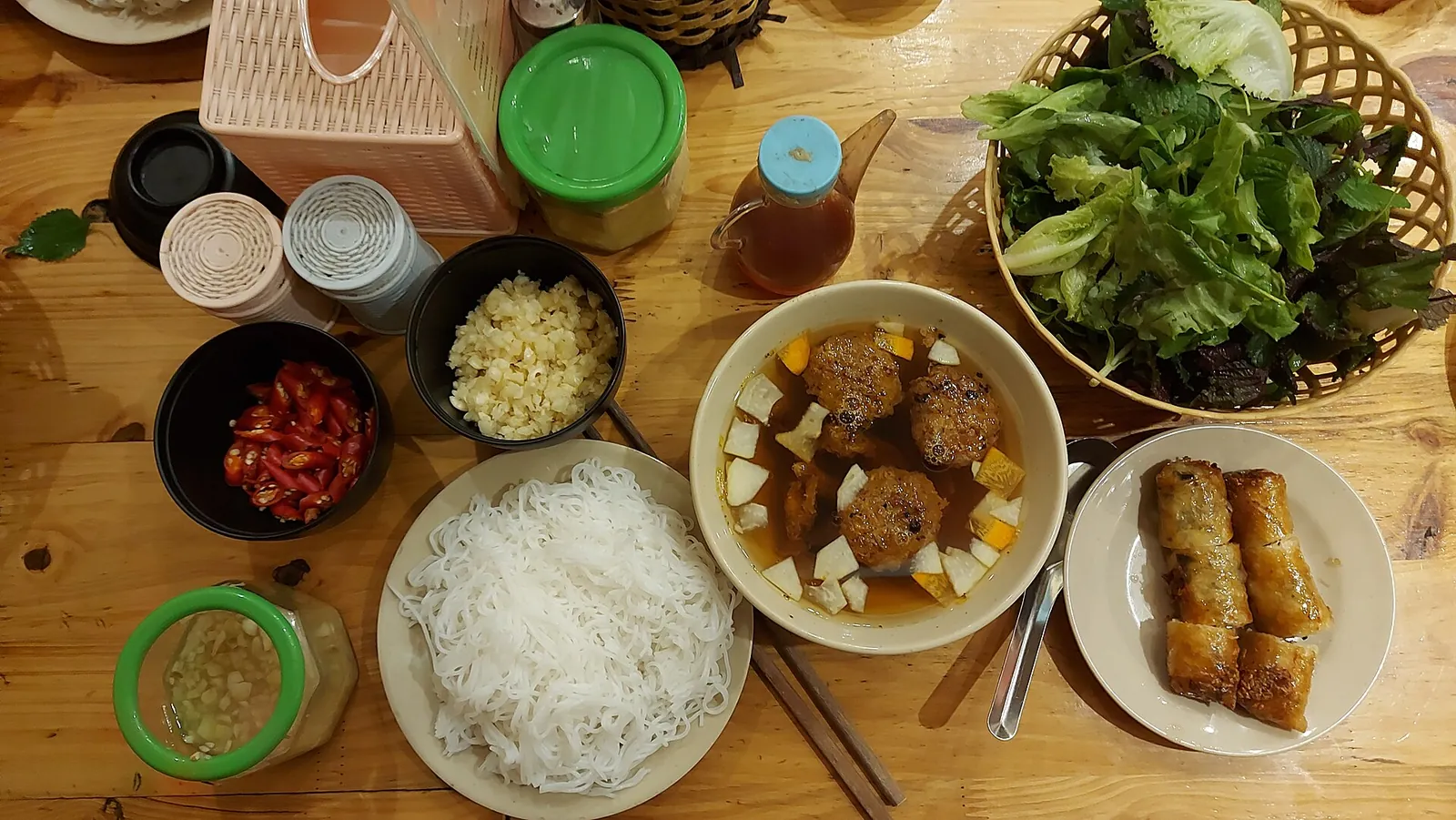
Grilled pork patties and slices of pork belly served in a bowl of sweet-sour dipping sauce, with cold rice vermicelli and a plate of fresh herbs on the side. You dip the noodles and herbs into the bowl as you go.
- Where to look
- Old Quarter lunch shops, where the smell of pork grilling over charcoal gives them away; the national tourism site names Bun Cha Huong Lien, where Barack Obama and Anthony Bourdain ate, and Hang Quat as a less crowded alternative.
- Fit it into your day
- Make it lunch on the Old Quarter day, between the market and the afternoon coffee.
Often served with fried spring rolls on the side; ask what is in them. The dipping sauce is made with fish sauce.
Cha ca (turmeric fish with dill)
Chunks of fish marinated in turmeric and spices, grilled, then finished at the table in a pan with plenty of dill and spring onion, and eaten with soft rice noodles and peanuts. The national tourism site says the dish began at the Old Quarter's La Vong restaurant.
- Where to look
- Restaurants that specialise in cha ca alone; the dish is cooked on a burner at your table.
- Fit it into your day
- A sit-down dinner for two or more, rather than a snack on the move.
Contains fish and peanuts, and is usually served with fish sauce; ask if you need to avoid them.
Banh cuon and pho cuon (rolled rice sheets)
Banh cuon are steamed rice sheets filled with minced pork and mushroom, served with fried shallots, herbs and sweet-sour fish sauce, a traditional Hanoi breakfast. Pho cuon wraps grilled pork and herbs in fresh rice-noodle sheets, a speciality of the Ngu Xa streets on Truc Bach Lake.
- Where to look
- Banh cuon stalls across the Old Quarter in the morning; pho cuon restaurants on Ngu Xa island at Truc Bach.
- Fit it into your day
- Banh cuon for a second breakfast; pho cuon for a light dinner after the Temple of Literature and Citadel day.
Both are served with fish sauce dips; vegetarian fillings exist but are not the default.
Ca phe trung (egg coffee)
Strong Vietnamese coffee topped with a thick, sweet foam of whisked egg. The national tourism site credits its invention to the founder of Cafe Giang, who used whisked eggs when fresh milk was scarce during the war with France.
- Where to look
- Old Quarter cafes, including Cafe Giang and the hidden courtyard cafes the national tourism site describes behind shopfronts on Hang Gai.
- Fit it into your day
- An afternoon break in place of dessert, ideally at a cafe with a view over the street or the lake.
Rich and very sweet; it contains raw or lightly cooked egg.
The Temple of Literature, the Citadel and Ba Dinh
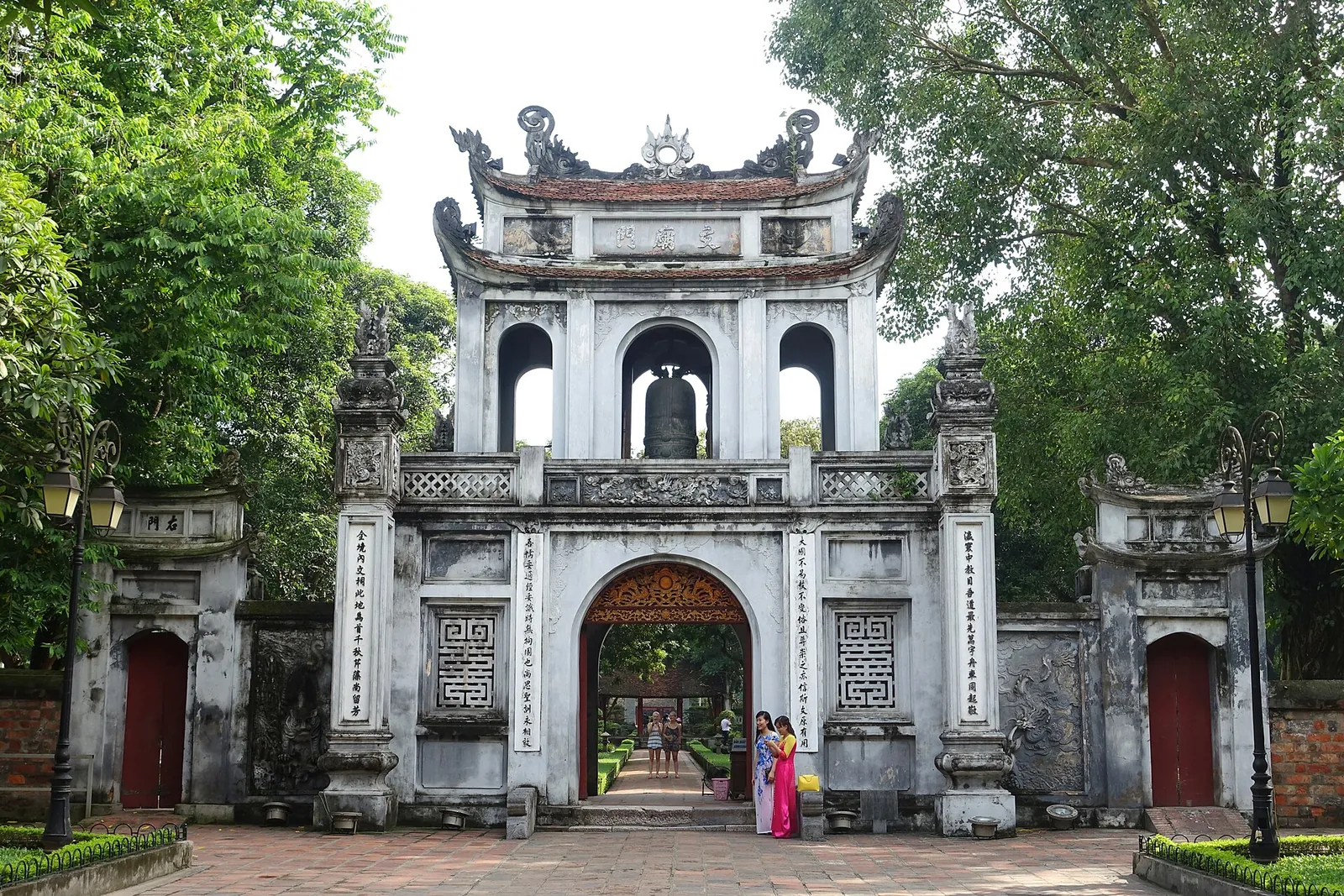
Give the second morning to the old capital west of the centre. The Temple of Literature (Van Mieu – Quoc Tu Giam) was built in 1070 in honour of Confucius and became Vietnam's first university in 1076; its five courtyards hold the Khue Van Cac pavilion, printed on the 100,000-dong note, and 82 surviving stone stelae carved with the names of successful doctoral candidates, set on the backs of stone tortoises. When we checked on 2026-10-03, its official site listed opening from 8:00 to 17:00 every day, a 70,000 VND standard adult ticket and free entry for children under 16, plus an evening programme from 18:30 to 22:00 on Wednesdays, Saturdays and Sundays. The entrance is at 58 Quoc Tu Giam Street. Arrive at opening time, before the crowds and the graduation photo shoots the national tourism site mentions.
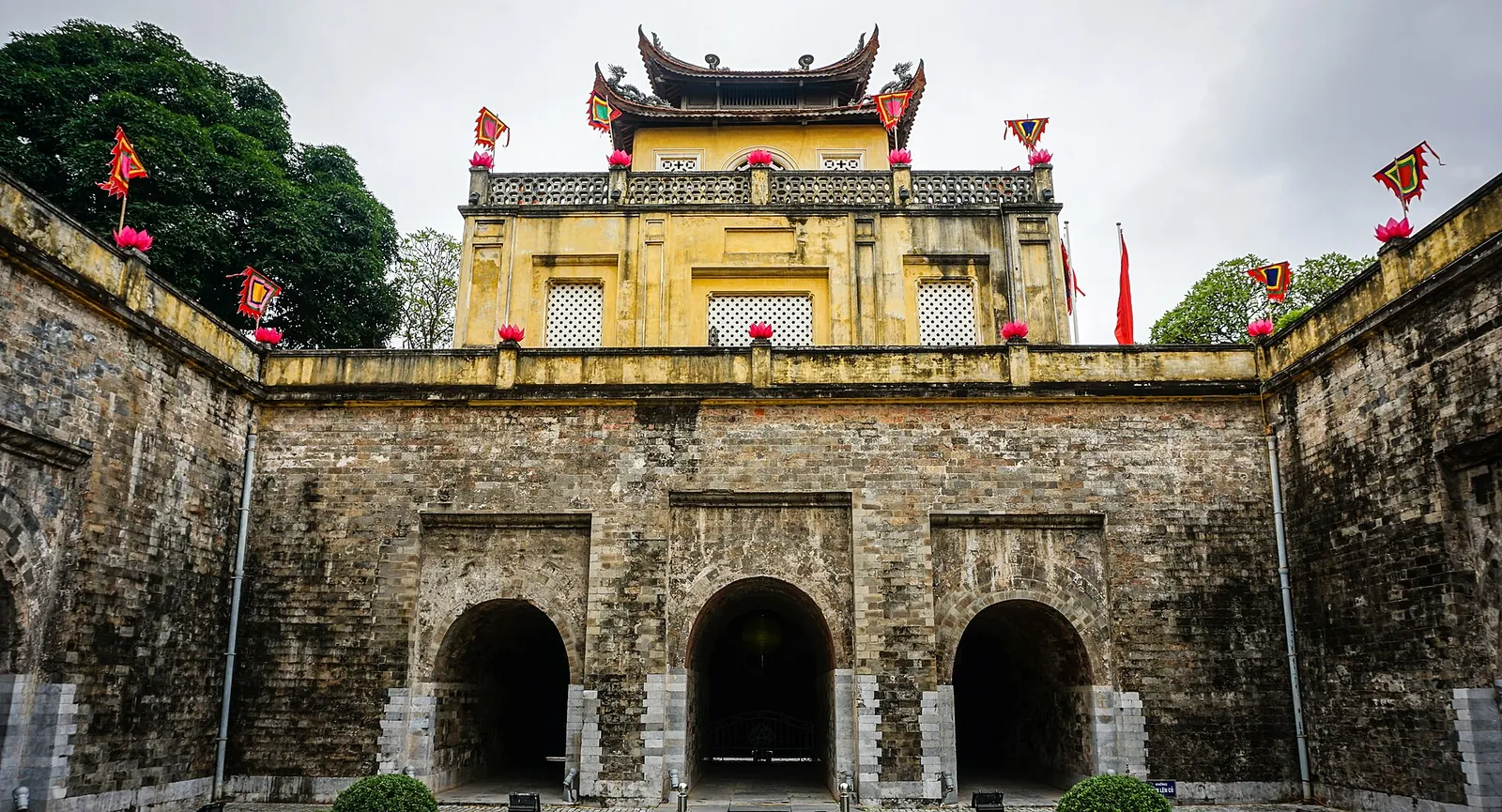
A short taxi ride north, the Imperial Citadel of Thang Long, a UNESCO World Heritage Site since 2010, mixes layers from many dynasties: the Doan Mon south gate, the steps of the Kinh Thien Palace, the flag tower, archaeological excavations and later military bunkers and French-era buildings. The site is large, so pick up the map at the ticket office. When we checked on 2026-10-03, the citadel's official site listed opening from 8:00 to 17:00 every day at 19C Hoang Dieu, and a ticket of 100,000 VND per person for Vietnamese and international visitors from 1 January 2025, with free entry for children under 16. On 29 September 2026 the same site reported that reconstruction work on the Kinh Thien Palace had begun, so parts of the central area may be fenced off.
Next door, Ba Dinh Square holds the Ho Chi Minh Mausoleum and, close by, the One Pillar Pagoda, first built in 1049 to resemble a lotus rising from a pond. The mausoleum is closed for its annual maintenance: Tuoi Tre newspaper reported the Mausoleum Command's notice that visits stop from 4 September to 2 November 2026 and resume on 3 November. On the published schedule, visits take place on Tuesday, Wednesday, Thursday, Saturday and Sunday mornings only; from 1 November to 31 March they run from 8:00 to 11:00 (until 11:30 on Saturdays). Dress formally, expect a queue, and remember that photography inside is forbidden.
Finish the day further north at Truc Bach Lake, where the national tourism site points to the Ngu Xa island streets for pho cuon and pho chien phong, and the 11th-century Quan Thanh Taoist temple on the way. West Lake is next door for the sunset.
The French Quarter, Hoa Lo and the museums
The third day can be done almost entirely on foot from the lake. The national tourism site's self-guided walk runs from St Joseph's Cathedral, standing since 1886 in a neo-Gothic style, past the Vietnamese Women's Museum to Thien Quang Lake, Reunification Park and the Hanoi Opera House, finishing with a coffee at the Metropole. When we checked on 2026-10-03, the Women's Museum's official site listed opening from 8:00 to 17:00 every day at 36 Ly Thuong Kiet Street; the national tourism site calls it one of the most modern museums in Vietnam, with artefacts, costumes, crafts and photographs that show the role women have played in the country's history and society.
Hoa Lo Prison, which its own site also names the 'Hanoi Hilton', is a short walk from the cathedral at No. 1 Hoa Lo Street. When we checked on 2026-10-03, its official site listed opening from 8:00 to 17:00 every day, including festivals and holidays. It is a sombre visit; give it an hour and do not stack it straight after the mausoleum.
The Vietnam Museum of Ethnology is worth the 20-minute taxi ride west that the national tourism site describes: it covers the traditions of the country's 54 ethnic groups, with a garden of full-size traditional houses. It is the best preparation for a trip to Sapa or Ha Giang. Its own website could not be reached when we checked, so confirm opening days locally before you go.
A workable three-day plan
This is an editorial suggestion, not a timetable. Check opening days for each place you choose, and keep the closure dates of the mausoleum in mind.
- Day 1 — Lake and Old Quarter: Hoan Kiem Lake and Ngoc Son Temple at dawn, the guild streets, O Quan Chuong and Ma May House in the morning, Dong Xuan Market or Long Bien Bridge in the afternoon, and dinner in the Old Quarter.
- Day 2 — The old capital: the Temple of Literature at 8:00, the Imperial Citadel, Ba Dinh Square and the One Pillar Pagoda, then pho cuon at Truc Bach and sunset by West Lake.
- Day 3 — French Quarter and museums: the cathedral, the Women's Museum and Hoa Lo Prison on foot, a long lunch, then the Museum of Ethnology by taxi, or the Opera House area and an evening show.
- Before you leave: keep the evening before an early bay or mountain departure light, and check the pick-up point your tour or bus company gives you.
Getting around and heading on to the bays and mountains
Inside the centre, walking is usually quickest. The national tourism site lists taxis, ride-hailing apps such as Grab, city buses and cyclos; for the longer hops to the Museum of Ethnology or West Lake, a taxi or app car saves time. The metro's Line 2A, from Cat Linh to Ha Dong, is of little use for the sights in this guide.
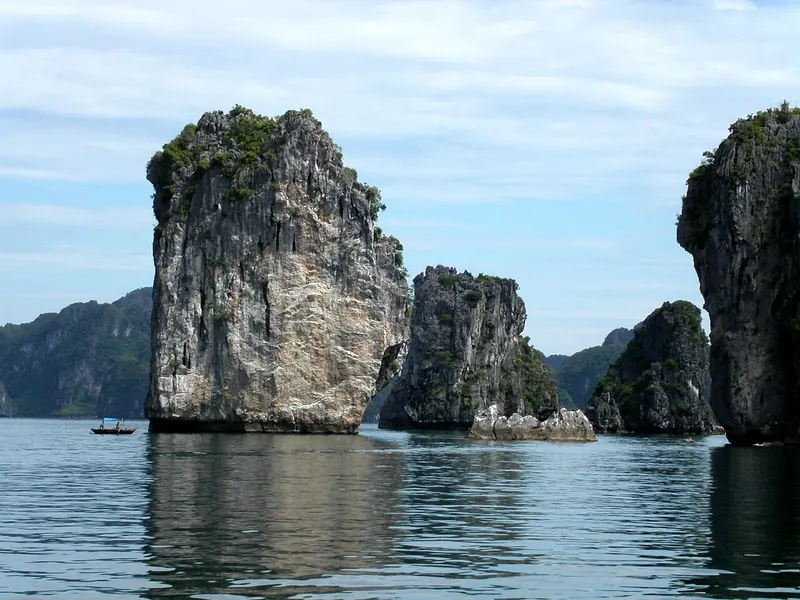
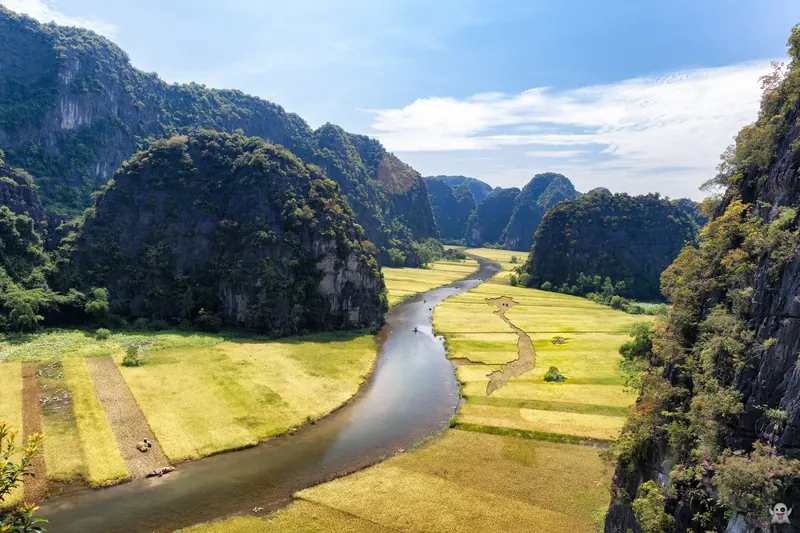
Hanoi is also the base for the north. For Ha Long Bay, the national tourism site says most visitors book a packaged cruise with transport from Hanoi; independent travellers can take a bus to Ha Long City or Hai Phong and a taxi to the port. For Ninh Binh, it lists daily buses, vans that drop off at Tam Coc, private cars and several trains a day. For Sapa, overnight trains to Lao Cai are the most popular option, with a van up the mountain from the station, or buses and shuttle vans that take five to six hours. An overnight stay in Ha Long or Ninh Binh is more relaxed than a long day trip; if the bay cruise is the reason you came north, keep a spare day in Hanoi in case weather cancels it.
Practical questions
How many days should I spend in Hanoi?
Three full days cover the Old Quarter and Hoan Kiem Lake, the Temple of Literature and the Imperial Citadel, and the French Quarter and museums without rushing. Two days is the minimum. Do not count the arrival day as a sightseeing day, since the airport transfer takes about an hour.
Where is the best area to stay in Hanoi?
For a first visit, stay in or on the edge of the Old Quarter, within walking distance of Hoan Kiem Lake. The French Quarter is quieter and still central; Tay Ho (West Lake) suits longer stays but needs a taxi into the centre.
Can I visit the Ho Chi Minh Mausoleum now?
Not until November: Tuoi Tre reported the Mausoleum Command's notice that visits are suspended for maintenance from 4 September to 2 November 2026 and resume on 3 November. Visits then take place on Tuesday, Wednesday, Thursday, Saturday and Sunday mornings only. Dress formally and do not take photographs inside.
How do I get from Noi Bai Airport to the Old Quarter?
Take a metered taxi, a ride-hailing car or the airport's public bus route 86, which the airport lists as running to Hanoi Railway Station. Allow about an hour. Have the hotel's address written down, and check the fare before you set off.
When is the best time to visit Hanoi?
The national tourism site recommends April to June or September to December. September to November brings temperatures around 25 degrees and sunny skies. June to August is hot, humid and rainy, and from late December to March the city is cold and often misty.
Should I visit Ha Long Bay as a day trip from Hanoi?
It is possible, but an overnight cruise is more relaxed, because the drive takes a large part of the day. Most visitors book a packaged cruise that includes transport from Hanoi. Keep a spare day in Hanoi in case weather cancels sailings.
Sources and checks before you travel
Reference sources for the version dated 3 October 2026. Confirm opening times, access, transport and conditions for your travel dates.
- Vietnam Tourism: Ha Noi ↗ — opens in a new tab
- Vietnam Tourism: 11 must-see attractions in Ha Noi ↗ — opens in a new tab
- Vietnam Tourism: six heritage sites that capture the story and spirit of Hanoi ↗ — opens in a new tab
- Vietnam Tourism: explore the Old Quarter your way ↗ — opens in a new tab
- Vietnam Tourism: 3 walking tours of Hanoi ↗ — opens in a new tab
- Vietnam Tourism: the perfect weekend in Ha Noi ↗ — opens in a new tab
- Vietnam Tourism: Ha Noi food guide ↗ — opens in a new tab
- Vietnam Tourism: weather and climate in Vietnam ↗ — opens in a new tab
- Vietnam Tourism: a traveller's guide to Vietnam's airports ↗ — opens in a new tab
- Noi Bai International Airport: public transportation ↗ — opens in a new tab
- Temple of Literature – Quoc Tu Giam (official site) ↗ — opens in a new tab
- Imperial Citadel of Thang Long: ticket prices ↗ — opens in a new tab
- Hoa Lo Prison Historical Relic (official site) ↗ — opens in a new tab
- Vietnamese Women's Museum (official site) ↗ — opens in a new tab
- Hanoi Metro (official site) ↗ — opens in a new tab
- Tuoi Tre: Ho Chi Minh Mausoleum closed for maintenance from 4 September 2026 ↗ — opens in a new tab
- Vietnam Tourism: Ha Long, Ninh Binh and Sapa ↗ — opens in a new tab
Does this experience fit your route?
An evening street-food walk is the easiest way to taste half a dozen Hanoi dishes in one go. Check the start time, the walking distance and the dietary options before you book.
Check dates and details on Viator ↗ — opens in a new tabAffiliate link · Book with ViatorPhoto credits
Hoan Kiem Lake and The Huc Bridge, the walk to Ngoc Son Temple
Photograph: katiebordner — opens in a new tab · CC BY 2.0 — opens in a new tab
Changes: Resized and converted to WebP; displayed with responsive crops. · Original photograph and licence details ↗ — opens in a new tab
The main gate of the Temple of Literature (Van Mieu – Quoc Tu Giam)
Photograph: Daderot — opens in a new tab · CC0 — opens in a new tab
Changes: Resized and converted to WebP; displayed with responsive crops. · Original photograph and licence details ↗ — opens in a new tab
Doan Mon, the south gate of the Imperial Citadel of Thang Long
Photograph: katiebordner — opens in a new tab · CC BY 2.0 — opens in a new tab
Changes: Resized and converted to WebP; displayed with responsive crops. · Original photograph and licence details ↗ — opens in a new tab
Bun cha, grilled pork with rice noodles and herbs, Hanoi's signature lunch
Photograph: Weetjesman — opens in a new tab · CC BY-SA 4.0 — opens in a new tab
Changes: Resized and converted to WebP; displayed with responsive crops. · Original photograph and licence details ↗ — opens in a new tab
An Old Quarter street of narrow tube houses and shopfronts
Photograph: Richard Mortel from Riyadh, Saudi Arabia — opens in a new tab · CC BY 2.0 — opens in a new tab
Changes: Resized and converted to WebP; displayed with responsive crops. · Original photograph and licence details ↗ — opens in a new tab
The Hanoi Opera House at the heart of the French Quarter
Photograph: xiquinhosilva — opens in a new tab · CC BY 2.0 — opens in a new tab
Changes: Resized and converted to WebP; displayed with responsive crops. · Original photograph and licence details ↗ — opens in a new tab