Plan your trip · Vietnam
Vietnam travel health: vaccines, dengue, water, air and hospitals
Most health problems on a Vietnam trip are small and predictable: an upset stomach, sunburn, heat exhaustion, mosquito bites, a scrape from a motorbike exhaust. The serious ones, such as dengue, rabies after an animal bite or a bad road accident, are much rarer but need a fast and correct response. This guide sorts the preparation you should do at home from the habits that matter on the ground, and explains where to go if something goes wrong in Hanoi, Da Nang or Ho Chi Minh City.
- Suggested time
- Applies to any trip; start preparing six to eight weeks before departure
- Where to stay
- Hanoi, Da Nang and Ho Chi Minh City have the international hospitals and clinics
- Season and timing
- Heat and sun all year in the south; mosquito-borne disease all year, with Japanese encephalitis peaking from May to October in the north; flood-related risks in the wet months.
The short answer
Book a travel-health appointment six to eight weeks before you fly and ask about hepatitis A, typhoid and routine boosters, plus Japanese encephalitis or rabies if you will spend time in the countryside. Buy insurance that covers medical evacuation, pack a full supply of your own medicines with a doctor's letter, and plan days so the hottest hours are spent indoors. Use repellent all day, drink bottled water, eat where food is cooked to order, and save the address of an international clinic in each city you sleep in. In an emergency, dial 115 for an ambulance, but a taxi to a private hospital is often faster in city traffic.
Before you go: vaccines, insurance and medicines
Every official source says the same thing about timing: see a doctor or travel clinic well before you leave. The UK government says to check vaccine advice at least eight weeks before the trip, Vietnam's own tourism board suggests two months, and Canada recommends about six weeks. Even if you are leaving sooner, an appointment is still worth it, because some vaccines need more than one dose.
When we checked on 2026-10-03, the UK's TravelHealthPro service listed hepatitis A, tetanus and typhoid as recommended for most travellers to Vietnam, on top of routine vaccines such as measles. It listed hepatitis B, Japanese encephalitis, rabies, dengue and chikungunya as vaccines for some travellers, depending on activities, length of stay and medical history. The US CDC gives a similar list and notes that yellow fever vaccination is neither recommended nor required for entry. Treat these lists as the starting point for a conversation with your own clinician, not as a prescription.
Insurance matters more than usual. Canada notes that private clinics and hospitals are better equipped but can be expensive, and that serious cases may need medical evacuation to a neighbouring country. The UK advice lists what a policy should cover, including pre-existing conditions and an air ambulance, and says the British Embassy does not pay medical bills.
Bring all the medicine you need for the whole trip. The tourism board warns that some medications can be hard to find, and the UK advice adds that many medicines sold in Vietnam are fake. It also says Vietnam restricts medicines it classes as addictive or psychotropic, which can include treatments for anxiety, depression and insomnia: carrying more than seven days of such prescribed medicine is illegal, and you should travel with the prescription and a doctor's letter giving your name and age, the medicine, volume and dosage, and the doctor's signature and address. If you are unsure whether your medicine is affected, contact a Vietnamese embassy before you travel.
- First-aid kit suggested by the tourism board: DEET-based repellent, paracetamol or ibuprofen, anti-itch cream, sunscreen, antihistamine, wound ointment and a diarrhoea treatment. Add oral rehydration salts.
- Pregnancy: the tourism board advises specialist advice first, and TravelHealthPro lists a risk of Zika virus in Vietnam, which matters for anyone pregnant or planning a pregnancy.
Mosquitoes: dengue, Japanese encephalitis and malaria
Dengue is the mosquito-borne disease travellers are most likely to meet. TravelHealthPro says the mosquitoes that spread it bite mainly in the daytime and are more common in towns and cities, which means Hanoi, Hoi An and Ho Chi Minh City are not exempt. The tourism board says dengue has become more frequent across the country and is concentrated in the Mekong Delta, including Ho Chi Minh City. When we checked on 2026-10-03, the CDC had a global dengue notice dated 3 September 2026. Severe dengue is rare in travellers, but a high fever during or after the trip needs a doctor, not a guess.
Use repellent from morning to evening, not just at sunset: the tourism board recommends covering arms and ankles around dusk, and the health services stress daytime bites for dengue, Zika and chikungunya. Choose rooms with air conditioning or window screens, especially for homestays in the delta or the mountains.
Japanese encephalitis is spread by mosquitoes that bite between dusk and dawn, mainly in rural areas with rice fields and pig farms. TravelHealthPro says it occurs countrywide, year-round, with seasonal peaks from May to October, especially in the north. Short trips that stay in cities are lower risk; long stays, repeated trips or rice-terrace treks are the cases where vaccination is usually discussed.
Malaria is not a concern in the big cities. TravelHealthPro lists no risk in Hanoi, Ho Chi Minh City, the Red River Delta, the coast north of Nha Trang and Phu Quoc, and a low risk in rural areas, including the provinces of Tay Ninh, Lam Dong, Dak Lak, Gia Lai and Kon Tum. For most visitors it recommends bite avoidance rather than tablets; the CDC's advice differs for some rural provinces, so if you are heading for remote highland areas, ask your clinician which applies to you.
Make time for the local food
What to eat and where to look
Phở (rice noodle soup)
Rice noodles in a beef or chicken broth that is kept at a boil all morning, with herbs and lime on the side. A bowl served piping hot from a busy shop is one of the easier breakfasts for a sensitive stomach.
- Where to look
- Specialist phở shops with a steady queue of local customers, busiest at breakfast in Hanoi and across the country.
- Fit it into your day
- Breakfast before an early start, while the day is still cool.
Beef is often added rare and cooks in the broth; ask for well-done (chín) if you prefer. If you are wary of raw food, leave the plate of fresh herbs aside for the first days.
Cháo (rice porridge)
Soft, soupy rice cooked with chicken, fish or pork and topped with ginger, spring onion and pepper. It is what many Vietnamese eat when they feel unwell, and it is gentle after a stomach upset.
- Where to look
- Small porridge shops and market stalls; hotel breakfast buffets often have a pot.
- Fit it into your day
- A light meal on a recovery day, or a late supper after a hot day out.
Toppings can include offal or blood cubes; point at a plain version if you are not sure.
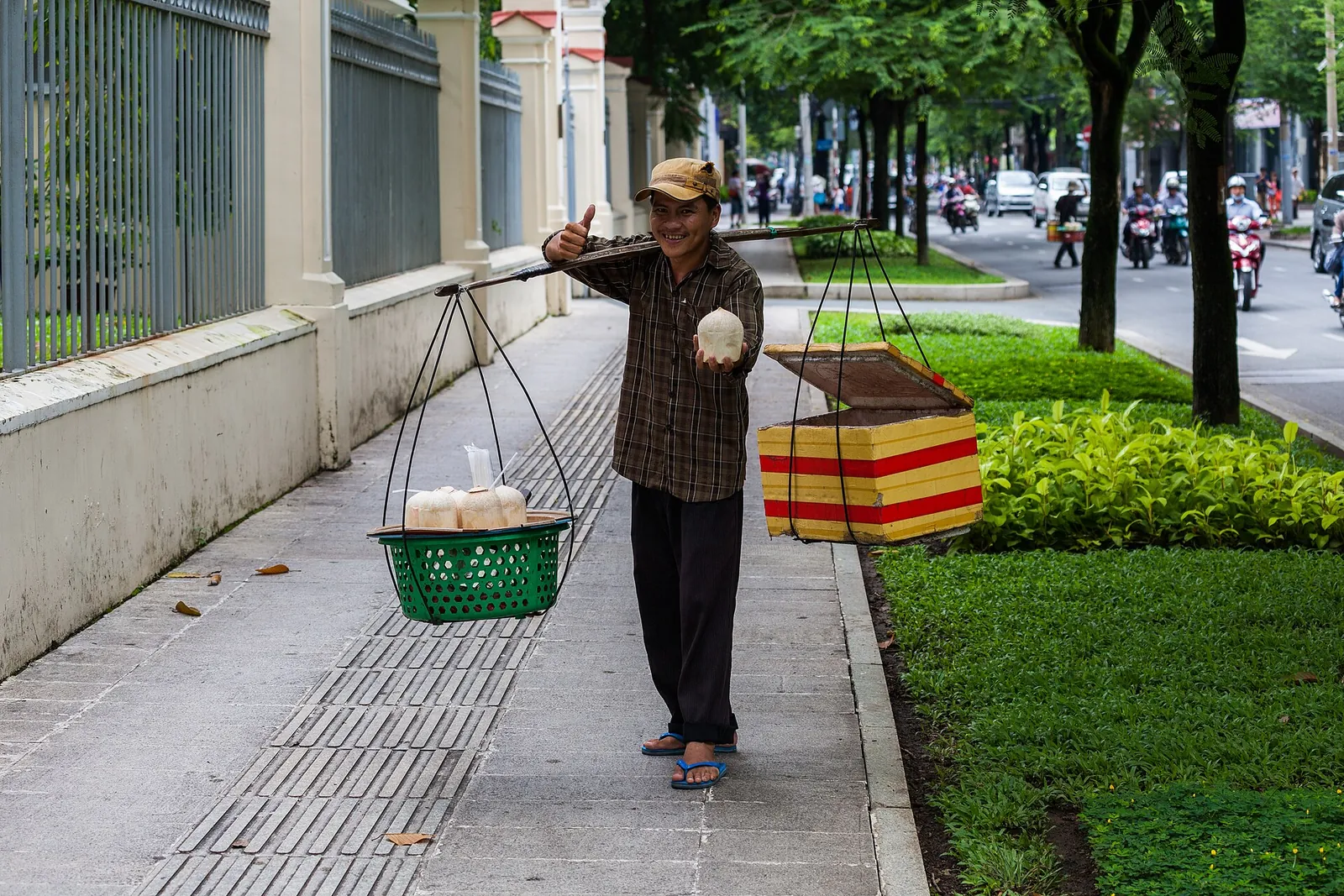
Nước dừa (fresh coconut)
A young green coconut opened in front of you, drunk with a straw and finished by scraping out the soft flesh. Sealed in its shell until it is cut, it is a refreshing break on a hot afternoon.
- Where to look
- Fruit sellers and drink stalls in markets, at beaches and in the Mekong Delta.
- Fit it into your day
- A mid-afternoon stop alongside plenty of bottled water, not instead of it.
Juices and smoothies may be made with ice; the tourism board advises avoiding ice in rural areas.
Phở xào and other dishes cooked to order
Stir-fried noodles, fried rice and grilled meat are cooked fast over a hot flame and served straight away, which fits the tourism board's advice to choose freshly cooked food.
- Where to look
- Busy family restaurants and evening stalls with a wok or grill at the front.
- Fit it into your day
- Lunch or dinner on days when you are unsure about salads and cold dishes.
Dipping sauces and side salads are not cooked; fish sauce and shellfish are common, so mention allergies clearly.
Heat, food and water
Vietnam is hot and humid for most of the year, and the tourism board says sunburn can happen quickly, especially on the beach. It describes heat exhaustion as showing up as headaches and irritability and heatstroke as a medical emergency: weakness, dizziness, nausea and a very high temperature mean getting help at once. In practice, that means sightseeing early, a long indoor break at lunch, a hat, reapplied sunscreen and more water than you think you need.
Water: the tourism board advises bottled water and avoiding ice in rural areas. Canada adds that you should avoid swallowing water when showering or swimming, and keep river, lake and canal water out of your eyes, nose and mouth, particularly after heavy rain.
Food: traveller's diarrhoea is the most common complaint, and the tourism board's advice is simple: eat at places with a high turnover and food cooked fresh, and use your judgement with street stalls, which it calls generally quite safe. If you get sick, keep drinking and take rehydration salts; if it does not settle, the tourism board's advice is to see a doctor.
Alcohol: both the UK and Canada warn about methanol poisoning. The UK says cases have come from drinks bought in licensed bars, shops and hotels in tourist areas, and that methanol cannot be detected by taste or smell. Stick to sealed, recognised brands, be very wary of cheap spirits and home-made rice wine, and get urgent medical help if someone feels ill after drinking.
Air quality in Hanoi and Ho Chi Minh City
Canada's advice says smog and air pollution can be hazardous in urban areas, that rural air can also suffer from agricultural burning, and that levels can change quickly. The tourism board says pollution may aggravate asthma and allergies and suggests that anyone with breathing problems spends more time in the countryside.
Check a live air-quality index each morning, as both Canada and TravelHealthPro suggest, and move strenuous walks, runs or cycling to days with better readings. TravelHealthPro also notes that it is unclear whether face masks help, and that a mask can make breathing harder for some people with lung disease; if you choose one, make sure it fits. If you have asthma or a heart or lung condition, bring extra inhalers or medication and talk to your doctor before the trip.
Hospitals, clinics and pharmacies
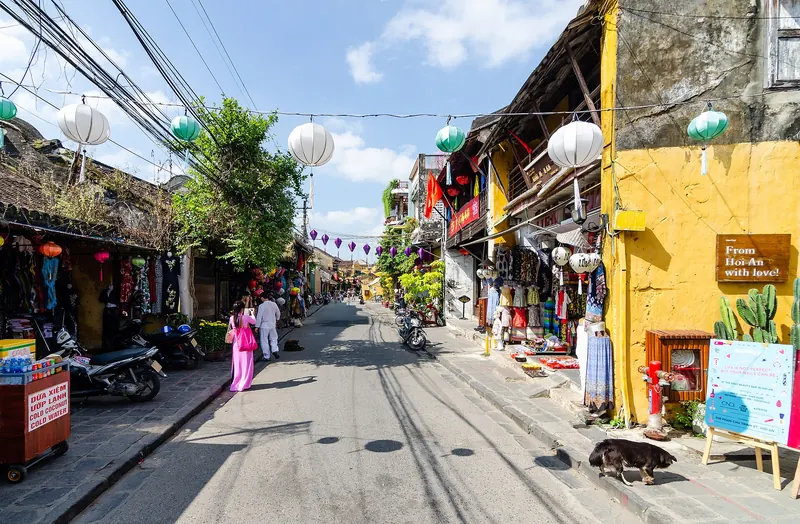
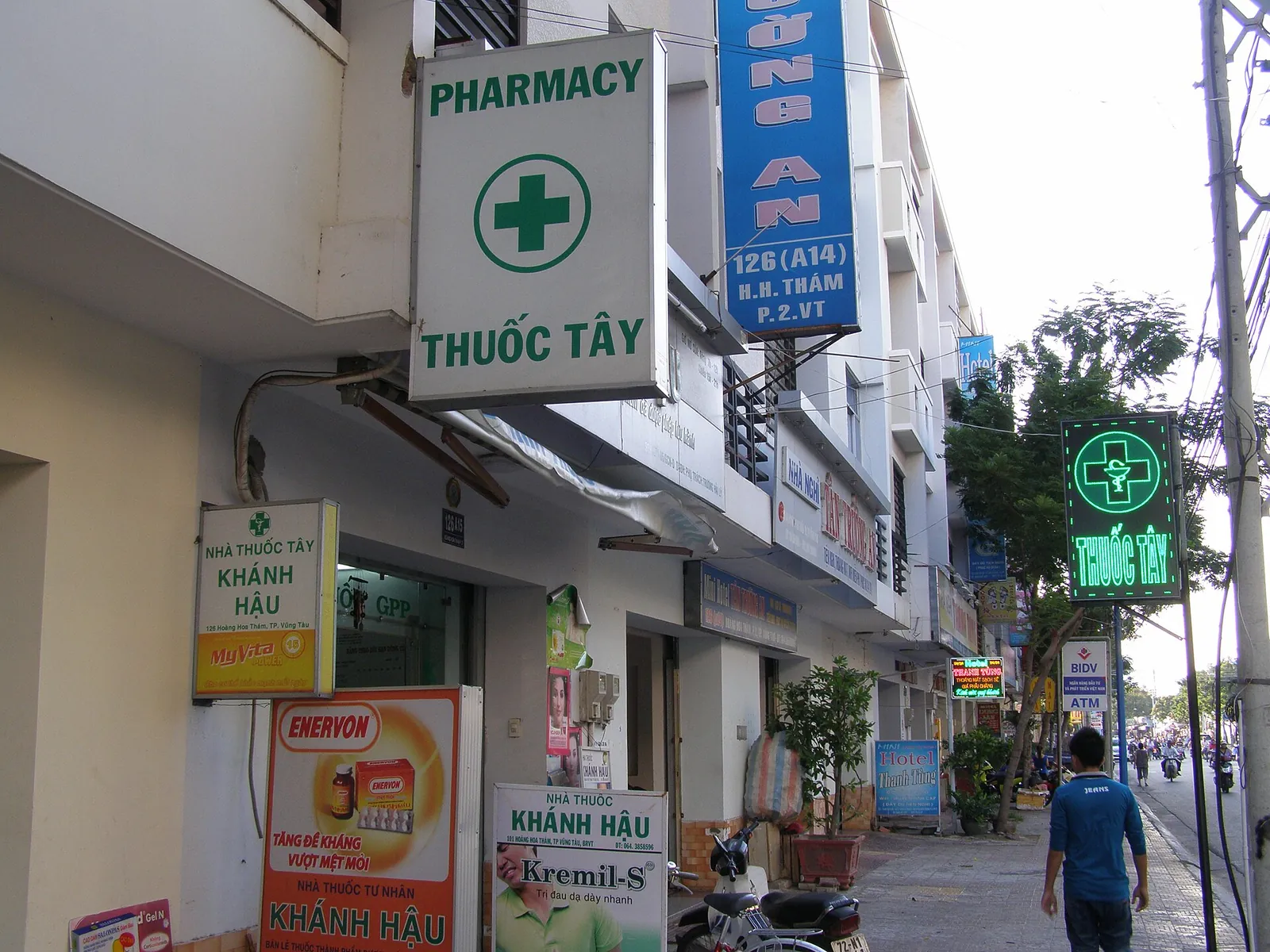
Canada's advice says medical facilities and supplies are limited outside Hanoi and Ho Chi Minh City, and the tourism board notes that in rural areas you may be far from the nearest pharmacy or hospital. Pharmacies (look for nhà thuốc or thuốc tây) are common in towns, but remember the UK warning about fake medicines and buy from established pharmacies rather than market stalls.
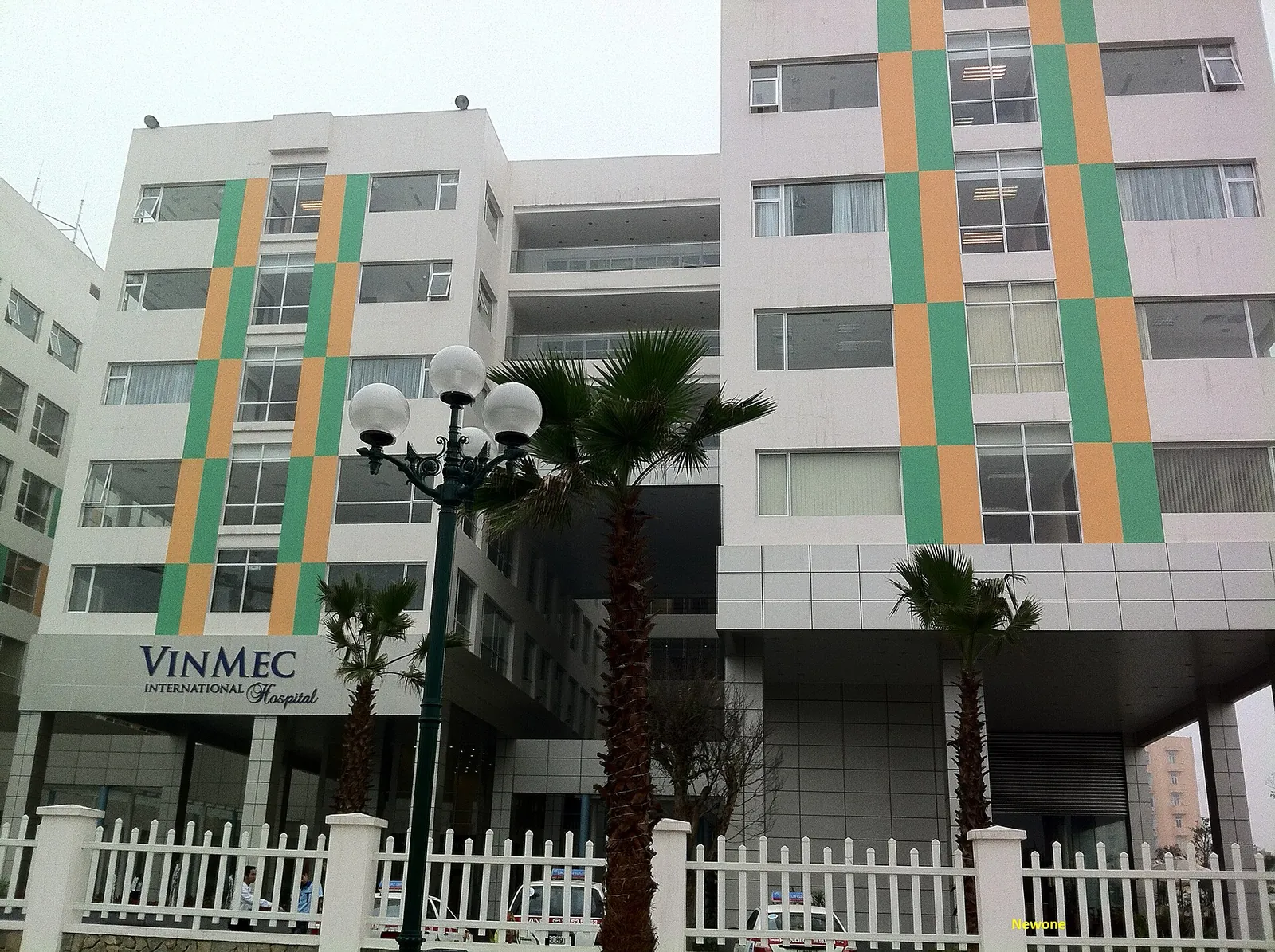
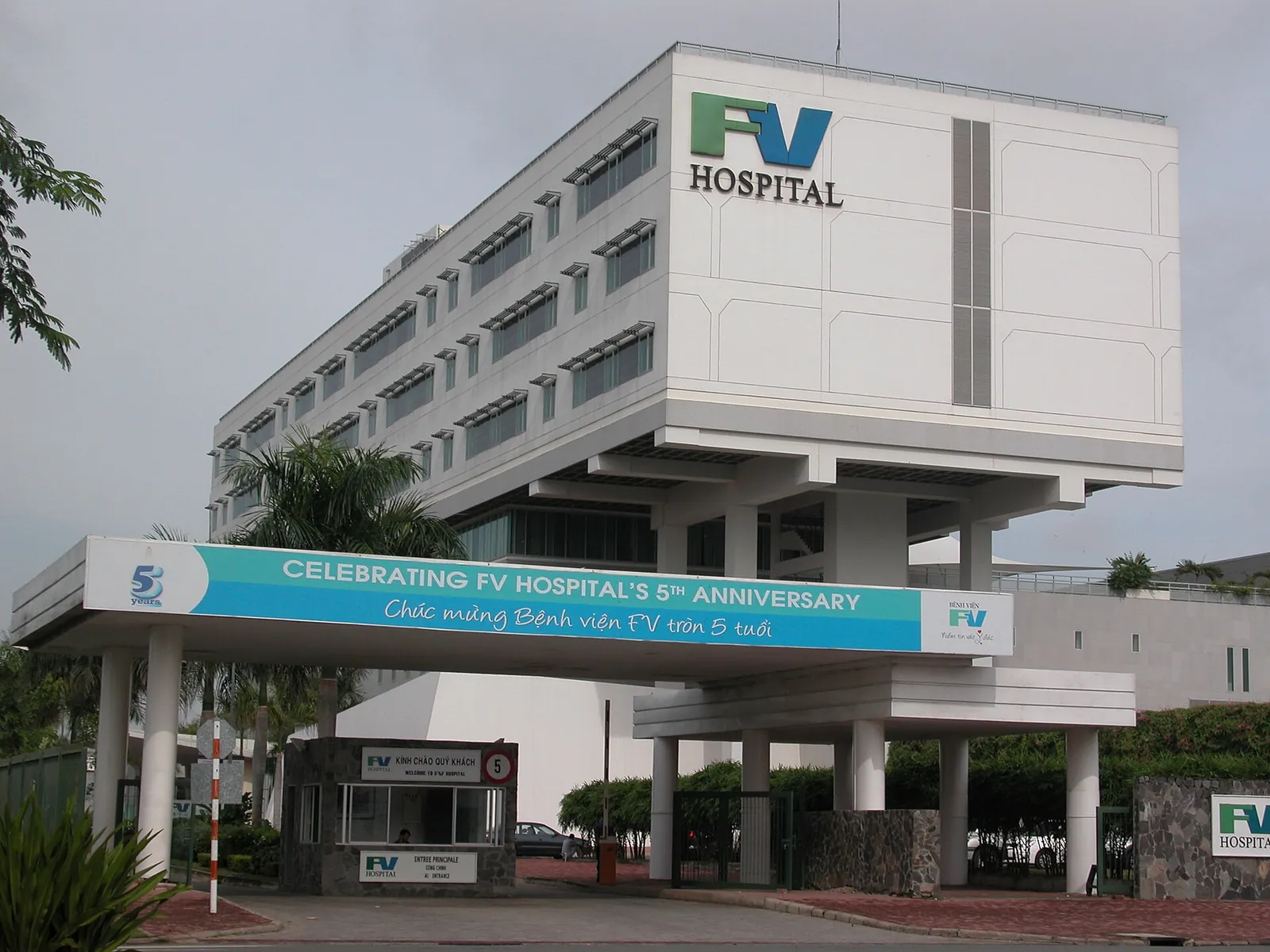
The tourism board publishes a list of international hospitals and clinics. When we checked on 2026-10-03 it included, among others, Hanoi French Hospital, Vinmec International Hospital, Family Medical Practice and International SOS in Hanoi; FV Hospital, Family Medical Practice, Columbia Asia and International SOS in Ho Chi Minh City; and Family Medical Practice and Hoan My in Da Nang. Some phone numbers on that list use old area codes, so take each hospital's current number from its own website. Hanoi French Hospital's site says emergency doctors and surgeons are on duty 24/7, and FV Hospital's site lists an Accident and Emergency department.
Before you arrive in each city, save the name and address of one private hospital near your hotel in your phone and in your insurer's app. Call your insurer as soon as you are referred for treatment, as the UK advice recommends, so they can arrange direct payment or approve costs.
In an emergency
The UK government lists 115 for an ambulance, 114 for fire, 113 for police and 112 for national search and rescue, and warns that the emergency lines operate in Vietnamese only. Ask your hotel reception or a Vietnamese speaker to call for you, and keep the hotel's address written in Vietnamese.
Canada says ambulance response can be slow because of traffic and suggests that a taxi or private car to the hospital may be faster. For an injury or a sudden illness in the city, that usually means asking the hotel to call a taxi straight to the private hospital you saved in advance.
- Animal bites and scratches: wash the wound with soap and water for about 15 minutes and get medical care the same day, even if it looks minor. Canada says rabies treatment is often available, and asks you to keep written records of what you were given. The tourism board specifically advises avoiding the monkeys on Cat Ba Island.
- Floodwater and mud: the CDC lists leptospirosis and melioidosis, which spread through contaminated water and soil, especially after heavy rain. Cover cuts and avoid wading in floodwater.
- Mountains: TravelHealthPro notes altitude risk above 2,500 metres and gives Fansipan (3,143 m) as the example. Its advice is to stop climbing if you develop headache, fatigue or nausea, and to descend if symptoms do not improve.
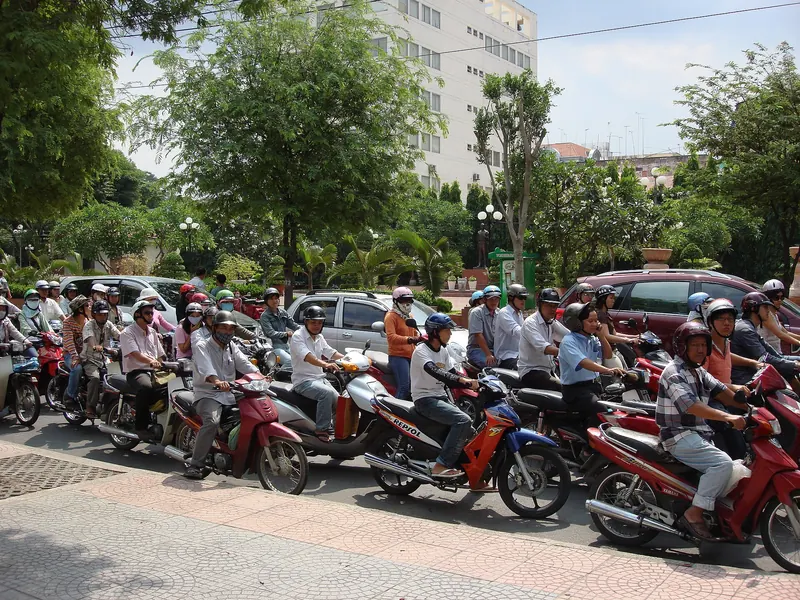
- Roads: the CDC calls crashes the leading killer of healthy travellers abroad and advises a helmet on every motorbike or bicycle ride. Our safety guide covers traffic in more detail.
Practical questions
Which vaccines do I need for Vietnam?
No vaccine certificate is required for entry under international health rules, and the CDC says yellow fever vaccine is not required. When we checked on 2026-10-03, TravelHealthPro recommended hepatitis A, tetanus and typhoid for most travellers, plus routine vaccines, with hepatitis B, Japanese encephalitis, rabies and others for some travellers. A travel clinic will tailor this to your route.
Can you drink tap water in Vietnam?
The tourism board advises sticking to bottled water and avoiding ice in rural areas. Use bottled or filtered water for drinking and brushing your teeth, and keep unsealed tap water out of your mouth when showering.
Is there malaria in Hanoi or Ho Chi Minh City?
No. TravelHealthPro lists no malaria risk in the large cities, the Red River Delta, the coast north of Nha Trang and Phu Quoc, and a low risk in some rural provinces. Dengue, however, is present in cities, so use repellent during the day everywhere.
What is the emergency number in Vietnam?
Dial 115 for an ambulance, 113 for police and 114 for fire, according to the UK government. The lines operate in Vietnamese only, so ask a local to help, or take a taxi straight to a private hospital if that is faster.
Can I bring my prescription medicine to Vietnam?
Yes, but the UK government says Vietnam restricts medicines it classes as addictive or psychotropic: more than seven days' supply is illegal without the right paperwork. Carry the prescription and a doctor's letter, and ask a Vietnamese embassy if you need more.
Is street food safe in Vietnam?
The tourism board calls street food generally quite safe. Choose busy places with a high turnover where the food is cooked in front of you, and be more careful with ice, raw salads and anything that has been standing in the heat.
Sources and checks before you travel
Reference sources for the version dated 3 October 2026. Confirm opening times, access, transport and conditions for your travel dates.
- Vietnam National Authority of Tourism: Health and safety ↗ — opens in a new tab
- Vietnam National Authority of Tourism: Frequently asked questions ↗ — opens in a new tab
- UK FCDO travel advice: Vietnam health ↗ — opens in a new tab
- UK FCDO travel advice: Vietnam getting help ↗ — opens in a new tab
- UK FCDO travel advice: Vietnam safety and security ↗ — opens in a new tab
- TravelHealthPro (NaTHNaC): Vietnam ↗ — opens in a new tab
- US CDC: Travelers' health, Vietnam ↗ — opens in a new tab
- Government of Canada: Travel advice for Vietnam ↗ — opens in a new tab
- Hanoi French Hospital ↗ — opens in a new tab
- FV Hospital ↗ — opens in a new tab
Does this experience fit your route?
Planning tours around the heat? Compare morning departures and small-group food walks, and check what each operator includes before you book.
Check dates and details on Viator ↗ — opens in a new tabAffiliate link · Book with ViatorPhoto credits
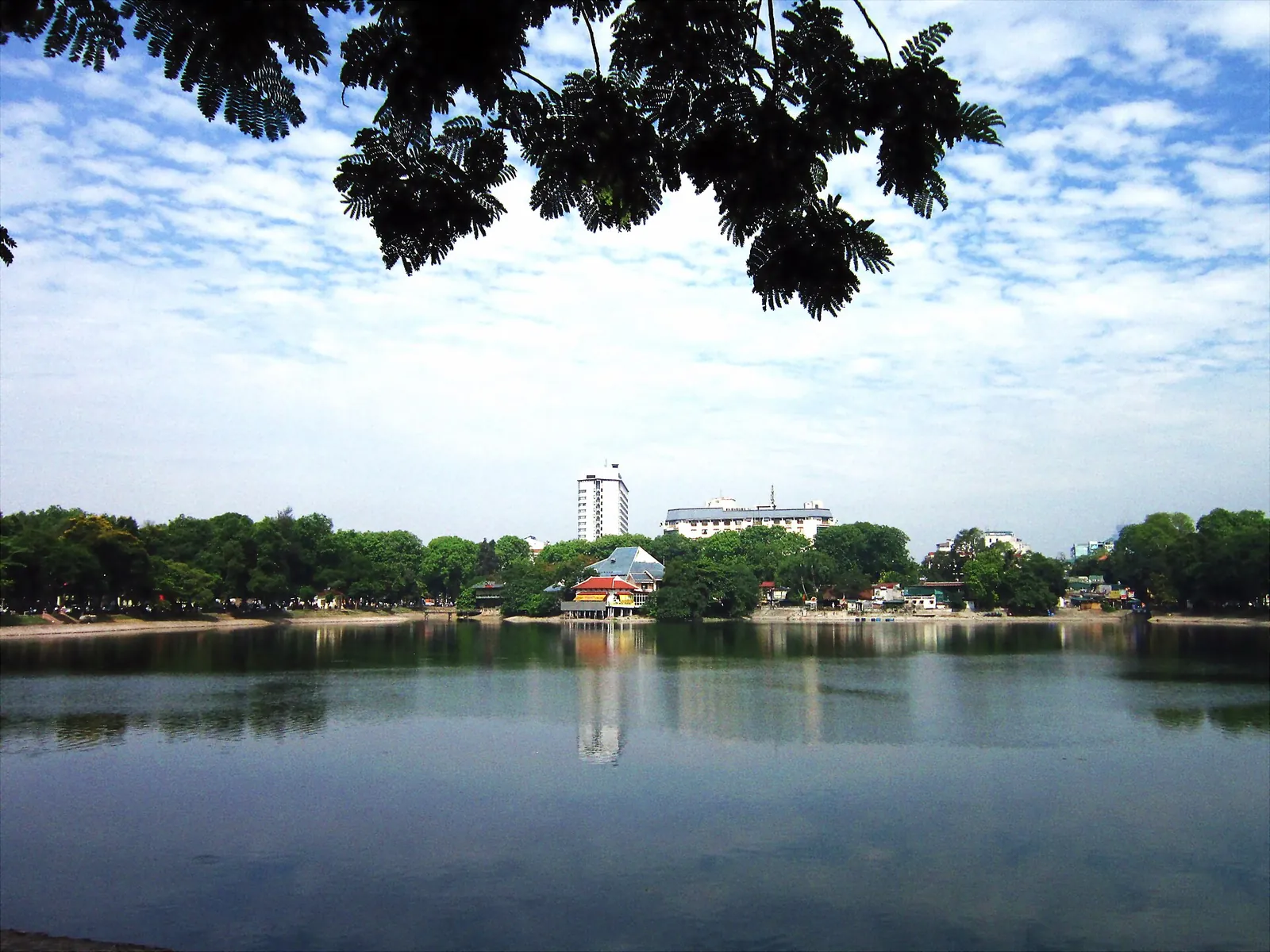
Thien Quang Lake in central Hanoi: the city's lakes are where people walk and exercise in the cooler early hours.
Photograph: Bùi Thụy Đào Nguyên — opens in a new tab · CC BY-SA 3.0 — opens in a new tab
Changes: Resized and converted to WebP; displayed with responsive crops. · Original photograph and licence details ↗ — opens in a new tab
Vinmec International Hospital at Times City, Hanoi, one of the private hospitals on the tourism board's list.
Photograph: Newone — opens in a new tab · CC BY-SA 3.0 — opens in a new tab
Changes: Resized and converted to WebP; displayed with responsive crops. · Original photograph and licence details ↗ — opens in a new tab
FV Hospital in Ho Chi Minh City's District 7, which runs an Accident and Emergency department.
Photograph: Nguyễn Thanh Quang — opens in a new tab · CC BY-SA 3.0 — opens in a new tab
Changes: Resized and converted to WebP; displayed with responsive crops. · Original photograph and licence details ↗ — opens in a new tab
Pharmacies (nhà thuốc, thuốc tây) on a street in Vung Tau: easy to find in towns, scarcer in rural areas.
Photograph: RG72 — opens in a new tab · CC BY-SA 4.0 — opens in a new tab
Changes: Resized and converted to WebP; displayed with responsive crops. · Original photograph and licence details ↗ — opens in a new tab
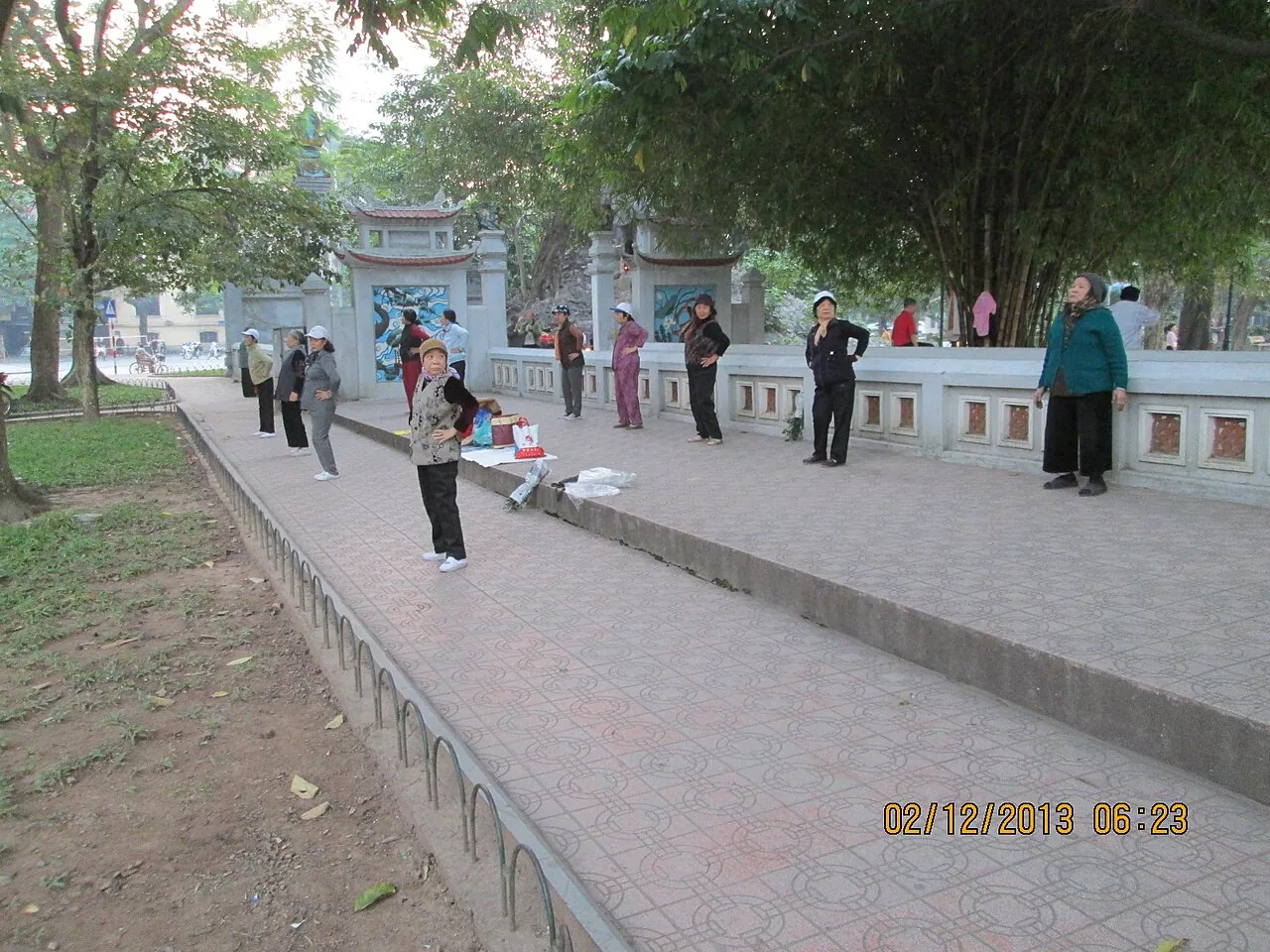
Early-morning tai chi beside Ngoc Son Temple on Hoan Kiem Lake in Hanoi, before the heat of the day.
Photograph: Rudolph.A.Furtado — opens in a new tab · CC0 — opens in a new tab
Changes: Resized and converted to WebP; displayed with responsive crops. · Original photograph and licence details ↗ — opens in a new tab
A coconut seller on a shady pavement in Ho Chi Minh City: fresh coconut is cut open in front of you.
Photograph: Diego Delso — opens in a new tab · CC BY-SA 3.0 — opens in a new tab
Changes: Resized and converted to WebP; displayed with responsive crops. · Original photograph and licence details ↗ — opens in a new tab