Itineraries
Japan in 2 weeks: Tokyo, Kanazawa, Kyoto and Hiroshima by train
Two weeks is enough for Japan's classic line from Tokyo to Kyoto and Hiroshima with one less obvious region added and nothing rushed. This route spends the extra days on Kanazawa, the old castle town on the Sea of Japan, and on what shorter trips have to cut: a day in Kamakura, a ryokan night in Hakone, a day in Nara and a full day for Miyajima. It runs one way, from Haneda to Kansai Airport, so no day is spent riding back. The decisions that shape it are where Hakone fits, where to sleep at each stop and which rail tickets to buy.
In this guide
Find the location ↗ — opens in a new tabThe short answer
Fly into Haneda and out of Kansai, and split thirteen nights between Tokyo (4), a Hakone ryokan (1), Kanazawa (2), Kyoto (4) and Hiroshima (2), moving by train. Sleep near Tokyo Station, in Gora, downtown Kanazawa, Kyoto's Shijo-Karasuma and Hiroshima's Hatchobori. Make Kamakura your day out of Tokyo, take Hakone at the end of the Tokyo stay and ride back through Tokyo Station to Kanazawa, then reach Kyoto via Tsuruga on the Thunderbird. Give one Kyoto day to Nara and one Hiroshima day to Miyajima. Skip the 7-day Japan Rail Pass: separate tickets and a Kansai-Hiroshima Area Pass cost less.
- Suggested time
- 14 days (13 nights)
- Route
- Tokyo 4 nights
- Hakone 1 night
- Kanazawa 2 nights
- Kyoto 4 nights
- Hiroshima 2 nights
- Season and timing
- Late March to April and October to November. On JMA's 1991–2020 normals, full bloom comes on 31 March in Tokyo, 3–4 April in Hiroshima and Kyoto and 8 April in Kanazawa; Kenroku-en's autumn colour runs through November. June to mid-July is the rainy season, and summer heat can pass 35°C.
- Day by day
- The fourteen days at a glance ↓
The fourteen days at a glance
This is an editorial plan, not a timetable.
- Day 1
Arrive at Haneda
the Monorail or a bus to Tokyo Station, an IC card, Shibuya Crossing after dark if you have the energy. Night: Tokyo.
- Day 2
Tokyo's old east (not a Monday)
Senso-ji at opening, the Tokyo National Museum in Ueno, Yanaka at dusk. Night: Tokyo.
- Day 3
Tokyo's centre (not a Monday or Friday)
the Tsukiji Outer Market from 09:00 on an open day, the Imperial Palace East Gardens, Ginza. Night: Tokyo.
- Day 4
Kamakura
your cases sent on to Kanazawa, then the JR Yokosuka Line to Kita-Kamakura, the Zen temples, Tsurugaoka Hachimangu and the Enoden to the Great Buddha. Night: Tokyo.
- Day 5
To Hakone
Meiji Jingu early, the shinkansen to Odawara (35 minutes), the Hakone Tozan line, the Open-Air Museum and a ryokan bath. Night: Hakone.
- Day 6
The loop and the Hokuriku shinkansen
the ropeway and lake boat early, Hakone Shrine, the bus to Odawara and the shinkansen via Tokyo Station to Kanazawa. Night: Kanazawa.
- Day 7
Kanazawa
Kenroku-en early, the castle park, the 21st Century Museum (not Mondays), lunch at Omicho, Higashi Chaya and Kazue-machi. Night: Kanazawa.
- Day 8
To Kyoto
Nagamachi in the morning, the shinkansen and Thunderbird via Tsuruga (about 2 hours 10 minutes), Nishiki Market and Gion at dusk. Night: Kyoto.
- Day 9
Kyoto's east
Kiyomizu-dera at 06:00, Sannenzaka and Ninenzaka, the Philosopher's Path to Ginkaku-ji. Night: Kyoto.
- Day 10
Fushimi Inari and Nara
start the Kansai-Hiroshima Area Pass, the torii at first light, then the JR Nara Line to Todai-ji, Kasuga Taisha and the deer. Night: Kyoto.
- Day 11
Kyoto's west
Arashiyama before 09:00, Tenryu-ji, Ryoan-ji and Kinkaku-ji. Night: Kyoto.
- Day 12
To Hiroshima
the shinkansen west, the Peace Memorial Park, the museum on a timed evening ticket, okonomiyaki. Night: Hiroshima.
- Day 13
Miyajima
the JR train and ferry, the shrine at the tide you want, Mount Misen. Night: Hiroshima, or an inn on the island.
- Day 14
Home from Kansai
Shukkeien at 09:00, the shinkansen to Shin-Osaka and the Haruka to Kansai Airport for an afternoon or evening flight.
Why this order, and where to sleep
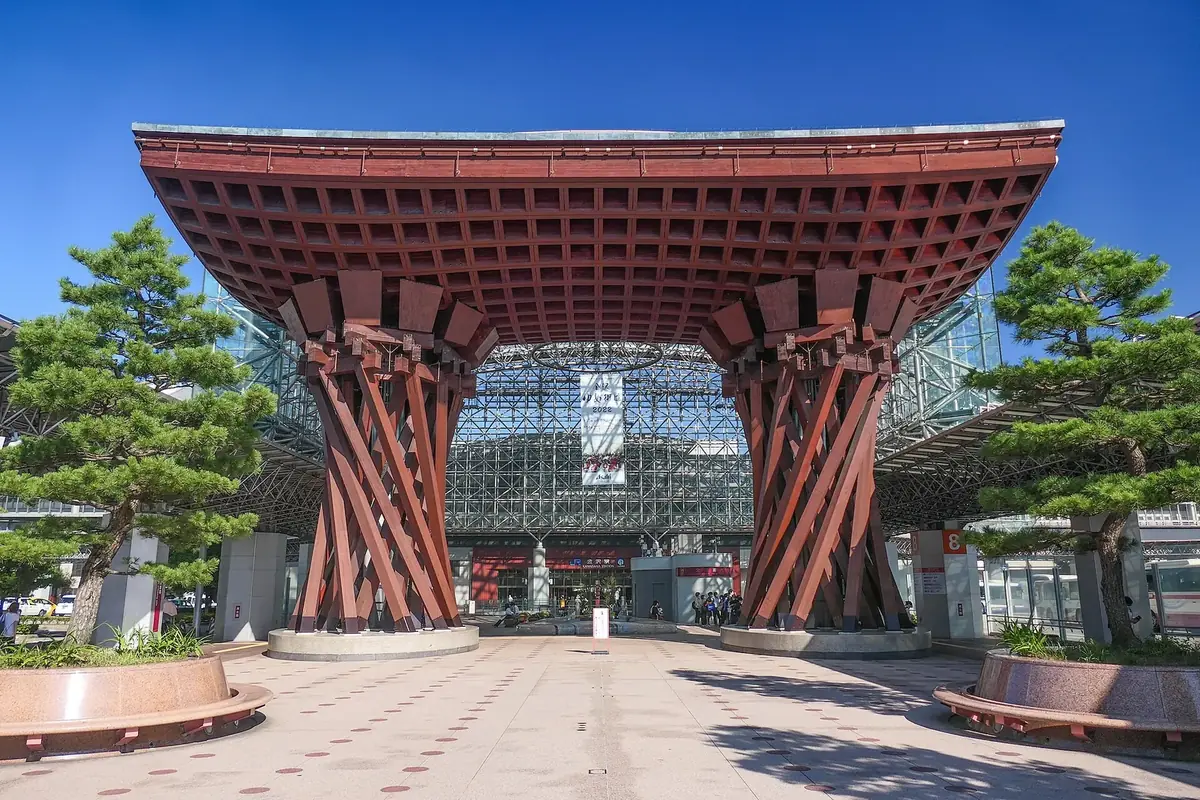
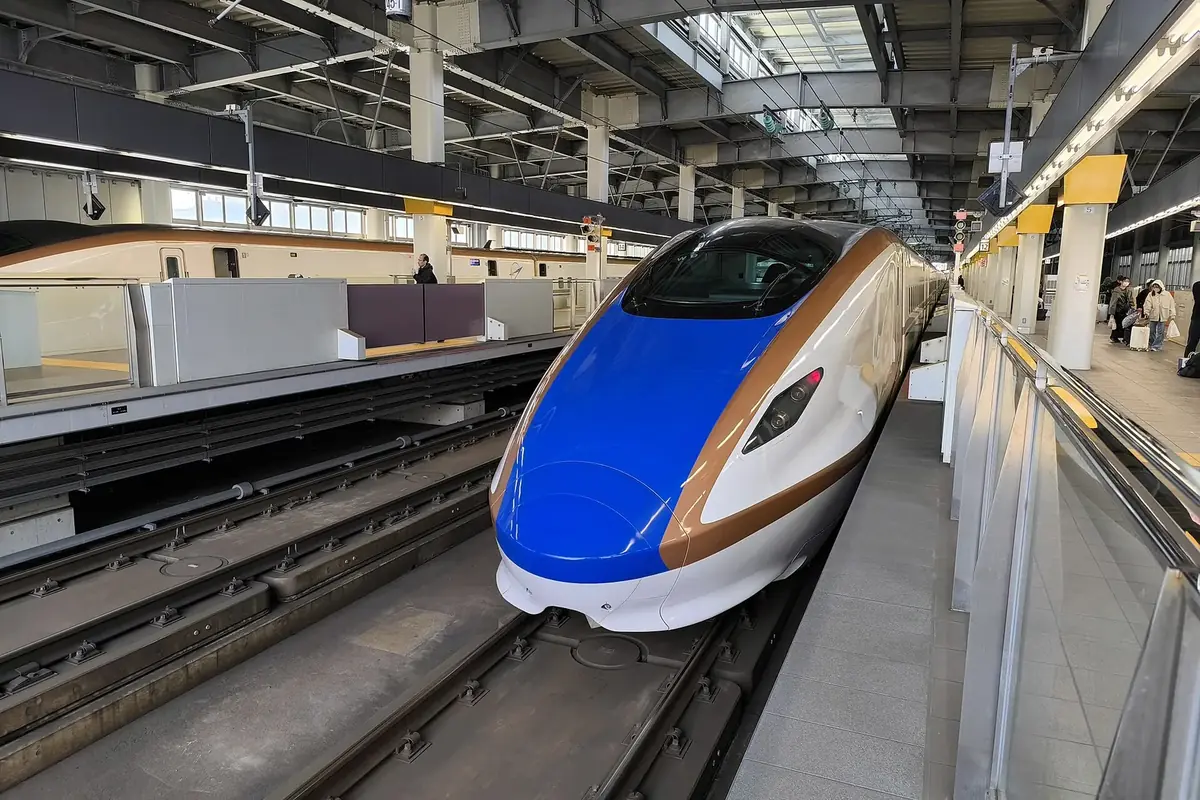
Two weeks buys what a ten-day trip has to leave out: a region off the usual Tokyo–Kyoto line, a day out of Tokyo and real time for Hiroshima and Miyajima. This route spends it on Kanazawa, which the Hokuriku shinkansen has tied to both ends of the trip since the line reached Tsuruga in March 2024. JR West gives 2 hours 28 minutes from Tokyo, and Kanazawa's tourism board about 2 hours 10 minutes on to Kyoto, changing at Tsuruga to the Thunderbird. From Kyoto the shinkansen continues west to Hiroshima, and Kansai Airport lies on the way back. Book an open-jaw flight, into Haneda and home from Kansai, and no day is spent riding back to Tokyo.
Hakone is the stop that needs thought. It lies south-west of Tokyo and Kanazawa north-west, and the Hokuriku shinkansen leaves from Tokyo Station, so some doubling back is unavoidable. The cheapest way to pay for it is to go to Hakone at the end of your Tokyo stay and carry on to Kanazawa from there: JNTO puts the shinkansen between Tokyo Station and Odawara, the gateway to Hakone, at 35 minutes, so the backtrack costs a short train ride rather than another hotel. Going to Hakone straight from Haneda would put the ryokan night, the one you most want to enjoy, at the end of a long-haul flight.
Choose each base by the station you leave from next. In Tokyo, sleep near Tokyo Station or in Ginza, where the Hokuriku shinkansen, the shinkansen to Odawara and the direct trains to Kamakura all start. In Hakone, book a ryokan in Gora or Miyanoshita; in Kanazawa, stay in Korinbo or Katamachi, a walk from Kenroku-en and the oden bars; in Kyoto, Shijo-Karasuma, four minutes by subway from Kyoto Station; and in Hiroshima, Hatchobori, the downtown base our Hiroshima guide recommends for two nights.
Thirteen nights in five bases is full but not rushed: only Hakone gets a single night, and every other move leaves at least one whole day at the far end. For a slower trip, the first cuts change no hotel: drop the Kamakura and Nara days and spend them in Tokyo and Kyoto themselves. The next cut is Hakone: give its night to Tokyo and ride straight from Tokyo Station to Kanazawa.
Days 1–4: Tokyo and a day in Kamakura
Land at Haneda, which GO TOKYO, the city's official tourism site, calls by far the most convenient airport for Tokyo. For a hotel by Tokyo Station, take the Tokyo Monorail to Hamamatsucho (13 minutes) and the JR Yamanote Line on to Tokyo Station (7 minutes), or a limousine bus, about 55 minutes. Set up an IC card such as Welcome Suica for every local ride, and if you still have energy, see Shibuya Crossing or Shinjuku after dark.
Days 2 and 3 follow our Tokyo guide's plan by area. The old east is one day: Senso-ji when the Main Hall opens (06:30 from October to March, 06:00 otherwise), the Tokyo National Museum in Ueno at midday and Yanaka at dusk. The centre is the other: breakfast at the Tsukiji Outer Market from 09:00, the Imperial Palace East Gardens and an afternoon in Ginza. Fit them to the calendar: the East Gardens close on Mondays and Fridays, the museum on Mondays, and the outer market keeps the wholesale market's closing days, which our Tokyo guide lists. The west side, Meiji Jingu and Shibuya, fits the first evening and the morning of day 5.
Day 4 is the day trip, and our day-trips guide's advice for a single spare day is Kamakura. From Tokyo Station it is the simplest trip of all: the JR Yokosuka Line runs direct to Kita-Kamakura, about an hour according to the Kamakura City Tourist Association. Walk south through the Zen temples of Engaku-ji and Kencho-ji to Tsurugaoka Hachimangu, then ride the Enoden five minutes to Hase for the Great Buddha and Hase-dera. Finish any snacks before Kotoku-in, the Buddha's temple, which has banned eating and drinking in its grounds since December 2025. If you have not already done so, leave your suitcases with the hotel to be sent on to Kanazawa before you set out (see the luggage advice below).
Swap in Nikko if shrines matter more to you than temples by the sea. From a Tokyo Station base, the Tohoku shinkansen to Utsunomiya and the JR Nikko Line take around 1 hour 40 minutes in all, according to JNTO, and the World Heritage shrines fill a long day. Keep it to the shrines from mid-October to mid-November, when Visit Nikko warns that the road up to Lake Chuzenji can take more than four hours.
What to eat and where to look
Shirasu-don (Kamakura)
Whitebait, the young of Japanese anchovies and sardines caught in Sagami Bay, piled on rice. The Kamakura City Tourist Association names shirasu as a local speciality, eaten boiled and, on some days, raw.
- Where to look
- Restaurants around Komachi-dori and Kamakura Station, between Tsurugaoka Hachimangu and the Enoden.
- Fit it into your day
- Lunch on day 4, before the Enoden to Hase.
Fish. Raw shirasu depends on the day's catch, and Kotoku-in allows no food in its grounds, so eat before you go.
Kaisen-don (Kanazawa seafood bowl)
Raw seafood from the Sea of Japan laid over hot rice, which Kanazawa's tourism board calls one of the best ways to taste the local catch. Yellowtail and sweet shrimp are at their best in the cold months, and snow crab appears only in its short winter season.
- Where to look
- Restaurants in and around Omicho Market, which sells fresh seafood daily.
- Fit it into your day
- Lunch on day 7 between the museums and Higashi Chaya, or breakfast before the train on day 8.
Raw fish and shellfish; tell the restaurant about allergies before you order.
Obanzai (Kyoto home cooking)
Kyoto's everyday cooking rather than its banquet food: small plates built around seasonal vegetables and dashi, made so that little goes to waste. Kyoto's official guide lists it alongside kaiseki among the city's characteristic cuisines.
- Where to look
- Neighbourhood restaurants in the downtown backstreets around Shijo-Karasuma that show obanzai on the menu.
- Fit it into your day
- An unhurried dinner near your hotel after the long Nara day.
Dashi is usually made with fish, so vegetable dishes are not automatically vegetarian; ask before you order.
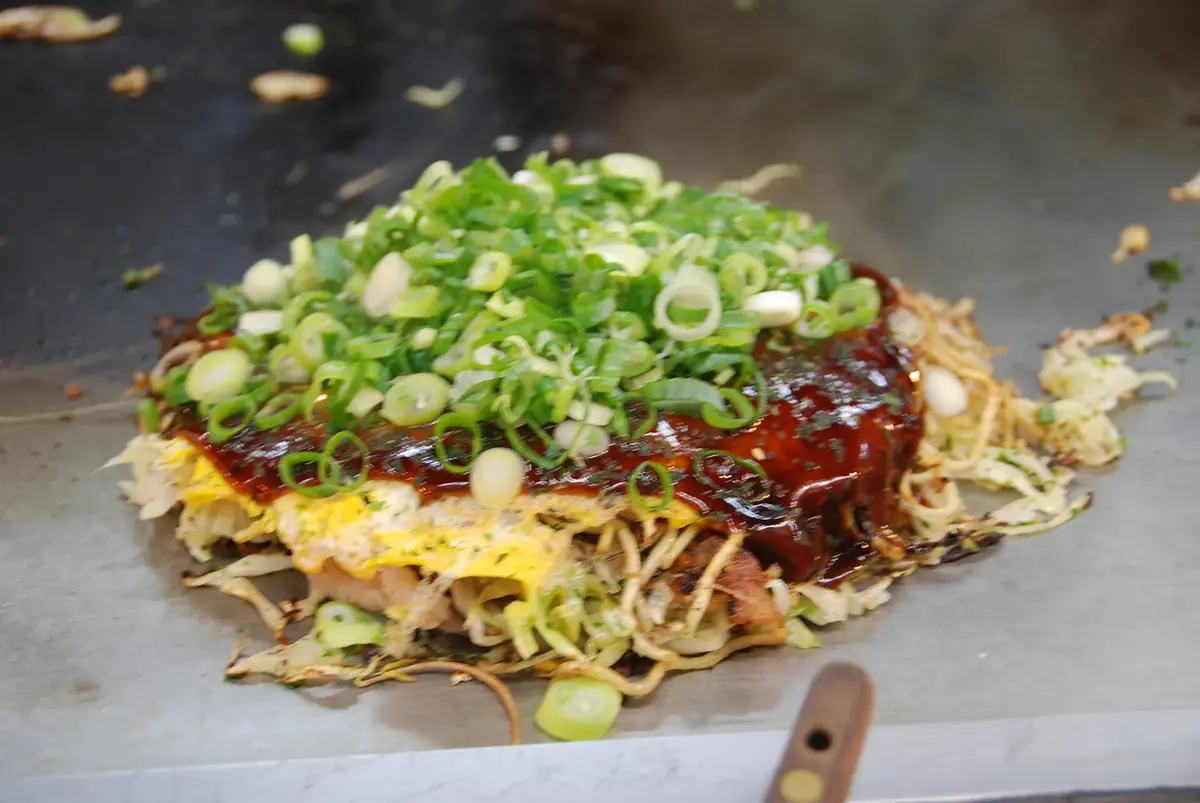
Hiroshima-style okonomiyaki
Built in layers on the griddle rather than mixed: a thin crepe-like batter, a heap of cabbage, pork and other fillings, and a bed of fried noodles. JNTO and the prefecture's tourism site both treat it as the city's signature dish.
- Where to look
- Okonomi-mura, 23 okonomiyaki restaurants over three floors of Shintenchi Plaza, three minutes' walk from Hatchobori tram stop.
- Fit it into your day
- Dinner on day 12 after the museum, sitting at the counter to watch it cooked.
Contains wheat, egg and usually pork; ask for a version without meat if you need one, and do not touch the hot griddle in front of you.
Anago-meshi (Miyajima conger eel rice)
Conger eel grilled until glossy and laid over rice seasoned with stock from the eel's bones or soaked in its sauce. The prefecture's tourism site says the dish began as a station lunchbox at the former Miyajima Station.
- Where to look
- Anagomeshi Ueno near Miyajimaguchi, which the prefecture's tourism site suggests before the ferry, and restaurants on the island.
- Fit it into your day
- Lunch on day 13, or a boxed version for the train back to Hiroshima.
Fish; the glaze is soy-based and usually contains wheat.
Days 5–7: a Hakone ryokan, then Kanazawa
On day 5, walk through Meiji Jingu, which opens at sunrise, then take the shinkansen from Tokyo Station to Odawara and the Hakone Tozan line up the valley. Buy the Hakone Freepass that starts at Odawara: when we checked on 10 October 2026, Odakyu listed it at ¥6,000 for two days, covering the mountain train, cable car, ropeway, lake boats and the listed buses; the ¥7,100 version adds an Odakyu return from Shinjuku that this route does not use. See the Open-Air Museum on the way up and check in at Gora or Miyanoshita in time to bathe before dinner.
Day 6 starts early on the cable car and the ropeway over the steaming valley of Owakudani, then the boat across Lake Ashi to Moto-Hakone for Hakone Shrine and, on a clear morning, Mount Fuji. Hakone Tozan buses run from Moto-Hakone back down through Hakone-Yumoto to Odawara Station, where you rejoin the shinkansen to Tokyo Station and change to the Hokuriku shinkansen, 2 hours 28 minutes to Kanazawa. Eat in Katamachi, which Kanazawa's tourism board describes as lively at night, with many restaurants open late.
Give day 7 entirely to Kanazawa, in the order our Kanazawa guide suggests. Kenroku-en is free in the early morning through the Renchi-mon and Zuishinzaka gates; paid hours run from 07:00 until 15 October and from 08:00 after that, and adult admission was ¥320 when we checked on 10 October 2026. Cross to the castle park, then the 21st Century Museum of Contemporary Art (exhibitions closed on Mondays; the whole museum closes for renovation from 6 May 2027 to March 2028). Have a seafood bowl at Omicho Market for lunch, spend the late afternoon in Higashi Chaya and walk along the Asano River to Kazue-machi.
On day 8, walk the samurai lanes of Nagamachi first thing, then take the Tsurugi shinkansen to Tsuruga and the Thunderbird on to Kyoto. JR West times the two to connect, but it is still a change of trains with your bags.
The main alternative swaps Kanazawa's second night for Takayama and Shirakawa-go, and drops the Hakone backtrack too. From Odawara, ride the shinkansen west to Nagoya instead of back to Tokyo and change to the Limited Express Hida, about 2 hours 20 minutes to Takayama according to JR Central. Next morning, see the Miyagawa market, then take the Nohi Bus to Shirakawa-go for a few hours and a reserved bus on to Kanazawa; our Japanese Alps itinerary gives the times. JR Central's Takayama-Hokuriku Area Tourist Pass, ¥19,800 for five days, covers the Hida, those buses, the shinkansen to Tsuruga and the Thunderbird to Kyoto. One night each gives Takayama and Kanazawa only an evening and a morning; our six-day Japanese Alps itinerary gives them their due.
Days 8–11: Kyoto, with a day in Nara
Reach Kyoto Station before 14:00 and Hands Free Kyoto, the city's luggage service, will deliver your bags to the hotel the same day. Spend the afternoon at Nishiki Market, about five minutes' walk from Shijo-Karasuma, and walk through Gion at dusk. It is a neighbourhood where people live and work: Kyoto's official guide says photography is prohibited in many parts of it, and residents ask visitors never to stop, touch, follow or photograph geiko and maiko.
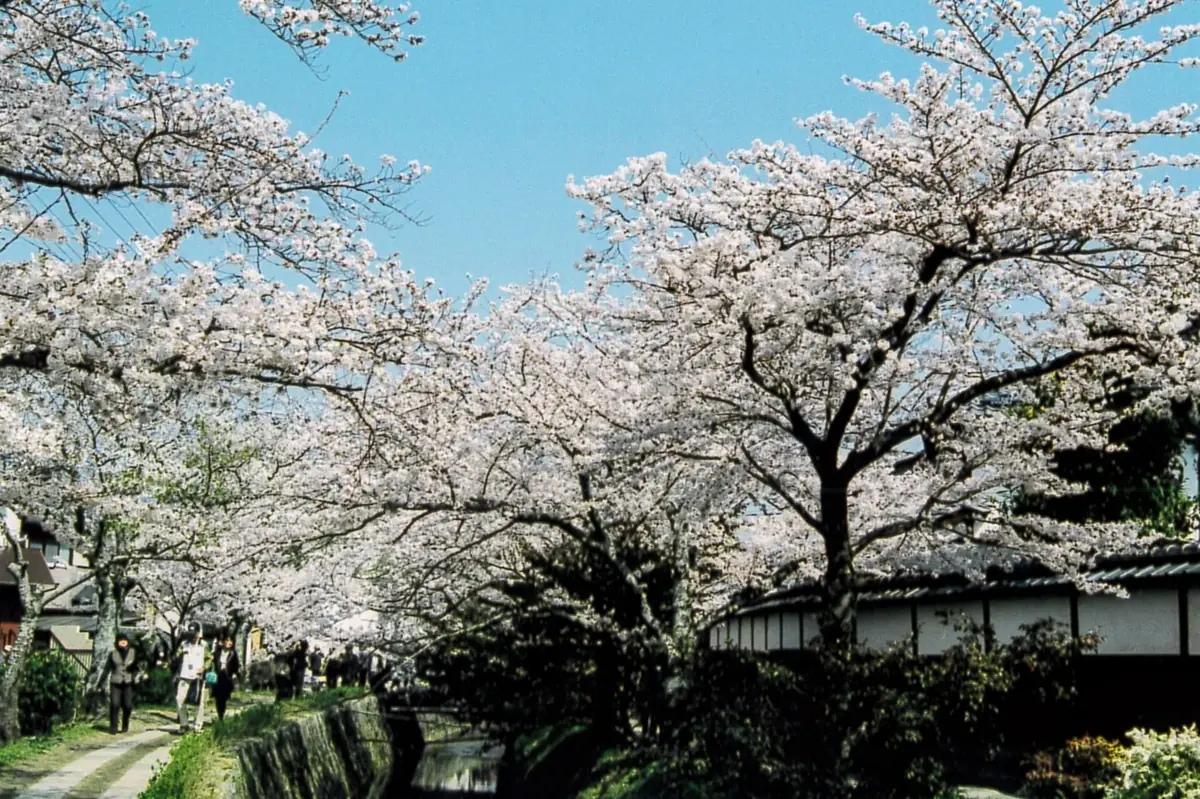
Day 9 is the east side. Be at Kiyomizu-dera for its 06:00 opening, walk down Sannenzaka and Ninenzaka to Yasaka Shrine, and take the Tozai subway from Higashiyama to Keage for the Philosopher's Path, the canal-side walk to Ginkaku-ji.
Day 10 puts Fushimi Inari and Nara on one railway. Fushimi Inari Taisha's paths are open around the clock, and Inari Station on the JR Nara Line is right beside the shrine, so go at first light, before the crowds. Then carry on along the line to Nara: Nara's tourism association gives about 45 minutes from Kyoto Station on the JR Miyakoji Rapid, or about 35 minutes by Kintetsu limited express from Kintetsu Kyoto Station, whose Nara terminus is eight minutes' walk from Nara Park against 20 from JR Nara Station. Walk the loop from Kofuku-ji to Todai-ji's Great Buddha Hall, Nigatsu-do and Kasuga Taisha, and feed the deer only the shika-senbei crackers sold in the park.
Day 11 is the west. Reach Arashiyama before 09:00, by Hankyu from Karasuma with a change at Katsura or by the JR Sagano Line from Kyoto Station, then see Tenryu-ji's garden when it opens at 08:30 and leave Ryoan-ji and Kinkaku-ji for the quieter afternoon. Use trains and the subway rather than city buses wherever you can: Kyoto's official guide warns that traffic can make bus journeys take more than twice as long as route planners suggest.
Days 12–14: Hiroshima, Miyajima and home from Kansai
On day 12, take the shinkansen west. A Nozomi takes about 1 hour 40 minutes from Kyoto to Hiroshima on JR West's timetable; with the Kansai-Hiroshima Area Pass, ride JR's conventional line to Shin-Osaka first, as the pass does not cover the Tokaido shinkansen, and JNTO gives about 1 hour 25 minutes from there. Leave your bags in Hatchobori and walk the Peace Memorial Park in the afternoon, past the Atomic Bomb Dome, the Children's Peace Monument and the Cenotaph. See the Peace Memorial Museum in the evening on a timed web ticket from 17:30 (16:30 in winter), the quiet slot the museum recommends, then eat okonomiyaki in Hatchobori.
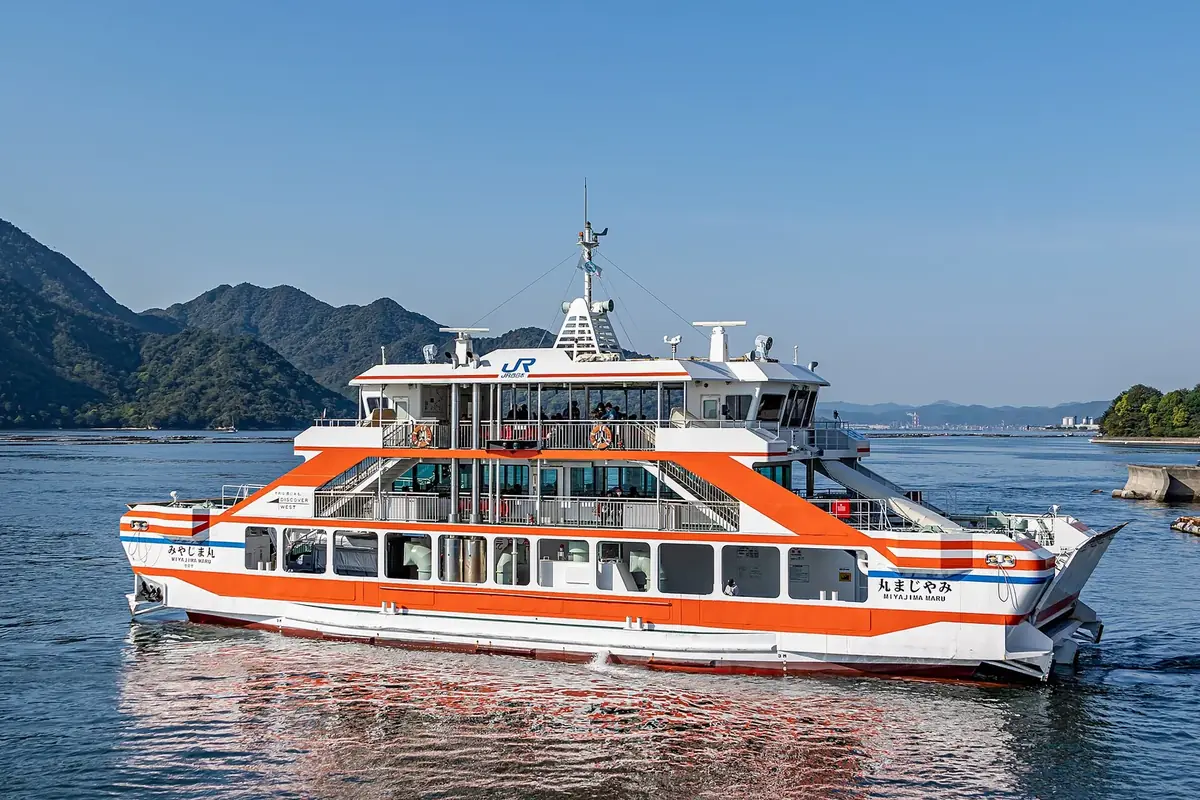
Day 13 is Miyajima. JNTO puts the JR Sanyo Line from Hiroshima Station to Miyajimaguchi at about 29 minutes, and the JR ferry crosses in about 10; JR's rail passes cover both. Miyajima charges a ¥100 visitor tax, with exemptions for preschool children and, if a tax exemption certificate is submitted, visitors from schools stipulated in Article 1 of the School Education Act. Look up the tourist association's tide table before you fix the day: you can walk out to the Great Torii when the level is below 100 cm, and the shrine appears to float above 250 cm. Ride the ropeway up Mount Misen and come back to Hiroshima for dinner, or move your second night to an inn on the island, as our Miyajima guide suggests, for both tides and the illuminations that run until 23:00.
On day 14, walk Shukkeien when it opens at 09:00, then take the shinkansen to Shin-Osaka and JR's Haruka to Kansai Airport, which suits an afternoon or evening flight. For a morning flight, or an evening in Osaka's food streets, move one Kyoto night to the end: leave Kyoto a day early, keep both Hiroshima nights and sleep the last in Namba, where Nankai's rapi:t reaches the airport in as little as 34 minutes. What you give up is Kyoto's west side.
Rail tickets and luggage: why the 7-day pass loses here
Do not buy the nationwide Japan Rail Pass for this route. Our Japan Rail Pass guide's worked example, Tokyo, Kanazawa, Kyoto, Hiroshima and back to Tokyo, does pay for a 7-day pass, but only because of its last leg, Hiroshima to Tokyo. This route flies home from Kansai, and its long legs cost less than the pass at the same official fares: ¥14,400 for Tokyo to Kanazawa on JR West's online e-ticket, ¥6,500 for Kanazawa to Kyoto on JR West's discounted HOKURIKU One-way Ticket, ¥11,740 for Kyoto to Hiroshima and ¥10,750 for Hiroshima to Shin-Osaka on smartEX's Nozomi fares, and ¥1,900 for the discounted Haruka ticket. That is ¥45,290 against ¥50,000 for the 7-day pass when we checked on 10 October 2026, and the legs are spread over nine days anyway.
The pass that does pay is JR West's Kansai-Hiroshima Area Pass, ¥17,000 for five consecutive days. Start it on day 10: it covers the JR lines to Fushimi Inari, Nara and Arashiyama, reserved seats on the Sanyo shinkansen between Shin-Osaka and Hiroshima, the JR line and ferry to Miyajima and the Haruka, though not the Tokaido shinkansen between Kyoto and Shin-Osaka. The smartEX fares from Kyoto to Hiroshima and back to Shin-Osaka alone come to ¥22,490. JR West's Hokuriku Arch Pass (¥35,000) does not reach Hiroshima, so it does not suit this route.
So buy three things: the Tokyo–Kanazawa e-ticket, which JR West sells from 10:00 Japan time one month before travel; the HOKURIKU One-way Ticket, sold only through travel agencies outside Japan, so before you fly; and the Kansai-Hiroshima Area Pass, also sold by JR-WEST ONLINE TRAIN RESERVATION from one month ahead. Together they cost ¥37,900. Buy the short shinkansen hop from Odawara to Tokyo separately, at a ticket machine at Odawara Station or on smartEX, which charges the fare to the credit card you registered; you then board with its QR code, or with an IC card only if you have linked it to your smartEX account beforehand. Keep the IC card's stored value for city trains, subways and buses.
Luggage decides how easy the two awkward moves are. Yamato Transport, whose TA-Q-BIN service hotels use, asks for bags to be sent at least two days before check-in, three for longer distances, and only to accommodation that accepts them. So ask your Tokyo hotel to send your cases to your Kanazawa hotel on day 3 or 4 and go to Hakone with an overnight bag; our Hakone guide covers the station's baggage counter if you bring them. From Kanazawa, carry your bags as far as Kyoto Station and hand them to Hands Free Kyoto. On the Tokaido and Sanyo shinkansen, a case measuring 161–250 cm in total needs a reserved seat with an oversized-baggage area.
When to go, and what to book ahead
Late March to April and October to November suit this route best. On the Japan Meteorological Agency's 1991–2020 normals, cherry trees reach full bloom on 31 March in Tokyo, 3 April in Hiroshima, 4 April in Kyoto and 8 April in Kanazawa, a week or so behind Tokyo. In autumn, Kenroku-en's colour runs from early to late November, as its snow ropes go up, and Miyajima's leaves peak around 20 November. GO TOKYO puts the humid rainy season from June to mid-July, with summer heat that can pass 35°C. In winter 2026–27, Odakyu Hakone replaces sections of the Hakone Ropeway with buses from 7 to 24 December 2026 and from 12 January to 26 February 2027.
Book these in roughly this order:
- First: the Hakone ryokan, the one-night stay that fixes the dates around it; check whether dinner and breakfast are included.
- Before you fly: the HOKURIKU One-way Ticket from a travel agency outside Japan, as it is not sold in Japan.
- One month ahead, from 10:00 Japan time: the Tokyo–Kanazawa e-ticket and the Kansai-Hiroshima Area Pass from JR West, with a seat in an oversized-baggage area on the Sanyo shinkansen if your case needs one.
- For your dates: a timed web ticket for the Peace Memorial Museum's early or evening slot, and a Swimming Pool reservation at the 21st Century Museum.
- For the Takayama alternative: the reserved bus from Shirakawa-go to Kanazawa.
Practical questions
Is two weeks enough for Japan?
It is enough for one unhurried line from Tokyo to Hiroshima with a less obvious region added. This route covers Tokyo, Kamakura, Hakone, Kanazawa, Kyoto, Nara, Hiroshima and Miyajima from five hotels, with only four changes of hotel.
Is the Japan Rail Pass worth it for two weeks?
Not on this route. Its long legs cost ¥45,290 on official fares, less than the ¥50,000 7-day pass, and they fall across nine days; the Tokyo–Kanazawa e-ticket, JR West's HOKURIKU One-way Ticket and a five-day Kansai-Hiroshima Area Pass cost ¥37,900 in all. The nationwide pass pays when the trip ends back in Tokyo, as our Japan Rail Pass guide shows.
Should I visit Kanazawa or Takayama?
Kanazawa, on a first trip: it sits on the shinkansen between Tokyo and Kyoto, 2 hours 28 minutes from Tokyo and about 2 hours 10 minutes from Kyoto, with Kenroku-en, samurai and geisha districts and Omicho Market. Choose Takayama and Shirakawa-go for mountain villages, either in place of Kanazawa's second night or on our six-day Alps route.
How many nights should I spend in Kyoto on a two-week trip?
Four, as on this route: an arrival afternoon and three full days, one of them for Fushimi Inari and Nara. With three nights, drop the west side (Arashiyama and Kinkaku-ji) or the Nara day.
Should I fly into Tokyo and out of Osaka?
Yes, if you can. An open-jaw ticket into Haneda and home from Kansai International saves the day you would spend riding back to Tokyo, and it is why separate tickets beat the 7-day pass here; on the last day, the shinkansen and the Haruka take you from Hiroshima to the airport.
Should I go to Hakone before or after Kanazawa?
Before, at the end of your Tokyo stay. The shinkansen from Odawara reaches Tokyo Station in 35 minutes, where the Hokuriku shinkansen leaves for Kanazawa, so you travel on in one afternoon without checking back into a Tokyo hotel.
Keep planning your trip
Japan in 10 days
A first 10-day Japan route: Tokyo, a Hakone ryokan, Kyoto and Nara, Hiroshima and Miyajima, and Osaka: where to sleep each night and which rail tickets pay.
Read the guide
Japan in 3 weeks
A 21-day Japan itinerary in 20 nights: Tokyo, a Hakone ryokan, the Kiso walk, Takayama, a Shirakawa-go farmhouse, Kyoto, a Koyasan temple and Naoshima.
Read the guide
Kanazawa
Whether Kanazawa is worth the detour between Tokyo and Kyoto, how many nights to give it, where to sleep, and how to fit the garden, museums and Shirakawa-go.
Read the guide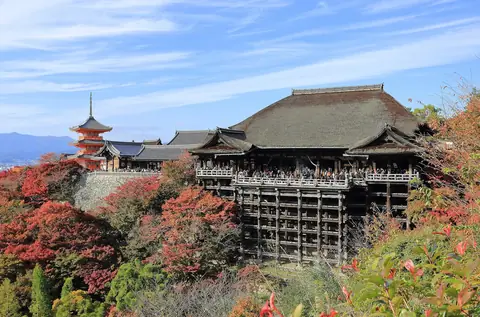
Kyoto
How many nights Kyoto needs, where to base yourself, how to group the sights into east, west and south days, and how to beat the crowds and the buses.
Read the guide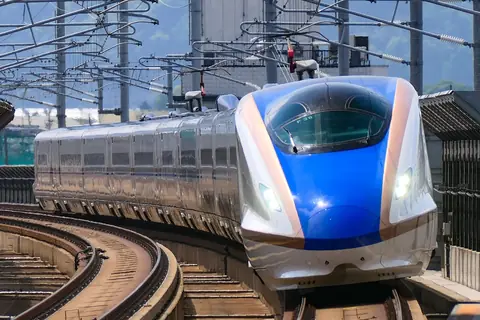
Japan Rail Pass
Whether the 7-day Japan Rail Pass pays for your route, worked out with official fares, plus Nozomi rules, regional JR passes, smartEX and how to use the pass.
Read the guide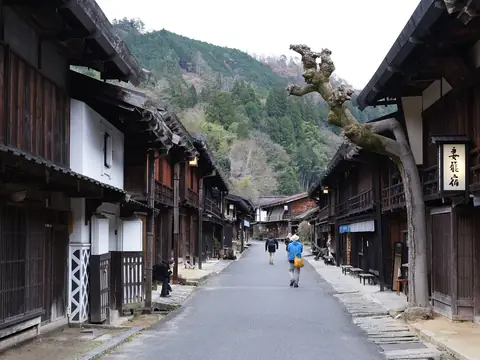
Japanese Alps in 6 days
A six-day loop from Nagoya: the Magome–Tsumago walk, two nights in Takayama, a Shirakawa-go farmhouse night and Kanazawa, plus the buses, pass and bookings.
Read the guideSources and checks before you travel
(42)
- JR West: Hokuriku shinkansen ↗ — opens in a new tab
- JR West (JR Odekake Net): Hokuriku shinkansen e-ticket prices (Japanese) ↗ — opens in a new tab
- JR West: HOKURIKU One-way Ticket ↗ — opens in a new tab
- JR West: Hokuriku Arch Pass ↗ — opens in a new tab
- JR West: Kansai-Hiroshima Area Pass ↗ — opens in a new tab
- JAPAN RAIL PASS (official site): types and prices ↗ — opens in a new tab
- smartEX: reserved-seat prices (PDF, table dated 1 April 2025) ↗ — opens in a new tab
- JR West: HARUKA one-way ticket ↗ — opens in a new tab
- JR Central: Takayama-Hokuriku Area Tourist Pass and Hida Takayama ↗ — opens in a new tab
- Nohi Bus: Takayama–Shirakawa-go–Kanazawa line ↗ — opens in a new tab
- Visit Kanazawa (Kanazawa City Tourism Association): getting to Kanazawa, cuisine and areas ↗ — opens in a new tab
- Ishikawa Prefecture: Kenroku-en visitor guide and the 21st Century Museum ↗ — opens in a new tab
- JNTO: Hakone itinerary and Hiroshima Peace Memorial Park ↗ — opens in a new tab
- Odakyu: Hakone Freepass and Hakone baggage service ↗ — opens in a new tab
- Odakyu Hakone: Hakone Ropeway replacement buses (PDF) ↗ — opens in a new tab
- Yamato Transport: TA-Q-BIN FAQ for travellers ↗ — opens in a new tab
- Kyoto City: Hands Free Kyoto and kyoto.travel guides ↗ — opens in a new tab
- Kamakura City Tourist Association (Visit Kamakura): access and local food ↗ — opens in a new tab
- GO TOKYO (Tokyo Convention & Visitors Bureau): Haneda Airport access and weather ↗ — opens in a new tab
- Tokyo sights: Senso-ji, the Imperial Palace East Gardens, the Tokyo National Museum, Tsukiji Outer Market and Meiji Jingu ↗ — opens in a new tab
- Nara City Tourism Association: access and Nara Park ↗ — opens in a new tab
- Hiroshima Peace Memorial Museum: hours and online reservations ↗ — opens in a new tab
- Miyajima Tourist Association and JR West Miyajima Ferry ↗ — opens in a new tab
- Japan Meteorological Agency: cherry blossom full-bloom dates (Japanese) ↗ — opens in a new tab
- JR Central: oversized baggage on the shinkansen ↗ — opens in a new tab
- Dive! Hiroshima (official prefectural tourism site): okonomiyaki and anago-meshi ↗ — opens in a new tab
- smartEX (JR Central): guide for first-time users ↗ — opens in a new tab
- JR West Miyajima Ferry: fares and visitor-tax exemptions ↗ — opens in a new tab
- JR East: Tokyo Station railway lines ↗ — opens in a new tab
- Kamakura City Tourist Association: rail access ↗ — opens in a new tab
- Mitsui Garden Hotel Ginza Premier (official site) ↗ — opens in a new tab
- Rakuten Travel: Mitsui Garden Hotel Ginza Premier plan list ↗ — opens in a new tab
- Jalan: Onsen Hotel Gorakan (property page) ↗ — opens in a new tab
- Jalan: Onsen Hotel Gorakan rates and plans ↗ — opens in a new tab
- Rakuten Travel: Kanazawa Tokyu Hotel plan list ↗ — opens in a new tab
- Rakuten Travel: Kanazawa Tokyu Hotel facilities and access ↗ — opens in a new tab
- Daiwa Roynet Hotel Kyoto Shijo-Karasuma (official site) ↗ — opens in a new tab
- Rakuten Travel: Daiwa Roynet Hotel Kyoto Shijo-Karasuma plan list ↗ — opens in a new tab
- Rakuten Travel: Hiroshima Washington Hotel plan list ↗ — opens in a new tab
- Rakuten Travel: Hiroshima Washington Hotel facilities and access ↗ — opens in a new tab
- Cross Hotel Osaka (official site) ↗ — opens in a new tab
- Rakuten Travel: Cross Hotel Osaka plan list ↗ — opens in a new tab
Reference sources for the version dated 2 November 2026. Confirm opening times, access, transport and conditions for your travel dates.
Photo credits
(5)
Kanazawa's Tsuzumi-mon gate, the first sight off the Hokuriku shinkansen
Photograph: MaedaAkihiko — opens in a new tab · CC BY-SA 4.0 — opens in a new tab
Changes: Resized and converted to WebP; displayed with responsive crops. · Original photograph and licence details ↗ — opens in a new tab
The Hokuriku shinkansen at Kanazawa, 2 hours 28 minutes from Tokyo
Photograph: airlines470 — opens in a new tab · CC BY-SA 2.0 — opens in a new tab
Changes: Resized and converted to WebP; displayed with responsive crops. · Original photograph and licence details ↗ — opens in a new tab
The Philosopher's Path in cherry-blossom season, on the walk to Ginkaku-ji
Photograph: Kirin7739 — opens in a new tab · CC BY-SA 4.0 — opens in a new tab
Changes: Resized and converted to WebP; displayed with responsive crops. · Original photograph and licence details ↗ — opens in a new tab
The JR ferry to Miyajima, covered by JR rail passes
Photograph: Naokijp — opens in a new tab · CC BY-SA 4.0 — opens in a new tab
Changes: Resized and converted to WebP; displayed with responsive crops. · Original photograph and licence details ↗ — opens in a new tab
Hiroshima okonomiyaki, built in layers with noodles rather than mixed
Photograph: Maarten Heerlien from Voorschoten, The Netherlands — opens in a new tab · CC BY 2.0 — opens in a new tab
Changes: Resized and converted to WebP; displayed with responsive crops. · Original photograph and licence details ↗ — opens in a new tab