Plan your trip
Is Japan safe? Earthquakes, heat, nightlife, medicines, insurance
Japan's crime rate is low, and most trips that go wrong there do so through nature or a bill: an earthquake felt in a Tokyo hotel room, a July afternoon above 35 degrees, a bear on a forest trail, a cold remedy that Japan bans, a bar tab run up after a spiked drink. This guide covers the governments' advice and the one zone it singles out, earthquakes, tsunamis and volcanoes, heat and storms, the mountains, the numbers to save, hospitals and insurance, vaccines, water and medicines, and the laws that catch visitors out.
In this guide
Find the location ↗ — opens in a new tabThe short answer
Buy travel insurance before you fly: treatment in Japan is of a high quality but expensive, clinics generally take cash only, and the Japan Tourism Agency's examples include a bill of 7.5 million yen after a collision with a bicycle. Save 110 for the police, 119 for an ambulance or fire and the Japan Visitor Hotline, 050-3816-2787 (+81-50-3816-2787 from abroad), which answers in English 24 hours a day. Check your medicines before you pack: the UK says cold and flu remedies with pseudoephedrine, Vicks inhalers and some over-the-counter codeine painkillers are illegal to carry, and narcotic medicines need a permit applied for at least 14 days ahead. The UK, German and French governments do not advise against travel to Japan as a whole; Germany warns against staying in the evacuated areas around the Fukushima Daiichi nuclear plant. Learn the earthquake drill, never follow a street tout into a bar, and in July and August plan around heat above 35 degrees.
- Key point
- Start at least 8 weeks before you fly: travel clinic, insurance and a check of your medicines
- Where it applies
- No base is needed; the advice applies wherever you stay, from Tokyo to Hokkaido and Kyushu
- Timing
- Heat Stroke Alerts run from the fourth Wednesday of April to the fourth Wednesday of October; the UK gives the typhoon season as June to December, peaking from July to September; snowstorms can hit western Honshu and Hokkaido from December to March
What the governments say, and the one zone they single out
When we checked on 8 November 2026, the UK, German and French governments did not advise against travel to Japan as a whole, and all three single out the same place: the zone around the Fukushima Daiichi nuclear plant in north-east Honshu. The strictest line is Germany's partial travel warning against staying in the evacuated areas that the Japanese government has designated there, which take in parts of Futaba, Iitate, Katsurao, Minamisoma, Namie, Okuma and Tomioka. The UK describes a restricted area that only authorised persons may enter, and says visitors may not stay overnight even in areas where evacuation orders are ready to be lifted; France describes a prohibited zone and restricted-access zones. Outside that zone, Germany calls travel unproblematic from a radiological point of view, and France sees nothing against travelling to Japan or around it. None of AsiaVela's Japan guides goes into these areas. Other governments may draw a wider line, so read your own government's advice before you book.
Beyond that zone, Germany describes the situation in Japan as stable and calm, with demonstrations and violent clashes rare. The UK says that although Japan has no recent history of terrorism, attacks cannot be ruled out.
Earthquakes, tsunamis and volcanoes
Germany calls Japan the most earthquake-prone country in the world: about 1,500 are registered by seismographs in an average year, and several of them are felt in Tokyo. Earthquake-resistant construction is widespread and most buildings are fairly resistant to earthquakes, so if you are inside one when a quake strikes, do not go outside until it is safe. Prepare when you check in: look at your hotel's evacuation routes, ask whether it is a designated evacuation shelter (some hotels and Japanese inns are), and keep your phone charged.
The Japan Tourism Agency's Safety tips guidance sets out the drill by place. In your room, protect your head and shelter under a sturdy table; when the shaking stops, open the door, check the way out and follow the staff's instructions, since indoors may be safer than running outside. At a sight, museum or shop, protect your head in an open hall or next to a pillar, away from anything that can fall, and do not use a lift to get out until it has been confirmed safe; if you are in one, press every floor button and get out where it stops. In the street, cover your head with a bag, keep away from buildings and move to an open space once the shaking stops. On a train, hold the handrail and protect your head, be ready for an emergency stop and never climb down onto the tracks on your own. In a rental car, avoid braking sharply, pull over to the left and switch off the engine; if you leave it, leave the key in and the doors closed but unlocked. Put out any naked flame at once: JNTO calls fire the most dangerous secondary disaster. Expect aftershocks.
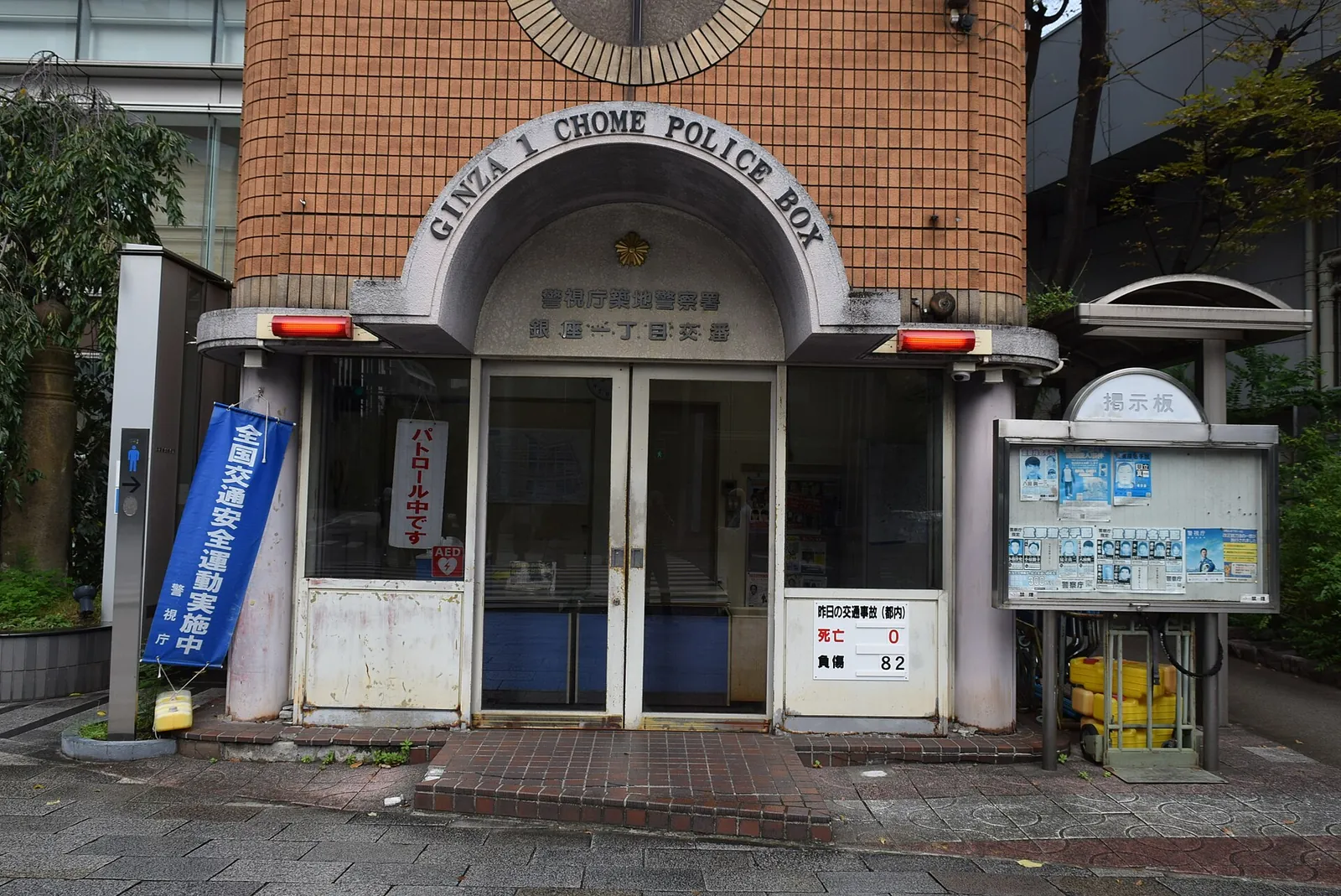
The Earthquake Early Warning sounds on television, on the radio and on mobile phones; when you hear it, stay calm and make yourself safe, even if you feel nothing yet. When it expects a damaging tsunami, the Japan Meteorological Agency issues a tsunami warning about three minutes after an earthquake, but by the coast or a river a strong shake, or a weak one that lasts a long time, is your signal: head for higher ground or a tsunami shelter at once, whether or not a warning has come, and stay away from the water until the warning is cancelled, because the waves come repeatedly. The agency's alerts rise from advisories to warnings and then to emergency warnings, which it issues when a devastating disaster of a kind seen once in several decades is strongly possible. Install the free Safety tips app, developed with the Japan Tourism Agency and recommended by Germany: it pushes earthquake early warnings, tsunami warnings and other weather warnings in English and 14 other languages.
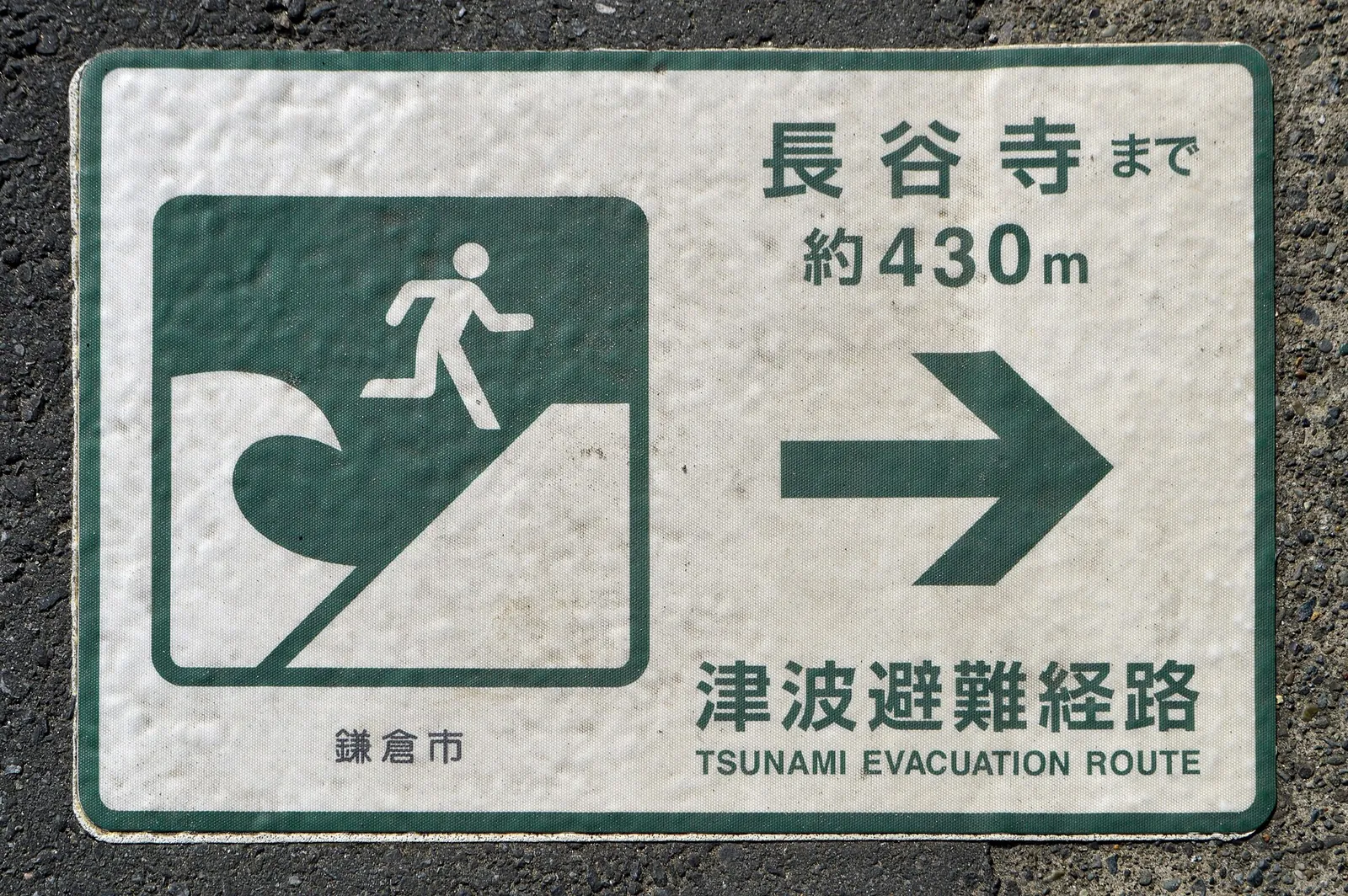
The agency issues volcanic warnings and forecasts for about 110 active volcanoes, and Germany says 47 of them are currently monitored permanently. The alert level decides how close you may go: level 2 means do not approach the crater, level 3 do not approach the volcano. Germany lists raised alert levels, with exclusion zones in places, at Sakurajima, Kuchinoerabu, Iojima, Aso and Suwanosejima in Kyushu and at Kusatsu-Shirane in Gunma. Sakurajima, in Kagoshima Prefecture, reached level 5 in July 2022 and, France notes, now stands at level 3.
After a disaster, follow JNTO's Japan Safe Travel page and NHK WORLD-JAPAN for current notices. On 8 November 2026 the page reported that, after the 2026 Kumamoto Earthquake, accommodation, sights and tourist facilities in Kyushu were generally operating as usual except in some areas of Kumamoto Prefecture, and that the same was true after the 2026 earthquakes off the Sanriku coast and in eastern Shimane.
Heat, typhoons, heavy rain and snow
Summers are extremely hot and humid, with temperatures often above 35 degrees in July and August, and the UK Foreign Office calls heatstroke a significant risk. From the fourth Wednesday of April to the fourth Wednesday of October, the Ministry of the Environment and the Japan Meteorological Agency issue a Heat Stroke Alert for any of Japan's 58 alert regions where the heat index, WBGT, is forecast to reach 33 or higher. The alert is announced at 17:00 the day before and again at 05:00 on the day. Check the day's alert and tomorrow's, with the WBGT forecast, on the ministry's English heat-illness site before you plan a walking day. On an alert day, avoid going out as much as you can, keep your room cool with the air conditioning and avoid exercise as a rule; if you must be outside, keep to the shade, wear a hat and take breaks. Drink water, with some salt, before you feel thirsty; the ministry gives 1.2 litres of water a day. Alerts stopped for 2026 on 21 October and resume on the fourth Wednesday of April 2027.
Typhoons and heavy rain are the summer and autumn risk. The UK puts the typhoon season at June to December, peaking from July to September, with the highest risk in the south. Heavy rain is common in the rainy season and the typhoon season and can bring floods, landslides and transport disruption; conditions can worsen rapidly, especially in low-lying, coastal and mountain areas. In those months keep a spare day around island crossings and mountain roads, and follow the Japan Meteorological Agency's advisories and warnings, which the Safety tips website lists in English as they are issued.
Winter brings its own hazards. Germany warns of snowstorms in western Honshu and Hokkaido from December to March, and of avalanches and landslides in the mountains. Our best-time guide sets out the seasons month by month.
Mount Fuji, bears, monkeys and the ski slopes
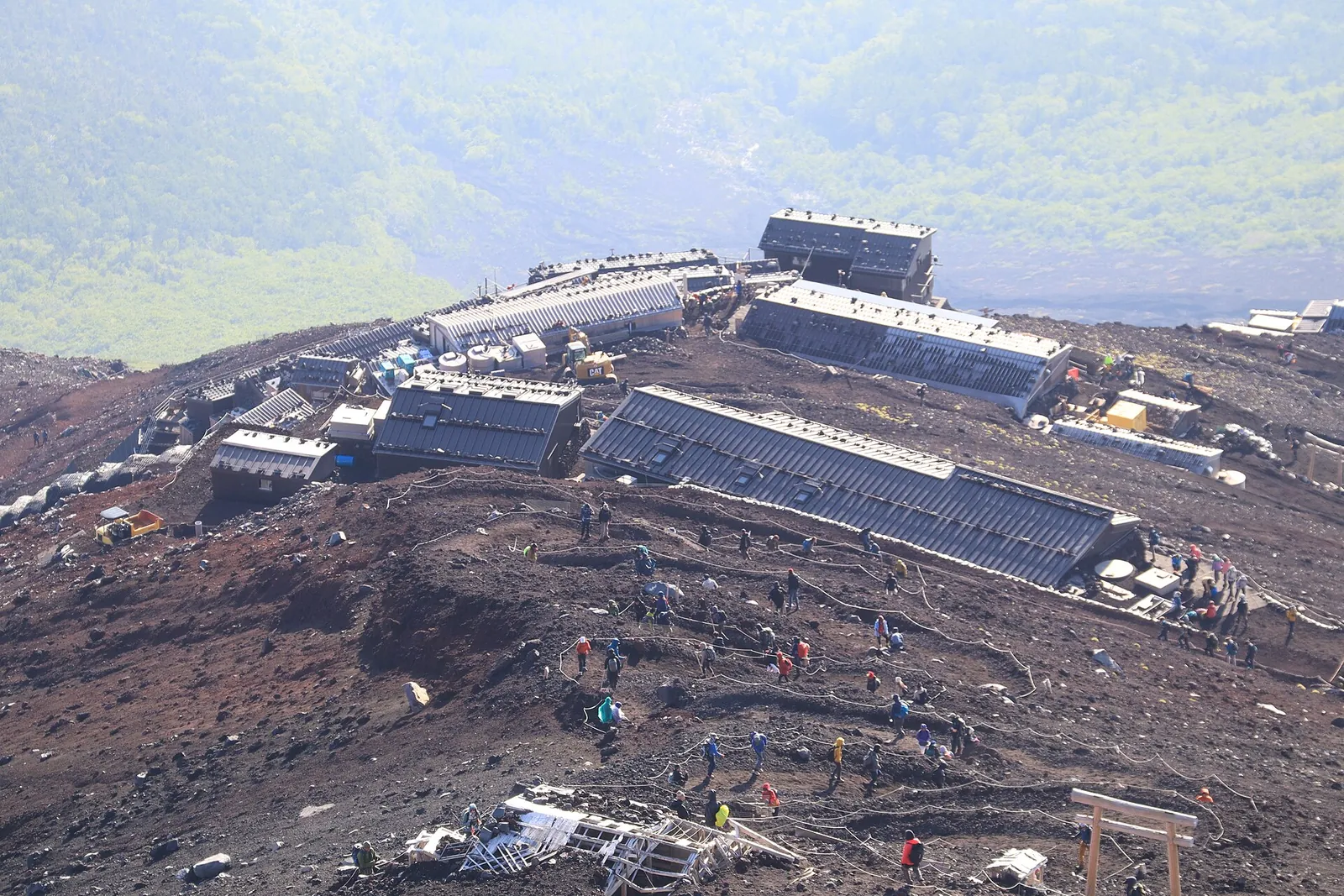
Mount Fuji, at 3,776 m, is the climb where altitude matters. TravelHealthPro, the UK's travel-health service, says altitude illness becomes a risk from 2,500 m and gives Fuji as its example; above 3,000 m it advises raising your sleeping height by no more than 500 m a day. Headache, fatigue, loss of appetite, nausea and disturbed sleep are signs of acute mountain sickness: stop climbing, and if they do not improve, go down. The climbing season runs until 10 September, and the 2026 season has ended. The official climbing site calls a climb outside the season extremely dangerous, because the first-aid centres and mountain huts are closed, phone signal is lost and the weather is severe. Our Mount Fuji guide covers the trails.
Bear sightings and attacks have increased in parts of Japan, the UK says, especially in mountainous and forested areas, including near populated places. France reports the rise in the north-west and in Hokkaido, mainly in rural and mountain areas, and cites the Ministry of the Environment's count of 216 attacks, 238 people injured and 13 deaths from 1 April 2025 to 31 March 2026. Attacks also happen in rural villages, and France asks for the greatest vigilance in rural and mountain areas, ski areas included.
On a hike, avoid walking alone where bears have been seen, take your rubbish with you and report any sighting. France adds the precautions Japanese walkers use: hang a bell on your clothes or pack, do not eat or show food near animals, and leave no scraps. Monkeys looking for food turn up in some towns as well as in the hills; keep away from groups of them. If you meet a bear, keep your distance, stay calm and do not run away, Germany advises.
On the ski slopes, France warns that off-piste skiing and snowboarding cause fatal accidents every year, through disorientation and avalanches, especially in Hokkaido, and that rescues are rarely carried out at night or in bad weather.
Emergency numbers and where to get help
Save these numbers before you land:
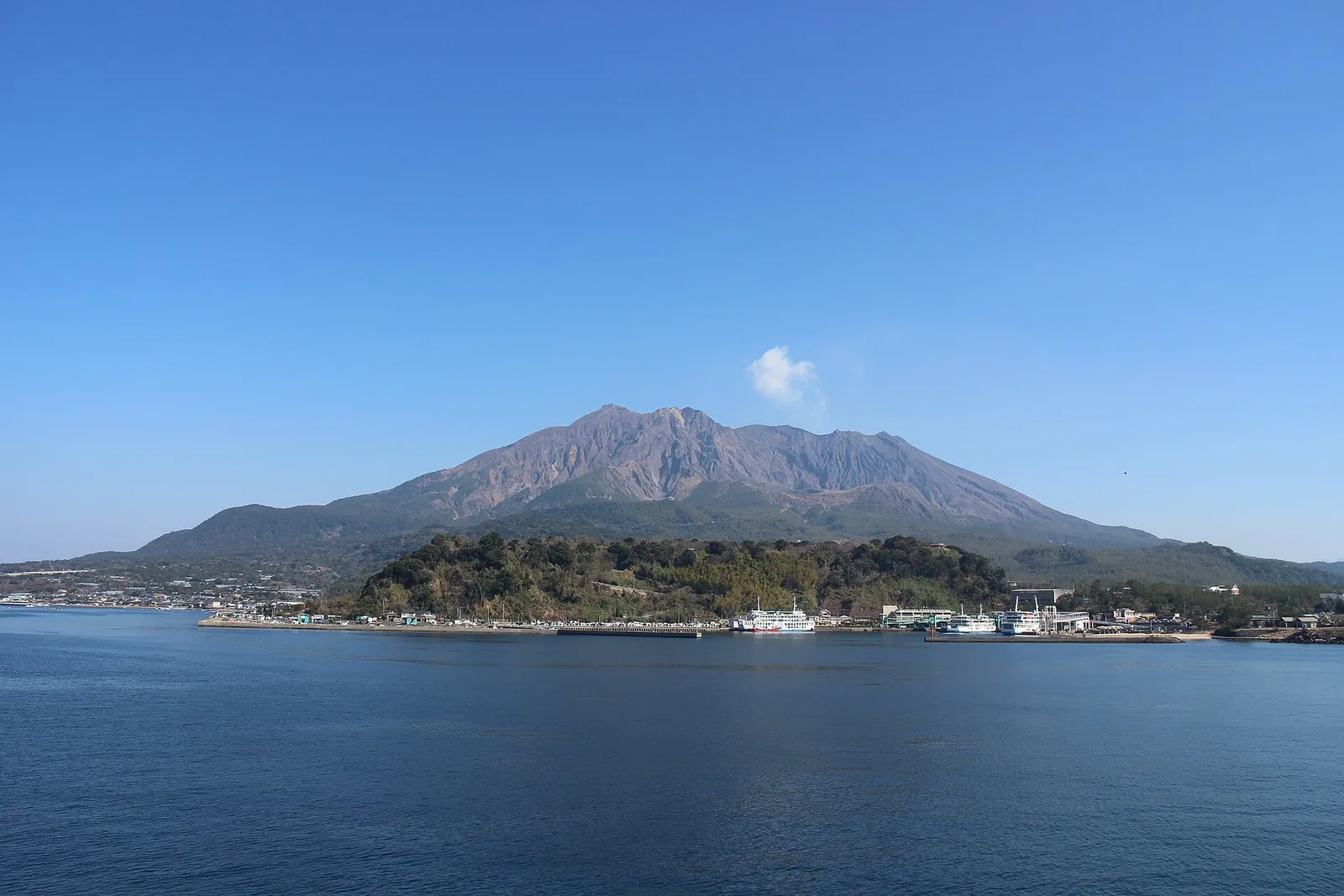
For petty crime and other smaller problems, head to a koban, one of the small police boxes found in every neighbourhood. If something is stolen, ask for a police report there: you need one to replace a passport or to claim on your insurance.
- 110: police, to report a crime or an accident.
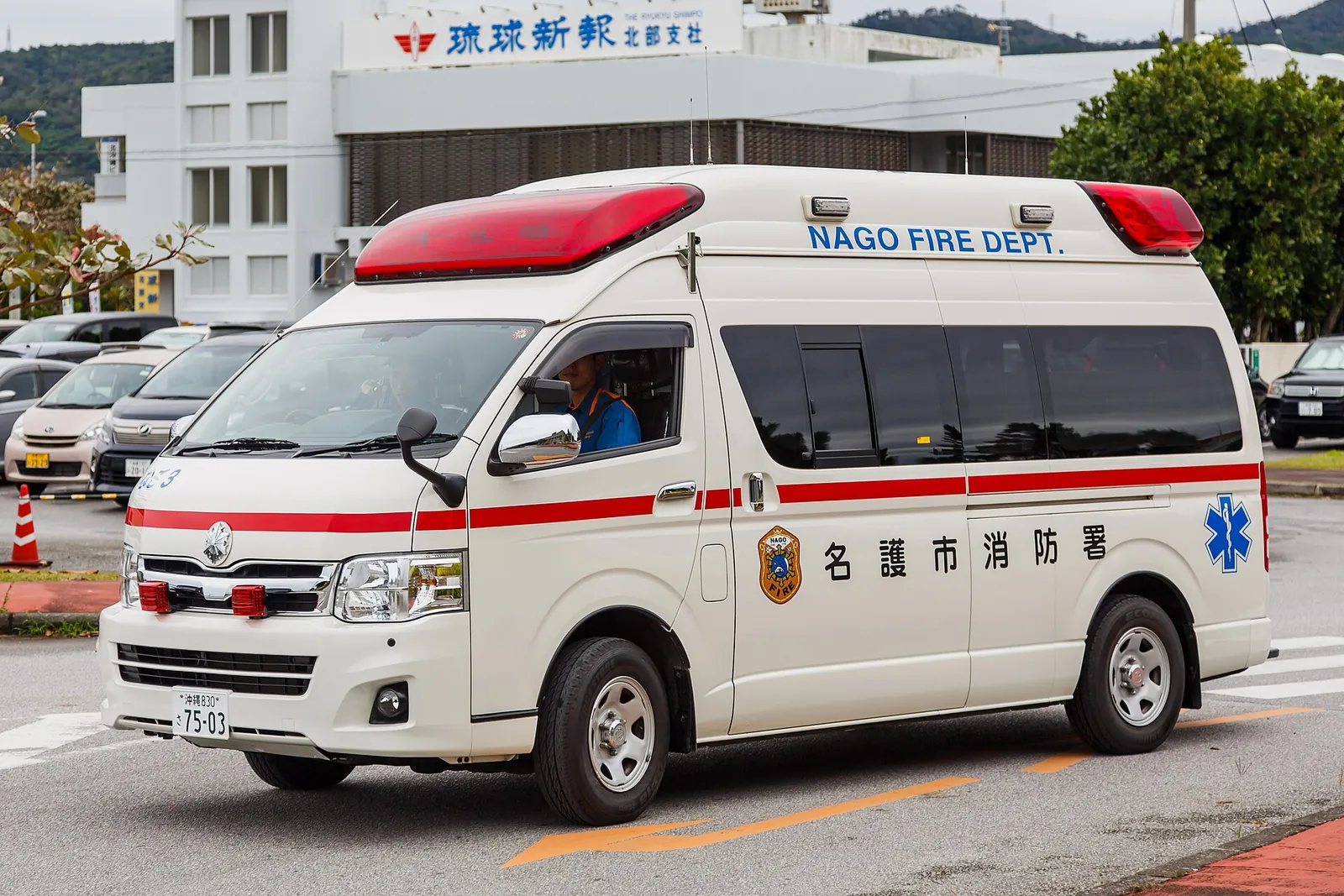
- 119: ambulance and fire. Ask for an ambulance; you cannot choose which hospital it takes you to. If you cannot explain, show a nearby person the phrase 救急車を呼んでください。 ("Please call an ambulance") from the Japan Tourism Agency's medical guide.
- 050-3816-2787 (+81-50-3816-2787 from abroad): the Japan Visitor Hotline, run by JNTO 24 hours a day, 365 days a year, in English, Chinese and Korean.
- 03-3501-0110: the Tokyo Metropolitan Police's English helpline, 24 hours a day, 365 days a year; in Tokyo, #9110 helps you find who to contact when it is not an emergency.
- 03-3503-8484: general information in English from the Japanese police, for questions that are not emergencies.
- #8891: the national number for sexual crime and sexual violence, which connects free of charge to the nearest one-stop support centre.
- 03-5774-0992: TELL, the Tokyo English Life Line, a mental-health line open 09:00–23:00 Monday to Thursday and 09:00–02:00 Friday to Sunday.
- #7119: an advice line staffed by doctors, nurses and paramedics, for when you are not sure whether you need an ambulance; it runs in 42 areas of Japan, and the official page, in Japanese, does not say whether it answers in English.
Hospitals, clinics, bills and insurance
Medical facilities in Japan are of a high quality, but treatment is expensive, and the UK says to expect to pay the whole cost; a hospital may check your insurance first, which can delay treatment, so contact your insurer quickly if you are referred to one. Germany calls care comparable with Europe's, but warns that, beyond the English- and German-speaking doctors in the big cities, talking to doctors can be very difficult and that many hospitals treat foreign patients only against payment in advance. Credit cards are accepted only at major hospitals, and clinics generally take cash only. Ask reception for a general estimate of the cost before treatment starts: no official source we read gives a typical price for a clinic or emergency visit.
The Japan Tourism Agency's medical guide lets you search for hospitals and clinics by area, language and department, including the base medical institutions that each prefecture has selected to treat foreign patients. Its pharmacy search lists over-the-counter medicines in English; some medicines cannot be bought when the pharmacist is not there.
Bills can run high. The guide gives two cases from Tokio Marine International Assistance: 7.5 million yen after a collision with a bicycle that caused a collapsed lung and broken ribs, covering surgery, 19 days in hospital, an attending physician and a business-class flight home to the US, and 10 million yen for a heart attack, covering surgery, 45 days in hospital, an attending physician and a business-class flight home to Singapore. Since 2021, foreigners who leave medical bills unpaid in Japan may be restricted or refused entry.
JNTO strongly recommends travel insurance for every visitor. Between them, the UK, German and French governments ask for a policy that covers your itinerary and planned activities, all medical costs including surgery and hospital stays, and medical repatriation. Choose one with a cashless service, since some clinics do not take cards. If you arrive without cover, you can still buy a policy after landing: the Japan Tourism Agency's medical guide describes cover for visitors already in Japan of up to 10 million yen, but gives no price. Travel insurance does not cover perinatal care, which can make it expensive.
Vaccines, mosquitoes, water and the medicines you bring
Japan requires no vaccination certificate under the International Health Regulations, and Germany lists no compulsory vaccinations for entry. See a travel clinic at least 8 weeks before the trip, as the UK advises. TravelHealthPro lists tetanus as the vaccine for most travellers, and Germany and the US CDC both stress measles: the CDC says all international travellers should be fully vaccinated with MMR, and TravelHealthPro reported 498 measles cases in Japan in 2026 as of 20 May. The CDC also suggests hepatitis A for most travellers and recommends hepatitis B for unvaccinated travellers younger than 60.
Other vaccines depend on the trip. TravelHealthPro lists dengue, hepatitis B, Japanese encephalitis, rabies and tick-borne encephalitis for some travellers, and says hepatitis B could be considered for all. Japanese encephalitis occurs across Japan except Hokkaido, where only animal cases are found, with a risk season from June to October, although cases may be reported outside those months; the vaccine is not routinely recommended for short trips to Tokyo or major cities, and trips of usually less than a month, especially to cities only, count as lower risk. Germany recommends it for long stays or special exposure in rural areas, and France judges the risk very low because of effective control measures. Tick-borne encephalitis is a risk in some areas, with cases in Hokkaido, Honshu and Kyushu; ticks are most active from early spring to late autumn.
There is a risk of dengue: the mosquitoes that spread it bite mainly in the daytime and are more common in towns and cities, so use repellent by day. The mosquitoes that carry Japanese encephalitis usually bite from dusk to dawn, mainly in rural areas. Rabies has not been reported in Japan, so most travellers are at low risk.
Tokyo's waterworks bureau supplies safe, good-tasting tap water. All convenience stores stock bottled water, most restaurants offer tap water at no extra charge if you ask the staff, and in summer it pays to drink often. The risk of schistosomiasis is very low, but TravelHealthPro still advises against wading, swimming or bathing in fresh water; adequately chlorinated pools and the sea carry no such risk.
Check every medicine before you pack. The UK says it is illegal to carry some common prescription and over-the-counter medicines under Japan's strictly enforced anti-stimulant law, including Vicks inhalers, medicines for allergies and sinus problems, cold and flu remedies containing pseudoephedrine and some over-the-counter painkillers containing codeine, and that foreign nationals have been detained and deported for these offences. Medicines containing narcotics such as codeine or oxycodone, or stimulant raw materials such as pseudoephedrine or lisdexamfetamine, need advance permission from the Narcotics Control Department: apply at least 14 days before you travel. Amphetamine, the active ingredient of Adderall, cannot be imported even for treatment, and France says importing methadone is strictly prohibited and it cannot be obtained in Japan. For ordinary medicines brought for your own personal use, up to one month's supply of a prescription drug and up to two months' supply of other non-prescription medicines (24 of each item for medicines for external use) need no Import Confirmation, an allowance that does not cover the controlled ingredients above; our entry guide gives the full rules.
Nightlife, scams, drugs and the laws that catch visitors out
Everyday crime is low. Germany describes the crime rate as low and violent assaults as rare, and France says assaults are infrequent, even against people who may be more vulnerable, and that you can get around at any hour. Pickpockets work in the larger cities and tourist spots, and thefts happen in tourist districts and crowded places such as stations.
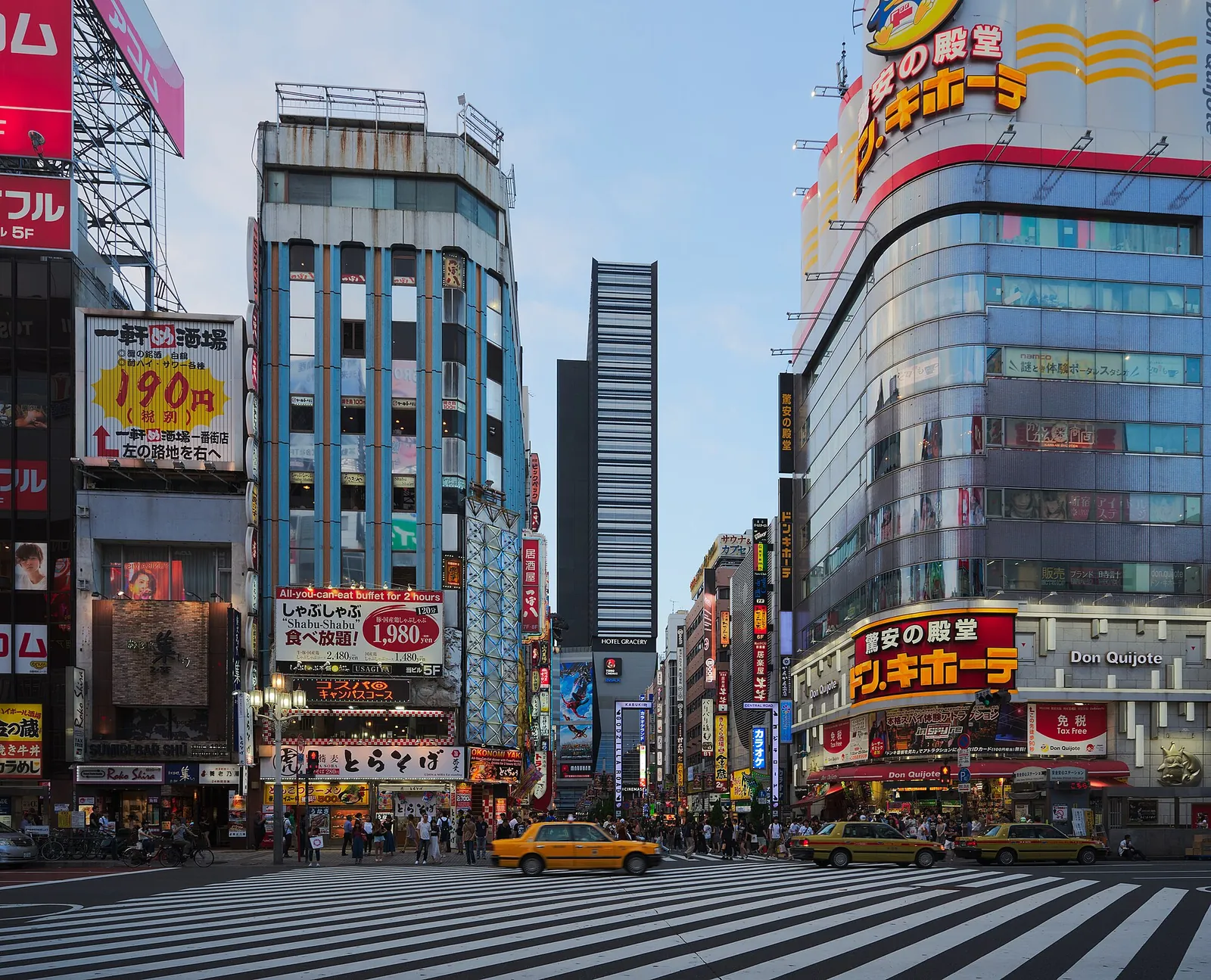
Nightlife is the exception. The UK says Tokyo's entertainment districts carry a higher risk of crime, particularly at night in and around clubs and bars, where foreigners have been targeted for extortion, robbery, assault and sexual assault. It names Kabukicho, Roppongi, Shibuya and Ikebukuro as the police's high-risk zones; most British victims report being targeted in Kabukicho, in Shinjuku, often after street touts (kyakuhiki) approached them in English. The UK reports a rise in drink spiking: victims wake with no memory and card bills that range from hundreds to tens of thousands of pounds, and the risk is higher in all nightlife districts across Japan. France warns that some bars, hostess clubs and touts in Tokyo's night districts may drug clients with GHB, then rob them or make them pay by card.
Do not accept drinks from strangers or leave yours unattended, and be careful with food, cigarettes or chewing gum that strangers offer, Germany adds. Never follow a street tout into a bar: prostitution and touting are illegal but commonplace, there may be an entry charge, and once inside you may not be free to leave. See a menu with prices before you enter a bar or restaurant, keep track of your orders and confirm a club's admission price, since British nationals have been arrested after disputes over excessive bills. Carry only the cash and cards you need for the night; our money and payments guide covers cards and cash.
On crowded commuter trains, women have been groped and filmed up their skirts. Police advise shouting at the offender to attract attention and asking another passenger to call train or station staff. Rape and sexual assault are rare but can happen, and the UK notes that Japanese law puts a high burden of proof on victims; our solo female travel guide covers women-only cars and late arrivals.
Japan's drug laws are strict. The UK says that if police find an illegal substance in your bloodstream you may be charged, whether or not you knew you had taken it, and that refusing a test can lead to arrest; British nationals have been detained for receiving small quantities by post or testing positive in police raids on clubs and bars. It reports sentences of 6 to 17 years and fines of 3 to 4 million yen for trafficking, while Germany reports frequent arrests followed by prison sentences of seven to ten years and says possession of even small amounts is prosecuted. You can be detained without charge for up to 23 days, even for a minor offence such as theft, trespassing, shoplifting, damage to property or a fight, or after a traffic accident.
Smaller rules matter too. Always carry your passport: the police can arrest you if you cannot show proof of your status. Smoking is illegal on the streets of Tokyo and some other cities, except in designated areas. Some public pools, hot springs, beaches and gyms do not admit people with tattoos, and others ask you to cover them. Drinking in public is generally legal, but some areas ban it on certain days, such as New Year's Eve.
If you drive, the UK requires the 1949 international driving permit, usable for one year, with your licence; Germany says German licence holders need a Japanese translation, because the German international licence is not recognised. Traffic keeps to the left, and the alcohol limit is about a third of the UK's; a passenger can be arrested too if the police suspect they knew the driver had been drinking. Watch for pedestrians crossing on green at junctions and for cyclists on the wrong side of the road and without lights at night. Our Japan transport guide covers the trains and buses.
Practical questions
Is Japan safe for tourists?
Yes, for most visitors. The crime rate is low and violent assaults are rare, and the UK, German and French governments do not advise against travel to Japan as a whole. The risks that change trips are earthquakes, summer heat, storms, bears in the mountains and drink spiking in nightlife districts such as Kabukicho and Roppongi.
Which areas of Japan should I avoid?
Only the zone around the Fukushima Daiichi nuclear plant. Germany warns against staying in the evacuated areas designated around the plant, in parts of Futaba, Iitate, Katsurao, Minamisoma, Namie, Okuma and Tomioka, and calls the rest of Japan unproblematic from a radiological point of view. The UK and France describe restricted and prohibited zones around the plant.
What is the emergency number in Japan?
Dial 110 for the police and 119 for an ambulance or the fire service. The Japan Visitor Hotline, 050-3816-2787 (+81-50-3816-2787 from abroad), answers in English, Chinese and Korean 24 hours a day, 365 days a year, and Tokyo's police run an English helpline on 03-3501-0110.
What should I do in an earthquake in Japan?
Protect your head first: under a sturdy table in your room, by a pillar or in an open hall in a museum or shop, with a bag over your head in the street, holding the handrail on a train. Do not run outside from a building or climb down onto the tracks, and follow the staff once the shaking stops. If you are by the coast or a river when a large earthquake strikes, head for higher ground at once, whether or not a tsunami warning has come, and stay there until the warning is cancelled.
Do I need vaccinations for Japan?
No certificate is required. TravelHealthPro lists tetanus for most travellers, and the CDC says all international travellers should be fully vaccinated against measles. Japanese encephalitis, tick-borne encephalitis, hepatitis B and others depend on the trip; the Japanese encephalitis vaccine is not routinely recommended for short trips to Tokyo or major cities.
Which medicines are banned in Japan?
The UK names Vicks inhalers, medicines for allergies and sinus problems, cold and flu remedies with pseudoephedrine and some over-the-counter codeine painkillers. Medicines containing narcotics such as codeine, or stimulant raw materials such as pseudoephedrine, need permission from the Narcotics Control Department, applied for at least 14 days ahead, and amphetamine, the active ingredient of Adderall, cannot be imported at all.
Do I need travel insurance for Japan?
JNTO strongly recommends it. Treatment is expensive, clinics generally take cash only, and the Japan Tourism Agency's examples include a bill of 7.5 million yen. Since 2021, foreigners who leave medical bills unpaid may be restricted or refused entry. A policy can still be bought after you land.
Keep planning your trip
First trip to Japan
How to shape two weeks in Japan, what to settle before you fly (entry, Visit Japan Web, cash, data, insurance) and which trains, tickets and rooms to book.
Read the guide
Japan entry requirements
Japan entry rules for 2026-27: who gets 90 days visa-free, passport rules, Visit Japan Web, when JESTA starts, medicines, customs allowances and departure tax.
Read the guide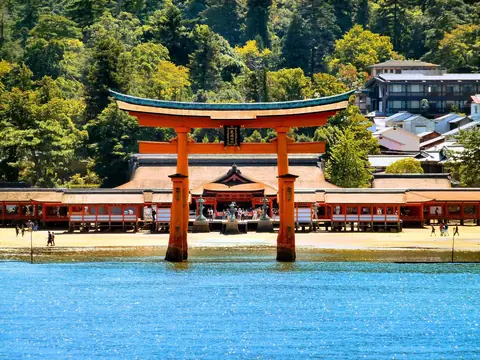
Japan trip cost 2027
What 10 days in Tokyo, Hakone, Kyoto, Hiroshima and Osaka cost in April 2027, all in: about JPY 174,000 per person on a budget, 270,000 mid-range or 515,000 in comfort.
Read the guide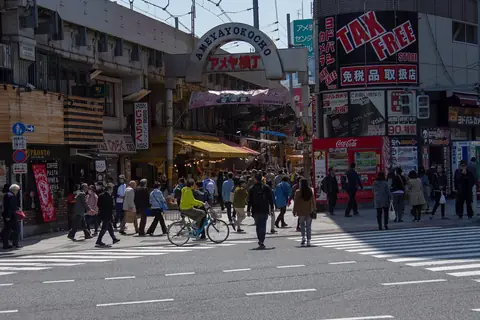
Money and payments in Japan
Paying in Japan with a foreign card: where you still need cash, Suica and contactless trains, ATMs for foreign cards, tipping and the tax-free refund.
Read the guide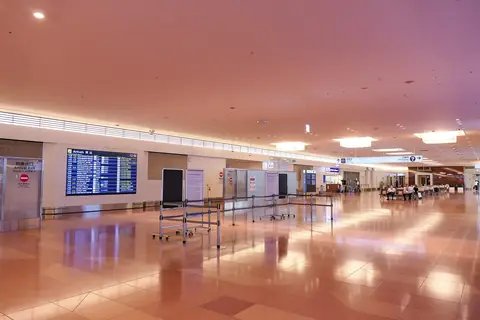
Solo female travel in Japan
Travelling alone as a woman in Japan: what the UK, German and French advice says, women-only train cars, late arrivals, nightlife, dress and #8891.
Read the guide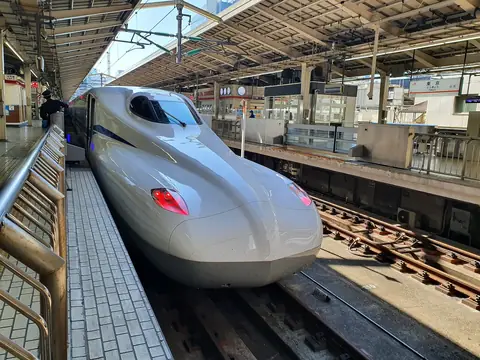
Getting around Japan
How to get around Japan: booking the shinkansen and its big-suitcase rule, IC cards, highway buses, sending luggage ahead, domestic flights and driving.
Read the guideSources and checks before you travel
(35)
- UK Foreign Office (GOV.UK): Japan travel advice ↗ — opens in a new tab
- UK Foreign Office (GOV.UK): Japan regional risks ↗ — opens in a new tab
- UK Foreign Office (GOV.UK): Japan safety and security ↗ — opens in a new tab
- UK Foreign Office (GOV.UK): Japan health ↗ — opens in a new tab
- UK Foreign Office (GOV.UK): Japan getting help ↗ — opens in a new tab
- Germany's Federal Foreign Office (Auswärtiges Amt): Japan, Reise- und Sicherheitshinweise ↗ — opens in a new tab
- French foreign ministry (France Diplomatie): Japon, sécurité ↗ — opens in a new tab
- French foreign ministry (France Diplomatie): Japon, santé ↗ — opens in a new tab
- TravelHealthPro (NaTHNaC): Japan ↗ — opens in a new tab
- US CDC Travelers' Health: Japan ↗ — opens in a new tab
- JNTO: emergencies ↗ — opens in a new tab
- JNTO: Japan Visitor Hotline ↗ — opens in a new tab
- JNTO: travel insurance in Japan ↗ — opens in a new tab
- JNTO: Japan Safe Travel information ↗ — opens in a new tab
- JNTO: safe drinking water ↗ — opens in a new tab
- JNTO: Safety tips ↗ — opens in a new tab
- JNTO Safety tips: the app ↗ — opens in a new tab
- JNTO Safety tips: earthquake at a hotel ↗ — opens in a new tab
- JNTO Safety tips: earthquake at sights, shops and stations ↗ — opens in a new tab
- JNTO Safety tips: earthquake in a lift ↗ — opens in a new tab
- JNTO Safety tips: earthquake outdoors in town ↗ — opens in a new tab
- JNTO Safety tips: earthquake by the water ↗ — opens in a new tab
- JNTO Safety tips: earthquake on a train or vehicle ↗ — opens in a new tab
- JNTO Safety tips: earthquake while driving a rental car ↗ — opens in a new tab
- JNTO Safety tips: Heat Stroke Alert outdoors ↗ — opens in a new tab
- Japan Tourism Agency: guide for when you are unwell ↗ — opens in a new tab
- Ministry of the Environment: Heat Stroke Alert ↗ — opens in a new tab
- Ministry of the Environment: heat illness prevention information ↗ — opens in a new tab
- Mt. Fuji Climbing Official Website ↗ — opens in a new tab
- Ministry of Health, Labour and Welfare: bringing medicines into Japan ↗ — opens in a new tab
- Narcotics Control Department (MHLW): bringing narcotics and stimulant raw materials ↗ — opens in a new tab
- Bureau of Waterworks, Tokyo Metropolitan Government: water quality ↗ — opens in a new tab
- Fire and Disaster Management Agency: #7119 ↗ — opens in a new tab
- Cabinet Office Gender Equality Bureau: #8891 ↗ — opens in a new tab
- Tokyo Metropolitan Police Department: English ↗ — opens in a new tab
Reference sources for the version dated 8 November 2026. Confirm opening times, access, transport and conditions for your travel dates.
Photo credits
(6)
Kabukicho in Shinjuku, Tokyo, by day
Photograph: Daniel L. Lu (user:dllu) — opens in a new tab · CC BY-SA 4.0 — opens in a new tab
Changes: Resized and converted to WebP; displayed with responsive crops. · Original photograph and licence details ↗ — opens in a new tab
A koban, one of the neighbourhood police boxes, in Ginza, Tokyo
Photograph: Haydn Blackey from Cardiff, Wales — opens in a new tab · CC BY-SA 2.0 — opens in a new tab
Changes: Resized and converted to WebP; displayed with responsive crops. · Original photograph and licence details ↗ — opens in a new tab
A tsunami evacuation route sign on a road in Kamakura
Photograph: DimiTalen — opens in a new tab · CC0 — opens in a new tab
Changes: Resized and converted to WebP; displayed with responsive crops. · Original photograph and licence details ↗ — opens in a new tab
Sakurajima across the bay from Kagoshima
Photograph: Suicasmo — opens in a new tab · CC BY-SA 4.0 — opens in a new tab
Changes: Resized and converted to WebP; displayed with responsive crops. · Original photograph and licence details ↗ — opens in a new tab
Mountain huts and climbers on the Yoshida Trail of Mount Fuji
Photograph: Alpsdake — opens in a new tab · CC BY-SA 4.0 — opens in a new tab
Changes: Resized and converted to WebP; displayed with responsive crops. · Original photograph and licence details ↗ — opens in a new tab
An ambulance of the Nago fire department in Okinawa
Photograph: CEphoto, Uwe Aranas — opens in a new tab · CC BY-SA 3.0 — opens in a new tab
Changes: Resized and converted to WebP; displayed with responsive crops. · Original photograph and licence details ↗ — opens in a new tab