Plan your trip
Getting around Japan: trains, passes, IC cards and local connections
Good transport planning gives you more time for the reasons you came to Japan: a market lunch, a temple district, a quiet coast or an evening in a neighbourhood you enjoy. Begin with those places and the nights you will spend there. Choose tickets afterwards, rather than shaping the whole trip around getting value from a pass.
- Suggested time
- Plan intercity journeys with your accommodation route; refine local travel by day
- Where to stay
- The actual stations and neighbourhoods used by your itinerary
- Season and timing
- Check your travel date, operating information and reservation needs
The short answer
Use individual tickets for specific journeys, compare rail passes against the services your itinerary actually uses, and use a compatible IC card for eligible local journeys. These tools have different functions. Check the operator, station, reservations and any supplement for each long-distance connection.
Choose the journey before the ticket
Write down each transfer between accommodation bases and each important day trip. Include departure and arrival stations, not just city names. A sensible route leaves time to enjoy a destination rather than repeatedly returning across the same part of the country.
Next separate intercity travel from local sightseeing. A day spent exploring one neighbourhood on foot is valuable travel time, but it does not automatically make a national rail pass better value. Compare the journeys you intend to take, including the local services that a proposed pass does not cover.
Understand individual tickets, passes and IC cards
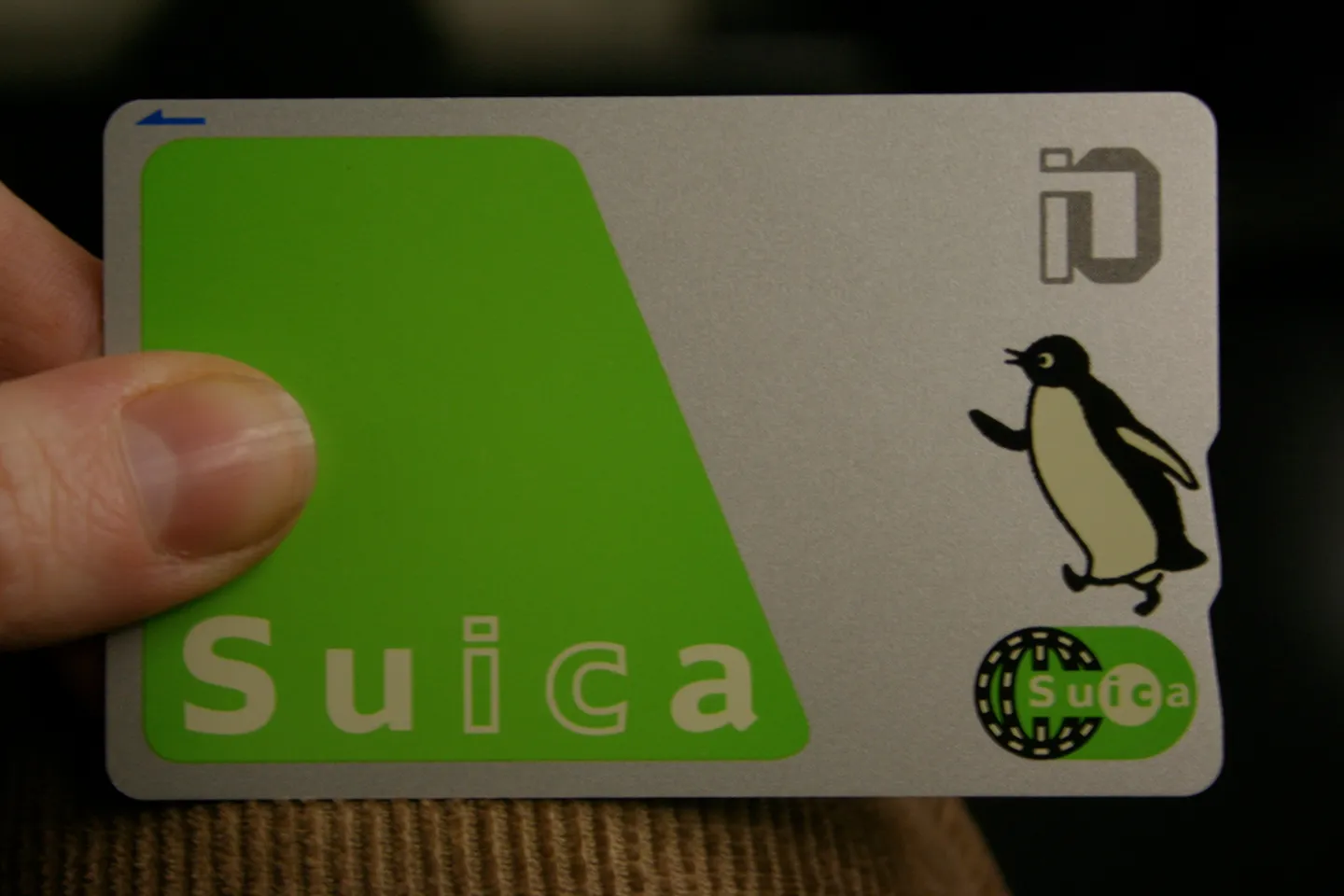
An individual ticket serves the journey and conditions stated on it. A rail pass covers eligible services within its validity and rules. An IC card is a payment tool for participating transport and other uses; it is not an unlimited national pass.
JR East explains that Welcome Suica cannot be used for one continuous journey across separate IC areas. Do not treat nationwide interoperability as permission to tap through any long-distance route. For an intercity journey, establish the correct ticket and reservation arrangement before boarding.
Make time for the local food
What to eat and where to look
Check the train as well as the railway company
The official Japan Rail Pass rules require the separate pass-holder Nozomi Mizuho Ticket, used with a valid pass, for the specified Nozomi or Mizuho journey. Neither 'all bullet trains are included' nor 'these trains can never be used with the pass' is a sufficient explanation.
Look at eligibility and the precise services covered by the product you are comparing. Regional passes may solve a different itinerary from the national pass. Read conditions from the operator rather than carrying forward a rule from an old travel article.
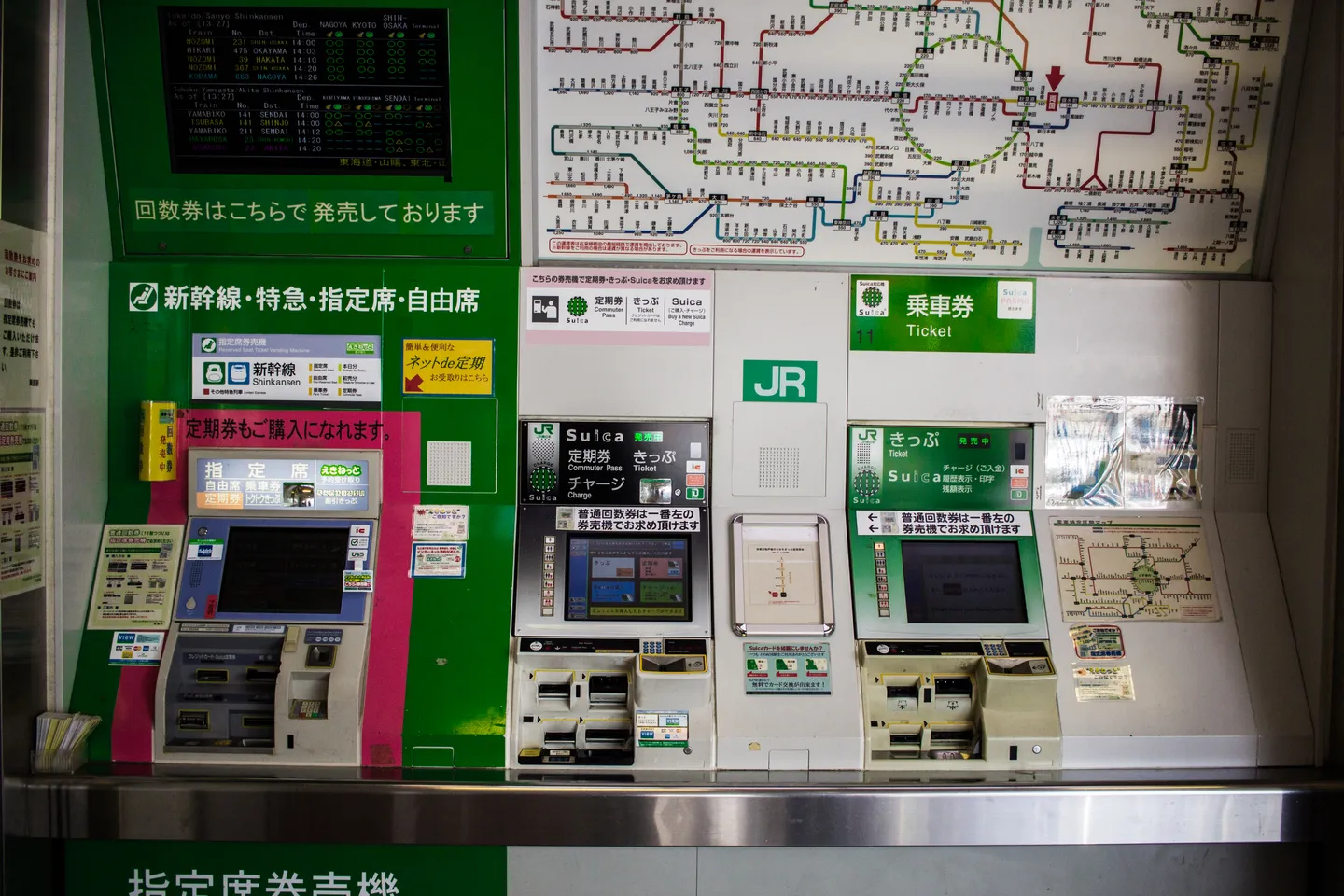
Make reservations fit the whole travel day
Check whether your train, seat type or luggage requires a reservation. Leave time for the route through the station and the journey from the arrival station to your accommodation. A tight connection on paper can erase the relaxed lunch you hoped to have after arrival.
Save the train name, destination station and booking details offline. If your plans change, review the conditions of your actual ticket. Our luggage guide covers the separate decision about carrying, storing or forwarding suitcases; booking a seat does not resolve every baggage arrangement.
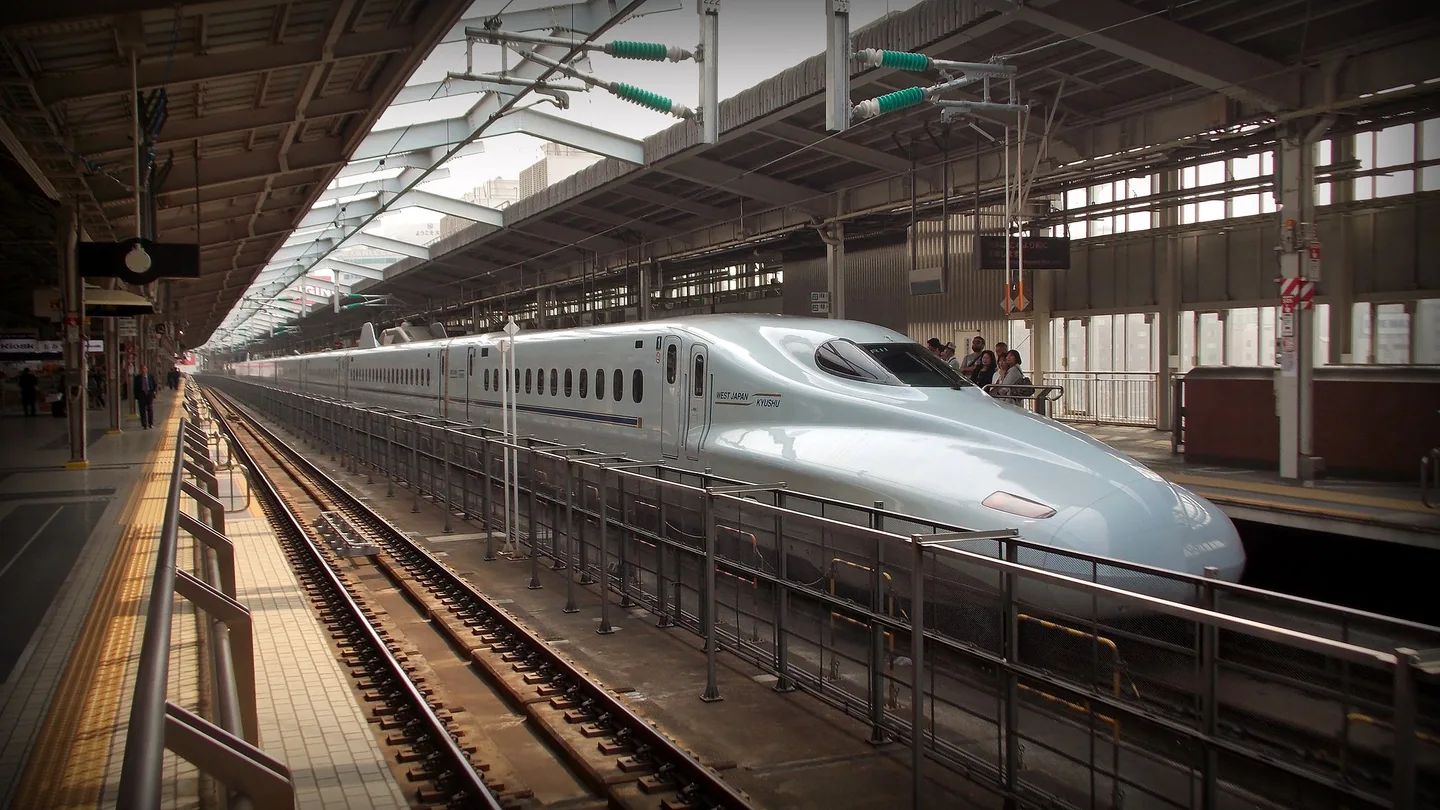
Compare independent travel with a guided day
A guided outing can be worthwhile where the provider adds local interpretation or simplifies a difficult route. Check whether it includes a vehicle, uses public transport or meets at the destination. A private guide is not automatically a private car, and tickets may be separate.
When comparing Viator experiences, assess the full day: departure point, travel time, useful stops and return arrangement. Choose the tour for what it helps you understand or do, rather than assuming it replaces every transport ticket. A coherent guided day and an independent neighbourhood afternoon can complement one another.
Practical questions
Is an IC card a Japan Rail Pass?
No. A compatible IC card pays for eligible journeys and purchases from its balance. A rail pass covers specified services under its own validity and rules.
Can I use Nozomi or Mizuho with the Japan Rail Pass?
The official rules provide a separate pass-holder Nozomi Mizuho Ticket used with a valid pass for the specified journey. Check the current conditions and buy the required ticket before boarding.
Should I buy a pass before deciding my route?
Build the intended route first, then compare the covered journeys and costs. Adding unnecessary transfers to justify a pass can reduce the time you spend enjoying destinations.
Does a private guided tour include a vehicle?
Only when the product says so. Read the itinerary and inclusions; some private guides use public transport with fares paid separately.
Sources and checks before you travel
Reference sources for the version dated 30 September 2026. Confirm opening times, access, transport and conditions for your travel dates.
Does this experience fit your route?
Explore related tours and experiences
Check dates and details on Viator ↗ — opens in a new tabAffiliate link · Book with ViatorPhoto credits
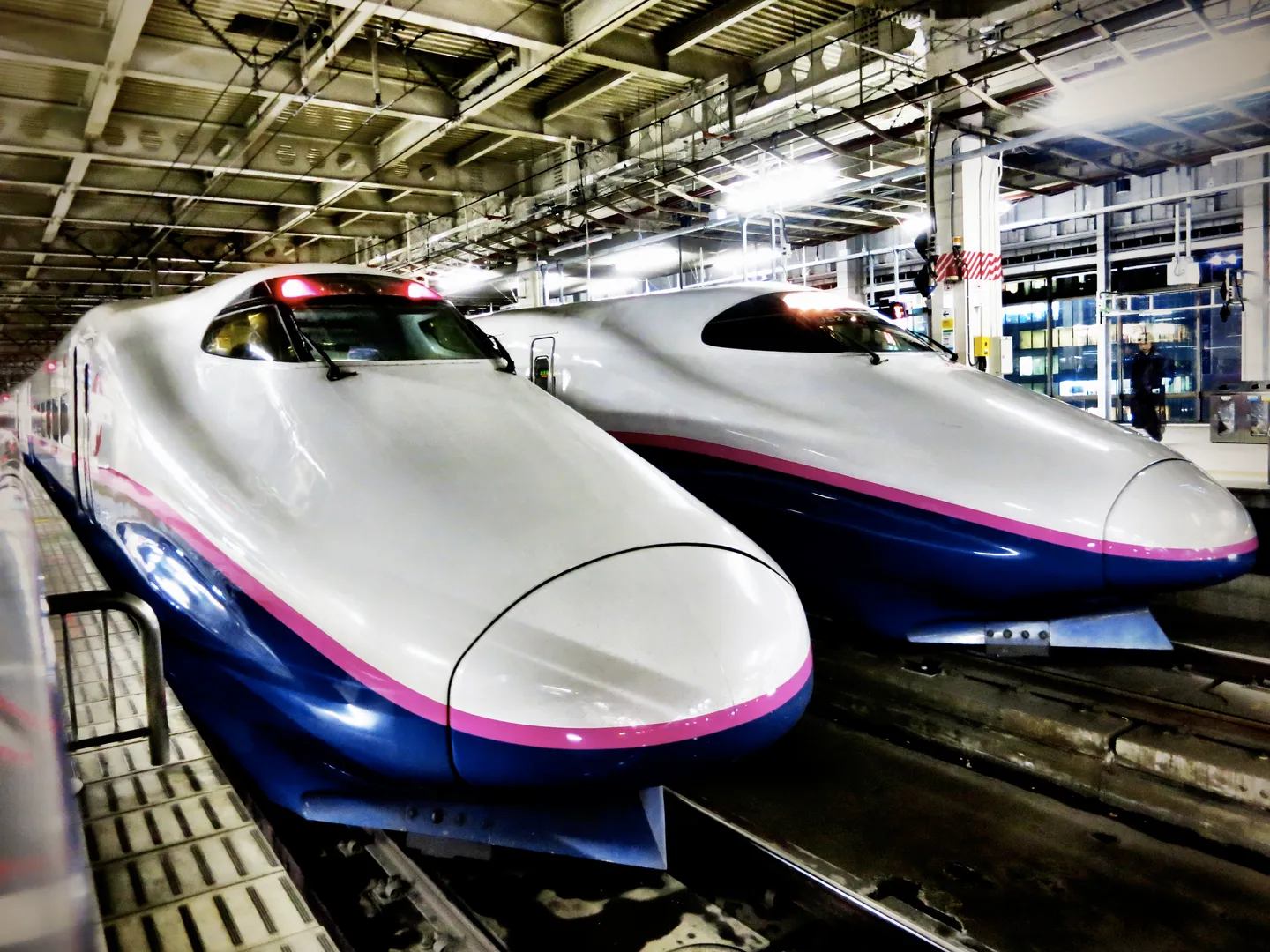
A JR East E2 Shinkansen on the Yamabiko service.
Photograph: Yuichi Kosio — opens in a new tab · CC BY 2.0 — opens in a new tab
Changes: Resized and converted to WebP; displayed with responsive crops. · Original photograph and licence details ↗ — opens in a new tab
A physical Suica card in an archival photograph.
Photograph: Helen Cook — opens in a new tab · CC BY-SA 2.0 — opens in a new tab
Changes: Resized and converted to WebP; displayed with responsive crops. · Original photograph and licence details ↗ — opens in a new tab
JR ticket machines and a route map in Tokyo.
Photograph: Dave K — opens in a new tab · CC BY 2.0 — opens in a new tab
Changes: Resized and converted to WebP; displayed with responsive crops. · Original photograph and licence details ↗ — opens in a new tab
An N700-series Shinkansen at Shin-Osaka Station.
Photograph: gérard — opens in a new tab · CC BY-SA 2.0 — opens in a new tab
Changes: Resized and converted to WebP; displayed with responsive crops. · Original photograph and licence details ↗ — opens in a new tab