Plan your trip
Eating in Japan: meal formats, local dishes and food experiences
Food can give a Japan trip its rhythm: a satisfying noodle lunch before a garden, a regional sweet during a neighbourhood walk, and one evening when you have time to understand what you are eating. You do not need a famous restaurant for every meal. Leave room for curiosity and choose a food experience that helps you participate in the place.
- Suggested time
- Plan meals with the day's route, keeping some choices flexible
- Where to stay
- Restaurants and experiences convenient to your sightseeing and accommodation
- Season and timing
- Use the current menu for regional and seasonal availability
The short answer
Combine straightforward meals near your route with a few deliberate regional food stops. Choose a cooking class for hands-on understanding, or a food tour for a guided introduction to a neighbourhood. Check the actual menu, guide language, walking and dietary arrangements before reserving.
Give each day a food rhythm
Choose one meal or small food discovery to look forward to, then make the other meals easy to reach. A simple lunch, a regional afternoon sweet and a dinner with time to sit can make the day enjoyable without turning it into a continuous tasting schedule.
Connect food with the places you are visiting. A market near your main walk or a restaurant near the accommodation often gives you more time to enjoy a meal than crossing the city to complete a list. Our regional-food guide points to differences worth exploring, while destination guides connect dishes to practical routes.
Choose a cooking class when you want to make and understand
A cooking session gives food a different role from an ordinary restaurant meal. You can focus on ingredients and technique, ask questions and understand the preparation before eating. It is especially appealing when you want an activity as well as a meal.
On Viator, compare what participants actually prepare, the venue, duration and teaching language. Find out how hands-on the session is and whether the provider has confirmed your dietary requirements. The number of dishes alone does not tell you whether the class fits your interests.
Make time for the local food
What to eat and where to look
A regional noodle lunch
Local noodle styles make a simple lunch a useful way to notice regional differences.
- Where to look
- The destination guide and restaurants near your day's route
- Fit it into your day
- Choose one suitable bowl rather than several distant lunch stops
Noodles, broth and toppings all need ingredient checks when relevant.
A regional sweet with tea
A small afternoon tasting leaves room to appreciate its shape, texture and local context.
- Where to look
- A confectioner or tearoom in the neighbourhood you are exploring
- Fit it into your day
- Use it as a break between visits
Menus and seasonal preparations vary.
A meal you help prepare
A suitable cooking class turns lunch or dinner into participation and a clearer understanding of ingredients.
- Where to look
- A provider explaining the actual menu and teaching language
- Fit it into your day
- Allow the full session and convenient travel time
Confirm participation and dietary requirements before reserving.
Choose a food tour for a neighbourhood introduction
A guided food outing can connect tastes with the streets and people around them. It may suit an early evening when you want someone to explain local eating formats and help choose among unfamiliar options. Compare the neighbourhood and the experience's purpose, not just the count of tastings.
Read the actual route, walking, inclusions, drinks and meal size. A tasting tour may not equal a full dinner; a translated product page does not establish the language spoken by the guide. Choose the booking for the visit described by the selected option, with time to arrive at its meeting point.
Ask about the complete dish
Ingredients are not always visible. JNTO's vegetarian guide describes animal ingredients in some broths, sauces and toppings even when a dish looks vegetable-based. Ask about the preparation, and explain what you exclude specifically.
Allergies require their own discussion with the establishment or provider. A vegetarian label, a photograph or a translation app does not establish an allergy-safe preparation. Communicate requirements before booking a fixed menu or food tour and obtain a concrete response about the actual service.
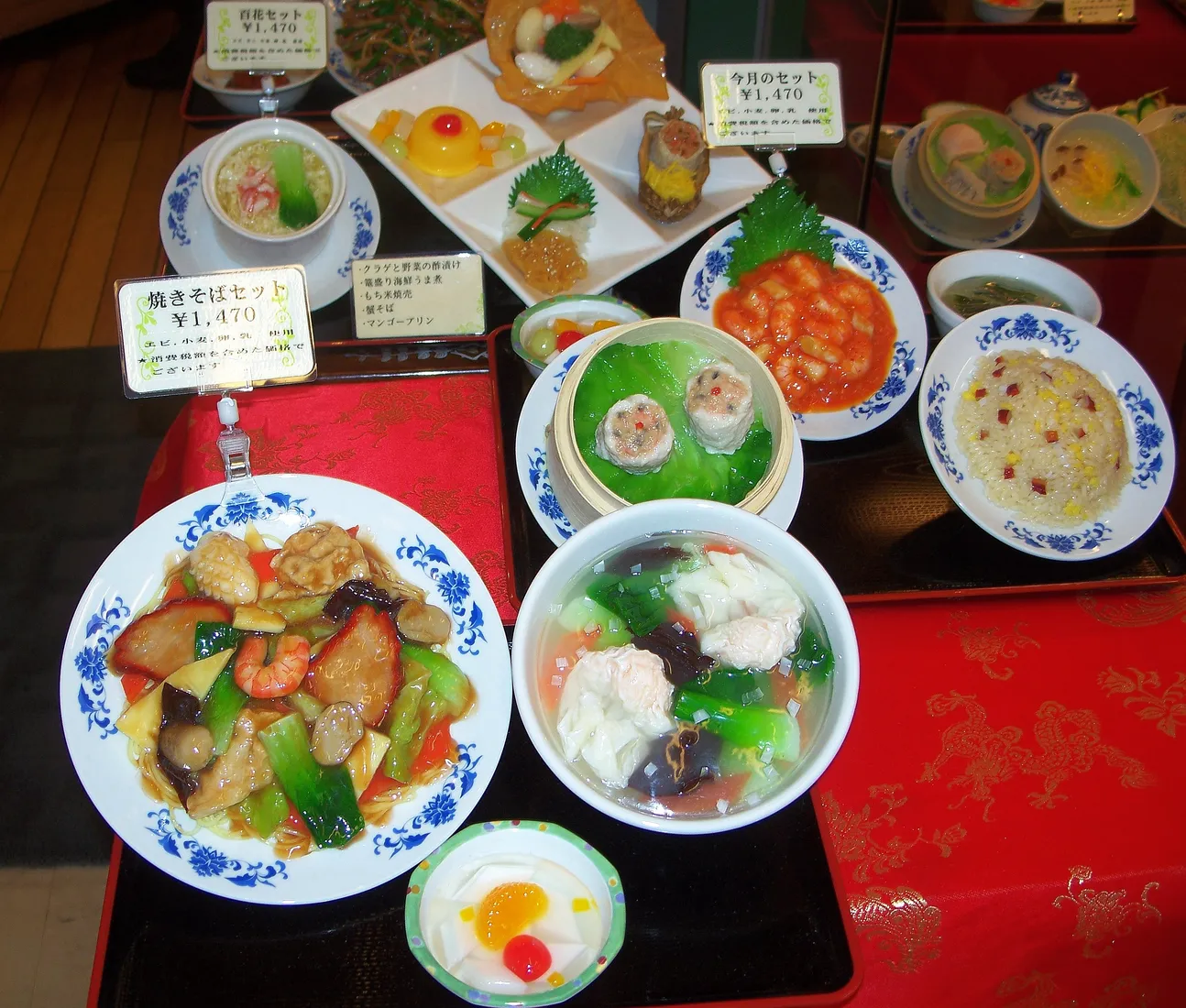
Let the serving format fit the day
Read whether the establishment serves individual sets, small dishes to share or a fixed menu. A quick noodle lunch and a seasonal inn dinner create different schedules. Plan around the actual meal rather than assuming every restaurant can serve the same style at the same pace.
In a market, eat where permitted and avoid blocking working aisles with luggage or a group waiting for photographs. Keep a nearby alternative when a queue or closed shop changes the plan. The aim is a pleasurable meal as part of the destination, not collecting every advertised dish at once.
Practical questions
Should I book a cooking class or a food tour?
Choose a class for preparing and understanding dishes, or a tour for a guided neighbourhood introduction. Read the actual participation, menu and route rather than treating the formats as equivalent.
Does a food tour always replace dinner?
No. Check the included tastings and the provider's description of the meal size before planning the rest of the evening.
Does an English product page guarantee an English-speaking guide?
No. Check the selected option's actual guide or teaching language.
Can a food photograph confirm ingredients?
No. Ask the establishment about the complete preparation and discuss dietary or allergy requirements specifically.
Sources and checks before you travel
Reference sources for the version dated 30 September 2026. Confirm opening times, access, transport and conditions for your travel dates.
Does this experience fit your route?
Explore related tours and experiences
Check dates and details on Viator ↗ — opens in a new tabAffiliate link · Book with ViatorPhoto credits
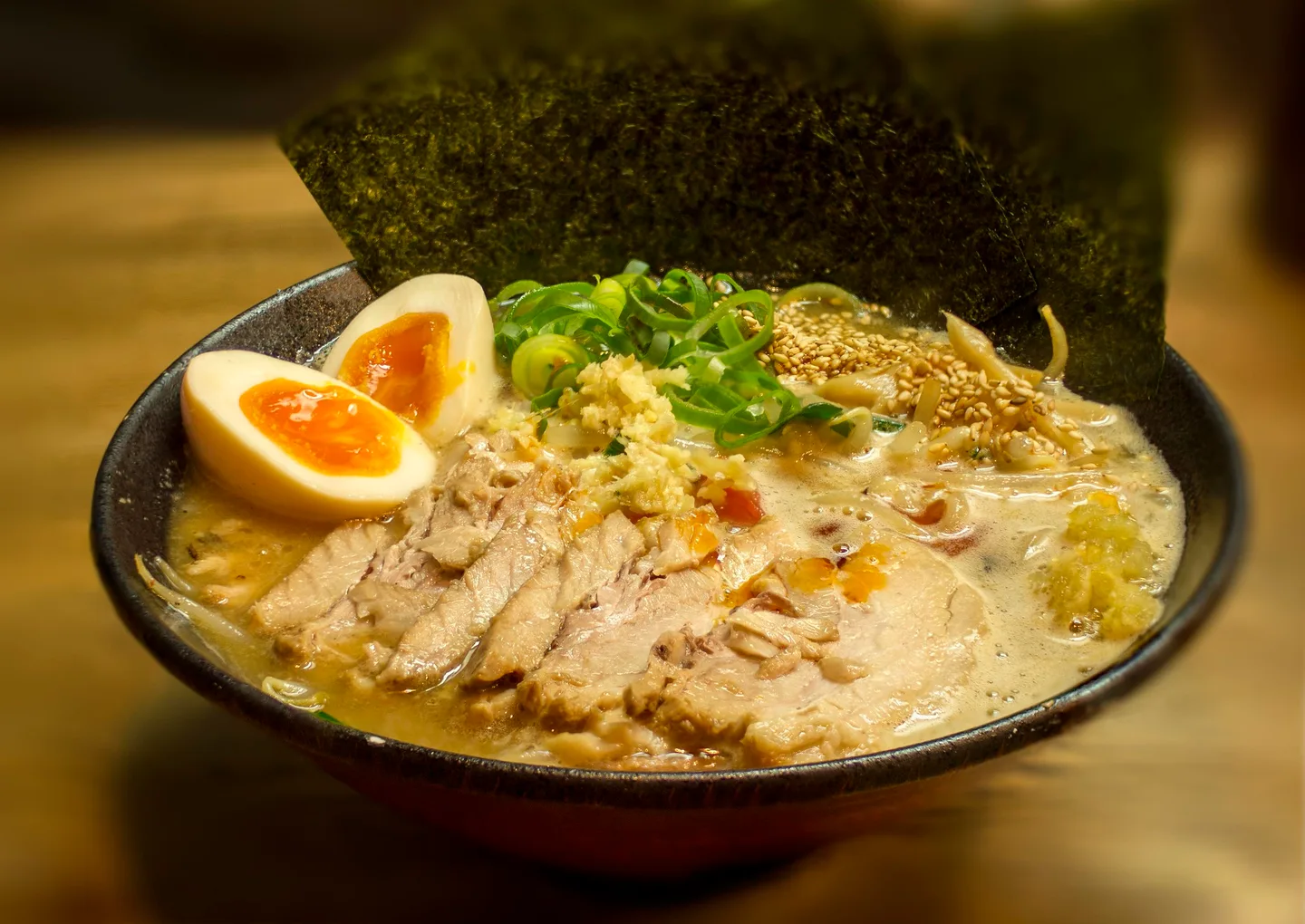
Miso ramen with pork, egg, spring onion and nori in a dark bowl.
Photograph: George N — opens in a new tab · CC BY 2.0 — opens in a new tab
Changes: Resized and converted to WebP; displayed with responsive crops. · Original photograph and licence details ↗ — opens in a new tab
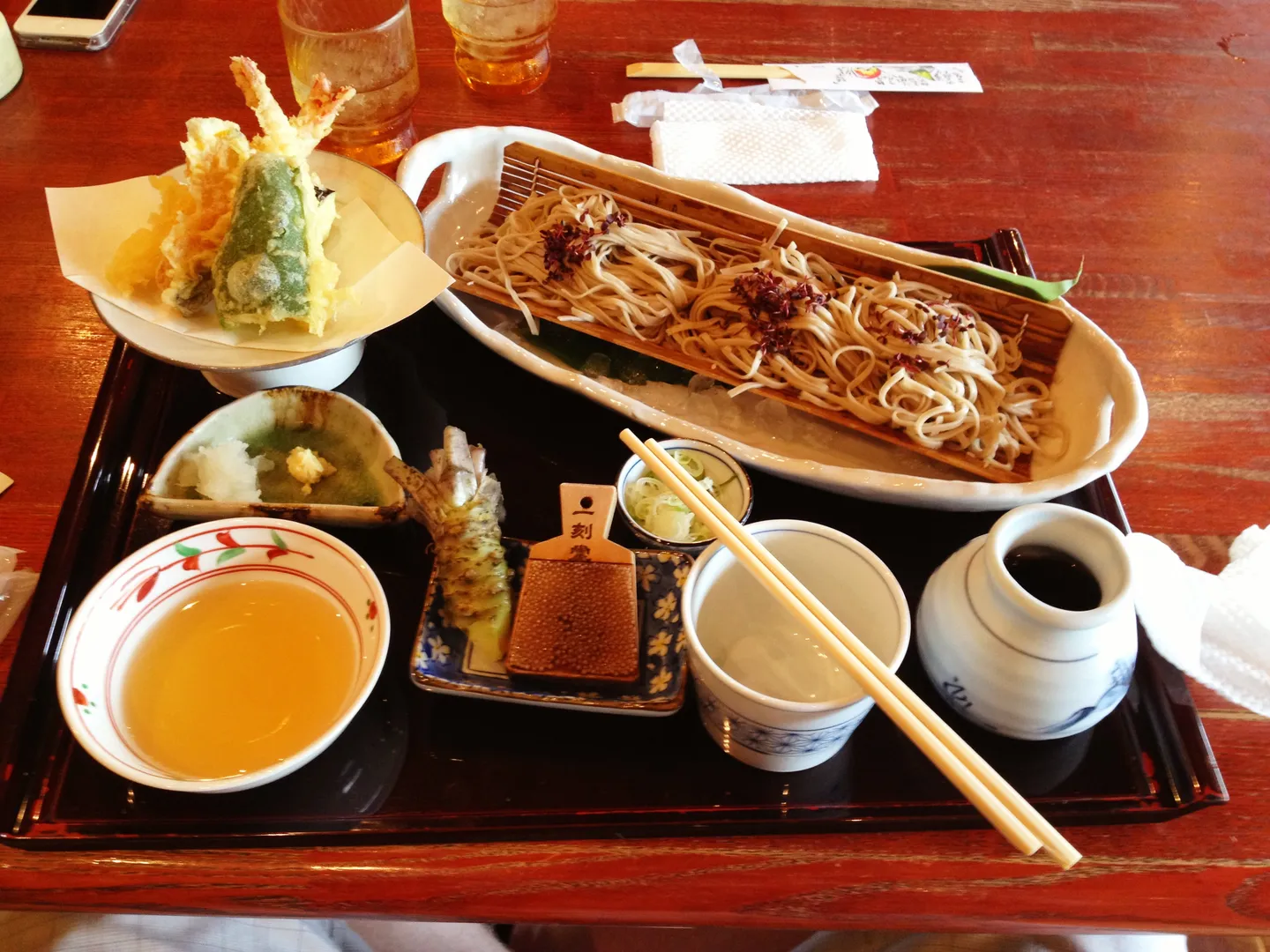
Soba noodles, tempura and side dishes photographed in Japan.
Photograph: Karl Baron — opens in a new tab · CC BY 2.0 — opens in a new tab
Changes: Resized and converted to WebP; displayed with responsive crops. · Original photograph and licence details ↗ — opens in a new tab
Plastic food models displayed outside a restaurant in Tokyo.
Photograph: Güldem Üstün — opens in a new tab · CC BY 2.0 — opens in a new tab
Changes: Resized and converted to WebP; displayed with responsive crops. · Original photograph and licence details ↗ — opens in a new tab