Plan your trip
Solo female travel in Japan: trains, nights out, hostels and help
Japan's trains, convenience stores and capsule hotels make it a straightforward country to travel alone. The worries women raise are specific ones, and each has a specific answer: groping on packed commuter trains, drinks in Tokyo's bar districts, a late landing at Haneda, a hostel door locked after 1 a.m. This guide goes through them one at a time, with what the UK, German and French governments say and the numbers to save.
In this guide
Find the location ↗ — opens in a new tabThe short answer
The government advice highlights commuter trains and nightlife as situations needing particular care. The UK Foreign Office (advice updated 28 August 2026) reports groping and upskirting on commuter trains and says Japanese police advise shouting and asking another passenger to call staff; Tokyo Metro and Osaka Metro run women-only cars, Osaka's Midosuji Line all day on days using the weekday timetable. The UK and German advice names Kabukicho, Roppongi, Shibuya and Ikebukuro in its nightlife warnings; France also warns about drink spiking in Tokyo's nightlife districts, so keep yours in sight and do not follow street touts. Land at Haneda if you can and take a taxi from the official stand or a GO app booking if you miss the last train on your airport route. Save 110 (police), 119 (ambulance) and the Japan Visitor Hotline, 050-3816-2787, which answers in English 24 hours a day; #8891 connects free of charge to the nearest support centre for sexual violence.
- Key point
- Set up before you fly: a taxi app, saved numbers and a hostel that matches your arrival time
- Where it applies
- No base is needed; the advice applies wherever you stay
- Timing
- The advice applies all year. In Tokyo, GO TOKYO puts rush hours at about 07:30-09:30 and 17:30-19:30.
What the UK, German and French advice says about women in Japan
Their crime warnings focus on crowded trains and nightlife districts. The UK Foreign Office (FCDO), whose advice was updated on 28 August 2026, says rape and sexual assault are rare but can happen, and that Japanese law puts a high burden of proof on victims to show that sex was not consensual and was obtained through assault, intimidation or force. Its two concrete warnings for women are about commuter trains and nightlife, and each has its own section below.
The German Federal Foreign Office (Auswärtiges Amt), whose page has been unchanged since 7 July 2026, reports scams, robbery and sexual assaults, often involving drugs, in the nightlife districts of Tokyo that tourists visit, naming Roppongi, Kabukicho, Shibuya and Ikebukuro, and in other large cities. France Diplomatie's security page, updated on 24 September 2026, also reports sexual assaults, sometimes under the influence of alcohol or GHB.
The one place the advice rules out has nothing to do with crime. The Auswärtiges Amt warns against staying in the evacuated areas around the Fukushima Daiichi nuclear plant that the Japanese government has designated, and France Diplomatie describes a prohibited zone and restricted-access zones around the plant; beyond that clearly identified zone, it sees nothing against travelling in Japan. We follow the stricter line, and none of our routes goes into those zones. All three pages were checked on 2 November 2026; other governments may say more or less, so read your own before you book.
Landing late at Haneda or Narita
Choose Haneda when you can: it is about 15 km from central Tokyo, against 50-60 km for Narita, so it is the closer option for a late arrival. GO TOKYO puts Tokyo's last trains generally between 23:30 and 00:30, but check the last departure for your airport route. Taxi trips between 22:00 and 05:00 usually incur a late-night surcharge. Keep a taxi as the fallback if immigration or baggage collection makes you miss your train.
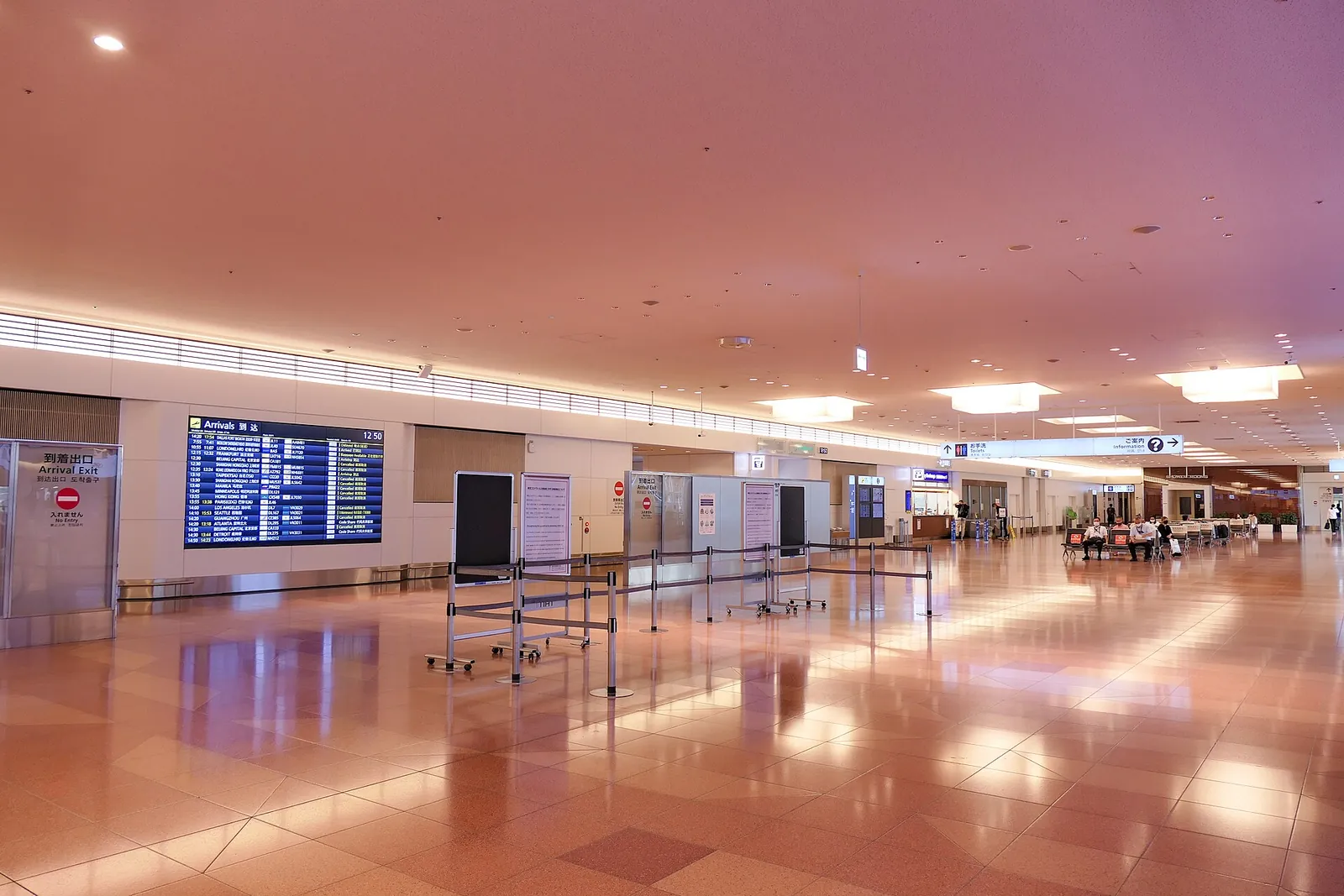
Haneda's own taxi page shows where to stand. General taxi stands are on level 1F; at Terminal 3 follow the signs down from the level 2F or 3F access hall. Booked or app-hailed taxis have separate pick-up stands on level 2F of Terminal 1 near Exit 7 and Terminal 2 near Exit 2, and on level 8F of the P5 car park for Terminal 3. App boarding locations may change with congestion, so use the location shown in your booking. Haneda's flat-rate taxis serve Tokyo and Kanagawa with some area exceptions, plus tolls. In GO, which takes international credit cards and Apple Pay, match the confirmation number on your screen to the taxi you booked.
Match the room to the arrival time. Nui., a hostel in Kuramae, Tokyo, lists check-in from 16:00 to 23:00 and locks its main entrance from 01:00 to 08:00. During those locked hours, guests who have already checked in enter using a back-door code. For a late landing, book a hotel with a 24-hour front desk and tell it your arrival time. Our Japan transport guide covers the trains from both airports.
Women-only cars and what to do if someone touches you on a train
The FCDO reports that female passengers on commuter trains have experienced inappropriate behaviour, including touching and upskirting, which means taking photos or videos from below. The advice it passes on from the Japanese police is to shout at the person to attract attention and to ask another passenger to call train or station staff. Report it to the police on 110.
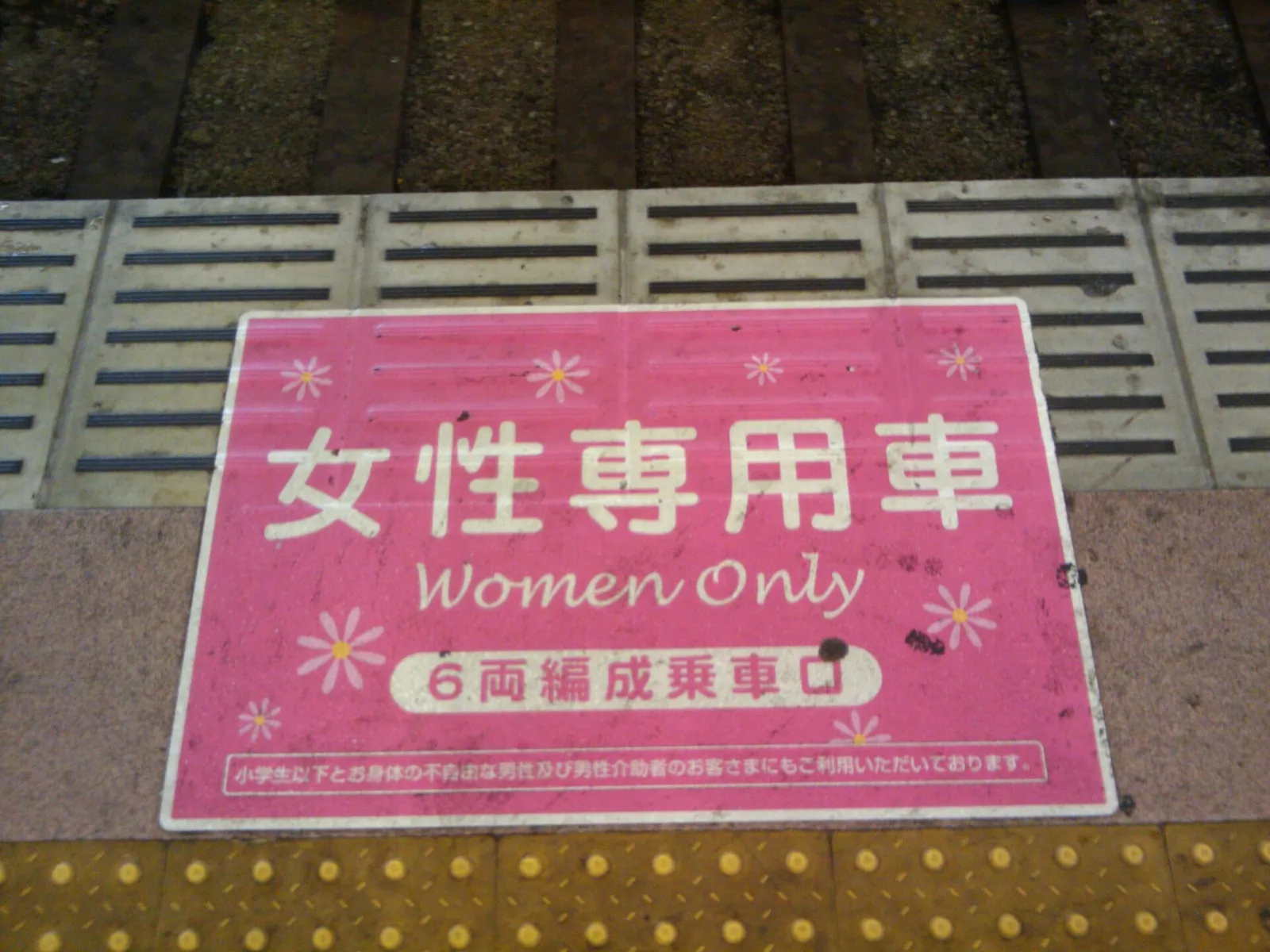
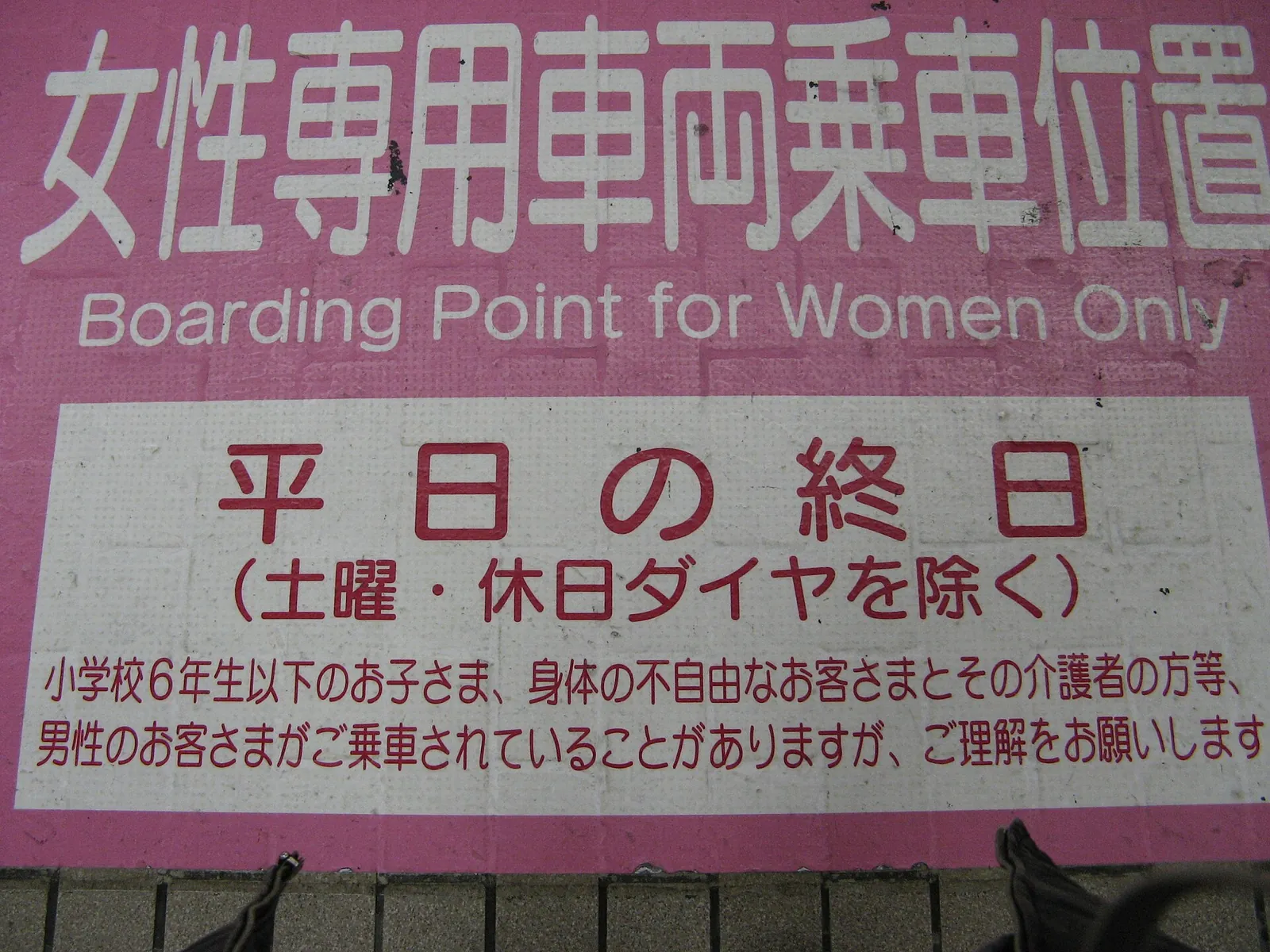
Women-only cars are an option at rush hour, and their boarding points are marked on the platform.
- Tokyo Metro: women-only cars run in the morning rush, from the first train until around 09:30, with times that vary by line; elementary-school children and younger, passengers with disabilities and their carers may also ride in them.
- Osaka Metro: on days using the weekday timetable, one women-only car runs on every Midosuji Line train all day, and on the Tanimachi Line from the first train until 09:00. These designations do not apply on Saturday/holiday timetables, including during Obon and New Year, and may be suspended during disruptions. Osaka Metro says the cars are voluntary: men are asked to respect them, but some, such as boys of elementary-school age and carers, may board.
- Elsewhere: read the railway's women-only-car signs for the boarding point and operating hours before you board.
Nights out in Tokyo's bar districts
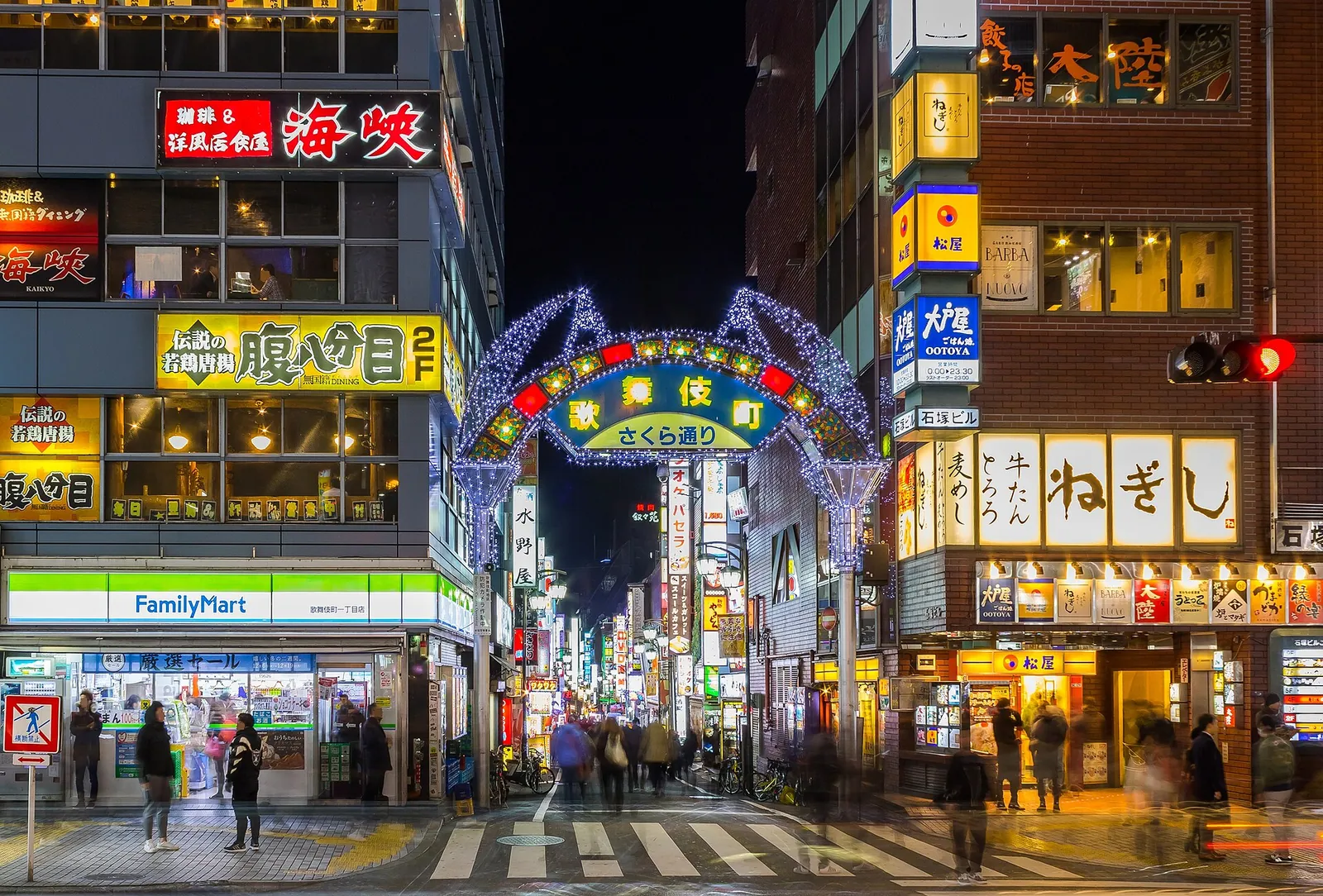
Drink spiking is the risk all three governments name. The FCDO says the Japanese police have identified Kabukicho, Roppongi, Shibuya and Ikebukuro as high-risk zones, that most British victims were targeted in Kabukicho in Shinjuku, and that they were approached in English by street touts called kyakuhiki. Victims describe waking up with no memory and finding large sums charged to their credit card; France Diplomatie says some bars, hostess clubs and touts in Roppongi, Kabukicho and Ikebukuro drug customers with GHB.
The precautions are short. Do not follow a tout into a bar, do not accept drinks from strangers, and do not leave a drink or food unattended, which the German advice extends to the evening and night in general. Carry only the card and cash you need and leave the rest at your hotel, as the FCDO suggests, and switch on spending alerts in your bank app. Our money and payments guide covers the bar-bill disputes that follow.
What to wear, and the rules that apply to everyone
Pack clothes suited to the weather and comfortable shoes for walking. At temples, follow the signs and staff instructions. JNTO says you may need to remove your shoes before entering a temple building, so wear socks without holes and shoes that slip off easily.
Most hot springs ask bathers to be naked, and most public hot springs have separate baths for men and women; our ryokan guide explains the routine and the private baths that avoid sharing. One rule catches visitors: the Auswärtiges Amt says foreigners staying in Japan temporarily must carry their passport at all times, so keep it on you rather than in the hotel safe.
Women-only capsules, floors and dorms
Sleeping cheaply alone does not mean sharing with men. JNTO's guide to capsule hotels says both mixed and female-only capsule hotels now exist, and that some mixed ones separate men and women by room or floor. GO TOKYO also points to capsule hotels for women only among Tokyo's budget options.
Hostels work the same way. Nui. in Kuramae, for example, lists an eight-bed women-only dormitory alongside its mixed ones, with a numbered keypad lock on the room door. When you book, choose a room explicitly described as women-only or female-only; "shared" alone does not tell you who may stay in it. Our where-to-stay guide for Tokyo compares the districts.
If something happens: the numbers to save
Save these before you land.
- 110: police, as listed by the FCDO.
- 119: ambulance and fire.
- 050-3816-2787: the Japan Visitor Hotline run by the Japan National Tourism Organization (JNTO), in English, Chinese and Korean, 24 hours a day, 365 days a year, for accidents, illness and other emergencies.
- #8891: the national number of the Cabinet Office for sexual crime and sexual violence, which connects you free of charge to the nearest one-stop support centre; these centres work with gynaecologists, counsellors and lawyers. Dial #8891 from mobile phones and NTT analogue landlines. From NTT Hikari phones, use 0120-8891-77, except in Miyagi (0120-556-460), Saitama (0120-31-8341) and Kochi (0120-835-350). Some IP phones cannot connect. The Cabinet Office lists each local centre and its consultation hours; ask about language support when you call.
- Your embassy: France Diplomatie directs victims of assault to its embassy's guidance, and the FCDO links to guidance for British nationals who are victims of crime.
Practical questions
Is Japan safe for a woman travelling alone?
The UK, German and French advice warns about groping on crowded commuter trains, and drink spiking in nightlife districts such as Kabukicho and Roppongi. Use women-only cars where available and follow the nightlife precautions above.
Which trains in Japan have women-only cars?
Tokyo Metro runs them in the morning rush until around 09:30. On days using the weekday timetable, Osaka Metro runs them on every Midosuji Line train all day and on the Tanimachi Line from the first train until 09:00. Osaka's designation does not apply on Saturday/holiday timetables. Read the operator's signs for boarding points and operating hours.
What should I do if someone gropes me on a train in Japan?
The UK Foreign Office passes on the Japanese police's advice: shout to attract attention and ask another passenger to call train or station staff. Report it to the police on 110.
Are there female-only hostels and capsule hotels in Japan?
Yes. JNTO says female-only capsule hotels and women-only floors exist, and Nui. in Tokyo lists a women-only dorm. Look for women-only or female-only in the room name when you book.
What is #8891 in Japan?
It is the Cabinet Office's national number for sexual crime and sexual violence, connecting you free of charge to the nearest one-stop support centre. From NTT Hikari phones, dial 0120-8891-77, except in Miyagi (0120-556-460), Saitama (0120-31-8341) and Kochi (0120-835-350).
Do I need to cover up in Japan?
Follow each place's signs and staff instructions. At temples you may need to remove your shoes. Separately, the German Foreign Office says temporary foreign visitors must carry their passport at all times.
Keep planning your trip
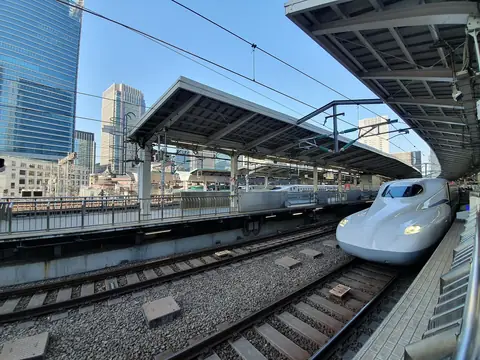
First trip to Japan
How to shape two weeks in Japan, what to settle before you fly (entry, Visit Japan Web, cash, data, insurance) and which trains, tickets and rooms to book.
Read the guide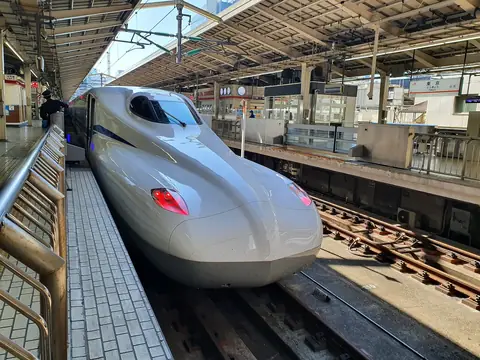
Getting around Japan
How to get around Japan: booking the shinkansen and its big-suitcase rule, IC cards, highway buses, sending luggage ahead, domestic flights and driving.
Read the guide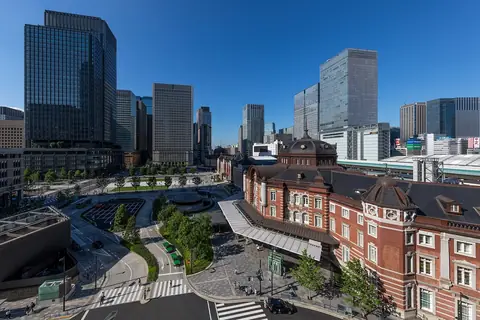
Where to stay in Tokyo
Shinjuku or Tokyo Station for most first trips, then Shibuya, Asakusa, Ueno, Shinagawa and more, compared by trains, nightlife, families and budget.
Read the guide
Ryokan and onsen
How a ryokan night works, what to tell the inn when booking, onsen etiquette and tattoos, private baths, and which towns on a Japan route suit a ryokan night.
Read the guide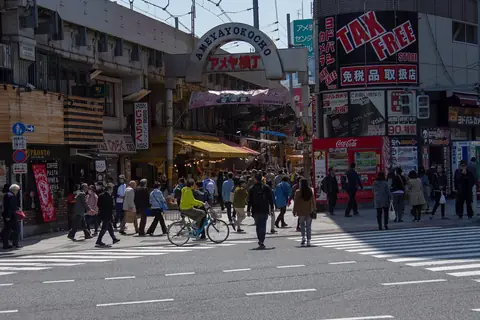
Money and payments in Japan
Paying in Japan with a foreign card: where you still need cash, Suica and contactless trains, ATMs for foreign cards, tipping and the tax-free refund.
Read the guide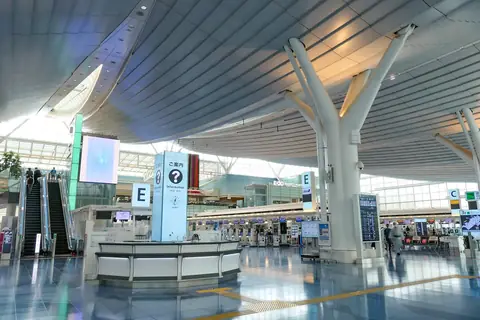
Japan entry requirements
Japan entry rules for 2026-27: who gets 90 days visa-free, passport rules, Visit Japan Web, when JESTA starts, medicines, customs allowances and departure tax.
Read the guideSources and checks before you travel
(20)
- UK Foreign Office (FCDO): Japan travel advice (updated 28 August 2026) ↗ — opens in a new tab
- UK Foreign Office (FCDO): Japan safety and security ↗ — opens in a new tab
- UK Foreign Office (FCDO): Japan getting help ↗ — opens in a new tab
- German Foreign Office (Auswärtiges Amt): Japan travel and safety advice (in German) ↗ — opens in a new tab
- France Diplomatie: Japan security advice (in French) ↗ — opens in a new tab
- Tokyo Metro: women-only cars ↗ — opens in a new tab
- Osaka Metro: manners (women-only cars) ↗ — opens in a new tab
- Haneda Airport: taxi ↗ — opens in a new tab
- GO taxi app ↗ — opens in a new tab
- GO TOKYO: Tokyo subway guide ↗ — opens in a new tab
- Backpackers' Japan: Nui. Hostel (in Japanese) ↗ — opens in a new tab
- JNTO: capsule hotels ↗ — opens in a new tab
- GO TOKYO: accommodations ↗ — opens in a new tab
- JNTO: shrine and temple traditions ↗ — opens in a new tab
- JNTO: emergency and medical guide (Japan Visitor Hotline) ↗ — opens in a new tab
- Cabinet Office Gender Equality Bureau: one-stop support centres (#8891, in Japanese) ↗ — opens in a new tab
- GO TOKYO: Haneda airport access ↗ — opens in a new tab
- GO TOKYO: Narita airport access ↗ — opens in a new tab
- JNTO: onsen hot springs, tattoos and etiquette ↗ — opens in a new tab
- Osaka Metro: women-only cars during Obon and New Year (in Japanese) ↗ — opens in a new tab
Reference sources for the version dated 2 November 2026. Confirm opening times, access, transport and conditions for your travel dates.
Photo credits
(4)
A women-only car boarding sign on a platform in Shinjuku, Tokyo.
Photograph: Nick Richards — opens in a new tab · CC BY-SA 2.0 — opens in a new tab
Changes: Resized and converted to WebP; displayed with responsive crops. · Original photograph and licence details ↗ — opens in a new tab
The arrival lobby of Haneda Airport Terminal 3, where international flights land.
Photograph: MaedaAkihiko — opens in a new tab · CC BY-SA 4.0 — opens in a new tab
Changes: Resized and converted to WebP; displayed with responsive crops. · Original photograph and licence details ↗ — opens in a new tab
The boarding point for women-only cars at Daikokucho station on the Osaka subway.
Photograph: ArséniureDeGallium — opens in a new tab · CC BY-SA 3.0 — opens in a new tab
Changes: Resized and converted to WebP; displayed with responsive crops. · Original photograph and licence details ↗ — opens in a new tab
Sakura-dori in Kabukicho, Shinjuku, one of the Tokyo nightlife districts named in the advisories.
Photograph: Kakidai — opens in a new tab · CC BY-SA 4.0 — opens in a new tab
Changes: Resized and converted to WebP; displayed with responsive crops. · Original photograph and licence details ↗ — opens in a new tab