Chubu · Ishikawa
Kanazawa travel guide: gardens, craft districts and regional food
Kanazawa rewards a stay with more than a hurried garden circuit. Water, carefully arranged greenery, wooden streets and a warming regional dinner give the city different ways to hold your attention. Two days let you enjoy those contrasts without turning every craft shop and meal into a stop between trains.
- Suggested time
- Two days; a selective visit in one
- Where to stay
- Kanazawa, near onward transport or the neighbourhoods you prioritise
- Season and timing
- Different garden scenery across the year; winter walking needs weather flexibility
The short answer
Allow two days for Kenrokuen and the castle area, historic neighbourhoods and regional food. With one day, choose the garden and one district. From Kansai, plan the current transfer at Tsuruga; from Tokyo, compare Hokuriku Shinkansen services. Treat any Noto extension as a separate journey with current local access checks.
Split the garden and districts across two days
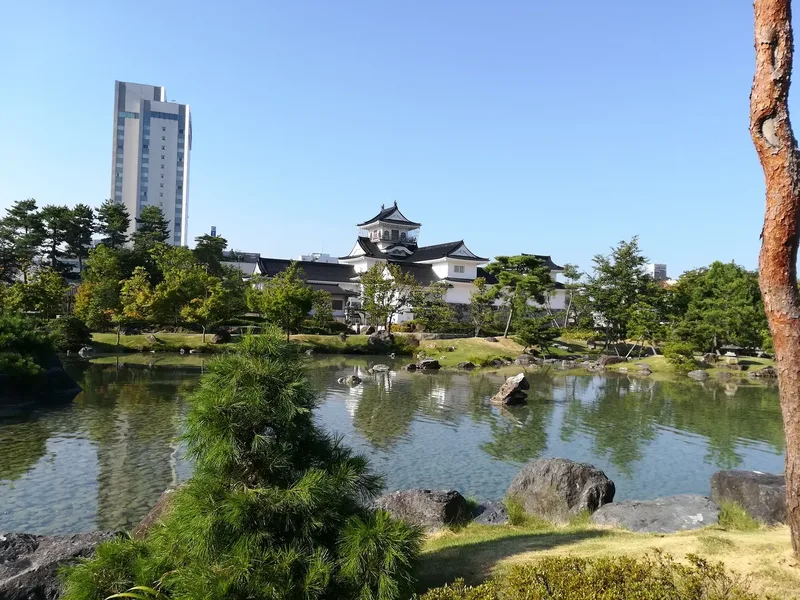
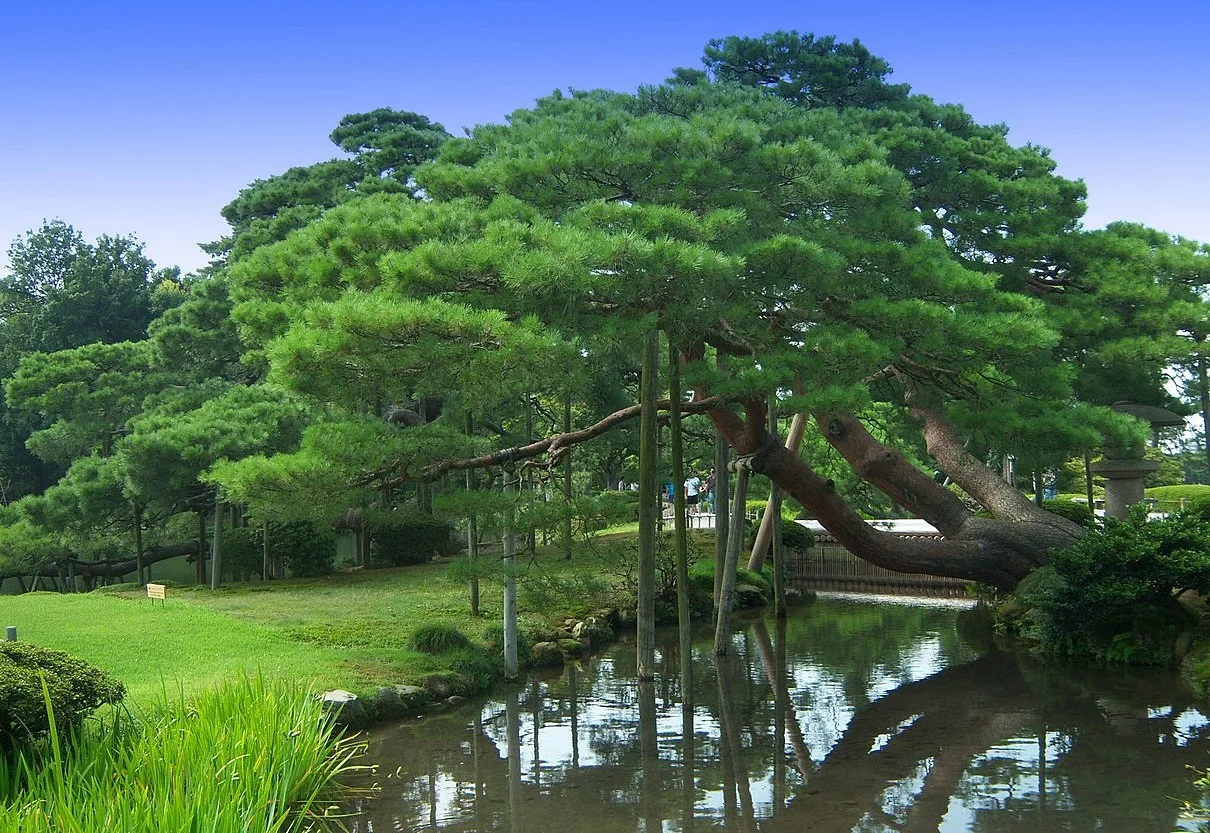
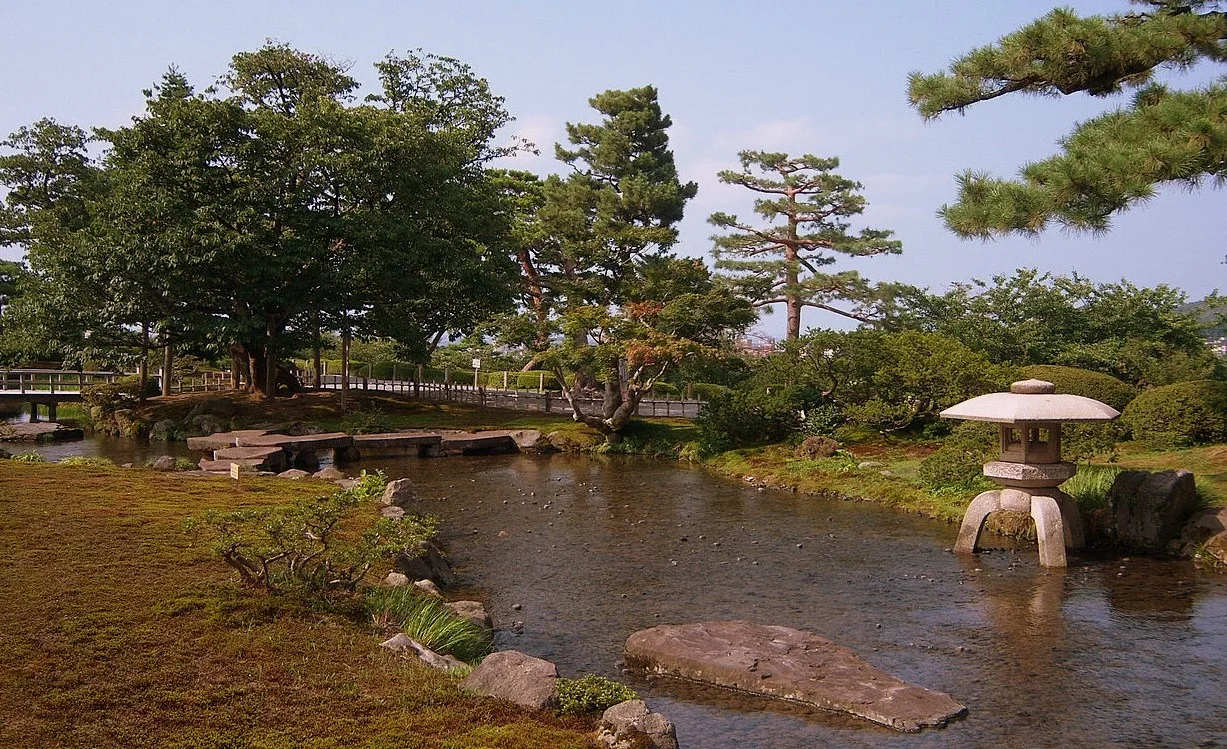
Give Kenrokuen and the castle area an unhurried block, noticing views, paths and water rather than crossing the garden to reach the next address. Combine it with one nearby visit that matters to you. Opening times and the areas covered by tickets should be checked separately; a park entrance does not necessarily grant access to every building.
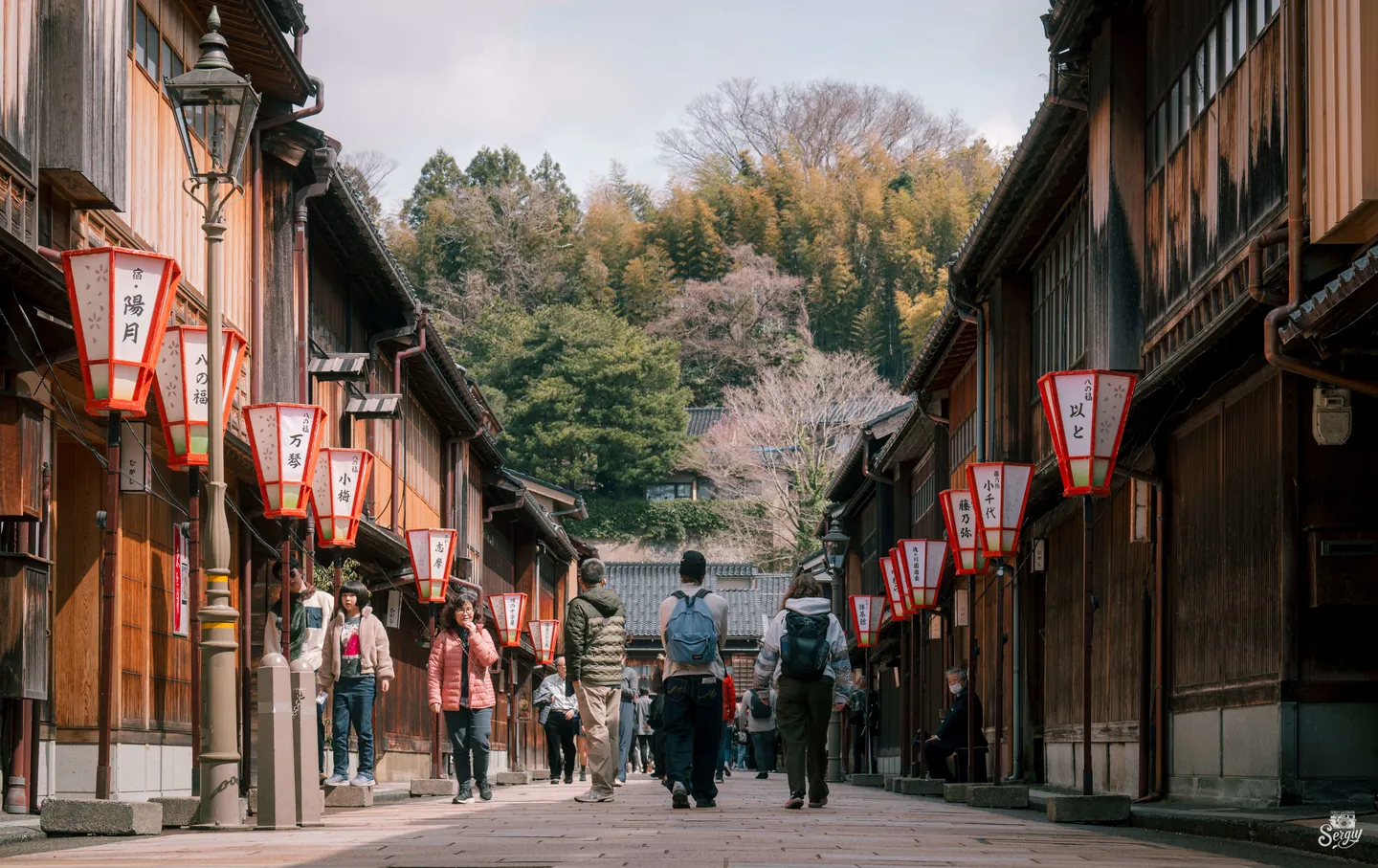
Use another block for Higashi Chaya’s historic streets or Nagamachi’s residential setting. They tell different stories, so select the houses, cultural venue or craft visit you want to enter. Walking past an attractive exterior and exploring a ticketed interior are different experiences. Leave a tea break between them instead of filling every gap with another district.
Choose a craft activity for participation
A workshop can turn the city’s craft reputation into something you understand through making. Compare the material, the object you work on, the teaching language and what you take away. A brief decorative session and a longer lesson are different purchases; neither should be described as mastering a traditional craft in an afternoon.
A guided city walk is useful if you want historical connections between the garden and districts or help arranging a manageable route. Check whether transport, admission and the chosen interiors are included. Choose it for the explanation and pacing you need, rather than assuming every private guide supplies a vehicle.
Make time for the local food
What to eat and where to look
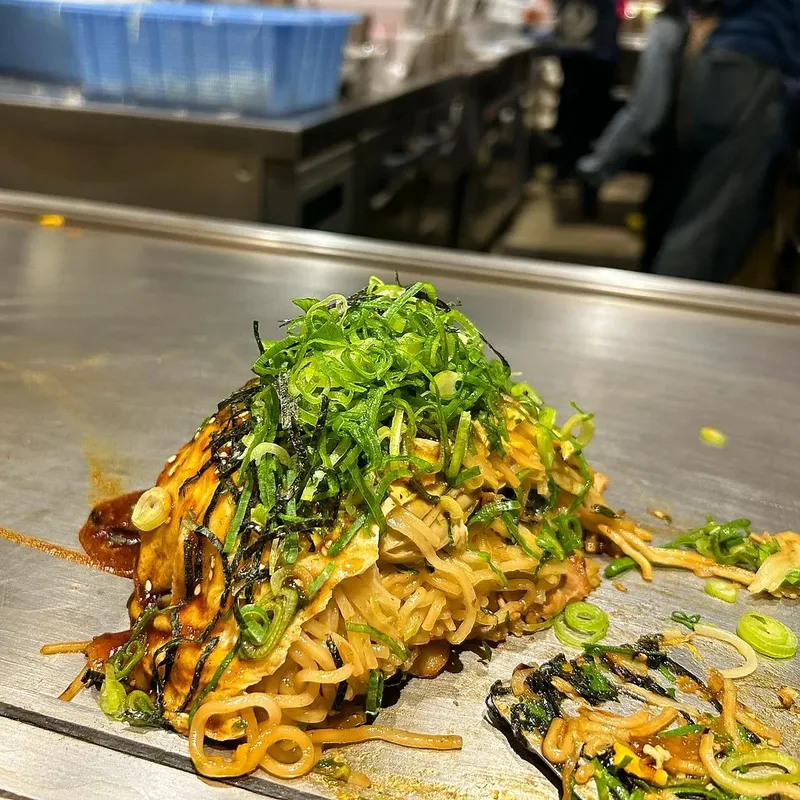
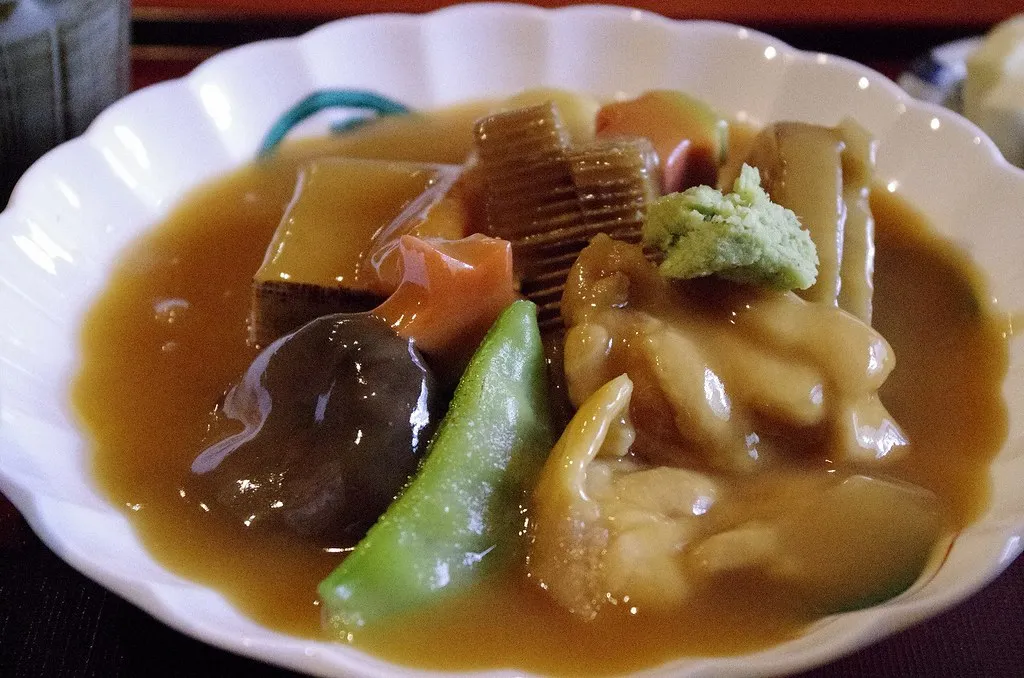
Jibuni
A Kaga-style stew combining meat, vegetables and fu, or wheat gluten, in a thickened broth. Duck is a traditional choice; check the restaurant’s version.
- Where to look
- Restaurants identifying Kaga cuisine on their menu.
- Fit it into your day
- Make it part of a leisurely dinner with rice.
Contains wheat; check meat and stock ingredients.
Kabura-zushi
Yellowtail and pickled turnip fermented with rice malt. This winter-associated preparation differs from a familiar rice-topped nigiri.
- Where to look
- Regional food shops and restaurants listing the dish.
- Fit it into your day
- Try a small portion as an introduction to fermented regional food.
Check availability and refrigeration instructions before taking it on a train.
Sea of Japan sushi
A seasonal assortment can introduce the local catch without requiring the same selection every month.
- Where to look
- Omicho-area restaurants or a sushi restaurant near your route.
- Fit it into your day
- Choose a dedicated lunch and compare the menu before queueing.
Ask about ingredients and raw-food suitability where relevant.
Wagashi with tea
Small Japanese sweets offer a slower afternoon pause and a different experience from a large dessert.
- Where to look
- Confectionery shops and tea venues in the central districts.
- Fit it into your day
- Leave room for one sweet and a seated tea break.
Ingredients and consumption arrangements vary by shop.
Make regional meals worth the overnight stay
Choose a seafood lunch and a Kaga-style dinner as separate occasions. Omicho is also a working market: compare the actual menu, the queue and where purchases may be eaten before settling on a stop. A seasonal assortment lets the restaurant work with that day’s supply instead of requiring a particular fish all year.
Jibuni and kabura-zushi offer different textures from the sushi many visitors already know. Ask about the preparation and portion, then leave an afternoon for a small sweet with tea. Gold-leaf ice cream is an eye-catching optional snack; it need not replace the broader confectionery tradition or become a required stop in every itinerary.
Arrive on the current railway route
Tokyo connects with Kanazawa along the Hokuriku Shinkansen. Journeys from Osaka or Kyoto commonly combine the Thunderbird with a Shinkansen transfer at Tsuruga. Avoid older instructions that describe the Thunderbird as running straight through to Kanazawa. Check the selected service, reservations and connection on the travel date.
Kanazawa Station is not the doorstep of every historic district. A station-area hotel can simplify luggage and onward departure; a central location can shorten some sightseeing walks. Compare those priorities against the exact hotel address and current local transport. Do not assume a national rail pass covers every city bus.
Keep Noto and mountain side trips as separate choices
Kanazawa’s city itinerary is different from travelling around the Noto Peninsula. Recovery after the 2024 earthquake varies by place and service. For an extension, check the precise destination, transport, accommodation and activity through current local information, rather than describing the whole region as either inaccessible or fully restored.
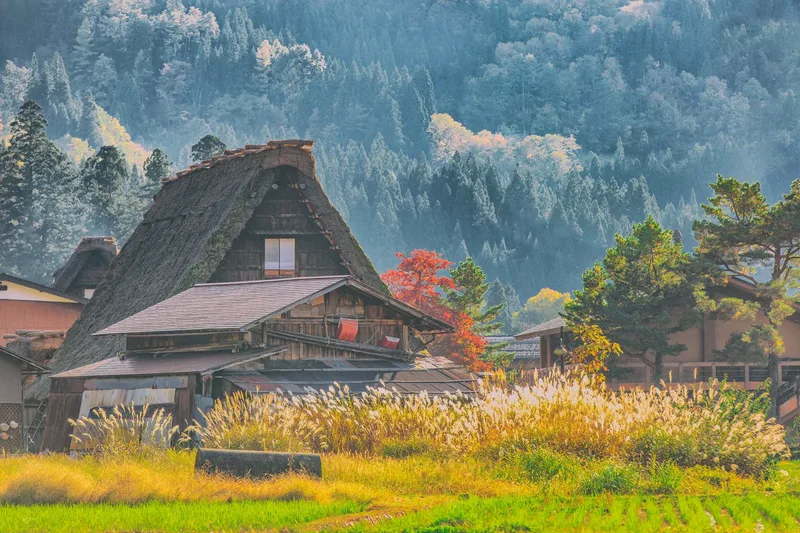
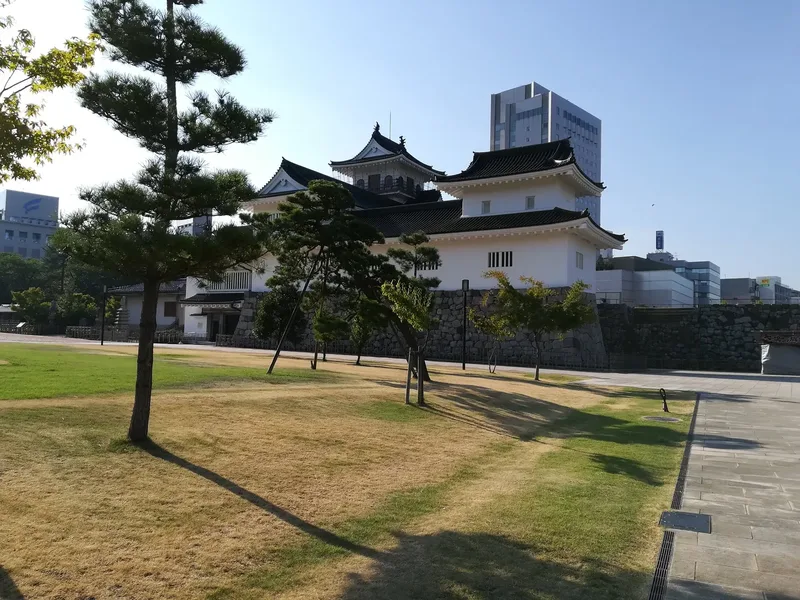
Shirakawa-go, Toyama or a longer Hokuriku route can be attractive continuations, but their transfers deserve time. Do not add a distant detour simply because it looks close on a national map. In snow or heavy rain, reduce the walking programme and choose an accessible indoor alternative; the garden’s winter appearance is weather-dependent.
Practical questions
Is Kanazawa worth an overnight stay?
An overnight stay gives two days for a garden, neighbourhoods and an unhurried regional dinner. A day trip needs a narrower selection.
Does the Thunderbird run directly from Osaka to Kanazawa?
Plan the current route with a change at Tsuruga for the Hokuriku Shinkansen, then confirm the specific services for your date.
Is kabura-zushi the same as ordinary sushi?
It is a fermented turnip-and-yellowtail preparation, not the usual piece of fish over a rice mound.
Can I add Noto as an easy city excursion?
Check the specific place and current services. The peninsula is a separate journey, and recovery conditions vary.
Should I book a guide or craft workshop?
Choose a guide for historical explanation and route planning, or a workshop for making something. Compare language, participation and inclusions before paying.
Sources and checks before you travel
Reference sources for the version dated 30 September 2026. Confirm opening times, access, transport and conditions for your travel dates.
Does this experience fit your route?
Explore related tours and experiences
Check dates and details on Viator ↗ — opens in a new tabAffiliate link · Book with ViatorPhoto credits
A pine tree supported by poles stretches over the water in the Kenroku-en garden in Kanazawa.
Photograph: Lluis — opens in a new tab · CC BY 2.0 — opens in a new tab
Changes: Resized and converted to WebP; displayed with responsive crops. · Original photograph and licence details ↗ — opens in a new tab
Visitors and traditional teahouses along a street in Higashi Chaya, Kanazawa.
Photograph: Sergiy Galyonkin — opens in a new tab · CC BY-SA 2.0 — opens in a new tab
Changes: Resized and converted to WebP; displayed with responsive crops. · Original photograph and licence details ↗ — opens in a new tab
Jibuni with vegetables and fu wheat gluten, photographed in Kanazawa.
Photograph: Tomoaki INABA — opens in a new tab · CC BY-SA 2.0 — opens in a new tab
Changes: Resized and converted to WebP; displayed with responsive crops. · Original photograph and licence details ↗ — opens in a new tab
A pond and stone lantern in Kenroku-en garden, Kanazawa.
Photograph: Lluis — opens in a new tab · CC BY 2.0 — opens in a new tab
Changes: Resized and converted to WebP; displayed with responsive crops. · Original photograph and licence details ↗ — opens in a new tab