Itineraries
10 days in Japan: a realistic Tokyo, Kyoto and Osaka itinerary
Keep the arrival programme modest: accommodation, the nearby streets and an easy meal. Put the experience that matters to you first, then give the meal and the journey enough room. The route below is a planning suggestion; confirm the current arrangements for the places you choose.
- Suggested time
- Ten days including the actual arrival and departure, with fewer full sightseeing days
- Where to stay
- Tokyo and Kyoto as two principal bases; Osaka as a defined visit or departure choice
- Season and timing
- Adapt city walks and reservations to the actual season
The short answer
Allow ten days including the actual arrival and departure, with fewer full sightseeing days. Consider Tokyo and Kyoto as two principal bases or Osaka as a defined visit or departure choice. Choose the main visit before adding another area. Decide whether the extra day belongs to a museum, a food interest or a properly planned day trip. A well-placed lunch and a flexible final stop keep the day enjoyable.
Days 1–3: settle into Tokyo
Keep the arrival programme modest: accommodation, the nearby streets and an easy meal. Use the next full days for two geographic areas, such as Asakusa with Ueno, then a western city route. Choose one booked experience that matters and leave the rest flexible. A ten-day trip cannot give every Tokyo neighbourhood equal attention without sacrificing the wider journey.
Day 4: choose another Tokyo interest or a trip
Decide whether the extra day belongs to a museum, a food interest or a properly planned day trip. Nikko and Kamakura are distinct choices requiring their own complete connections. Do not add both to a day whose purpose was already Tokyo sightseeing. A selected guided walk can help when history or food explanation is worth more to you than another landmark.
Make time for the local food
What to eat and where to look
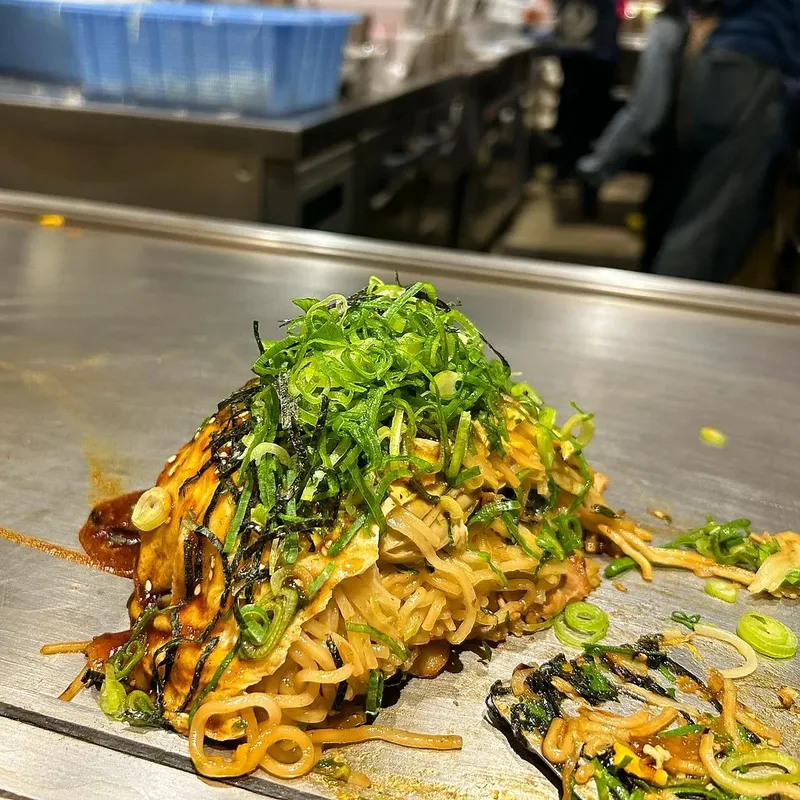
A Tokyo neighbourhood meal
Choose food near the day’s main area rather than cross the city for every lunch.
- Where to look
- Current menus and official visitor listings near your selected Ten days in Japan route.
- Fit it into your day
- Choose this as a deliberate meal or snack near the main visit. Check the preparation and ingredients before ordering; leave time to reach your next connection.
A Kyoto or Osaka meal
Keep the regional meal within your chosen day; a distant restaurant does not become a compulsory itinerary stop.
- Where to look
- Current menus and official visitor listings near your selected Ten days in Japan route.
- Fit it into your day
- Choose this as a deliberate meal or snack near the main visit. Check the preparation and ingredients before ordering; leave time to reach your next connection.
Days 5–8: Kyoto with one deliberate extension
Allow the move to Kyoto its own time for luggage and check-in, then use the settled days for selected temple areas and a cultural or food experience. JNTO’s Kansai itinerary links Kyoto, Nara and Osaka, but this shorter route requires priorities. Choose Nara or another extension only when it replaces a Kyoto day rather than being squeezed between morning and evening reservations.
Days 9–10: Osaka or a generous return
If departure works through Kansai, give Osaka a defined day and a meal before the final travel. If flying from Tokyo, protect the return connection and remove an extra city if needed. This is an editorial outline, not a rail-pass calculation or package. Compare the actual ticketed journeys and airports before booking non-refundable activities on the last day.
Give the meal a place in the route
Choose a seated meal near your planned visits and keep an alternative nearby if the restaurant is full. Compare the dish, portion and price on the current menu. If ingredients matter, ask about broth, sauce and preparation as well as the main item.
Choose a guided experience for a clear reason
A guided experience is worth comparing when it adds explanation, gives you access to a properly arranged activity or solves a difficult local journey. Read the route and meeting point before buying: a title naming Ten days in Japan does not establish where the outing starts. Ask how much time is spent at the main visit, whether admissions and meals are included, and what happens if conditions change. For a simple independent walk, the official visitor information may be all you need; spend on the part of the day you want to understand more deeply.
Practical questions
How should I divide ten days in Japan?
Ten days including the actual arrival and departure, with fewer full sightseeing days. This is a planning starting point; allow more time if you choose an additional area or a slower visit.
Do I need both Tokyo and Osaka hotels?
Choose the final base around your actual flight. An Osaka visit can work from a Kansai base, while a Tokyo departure requires a protected return journey.
Should I add Hiroshima to this first route?
Add it only by removing other time and checking the complete transport. This two-principal-base outline keeps the first visit manageable rather than fitting every major city.
Sources and checks before you travel
Reference sources for the version dated 30 September 2026. Confirm opening times, access, transport and conditions for your travel dates.
Does this experience fit your route?
Explore related tours and experiences
Check dates and details on Viator ↗ — opens in a new tabAffiliate link · Book with ViatorPhoto credits
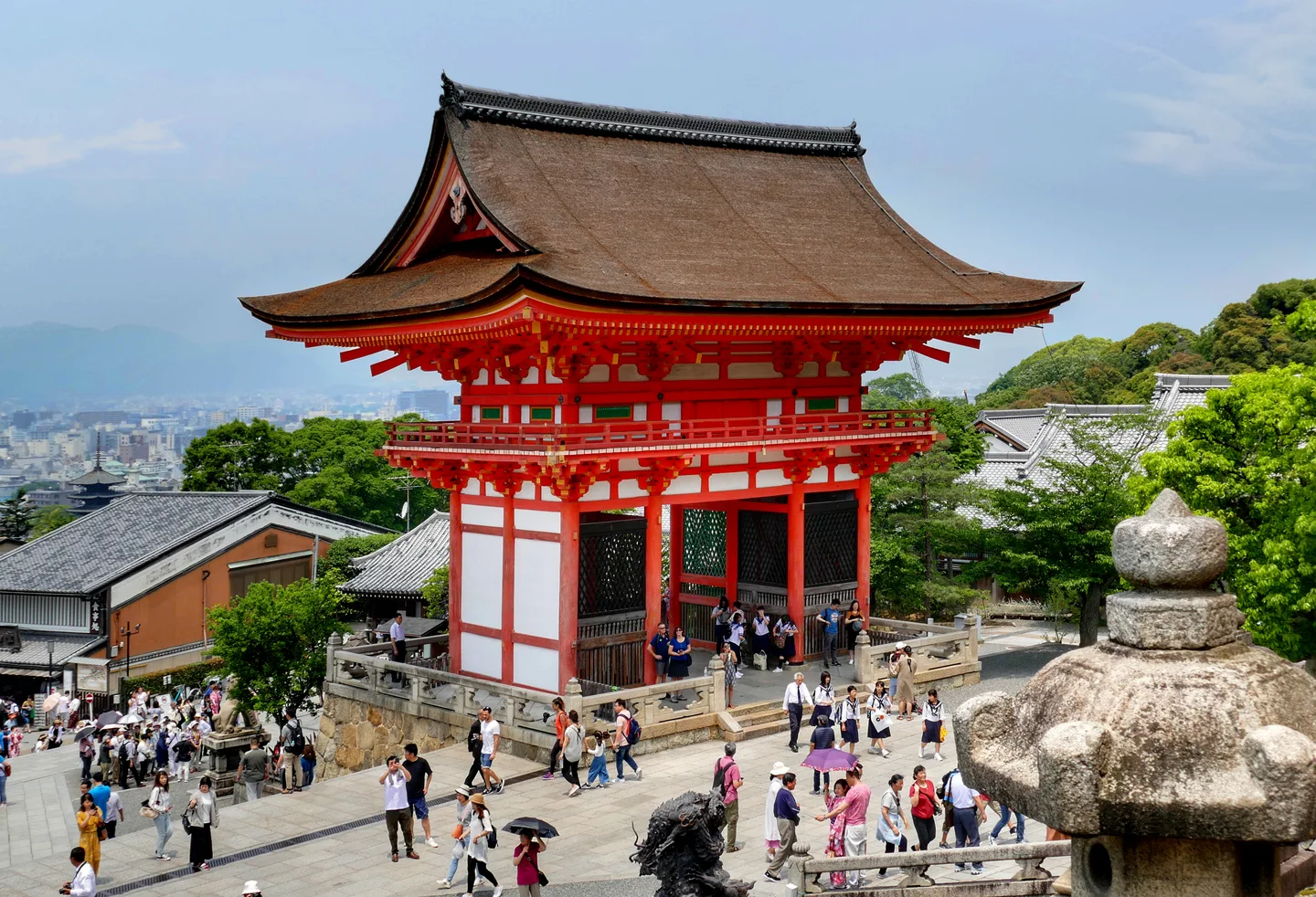
The Niōmon gate of the Kiyomizu-dera temple in Kyoto.
Photograph: Bernard Spragg. NZ — opens in a new tab · Public Domain Mark 1.0 — opens in a new tab
Changes: Resized and converted to WebP; displayed with responsive crops. · Original photograph and licence details ↗ — opens in a new tab
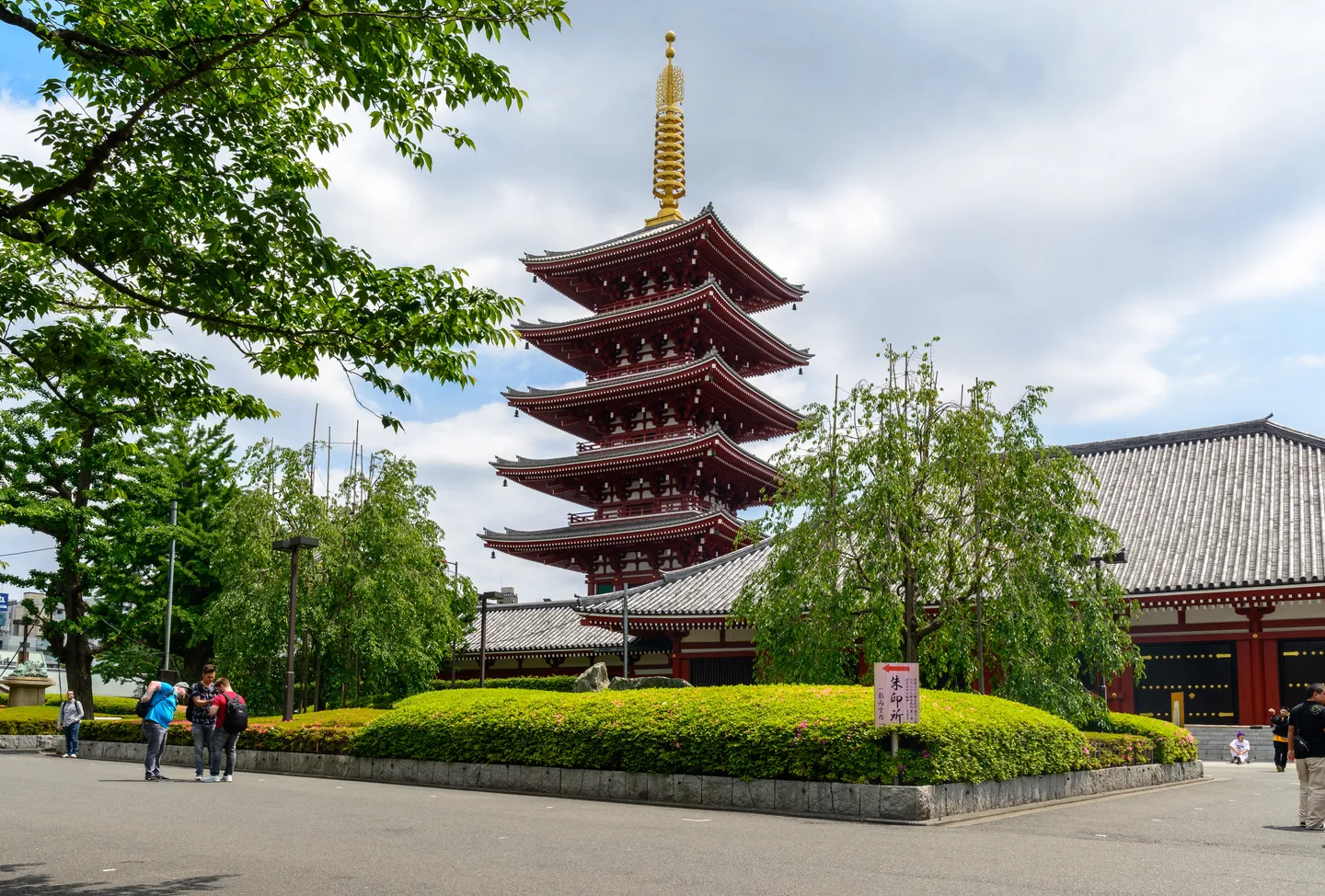
The pagoda at Sensoji in Asakusa, Tokyo.
Photograph: Domenico Convertini — opens in a new tab · CC BY-SA 2.0 — opens in a new tab
Changes: Resized and converted to WebP; displayed with responsive crops. · Original photograph and licence details ↗ — opens in a new tab
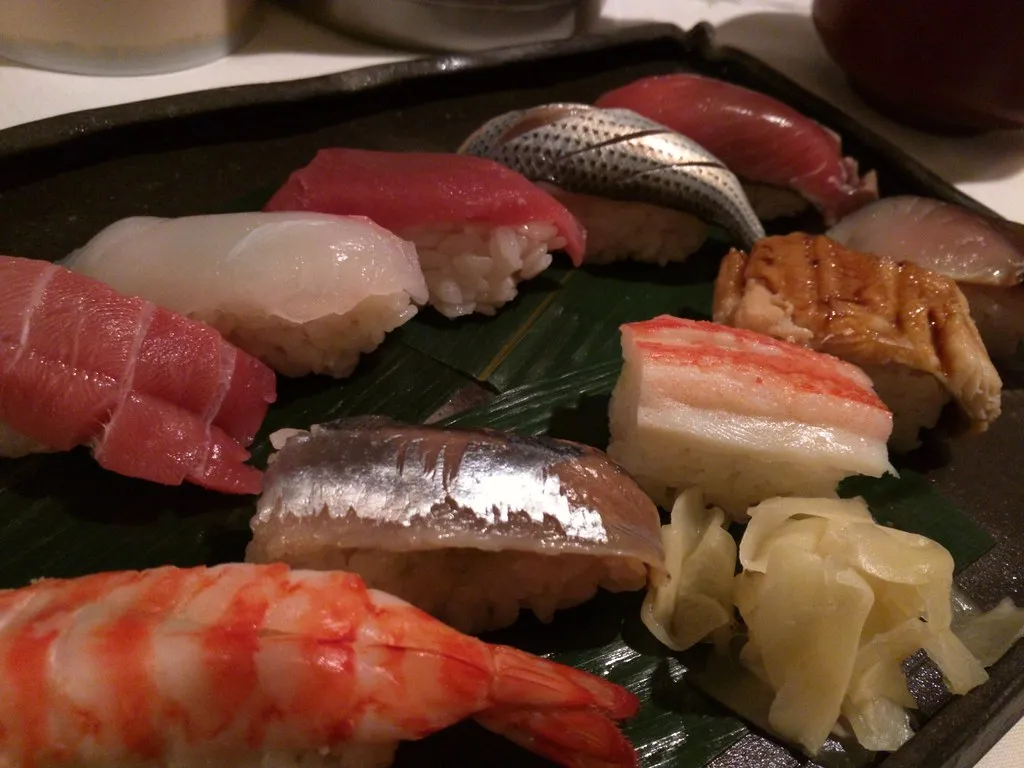
Nigiri sushi photographed in Tokyo.
Photograph: Elizabeth K. Joseph — opens in a new tab · CC BY 2.0 — opens in a new tab
Changes: Resized and converted to WebP; displayed with responsive crops. · Original photograph and licence details ↗ — opens in a new tab
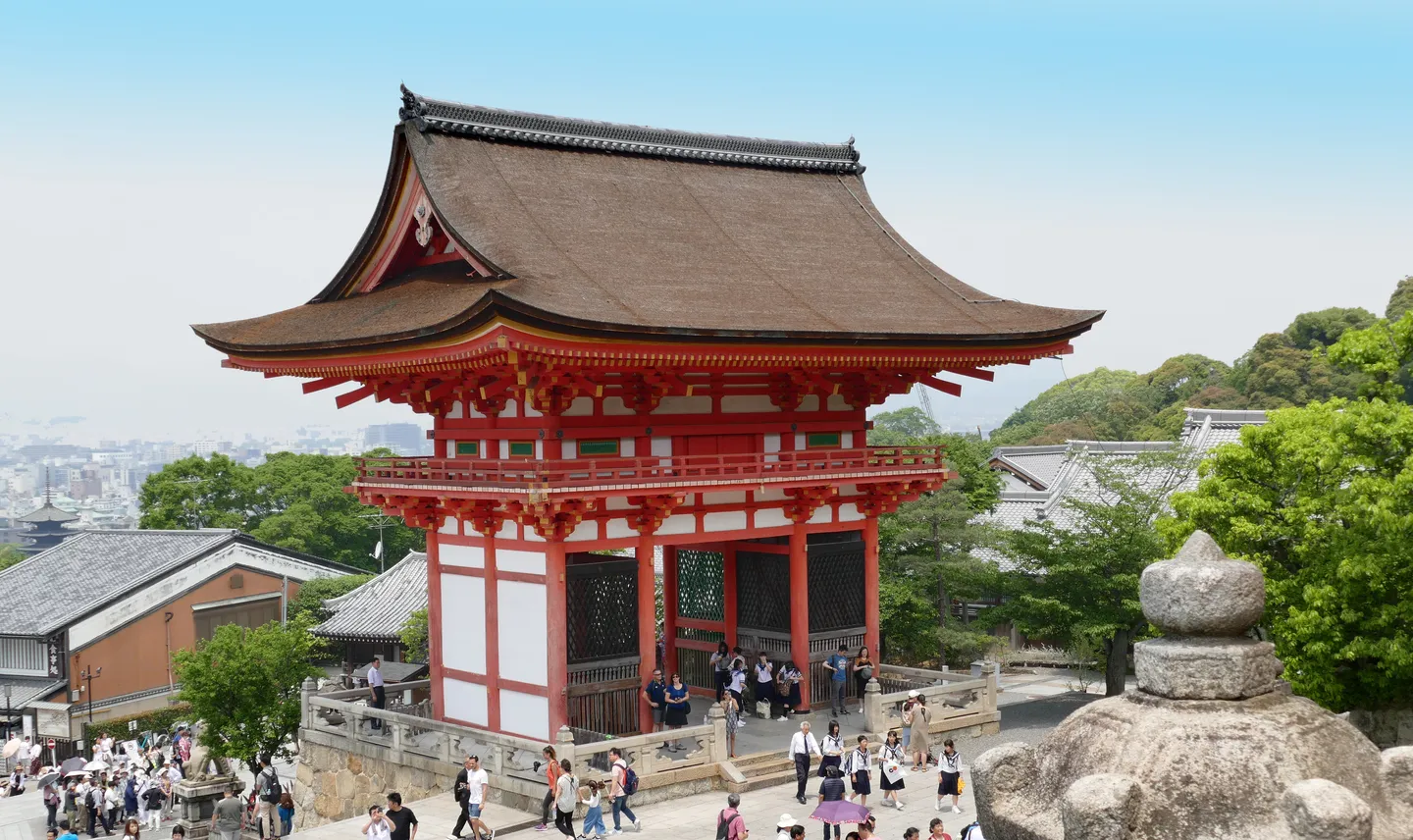
The red gate of Kiyomizu-dera in Kyoto with visitors and the city beyond.
Photograph: Bernard Spragg. NZ — opens in a new tab · Public Domain Mark 1.0 — opens in a new tab
Changes: Resized and converted to WebP; displayed with responsive crops. · Original photograph and licence details ↗ — opens in a new tab