Kansai · Kyoto
Kyoto travel guide: neighbourhoods, temples, food and useful experiences
Kyoto becomes more rewarding when a day has room for a garden, a neighbourhood and a meal. The famous sights give you reasons to come; the space between them gives the visit its character. Choose a few connected areas rather than treating every temple, market and bamboo path as a stop on one enormous route.
- Suggested time
- Three to four days for a first stay
- Where to stay
- Kyoto Station area, Shijo or Sanjo according to your routes
- Season and timing
- Spring and autumn scenery; summer heat and seasonal crowds change the pace
The short answer
Allow three or four days for a first Kyoto stay. Give Higashiyama and Arashiyama separate blocks, choose a central day for food and another cultural interest, and add Uji only by replacing something else. Stay near transport that serves your actual plans, and reserve time for one meal or guided experience you particularly want.
Build three days around areas, not a checklist
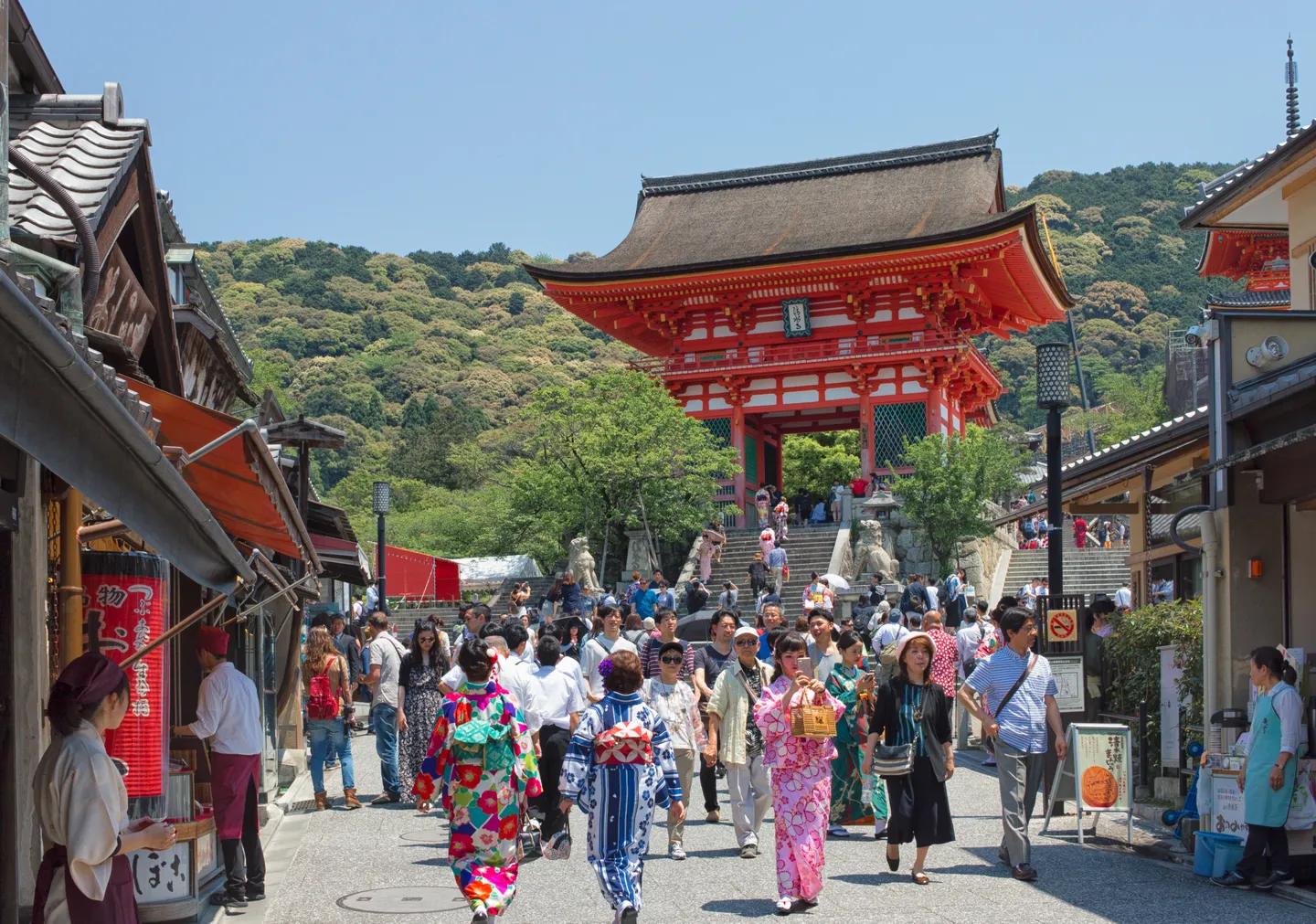
Start with eastern Kyoto: choose a temple visit around Higashiyama, then walk through nearby public streets with time to pause. Kiyomizudera, the sloping lanes and Gion need different kinds of attention. Do not schedule them as interchangeable photo stops or assume every lane and courtyard is open to visitors.
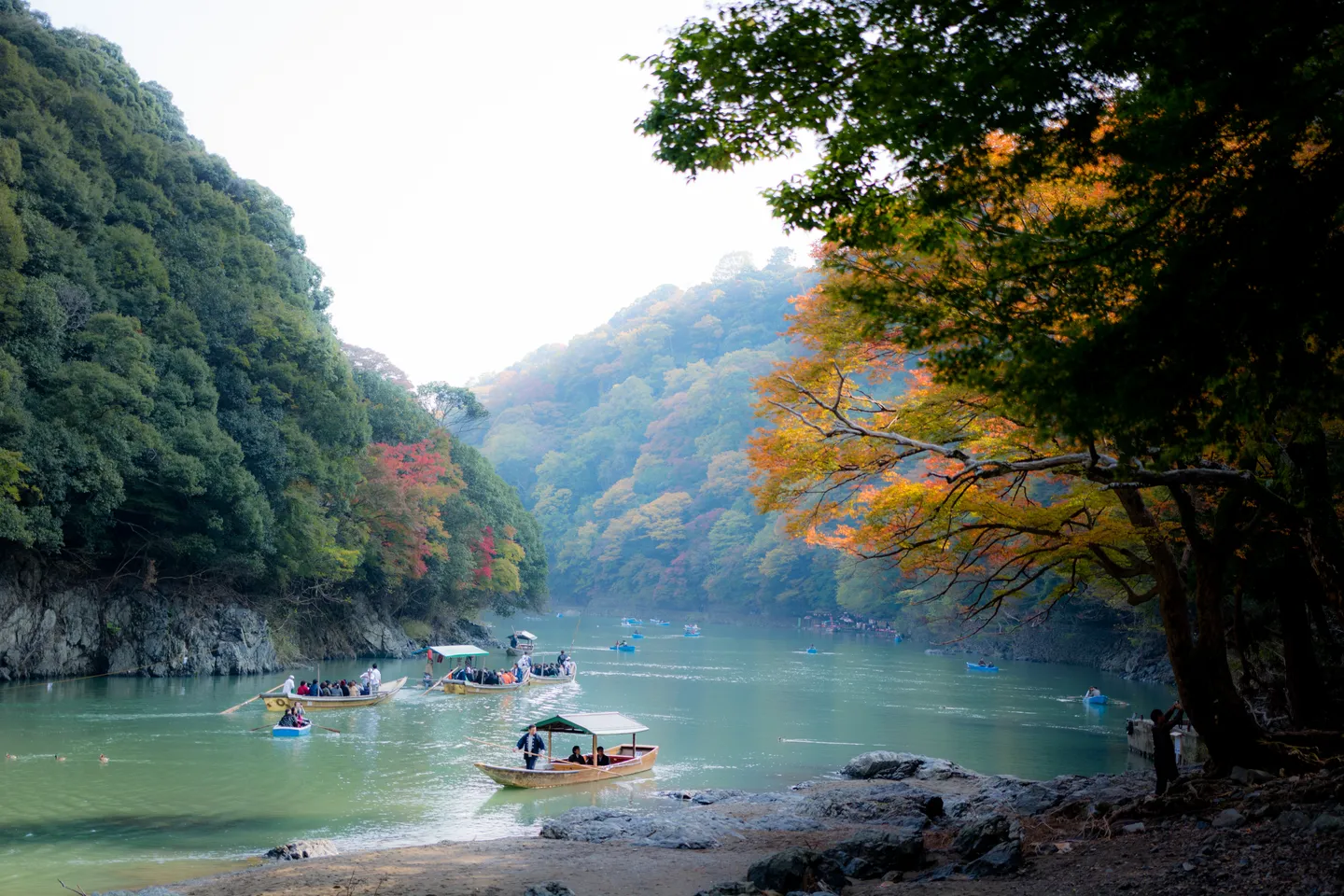
Use another day for Arashiyama if its riverside setting, gardens and bamboo appeal to you. Adding distant northern temples to the same block means sacrificing time here. A third day can combine central Kyoto, Nishiki and a specific museum, craft or cultural booking. This is a planning suggestion, not a promise that every site will be open on your dates.
Choose one experience that changes what you notice
A tea activity can help you understand the preparation, serving and surroundings instead of simply ordering a green drink. A garden or neighbourhood guide can add explanations that a quick walk misses. Choose the format that interests you: some sessions centre on a demonstration, others on participation, and language and group size matter.
For a Nishiki food walk, compare the stated tastings and dietary arrangements before booking. Its appeal is learning what unfamiliar ingredients and preparations are, while making a meal out of the visit. It works best for curious eaters who want context, rather than travellers who mainly want to shop independently. Do not assume every tour includes the same stalls or a full lunch.
Make time for the local food
What to eat and where to look
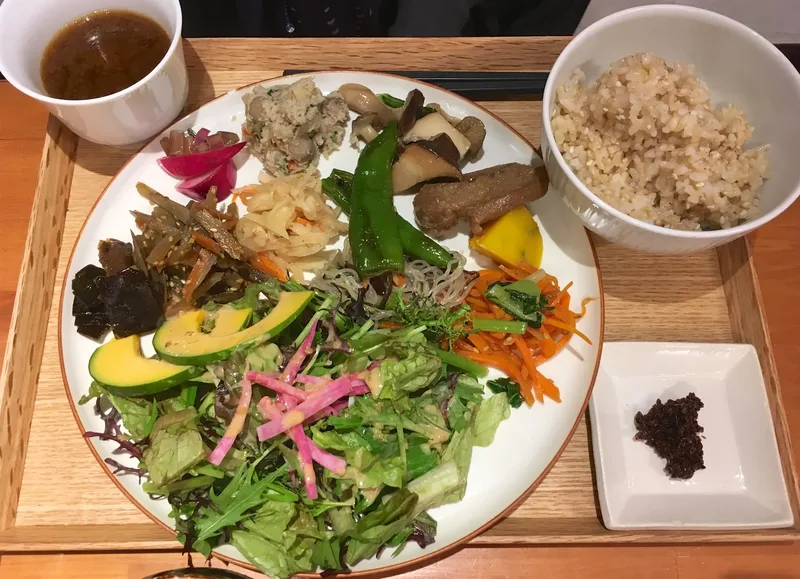
Obanzai
Kyoto home-style dishes offered in varied combinations, often drawing on seasonal produce. The term describes a cooking tradition rather than a fixed tasting menu.
- Where to look
- Restaurants advertising obanzai in central Kyoto.
- Fit it into your day
- Try a rice-and-side-dishes lunch before a lighter afternoon.
Vegetable dishes may still use fish-based stock.
Yudofu
Gently heated tofu served with condiments: a quieter meal that lets you appreciate texture rather than chase a large list of toppings.
- Where to look
- Check tofu restaurant menus around Nanzenji or Arashiyama.
- Fit it into your day
- Give it a seated lunch break after a nearby visit.
Confirm the broth, sauces and the rest of a set if avoiding animal ingredients.
Yuba and fu
Soy-milk skin and wheat-gluten preparations bring contrasting textures to Kyoto meals; the sauce and cooking method make each dish different.
- Where to look
- Menus in tofu restaurants and shops selling regional prepared foods.
- Fit it into your day
- Choose one preparation to try alongside a meal.
Fu contains wheat; yuba dishes are not automatically vegan.
Kyo-kaiseki
A succession of seasonal dishes, where presentation and pacing form part of the meal. Modern menus can include seafood or meat.
- Where to look
- Restaurants publishing a clear seasonal course and booking terms.
- Fit it into your day
- Keep the evening free for a reserved dinner.
Agree dietary requirements with the restaurant before paying.
Make Kyoto food part of the itinerary
An obanzai lunch, a tofu meal and a carefully paced dinner give different ways into Kyoto cooking. Leave a generous block for a reserved meal instead of attaching it to the end of a cross-city rush. Match the restaurant to the neighbourhood you are already visiting; a celebrated address on the other side of town may change the whole afternoon.
Nishiki sells ingredients as well as ready-to-eat foods. The official visitor guidance asks you to eat at the shop where you bought the food or take it home, rather than walk through the market eating. Follow each shop’s instructions, keep entrances clear and ask where a purchase may be consumed. A market tasting and a sit-down dinner need not compete for the same appetite.
Pick a base by the journeys you will make
Kyoto Station is useful for rail arrivals and onward travel. Shijo and Sanjo can put central streets and evening meals close by, with different rail and subway connections. Compare the walk from the exact hotel entrance to the correct station exit, not just a pin labelled Kyoto.
Use rail and subway where they fit your route, and buses for the gaps they serve. A transfer with bags is different from a sightseeing walk. Check the official route information for the day and allow extra time before a timed booking; do not build an itinerary that only works if every connection is immediate.
Know when a side trip is worth a city day
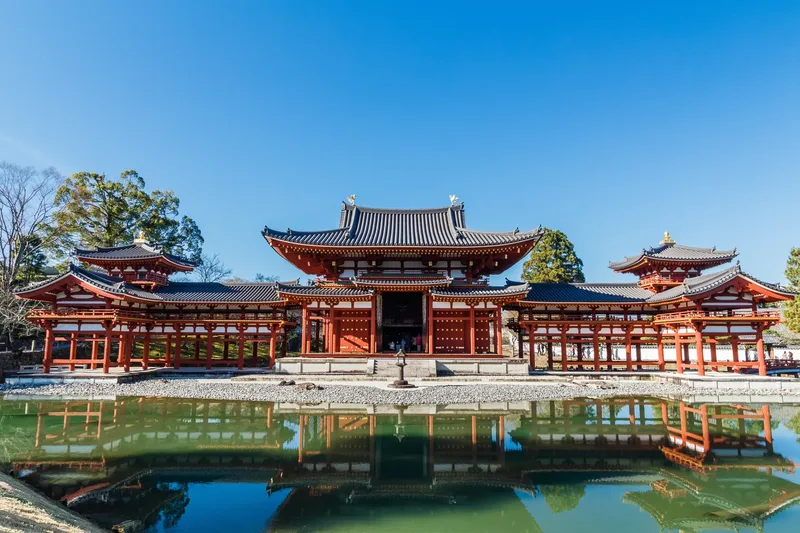
Uji deserves its own decision if tea culture and Byodoin are priorities. It is a stronger choice than squeezing an excursion into spare hours after Arashiyama. With only three days, decide which Kyoto day you would exchange for it. With more time, northern or outlying districts can offer a different setting without pretending they are undiscovered.
Weather and crowds affect the experience as much as the month on a calendar. In hot conditions, lighten the middle of the day; in rain, pair a reachable indoor visit with a shorter outdoor block. Follow signs and photography rules, especially around homes and working cultural districts. People going about their jobs are not visitor attractions.
Practical questions
How many days should I spend in Kyoto?
Three or four days give a first stay room for different areas and meals. With two, select priorities rather than compressing a three-day itinerary.
Should I visit Arashiyama and Uji on the same day?
They serve different interests and are not a natural compact pairing. Give each the time it deserves, or choose one when the stay is short.
Can I eat while walking through Nishiki Market?
The official guidance asks visitors to eat at the shop where the food was bought or take it away to consume elsewhere. Follow the shop’s directions.
Is a Kyoto food tour worth booking?
It can suit travellers who want help identifying foods and understanding the market. Compare tastings, language, dietary arrangements and whether enough food for a meal is included.
Does a tofu meal mean a vegan meal?
No. Broths, sauces and accompanying dishes need checking even when tofu is the main ingredient.
Sources and checks before you travel
Reference sources for the version dated 30 September 2026. Confirm opening times, access, transport and conditions for your travel dates.
Does this experience fit your route?
Explore related tours and experiences
Check dates and details on Viator ↗ — opens in a new tabAffiliate link · Book with ViatorPhoto credits
Visitors on the approach to Kiyomizu-dera in Kyoto.
Photograph: . Ray in Manila — opens in a new tab · CC BY 2.0 — opens in a new tab
Changes: Resized and converted to WebP; displayed with responsive crops. · Original photograph and licence details ↗ — opens in a new tab
Boats on the river between wooded hills in Arashiyama, Kyoto.
Photograph: Takashi Hososhima — opens in a new tab · CC BY-SA 2.0 — opens in a new tab
Changes: Resized and converted to WebP; displayed with responsive crops. · Original photograph and licence details ↗ — opens in a new tab
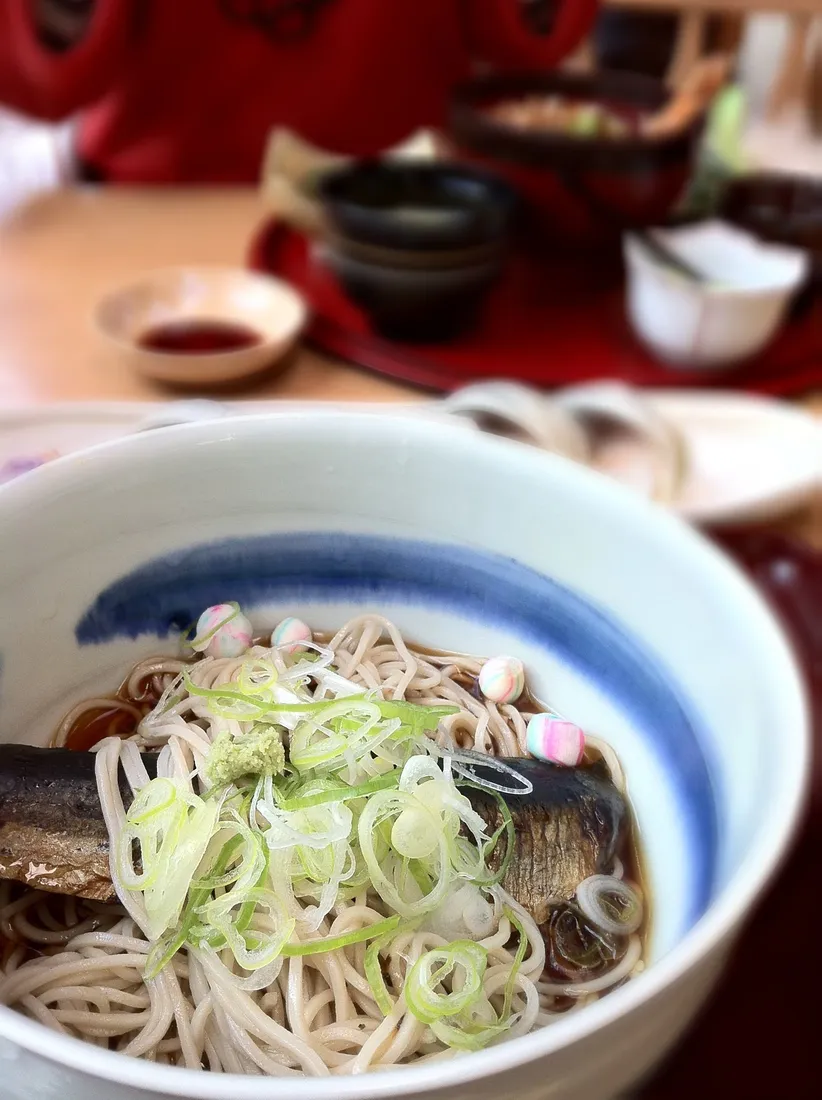
Nishin soba with herring and spring onion, photographed in Kyoto.
Photograph: whity — opens in a new tab · CC BY 2.0 — opens in a new tab
Changes: Resized and converted to WebP; displayed with responsive crops. · Original photograph and licence details ↗ — opens in a new tab