Kanto · Tochigi
Nikko travel guide: shrines, mountain scenery and choosing a base
Nikko contains a compact religious-heritage interest and a higher mountain landscape requiring another journey. Put the experience that matters to you first, then give the meal and the journey enough room. The route below is a planning suggestion; confirm the current arrangements for the places you choose.
- Suggested time
- One day for heritage; two for a separate mountain outing
- Where to stay
- Tokyo for a shrine day; Nikko for an overnight mountain extension
- Season and timing
- Autumn crowds and winter mountain conditions need planning
The short answer
Allow one day for heritage; two for a separate mountain outing. Consider Tokyo for a shrine day or Nikko for an overnight mountain extension. Choose the main visit before adding another area. Toshogu, Rinnoji and Futarasan provide different parts of the area’s religious history. A well-placed lunch and a flexible final stop keep the day enjoyable.
Separate the heritage core from Oku-Nikko
Nikko contains a compact religious-heritage interest and a higher mountain landscape requiring another journey. A day from Tokyo is best planned around the shrine-and-temple area. Add Lake Chuzenji or another Oku-Nikko destination only when the actual transport and available time work. A short map distance does not describe the mountain road or traffic.
Choose a principal religious visit
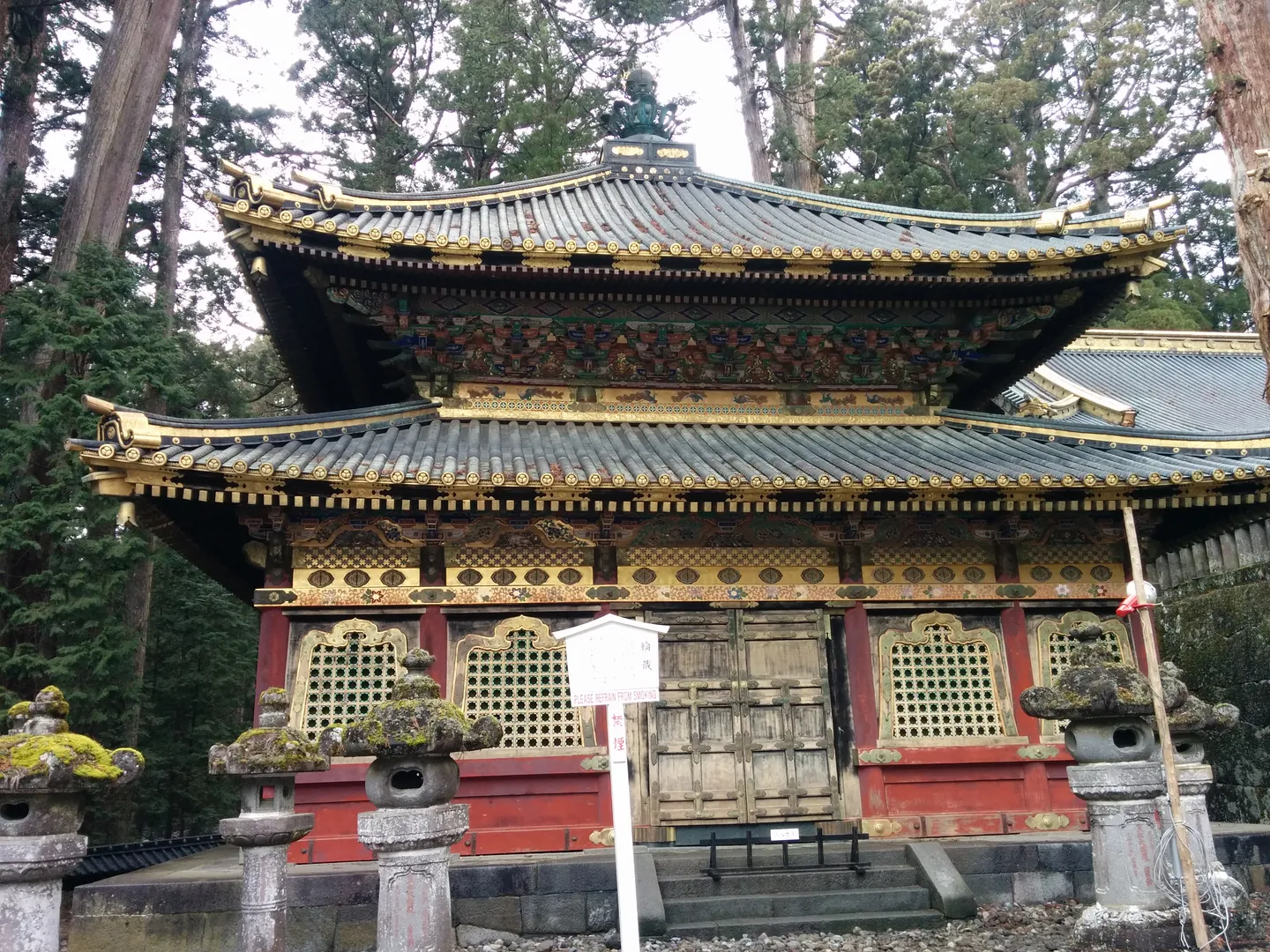
Toshogu, Rinnoji and Futarasan provide different parts of the area’s religious history. Choose the site you most want to understand, then a complementary visit. Read current ticket and visitor information instead of assuming one purchase includes every interior. Give decorative details and interpretation time, and keep photography within each site’s instructions.
Make time for the local food
What to eat and where to look
Yuba
Nikko’s soy-milk skin appears in several preparations; check whether it is served in noodles, a set or another dish.
- Where to look
- Current menus and official visitor listings near your selected Nikko route.
- Fit it into your day
- Choose this as a deliberate meal or snack near the main visit. Check the preparation and ingredients before ordering; leave time to reach your next connection.
A warm noodle lunch
Choose a meal near the heritage area and ask about broth ingredients even if the topping is plant-based.
- Where to look
- Current menus and official visitor listings near your selected Nikko route.
- Fit it into your day
- Choose this as a deliberate meal or snack near the main visit. Check the preparation and ingredients before ordering; leave time to reach your next connection.
Yuba brings the meal into the visit
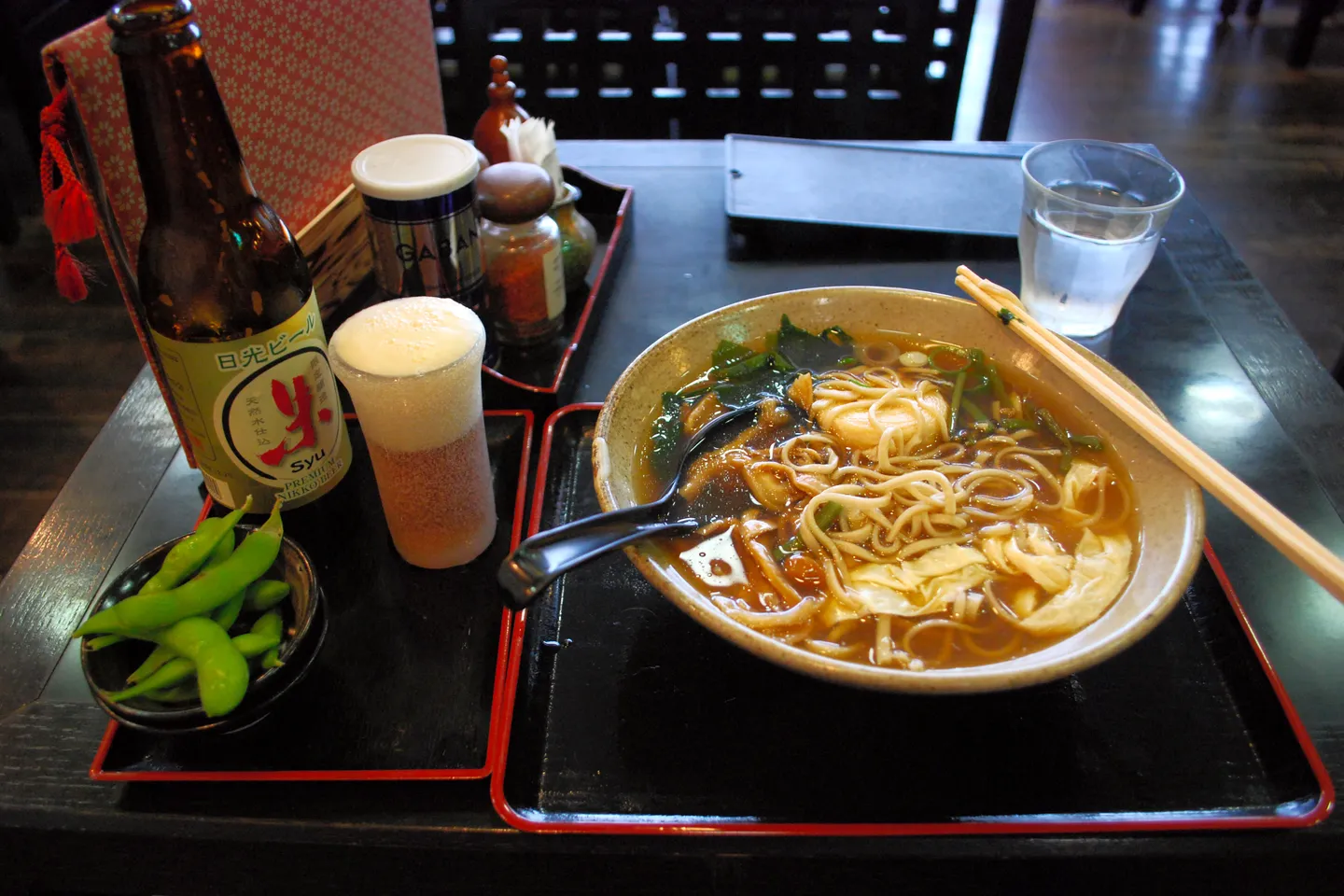
Nikko’s official visitor guide documents the variety of yuba dishes in local restaurants. Use that range to choose the lunch that suits you rather than expect one standard preparation. A set or noodle dish near the sites helps the route flow. Yuba itself does not determine the ingredients in sauces, broth or accompanying items, so ask when it matters.
Resolve both rail and local travel
Compare the full journey from your hotel, including the local move from the Nikko station area to the sites. A guided tour should be assessed by actual time at the places you want to enter. If lake and waterfall stops are included, ask what that removes from the shrine visit. For autumn weekends or winter mountain outings, keep the return connection generous.
Give the meal a place in the route
Choose a seated meal near your planned visits and keep an alternative nearby if the restaurant is full. Compare the dish, portion and price on the current menu. If ingredients matter, ask about broth, sauce and preparation as well as the main item.
Choose a guided experience for a clear reason
A guided experience is worth comparing when it adds explanation, gives you access to a properly arranged activity or solves a difficult local journey. Read the route and meeting point before buying: a title naming Nikko does not establish where the outing starts. Ask how much time is spent at the main visit, whether admissions and meals are included, and what happens if conditions change. For a simple independent walk, the official visitor information may be all you need; spend on the part of the day you want to understand more deeply.
Practical questions
How much time should I allow for Nikko?
One day for heritage; two for a separate mountain outing. This is a planning starting point; allow more time if you choose an additional area or a slower visit.
Can I combine temples and Oku-Nikko in one day from Tokyo?
Choose the heritage core for a focused day. Add the higher mountain area only when the complete transport works and you accept less time at the religious sites.
Is yuba automatically vegetarian?
Yuba itself is made from soy milk, but the broth, sauce and accompanying ingredients vary. Ask about the whole serving.
Sources and checks before you travel
Reference sources for the version dated 30 September 2026. Confirm opening times, access, transport and conditions for your travel dates.
Does this experience fit your route?
Explore related tours and experiences
Check dates and details on Viator ↗ — opens in a new tabAffiliate link · Book with ViatorPhoto credits
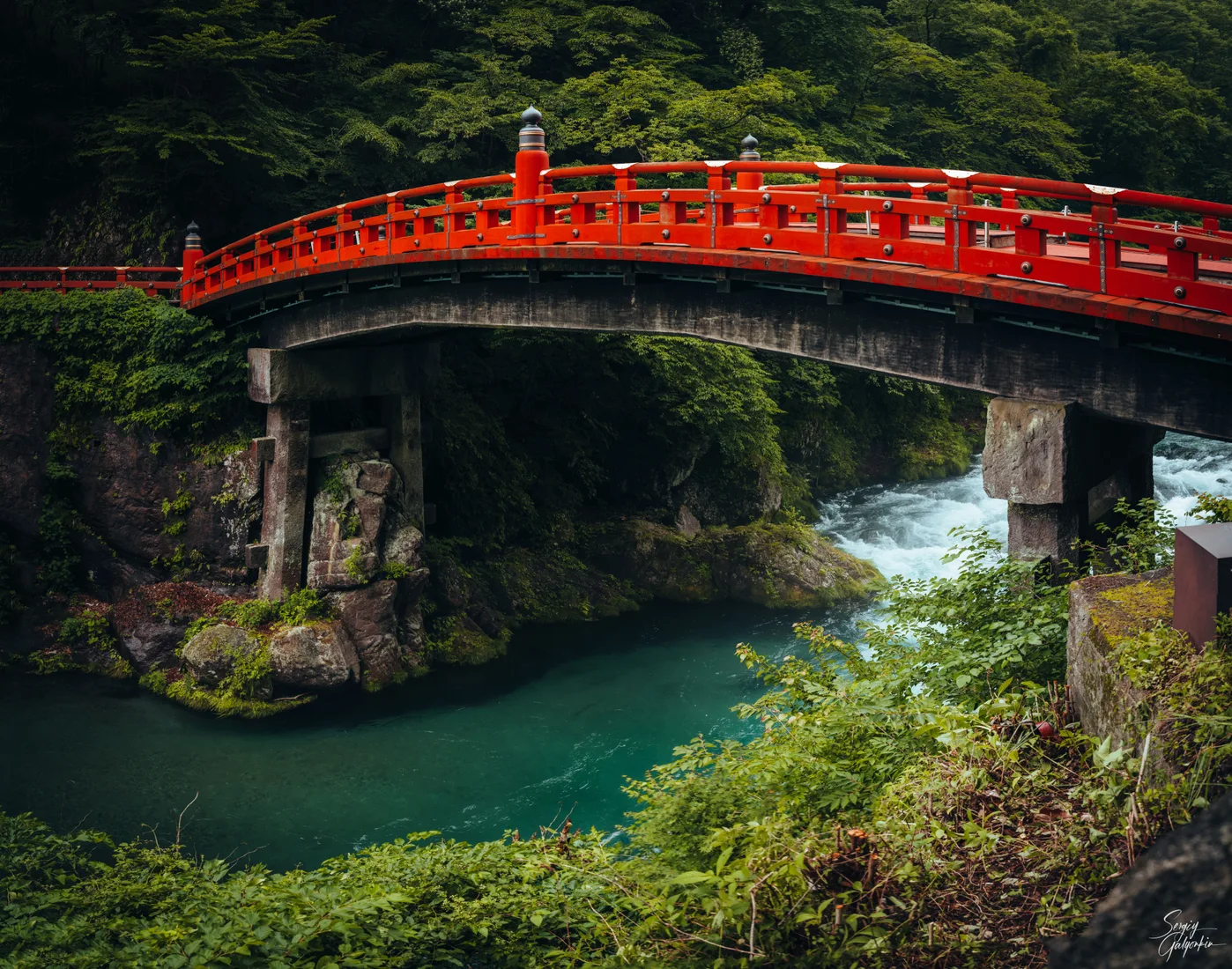
Shinkyo Bridge crossing the Daiya River in Nikko.
Photograph: Sergiy Galyonkin — opens in a new tab · CC BY-SA 2.0 — opens in a new tab
Changes: Resized and converted to WebP; displayed with responsive crops. · Original photograph and licence details ↗ — opens in a new tab
Decorated architecture at Toshogu Shrine in Nikko.
Photograph: x768 — opens in a new tab · CC BY-SA 2.0 — opens in a new tab
Changes: Resized and converted to WebP; displayed with responsive crops. · Original photograph and licence details ↗ — opens in a new tab
Yuba soba with noodles and tofu skin photographed in Nikko.
Photograph: Aapo Haapanen — opens in a new tab · CC BY 2.0 — opens in a new tab
Changes: Resized and converted to WebP; displayed with responsive crops. · Original photograph and licence details ↗ — opens in a new tab