Plan your trip
Japan with children: bases, meals and experiences that fit your family
A family trip to Japan does not need to be a race between famous sights. A train ride, a bowl of noodles, an animal-shaped sweet or an afternoon making something together can become the part a child remembers. Start with your family's pace and interests, then give each day one experience worth looking forward to.
- Suggested time
- Build the route around your children's pace, rather than a fixed daily sightseeing quota
- Where to stay
- Accommodation with a practical station route, suitable sleeping arrangements and nearby meals
- Season and timing
- Choose for your family's preferred activities and tolerance for heat, crowds and cold
The short answer
Choose fewer accommodation bases, keep arrival days light and build each sightseeing day around one main activity with a nearby meal and a flexible break. Confirm children's age limits, ticket rules, stroller arrangements and meal requirements with the actual provider before reserving an experience.
Choose a base that makes the whole day easier
Look at the route from the station to the accommodation, not just the distance on a map. A short journey involving stairs, a busy crossing and a steep approach may be less useful than a slightly longer, straightforward route. Consider where you will buy breakfast, take an afternoon break and eat when everyone is tired.
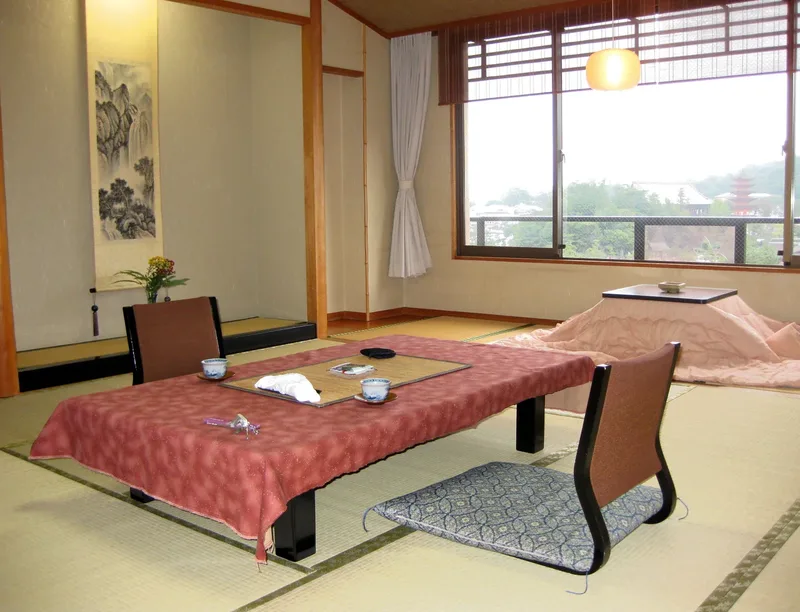
Room descriptions deserve a careful read. Confirm the permitted number and ages of children, bed-sharing conditions, bed sizes and the actual room layout. Connecting rooms, laundry access or a kitchen can matter more to a family than a celebrated hotel view. These are property-specific features, not promises attached to a hotel category.
Make one memorable activity the centre of the day
Choose an activity your children can participate in rather than a sequence of places they must stand and look at. A suitable cooking class, hands-on craft workshop or short guided exploration can give the day a clear focus. Older children may enjoy finding ingredients at a market before discussing what they will cook; younger children may need a much shorter session.
When comparing Viator options, read the minimum age, session length, language, group size and what children actually do. A food tour advertised as family friendly may still involve long walks and unfamiliar dishes. Reserve an experience when its practical details fit your family, then leave room before and afterwards instead of attaching three more timed bookings.
Make time for the local food
What to eat and where to look
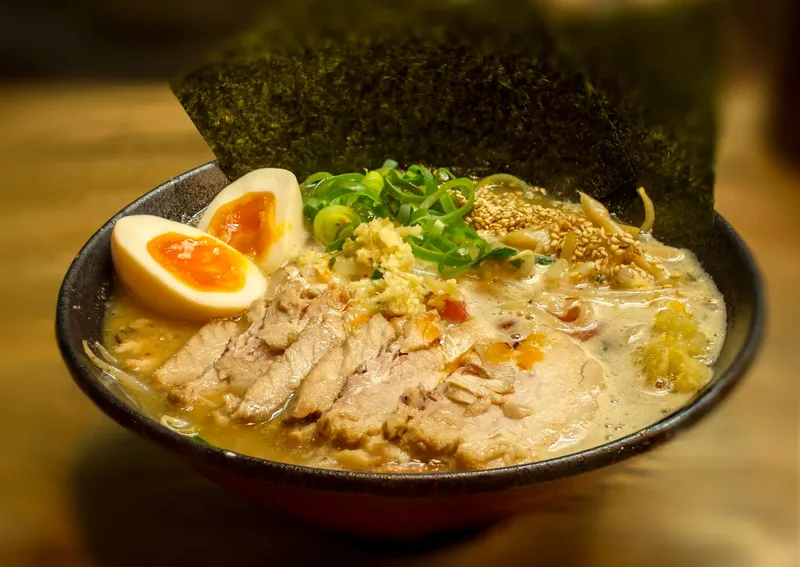
A noodle lunch
A simple meal format can be a useful pause between activities, with regional variations for curious eaters.
- Where to look
- A restaurant convenient to the day's main activity
- Fit it into your day
- Choose after checking portions and ingredients
Broths, toppings and allergens vary.
A regional snack
Make one local sweet or savoury snack a small discovery rather than ordering an unfamiliar full meal for everyone.
- Where to look
- The destination's food guide and nearby shops
- Fit it into your day
- Share a suitable portion during a break
Check ingredients and age-appropriate textures.
Plan transport as part of the outing
JNTO's family guide describes nursing facilities in major commercial buildings and stroller spaces on some trains. It also notes that older infrastructure outside major cities can mean more stairs and walking. Use these as planning leads, then confirm the facilities on your own route.
For a transfer day, give children something understandable to anticipate: the next train, the lunch stop or the place you will sleep. Keep food, essential supplies and a small activity accessible. A long-distance journey followed by an ambitious sightseeing afternoon makes the timetable look efficient but leaves little space for a delayed train or a tired child.
Let food become a pleasure rather than a daily negotiation
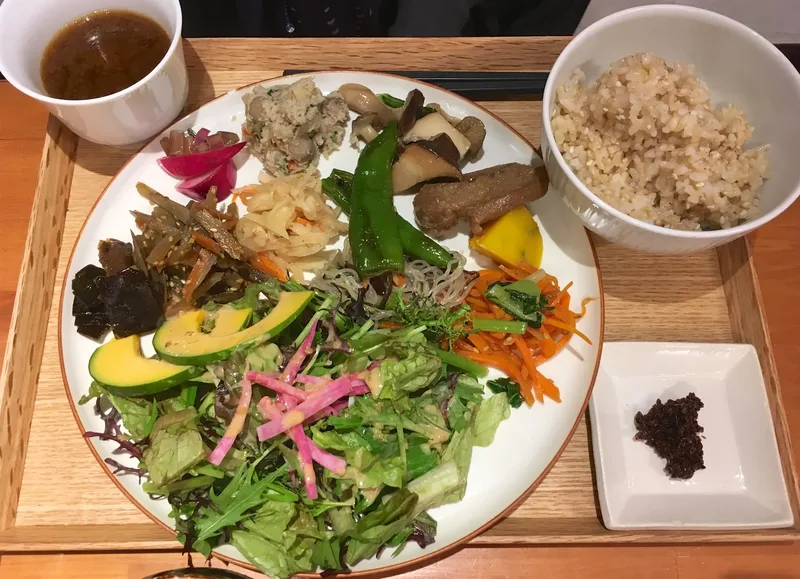
Combine familiar meal formats with one small discovery at a time. Noodles, rice dishes or a bakery breakfast can create a comfortable rhythm while a regional snack adds interest. Show children the food before ordering when possible, and ask about portions rather than assuming a child's meal is offered everywhere.
Keep dietary requirements separate from preferences. Explain an allergy or ingredient restriction directly to the establishment; a picture menu cannot confirm ingredients or preparation. If booking a cooking experience, obtain the provider's response about your family's requirements before paying. A memorable meal should suit the people eating it.
Build a flexible afternoon and a realistic alternative
Pick a nearby indoor option for the day rather than a replacement across the city. A museum with an age-appropriate activity, a covered shopping area or time back at the accommodation may work better than preserving every stop in the original plan.
Give older children a choice between two possible activities and make younger children's rest needs visible in the schedule. This creates a trip that belongs to the whole family. Use our transport, accommodation and food guides for the shared decisions, then choose destination experiences that match the ages travelling.
Practical questions
How many cities should a family visit in Japan?
Choose the number your family can enjoy after allowing for transfers, laundry and rest. Fewer bases can provide more useful time than a route built around changing accommodation every night.
Are all Japan tours suitable for children?
No. Check the specific activity's ages, duration, walking, language and participation rules. Family-friendly wording does not establish suitability for your child.
Can we use a stroller everywhere?
Do not assume so. Check station access and the actual attraction route, especially in older districts and rural areas. A stroller-friendly hotel does not establish that the whole day's route is accessible.
Should we book a cooking class with children?
It can be a rewarding shared experience when the provider accepts your children's ages and explains what they can do. Confirm dietary requirements and session length before reserving.
Sources and checks before you travel
Reference sources for the version dated 30 September 2026. Confirm opening times, access, transport and conditions for your travel dates.
Does this experience fit your route?
Explore related tours and experiences
Check dates and details on Viator ↗ — opens in a new tabAffiliate link · Book with ViatorPhoto credits
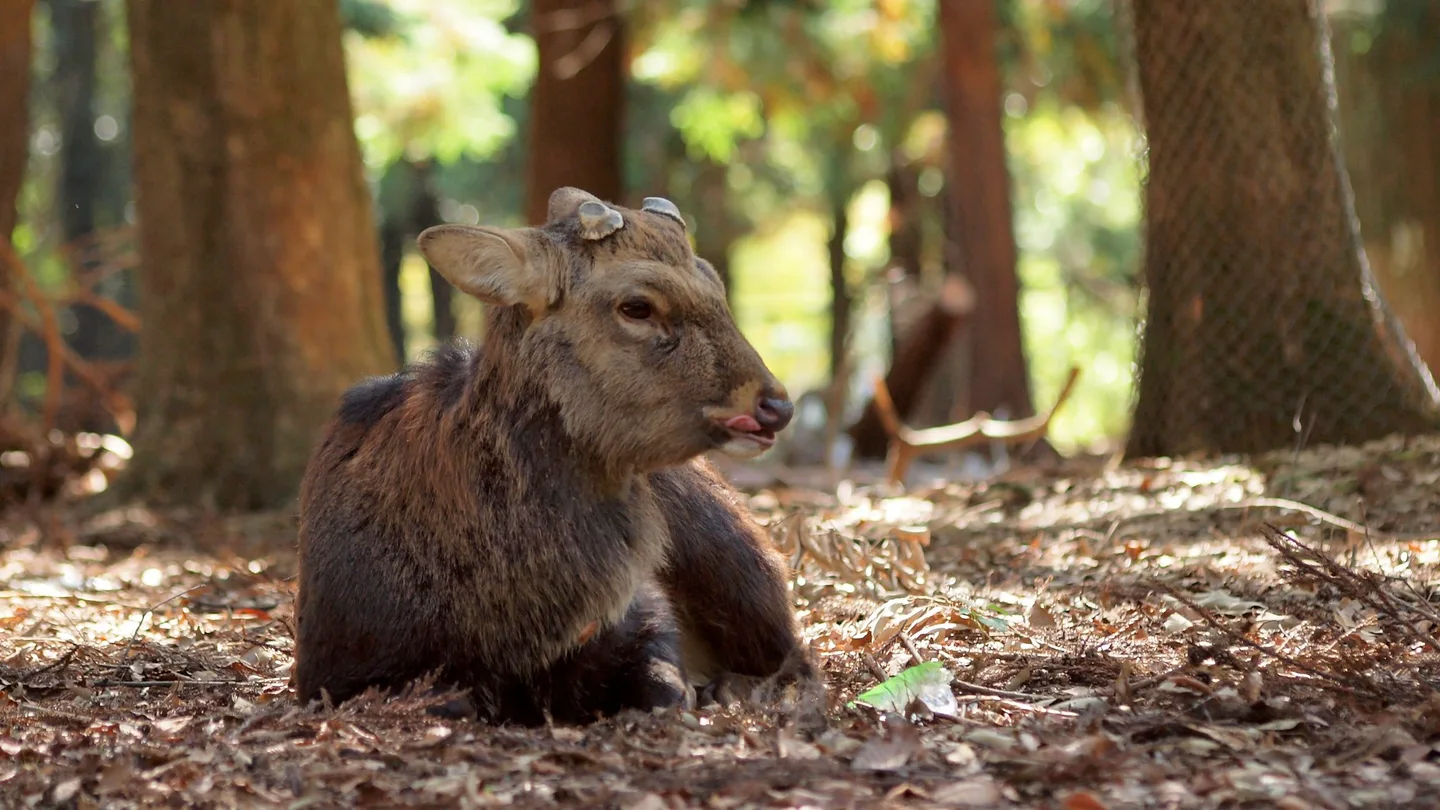
A deer resting among trees in Nara Park.
Photograph: coniferconifer — opens in a new tab · CC BY 2.0 — opens in a new tab
Changes: Resized and converted to WebP; displayed with responsive crops. · Original photograph and licence details ↗ — opens in a new tab
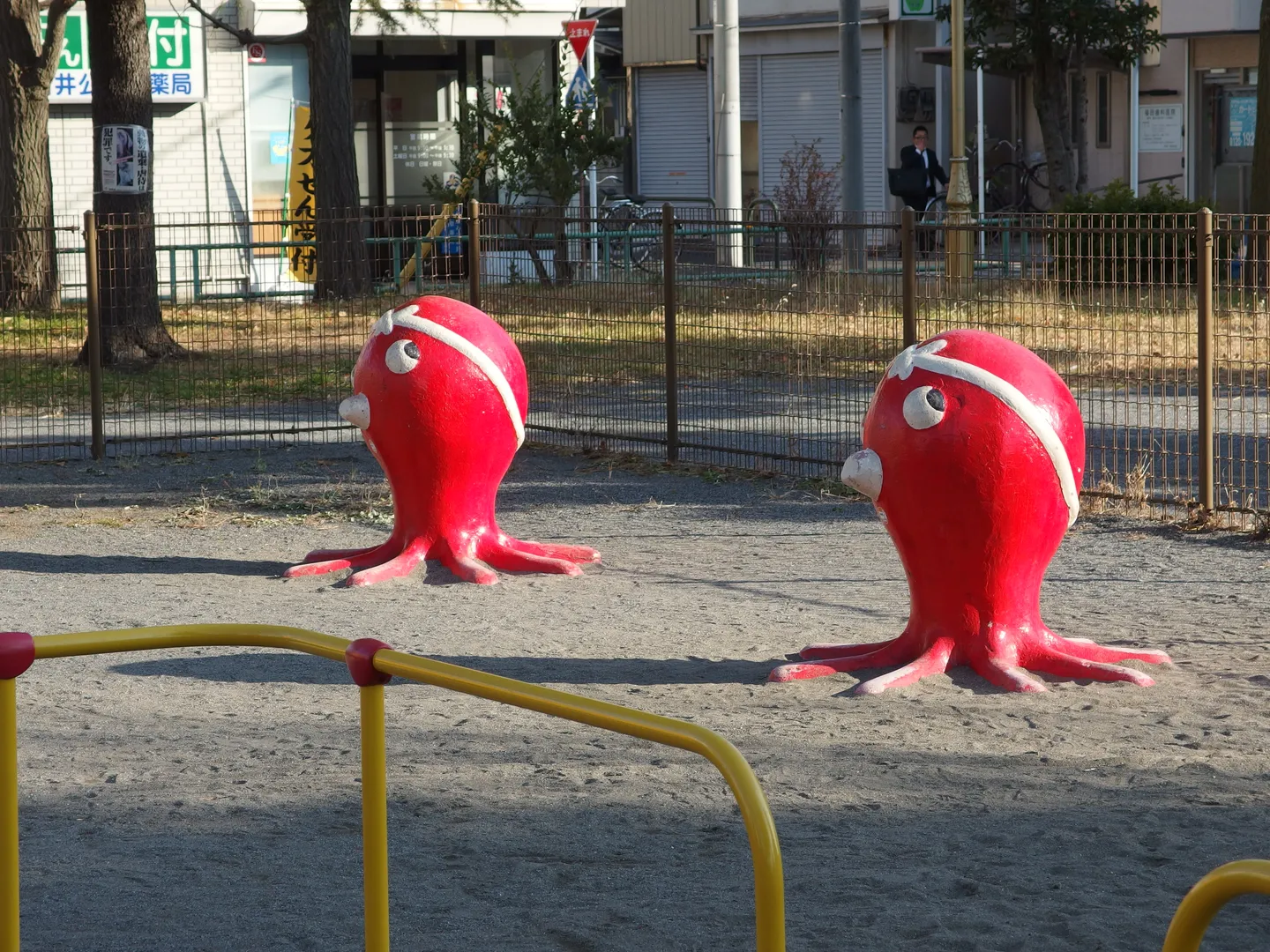
A neighbourhood playground in Adachi, Tokyo. Choose facilities suitable for your children's ages.
Photograph: Guilhem Vellut — opens in a new tab · CC BY 2.0 — opens in a new tab
Changes: Resized and converted to WebP; displayed with responsive crops. · Original photograph and licence details ↗ — opens in a new tab
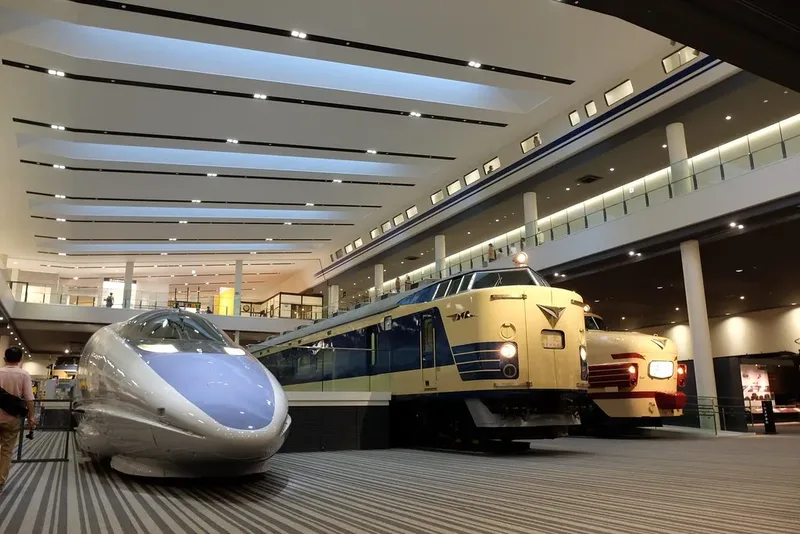
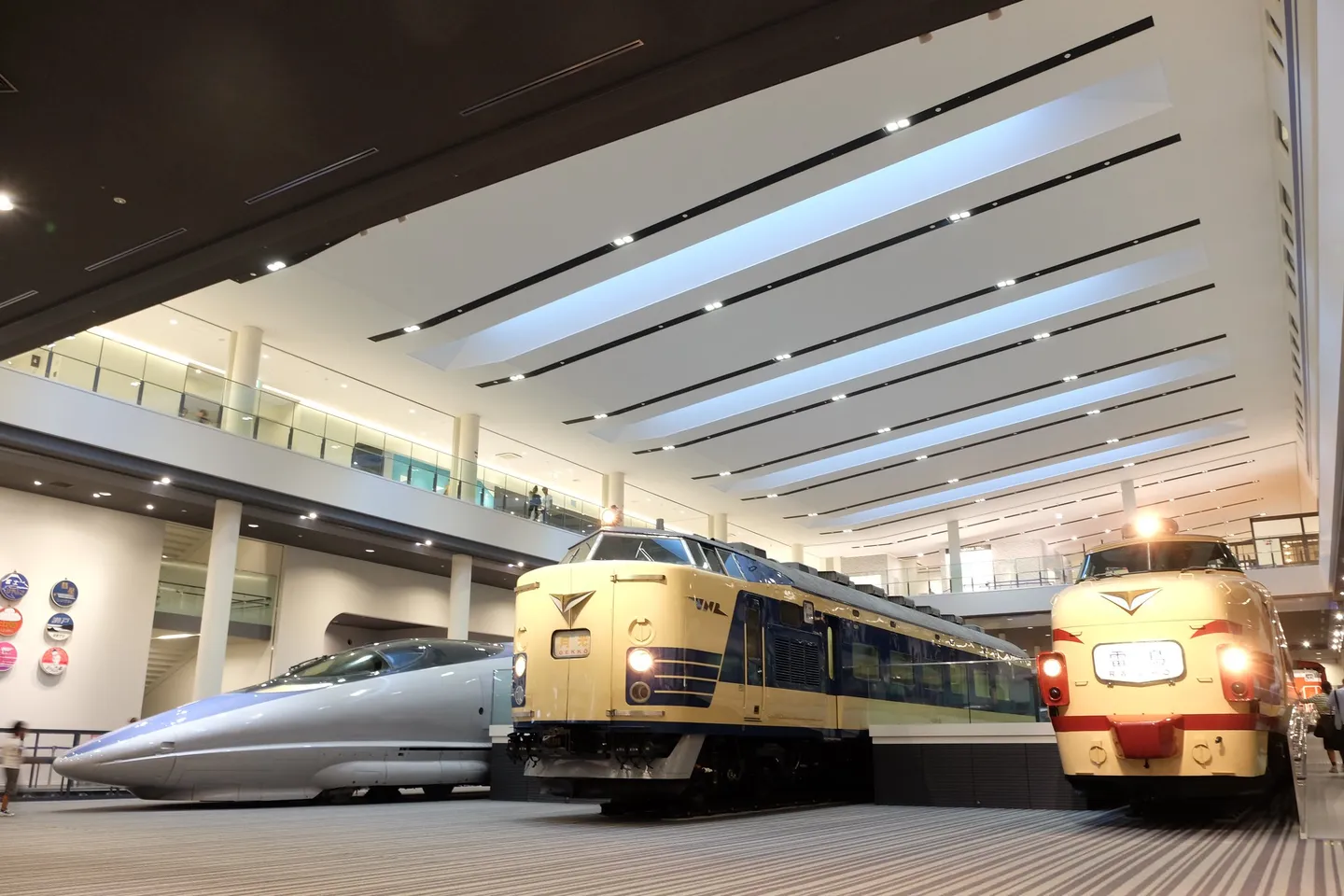
Kyoto Railway Museum: a possible family outing according to your children's interests and the current visiting arrangements.
Photograph: foooomio — opens in a new tab · CC BY 2.0 — opens in a new tab
Changes: Resized and converted to WebP; displayed with responsive crops. · Original photograph and licence details ↗ — opens in a new tab