Hiroshima travel guide: Peace Park, where to stay, Miyajima
Hiroshima is where most travellers come to understand what happened on 6 August 1945, and the Peace Memorial Park and Museum deserve unhurried time. It is also a lively modern city of rivers, streetcars and okonomiyaki counters, less than an hour and a half from Shin-Osaka by shinkansen, with Miyajima a short train and ferry ride away. For anyone based in Kyoto or Osaka, the real decision is pace: fit Hiroshima and Miyajima into one long day, or stay over and give each its own time.
In this guide
Find the location ↗ — opens in a new tabThe short answer
Give Hiroshima one night, ideally two with Miyajima, sleeping near Hiroshima Station or in Hatchobori; Shin-Osaka is about 1 hour 25 minutes away by shinkansen, so a day trip works but feels rushed. Arrive by midday, walk the Peace Memorial Park in the afternoon and see the museum on a timed evening ticket, then eat okonomiyaki downtown. Next morning, take the JR train and ferry, or the direct boat from the Peace Park, to Miyajima. A second night adds Shukkeien and the castle grounds, or a night on the island.
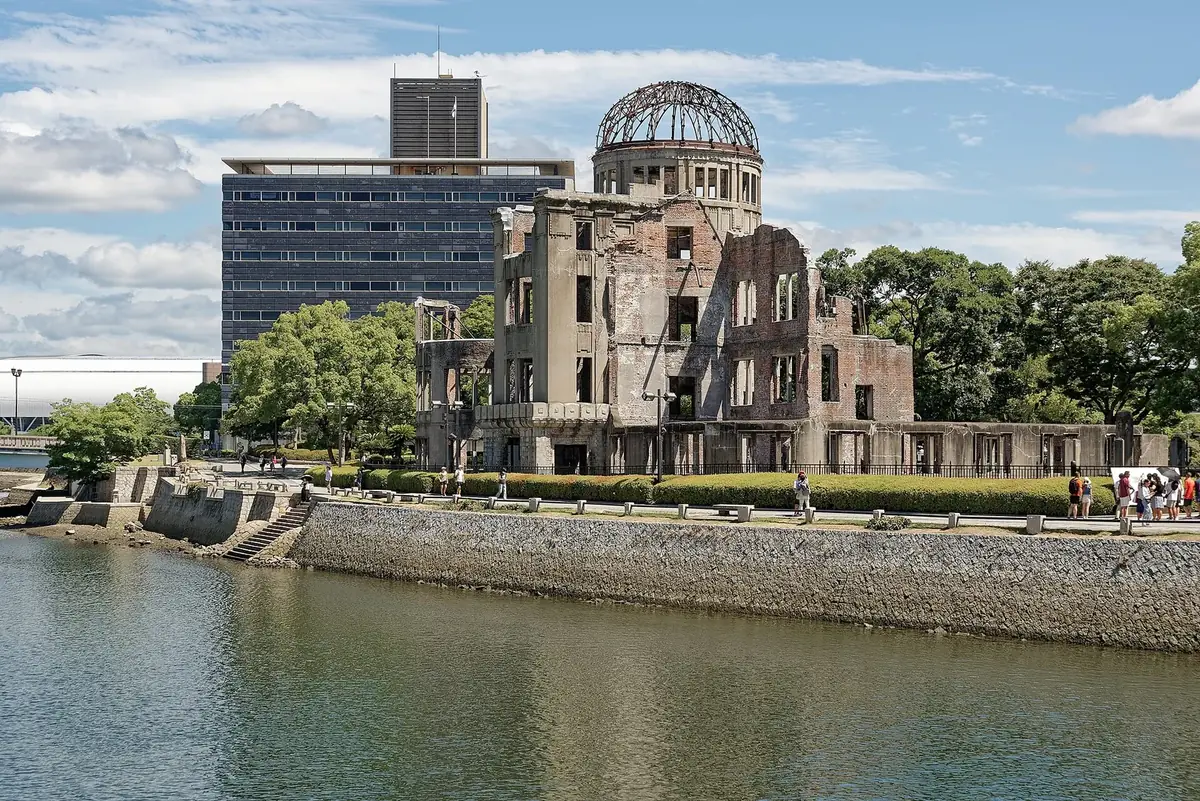
- Suggested time
- 1–2 nights (two with Miyajima)
- Where to stay
- Hiroshima Station for the shinkansen and airport bus; Hatchobori and Hondori for evenings; the Peace Memorial Park area for early museum slots and the boat to Miyajima
- Season and timing
- Spring brings cherry blossom to the castle grounds and Shukkeien, autumn the garden's maples, and winter is oyster season. The museum is busiest in cherry-blossom and school-trip seasons, at Obon and on 5–6 August; the free volunteer park walks pause from July to September.
Day trip, one night or two, and where to sleep
Hiroshima is close to Kansai. JNTO puts the shinkansen from Shin-Osaka at about 1 hour 25 minutes, and on JR West's timetable the Nozomi from Kyoto takes about 1 hour 40 minutes; from Tokyo it is around four hours. A day trip is therefore possible, but a single day for the Peace Memorial Park, the museum and Miyajima turns into queues and transfers, with little room for the quiet the park asks of you. One night lets you see the museum at a calm hour and eat without watching the clock. A second night gives Miyajima a full day, or lets you sleep on the island.
Where you stay depends on how you arrive and what you want to do first. The Hiroshima Station area is the practical choice for a single night: the shinkansen, the JR line to Miyajimaguchi and an airport limousine bus all use the station, and since August 2025 the streetcars stop inside the station building on the second floor, the same level as the JR central gate. Hatchobori and Hondori, around the covered Hondori shopping arcade, are the downtown: the okonomiyaki counters of Okonomi-mura are a three-minute walk from Hatchobori tram stop, and JNTO points to nearby Ebisucho for a lively evening. Hotels near the Peace Memorial Park put you on foot for a 07:30 museum slot and at the pier for the direct boat to Miyajima, and Hiroshima Bus Center, where the other airport bus terminates, is about 10 minutes' walk from the museum.
For one night on the way through, choose the station area. For two nights, or if evenings matter more than an early train, choose Hatchobori or Hondori. Since 1 April 2026, Hiroshima Prefecture has charged an accommodation tax of ¥200 per person per night on room rates of ¥6,000 or more, so expect it on your bill.
The Peace Memorial Museum: book a quiet time slot
The Hiroshima Peace Memorial Museum tells the story of the bombing through the belongings of those who died, damaged objects and survivors' testimony. It is also far busier than it used to be: the museum says visitor numbers rose after the G7 Hiroshima Summit in May 2023, at times with long lines at the entrance, and its own crowd chart marks 11:00–15:00 as the most crowded hours. When we checked on 10 October 2026, the museum's site warned that buying a same-day ticket can take time, recommended a web ticket bought in advance, and noted that even web-ticket holders may be asked to wait when it is crowded.
On the same date, the museum listed opening hours of 07:30–19:00 from March to July and from September to November, 07:30–18:00 from December to February, and 07:30–20:00 in August (until 21:00 on 5 and 6 August), with last entry 30 minutes before closing. From 07:30 to 08:30, and from 17:30 until closing for most of the year (16:30 in winter, 18:30 in August), only visitors with an online ticket for a time slot can enter. These quieter slots are the ones the museum recommends, and they can sell out. Admission is ¥200 for adults and ¥100 for high-school students; younger children enter free. The museum closes on 30 and 31 December and for several days in mid-February to change exhibits, from 15 to 20 February in 2027.
Large bags are not allowed in the museum; coin lockers are on the first floor of the East Building. Photography without flash is allowed for personal use, but tripods and selfie sticks are not. The audio guide, in 15 languages, costs ¥500 and runs for about 70 minutes; if time is short, the museum publishes a route through the Main Building that takes about 30 minutes. Every day at 13:00, an A-bomb Legacy Successor, trained by the city to pass on survivors' experiences, gives a free one-hour talk in English in the East Building's basement, with no booking needed, and those attending can enter without joining the ticket queue. Leave time afterwards rather than rushing to the next sight.
What to eat and where to look
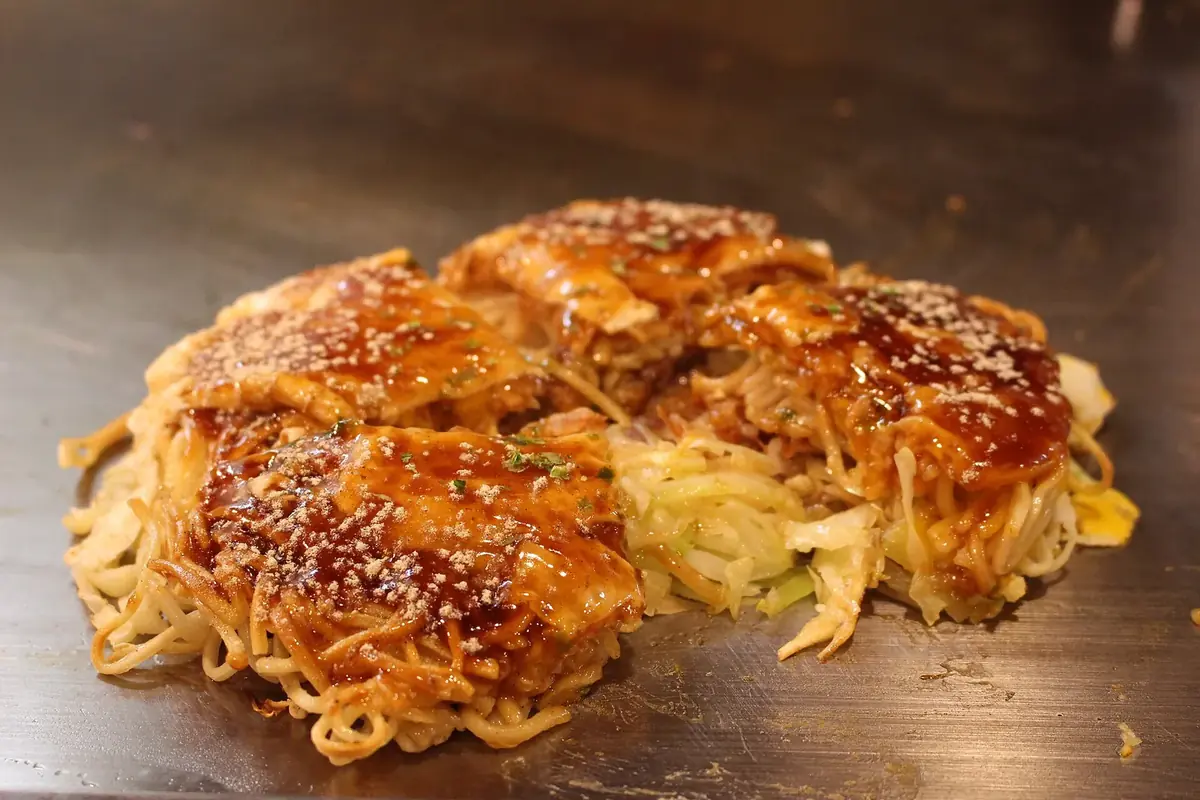
Hiroshima-style okonomiyaki
Unlike the Osaka version, where the ingredients are mixed into the batter, Hiroshima's okonomiyaki is built in layers on the griddle: a thin crepe-like batter, a heap of cabbage, pork and other fillings, and a bed of fried noodles, usually soba, sometimes udon. JNTO and the prefecture's tourism site both treat it as the city's signature dish.
- Where to look
- Okonomi-mura, 23 okonomiyaki restaurants on the second to fourth floors of Shintenchi Plaza, three minutes' walk from Hatchobori tram stop; the prefecture's tourism site also points to Micchan Sohonten in Orizuru Tower, east of the Dome.
- Fit it into your day
- Dinner on your first evening, sitting at the counter to watch it cooked.
Contains wheat, egg and usually pork; ask for a version without meat if needed, and do not touch the griddle in front of you.
Hiroshima oysters (kaki)
Hiroshima produces more oysters than anywhere else in Japan, around 60% of the national total according to the prefecture's tourism site. They are eaten raw, grilled, deep-fried or in a hotpot, and JNTO singles out a set meal of deep-fried oysters with rice and miso soup as a local favourite.
- Where to look
- Izakaya and seafood restaurants downtown, and oyster huts and stalls in season; Miyajima is the easiest place to try grilled oysters while sightseeing.
- Fit it into your day
- Grilled oysters as a snack on Miyajima, or fried oysters for lunch in the city.
Shellfish. Winter is the peak season; choose cooked oysters if you are unsure about eating them raw.
Hiroshima tsukemen
Cold noodles served with a spicy dipping sauce full of sesame and chilli oil. The prefecture's tourism site lists it among Hiroshima's best-known local noodle dishes and notes that you can usually choose how spicy it is.
- Where to look
- Noodle shops in central Hiroshima; look for つけ麺 on the sign.
- Fit it into your day
- A quick lunch on a warm day between the park and Hatchobori.
Contains wheat and sesame. Start with a low spice level: the higher ones are very hot.
Shiru-nashi tantanmen (soupless dan dan noodles)
Noodles without broth, dressed with chilli oil and Japanese sansho pepper. The prefecture's tourism site says Hiroshima is held to be the dish's home and suggests eating it in three stages: as served, with a soft-boiled egg to soften the heat, then with rice mixed into what is left.
- Where to look
- Specialist shops in the city centre.
- Fit it into your day
- A late supper after drinks downtown.
Very spicy; usually contains wheat and sesame. Ask whether the topping includes meat.
Momiji manju
Small maple-leaf cakes of moist sponge, traditionally filled with sweet bean paste; chocolate, matcha and cream-cheese fillings are now common. The prefecture's tourism site calls them the king of Hiroshima souvenirs and points to freshly baked ones on Miyajima's Omotesando shopping street, as well as a deep-fried version.
- Where to look
- Souvenir shops at Hiroshima Station and downtown, and freshly baked on Miyajima.
- Fit it into your day
- A box for the train back to Kyoto or Osaka, or a hot fried one on Miyajima.
Contains wheat and usually egg; the classic filling is sweet bean paste.
Peace Memorial Park, the A-Bomb Dome and the Children's Peace Monument
The park stretches south from the Atomic Bomb Dome on a strip of land between two rivers and covers more than 120,000 square metres. Before 1945 this was the city's administrative and commercial heart; in 1949 the recovering city decided it should become a place of remembrance rather than simply be rebuilt. The Dome was built in 1915 as the prefecture's product exhibition hall, designed by the Czech architect Jan Letzel. The bomb exploded at 08:15 on 6 August 1945 about 160 metres from it; everyone inside was killed, but the centre of the building stayed standing. It became a World Heritage Site in 1996. You cannot go inside; it is seen from the paths around it and from across the Motoyasu River.
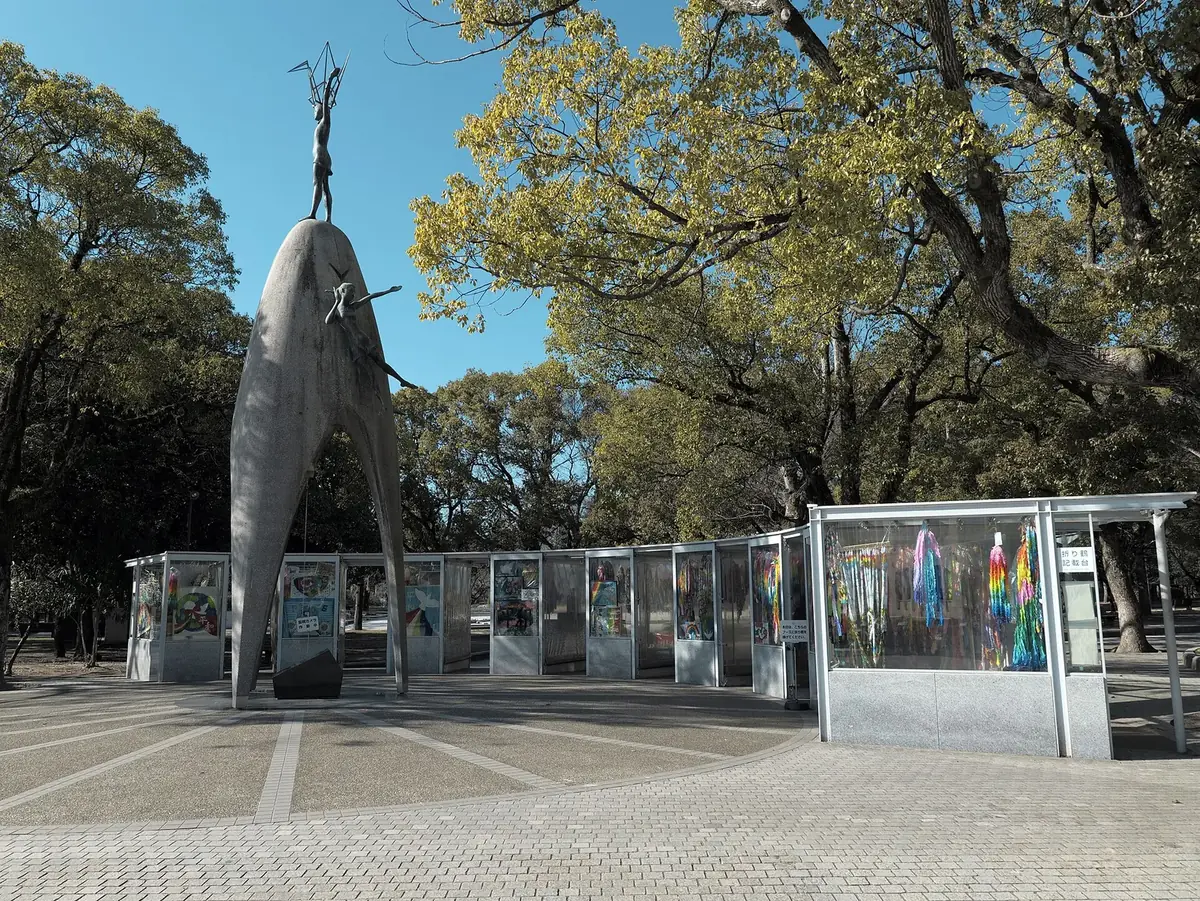
The Children's Peace Monument remembers the children killed by the bomb. It grew out of the story of Sadako Sasaki, who was two when she was exposed to the bomb and died of leukaemia in October 1955, still folding paper cranes in the belief that they would help her recover. Hiroshima City says about 10 million cranes are offered at the monument each year, and anyone may add their own to the glass booths around it. At the centre of the park, the arched Cenotaph for the A-bomb Victims, designed like the museum by Kenzo Tange and built in 1952, holds the names of the dead in a stone chamber. Nearby, the Peace Bell can be rung by any visitor.
This is a memorial ground. Smoking is banned throughout the park and museum; beyond that, keep your voice low at the Cenotaph and the monuments and avoid photographing people while they pray. For context as you walk, the Hiroshima Peace Volunteers lead free English walks of the park at 10:45 and 14:00, each about 90 minutes, starting from their desk near the information counter in the museum's East Building. When we checked on 10 October 2026, check-in opened 15 minutes before each walk, places were first come, first served with up to 10 people per tour, no bookings were taken, and no walks ran from July to September or on days with a heatstroke alert.
Hiroden streetcars: routes and paying the fare
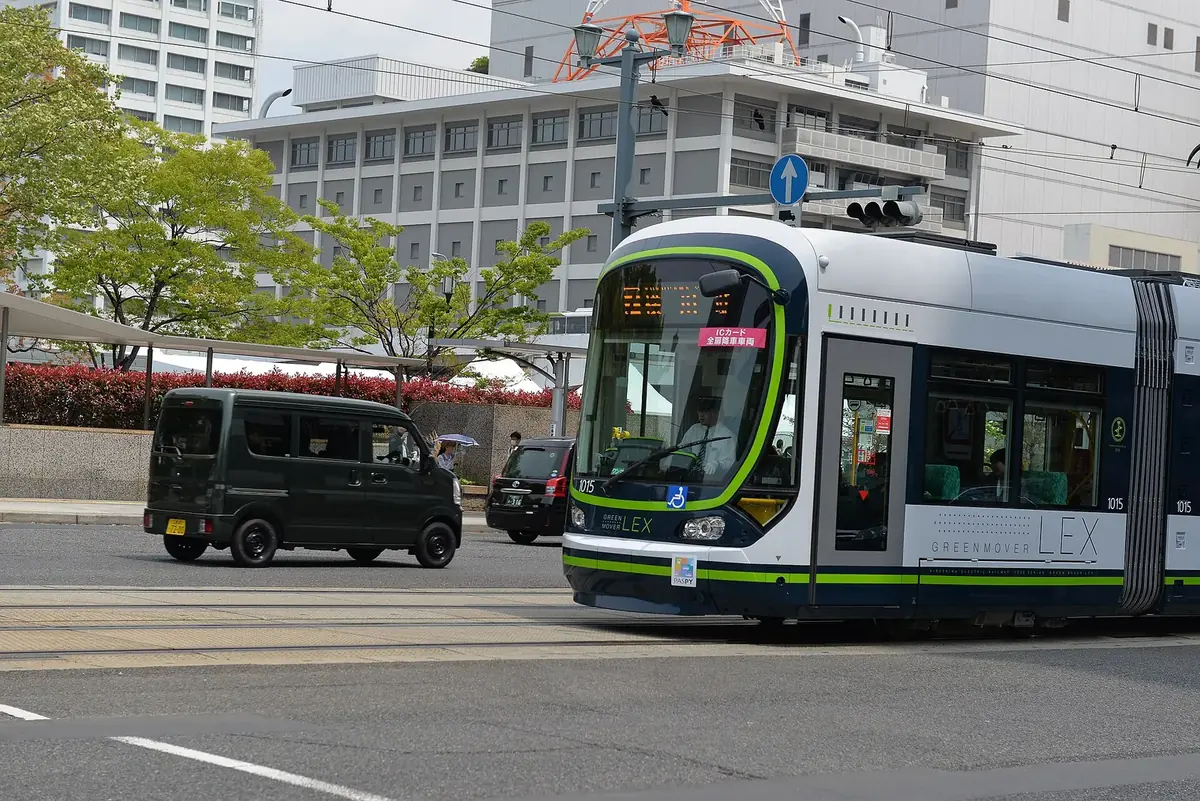
Hiroshima's streetcars, run by Hiroshima Electric Railway (Hiroden), have served the city since 1912 and are the easiest way between the station, downtown and the Peace Park. Since the new Ekimae-Ohashi route opened on 3 August 2025, trams leave from the second floor of Hiroshima Station, and the city says the journey to Kamiyacho and Hatchobori is about 4 minutes shorter than before. For the Peace Park, take line 2 (towards Miyajima) or line 6 (towards Eba) to Genbaku Dome-mae, about 20 minutes, or line 1 (towards Hiroshima Port) to Fukuro-machi. Line 1 also stops at Hondori.
When we checked on 10 October 2026, Hiroden listed a flat adult fare of ¥240 (¥120 for children) on its city lines, paid as you get off. IC cards such as ICOCA, Suica and PASMO work: touch the reader as you board and again as you leave. If you pay cash, have the exact fare ready. The ¥700 one-day streetcar pass pays for itself on the third ride, and a ¥1,000 version adds the Miyajima Matsudai Kisen ferry and the island's ¥100 visitor tax; both are sold at Hiroshima Station's transport information centre, on board and at major hotels.
Two trams in regular service, cars 651 and 652, were damaged in the bombing and are still running. They operate mainly on weekday mornings and carry a sign reading "Atomic Bombed Tram". If you prefer a bus, the Hiroshima Meipuru~pu sightseeing loop bus leaves from the station's Shinkansen exit and stops at the park in about 17 minutes.
Shukkeien and Hiroshima Castle: the rest of the city
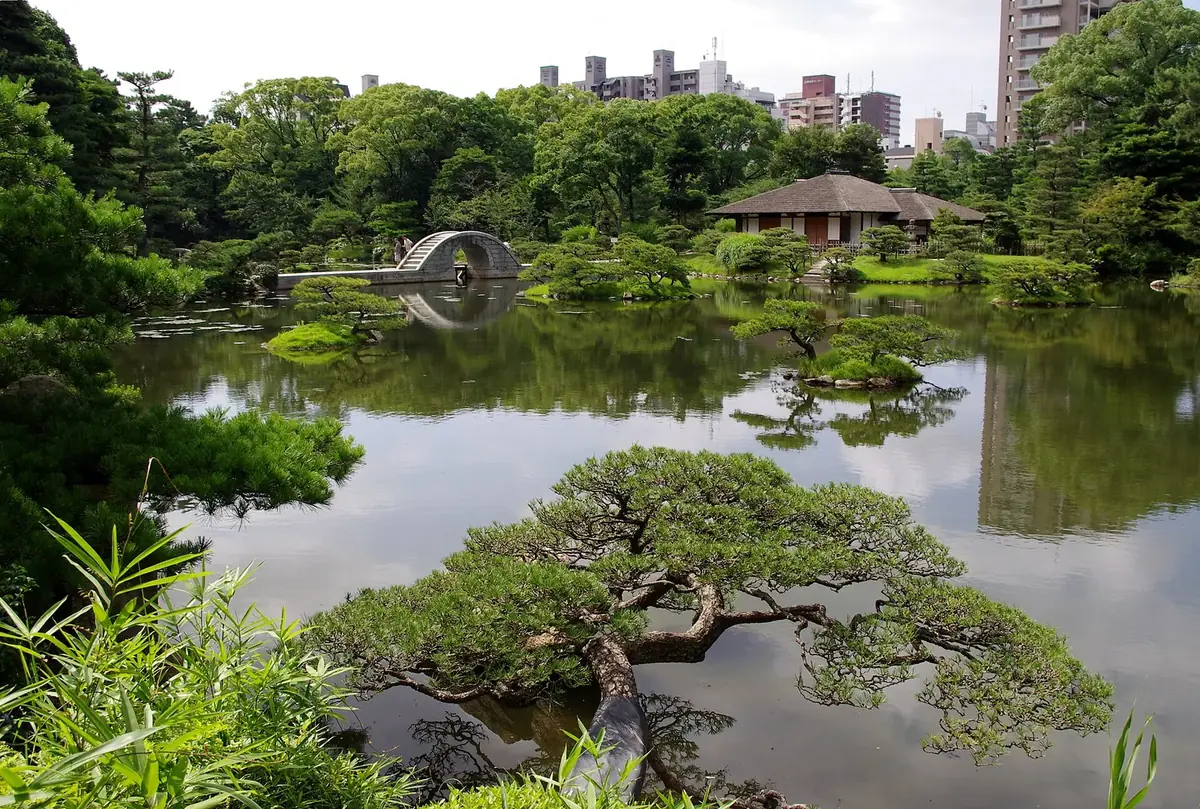
Shukkeien is a strolling garden laid out from 1620 for Asano Nagaakira, the first Asano lord of Hiroshima, by his retainer Ueda Soko, a tea master. Its name refers to gathering the scenery of sea and mountains into one small landscape around a central pond. The bomb devastated it in 1945; restoration began in 1949 and took about 30 years. Spring brings cherry and peach blossom, autumn the maples and winter plum and camellia, with evening light-ups in the cherry-blossom and autumn-leaf seasons. When we checked on 10 October 2026, the garden's site listed hours of 09:00–18:00 from 16 March to 15 September and 09:00–17:00 from 16 September to 15 March, with last entry 30 minutes before closing, closure from 29 to 31 December and adult admission at ¥350. Take the tram to Hatchobori and change to the Hakushima line for Shukkeien-mae, or a bus from the station's Shinkansen exit to the Kenritsu-bijutsukan-mae stop.
Hiroshima Castle was founded in 1589 by Mori Terumoto. The bomb destroyed almost every building in it, and the five-storey keep was rebuilt in 1958. Plan around one change: the castle's official site says the keep closed in March 2026 because of deteriorating concrete and ageing equipment, although you can still see it from outside. The restored Ninomaru (second enclosure) buildings remain open free of charge, from 09:00 to 16:30 between October and March and 09:00 to 17:30 between April and September when we checked on 10 October 2026. The castle's history exhibits are moving to the new Sannomaru History Museum, due to open on 1 June 2027.
The castle grounds are still worth a walk. Hiroshima Gokoku Shrine stands just south of the keep, with bronze carp statues beside its hall, and the grounds have more than 300 cherry trees. On weekends and public holidays, a 20-minute boat circles the moat from the west side of the Sannomaru. The castle is about 15 minutes' walk from the Kamiyacho tram stops.
Adding Miyajima, and other trips from Hiroshima
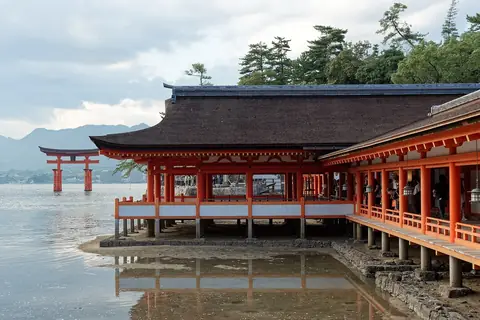
Miyajima, with Itsukushima Shrine and its great torii standing in the sea, is the natural pairing for Hiroshima; our Miyajima guide covers the island itself. There are three ways to get there, and two go via Miyajimaguchi. JNTO puts the JR Sanyo Line from Hiroshima Station to Miyajimaguchi at about 29 minutes, and Hiroden line 2 runs to Hiroden-miyajima-guchi. From there, JR West Miyajima Ferry and Miyajima Matsudai Kisen both make the crossing in about 10 minutes. When we checked on 10 October 2026, the JR ferry cost ¥200 one way, and its sailings from Miyajimaguchi between 09:10 and 16:10 took the route closest to the great torii. Every visitor also pays Miyajima's ¥100 visitor tax.
The third way skips the transfers. Aqua Net Hiroshima's World Heritage Sea Route boat leaves from Motoyasu Pier, about 150 metres south of the Dome, and reaches Miyajima in about 45 minutes. When we checked on 10 October 2026, adults paid ¥2,400 one way or ¥4,400 return, plus the visitor tax; online booking closes the day before (on the day, buy at the pier), and very high or low tides can cancel sailings or change the route. It pairs well with a hotel near the Peace Park.
Match the ferry to your ticket. JR West's Kansai-Hiroshima Area Pass (¥17,000 for five days when we checked) covers reserved seats on the Sanyo shinkansen between Shin-Osaka and Hiroshima and the JR ferry, but not the Matsudai ferry or the Tokaido shinkansen, which includes the Kyoto–Shin-Osaka leg. Hiroden's ¥1,000 day pass covers the Matsudai ferry but not the JR one.
If you have a spare day after that, the prefecture's tourism site features two other towns. Onomichi, a port whose temples climb the hillside above the harbour, has a walking route from its station past those temples and up a three-minute ropeway to Senkoji Park. Kure, reached on the JR Kure Line along the coast or by express bus from Hiroshima Bus Center, was the naval port where the battleship Yamato was built; its Yamato Museum tells that story around a one-tenth scale model of the ship.
Seasons, 6 August and the busiest weeks
The museum's crowd calendar marks cherry-blossom season, the school-trip seasons, long holiday weekends, Obon in mid-August and 5–6 August as its busiest times, so book a time slot early for those dates. Spring brings blossom to Shukkeien and the castle grounds, and autumn the garden's maples; the castle hosts the Hiroshima Food Festival, and its news page announces the dates each year (24 and 25 October in 2026). Winter is the peak season for oysters, although the prefecture's tourism site says they are served all year.
On 6 August, the anniversary of the bombing, a memorial service is held in the park, and in the evening paper lanterns carrying messages of peace are floated on the Motoyasu River opposite the Dome. JNTO says anyone can join the lantern ceremony, and the prefecture's tourism site notes that participants register first. If your trip includes this date, book your hotel early.
Peace Park, then Miyajima: one night, two nights or a day trip
This is an editorial suggestion, not a timetable. Check the museum's time slots and the ferry and boat timetables for your dates.
- Day 1, late morning: shinkansen to Hiroshima, bags at your hotel, then the tram to Genbaku Dome-mae for the Dome, the Children's Peace Monument and the Cenotaph, ideally on the volunteers' 14:00 walk.
- Day 1, evening: the museum on a timed web ticket from 17:30 (16:30 in winter), then okonomiyaki at Okonomi-mura or elsewhere in Hatchobori.
- Day 2, morning: train or tram to Miyajimaguchi and the ferry, or the boat from Motoyasu Pier, and a morning on Miyajima.
- Day 2, afternoon: back to Hiroshima Station for the shinkansen, or stay a second night and give the next morning to Shukkeien and the castle grounds.
- As a day trip: an early shinkansen, the park and the museum in the morning on a web ticket bought in advance, Miyajima in the afternoon and the train back. Leave Shukkeien and the castle for another trip.
Practical questions
Is Hiroshima worth an overnight stay or just a day trip?
Stay at least one night if you can. A day trip from Osaka or Kyoto is possible, but fitting the Peace Memorial Park, the museum and Miyajima into one day leaves little time for any of them.
How long is the shinkansen from Osaka or Kyoto to Hiroshima?
About 1 hour 25 minutes from Shin-Osaka, according to JNTO, and about 1 hour 40 minutes from Kyoto on a Nozomi, according to JR West's timetable. From Tokyo it takes around four hours.
Do I need to book the Hiroshima Peace Memorial Museum in advance?
For the quieter early-morning and evening slots, yes: only visitors with an online ticket for a time slot can enter then. At other times you can buy tickets on site, but the museum warns of queues, recommends a web ticket and names 11:00–15:00 as its busiest hours.
Where is the best area to stay in Hiroshima?
Stay near Hiroshima Station for one night and an easy onward train, in Hatchobori or Hondori for restaurants and evenings, or by the Peace Memorial Park to walk to an early museum slot and the boat to Miyajima.
How do I get from Hiroshima to Miyajima?
Take the JR Sanyo Line to Miyajimaguchi (about 29 minutes) or Hiroden line 2 to Hiroden-miyajima-guchi, then a ferry of about 10 minutes, or take the direct World Heritage Sea Route boat from the Peace Park, about 45 minutes. Every visitor also pays Miyajima's ¥100 visitor tax.
Can you go inside Hiroshima Castle?
Not the keep: it closed in March 2026 for safety reasons, though you can still see it from outside. The restored Ninomaru buildings remain open free of charge, and the new Sannomaru History Museum is due to open on 1 June 2027.
Keep planning your trip
Miyajima
Whether Miyajima needs a half day or a night, how to time the tide for the floating torii, the ferries and visitor tax, Mount Misen and where to stay.
Read the guide
Naoshima
Whether Naoshima needs a night or a day, where to stay, how to book Chichu's timed tickets, the ferries from Uno and Takamatsu, and how to add Teshima.
Read the guide
Osaka
How many nights Osaka needs, whether to base here or in Kyoto, Namba vs Umeda vs Shin-Osaka vs Tennoji, what to eat, and trains to Nara, Himeji and Koyasan.
Read the guide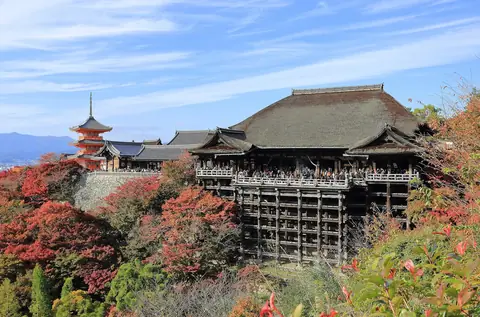
Kyoto
How many nights Kyoto needs, where to base yourself, how to group the sights into east, west and south days, and how to beat the crowds and the buses.
Read the guide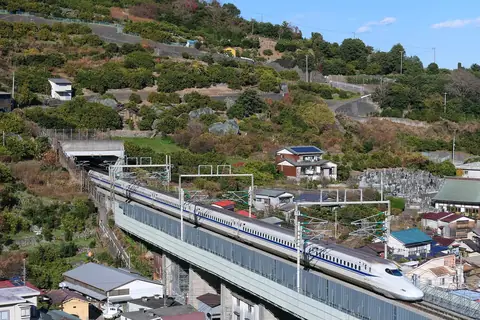
Japan in 10 days
A first 10-day Japan route: Tokyo, a Hakone ryokan, Kyoto and Nara, Hiroshima and Miyajima, and Osaka: where to sleep each night and which rail tickets pay.
Read the guide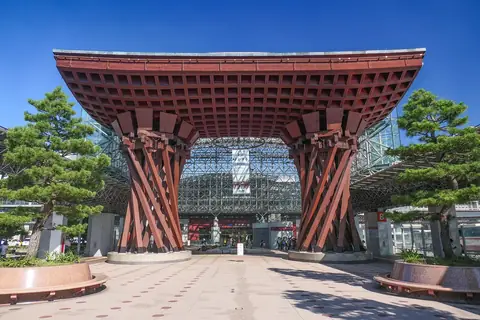
Japan in 14 days
A 14-day Japan itinerary by train: Tokyo and Kamakura, a Hakone ryokan, Kanazawa, Kyoto and Nara, Hiroshima and Miyajima, with bases, tickets and bookings.
Read the guideSources and checks before you travel
(26)
- Hiroshima Peace Memorial Museum: home page and notices ↗ — opens in a new tab
- Hiroshima Peace Memorial Museum: hours and admission ↗ — opens in a new tab
- Hiroshima Peace Memorial Museum: web ticket and congestion flyer (PDF) ↗ — opens in a new tab
- Hiroshima Peace Memorial Museum: extended hours and online tickets (February 2024) ↗ — opens in a new tab
- Hiroshima Peace Memorial Museum: guide services and volunteer-guided park walks ↗ — opens in a new tab
- Hiroshima Peace Memorial Museum: talks by A-bomb Legacy Successors ↗ — opens in a new tab
- Hiroshima Peace Memorial Museum: access ↗ — opens in a new tab
- Hiroshima City: paper cranes and the Children's Peace Monument ↗ — opens in a new tab
- JNTO: Hiroshima Peace Memorial Park ↗ — opens in a new tab
- JNTO: Hiroshima City ↗ — opens in a new tab
- JNTO: Hiroshima prefecture and itinerary pages ↗ — opens in a new tab
- JR West: Nozomi 107 timetable (Tokyo–Kyoto–Shin-Osaka–Hiroshima) ↗ — opens in a new tab
- JR West: Kansai-Hiroshima Area Pass ↗ — opens in a new tab
- Dive! Hiroshima (official prefectural tourism site): the Atomic Bomb Dome and peace spots ↗ — opens in a new tab
- Hiroshima Castle official site (Japanese) ↗ — opens in a new tab
- Dive! Hiroshima: Hiroshima Castle ↗ — opens in a new tab
- Shukkeien official site (Japanese) ↗ — opens in a new tab
- Hiroden: streetcar fares, how to ride and 1-day passes ↗ — opens in a new tab
- Hiroshima City: the Ekimae-Ohashi streetcar route ↗ — opens in a new tab
- Hiroshima Airport: public transport timetables ↗ — opens in a new tab
- Aqua Net Hiroshima: World Heritage Sea Route ↗ — opens in a new tab
- JR West Miyajima Ferry: fares and the Great Torii route ↗ — opens in a new tab
- Dive! Hiroshima: local food features ↗ — opens in a new tab
- Dive! Hiroshima: Okonomi-mura and Hondori ↗ — opens in a new tab
- Hiroshima Prefecture: accommodation tax overview (Japanese) ↗ — opens in a new tab
- Dive! Hiroshima: Onomichi walking course; Yamato Museum (Kure) ↗ — opens in a new tab
Reference sources for the version dated 16 October 2026. Confirm opening times, access, transport and conditions for your travel dates.
Photo credits
(5)
The Atomic Bomb Dome from across the Motoyasu River, the view most visitors see first
Photograph: Jakub Hałun — opens in a new tab · CC BY 4.0 — opens in a new tab
Changes: Resized and converted to WebP; displayed with responsive crops. · Original photograph and licence details ↗ — opens in a new tab
The Children's Peace Monument, ringed by booths of paper cranes sent from around the world
Photograph: Hyppolyte de Saint-Rambert — opens in a new tab · CC BY 4.0 — opens in a new tab
Changes: Resized and converted to WebP; displayed with responsive crops. · Original photograph and licence details ↗ — opens in a new tab
Shukkeien's central pond, a quiet hour away from the Peace Park crowds
Photograph: Jakub Hałun — opens in a new tab · CC BY-SA 4.0 — opens in a new tab
Changes: Resized and converted to WebP; displayed with responsive crops. · Original photograph and licence details ↗ — opens in a new tab
A Hiroden streetcar downtown: a flat fare, paid as you get off
Photograph: shankar s. from Poona (pune), India, India — opens in a new tab · CC BY 2.0 — opens in a new tab
Changes: Resized and converted to WebP; displayed with responsive crops. · Original photograph and licence details ↗ — opens in a new tab
Hiroshima-style okonomiyaki, built in layers over a bed of fried noodles
Photograph: EllieBellie25 — opens in a new tab · CC BY-SA 4.0 — opens in a new tab
Changes: Resized and converted to WebP; displayed with responsive crops. · Original photograph and licence details ↗ — opens in a new tab