Plan your trip
First trip to Japan: choose your route, food and experiences
Your first Japan trip does not need to include every famous place. It needs a route you can enjoy: neighbourhoods you have time to walk, meals you look forward to and a few experiences that help you understand what you are seeing. Start with those choices, then make the transport and bookings work around them.
- Suggested time
- Around 10–14 days for a varied first route; adapt to your time
- Where to stay
- Tokyo and Kyoto or Osaka, with a carefully chosen regional stop
- Season and timing
- Choose around the regions, weather and experiences you want
The short answer
For a first visit, choose a small number of practical bases and give each several nights. Tokyo and Kyoto or Osaka make a useful starting point, with one regional addition if your time allows it. Check entry rules for your passport, compare the actual journeys before buying a rail pass, and book experiences whose location, timing and guide language fit your route.
Start with the trip you want to remember
Choose two or three priorities before opening a long attraction list. They might be food and city neighbourhoods, historic places and craft, or an urban introduction followed by a rural stay. These priorities help you decide whether an extra town improves the trip or simply adds another hotel change.
Tokyo, Kyoto and Osaka offer a useful introduction, but they are not an obligation. A traveller interested in northern landscapes may prefer a Hokkaido-focused trip; someone drawn to hot springs and regional food may choose Kyushu. Use this guide to make the first decisions, then open the relevant regional guides for the practical detail.
Choose bases before choosing every sightseeing stop
Several nights in one base give you a chance to settle in, try another meal and adapt a day to the weather. Check the accommodation’s nearest useful station as well as the district name. A cheaper room can mean extra daily travel if it is far from the journeys you actually plan.
For a ten-day route, start by sketching Tokyo and one Kansai base, with a manageable extra stop only if it serves your interests. For two weeks, a regional stay becomes easier to accommodate. These are editorial starting points, not rules: include arrival and departure time, long-haul fatigue and the nights you want to spend in each place.
Tokyo and Kyoto on a map may look like the beginning of a national loop. Adding Hokkaido, Okinawa or a remote mountain village means another meaningful travel decision. A smaller area explored properly often creates a more enjoyable first trip than a rushed itinerary covering the whole country.
Make time for the local food
What to eat and where to look
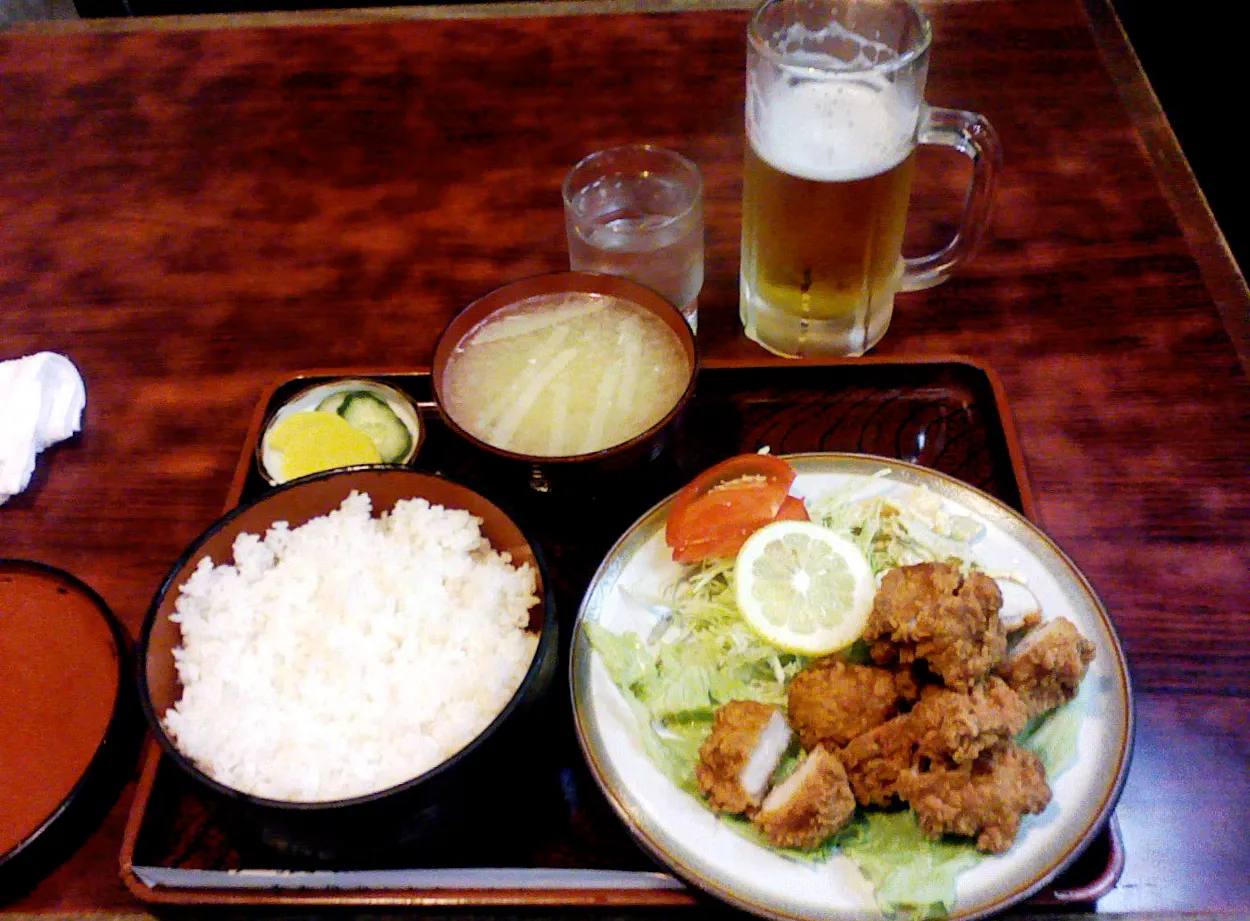
A teishoku set meal
A set meal is a useful way to try several components together, often built around a main dish with rice and accompaniments. Menus vary, so use it as a format to understand rather than a guaranteed fixed selection.
- Where to look
- Neighbourhood restaurants and casual lunch places near your actual route.
- Fit it into your day
- A straightforward lunch on a day when you want time and energy for an afternoon visit.
Ramen with a local focus
Treat ramen as a family of styles rather than one identical dish. Choosing a regional preparation can connect an easy meal with the place you are visiting.
- Where to look
- Regional guides, local restaurant information and shops whose menu identifies the style.
- Fit it into your day
- Make it one meal in a varied route; check broth and toppings directly if ingredients matter to you.
Bento and ekiben for a transfer
A boxed meal can make a longer rail journey more enjoyable without forcing a restaurant stop between connections. Check where you can buy it and whether your actual service is a suitable place to eat.
- Where to look
- Station food shops and appropriate outlets before your departure.
- Fit it into your day
- Buy with time to spare and keep the packaging until you can dispose of it properly.
One regional speciality per base
Use the local menu to discover differences between regions: seafood by a harbour, a distinctive noodle preparation or a town’s traditional sweet. Not every regional dish is sold in every neighbourhood.
- Where to look
- The food section of the destination guide and current local tourism listings.
- Fit it into your day
- Give the dish a realistic place in the day, with an alternative if a small business is closed.
Make the practical decisions in the right order
Start with official entry information for your nationality and circumstances. English-speaking readers do not all hold the same passport. Check Japan’s Ministry of Foreign Affairs and the appropriate embassy or consulate rather than assuming that another traveller’s visa arrangement applies to you.
Next, compare transport for your proposed route. A national rail pass is a product to evaluate against the journeys and eligibility that apply to you, not an automatic first purchase. Regional passes, individual tickets and city transport can serve different needs. Keep the final bus or ferry in view when choosing a rural destination.
Arrange connectivity, a way to pay and manageable luggage before departure, with enough flexibility for your plans. Avoid relying on a single payment method or assuming every small establishment operates like a major-city hotel. Use the separate transport, payments and luggage guides for detail rather than trying to solve every question at once.
Use a guided experience where it adds something
A good first-trip experience can explain a neighbourhood, help you navigate a food market or make a rural transfer simpler. It should add context or solve a practical problem. A guided walk does not need to fill a whole day to be useful, and a private tour is not automatically a better fit than a small group.
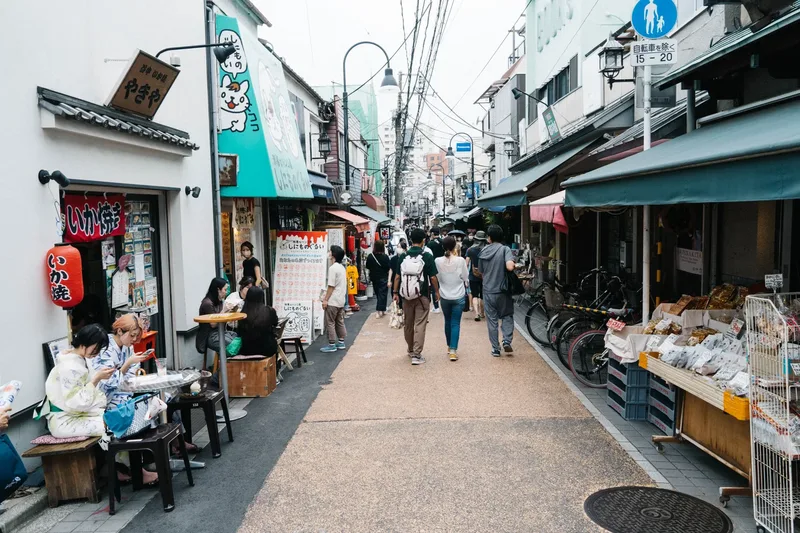
The linked Yanaka walking experience is a Tokyo neighbourhood option to compare once you are rested and settled. It offers a different kind of city introduction from a vehicle-based highlights tour. Check the meeting point, walking requirements, any food inclusions and dietary arrangements before booking; do not put a time-sensitive appointment straight after an uncertain long-haul arrival.
For every experience, read what is actually included and compare the guide language, cancellation conditions and selected date. A familiar-language website does not establish the guide’s spoken language. Choose an activity because it fits what you want to learn or enjoy, rather than because a booking button is available.
Make regional food part of the itinerary
Choose at least one local food interest for each base. A noodle lunch, a set meal or a market visit can give a day shape without adding another distant attraction. Give meals real space in your route, especially when the next bus, a walking tour or an accommodation dinner time matters.
Keep your first days simple. You do not need a reservation-only restaurant for every meal, nor should you expect every shop to offer the same dishes. Ask about ingredients when you have dietary needs; a dish name or a familiar-looking photograph is not enough to establish that it is suitable.
Before finalising the route, look for a slower day and a weather alternative. Leave one evening without a demanding programme, check onward transfers, and review the experiences you are considering. The aim is to reach each stop interested and ready to enjoy it.
Practical questions
How many places should you visit on a first Japan trip?
Choose bases around your available nights and interests. Several nights in each main base usually leave more room to explore than daily hotel changes. Count arrival, departure and transfer time as part of the trip.
Do you need a Japan Rail Pass?
Compare the pass with your actual journeys and check eligibility and current conditions. It is not automatically the best purchase for every first-time visitor.
Should you book a tour for the first day?
Be cautious with a fixed start time immediately after a long flight. A neighbourhood or food experience can be more useful once you are rested, know your base and can reach the meeting point reliably.
Can English-speaking travellers use one set of entry rules?
No. Entry requirements depend on nationality and other circumstances. Consult official information for your passport and situation.
Can you include rural Japan on a first trip?
Yes. Choose a place with transport and accommodation you can make work, and give it sufficient time. One worthwhile regional stay can be more rewarding than several rushed detours.
Sources and checks before you travel
Reference sources for the version dated 30 September 2026. Confirm opening times, access, transport and conditions for your travel dates.
Does this experience fit your route?
Explore related tours and experiences
Check dates and details on Viator ↗ — opens in a new tabAffiliate link · Book with ViatorPhoto credits
The brick façade of Tokyo Station.
Photograph: Bernard Spragg. NZ — opens in a new tab · Public Domain Mark 1.0 — opens in a new tab
Changes: Resized and converted to WebP; displayed with responsive crops. · Original photograph and licence details ↗ — opens in a new tab
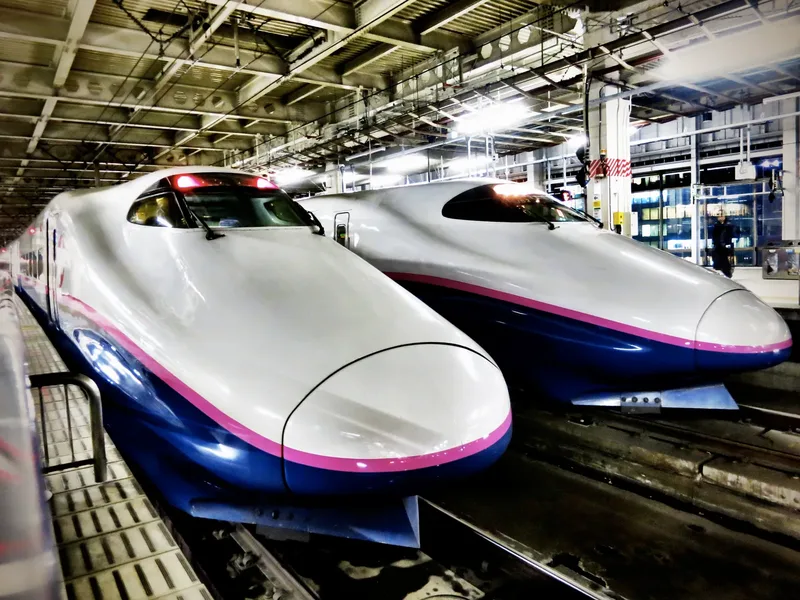
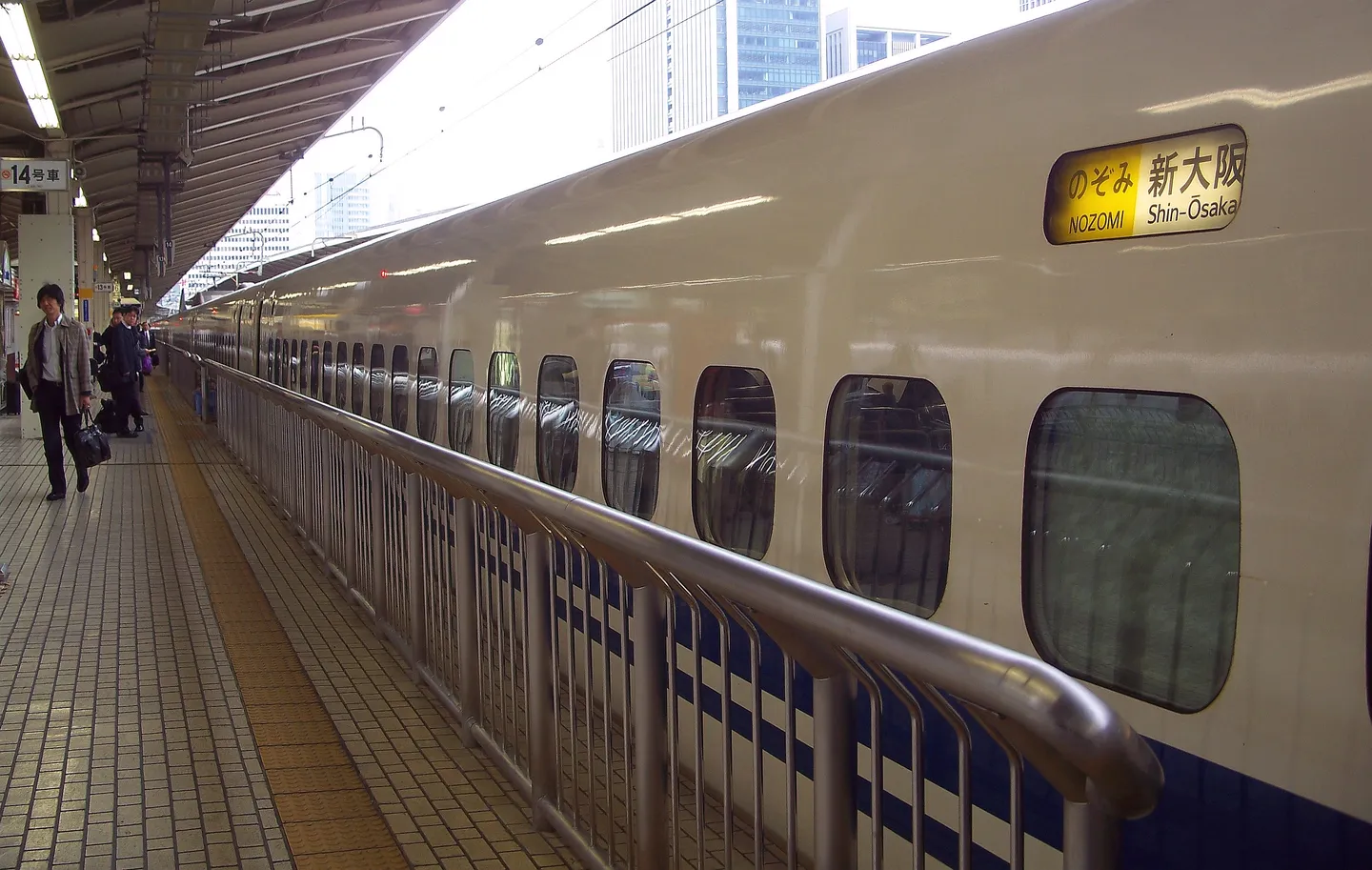
A Shinkansen bullet train at a station in Japan.
Photograph: Güldem Üstün — opens in a new tab · CC BY 2.0 — opens in a new tab
Changes: Resized and converted to WebP; displayed with responsive crops. · Original photograph and licence details ↗ — opens in a new tab
A teishoku meal with rice, soup, fried chicken and side dishes.
Photograph: Kim Ahlström — opens in a new tab · CC BY 2.0 — opens in a new tab
Changes: Resized and converted to WebP; displayed with responsive crops. · Original photograph and licence details ↗ — opens in a new tab
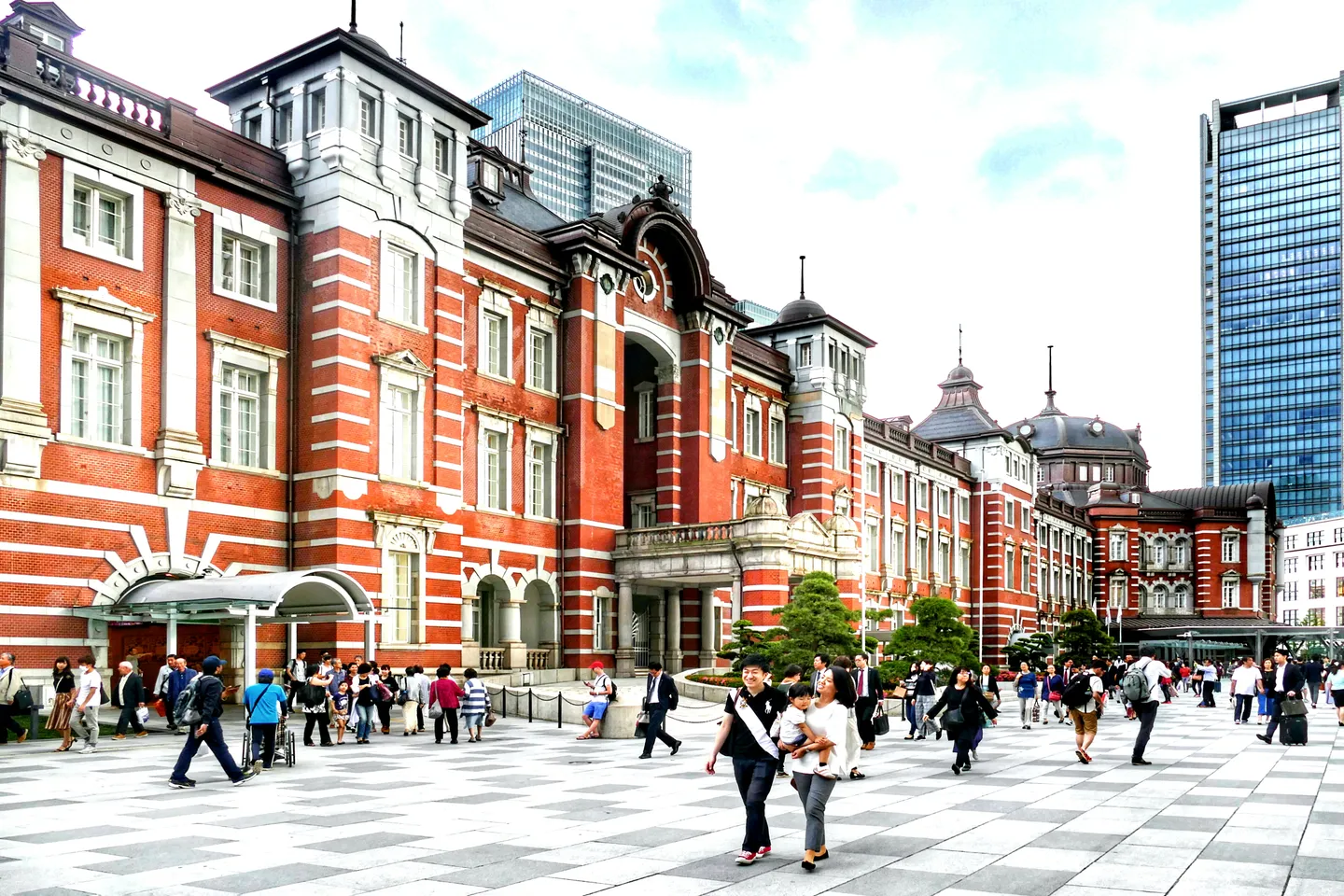
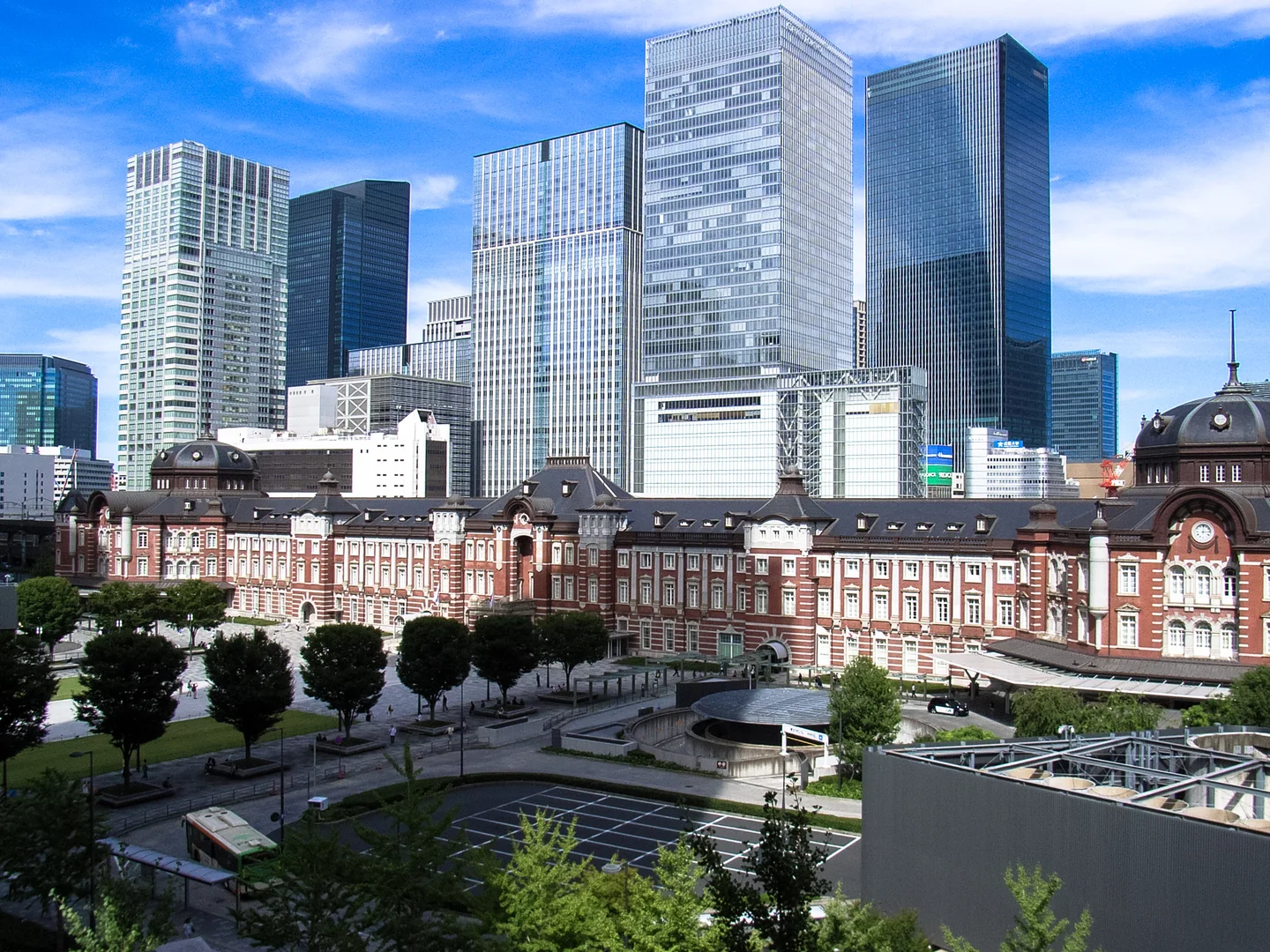
Tokyo Station's Marunouchi facade beneath modern towers.
Photograph: fotokole — opens in a new tab · Public Domain Mark 1.0 — opens in a new tab
Changes: Resized and converted to WebP; displayed with responsive crops. · Original photograph and licence details ↗ — opens in a new tab