Plan your trip
Best time to visit Japan: choose by region and travel style
There is no single best month for a country stretching from Hokkaido to Okinawa. The better question is what you want the trip to feel like: city walks and seasonal food, a mountain journey, snowy landscapes or time near the sea. Choose the experiences first, then find the season and route that support them.
- Suggested time
- Choose dates alongside the route, then refine seasonal activities nearer departure
- Where to stay
- The regions whose seasonal experiences matter most to your journey
- Season and timing
- No universal best month: use a region-and-activity comparison
The short answer
Match travel dates to the regions and activities you care about. Blossom and foliage timing varies by location and year; summer heat, mountain access, snow and weather disruption affect routes differently. Use regional forecasts and current operator information before fixing weather-dependent plans.
Begin with the trip you want rather than a national ranking
Pick two or three priorities: city neighbourhoods, regional food, hiking, festivals, snow or coastal exploration. Give each a destination and a realistic place in the journey. This makes seasonal research a decision about your trip rather than a search for a supposedly perfect month.
JNTO's weather guide describes large regional differences, including Hokkaido in the north and subtropical Okinawa. Do not apply a Tokyo forecast to the whole route. Compare the places you will visit and the kind of outdoor time they involve.
Spring and autumn: enjoy the season without making one view the whole trip
Blossom and foliage travel work best when the surrounding destination is worth visiting even if the timing changes. Build a city walk, a food stop or a cultural experience around the outing, so the journey remains rewarding without a guaranteed peak display.
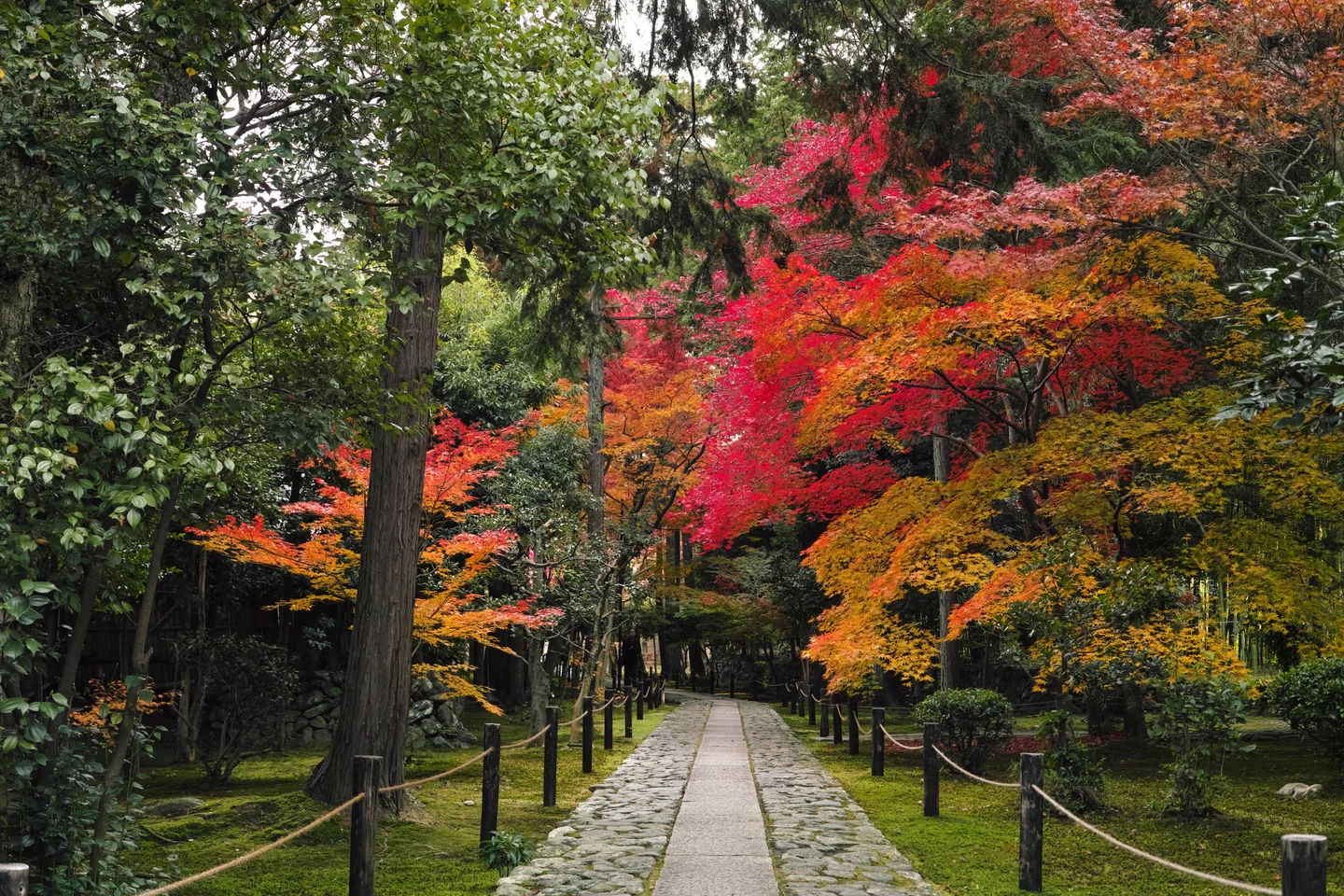
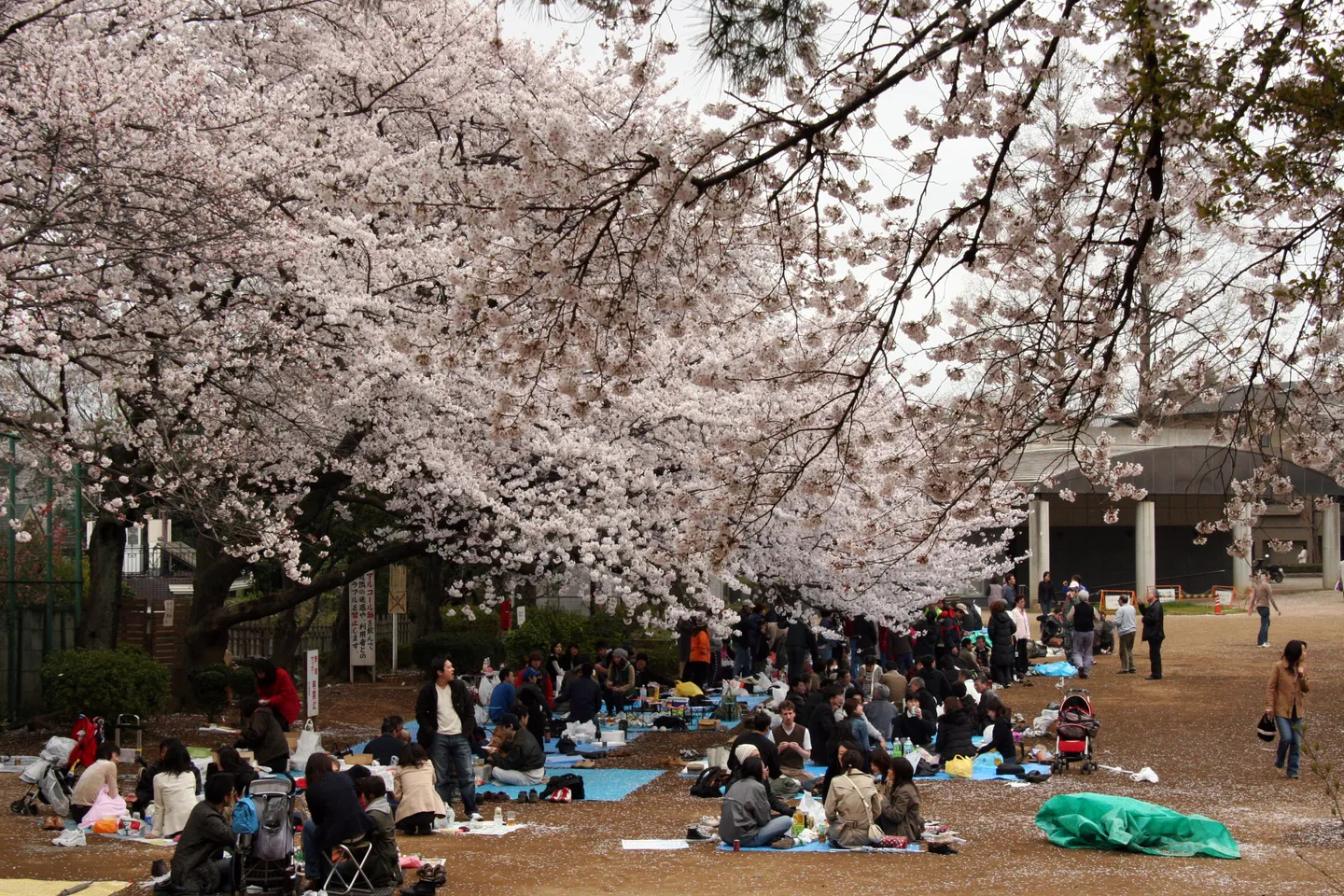
JNTO describes blossoms moving north through spring and autumn colour moving through regions over a broad period. Those patterns help initial planning, but do not guarantee conditions on your day. Choose a route with more than one reason to enjoy it, then consult current local information nearer the visit.
Make time for the local food
What to eat and where to look
A season-aware regional meal
Use local food as another reason to visit a region, rather than making the trip depend on one brief scenic event.
- Where to look
- Regional destination guides and current menus
- Fit it into your day
- Choose dishes available during your actual visit
A regional speciality is not a guarantee of year-round availability at every restaurant.
Summer: design the day around comfort and flexibility
For a warm-weather city trip, distribute outdoor sightseeing around breaks and indoor activities rather than filling the hottest part of every day with walking. A cooking class or museum visit can give an afternoon a worthwhile focus, provided it is convenient to the rest of the route.
For mountains, islands and boat trips, check the seasonal operation of the exact activity. Weather can affect departures and access; preserve a useful alternative nearby. A product being listed online does not establish that it operates on your chosen date or that every departure will run.
Winter: choose the landscape and the journey together
A snowy destination needs a route that works with its winter transport and activity conditions. Confirm the meeting point, clothing requirements and any equipment or skills expected for a guided outing. A photograph of snow cannot tell you whether the activity is suited to a beginner.
An urban winter route can have a different rhythm: a neighbourhood walk, a warming lunch and a cultural stop. Choose the specific destination's conditions rather than assuming the entire country shares the same winter. An onsen town may add a rewarding overnight stay when access and accommodation fit.
Reserve the experience that matches the season
Compare Viator listings for the actual activity and date, not merely a seasonal phrase in the title. Check what happens in unsuitable weather, the cancellation conditions and whether the itinerary changes. Book for the experience offered, with any seasonal scenery as a conditional part of the attraction.
Use our regional guides to distribute the trip beyond the busiest famous stops. A place with enjoyable food and a distinctive cultural activity can be a strong choice even without a short-lived seasonal event. Keep the route flexible enough to respond to the conditions you actually find.
Practical questions
What is the best month to visit Japan?
There is no universal best month. Choose according to the regions, activities and conditions you prefer, then check the practical operation of your route.
Can I guarantee peak cherry blossoms when booking flights?
No. Timing varies by place and year. Choose a destination and itinerary you will enjoy even if the blossom display differs from the forecast.
Is Japan's summer the same everywhere?
No. Regional climate and elevation matter. Use the forecast for your actual destinations and plan activities and breaks accordingly.
Does an online tour listing guarantee seasonal operation?
No. Check the selected date, itinerary, provider conditions and cancellation arrangements. Weather-dependent activities may change or be cancelled.
Sources and checks before you travel
Reference sources for the version dated 30 September 2026. Confirm opening times, access, transport and conditions for your travel dates.
Does this experience fit your route?
Explore related tours and experiences
Check dates and details on Viator ↗ — opens in a new tabAffiliate link · Book with ViatorPhoto credits
Autumn foliage in a source photograph. Timing and conditions vary by place and year.
Photograph: bethom33 — opens in a new tab · CC BY-SA 2.0 — opens in a new tab
Changes: Resized and converted to WebP; displayed with responsive crops. · Original photograph and licence details ↗ — opens in a new tab
A cherry-blossom outing in a source photograph; peak bloom cannot be guaranteed for travel dates.
Photograph: OiMax — opens in a new tab · CC BY 2.0 — opens in a new tab
Changes: Resized and converted to WebP; displayed with responsive crops. · Original photograph and licence details ↗ — opens in a new tab
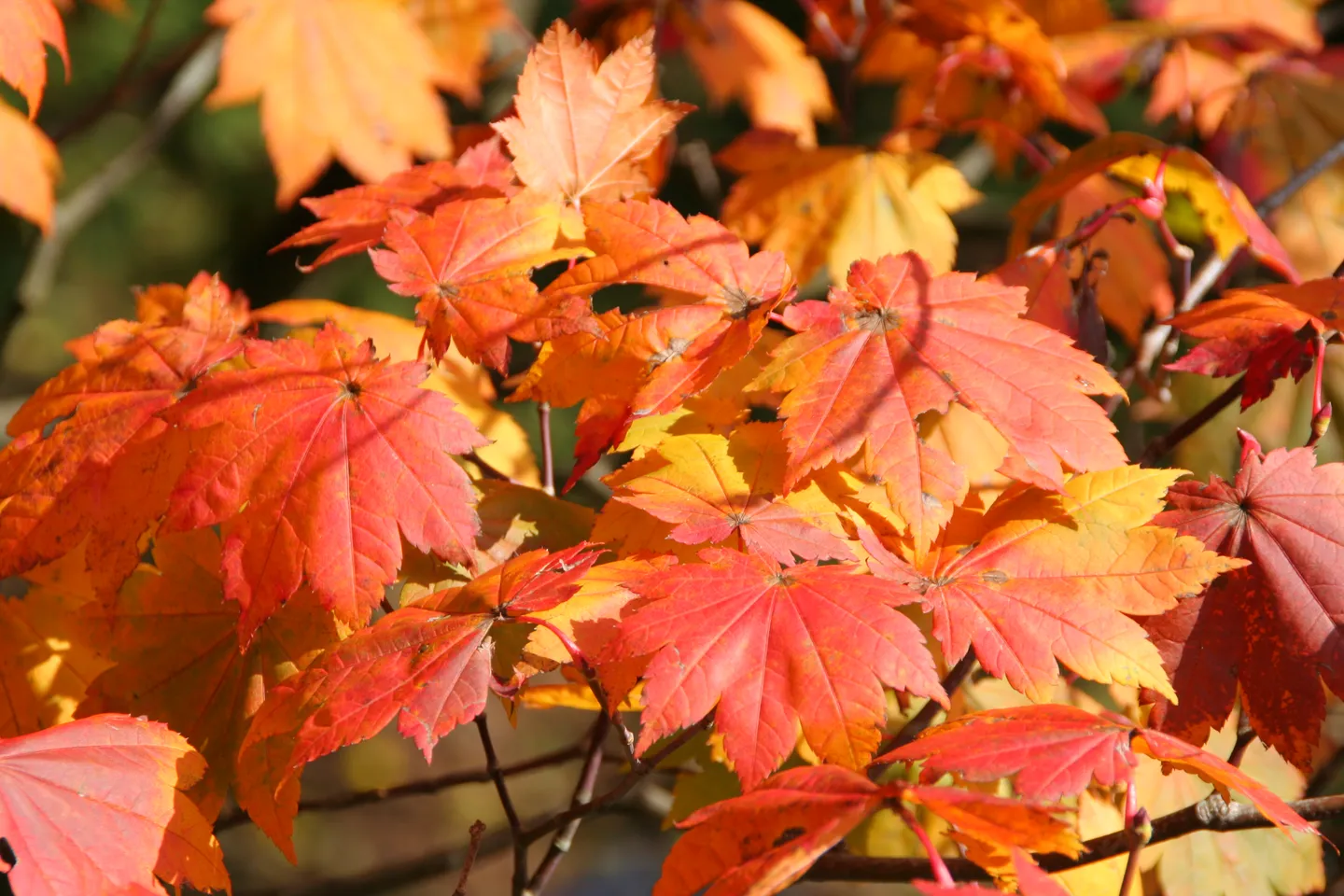
Autumn colour is one reason to explore a region, alongside its food and cultural experiences.
Photograph: skyseeker — opens in a new tab · CC BY 2.0 — opens in a new tab
Changes: Resized and converted to WebP; displayed with responsive crops. · Original photograph and licence details ↗ — opens in a new tab
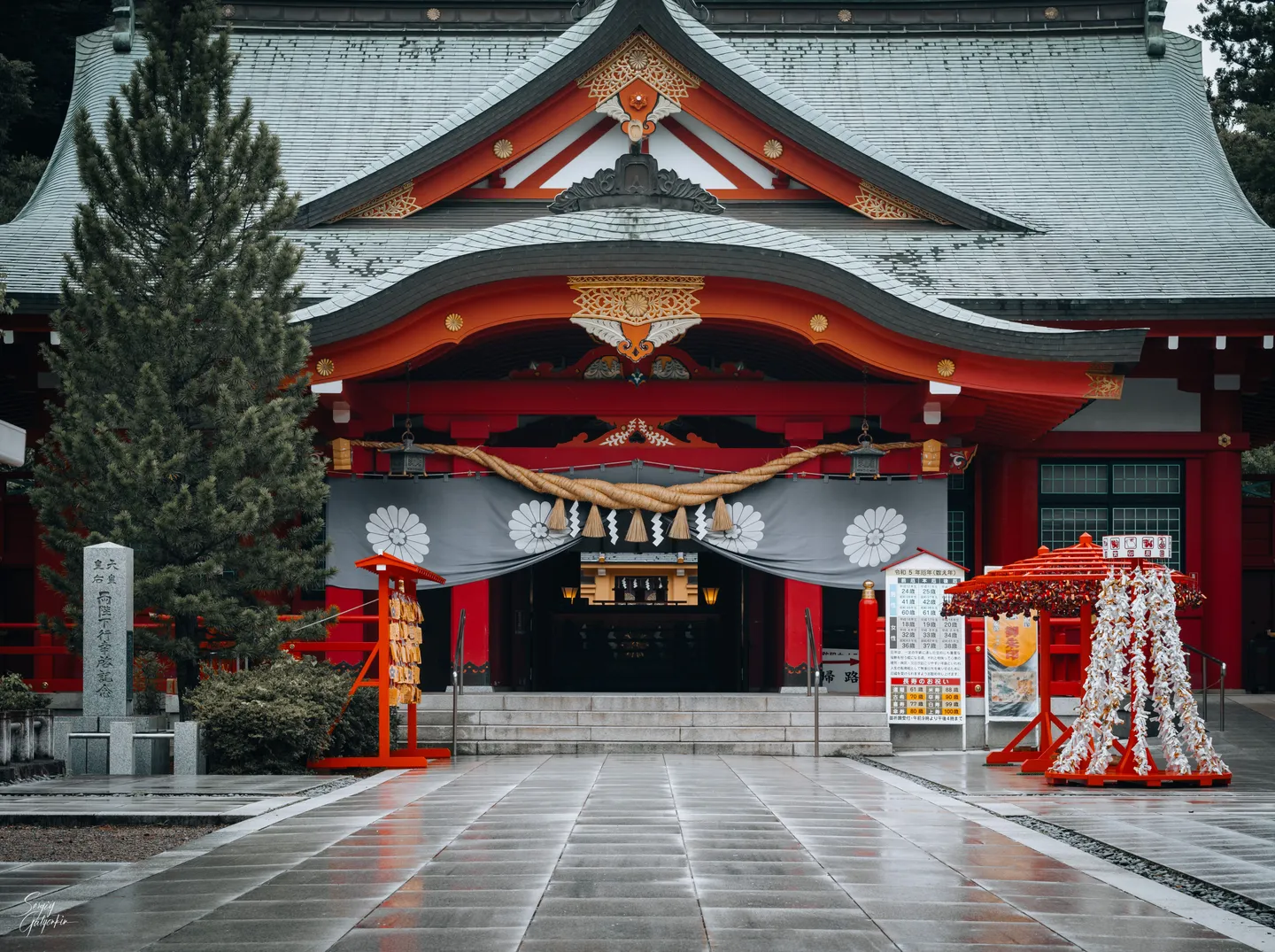
A Japanese shrine with red details on a rainy day.
Photograph: Sergiy Galyonkin — opens in a new tab · CC BY-SA 2.0 — opens in a new tab
Changes: Resized and converted to WebP; displayed with responsive crops. · Original photograph and licence details ↗ — opens in a new tab