Plan your trip
Paying in Japan: cards, cash and a practical travel setup
Preparing payments is less about carrying every possible option than keeping the day straightforward. You want to enjoy a market lunch, return from a rural outing and arrive at your accommodation without turning each payment into a new problem. Use a card that fits your circumstances, a useful cash reserve and a second workable option.
- Suggested time
- Prepare before departure, then check requirements before remote or rural stops
- Where to stay
- Payment and withdrawal options along the route you will actually use
- Season and timing
- Payment acceptance is establishment-specific, rather than a seasonal rule
The short answer
Confirm overseas use, limits and charges with your issuer; keep a yen reserve for places that require cash; and ask accommodation and rural establishments what they accept. Treat an IC transport card and a bank card as different tools. A payment logo does not guarantee that every foreign wallet or device will work.
Prepare two workable options
Ask your issuer about overseas use, your limits, authentication and any applicable charges. Save its contact information separately from the card. A familiar payment method at home is useful only if it works under the conditions of your trip.
Keep another way to pay rather than making every option depend on one phone or wallet. Choose a cash reserve around your upcoming needs, not a claim that the whole country is either cash-only or entirely cashless. JNTO describes increasing electronic payment use while noting cash requirements at some establishments, especially in rural areas.
Check the next stop before leaving the city
Confirm how the next accommodation, local bus or planned food stop accepts payment. This is particularly useful before a rural overnight stay. Having the answer in advance lets the destination remain the focus of the day.
Identify a practical withdrawal option on your route if needed, then check the relevant operator's current conditions and your own card's compatibility. Do not rely on an unverified ATM being open just before the last bus. The amount and method you choose should reflect your circumstances, not a universal recommendation from this guide.
Make time for the local food
What to eat and where to look
Keep IC cards and bank cards separate in your plan
A compatible IC transport card can be convenient for eligible journeys and participating purchases. It still has a balance, coverage and product-specific conditions. It does not automatically become a bank card or pay for every rail journey.
Read the operator's instructions for the exact physical or mobile product you choose, including charging and remaining-balance rules. Check device compatibility rather than assuming a wallet app works identically across phones. Our transport guide explains the separate question of the ticket your journey requires.
Read what a booking has already paid for
Keep booking confirmations and understand whether an experience is paid in advance, paid later or has separately payable items. For a Viator experience, read the selected option's payment and cancellation terms. A broad cancellation label is not a promise that every reason or timing qualifies.
For a food outing, check which tastings or meals the product includes and what you may buy separately. Being clear about the booking lets you enjoy the conversation, cooking or neighbourhood instead of wondering whether every stop adds another charge. Choose an experience for its relevance, then read the terms before paying.
Ask before ordering and keep the transaction clear
At a small restaurant or shop, ask about the accepted method before committing to a purchase. If travelling with others, establish how you will settle the bill rather than assuming a small establishment can split it in every format.
Keep significant receipts and check the currency and amount presented before confirming a payment. If a transaction fails, consult the issuer's message or the establishment and use your prepared alternative. This guide provides trip-planning questions; fees, eligibility and individual card decisions belong with the issuer's actual terms.
Practical questions
Can I travel through Japan with only a card?
Do not assume every establishment will accept it. Confirm your route's requirements and prepare a suitable yen reserve and another workable option.
Is a Suica or other IC card a bank card?
No. It is a product with its own balance, participating uses and conditions. Check the chosen product rather than treating every contactless payment as interchangeable.
Will my mobile wallet definitely work?
Compatibility depends on the device, payment service and establishment. Confirm with the relevant providers and keep another way to pay.
Does an activity's advertised price include every cost?
Read the selected option's inclusions and any separately payable items. Check the final total and terms for your date and group before confirming.
Sources and checks before you travel
Reference sources for the version dated 30 September 2026. Confirm opening times, access, transport and conditions for your travel dates.
Does this experience fit your route?
Explore related tours and experiences
Check dates and details on Viator ↗ — opens in a new tabAffiliate link · Book with ViatorPhoto credits
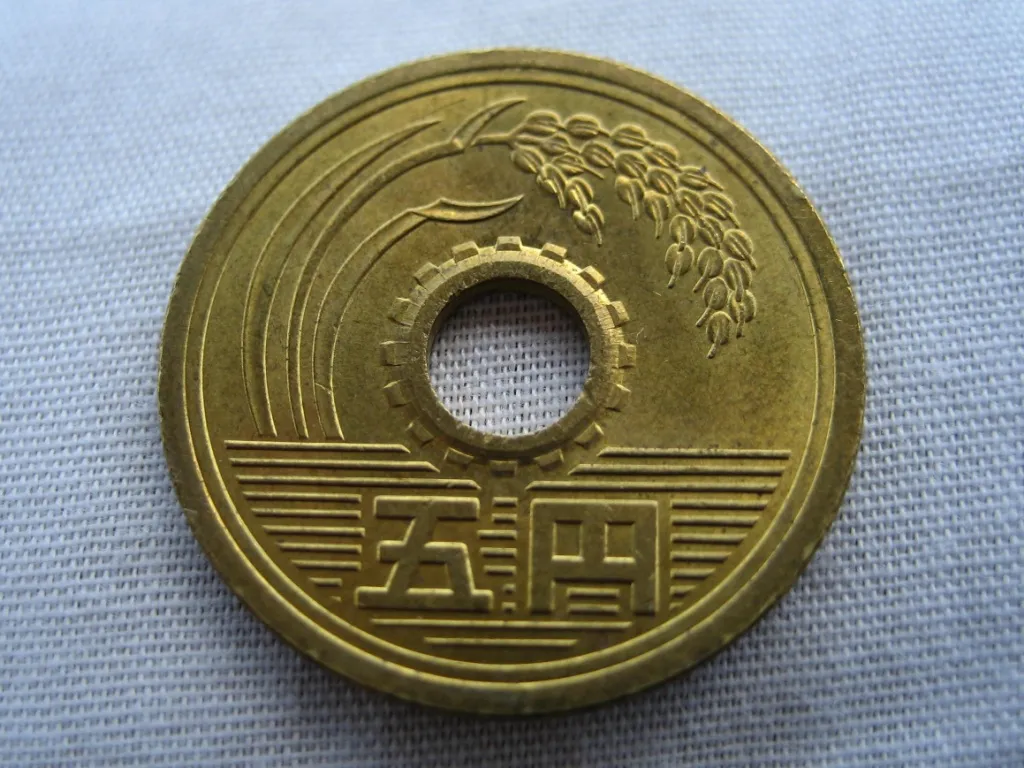
A Japanese five-yen coin.
Photograph: Gilgongo — opens in a new tab · CC BY 2.0 — opens in a new tab
Changes: Resized and converted to WebP; displayed with responsive crops. · Original photograph and licence details ↗ — opens in a new tab
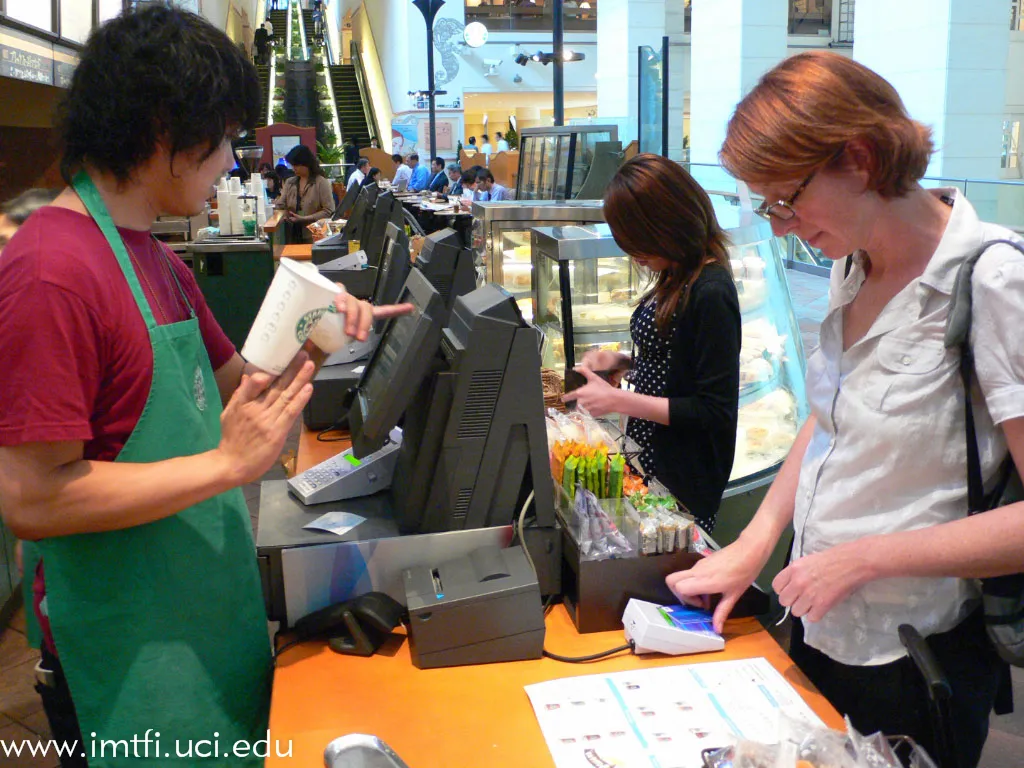
A customer using Suica to pay in Japan.
Photograph: Scott Mainwaring / Institute for Money, Technology and Financial Inclusion — opens in a new tab · CC BY-SA 2.0 — opens in a new tab
Changes: Resized and converted to WebP; displayed with responsive crops. · Original photograph and licence details ↗ — opens in a new tab