Plan your trip
Japan entry planning: passports, visas and official checks
Getting the entry checks right lets you move on to the enjoyable decisions: where to stay, what to eat and which experiences to book. Start with your own passport and travel circumstances. The language you read, or the country your flight leaves from, does not determine which rules apply.
- Suggested time
- Before non-refundable bookings, then again before departure
- Where to stay
- Your departure country and your first Japan accommodation
- Season and timing
- Use the requirements applicable to your actual travel dates
The short answer
Check Japan’s Ministry of Foreign Affairs information for your nationality, passport and reason for travel. Follow the Digital Agency’s official Visit Japan Web instructions for arrival procedures, and check customs rules separately for belongings you intend to bring. An activity booking or a completed online arrival form does not establish permission to enter Japan.
Check the traveller, not just the departure airport
The first question is whether the entry arrangement covers your nationality, document and purpose of stay. Japan has visa-exemption arrangements with specified countries and regions, with conditions and exceptions. Use the official list rather than applying a friend’s experience to a different passport.
For a trip involving more than ordinary sightseeing, or a situation you cannot resolve from the official guidance, contact the appropriate Japanese embassy or consulate. Do this before relying on a non-refundable itinerary. Our destination guides can help shape a journey, but cannot decide your individual immigration eligibility.
Keep visa research and arrival procedures separate
Visit Japan Web is the Digital Agency’s online service for arrival procedures. Use its official website and current guide when entering your information. It is useful preparation; completing it does not replace a visa when one is required, or guarantee admission.
Keep your travel details, first accommodation address and the information required by the current procedure together. A calm preparation session is easier than trying to reconstruct bookings while approaching an airport counter. Follow the current official instructions rather than copying a screenshot from an old blog post.
Make time for the local food
What to eat and where to look
Check what travels in your luggage
Customs is another part of arrival. Japan Customs explains passenger declarations and restricted goods, with links to the relevant authorities. Personal use is not a reason to assume an item is unrestricted. If you plan to bring medication, food or another item with special conditions, check the responsible authority before packing it.
Make a short list of anything that needs a specific answer and resolve it before departure. Keep the official answer or relevant documentation available for your journey. Avoid making the arrival day depend on an assumption about an ingredient, product label or quantity.
Leave space between landing and the first experience
An arrival time is the beginning of the airport process, rather than your arrival at the hotel. Think through formalities, baggage, reaching transport and finding the accommodation before choosing a fixed meeting time for a tour. A flexible first afternoon can be more enjoyable than a rushed appointment.
If comparing an airport transfer or a first-day guided experience, read the pickup location and the operator’s arrangements for delays. A booking does not accelerate border procedures. Save an activity you particularly want for a time when you can reach it comfortably and enjoy the explanation.
A practical pre-departure sequence
First resolve official entry requirements; then keep passport, bookings and accommodation information consistent; then prepare the arrival procedure and luggage checks. Finally, review the first day’s transport and the experiences you intend to book. This sequence reduces the chance of making a beautiful route depend on an unresolved practical question.
Revisit the official guidance near departure, especially if your passport, purpose, dates or travel party changes. Once the checks are complete, focus on the first neighbourhood and meal rather than trying to solve every later day while standing in the airport.
Practical questions
Do all English-speaking visitors have the same Japan entry rules?
No. Check official information for your nationality, passport, purpose and other circumstances. Your preferred reading language does not establish eligibility.
Does Visit Japan Web replace a visa?
No. It supports arrival procedures. Resolve any visa requirement separately through the official authorities.
Should I book a tour straight after landing?
Allow for formalities, baggage and the journey to the meeting point. A less demanding first afternoon or a later date can be a more practical choice.
Where should I check rules for belongings?
Start with Japan Customs’ passenger guidance and follow its links to the responsible authority for restricted items. Do not assume that personal use makes every item unrestricted.
Sources and checks before you travel
Reference sources for the version dated 30 September 2026. Confirm opening times, access, transport and conditions for your travel dates.
- Ministry of Foreign Affairs: visa information ↗ — opens in a new tab
- Ministry of Foreign Affairs: short-stay visa exemptions ↗ — opens in a new tab
- Digital Agency: Visit Japan Web ↗ — opens in a new tab
- Digital Agency: current Visit Japan Web guide ↗ — opens in a new tab
- Japan Customs: passenger clearance ↗ — opens in a new tab
Does this experience fit your route?
Explore related tours and experiences
Check dates and details on Viator ↗ — opens in a new tabAffiliate link · Book with ViatorPhoto credits
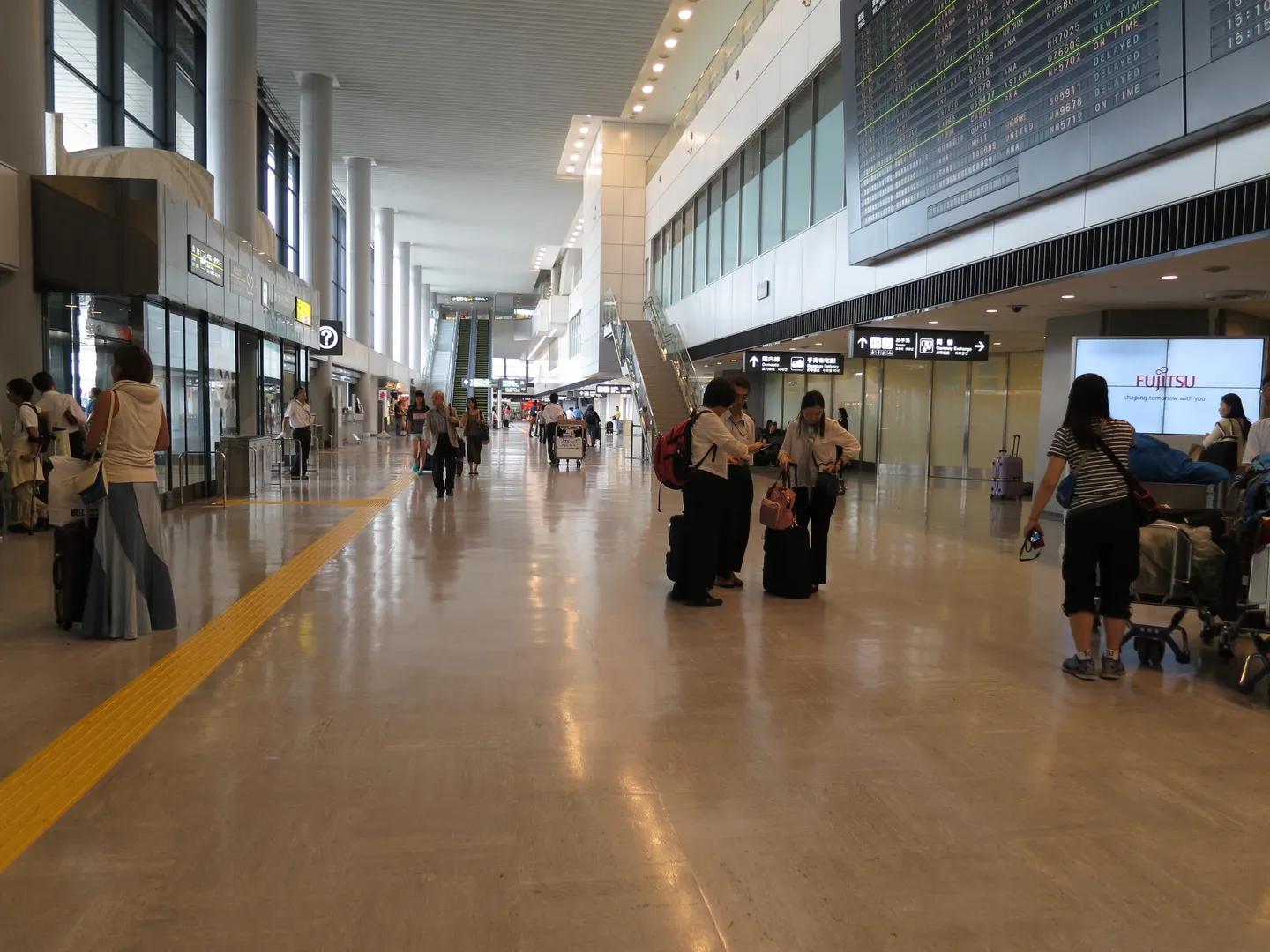
The arrivals hall at Narita Airport.
Photograph: Alper Çuğun — opens in a new tab · CC BY 2.0 — opens in a new tab
Changes: Resized and converted to WebP; displayed with responsive crops. · Original photograph and licence details ↗ — opens in a new tab
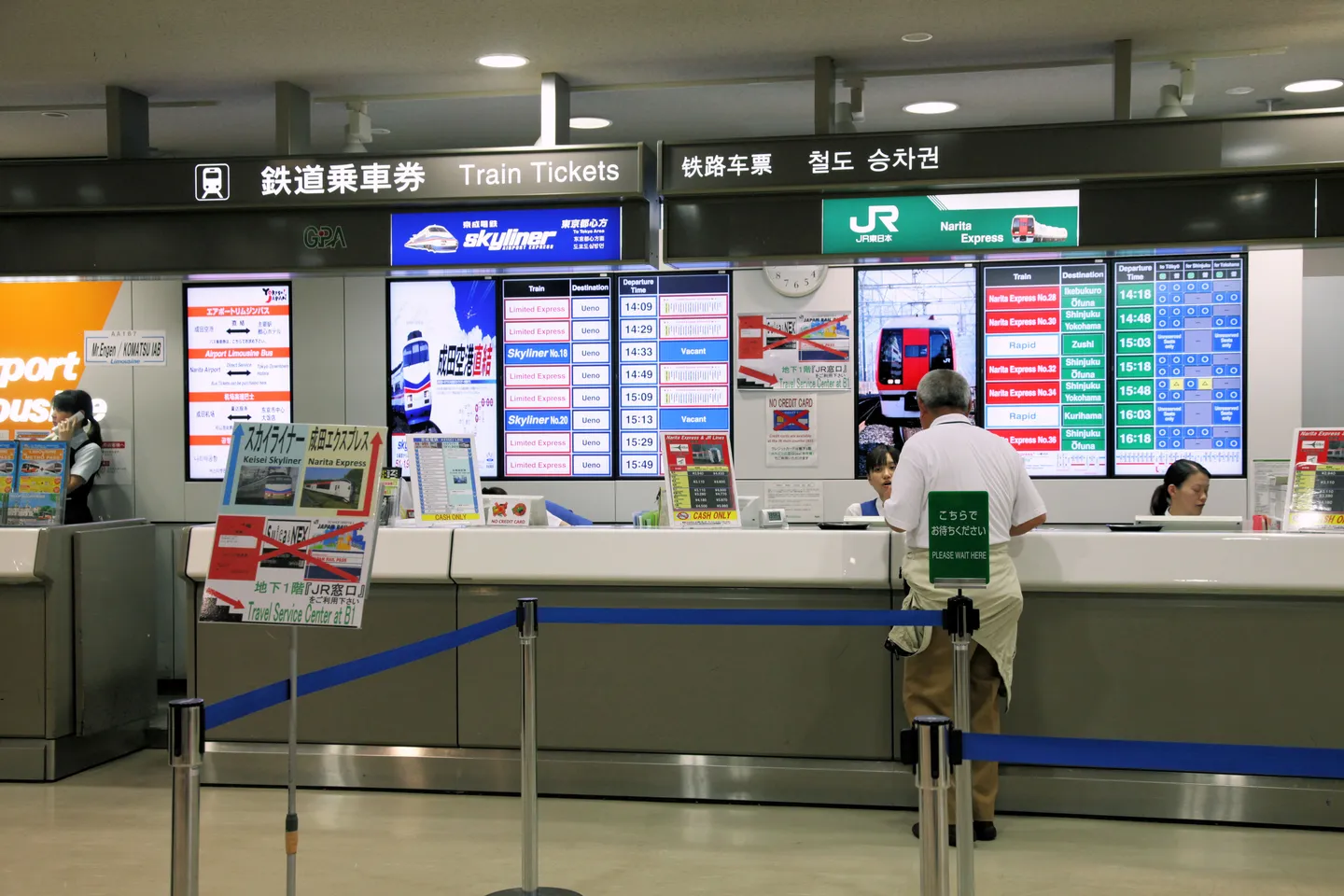
Railway ticket counters in Narita Airport's arrivals area, in an archival photograph.
Photograph: Byron Villegas — opens in a new tab · CC BY 2.0 — opens in a new tab
Changes: Resized and converted to WebP; displayed with responsive crops. · Original photograph and licence details ↗ — opens in a new tab