Plan your trip · Kyoto
Where to stay in Kyoto: best areas, machiya stays and Kyoto vs Osaka
Kyoto is compact enough that almost any central hotel will do, but the area you choose still decides how your days begin and end. Sleep downtown and Nishiki Market, Pontocho and Gion are on foot; sleep by Kyoto Station and the Haruka, the shinkansen and the trains to Fushimi Inari and Nara leave from your door. Gion, Arashiyama and the quiet streets around Nijo Castle each suit a particular kind of stay, and a restored machiya townhouse or a ryokan changes the trip again. This guide settles the area first, then the type of lodging, then whether to sleep in Kyoto or Osaka.
- Suggested time
- 4 nights on a first trip (3 at the very least), usually in a single base
- Where to stay
- Downtown (Shijo-Karasuma to Kawaramachi) for most first trips; the Kyoto Station area for short stays, late arrivals and day trips; Gion and Higashiyama for a ryokan night
- Season and timing
- Kyoto's official guide advises booking as early as possible for the cherry blossom, the autumn leaves and the Gion Matsuri in July, when many places fill up; cheaper rooms also go fast in the university entrance-exam season and around the Kyoto Marathon in mid-February.
The short answer
For a first trip of three or four nights, stay downtown between Shijo-Karasuma and Kawaramachi; choose the Kyoto Station area for one or two nights, a late arrival or a run of day trips. Downtown puts Nishiki Market, Pontocho and Gion on foot, with the subway, Hankyu and Keihan lines for the rest. Gion suits a ryokan night, Arashiyama a quiet last night and Nijo a calmer local base. If early temple visits matter, sleep in Kyoto and end the trip in Osaka, about 30 minutes away by JR Special Rapid. Budget for the per-person accommodation tax, and send suitcases from Kyoto Station.
Downtown or Kyoto Station: decide this first
Kyoto's official guide points out that central Kyoto, where most of the famous sights are, spans roughly 20 km from east to west and north to south, so most places are within an hour one way. The choice of area is therefore less about distance than about how your mornings and evenings work. JNTO's advice for avoiding the crowds is to visit popular temples early, when they open, and Kyoto's own guide counts anything before 09:00 as morning sightseeing; the evenings belong to Pontocho, Gion and the banks of the Kamo River. A base that makes both easy is worth more than a room that adds a long ride at each end of the day.
For most first trips of three or four nights, that base is downtown, in the grid of streets between Shijo-Karasuma and Shijo-Kawaramachi. The official guide describes Shijo-Karasuma as the business district and Kawaramachi as the shopping district; between them you have Nishiki Market, the Karasuma subway line, Hankyu trains to Arashiyama and Osaka, and, just across the river, Keihan trains to Fushimi Inari. Yasaka Shrine is about 13 minutes' walk east of Shijo-Kawaramachi through Gion, and the area has a wide range of lodging, from traditional ryokan to guesthouses and design hotels.
Choose the Kyoto Station area instead for one or two nights, for a late arrival on the Haruka, or if most of your days are trips out by JR or Kintetsu. Its many large hotels and business hotels make a room relatively easy to find even in peak seasons, the official guide notes, and downtown is a four-minute subway ride away. The other areas below suit a particular kind of stay rather than a first visit: Gion and Higashiyama for a ryokan or a special occasion, Arashiyama for a quiet night by the river, and the Nijo Castle and Imperial Palace area for a calmer, residential base. Settle downtown or Kyoto Station first, then compare hotels within that area.
Downtown: Shijo-Karasuma or Kawaramachi and Pontocho
Shijo-Karasuma is the easier half of downtown to arrive in. Shijo Station on the Karasuma subway line is four minutes from Kyoto Station, Hankyu's Karasuma Station is connected to it, and Nishiki Market is about five minutes' walk east. Hankyu trains run from here to Osaka-umeda and, with a change at Katsura, to Arashiyama. It is a business district rather than a historic one, which suits travellers who care more about the run to the station than the view from the window.
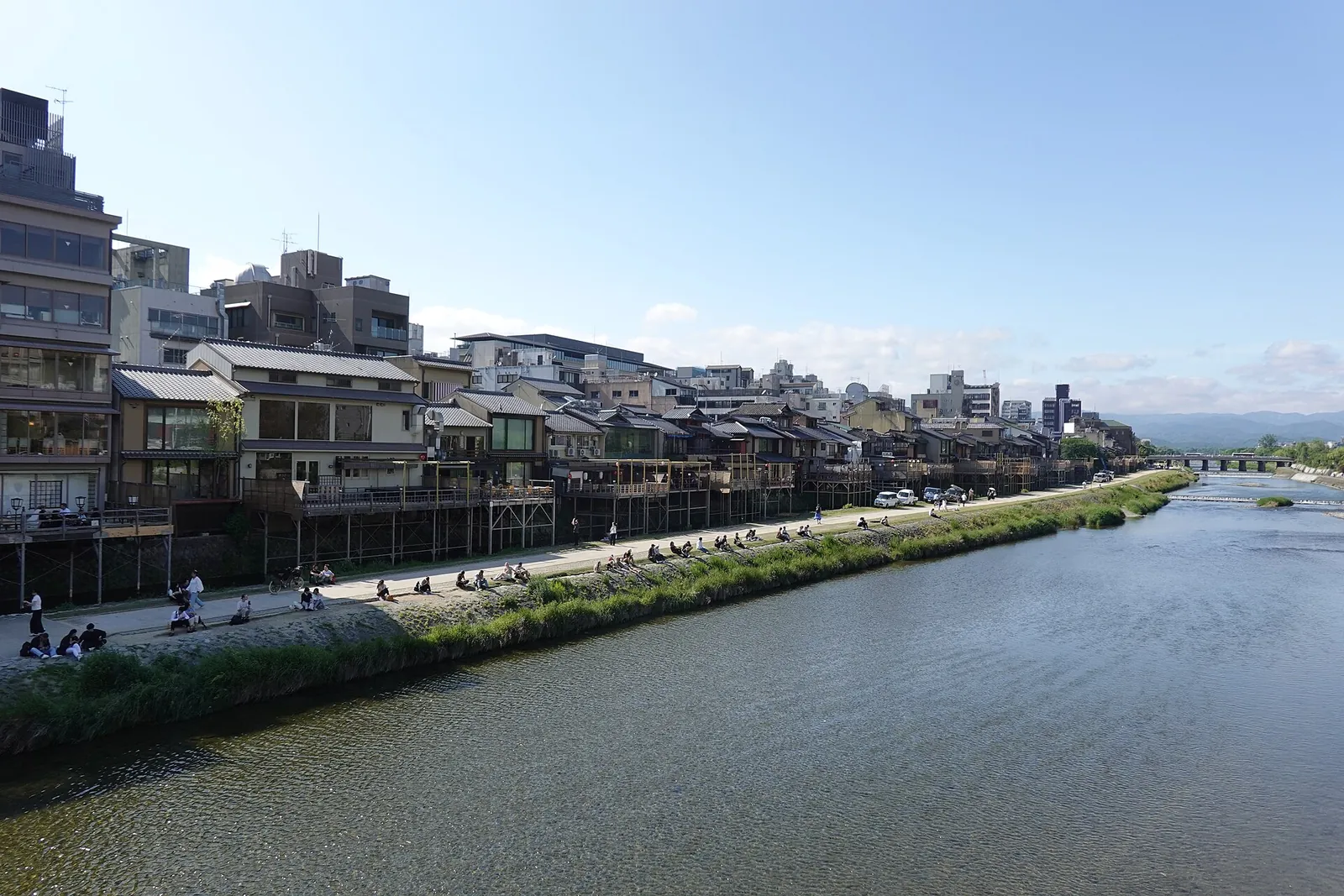
Kawaramachi and Pontocho, towards the Kamo River, put you closest to the evenings. JNTO describes Pontocho, a long paved alley of wooden buildings running between Sanjo and Shijo streets beside the river, as a place that mostly sleeps by day and comes alive at night. Hankyu trains terminate at Kyoto-Kawaramachi, and across the river Keihan's Gion-Shijo and Sanjo stations run north to Demachiyanagi and south to Fushimi-Inari, about 22 minutes from Gion-Shijo. The trade-off is crowds and noise late into the evening, and a walk along busy Shijo-dori if you bring suitcases from the station yourself.
In July the Gion Matsuri takes over downtown. Kyoto's official guide lists the main float processions on 17 and 24 July along Shijo, Kawaramachi and Oike streets, with the Yoiyama evenings on 14–16 and 21–23 July, so a downtown hotel puts you in the middle of the festival.
Make time for the local food
What to eat and where to look
Nishiki Market tastings
Kyoto's Kitchen is a 390-metre covered street of fishmongers, dry-goods stores and souvenir shops, with stalls that cook food to eat on the spot, a few minutes' walk from both Shijo-Karasuma and Kawaramachi. The market association lists shops with eat-in space where you can also sit down with food bought elsewhere in the market, from grilled seafood skewers to hamo (pike conger) tempura.
- Where to look
- The eat-in shops listed on the market association's visitor-requests page; when we checked on 2026-10-10, most opened at 10:00 or 10:30 and closed at about 18:00.
- Fit it into your day
- A grazing lunch on your first downtown day, close to the hotel.
Eat in front of or inside the shop where you bought the food, not while walking. Many shops close on Wednesdays and from 1 to 3 January.
Dinner in Pontocho, over the river in season
Pontocho's alley is lined with restaurants serving everything from Kyoto kaiseki, yakitori and tempura to Italian and French, and JNTO notes that many can welcome guests in English. From 1 May to 15 October, restaurants along the Kamo River set out raised yuka terraces over the water, a custom Kyoto's official guide traces back to the 1600s.
- Where to look
- Pontocho, between Sanjo and Shijo streets; Kyoto's official guide lists the restaurants taking part in the Kamogawa Noryo Yuka season.
- Fit it into your day
- The first evening of a downtown stay. JNTO counts close to 100 yuka platforms each summer and advises booking.
Places range from casual yakitori counters to formal kaiseki, so check the menu and prices before you sit down.
Obanzai in the downtown backstreets
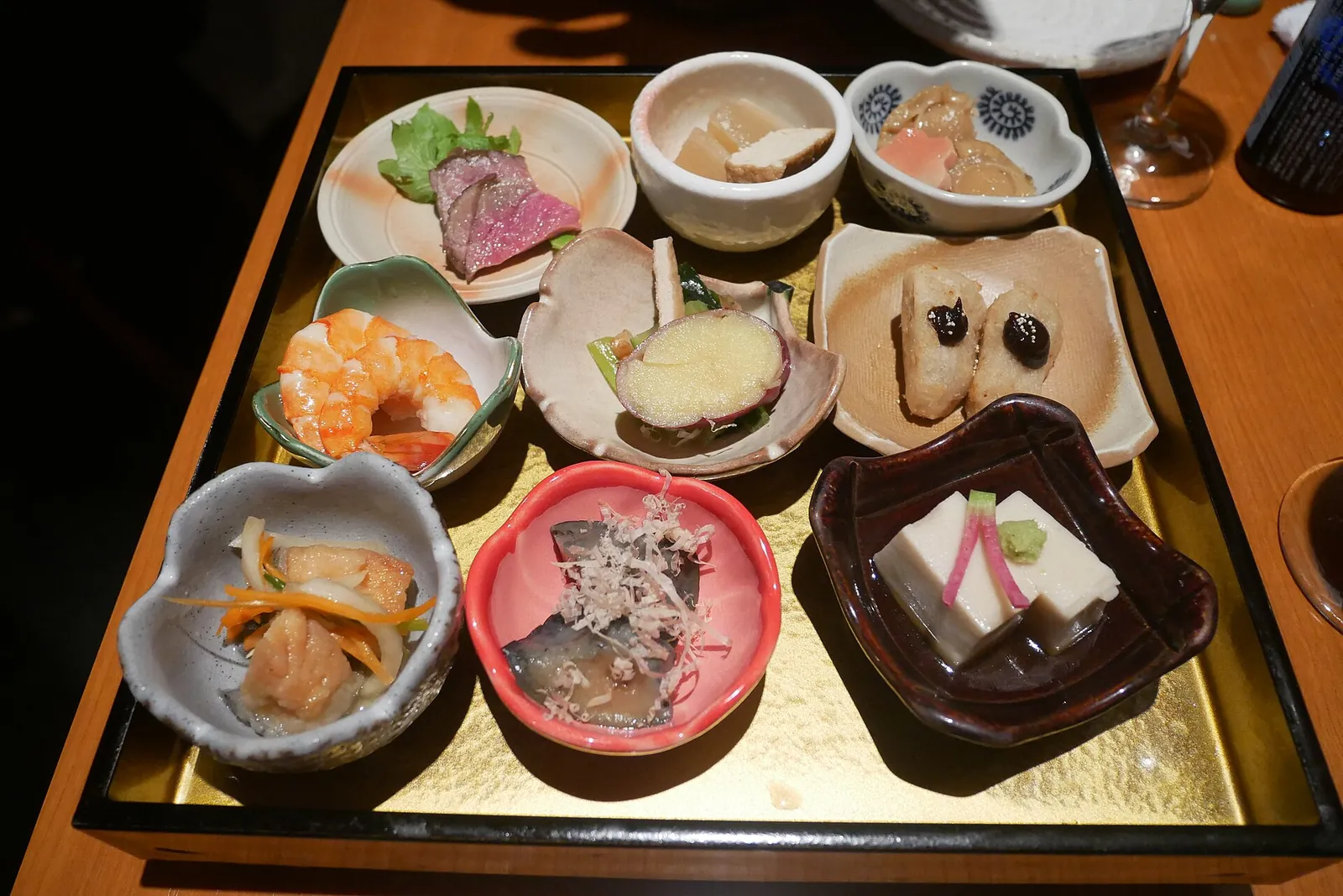
Obanzai is Kyoto's home cooking rather than its banquet food: a spread of small dishes made from whatever vegetables are in season, flavoured with dashi and put together so that nothing goes to waste. It is the city's everyday counterpart to kaiseki, and the easiest way to eat as Kyoto families do.
- Where to look
- Small neighbourhood restaurants in the downtown and Nijo backstreets that show obanzai on the menu.
- Fit it into your day
- An unhurried dinner near your hotel after a long day on foot, ordering a few plates at a time.
Japanese cooking often uses dashi made with fish, so vegetable dishes may not be vegetarian; ask before you order.
Yudofu lunch in Saga-Arashiyama
Blocks of tofu warmed in a pot at the table and eaten dipped in sauce, which Kyoto's official guide counts among the city's typical winter dishes. Saga-Arashiyama is one of the places to eat it: the tourist information centre's list of yudofu restaurants includes Takemura in the Saga-Tenryuji neighbourhood and Chikusen, inside Seiryo-ji temple.
- Where to look
- Takemura and Chikusen, both a walk from JR Saga-Arashiyama Station; the tourist information centre's yudofu list gives their closing days.
- Fit it into your day
- Lunch after an early walk in Arashiyama, especially on a cold day.
Made from soy; ask whether the broth and dipping sauce contain fish stock if you avoid fish.
Kyoto Station, Gion, Arashiyama or Nijo: when another area wins
The Kyoto Station area is the practical choice. JNTO describes a modern station building with shopping and dining concourses and Kyoto Tower outside the Central Exit, and the official guide notes the many coin lockers and luggage counters. The Haruka leaves here for Kansai Airport, the shinkansen for Tokyo and the JR Nara Line for Fushimi Inari, while Kintetsu limited expresses reach Kintetsu-Nara in about 35 minutes and the JR Sagano Line runs west to Arashiyama. JNTO calls the area more modern and urbanised than the rest of Kyoto, so evenings mean a ride downtown and back: the Yoru Bus night bus runs from Kawaramachi and Gion to Kyoto Station until 22:50, and the official guide adds that many trains run until around midnight.
Gion and Higashiyama are for a ryokan night or a special occasion. Kyoto's official guide recommends the area for its distinctly Kyoto atmosphere, its long-established ryokan and traditional restaurants and its luxury hotels run by international companies, and from here you can walk up to Kiyomizu-dera for its 06:00 opening. Keihan's Gion-Shijo and the Tozai Line's Higashiyama Station, about 15 minutes from Kyoto Station with a change at Karasuma Oike, are the links. Many of its streets are residential, and the official guide asks guests staying near homes to keep their voices down. Its suggested route from Kyoto Station to the Kiyomizu-dera area takes about 35 minutes, against 20 to downtown.
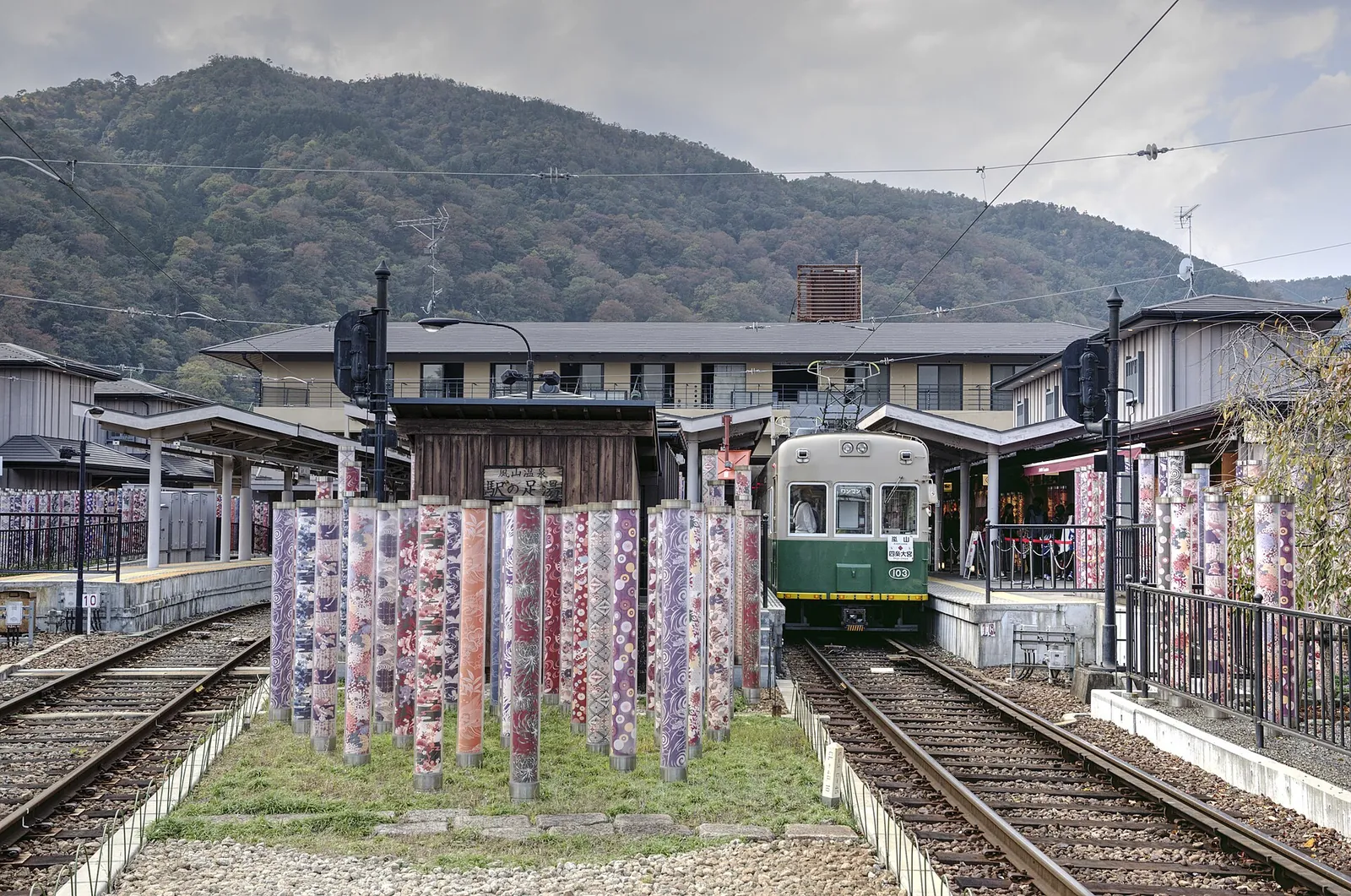
Arashiyama, on the western edge, gives you the bamboo groves and Togetsukyo Bridge early in the morning, when there are fewer people. The official guide notes high-quality hotels and long-established hot-spring ryokan, and warns that restaurants and cafés close early. Three lines serve it: the JR Sagano Line to Saga-Arashiyama, about 11 minutes from Kyoto Station by rapid train, Hankyu via Katsura, and the Randen tram from Shijo-Omiya. Everything else is a train ride away, so it works best as one night at the end of a stay rather than as a base for a first trip.
The Nijo Castle and Imperial Palace area, just north of downtown, is the quiet choice. The official guide describes hotels and guesthouses that blend into local life, walks in the Imperial Palace park and breakfast in small cafés. The Tozai subway, with Nijojo-mae Station one stop from Karasuma Oike, and the JR Sagano Line at Nijo Station run through it, and the Karasuma Line reaches Imadegawa, beside the palace grounds, in about 10 minutes from Kyoto Station. It suits families, longer stays and repeat visitors who do not need Pontocho on the doorstep.
Machiya townhouses and private rentals
A machiya is a traditional wooden townhouse, built before 1950 by Kyoto City's definition; the city's fiscal 2024 survey counted 34,580 of them and found that about 800 are still lost every year. Kyoto's official guide describes machiya stays as these homes renovated for overnight guests, some with extras such as calligraphy or kimono-wearing.
There are three ways to sleep in one. Many small ryokan occupy machiya buildings and, the official guide says, suit solo travellers and small groups; guesthouses in machiya offer dormitories and some private rooms facing a tiny tsubo-niwa courtyard garden; and whole houses rent like holiday homes, with a kitchen and living room for families or friends. Some guesthouses and private rentals do not supply sleepwear, and some ask you to bring your own toothbrush.
Before you book a private rental, check that it is legal. Kyoto City asks guests to stay only in licensed accommodation and to confirm the licence before booking, and its minpaku portal publishes two lists: facilities licensed under the Hotel and Ryokan Management Law, with an English version, and homes registered as private lodgings (minpaku). When we checked on 2026-10-10, both lists were dated the end of August 2026, so ask the host for the licence or registration number and look it up. Many rentals sit in residential lanes, where the official guide also asks guests not to litter or to smoke where it bothers neighbours.
Ryokan, hotels and the accommodation tax
A ryokan is the most Kyoto way to stay, and our ryokan guide explains how they work. Kyoto's official guide divides them into large inns, with big shared baths and banquet rooms and many of them around Kyoto Station and the centre, and small inns, often in machiya, with seasonal cooking. Rates usually include dinner and breakfast, though some offer breakfast only. Gion and Higashiyama have many long-established inns and Arashiyama its hot-spring ryokan; the official guide's accommodation pages also mark the ryokan, hotels and other stays that hold the Kyoto Guidelines label for sustainable tourism.
Hotels run from international luxury brands, several of them in Gion and Higashiyama, through mid-range hotels, many around Kyoto Station or just outside the centre, to business hotels, which the official guide calls good value and plentiful enough that a room is relatively easy to find. Book as early as you can for the cherry blossom, the autumn leaves and the Gion Matsuri; weekdays and the weeks either side of those seasons are easier.
Whatever you book, Kyoto City adds an accommodation tax per person per night, and it applies to every guest, in hotels, ryokan, guesthouses and private rentals alike. When we checked on 2026-10-10, the city listed ¥200 for rooms under ¥6,000 per person per night, ¥400 up to ¥19,999, ¥1,000 up to ¥49,999, ¥4,000 up to ¥99,999 and ¥10,000 above that. The band is set by the room and service charge alone, excluding meals and consumption tax, so a ryokan dinner does not push you into a higher band. You pay it at the property unless your booking already includes it.
Kyoto or Osaka as your base
The two cities are close. Kyoto's official guide puts Kyoto Station about 30 minutes from Osaka Station by JR Special Rapid, downtown Kyoto (Karasuma and Kyoto-Kawaramachi) about 45 minutes from Osaka-umeda by Hankyu, and Gion-Shijo about 48 minutes from Yodoyabashi by Keihan limited express. Both private railways sell reserved seats on those trains: when we checked on 2026-10-10, Hankyu's PRiVACE car cost ¥500 on top of the fare, bookable up to 14 days ahead, and Keihan's Premium Car needs its own ticket on top of the fare.
What a commute costs you is the edges of the day. Kyoto is at its calmest before 09:00, and only a bed in the city puts you at the temples when they open without an early train from Osaka; the official guide's case for staying is that the morning streets and the evening scenery are on your doorstep. Osaka's strengths run the other way, into late dinners and nightlife, and they lose little if you save them for the end of the trip.
The pattern that suits most first trips is to sleep in Kyoto, downtown or by Kyoto Station, and finish with two nights in Osaka, closer to Kansai Airport; our Osaka guide compares its hubs. Base yourself only in Osaka, ideally in Umeda for the fastest trains to Kyoto, if its food and nightlife matter more to you than Kyoto's early mornings. If you are based in Kyoto and want one evening in Osaka, a hotel near a Hankyu or Keihan station downtown, or by Kyoto Station for the JR, keeps the ride home direct.
Luggage: send it from Kyoto Station
Kyoto asks visitors not to bring large suitcases onto its city buses, and the city's Hands Free Kyoto programme makes that easy. Its carry service takes bags from Kyoto Station to your accommodation the same day if you complete the procedure before 14:00, moves them between hotels within the city on the same day, and brings them back to Kyoto Station on the day you leave. When we checked on 2026-10-10, its counters at Kyoto Station included Crosta Kyoto (reception 08:00–20:00) and the JR Kyoto Station Hachijo Gate Delivery Service (10:00–18:00).
Not every property accepts deliveries, so ask when you book; some hotels arrange it themselves. If you reach Kyoto Station after 14:00, the service points you to storage counters or the station's IC-card coin lockers instead, which is one more reason to choose a Kyoto Station hotel for a late arrival. For Gion, Higashiyama and Nijo, reaching the hotel with cases means a change of subway line, so a delivery repays itself there most of all.
Choose in 30 seconds
Match the trip to the area, then compare rooms there with the hotel box near the top of this page. If more than one line fits, take the first: the list runs from the most common kind of trip to the most particular.
- First trip, three or four nights: downtown; Shijo-Karasuma for the easiest run to Kyoto Station, Kawaramachi for evenings in Pontocho and Gion.
- One or two nights, a late Haruka arrival or day trips to Nara: the Kyoto Station area.
- A ryokan night or a special occasion: Gion and Higashiyama, with Kiyomizu-dera at 06:00 on foot.
- Quiet streets, children or a longer stay: the Nijo Castle and Imperial Palace area.
- Bamboo groves at dawn and a hot-spring bath: one night in Arashiyama, ideally the last.
- A group that wants a kitchen and space: a whole machiya rental, checked against Kyoto City's lists.
- Food and nightlife first, temples second: Osaka, with Kyoto as day trips from Umeda.
Practical questions
What is the best area to stay in Kyoto for first-timers?
Downtown, between Shijo-Karasuma and Kawaramachi, suits most first trips of three or four nights: Nishiki Market, Pontocho and Gion are on foot, and the subway, Hankyu and Keihan lines cover the rest. Choose Shijo-Karasuma for the easiest run to Kyoto Station and Kawaramachi for the evenings.
Is it better to stay near Kyoto Station or downtown?
Stay near Kyoto Station for one or two nights, a late arrival or a run of day trips by JR or Kintetsu, and downtown for a longer first visit. Downtown is a four-minute subway ride from the station, and the Yoru Bus runs from Kawaramachi and Gion back to Kyoto Station until 22:50.
Should I stay in Kyoto or Osaka?
Stay in Kyoto if you want to be at the temples when they open. The cities are about 30 minutes apart by JR Special Rapid, so most first trips sleep in Kyoto and finish with two nights in Osaka, closer to Kansai Airport.
Is it legal to rent a machiya or a private home in Kyoto?
Yes, if the property is licensed as lodging or registered as a minpaku. Kyoto City asks guests to confirm this before booking and publishes lists of licensed facilities and registered homes on its minpaku portal.
How much is the hotel tax in Kyoto?
Kyoto City charges every guest per person per night according to the room charge. When we checked on 2026-10-10, it listed ¥200 under ¥6,000, ¥400 from ¥6,000 to ¥19,999, ¥1,000 from ¥20,000 to ¥49,999, ¥4,000 from ¥50,000 to ¥99,999 and ¥10,000 at ¥100,000 or more.
Can I send my luggage from Kyoto Station to my hotel?
Yes. Kyoto City's Hands Free Kyoto service delivers bags from counters at Kyoto Station to your accommodation the same day if you complete the procedure before 14:00, though not every property accepts deliveries.
Sources and checks before you travel
Reference sources for the version dated 10 October 2026. Confirm opening times, access, transport and conditions for your travel dates.
- Kyoto City Tourism Association (kyoto.travel): Choosing accommodation, key features of each area ↗ — opens in a new tab
- Kyoto City Tourism Association (kyoto.travel): Accommodations ↗ — opens in a new tab
- Kyoto City Tourism Association (kyoto.travel): Getting to Kyoto ↗ — opens in a new tab
- Kyoto City Tourism Association (kyoto.travel): Getting around Kyoto ↗ — opens in a new tab
- Kyoto City Tourism Association (kyoto.travel): Morning and night ↗ — opens in a new tab
- Kyoto City Tourism Association (kyoto.travel): Food and drink ↗ — opens in a new tab
- Kyoto City Tourism Association (kyoto.travel): Gion Matsuri Festival ↗ — opens in a new tab
- Kyoto City: Hands Free Kyoto (luggage services) ↗ — opens in a new tab
- Kyoto City: accommodation tax (宿泊税について) ↗ — opens in a new tab
- Kyoto City: minpaku guidance for guests and the minpaku portal's lists of licensed and registered lodgings ↗ — opens in a new tab
- Kyoto City: Kyo-machiya general information site ↗ — opens in a new tab
- Kyoto City Transportation Bureau: subway stations and travel times ↗ — opens in a new tab
- JR West: HARUKA one-way ticket ↗ — opens in a new tab
- Hankyu Railway: PRiVACE seat reservations on the Kyoto Line ↗ — opens in a new tab
- Keihan Electric Railway: train lines and Premium Car ↗ — opens in a new tab
- JNTO (japan.travel): Around Kyoto Station, and Pontocho ↗ — opens in a new tab
- Kyoto Nishiki Market: requests to visitors and eat-in shops ↗ — opens in a new tab
- Kyoto Tourist Information Center Kyo Navi: yudofu, yuba and fu restaurants (PDF, June 2025) ↗ — opens in a new tab
- Kiyomizu-dera: location and opening hours ↗ — opens in a new tab
- Nara City Tourism Association: access ↗ — opens in a new tab
Does this experience fit your route?
A guided walk makes an easy first evening in Kyoto, especially in Gion, where the district's rules matter. Check the meeting point, group size and what is included before you book.
Check dates and details on Viator ↗ — opens in a new tabAffiliate link · Book with ViatorPhoto credits
Pontocho's riverside restaurants on the Kamo River, a short walk from Shijo-Kawaramachi
Photograph: Smiley.toerist — opens in a new tab · CC BY-SA 4.0 — opens in a new tab
Changes: Resized and converted to WebP; displayed with responsive crops. · Original photograph and licence details ↗ — opens in a new tab
The Randen tram's Arashiyama terminus, one of three rail lines into the district
Photograph: Petr Vodička — opens in a new tab · CC BY-SA 4.0 — opens in a new tab
Changes: Resized and converted to WebP; displayed with responsive crops. · Original photograph and licence details ↗ — opens in a new tab
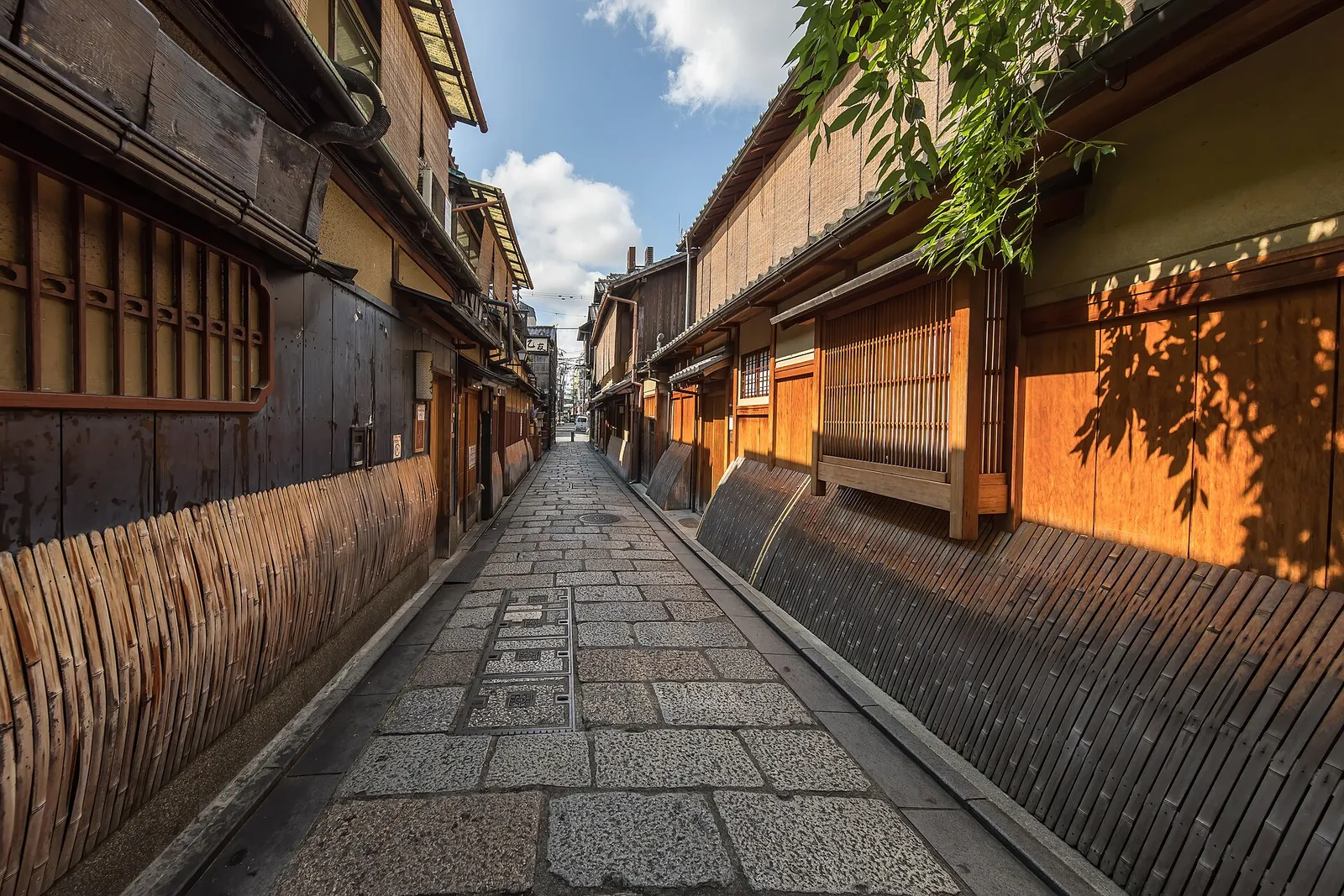
A lane of wooden townhouses in Gion: quiet in the early morning, and a residential street at night
Photograph: Basile Morin — opens in a new tab · CC BY-SA 4.0 — opens in a new tab
Changes: Resized and converted to WebP; displayed with responsive crops. · Original photograph and licence details ↗ — opens in a new tab
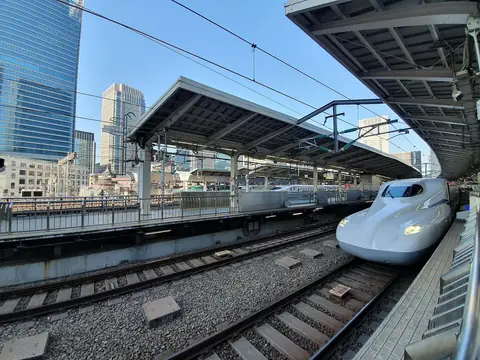
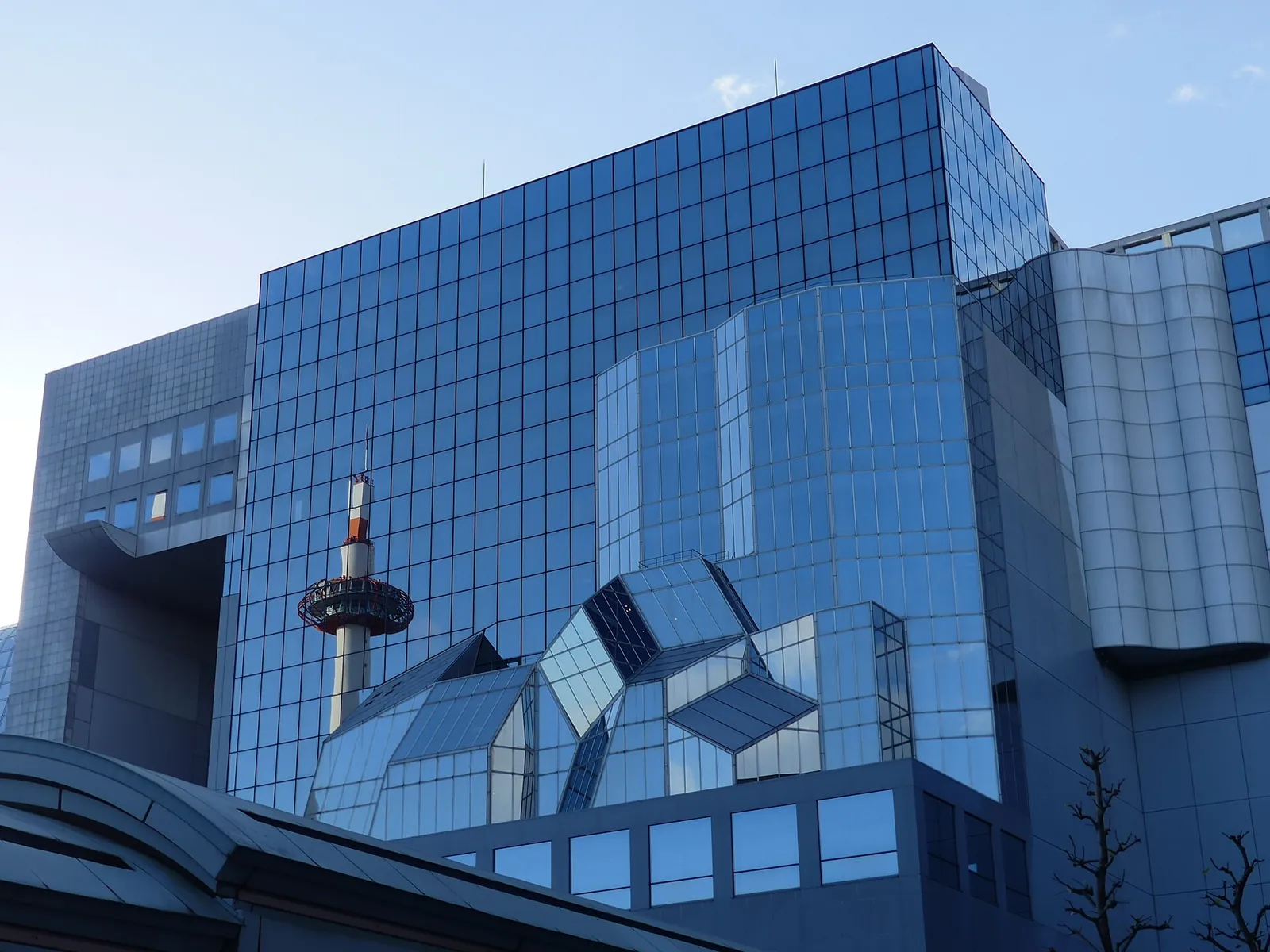
Kyoto Station, the base for the Haruka, the shinkansen and day trips by JR and Kintetsu
Photograph: Hubert Fourny — opens in a new tab · CC BY-SA 4.0 — opens in a new tab
Changes: Resized and converted to WebP; displayed with responsive crops. · Original photograph and licence details ↗ — opens in a new tab
Obanzai, Kyoto's everyday cooking, served as a set of small plates
Photograph: Nesnad — opens in a new tab · CC BY 4.0 — opens in a new tab
Changes: Resized and converted to WebP; displayed with responsive crops. · Original photograph and licence details ↗ — opens in a new tab