Plan your trip
Japan travel budget: plan costs around your route and priorities
A useful Japan budget is a way to choose the trip you want. It helps you decide whether a traditional-inn dinner, a guided neighbourhood walk or more time in one region deserves room in the plan. Start with those priorities instead of looking for one daily figure that supposedly describes every traveller.
- Suggested time
- Create the budget alongside the route and update it as bookings become definite
- Where to stay
- Your intended accommodation bases and priority experiences
- Season and timing
- Use quotes for your actual dates, not an undated national average
The short answer
Separate flights, accommodation, intercity transport, local travel, meals and experiences. Compare the same dates, occupancy and inclusions, keep paid and outstanding amounts distinct, and allow a reserve for changes. Spend on the experiences that matter to you and reduce transfers that add little to the trip.
Build a total you can use to make decisions
Begin with flights, nights and the journeys between bases. Then add local transport, food, admissions and activities. Keep a line for practical extras such as laundry, baggage arrangements or airport transfers when they are part of your plan.
Record what each price means: per room, person, group or journey. Comparing an inn rate with meals against a room-only hotel rate is useful only after you account for the differences. A small table of the same dates and requirements is more informative than a list of unrelated cheapest offers.
Choose where an experience adds value
Pick one or two experiences you would remember even if you removed several other stops. A craft lesson, a cooking session or a guide who explains an unfamiliar neighbourhood can add participation and understanding. Compare what you will do, the language and the actual inclusions.
For a Viator booking, assess the selected option's final price and cancellation conditions. A starting price is not a quote for your group and date. Guided and independent days can fit together; you do not need to buy an activity for every hour to make the trip meaningful.
Make time for the local food
What to eat and where to look
Save on transfers that do not improve the journey
A smaller number of bases can reduce repeated travel and leave more time for a destination's meals and neighbourhoods. Check the complete saving before choosing a distant hotel: the lower nightly rate may come with extra fares and a less convenient evening.
Compare rail passes only after identifying your intended journeys. A pass with little use on your route is not a saving because other travellers liked it. Equally, the cheapest connection may be a poor choice when it consumes the time reserved for the part of the trip you most want to enjoy.
Budget meals according to the day
Distinguish a simple lunch, a regional tasting and a reserved dinner. On an inn night with dinner included, you are planning a different food day from one with every meal purchased separately. Make room for regional food deliberately rather than treating all eating as an identical daily expense.
If comparing a food tour with independent dining, look at the tastings, walking, interpretation and meal size. Neither format replaces the other in every situation. The useful comparison is what your chosen day includes and whether it fits your interests and dietary requirements.
Keep the estimate current
Save quoted and booked totals with their currencies and conditions. Use the actual payment terms and your issuer's information about charges; this guide does not fix an exchange rate or recommend a financial product. A conversion written months ago can make a spreadsheet look more precise than it is.
Leave a reserve for a changed journey, an alternative indoor activity or a spontaneous meal you genuinely want. Review the remaining budget when a booking becomes definite. This keeps money connected to choices rather than making the last days of the trip a surprise.
Practical questions
How much does a Japan trip cost per day?
A single figure cannot describe every route, date and traveller. Build accommodation, transport, food and experiences separately using actual quotes for your plan.
Is a rail pass always the cheapest choice?
No. Compare the services your itinerary uses and the pass conditions against the appropriate individual tickets.
Are private-tour prices always per person?
No. Read the selected product and group size. Compare the final total and inclusions on the same basis.
Should food experiences be a separate budget item?
Yes when you plan to book them. That makes it easier to compare the experience with the meals and activities already in the day.
Sources and checks before you travel
Reference sources for the version dated 30 September 2026. Confirm opening times, access, transport and conditions for your travel dates.
Does this experience fit your route?
Explore related tours and experiences
Check dates and details on Viator ↗ — opens in a new tabAffiliate link · Book with ViatorPhoto credits
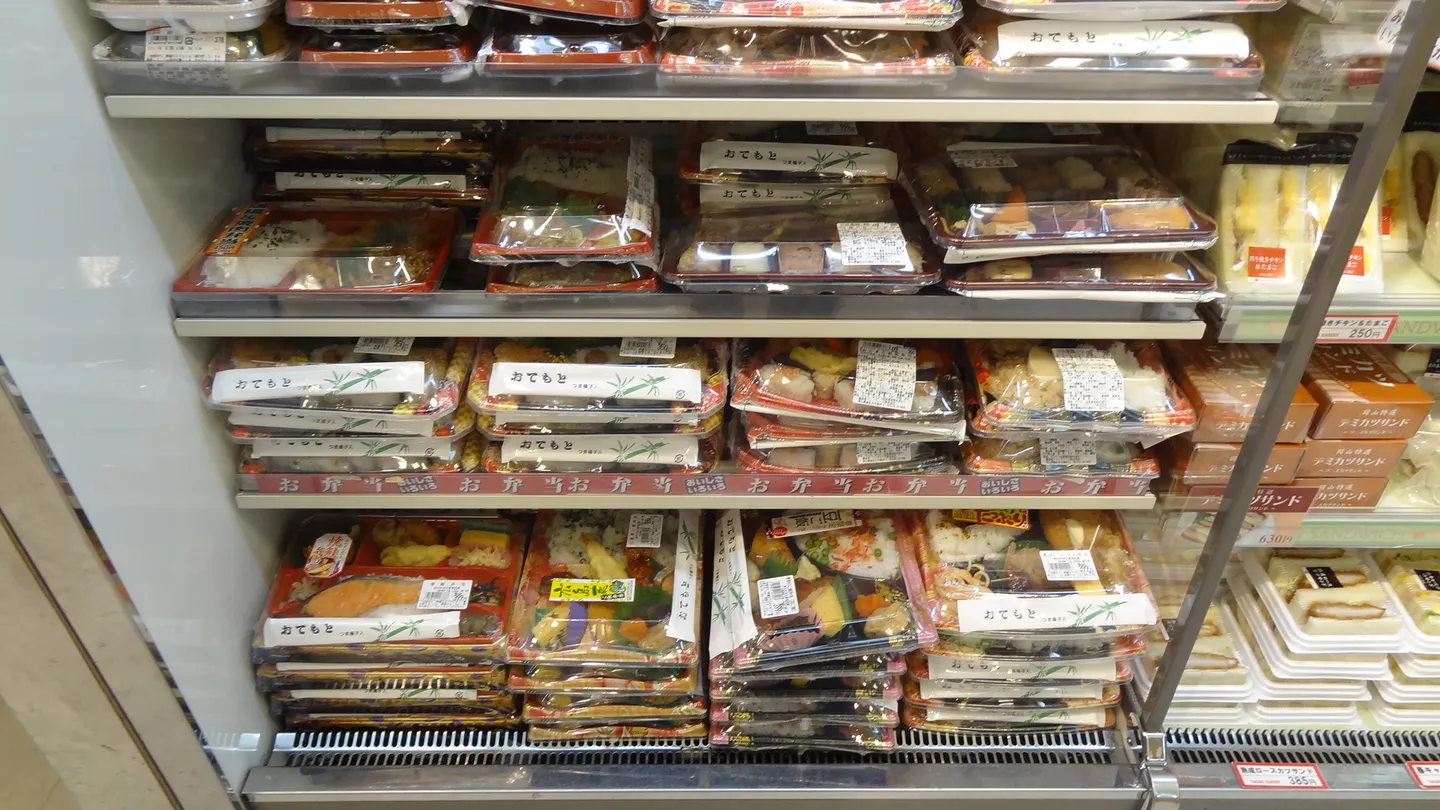
Packaged bento meals for sale in a Japanese convenience store.
Photograph: Martin Lewison — opens in a new tab · CC BY-SA 2.0 — opens in a new tab
Changes: Resized and converted to WebP; displayed with responsive crops. · Original photograph and licence details ↗ — opens in a new tab
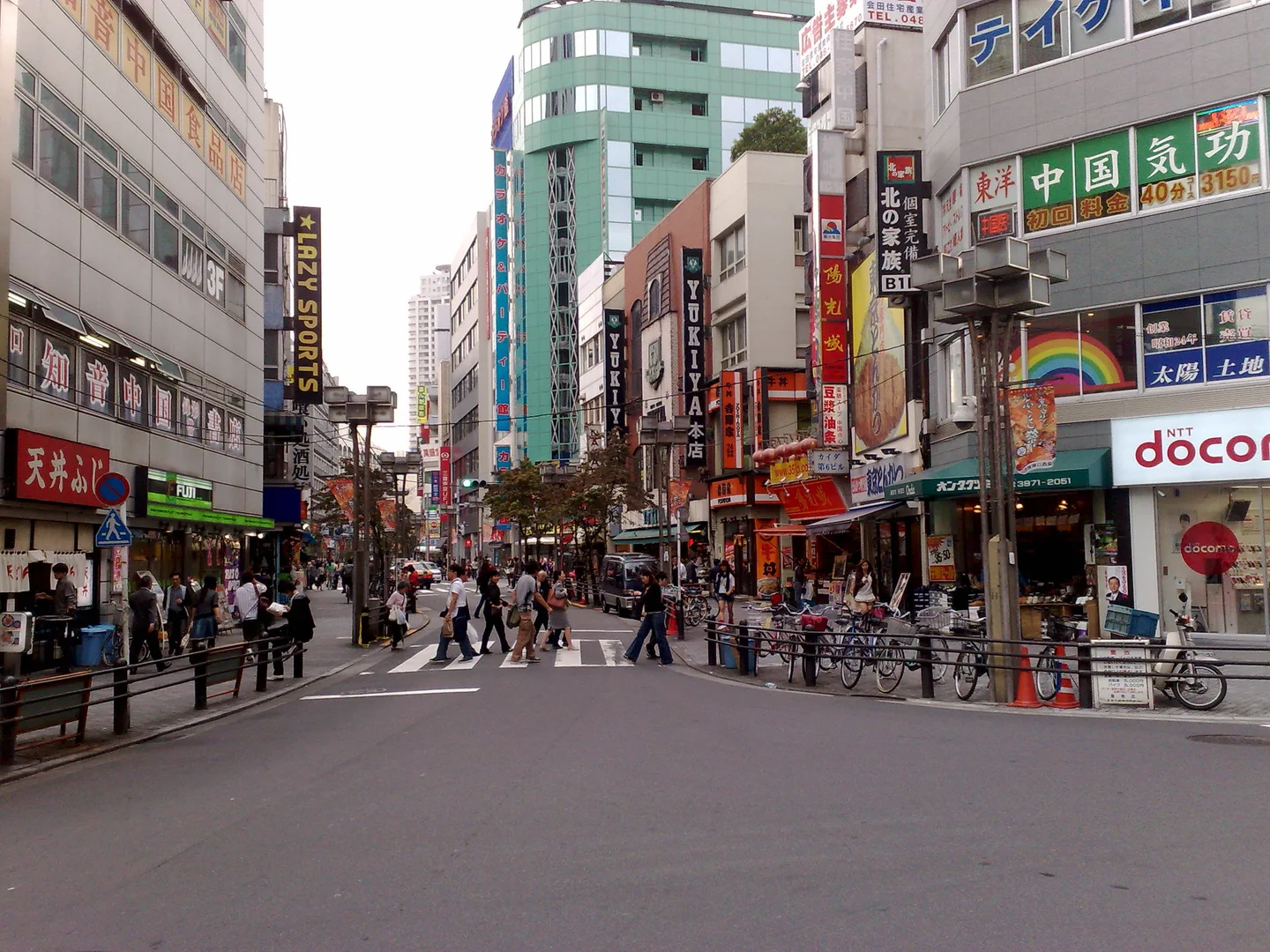
A shopping street in the Ikebukuro district of Tokyo.
Photograph: James Nash — opens in a new tab · CC BY-SA 2.0 — opens in a new tab
Changes: Resized and converted to WebP; displayed with responsive crops. · Original photograph and licence details ↗ — opens in a new tab
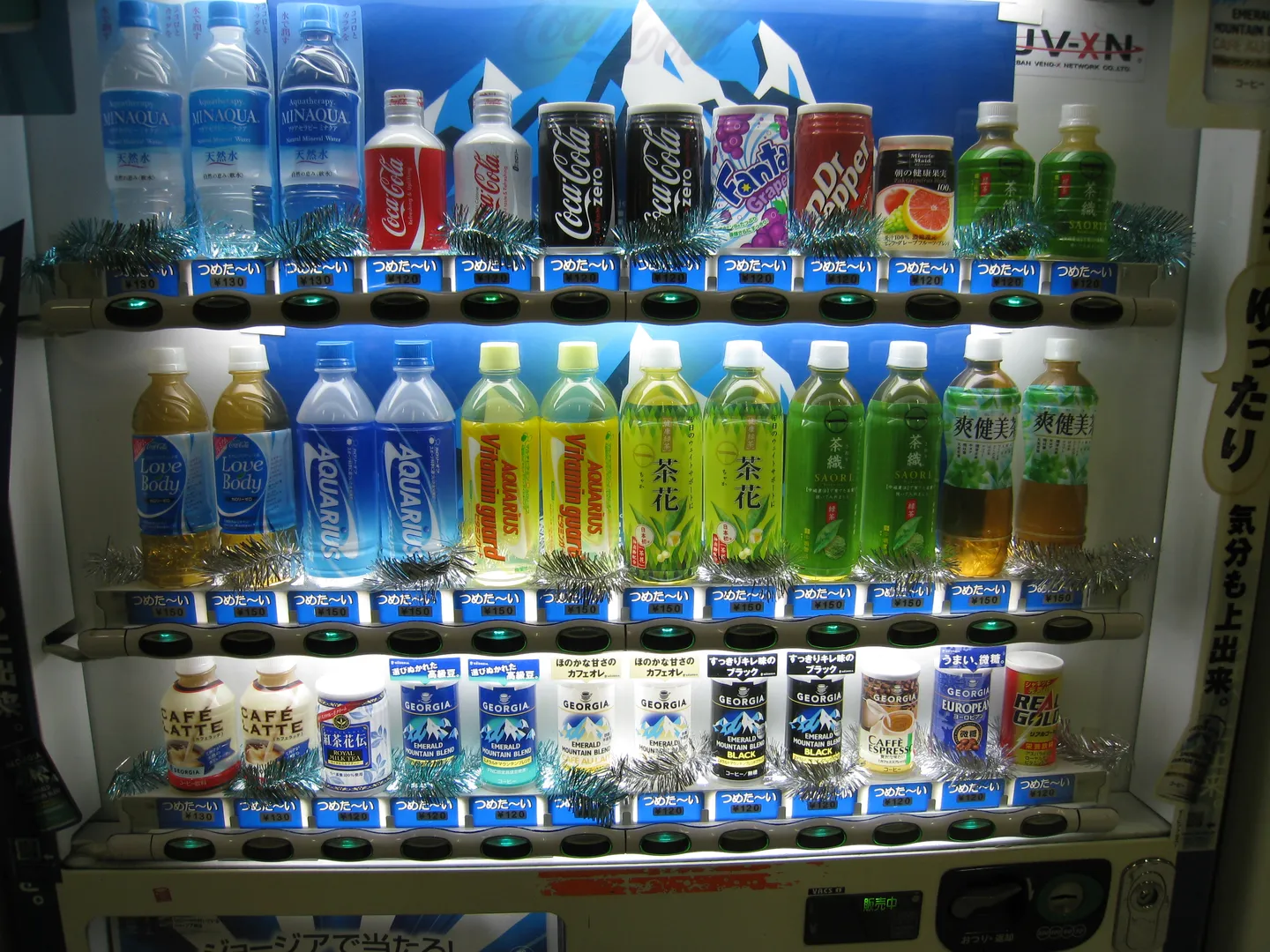
Drinks in a Japanese vending machine; the displayed prices date from the photograph.
Photograph: mroach — opens in a new tab · CC BY-SA 2.0 — opens in a new tab
Changes: Resized and converted to WebP; displayed with responsive crops. · Original photograph and licence details ↗ — opens in a new tab