Itineraries · Japan
Japan in 7 days: Tokyo, a Hakone ryokan and Kyoto, night by night
One week is enough for a first trip to Japan if you treat it as a sampler rather than the whole country. The route that wastes least time runs one way: land at Haneda, spend three nights in Tokyo, ride the Romancecar to a ryokan in Hakone, carry on west by shinkansen from Odawara and finish in Kyoto, with a day in Nara, before flying home from Kansai Airport. Every move is a short ride, so the week has two travel afternoons rather than two lost days. What makes it work is choosing where to sleep at each stop, buying the right tickets instead of a rail pass, and deciding what to do with your suitcase while you spend a night in the mountains.
- Suggested time
- 7 days (6 nights)
- Where to stay
- Shinjuku, Tokyo (3 nights); Gora, Hakone (1 night); the Kyoto Station area (2 nights)
- Season and timing
- Late March to early April and October to November suit the route best but are the busiest weeks: JMA's normal full-bloom dates are 31 March in Tokyo and 4 April in Kyoto, and JNTO puts Kyoto's autumn colour from mid-November. Avoid Golden Week (29 April and 3–5 May in 2027). June to mid-July is Tokyo's rainy season and summer can pass 35°C. Parts of the Hakone Ropeway are replaced by buses from 7 to 24 December 2026 and 12 January to 26 February 2027.
The short answer
Spend six nights as three in Tokyo, one at a Hakone ryokan and two in Kyoto, flying into Haneda and home from Kansai Airport. Sleep in Shinjuku, take the Romancecar to Hakone-Yumoto on day 4, ride the loop the next morning and continue from Odawara by shinkansen to a hotel by Kyoto Station. Give day 6 to Fushimi Inari at dawn and Nara, and leave on the Haruka. Skip the 7-day Japan Rail Pass: book the shinkansen online and use an IC card. Want more Kyoto? Drop Hakone and give Kyoto three nights.
Three nights in Tokyo, one in Hakone, two in Kyoto: why this split and this order
A week gives you six nights, and every change of hotel costs part of a day, so this route keeps to three bases and two travel afternoons. Our destination guides set the yardsticks: five nights for Tokyo on a first trip, four for Kyoto and one ryokan night for Hakone. Six nights cannot meet all three, so the plan makes an honest cut. Tokyo gets three nights, which means two full days plus your arrival evening and a last morning; Hakone gets its one night; Kyoto gets two, enough for Fushimi Inari, a day in Nara and the east side at dawn, but not for Arashiyama and the west.
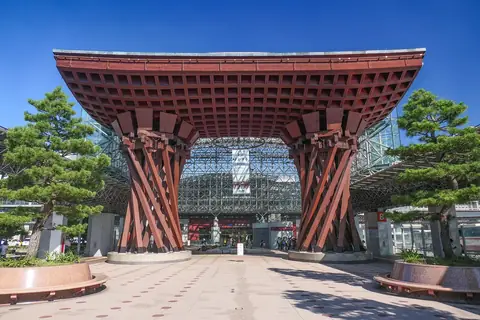
The order runs one way, from east to west. Land at Haneda, which GO TOKYO calls by far the most convenient airport for the city, about 15 km from the centre. Hakone lies on the way rather than off it: the Romancecar from Shinjuku reaches Hakone-Yumoto in about 80 minutes, and when you leave, the Hakone Tozan line runs down to Odawara, a stop on the Tokaido shinkansen to Kyoto. Kyoto comes last because it is the stop nearest the airport you fly home from: the Haruka runs from Kyoto Station to Kansai International Airport (KIX) in about 80 minutes, according to Kyoto's official guide.
That is why the flights matter as much as the hotels. With an open-jaw ticket, into Tokyo and out of Kansai, the last morning costs you one Haruka ride, ¥2,200 on JR West's discounted one-way ticket for visitors with a foreign passport when we checked on 2026-10-10. A return from Tokyo means riding back: about 130 minutes from Kyoto on the Nozomi, with a reserved seat listed at ¥13,970 on smartEX, the official online booking service, then the train out to Haneda, on a morning you would rather spend in Kyoto.
If temples matter more to you than a hot-spring night, drop Hakone and give Kyoto three nights. Take the Nozomi straight from Tokyo Station or Shinagawa to Kyoto on day 4 and sleep downtown, which our Kyoto accommodation guide recommends for stays of three nights or more; the extra day goes to Arashiyama and Kinkaku-ji, or Nijo Castle. Osaka, about 30 minutes from Kyoto by JR Special Rapid according to Kyoto's official guide, fits this week only as an evening out; our Osaka guide gives it two nights of its own, which belong to a longer trip. Whichever version you choose, book each hotel close to the station you arrive at: Shinjuku in Tokyo, Gora in Hakone and the Kyoto Station area.
Days 1 to 3: Tokyo by area, from a Shinjuku base
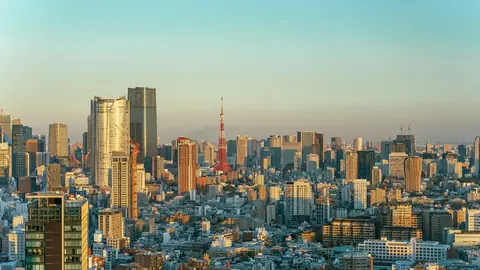
Sleep in Shinjuku for all three Tokyo nights. Our Tokyo accommodation guide picks it for anyone going on to Hakone, because the Romancecar leaves from its station, and GO TOKYO lists limousine buses from Haneda to Shinjuku Station at 55 minutes. Keikyu trains also run from Haneda's Terminal 3 to Shinagawa, on the Yamanote Line, in 11 minutes by Rapid Express. Set up an IC card such as Suica when you land, and keep the first evening close to the hotel.
Two full days mean planning by area, as our Tokyo guide does, and accepting that the west gets only an evening and a morning. Give day 2 to the old east: Senso-ji in Asakusa when the Main Hall opens, which the temple listed as 06:00, or 06:30 from October to March, when we checked on 2026-10-10; then the museums of Ueno at midday and the lanes of Yanaka late in the afternoon. Keep this day off a Monday, when the Tokyo National Museum closes.
Day 3 is the centre. Have breakfast at the Tsukiji Outer Market, whose site gives the early hours to professional buyers and lists public hours from 09:00 to 14:00, then walk through the Imperial Palace East Gardens, which close every Monday and Friday, and on to Ginza. The market follows the wholesale market's closing days, which our Tokyo guide lists. In the evening, see Shibuya Crossing under the lights and eat your way back through Shinjuku.
On the morning of day 4, walk to Meiji Jingu before the Romancecar. The shrine opens at sunrise, which it listed as 05:40 in October and 06:10 in November when we checked, so you can see the gravel approach under the trees and still catch a late-morning train. If you are sending big suitcases ahead to Kyoto, they need to leave the hotel on day 3; the luggage section below explains why.
Make time for the local food
What to eat and where to look
Edomae sushi (Tokyo)
Nigiri, a hand-formed ball of vinegared rice topped with fresh or lightly seasoned fish, was born at the street stalls of Edo, the old name for Tokyo, in the 1800s. GO TOKYO explains that it was made with seafood from Edo Bay, which is why Tokyo's style is still called Edomae.
- Where to look
- The sushi shops of the Tsukiji Outer Market on the centre day, or sushi counters across the city.
- Fit it into your day
- Breakfast at Tsukiji on day 3, after 09:00, when the market opens to the public.
Raw fish and shellfish; tell the chef about allergies before the first piece is made.
Yubadon (Hakone-Yumoto)
Yuba, the skin that forms on heated soy milk, served over rice. Hakone Navi calls Naokichi's yubadon, made with Hakone's water and high-quality soybeans, a must-eat in Hakone.
- Where to look
- Naokichi, three minutes' walk from Hakone-Yumoto Station; Hakone Navi notes long weekend queues and footbaths to sit in while you wait.
- Fit it into your day
- Lunch on day 4, straight off the Romancecar and before the train up to Gora.
Soy-based. If you avoid fish, ask whether the broth is made with fish stock.
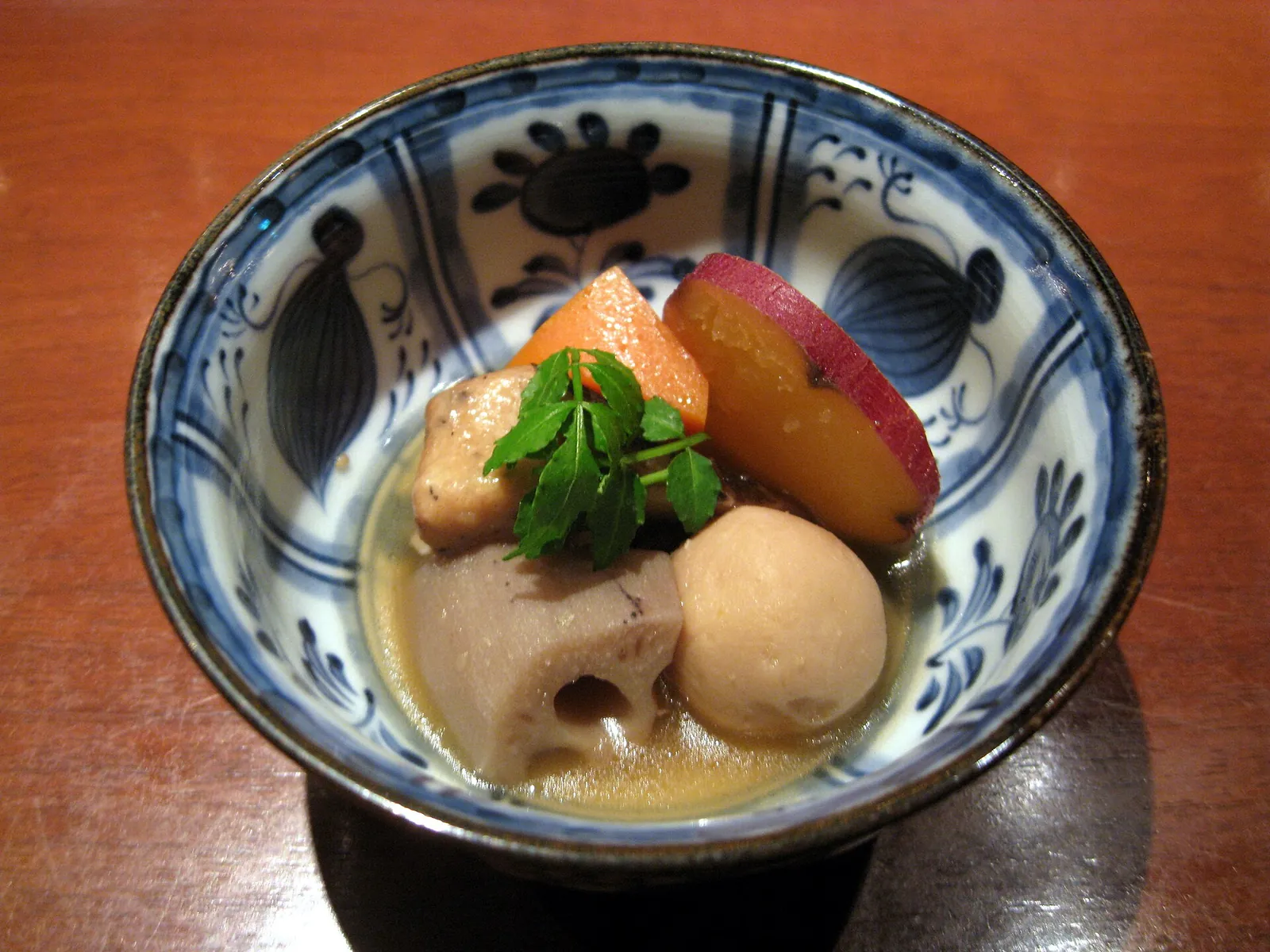
Obanzai (Kyoto)
The everyday dishes handed down in Kyoto households: small plates of seasonal ingredients, especially vegetables, seasoned with dashi and cooked so that little goes to waste. Kyoto's official guide sets it beside kaiseki and shojin-ryori as one of the city's cuisines.
- Where to look
- Neighbourhood restaurants downtown that show obanzai on the menu.
- Fit it into your day
- Dinner on your arrival evening, day 5, ordering a few plates at a time.
Dashi is usually made with fish, so vegetable dishes are not automatically vegetarian; ask before you order.
Kakinoha-zushi (Nara)
Vinegared rice topped with mackerel or salmon and wrapped in a persimmon leaf, whose subtle aroma makes it unique. Nara's tourism association counts it among the three local specialities first-time visitors should try.
- Where to look
- Shops and teahouses around Nara Park and the stations; the boxed sets keep at room temperature.
- Fit it into your day
- Buy a box for the train back to Kyoto on day 6.
Contains fish (mackerel or salmon).
Days 4 and 5: the Romancecar, a ryokan night and the Hakone loop
Take a late-morning Romancecar from Shinjuku: Odakyu puts it at about 80 minutes to Hakone-Yumoto, and every seat is reserved. Buy the two-day Hakone Freepass, which Odakyu listed at ¥7,100 from Shinjuku when we checked on 2026-10-10, including the Odakyu train to Odawara; you will not use its return half, since you leave westwards. The Romancecar seat costs ¥1,200 on top. Staying near Tokyo Station instead? Hakone Navi, the transport operator's visitor site, gives about 35 minutes on a Kodama shinkansen to Odawara and about 15 minutes on the Hakone Tozan line to Hakone-Yumoto, and the Freepass from Odawara costs ¥6,000. Have lunch in Yumoto, then ride the Hakone Tozan train up the valley, about 40 minutes to Gora.
The ryokan is what makes this night worth it, so book it before anything else. Our Hakone guide recommends Gora or Miyanoshita for a single night, in the middle of the loop. Choose a rate with dinner and breakfast and tell the inn when you will arrive. JNTO notes that an inn's shared baths are almost always free for overnight guests, while private *kashikiri* baths usually cost extra and are reserved in advance or at the front desk, and some rooms come with their own hot-spring bath; filter for those if you have tattoos or would rather not bathe with strangers.
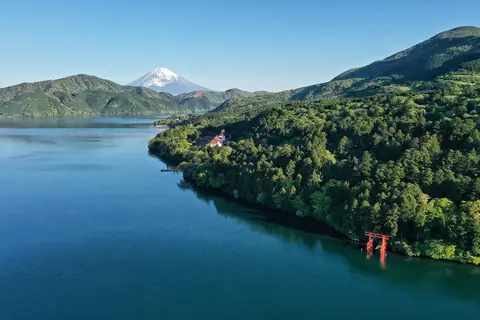
Start day 5 early, with the cable car from Gora to Sounzan, about 10 minutes, and the Hakone Ropeway over the steaming valley of Owakudani, where you change gondolas; Hakone Navi gives about 15 minutes for each of its three sections to Togendai on Lake Ashi. The pirate-ship cruise crosses the lake in about 30 minutes to Moto-Hakone, for Hakone Shrine and, on a clear morning, Mount Fuji across the water. Then take the bus back down to Hakone-Yumoto and the Hakone Tozan line to Odawara, about 15 minutes.
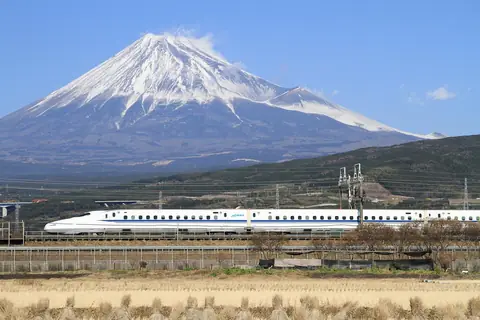
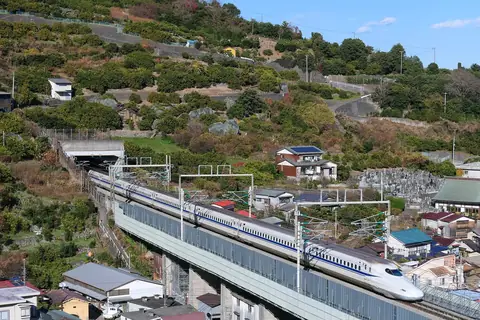
From Odawara, Hakone Navi puts the shinkansen to Kyoto at about 170 minutes, with a change between a Kodama and a Nozomi, and smartEX listed a reserved seat at ¥12,100 on Hikari and Kodama trains at regular-season prices. Aim to leave Odawara by mid-afternoon and you will reach Kyoto for dinner.
This winter, check the ropeway before you go. Odakyu Hakone will run replacement buses between Owakudani and Sounzan from 7 to 24 December 2026, and between Togendai, Ubako and Owakudani from 12 January to 26 February 2027. The buses accept the Freepass but are expected to be very crowded, so in those weeks reach Owakudani by whichever half of the ropeway is still running.
Days 5 to 7: Kyoto, Fushimi Inari and Nara, then the flight home
For two nights, sleep in the Kyoto Station area. Our Kyoto accommodation guide recommends it for one or two nights, a late arrival and day trips by JR or Kintetsu, and this leg has all three: you arrive by shinkansen in the evening, day 6 runs along the JR Nara Line, and the Haruka leaves from the same station. The price is that evenings downtown or in Gion end with a ride back.
Begin day 6 at Fushimi Inari Taisha. Its paths through the torii are open twenty-four hours a day, Kyoto's official guide notes, and Inari Station on the JR Nara Line is right next to the shrine, two stops and five minutes from Kyoto Station, so go at first light, before the crowds. Afterwards, stay on the JR Nara Line to JR Nara Station; Nara's tourism association puts Nara Park 20 minutes from there on foot, or a short bus ride. If you go back to Kyoto first, the Kintetsu limited express reaches Kintetsu-Nara Station, eight minutes' walk from the park, in about 35 minutes, with a surcharge on top of the fare.
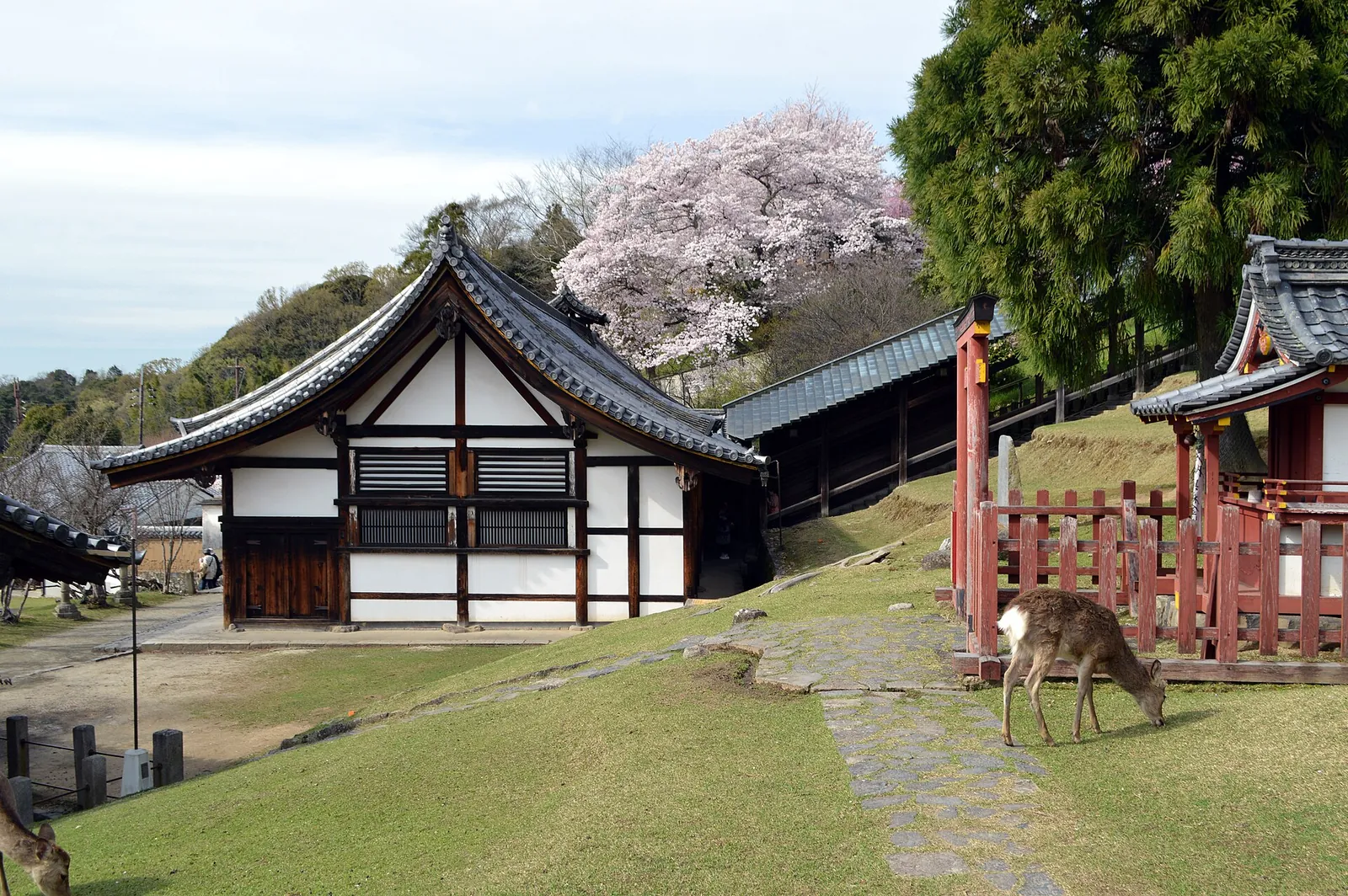
In Nara, follow the loop in our Nara guide: Kofuku-ji, then Todai-ji's Great Buddha Hall, which the temple listed at 07:30–17:30 from April to October and 08:00–17:00 from November to March, with adult admission at ¥800, then Nigatsu-do and Kasuga Taisha, with the deer all around you. That guide also explains how to feed the deer safely. Be back in Kyoto by late afternoon for an evening in Gion.
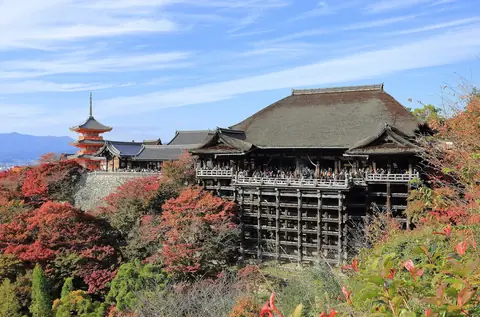
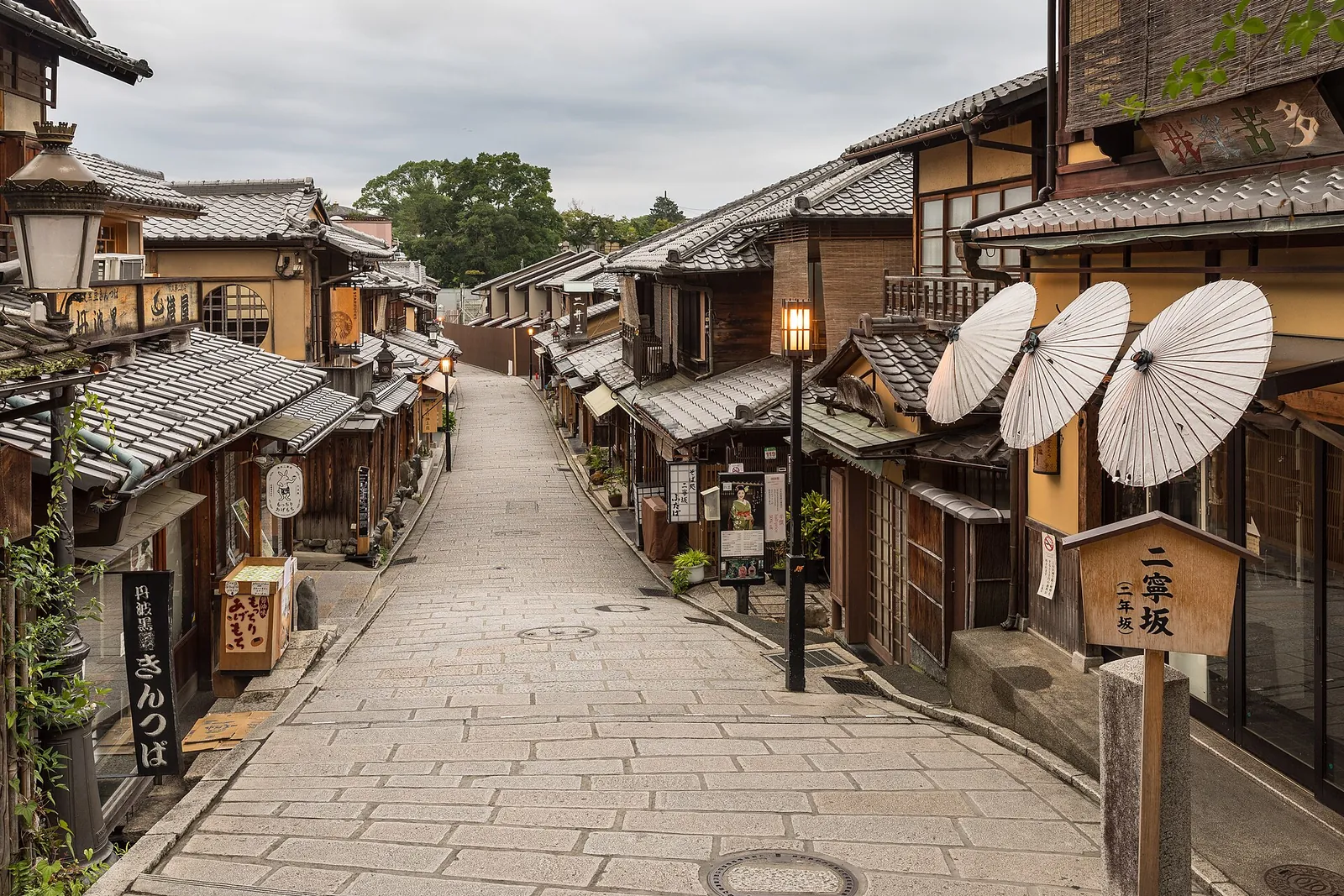
On day 7, if your flight leaves in the afternoon or evening, see the east side early. Kiyomizu-dera opens at 06:00, and Kyoto's official guide puts the Kiyomizu-dera area about 35 minutes from Kyoto Station, suggesting the JR Nara Line to Tofukuji and a change to the Keihan line for Kiyomizu and Gion. Walk down through Sannenzaka and Ninenzaka before the shops open, then collect your bags and take the Haruka to Kansai Airport, about 80 minutes. If your flight leaves from Haneda, take a morning Nozomi instead: about 130 minutes to Tokyo, stopping at Shinagawa, where Keikyu trains reach Haneda's Terminal 3 in 11 minutes.
Tickets and bookings: skip the rail pass, book a few seats
The 7-day Japan Rail Pass does not pay on this route. When we checked on 2026-10-10, the official site sold it for ¥50,000. The JR legs here come to a fraction of that: ¥12,100 for the shinkansen from Odawara to Kyoto at smartEX's regular-season price and ¥2,200 for the discounted Haruka ticket, about ¥14,300 in all, while the trip to Hakone is on Odakyu, which the pass does not cover. Even if you fly home from Tokyo and add a ¥13,970 Nozomi seat, you stay far below the pass price. Our Japan Rail Pass guide works through a longer week, Tokyo to Kyoto, Hiroshima and back, and finds the pass loses even there.
Buy as you go instead. smartEX sells Tokaido shinkansen seats online from abroad, for up to six people at a time, and you board with a QR code or a registered IC card; bookings can be changed free of charge before departure. Use an IC card such as Suica or ICOCA for local trains in Tokyo, Kyoto and Nara, the Hakone Freepass in Hakone, and JR West's discounted one-way Haruka ticket on the last day, which needs a foreign passport.
Book in this order. The Hakone ryokan first, as soon as your dates are fixed. Then the Romancecar seat and the shinkansen from Odawara; if your suitcase measures between 161 and 250 cm in total (length, width and height), JR Central requires a seat with an oversized baggage area on the Tokaido shinkansen, at no extra cost, and charges ¥1,000 if you board with such a bag without one. Of the timed-entry sights in our city guides, only two fit this week: teamLab Planets in Tokyo, which sells tickets for a set date and admission time, if you want it for an evening; and, in the three-night Kyoto version, the Honmaru-goten Palace at Nijo Castle, which can be seen only with a web ticket bought in advance, on sale from 30 days before your visit.
Luggage: send the big cases ahead to Kyoto
Hakone is the one awkward night for luggage, with a mountain train, a cable car, a ropeway and a boat in a day. The easiest fix is to send large suitcases from your Tokyo hotel straight to your Kyoto hotel and travel to Hakone with an overnight bag; JNTO notes that most major hotels can arrange delivery to your next hotel at the front desk. Do it early. Yamato Transport asks customers sending luggage to a hotel or ryokan to send it at least two days before the check-in date, and up to three depending on the distance, and only if the property agrees to accept it. So hand the cases over on day 3 at the latest for a Kyoto check-in on day 5, ask the desk whether two days are enough, and tell your Kyoto hotel they are coming.
If you keep your cases with you, use Odakyu's Hakone Baggage Delivery Service at Hakone-Yumoto Station. When we checked on 2026-10-10, bags left at its counter by 12:00 reached the hotel the same day, at ¥1,500 per regular bag (up to 140 cm and 15 kg) or ¥2,500 for a large one (up to 200 cm and 30 kg), and could be collected at the station between 13:30 and 18:30 after check-out. The service covers only hotels affiliated with Odakyu, so ask when you book the ryokan, and remember the shinkansen's oversized-baggage rule above.
In Kyoto, the city's Hands Free Kyoto service delivers bags from Kyoto Station to your accommodation the same day if you complete the procedure before 14:00, and back to the station on the day you leave. Arriving from Hakone in the evening, you will be past the 14:00 cut-off, which is one more reason to sleep near the station.
The 7 days at a glance
This is an editorial plan, not a timetable. Keep the last morning free if your flight leaves before the afternoon.
- Day 1 — Arrive at Haneda: limousine bus to Shinjuku (about 55 minutes) or Keikyu to Shinagawa, an IC card, dinner near the hotel. Night: Shinjuku.
- Day 2 — The old east (not a Monday): Senso-ji at opening, the museums of Ueno at midday, Yanaka late in the afternoon. Night: Shinjuku.
- Day 3 — The centre: breakfast at the Tsukiji Outer Market from 09:00, the Imperial Palace East Gardens (closed on Mondays and Fridays), Ginza; big cases sent to Kyoto; Shibuya and Shinjuku after dark. Night: Shinjuku.
- Day 4 — To Hakone: Meiji Jingu at sunrise, the Romancecar to Hakone-Yumoto (about 80 minutes), lunch, the Hakone Tozan train to Gora, a bath and dinner at the ryokan. Night: Hakone.
- Day 5 — The loop and the shinkansen west: cable car and ropeway over Owakudani, the boat to Moto-Hakone and Hakone Shrine, down to Odawara and on to Kyoto (about 170 minutes). Night: Kyoto.
- Day 6 — Fushimi Inari and Nara: the torii at first light, the JR Nara Line on to Nara, Todai-ji and Kasuga Taisha, back to Kyoto for an evening in Gion. Night: Kyoto.
- Day 7 — Home: Kiyomizu-dera at 06:00 and the lanes below it, then the Haruka to Kansai Airport (about 80 minutes), or a morning Nozomi to Tokyo for a Haneda flight.
Seasons: blossom, Golden Week, summer heat and autumn leaves
Spring and autumn are the best weeks for this route and the busiest. The Japan Meteorological Agency's normal full-bloom dates are 31 March in Tokyo and 4 April in Kyoto, though in 2026 the trees peaked earlier, on 28 and 30 March. Kyoto's autumn colour starts in mid-November, and JNTO warns that the city can be particularly busy at the end of the month. In those weeks, book the ryokan and the Kyoto hotel as soon as your dates are firm.
Avoid Golden Week if you can: in 2027 the holidays fall on 29 April and from 3 to 5 May, according to the Cabinet Office, and the Hakone Ropeway expects congestion on fine days then, on three-day weekends and in the autumn-leaf season. June to mid-July is Tokyo's rainy season. In high summer GO TOKYO warns that temperatures can rise above 35°C, and Kyoto's official guide says days over 35°C have become more common in its basin, so sightsee early and rest at midday. In winter, plan Hakone around the ropeway works described above.
Practical questions
Is 7 days enough for Japan?
Yes, for a first look at Tokyo, Hakone and Kyoto, if you keep to three bases and travel one way. Treat it as a sampler: three nights in Tokyo, one in a Hakone ryokan and two in Kyoto with a day in Nara, flying into Haneda and home from Kansai Airport.
Is the Japan Rail Pass worth it for one week?
Not for this route. The 7-day pass cost ¥50,000 when we checked on 2026-10-10, while the JR legs here, Odawara to Kyoto by shinkansen and the Haruka to Kansai Airport, come to about ¥14,300. Book the shinkansen on smartEX and use an IC card for local trains.
Should I start my Japan trip in Tokyo or Kyoto?
Start where your flight lands and travel one way. Landing in Tokyo and finishing in Kyoto puts you about 80 minutes from Kansai Airport on the Haruka on your last morning; if you land at Kansai, run the route in reverse.
Is Hakone worth a night on a 7-day trip?
Yes, if you want a ryokan and a hot-spring bath: Hakone lies on the way from Tokyo to Kyoto, so it costs a night rather than a detour. If temples matter more, drop it and give Kyoto three nights.
Can I add Osaka to a 7-day Japan itinerary?
Only as an evening out from Kyoto, about 30 minutes away by JR Special Rapid. Our Osaka guide gives the city two nights of its own, which a week cannot spare.
What should I book before a week in Japan?
The Hakone ryokan first, then the Romancecar seat and the shinkansen from Odawara to Kyoto, with an oversized-baggage seat if your case measures 161–250 cm. Send big suitcases to Kyoto at least two days before you check in there.
Sources and checks before you travel
Reference sources for the version dated 10 October 2026. Confirm opening times, access, transport and conditions for your travel dates.
- GO TOKYO (Tokyo Convention & Visitors Bureau): Haneda Airport access ↗ — opens in a new tab
- Senso-ji: Main Hall hours and illumination (Japanese) ↗ — opens in a new tab
- Tokyo National Museum: hours and closures ↗ — opens in a new tab
- Imperial Household Agency: the East Gardens of the Imperial Palace ↗ — opens in a new tab
- Tsukiji Outer Market (official site): calendar and visiting hours ↗ — opens in a new tab
- Meiji Jingu: opening hours ↗ — opens in a new tab
- teamLab Planets TOKYO (official site) ↗ — opens in a new tab
- Odakyu: Hakone Freepass and Romancecar ↗ — opens in a new tab
- Odakyu: baggage services ↗ — opens in a new tab
- Hakone Navi (Odakyu Hakone): Hakone Ropeway, access and visitor spots ↗ — opens in a new tab
- Odakyu Hakone: Hakone Ropeway replacement buses during maintenance (PDF) ↗ — opens in a new tab
- JNTO (Japan National Tourism Organization): onsen hot springs, tattoos and etiquette ↗ — opens in a new tab
- smartEX: service, prices and booking (JR Central, JR West, JR Kyushu) ↗ — opens in a new tab
- JR Central: luggage information ↗ — opens in a new tab
- JAPAN RAIL PASS (official site): types and prices ↗ — opens in a new tab
- JR West: HARUKA discounted one-way ticket ↗ — opens in a new tab
- Kyoto City Tourism Association (kyoto.travel): getting to and around Kyoto ↗ — opens in a new tab
- Kiyomizu-dera: location and opening hours ↗ — opens in a new tab
- Fushimi Inari Taisha: access ↗ — opens in a new tab
- Nara City Tourism Association: access, Nara Park and Nara for first-timers ↗ — opens in a new tab
- Todai-ji: opening hours and admission ↗ — opens in a new tab
- Yamato Transport: sending luggage to a hotel or ryokan (FAQ) ↗ — opens in a new tab
- JNTO: luggage and storage ↗ — opens in a new tab
- Kyoto City Tourism Association: Hands Free Kyoto ↗ — opens in a new tab
- Nijo-jo Castle: admission and Honmaru-goten web tickets ↗ — opens in a new tab
- Japan Meteorological Agency: cherry full-bloom dates 2021–2026 (Japanese) ↗ — opens in a new tab
- Cabinet Office: national holidays in 2026 and 2027 (Japanese) ↗ — opens in a new tab
- JNTO: Japan in November ↗ — opens in a new tab
Does this experience fit your route?
On a week this tight, a guide earns the fee where the rules or the logistics are hardest: Shinjuku's tiny bars, a Nara afternoon from Kyoto and Gion after dark. Check start times, meeting points and what is included before you book.
Check dates and details on Viator ↗ — opens in a new tabAffiliate link · Book with ViatorPhoto credits
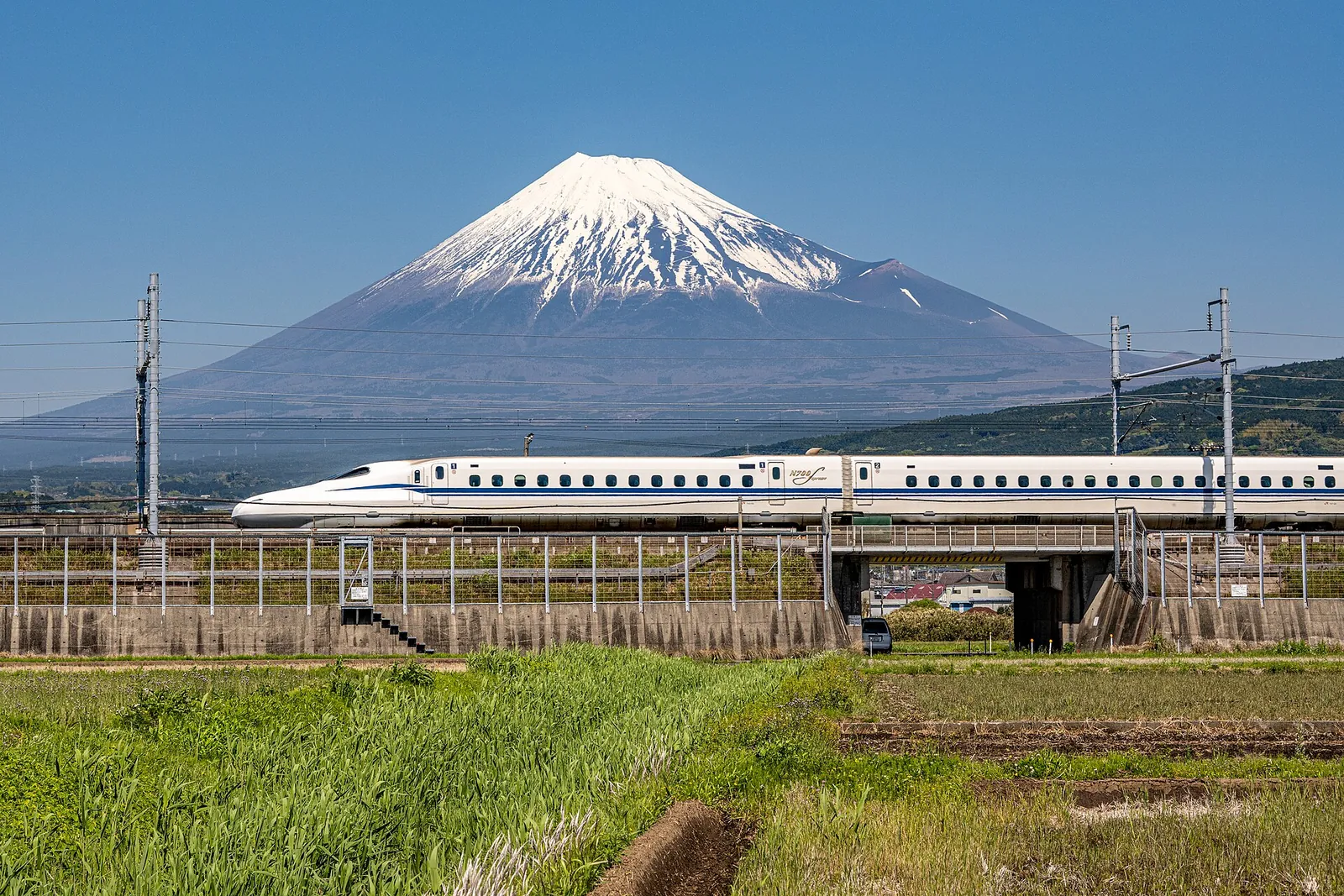
The Tokaido shinkansen below Mount Fuji, on the line you ride from Odawara to Kyoto on day 5
Photograph: Takeshi Aida — opens in a new tab · CC BY-SA 2.0 — opens in a new tab
Changes: Resized and converted to WebP; displayed with responsive crops. · Original photograph and licence details ↗ — opens in a new tab
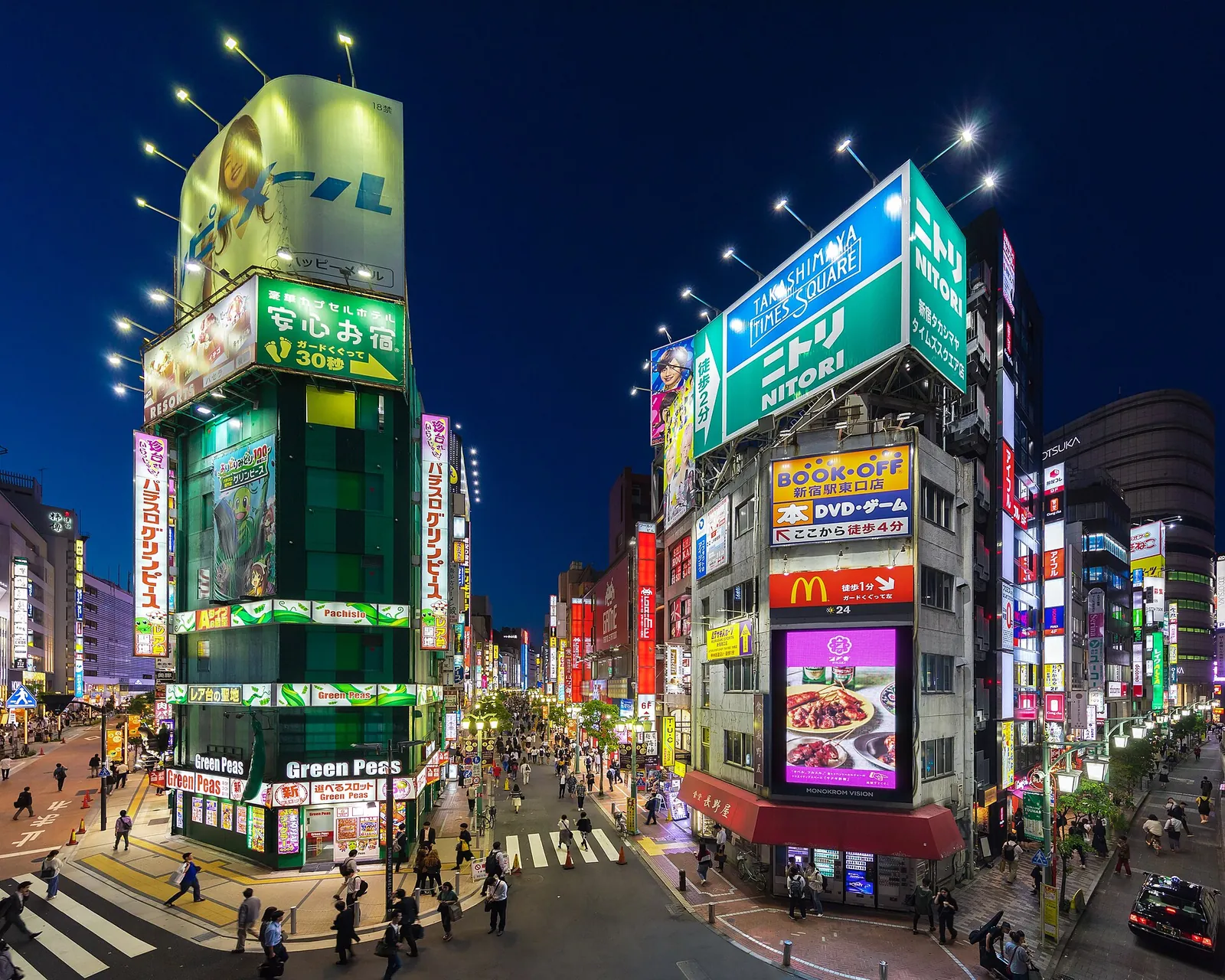
Shinjuku after dark, a short walk from the hotels where this route spends its three Tokyo nights
Photograph: Basile Morin — opens in a new tab · CC BY-SA 4.0 — opens in a new tab
Changes: Resized and converted to WebP; displayed with responsive crops. · Original photograph and licence details ↗ — opens in a new tab
Ninenzaka before the shops open, on the walk down from Kiyomizu-dera on the last morning
Photograph: Basile Morin — opens in a new tab · CC BY-SA 4.0 — opens in a new tab
Changes: Resized and converted to WebP; displayed with responsive crops. · Original photograph and licence details ↗ — opens in a new tab
Deer below Nigatsu-do, on the walking loop through Nara Park on day 6
Photograph: DimiTalen — opens in a new tab · CC0 — opens in a new tab
Changes: Resized and converted to WebP; displayed with responsive crops. · Original photograph and licence details ↗ — opens in a new tab
Obanzai, Kyoto's home cooking of seasonal vegetables simmered in dashi
Photograph: Takoradee — opens in a new tab · CC BY-SA 3.0 — opens in a new tab
Changes: Resized and converted to WebP; displayed with responsive crops. · Original photograph and licence details ↗ — opens in a new tab