Plan your trip · Tokyo
Where to stay in Tokyo: the best areas compared by trip and traveller
Tokyo has no single centre, so the area you sleep in decides how every day starts: which line takes you to breakfast, how long the ride back is after dinner and how easily you reach the airport or the train out of town. Most first-time visitors are best served by one of two bases, Shinjuku in the west or the Tokyo Station and Ginza area in the centre, and this guide explains when another area beats both. It compares nine neighbourhoods by who they suit, what you give up and the trains that matter, then matches them to your next trip: Hakone and Mount Fuji, Kyoto, Nikko or the flight home. For what to see once you are there, use our Tokyo guide; this page is about where to sleep.
- Suggested time
- One base for the whole stay: 4–5 nights on a first trip
- Where to stay
- Shinjuku or Tokyo Station–Ginza for most first trips; Asakusa or Ueno for the east, Narita and Nikko; Shibuya for nightlife; Shinagawa for Haneda and the shinkansen west
- Season and timing
- Any time of year. GO TOKYO calls spring a great season to explore and autumn crisp and comfortable; in the humid June–July rainy season and summer heat above 35°C, a hotel close to the station counts for more.
The short answer
For a first trip, book all your Tokyo nights in one hotel in Shinjuku, or near Tokyo Station or Ginza if Kyoto by shinkansen comes next, within a short walk of the station. Shinjuku has the Romancecar to Hakone, buses to Mount Fuji and the liveliest evenings; Tokyo Station has the shinkansen, airport buses and calmer nights. Choose Asakusa or Ueno for the old east, the Skyliner from Narita and trains to Nikko, Shibuya for nightlife, and Shinagawa for Haneda, 11 minutes away by Keikyu, and the shinkansen west.
The verdict: Shinjuku, or Tokyo Station and Ginza
For most first trips, stay in Shinjuku. GO TOKYO, the city's official tourism site, calls it Tokyo's neon nightlife capital, and its station is served by JR's Yamanote, Chuo and other lines, the Keio and Odakyu railways and three subway lines, so almost any day starts with a direct train. It is also where trips out of the city begin: the Odakyu Romancecar leaves for Hakone, highway buses leave for Mount Fuji, and the Narita Express calls here. The price is the station itself, which GO TOKYO describes as bursting at the seams, and streets east of it that stay loud late.
Choose the Tokyo Station and Ginza area instead if you will take the shinkansen to Kyoto or the north, or would rather end the day somewhere calmer. Tokyo Station is the shinkansen hub, airport buses leave from its Yaesu side, and the Marunouchi subway line runs from the station to Ginza in three minutes and on to Shinjuku. Shinjuku is also 14 minutes away on the JR Chuo Line Rapid when you want a big night out. What you give up is nightlife on the doorstep: GO TOKYO notes that Ginza and neighbouring Shinbashi are quieter at weekends.
Whichever area you choose, two rules matter more than the neighbourhood's name. Book a hotel a few minutes' walk from a station on the JR Yamanote Line, the loop that links Tokyo Station, Ueno, Ikebukuro, Shinjuku, Shibuya and Shinagawa, or from a subway station on a line that serves your plans. And keep one hotel for the whole stay: day trips to Nikko, Kamakura or Mount Fuji are easier from a fixed base than with your bags, while Hakone deserves a night of its own. The six areas in the box below are the ones to start with: decide on the area first, then the hotel.
Shinjuku and Shibuya: the west side
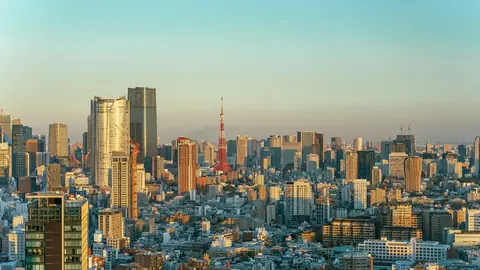
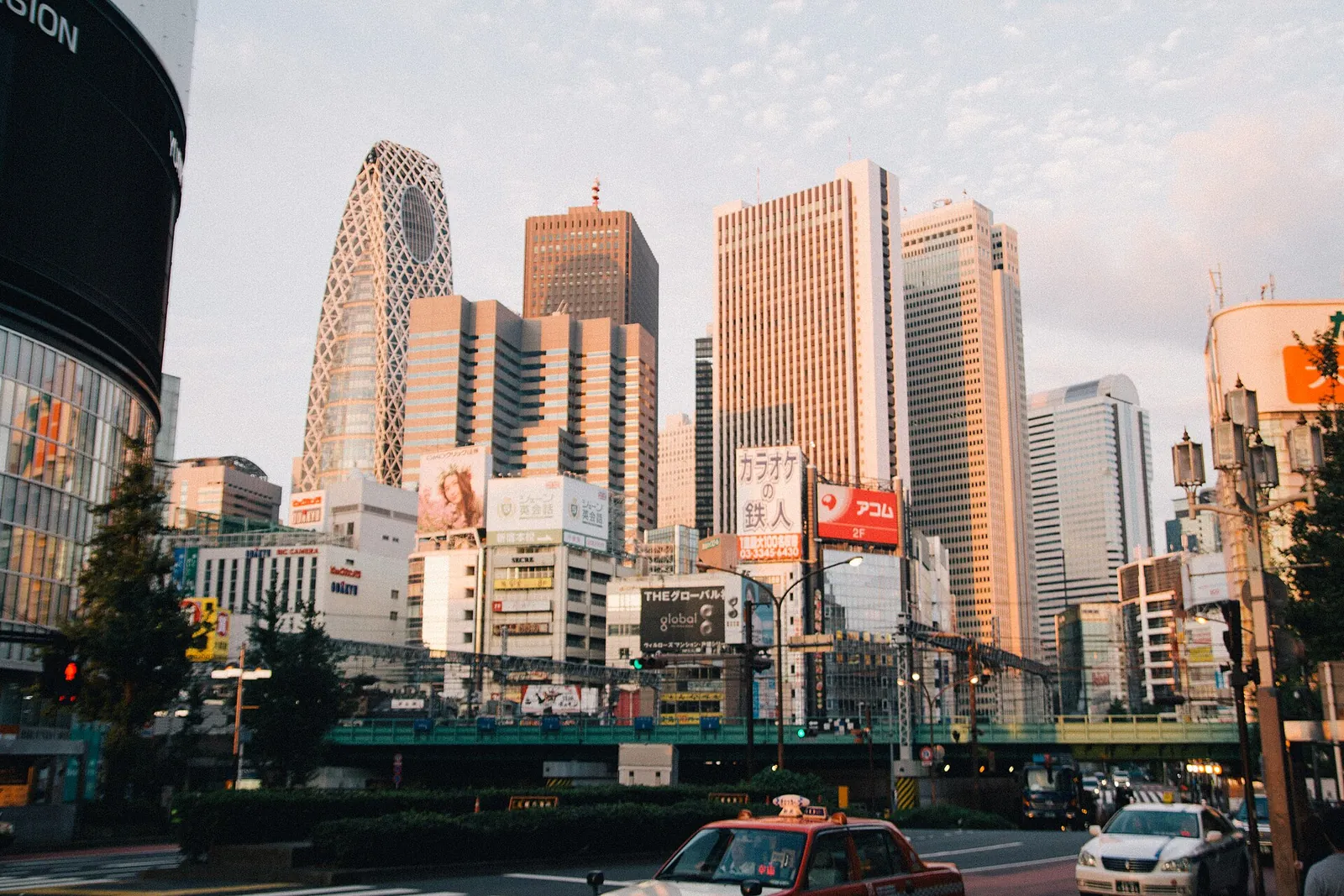
Shinjuku divides by exit. West of the station, Nishi-Shinjuku is a district of skyscrapers around the Tokyo Metropolitan Government Building, with the yakitori stalls of Omoide Yokocho just outside the station. The east side holds the department stores, restaurants and the neon of Kabukicho, which GO TOKYO describes as a maze of hotels and spots for night-time revelry, with Golden Gai's tiny bars close by. The south exit leads to the Shinjuku Expressway Bus Terminal, known as Busta Shinjuku. If you want Shinjuku's trains with quieter nights, look west of the station; if you want to walk home from Golden Gai, look east.
On the Yamanote loop, Shinjuku is 7 minutes from Shibuya and 8 from Ikebukuro, and the Toei Oedo Line reaches Roppongi in 9 minutes. GO TOKYO gives 55 minutes from Haneda by limousine bus or train and about 90 minutes from Narita on the Narita Express.
Shibuya suits travellers who want nightlife, fashion and the west's sights on the doorstep. Besides JR, its station has the Tokyo Metro Ginza, Hanzomon and Fukutoshin lines and the Keio Inokashira and Tokyu lines, Harajuku and Omotesando are about 20 minutes' walk away, and the Narita Express calls here too. GO TOKYO points to Udagawacho and Maruyamacho for live music and clubbing, and its nightlife guide lists Shibuya's clubs and music lounges among those that stay open late. The trade-offs are crowds at all hours and distance from the old east: Tokyo Station is 23 minutes away on the Yamanote Line, and Narita about 1 hour 40 minutes by train.
Make time for the local food
What to eat and where to look
Yakitori at Omoide Yokocho (Shinjuku)
Chicken skewers grilled behind the counter and a cold beer, in a narrow alley of tiny stalls next to Shinjuku Station. GO TOKYO describes smoky stalls under red lanterns, each seating only five or six people, which makes it the easiest first-night dinner if you are sleeping in Shinjuku.
- Where to look
- Omoide Yokocho, two minutes on foot from Shinjuku Station on the west side; look for the green sign and the red lanterns.
- Fit it into your day
- An early dinner on your first evening; order a few skewers at a time.
Chicken-based. GO TOKYO lists the alley as cash only, and with so few seats it suits twos and threes better than groups.
Depachika bento (Ginza)
The basement food halls of Ginza's department stores sell ready-made meals to take away. JNTO singles out Matsuya Ginza for bento, with boxes ranging from kaiseki and eel to tempura, sushi and sandwiches, and GO TOKYO names Ginza Mitsukoshi among the area's long-established department stores.
- Where to look
- The basement floors of Matsuya Ginza and Ginza Mitsukoshi; Daimaru next to Tokyo Station if you are staying on the Yaesu side.
- Fit it into your day
- A take-away dinner on your arrival night, when a restaurant feels like too much after the flight.
Boxes often mix fish, meat and egg; read the label or ask the staff if you have an allergy.
Seafood bowls and street food at Ameyoko (Ueno)
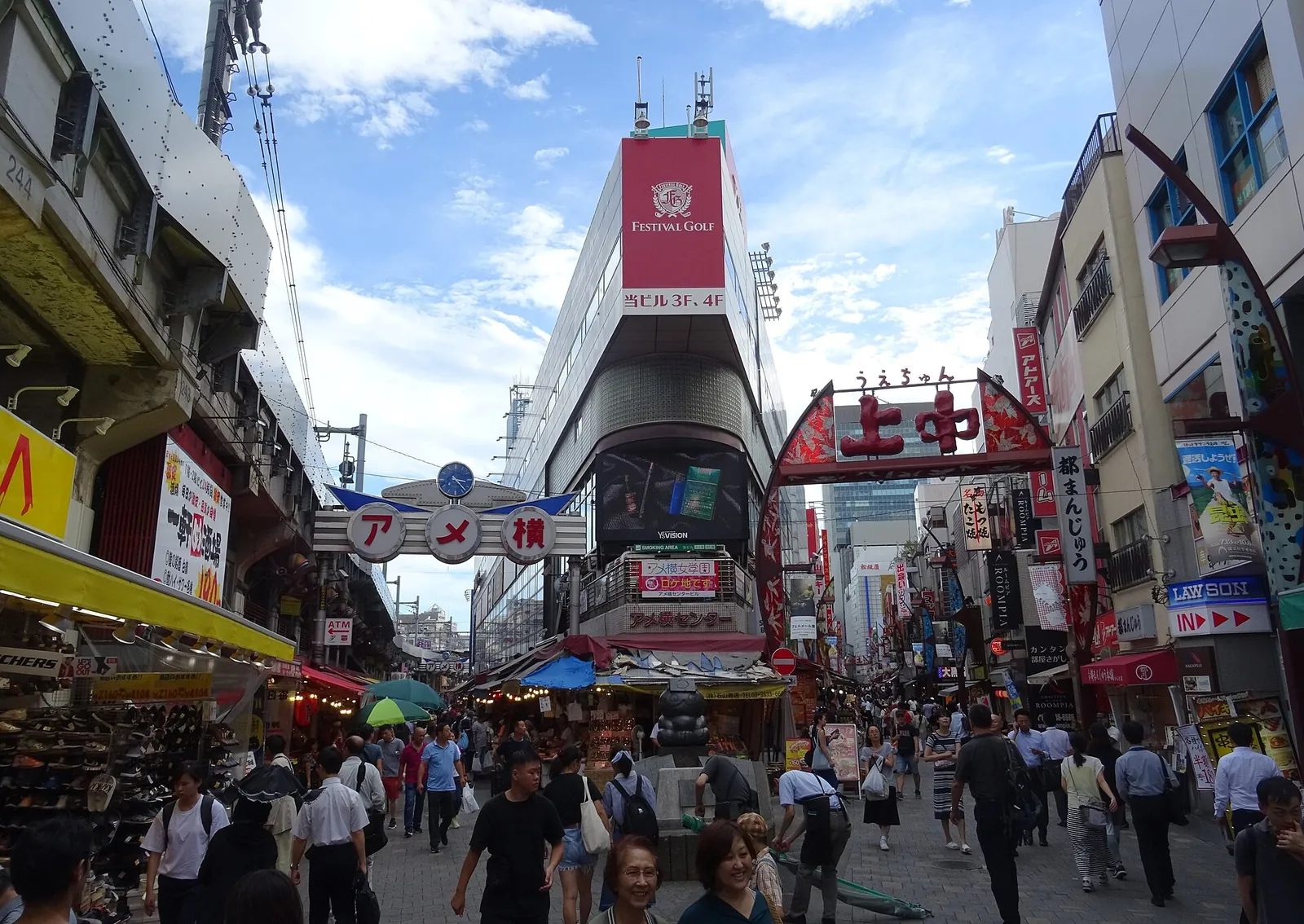
Ameyoko began as a post-war black market and is now a 500-metre street of about 500 shops and stalls between Ueno and Okachimachi stations. GO TOKYO points to cheap street food at stalls and restaurants, seafood rice bowls and international food, and its nightlife guide notes that the street stays open late, with casual izakaya.
- Where to look
- Ameyoko, from the Shinobazu exit of Ueno Station or the north exit of Okachimachi Station.
- Fit it into your day
- An easy late dinner if you are staying in Ueno, or lunch between the museums.
Seafood bowls are topped with raw fish and shellfish; contents and prices vary from stall to stall, so check before you order.
Ningyo-yaki and kaminari-okoshi (Asakusa)
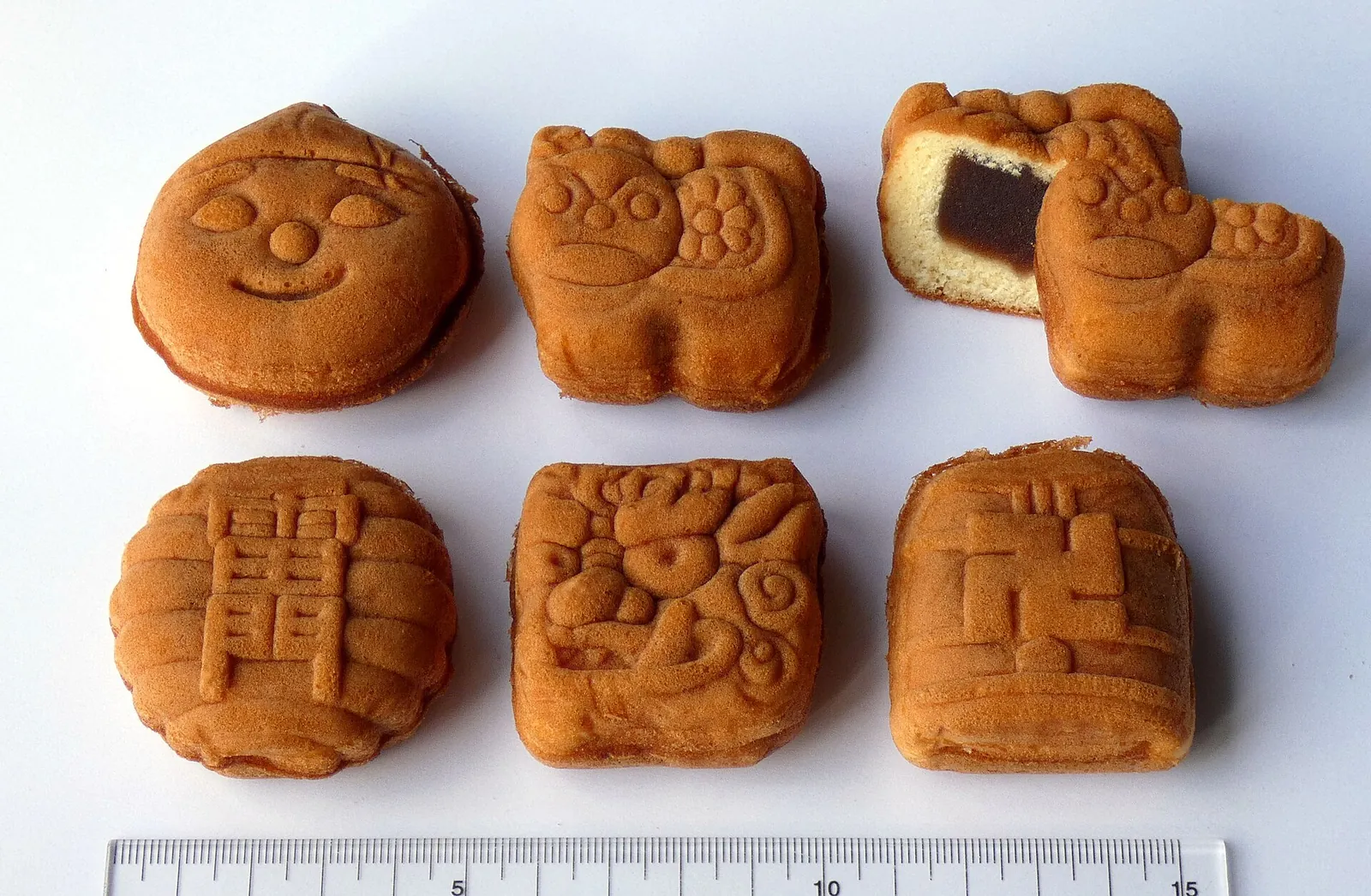
Asakusa's classic snacks. Ningyo-yaki are small cakes of flour, egg and sugar baked in iron moulds, with or without sweet bean paste, often in the shape of the Kaminarimon lantern. Kaminari-okoshi, first sold by street vendors near the gate in the 18th century, is a crisp bar of puffed rice, often with peanuts, bound with sugar and starch syrup.
- Where to look
- Nakamise, the 250-metre street of about 90 stalls between the Kaminarimon and Hozomon gates, where GO TOKYO notes snacks baked in front of you.
- Fit it into your day
- A sweet snack on an early walk to Senso-ji, or a box to take home as a gift.
Ningyo-yaki contain wheat and egg; kaminari-okoshi often contains peanuts.
Tokyo Station, Marunouchi, Nihonbashi and Ginza: the centre
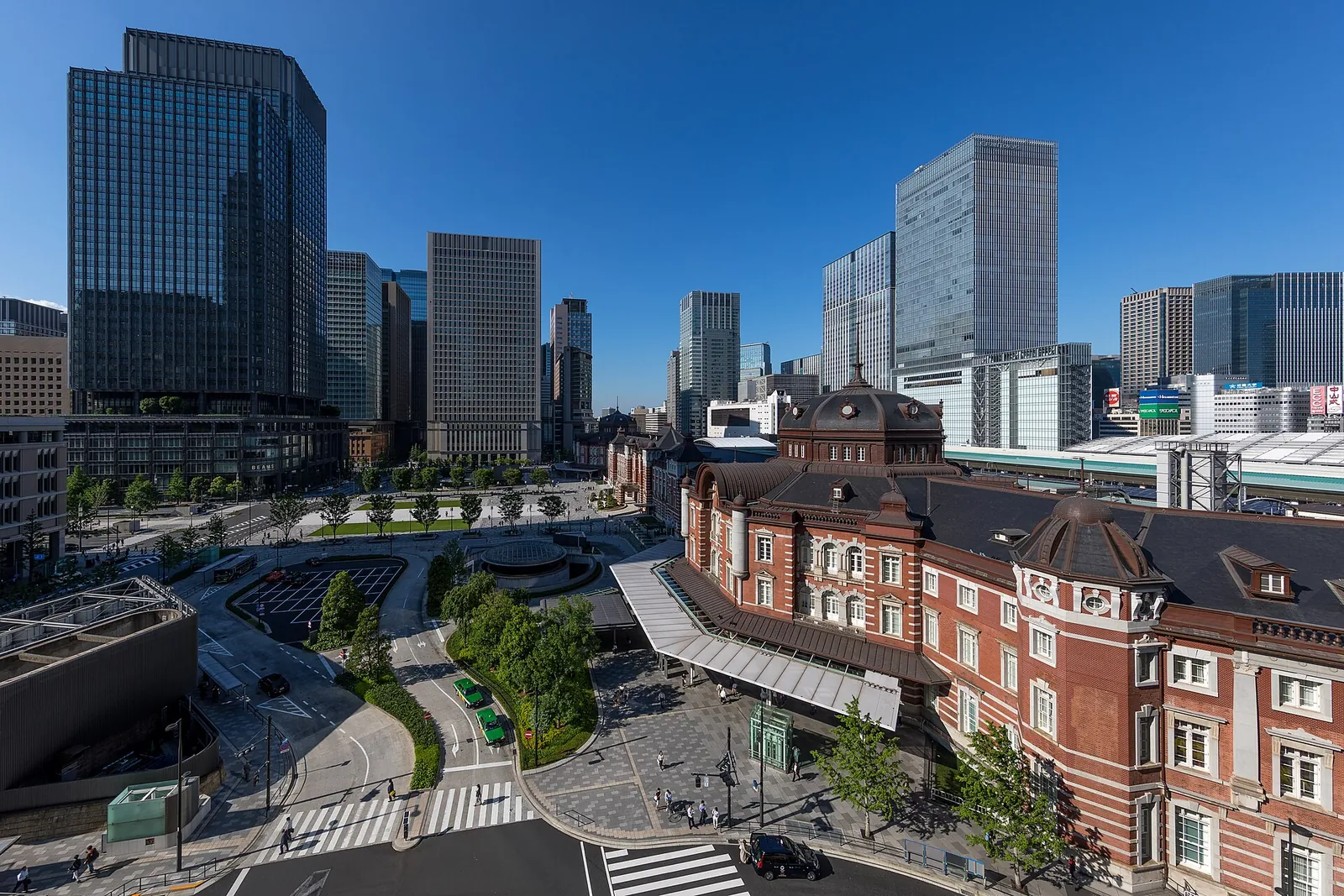
GO TOKYO calls Tokyo Station Japan's busiest by number of trains, with shinkansen running as far as Hokkaido and Kyushu and regular departures for Kyoto. Leave by the Marunouchi exits and you are a stone's throw from the Imperial Palace, in an office district of glass towers and tree-lined shopping streets; leave by the Yaesu side and Ginza and Nihonbashi are a few minutes' walk away. The Yaesu side is also where the airport buses stop: GO TOKYO gives about 1 hour 20 minutes to Narita by coach and 30–55 minutes to Haneda.
Nihonbashi, an easy walk from the station, was Edo's commercial centre and the starting point of Japan's five great roads; its Mitsukoshi store, founded as a kimono shop in 1673, became Japan's first department store. GO TOKYO notes that many of Tokyo's luxury hotels are concentrated around the Imperial Palace and Nihonbashi. Nihombashi Station is on the Tokyo Metro Ginza and Tozai lines and the Toei Asakusa Line, which runs through to both airports.
Ginza is for travellers who want department stores, galleries and good restaurants close by and a calm walk home. It has the Ginza, Marunouchi and Hibiya subway lines, JR Yurakucho Station is five minutes' walk away and Tokyo Station about 15, and Shinjuku is 16 minutes on the Marunouchi Line. From Narita, the TYO-NRT bus reaches Ginza Station in about 81 minutes. The drawback of the whole centre is the west: a late night in Shinjuku or Shibuya ends with a train ride back.
Asakusa and Ueno: the old east
Asakusa is the most atmospheric base: Senso-ji, Nakamise and the Sumida River are at the door, so you can walk to the temple before the day's crowds and come back after dark. The trains suit two kinds of trip. The Toei Asakusa Line runs through to Haneda, about 50 minutes away, and to Narita, and Tobu's limited expresses to Nikko start at Asakusa Station. The trade-offs are distance and early nights. Asakusa has no Yamanote station, so Tokyo Station is 20 minutes away and Shinjuku 35, both with a change at Kanda, and GO TOKYO warns that Asakusa does not necessarily offer food and drink late into the night.
Ueno is the practical choice for the east. It is on the Yamanote Line, 8 minutes from Tokyo Station and 24 from Shinjuku, with the Tokyo Metro Ginza and Hibiya lines. Keisei Ueno Station is the terminus of the Skyliner, as little as 41 minutes from Narita, and shinkansen to Utsunomiya call at Ueno, which matters if you use a Japan Rail Pass to reach Nikko. Ueno Park, with its museums and Japan's oldest zoo, is next to the station, and Ameyoko's food stalls and casual izakaya keep going late. The streets around the station are a busy transport hub rather than a quiet retreat.
One stop short of Ueno for Skyliner passengers, Nippori is another option: the Skyliner reaches it in as little as 36 minutes from Narita, it is 12 minutes from Tokyo Station on the Yamanote Line, and the old streets of Yanaka are on its doorstep.
Shinagawa, Ikebukuro, Roppongi and Akasaka: when they beat the obvious choices
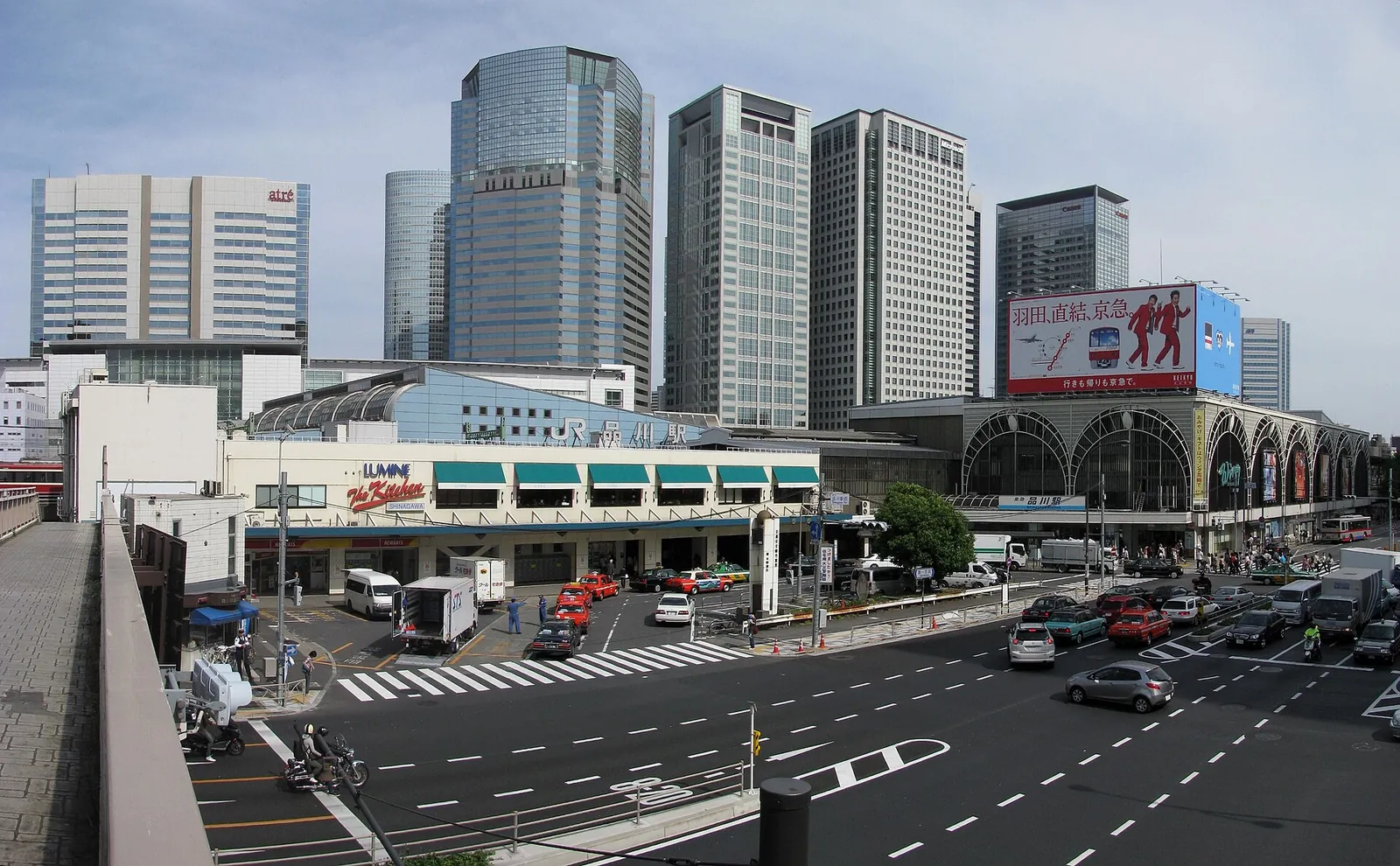
Shinagawa is the best base for anyone flying in and out of Haneda or heading west by shinkansen. Keikyu trains run from Haneda's Terminal 3 to Shinagawa in 11 minutes by Rapid Express, the Tokaido shinkansen calls here on its way to Kyoto and Osaka, and the Narita Express stops here too. GO TOKYO describes Shinagawa Station as one of the world's busiest, with around a million people a day, yet less busy than Tokyo Station and so a better place to board the shinkansen. It lists hotels at every price point, from luxury hotels to budget chains close to the station. The cost is position: you are at the southern end of the loop, about 13 minutes from Tokyo Station, 19 from Shinjuku and 21 from Ueno.
Ikebukuro is Shinjuku's northern neighbour, 8 minutes away on the Yamanote Line, with the Tokyo Metro Marunouchi line to Tokyo Station in 17 minutes and the Tobu Tojo and Seibu lines heading out of the city. GO TOKYO calls it down-to-earth and high-energy, with Sunshine City's aquarium, planetarium and observation deck and a cluster of anime and manga shops. It works for families and for fans; the trade-off is a longer trip to the east and the centre, and about an hour from Haneda by train.
Roppongi and Akasaka sit in the middle of the city but on the subway only. Roppongi has the Hibiya and Toei Oedo lines, 9 minutes from Shinjuku, and GO TOKYO describes two sides to it: world-class art museums and luxury shopping, and one of Tokyo's most raucous party districts. Akasaka is the grown-up version, with many of Tokyo's premier hotels and a large share of its Michelin-starred restaurants, served by the Chiyoda Line and, ten minutes' walk away, the Ginza Line at Akasaka-mitsuke. Choose either for a luxury hotel or Roppongi's nightlife, accepting a change of train for Tokyo Station, which is 25–26 minutes away.
Match the area to your next trip
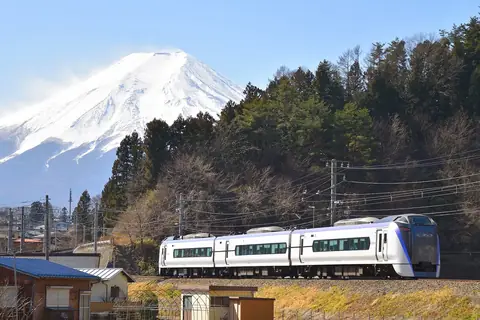
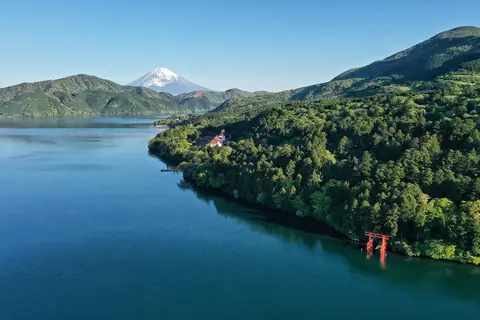
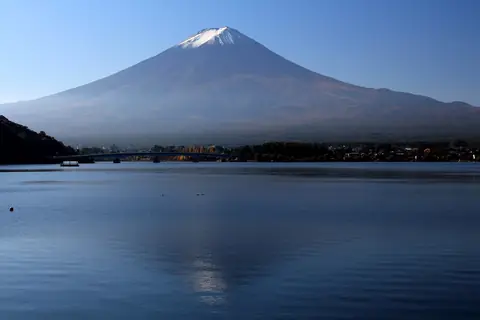
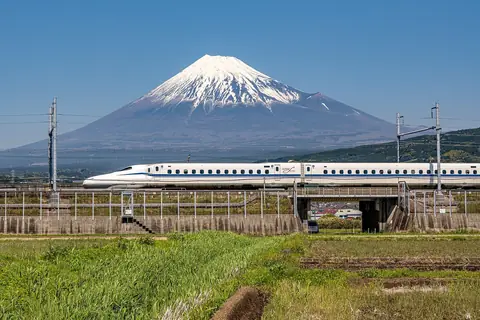
Hakone and Mount Fuji: Shinjuku. The Odakyu Romancecar reaches Hakone-Yumoto in about 80 minutes. For Fuji, the Fuji Excursion limited express runs direct from Shinjuku to Kawaguchiko, in as little as 1 hour 53 minutes when we checked Fujikyu Railway's page on 2026-10-10, with four round trips a day and a fifth in some seasons. Keio's highway buses from Busta Shinjuku take about 1 hour 45 minutes to Kawaguchiko Station, and Shibuya has its own buses from the Shibuya Expressway Bus Terminal on the fifth floor of Shibuya Mark City, which take about 2 hours 30 minutes.
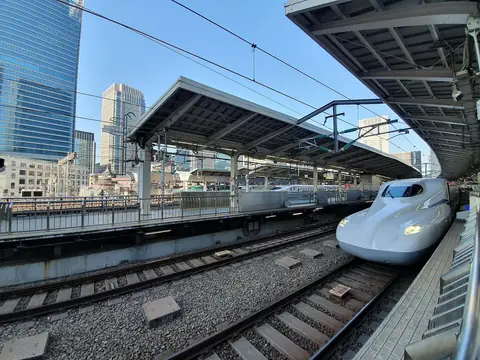
Kyoto and Osaka: Tokyo Station or Shinagawa. Kyoto's official guide puts Tokyo Station to Kyoto at about 130 minutes on the Nozomi shinkansen. The same trains call at Shinagawa, which GO TOKYO calls a better place to board because it is less busy, so if you arrive at Haneda and leave Tokyo for Kyoto, Shinagawa covers both journeys.
Nikko: Asakusa or Ueno. Tobu's limited expresses run direct from Asakusa to Tobu-Nikko in about 1 hour 50 minutes. With a Japan Rail Pass, take the shinkansen from Tokyo or Ueno to Utsunomiya and change to the JR Nikko Line. Shinjuku and Ikebukuro also have through limited expresses to Tobu-Nikko, in about two hours, so a west-side base does not rule Nikko out.
The airports. For Haneda, choose Shinagawa or the Tokyo Station area: besides Keikyu to Shinagawa, the Tokyo Monorail reaches Hamamatsucho in 13 minutes, seven minutes from Tokyo Station on the Yamanote Line. For Narita, Ueno and Nippori have the Skyliner; the Narita Express serves Tokyo, Shinagawa, Shibuya and Shinjuku, with seats on both reserved; and Keisei's Access Express runs through to Nihonbashi and Shinagawa, and to Asakusa in about 50 minutes, without a change.
Families, nightlife, budget and quiet nights
Families do best in Ueno, Ikebukuro or Shinagawa. Ueno has the zoo, which GO TOKYO says takes a good half-day, and the National Museum of Nature and Science with its dinosaurs; Ikebukuro has Sunshine City's aquarium, planetarium and the indoor food and play 'towns' of NAMJATOWN; Shinagawa has two aquariums, one inside the Shinagawa Prince Hotel. With children, send big suitcases from the airport to the hotel (see below) so the first train ride is easy.
For nightlife, sleep where you will drink. GO TOKYO's nightlife guide points to Shinjuku, from Golden Gai to Kabukicho, Shibuya's clubs and music lounges, and Roppongi's English-speaking clubs and bars as the best bets for late weekend nights.
On a budget, GO TOKYO points to Tokyo's hostels and guest houses and to capsule hotels, some of them for women only. JNTO, Japan's national tourism organisation, says capsule hotels are usually cheaper than a regular hotel and tend to be near stations, but large suitcases normally have to be left at reception. If you book a private rental (minpaku), check that it is legal: GO TOKYO advises looking for a Tokyo registration number beginning with M13 or a permit number, and warns that illegal lodgings risk sudden cancellation and poor fire safety.
For quiet nights, choose Marunouchi or Nihonbashi, whose office streets and department stores surround Tokyo Station, or Akasaka, which GO TOKYO calls a grown-up destination of luxury hotels and fine restaurants. GO TOKYO also describes Shinagawa as a business hub known for its high level of public safety.
Before you book, and the 30-second choice
Budget for Tokyo's accommodation tax, which hotels collect from guests. When we checked on 2026-10-10, the Tokyo Metropolitan Government listed ¥100 per person per night for room charges of ¥10,000 to under ¥15,000 and ¥200 from ¥15,000. For stays from 1 April 2027, the tax becomes 3% of the room charge, and stays under ¥13,000 per person per night are exempt; from the same date it also covers hostels, guest houses and private rentals, not only hotels and ryokan.
Expect check-in in the afternoon: the large hotels we looked up on GO TOKYO's listings gave check-in at 14:00 or 15:00 and check-out at 11:00 or 12:00. JNTO notes that visitors from abroad must write their passport number on the registration form at check-in and show the passport to be photocopied. If you land early, station coin lockers take bags for the day, though GO TOKYO warns they fill quickly at the big stations.
The airport luggage counters at Haneda and Narita will send your bags to the hotel, generally arriving a day later, so keep what you need for the first night; hotel front desks can send them on again when you leave. If you land at Haneda Terminal 3, Keikyu's same-day counter on the second floor of the station is faster: when we checked on 2026-10-10, it accepted bags from 07:00 to 16:00 for hotels in Tokyo's 23 wards, at ¥1,600 per bag up to 120 cm and ¥2,100 up to 160 cm.
- First trip, no strong plan: Shinjuku, on the west side of the station for quieter nights.
- Kyoto or the north by shinkansen, calm evenings: Tokyo Station, Marunouchi, Nihonbashi or Ginza.
- Flying into Haneda, then Kyoto: Shinagawa.
- Flying into Narita, or Nikko next: Ueno or Asakusa.
- Hakone or Mount Fuji next: Shinjuku.
- Nightlife first: Shinjuku, Shibuya or Roppongi.
- Children in tow: Ueno, Ikebukuro or Shinagawa.
- Tight budget: a capsule hotel or hostel near a Yamanote Line station.
- Luxury and quiet: Marunouchi, Nihonbashi or Akasaka.
Practical questions
Where is the best area to stay in Tokyo for first-time visitors?
Shinjuku suits most first-timers, with JR, private railways and subways, the Romancecar to Hakone, buses to Mount Fuji and the liveliest evenings. Choose Tokyo Station or Ginza instead if you will take the shinkansen to Kyoto and prefer calmer nights.
Is it better to stay in Shinjuku or Shibuya?
Shinjuku is better placed for trips out of the city, with the Romancecar to Hakone and highway buses to Mount Fuji from Busta Shinjuku. Shibuya suits travellers who put nightlife and fashion first, and the two are only 7 minutes apart on the Yamanote Line.
Where should I stay in Tokyo before taking the shinkansen to Kyoto?
Stay near Tokyo Station or in Shinagawa. Kyoto's official guide puts the Nozomi from Tokyo Station at about 130 minutes, and the same trains call at Shinagawa, which is also 11 minutes from Haneda by Keikyu.
Is Asakusa a good area to stay in Tokyo?
Yes, if you want old Tokyo, Senso-ji early and direct trains to Nikko and Haneda. It is off the Yamanote Line, about 35 minutes from Shinjuku with a change, and quiet late at night.
Which area of Tokyo is best for families?
Ueno, Ikebukuro or Shinagawa. Ueno has the zoo, the park and museums, Ikebukuro has Sunshine City's aquarium and planetarium, and Shinagawa has two aquariums and a fast link to Haneda.
How much is the hotel tax in Tokyo?
When we checked on 2026-10-10, it was ¥100 per person per night for room charges of ¥10,000 to under ¥15,000 and ¥200 from ¥15,000. From 1 April 2027 it becomes 3% of the room charge, with stays under ¥13,000 per person per night exempt.
Sources and checks before you travel
Reference sources for the version dated 10 October 2026. Confirm opening times, access, transport and conditions for your travel dates.
- GO TOKYO (Tokyo Convention & Visitors Bureau): Shinjuku ↗ — opens in a new tab
- GO TOKYO: Shibuya ↗ — opens in a new tab
- GO TOKYO: Tokyo Station and Marunouchi ↗ — opens in a new tab
- GO TOKYO: Ginza ↗ — opens in a new tab
- GO TOKYO: Nihonbashi ↗ — opens in a new tab
- GO TOKYO: Asakusa ↗ — opens in a new tab
- GO TOKYO: Ueno ↗ — opens in a new tab
- GO TOKYO: Yanaka and Nezu ↗ — opens in a new tab
- GO TOKYO: Shinagawa and Tennozu ↗ — opens in a new tab
- GO TOKYO: Ikebukuro ↗ — opens in a new tab
- GO TOKYO: Roppongi ↗ — opens in a new tab
- GO TOKYO: Akasaka ↗ — opens in a new tab
- GO TOKYO: Tokyo at night ↗ — opens in a new tab
- GO TOKYO: accommodations and accommodation tax ↗ — opens in a new tab
- Tokyo Metropolitan Government: accommodation tax change (press release, Japanese) ↗ — opens in a new tab
- GO TOKYO: Haneda Airport access ↗ — opens in a new tab
- GO TOKYO: Narita Airport access ↗ — opens in a new tab
- GO TOKYO: How to use the Tokyo subway ↗ — opens in a new tab
- GO TOKYO: luggage and storage ↗ — opens in a new tab
- Keikyu (Haneda Airport Access Guide): same-day baggage delivery at Haneda Airport Terminal 3 Station ↗ — opens in a new tab
- Keisei Electric Railway: Skyliner ↗ — opens in a new tab
- Odakyu: Limited Express Romancecar ↗ — opens in a new tab
- Fujikyu Railway: Fuji Excursion (Fuji Kaiyu) limited express ↗ — opens in a new tab
- Highway Buses (Keio Dentetsu Bus): Lake Kawaguchiko and Fuji-Q Highland ↗ — opens in a new tab
- Kyoto City Tourism Association (kyoto.travel): Getting to Kyoto ↗ — opens in a new tab
- Tobu Railway: access to Nikko ↗ — opens in a new tab
- Tobu Railway: access to Asakusa ↗ — opens in a new tab
- Visit Nikko (Nikko City Tourism Association): getting here and around ↗ — opens in a new tab
- JNTO (Japan National Tourism Organization): accommodation ↗ — opens in a new tab
- JNTO: capsule hotels ↗ — opens in a new tab
- GO TOKYO: hotel listings (Tokyo Prince Hotel; also Tokyo Marriott Hotel, spot/1643, and Hotel East 21 Tokyo, spot/1644) ↗ — opens in a new tab
- GO TOKYO: Omoide Yokocho ↗ — opens in a new tab
- JNTO: guide to department-store food floors ↗ — opens in a new tab
- GO TOKYO: Ameyoko ↗ — opens in a new tab
- GO TOKYO: Tokyo local food ↗ — opens in a new tab
- GO TOKYO: weather ↗ — opens in a new tab
Does this experience fit your route?
If you arrive in time for dinner, a small-group food or izakaya walk near your hotel in Shinjuku or Shibuya is an easy first evening. Check the start time, the meeting point and what is included before you book.
Check dates and details on Viator ↗ — opens in a new tabAffiliate link · Book with ViatorPhoto credits
The Marunouchi side of Tokyo Station, a short walk from the Imperial Palace and the shinkansen
Photograph: Basile Morin — opens in a new tab · CC BY-SA 4.0 — opens in a new tab
Changes: Resized and converted to WebP; displayed with responsive crops. · Original photograph and licence details ↗ — opens in a new tab
Nishi-Shinjuku, the calmer skyscraper side of Tokyo's busiest station
Photograph: Dick Thomas Johnson — opens in a new tab · CC BY 2.0 — opens in a new tab
Changes: Resized and converted to WebP; displayed with responsive crops. · Original photograph and licence details ↗ — opens in a new tab
Ameyoko, Ueno's market street of food stalls and late izakaya beside the Yamanote Line
Photograph: Christophe95 — opens in a new tab · CC BY-SA 4.0 — opens in a new tab
Changes: Resized and converted to WebP; displayed with responsive crops. · Original photograph and licence details ↗ — opens in a new tab
Shinagawa Station, where Keikyu trains from Haneda meet the Yamanote Line and the shinkansen
Photograph: Aimaimyi — opens in a new tab · CC BY-SA 3.0 — opens in a new tab
Changes: Resized and converted to WebP; displayed with responsive crops. · Original photograph and licence details ↗ — opens in a new tab
Ningyo-yaki from a Kaminari-okoshi maker in Asakusa, the snack Nakamise bakes in front of you
Photograph: 毒島みるく — opens in a new tab · CC0 — opens in a new tab
Changes: Resized and converted to WebP; displayed with responsive crops. · Original photograph and licence details ↗ — opens in a new tab