Itineraries
Hokkaido in 7 days: Sapporo, Otaru, Biei, Furano and Noboribetsu
Hokkaido is the one part of Japan where a week can feel short, because the distances are American rather than Japanese and the trains are fewer. The good news is that the island's best-known places sit on three rail lines out of Sapporo, so a first week needs no car. This route gives Sapporo two nights with a day in Otaru, climbs to Asahikawa for the zoo, crosses the hills of Biei to Furano, and then comes back south for two nights in the steam of Noboribetsu Onsen, with the Ainu museum at Shiraoi on the last full day. The calendar decides more here than anywhere else in Japan: lavender lasts a month, the zoo changes its hours four times a year, and from December to March snow sets the pace.
In this guide
Find the location ↗ — opens in a new tabThe short answer
Give Hokkaido seven days and six nights: two nights in Sapporo with a day in Otaru, one in Asahikawa, one in Furano and two at Noboribetsu Onsen, flying home from New Chitose on day 7. The Rapid Airport train reaches Sapporo in 37 minutes for ¥1,230, and JR Hokkaido's four-day Sapporo-Furano Area Pass at ¥11,000 covers days 2 to 5, which works out cheaper than the five-day Hokkaido Rail Pass or single tickets. Book the Noboribetsu inn and, in July, the Furano room first; both are scarce in high season.
- Suggested time
- 7 days (6 nights)
- Route
- Sapporo 2 nights
- Asahikawa 1 night
- Furano 1 night
- Noboribetsu Onsen 2 nights
- Season and timing
- Mid-July for the Furano lavender, early May for Hokkaido's late cherry blossom and early February for the Sapporo Snow Festival. From December to March the hills of Biei are under snow, Asahiyama Zoo keeps winter hours and Sapporo averages about 470 cm of snowfall a year.
- Day by day
- The seven days at a glance ↓
The seven days at a glance
- Day 1
arrive, Sapporo
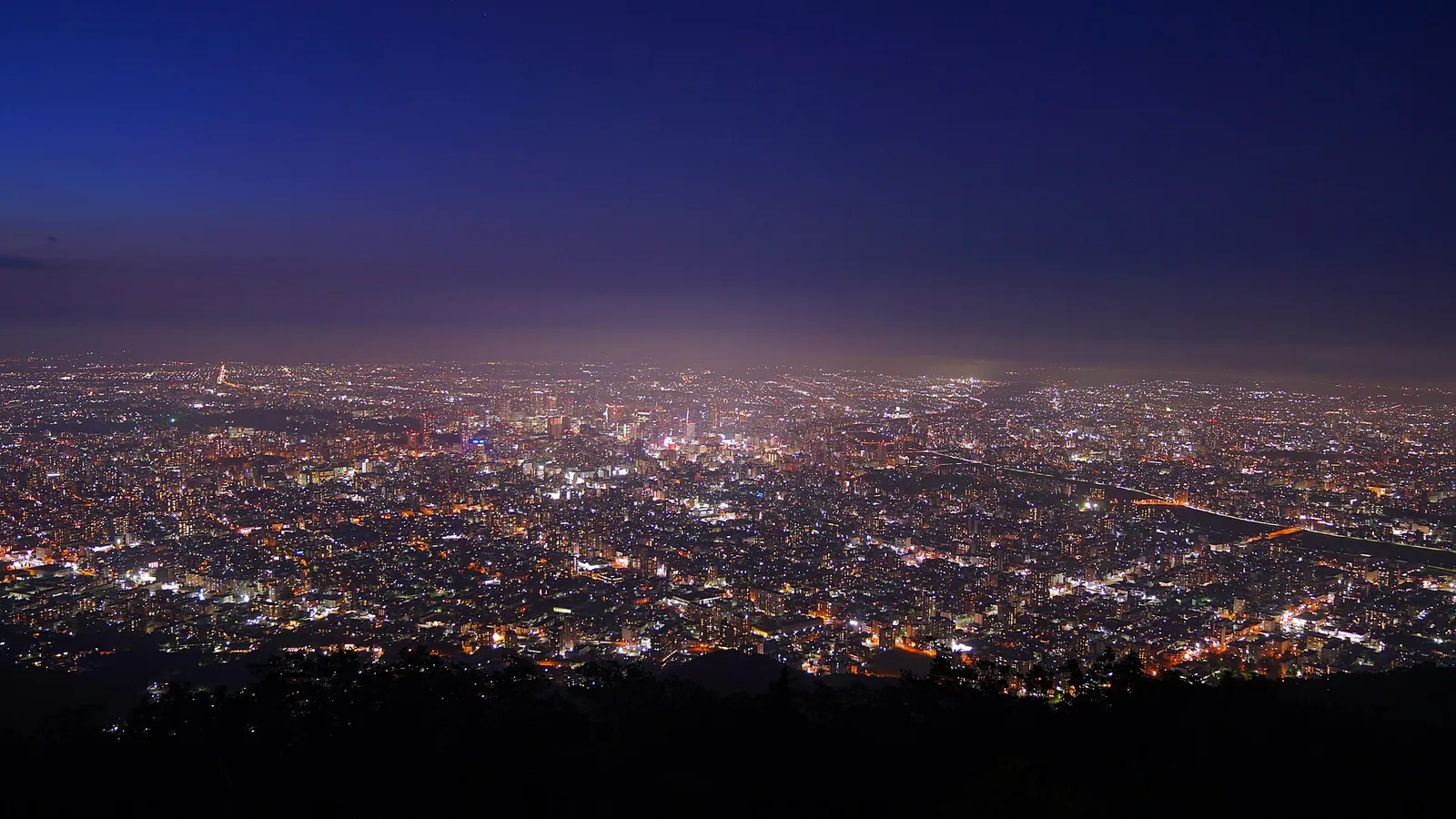
Rapid Airport to Sapporo (37 minutes, ¥1,230), Odori Park and the Clock Tower, the Mt Moiwa ropeway before dusk, miso ramen in Susukino. Night: Sapporo.
- Day 2
Otaru
JR to Otaru (32 minutes at the fastest, ¥800), the canal, Sakaimachi and a seafood bowl at the Sankaku Market; back for soup curry. Night: Sapporo.
- Day 3
Asahikawa
Lilac or Kamui to Asahikawa (1 hour 25 minutes), the bus to Asahiyama Zoo (about 40 minutes, ¥670), shoyu ramen in town. Night: Asahikawa.
- Day 4
Biei and Furano
Local train to Biei (08:44–09:17 from Asahikawa), the View Bus to the Blue Pond, Shirahige Falls and Shikisai-no-Oka, a bike in the hills after lunch, then the Furano Line south (40 minutes). Night: Furano.
- Day 5
Farm Tomita, then south
The Lavender bus to the farm at opening, the 11:20 from Furano to Takikawa and the Lilac to Sapporo, then the Suzuran to Noboribetsu, or the coach from Sapporo Station; first bath. Night: Noboribetsu Onsen.
- Day 6
Jigokudani and Upopoy
The crater walk to Oyunuma and the footbath in the morning, then the bus and the train to Shiraoi for the Ainu museum and park. Night: Noboribetsu Onsen.
- Day 7
home
A last morning bath, then the airport coach to New Chitose or the bus and two trains.
Why this order, and where the six nights go
Four lines carry this week. The Chitose Line brings you in from New Chitose Airport and, with the Muroran Line, later takes you south to Noboribetsu; the Hakodate Line runs west to Otaru and north-east through Takikawa to Asahikawa; the Furano Line drops from Asahikawa through Biei to Furano; and the Nemuro Line runs from Furano back to Takikawa. Going round that loop anticlockwise means one long transfer rather than four medium ones, and it ends the week in a hot-spring town an hour and a quarter from the airport by coach.
Sapporo takes nights 1 and 2, because the airport train is quick and Otaru is a 32-minute ride away, so the city does double duty as a base. Asahikawa takes night 3: Asahiyama Zoo is 40 minutes out of town by bus and better in the morning, and sleeping there saves a return of nearly three hours to Sapporo, which is why JR Hokkaido's own model route also stays the night in Asahikawa. Furano takes night 4, so the Blue Pond and the hills of Biei fall on the way rather than in a separate day trip. Noboribetsu Onsen takes nights 5 and 6, which gives you a bath on the evening you arrive, a full day for Jigokudani and Upopoy, and a calm departure.
If a week in the snow is what you want instead, swap Furano for a ski base and read our Niseko guide; the Furano and Niseko lift seasons overlap from late November to early May. Readers who would rather spend the week in one place should look at the two or three nights our Sapporo guide recommends and add the mountains.
Days 1 and 2: Sapporo, Mt Moiwa and a day in Otaru
JR's station sits under the terminal at New Chitose, and the Rapid Airport takes 37 minutes to Sapporo at its fastest, with the Special Rapid Airport at 33; the adult fare is ¥1,230, and a reserved u-seat costs ¥1,000 more, or ¥800 as a ticketless seat, which is worth it with luggage. Drop your bags and walk south to Odori Park, which began in 1871 as a firebreak dividing central Sapporo into north and south and is now a park of lawns, fountains and 92 kinds of trees that hosts the Snow Festival in winter and a beer garden in summer. Just north of it stands the Sapporo Clock Tower, the wooden drill hall of the Sapporo Agricultural College, built in 1878 and now a National Important Cultural Property kept as it looked then; it opens 08:45–17:10, with last entry at 17:00, for ¥350. Then take the streetcar out to the Mt Moiwa ropeway for dusk. A round trip on the ropeway and mini cable car costs ¥2,100 for adults; it runs 10:30–22:00 from April to November and 11:00–22:00 from December to March, with the last ascent at 21:30; it closes on 31 December and 1 January and for maintenance from 29 March to 28 April 2027. Dinner is miso ramen in Susukino.
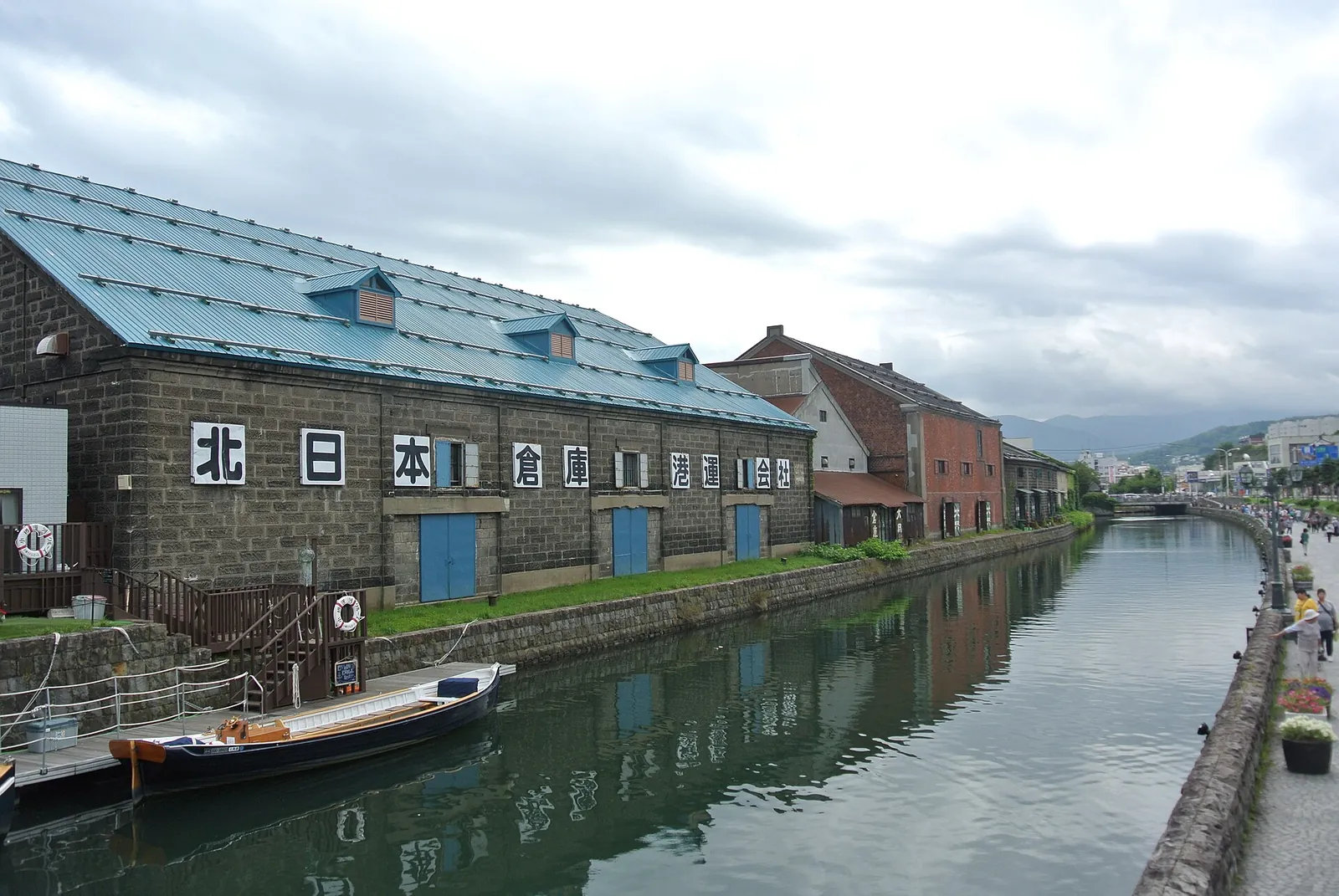
Day 2 is Otaru. Some Rapid Airport trains run straight through from Sapporo, 32 minutes at the fastest, for ¥800 each way; the stops are Otaru-Chikko, Minami-Otaru and Otaru. Give the Sankaku Market, two minutes from the station, your lunch, as its restaurants open at 07:00, then walk downhill to the canal. Finished in 1923 so that barges could bring cargo in from ships anchored offshore, it runs for 1,140 metres; the southern stretch has a path beside stone warehouses that are now cafes and restaurants, 63 gas lamps light it at dusk, and the North Canal keeps its original 40-metre width. From Asakusa Bridge, Sakaimachi-dori is lined with buildings from the days when Otaru was called the Wall Street of the North, now glass shops, seafood stores and sweet shops, and it ends at the Marchen crossroads with the Otaru Music Box Museum, about 80,000 music boxes in a listed brick building, and a steam clock outside that whistles every 15 minutes. Until 31 January 2027 the canal between Asakusa and Chuo bridges is lit blue as the Blue Canal, from sunset to 22:30, and in February the Snow Light Path keeps you there into the evening.
Our Sapporo guide has the rest of the city, from Nijo Market to the Beer Museum and Jozankei Onsen, and the areas to choose between if you want Odori or Susukino rather than the station.
Days 3 and 4: Asahiyama Zoo, Biei's hills and the Blue Pond
On day 3 take the Ltd Exp Lilac or Kamui to Asahikawa: 1 hour 25 minutes on JR Hokkaido's model route, ¥5,440 for the fare and a reserved seat, and every limited-express seat in Hokkaido is reserved, so collect a seat ticket before boarding. From the station, stand 6 outside, Asahikawa Denki Kido's route bus reaches Asahiyama Zoo in about 40 minutes for ¥670; a taxi is about ¥3,500. The zoo is known for showing animals as they move in the wild: at the Seal House a cylindrical tank brings seals gliding past your face, orangutans cross a tower 17 metres overhead, wolves howl from their enclosure, and on snowy winter days the penguins walk through the grounds; there are more than 20 houses, including the Ezo brown bear house opened in 2022. It keeps four timetables: 09:30–17:15 from 1 May to 15 October, 09:30–16:30 from 16 October to 3 November, and 10:30–15:30 in winter, from 11 November to 29 December and 2 January to 7 April, with last entry 15:00. Adult admission is ¥1,000 and children of junior-high age and under go free; the city has announced ¥1,400 for adults from the summer opening on 29 April 2027. The zoo also closes for a week between seasons, 4 to 10 November in 2026.
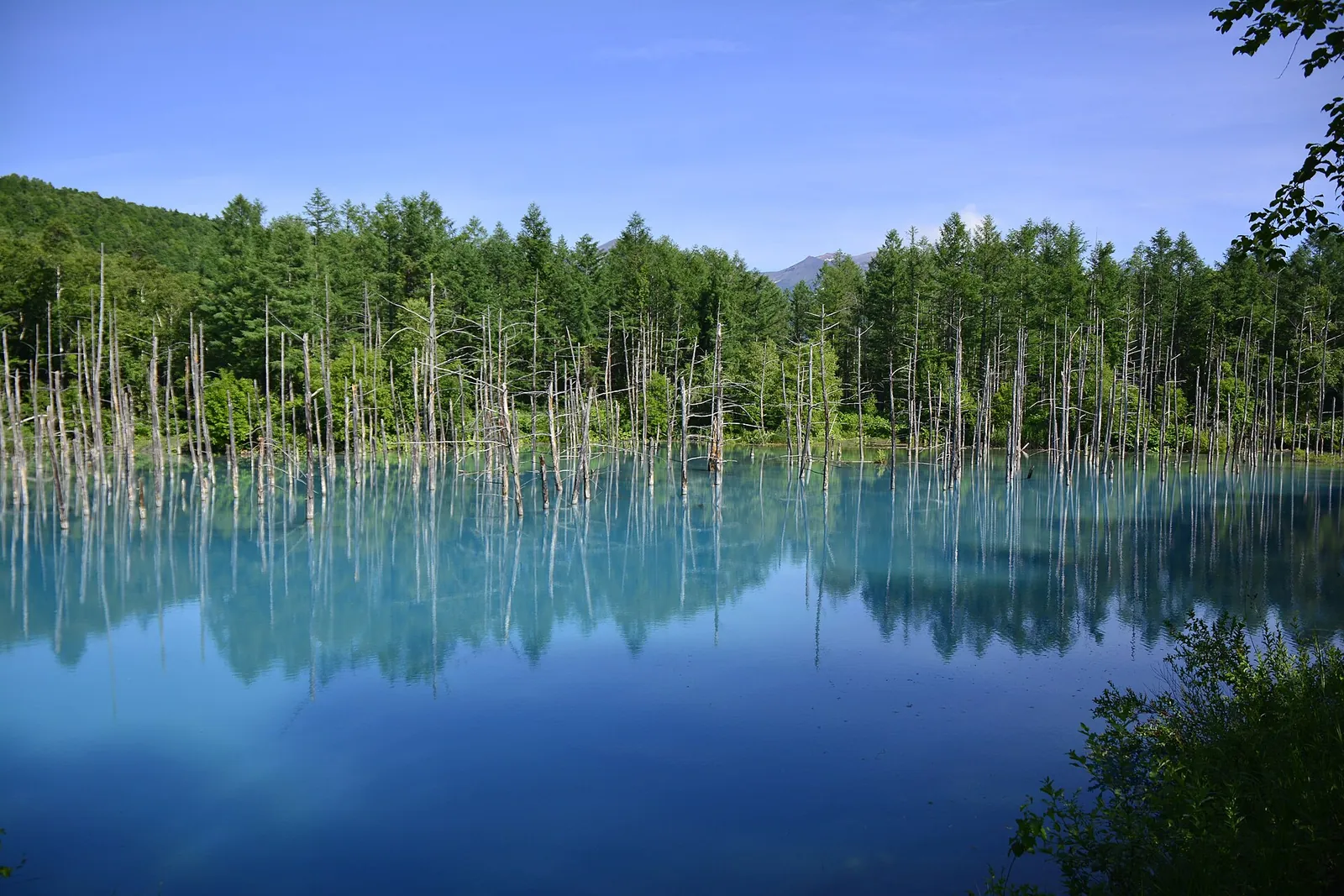
Day 4 belongs to the hills. The Furano Line local leaves Asahikawa at 08:44 and reaches Biei at 09:17, in time for the Biei Tourism Association's Biei View Bus, a guided half-day bus that runs every day from 1 July to 30 September and on set dates in June and October. Its morning course leaves the Shiki-no-Johokan information centre, a minute from the station, at 09:40 and is back at 12:45. It gives you 35 minutes at the Shirogane Blue Pond, a pond left by erosion-control work below Tokachi-dake whose water looks blue because fine particles carried down from Shirahige Falls scatter the sunlight; 20 minutes at Shirahige Falls, where groundwater bursts out of cracks in the rock face like a white beard; and 45 minutes at Shikisai-no-Oka, a 15-hectare flower garden on the hills with the Daisetsuzan range behind. Adults pay from ¥5,000 from July to September and from ¥4,500 in June and October, and online booking closes at 17:00 four days before.
Give the afternoon to the patchwork hills themselves, named for the crops that colour them from spring to autumn. Most of Biei's bicycle-hire shops are a walk from the station; around ¥600 an hour is typical, electric bikes cost more, and the association recommends them because the town is all slopes. The San'ai Hill viewpoint, 4 km from the station, is the one it names as a favourite with cyclists, and two of the hills' best-known landmarks are the Seven Stars Tree and Mild Seven Hill. The fields are working farmland: stay on the paved roads, as the association asks, to keep disease off the crops. Outside the View Bus season, Dohoku Bus's route bus runs every day from the stop outside the Asahikawa Bank on Biei's main street to the Blue Pond in about 20 minutes and on to Shirogane Onsen, with a one-day Biei and Shirogane pass. Its fares are not published online. Drivers pay ¥500 at the pond's car park, open 07:00–19:00 from May to October and 08:00–21:30 from November to April.
Then carry on south: the JR Furano Line takes about 40 minutes from Biei to Furano, with Kami-Furano and Naka-Furano on the way. Sleep in Furano rather than going back to Asahikawa, and you start day 5 in the fields rather than on a train.
Day 5: Farm Tomita in the morning, then south through Takikawa
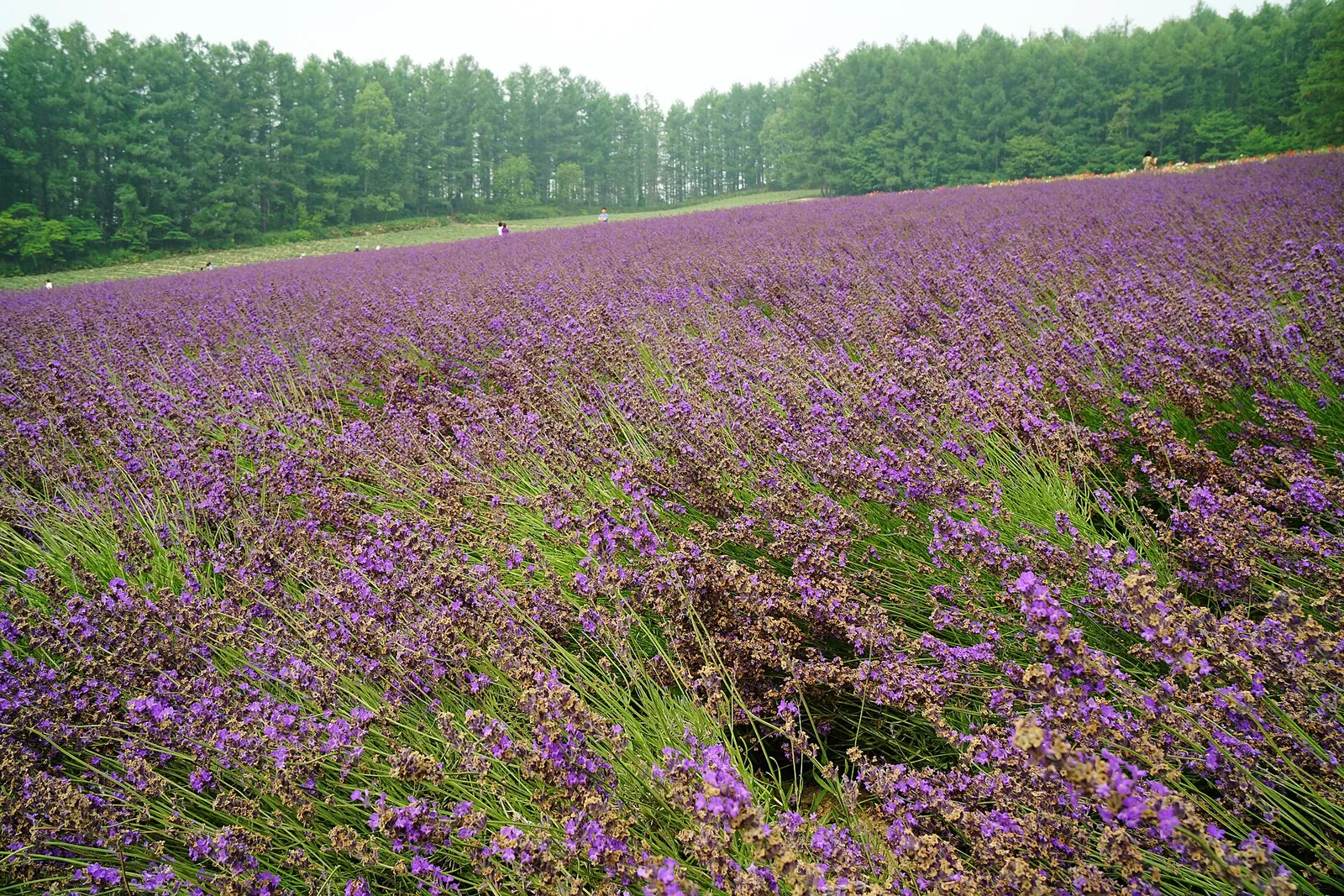
Farm Tomita at Nakafurano is the farm that made Furano famous, and it opens 09:30–16:30; in lavender season, come at opening. Its best-known field, Irodori, lays seven colours in stripes down a rolling hill: purple lavender, white baby's breath, red poppies, pink catchflies and orange California poppies. The Traditional Lavender Field, one of the oldest in Japan, is the slope a national railway calendar made famous, and from its top you look over the Furano valley to the Tokachi range. From Furano Station, Furano Bus's Lavender bus to Asahikawa runs from 06:50; the 08:20 reaches the Nakafurano stop at 08:32 for ¥260, paid as you get off, and the farm is a 25-minute walk from there, so you are at the gate for the 09:30 opening. That leaves about 45 minutes in the fields: set off by 10:15 for the 25-minute walk to Naka-Furano Station and the 10:47 train, which reaches Furano at 10:58 for the connection south. The summer Norokko sightseeing train, which stopped at a seasonal Lavender Field Station seven minutes from the farm, ends in JR Hokkaido's 2026 financial year, which runs to March 2027, so do not plan on it from 2027. Out of lavender season the greenhouse keeps a lavender room, and the hillside turns to poppies, sunflowers and cosmos as the summer goes on.
Day 5 is the transfer, and the quicker way south is through Takikawa rather than back via Asahikawa. Take the 11:20 Nemuro Line local from Furano to Takikawa (12:18) and the Ltd Exp Lilac 20 on to Sapporo (13:25), ¥4,760 with a reserved seat; the next pair leaves Furano at 15:04 and reaches Sapporo at 17:25 on the Kamui 30. That is about 2 hours, against about 2 hours 45 minutes back via Asahikawa. From Sapporo the Ltd Exp Suzuran takes about 1 hour 15 minutes to Noboribetsu, ¥4,890 with a reserved seat. Reserve both limited-express seats in the morning and expect to reach the onsen by late afternoon.
A simpler alternative for this day: from Sapporo Station, Donan Bus's reservation-only Express Onsen-go coach runs to Noboribetsu Onsen in 1 hour 50 minutes for ¥2,800 to ¥3,800, which saves the change at Noboribetsu Station. If you arrive by train, the local NA to ND buses cover the 8 km from Noboribetsu Station up to the onsen in 20 to 27 minutes for ¥450 adults, and Kitaca, Suica and other IC cards are not accepted on them, so keep coins.
Day 6: Jigokudani, Oyunuma and Upopoy at Shiraoi
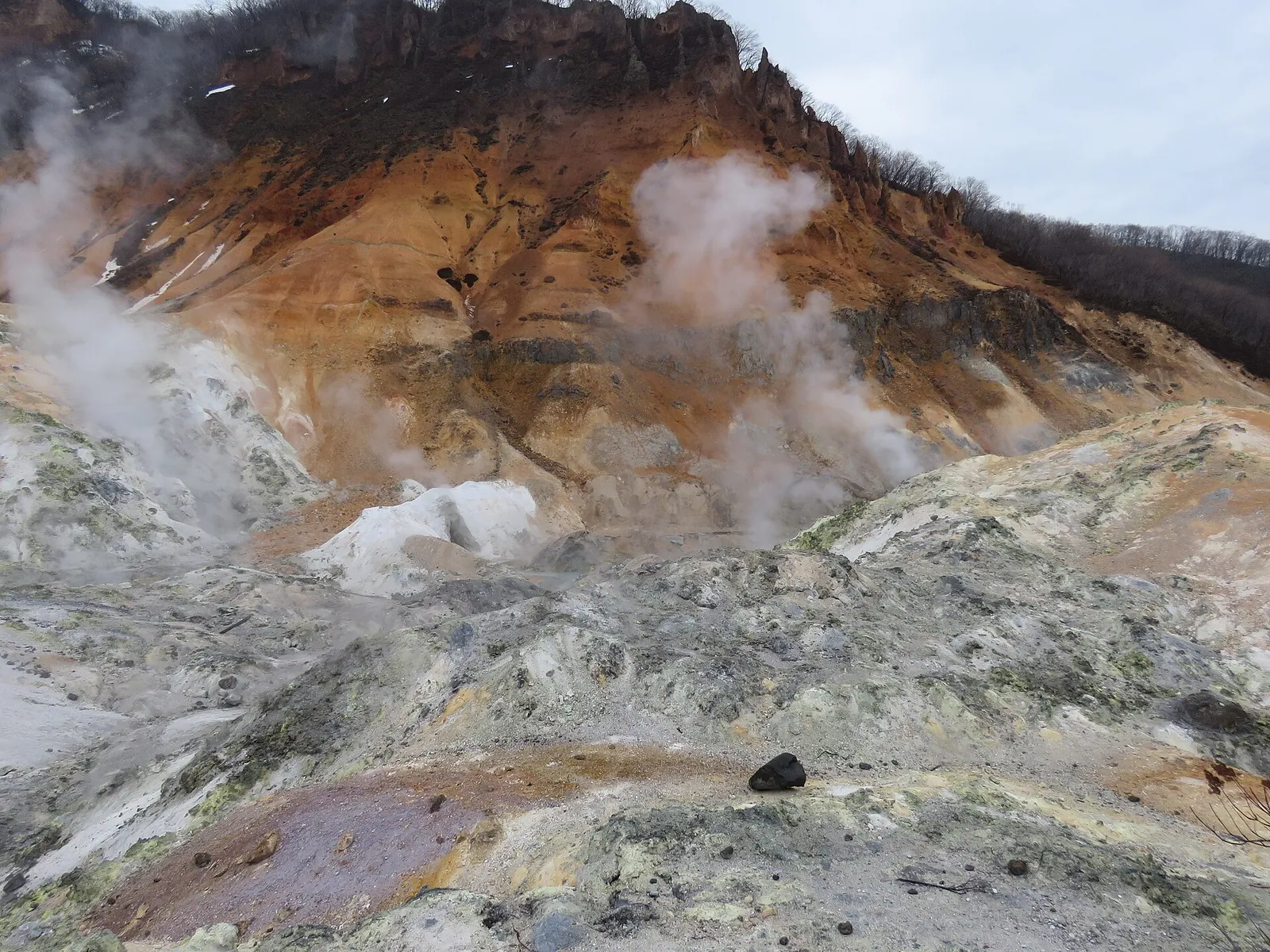
Start on foot above the town. Jigokudani, Hell Valley, is an 11-hectare crater 450 metres across, left by Mt Hiyori, and about 10,000 tonnes of hot water a day rise through it and feed the inns below; a boardwalk crosses the steam and sulphur and entry is free. Keep going over the ridge to Oyunuma, a gourd-shaped crater lake about 1 km round, where sulphur springs of about 130°C boil at the bottom and the surface still reads 40 to 50°C, and to Okunoyu, where the pond's surface runs 75 to 85°C. Below Oyunuma the overflow becomes a hot river with a natural footbath beside the path, also free: take a towel. The observatory lights stay on until about 23:00, but come before sunset, when you can see the colours.
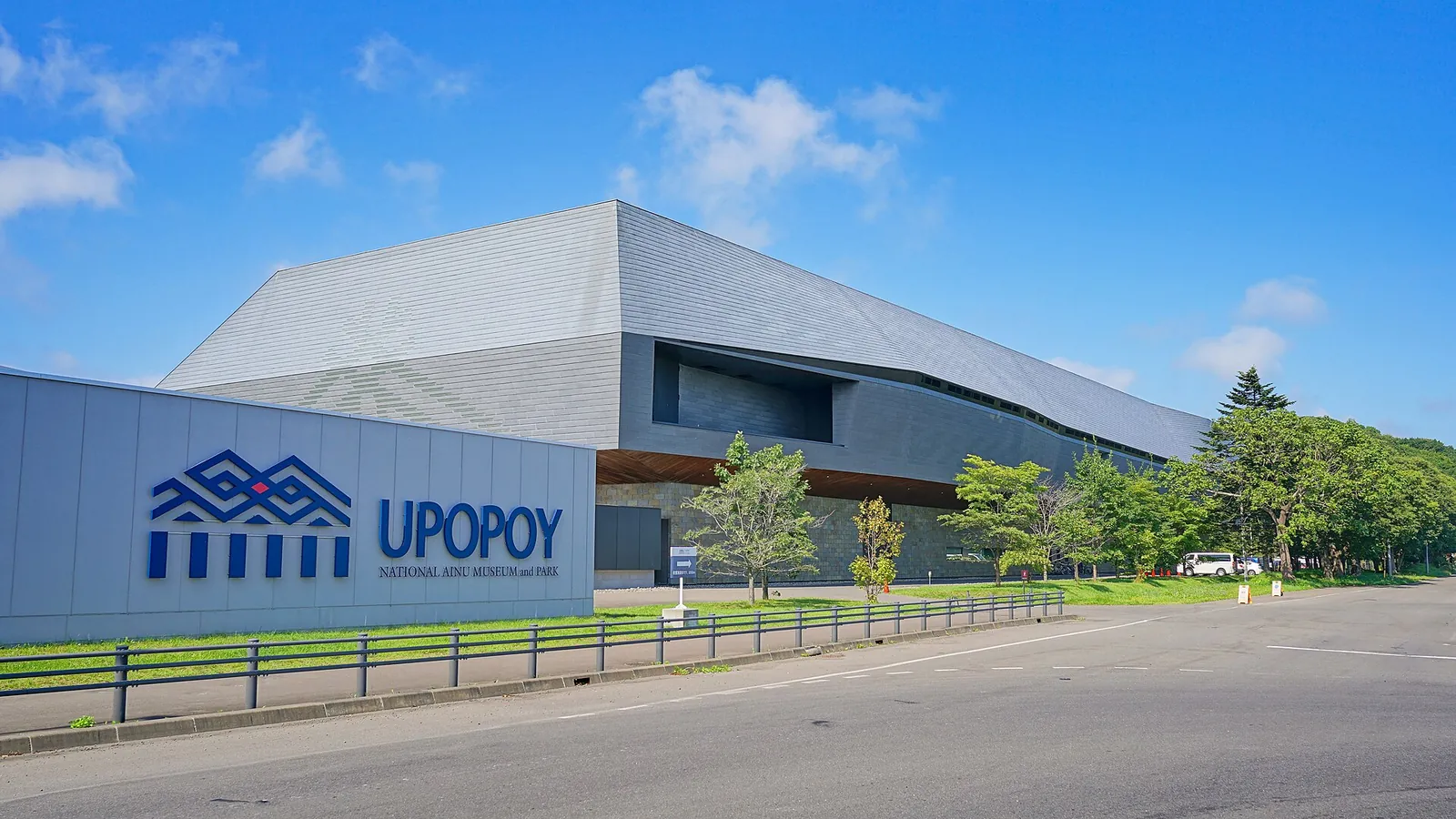
After lunch, take the bus down to Noboribetsu Station and the local train to Shiraoi, 18 minutes and ¥470, for Upopoy, the National Ainu Museum and Park, which opened on the shore of Lake Poroto in 2020 as Japan's national centre for Ainu history and culture. It is about a ten-minute, 500-metre walk from the north exit of Shiraoi Station. The museum sets out the language, the oral literature and the politics of the Ainu people in their own words; the park around it has a reconstructed kotan, a crafts studio and more than twenty kinds of daily performance and workshop. Adults pay ¥1,200, high-school students ¥600 and anyone 15 or under goes free. Hours are 09:00–17:00 to 31 March 2027, with last entry an hour before closing and last entry to the museum half an hour before closing. It closes on Mondays, from 28 December to 4 January and from 27 February to 8 March, so fix the week's dates around a day 6 that avoids them.
Back in Noboribetsu, if your inn's baths are not enough, other hotels take day visitors: ¥550 at Yumoto Sagiriyu, ¥1,200 at Sekisuitei, ¥1,500 at the Noboribetsu Grand Hotel between 12:30 and 16:00 and ¥2,500 at Dai-ichi Takimotokan, which takes day guests 09:00–21:00 with reception until 18:00.
Day 7 is the easy one. Donan Bus's reservation-only Express Noboribetsu Onsen Airport-go coach reaches New Chitose Airport in 1 hour 15 minutes for ¥1,900 to ¥2,400, and takes bookings until 120 minutes before departure. By rail it is the ¥450 bus down to Noboribetsu Station, 40 minutes on the Ltd Exp Hokuto to Minami-Chitose and three minutes on the Rapid Airport.
What to eat and where to look
Sapporo miso ramen
The bowl that made Hokkaido's ramen famous: firm, medium-thick wavy noodles in a thick pork or chicken-bone broth with miso, topped with stir-fried vegetables. Hokkaido's official tourism site traces today's version to Aji no Sanpei, whose miso ramen set off a national craze, and notes that Hokkaido's ramen is registered as a Hokkaido Heritage item.
- Where to look
- The ramen alleys of Susukino in Sapporo; our Sapporo guide names the shops the city's tourism site features.
- Fit it into your day
- Supper on night 1, after the Mt Moiwa night view.
Broths are usually pork-based, the noodles contain wheat and miso is made from soy.
Soup curry
A Sapporo invention: a thin, spiced broth with large pieces of Hokkaido vegetables and chicken or seafood, with the rice served separately to dip into it. Hokkaido's tourism site dates it to 1971, when the cafe Ajanta sold it as medicinal curry, and counts more than 200 specialist shops in Sapporo alone. You choose the spice level, so it suits people who dislike heat as well as those who want it.
- Where to look
- Specialist shops across central Sapporo; one the city's tourism site picks, Okushiba Shoten, has a branch in the basement of the Hokuren building near Sapporo Station.
- Fit it into your day
- Dinner on night 2, back from Otaru.
Broths range from shrimp to pork bone, so ask if you avoid shellfish or pork, and start at a low spice level.
Asahikawa shoyu ramen
The third of Hokkaido's big three ramen styles, with Sapporo's miso and Hakodate's salt. The standard broth combines pork and seafood, often with dried sardines and kelp, and Asahikawa shops float a layer of hot lard on top to keep the soup hot in a city where winter days stay below freezing.
- Where to look
- Asahikawa Ramen Village, where several of the city's best-known shops gather in one place on the road to Asahiyama Zoo and the airport, or the ramen shops of central Asahikawa.
- Fit it into your day
- Lunch or dinner on day 3, the zoo day.
Pork and seafood in the same broth, and wheat noodles.
Kaisendon (seafood rice bowl)
A bowl of rice under sashimi cut that morning: scallops, salmon, salmon roe, squid, crab and sweet shrimp, in portions that Hokkaido's tourism site says almost fall off the bowl. Some market restaurants let you pick the toppings yourself. Hokkaido lands about 90 per cent of Japan's autumn salmon catch, and its salmon roe is at its best from September to November.
- Where to look
- Otaru's Sankaku Market, a two-minute walk from JR Otaru Station, where the restaurants open at 07:00.
- Fit it into your day
- Lunch on day 2 in Otaru.
Raw fish and shellfish; ask the price of crab before it is cut.
Furano omelette curry
Omukare, the dish Furano made its own: a curry built on local vegetables and meat, served with a folded omelette over rice, usually with a glass of local milk or wine beside it. The tourism association counts curry among the town's specialities, along with the rice, onions and carrots the farms around it grow.
- Where to look
- Natural Dining, the restaurant of the Natulux Hotel by Furano Station, which the Furano Tourism Association lists for Furano omelette curry, as it does other shops in town.
- Fit it into your day
- Dinner on night 4 in Furano.
Egg, dairy and wheat flour in the sauce; the heat is mild.
Which pass, and what to book first
This route uses JR on every day but the last. Bought one by one at JR Hokkaido's published fares, the trains for days 2 to 6 cost ¥19,110 per person: ¥1,600 for the Otaru return, ¥5,440 to Asahikawa with a reserved seat, ¥1,480 for Asahikawa–Biei–Furano, ¥9,650 on day 5 (¥4,760 from Furano through Takikawa to Sapporo, then ¥4,890 to Noboribetsu) and ¥940 for the Shiraoi return. The five-day Hokkaido Rail Pass, ¥22,000 when you buy the exchange order before you travel, costs more than that.
The cheapest way is JR Hokkaido's four-day Sapporo-Furano Area Pass, ¥11,000 pre-purchased or ¥12,000 at a station, used on days 2 to 5. Its area runs from New Chitose and Otaru through Sapporo and Takikawa to Furano, Biei and Asahikawa, so it covers Otaru, Asahikawa, the Furano Line and the Nemuro Line back to Sapporo. Add the ¥4,890 Suzuran ticket from Sapporo to Noboribetsu on day 5 and ¥940 for Shiraoi, and the week's trains after the airport cost ¥16,830. Like the Hokkaido Rail Pass it is for non-Japanese passport holders, who show the passport itself, and it includes reserved seats in ordinary cars; it does not cover the Sapporo subway and streetcar, the Donan Bus coaches or the zoo bus. Our Japan Rail Pass guide explains why the nationwide pass is the wrong tool for a week on one island.
The Sapporo-Furano pass is sold only at New Chitose Airport, Sapporo and Asahikawa stations, and the ticket machines with passport readers at New Chitose Airport and Sapporo stations also issue passes bought in advance. Then book in this order:
- The Noboribetsu Grand Hotel for nights 5 and 6, and the Furano room for night 4 if you travel in July.
- Rooms for Snow Festival week in early February, before anything else on a February trip.
- The Biei View Bus, which takes online bookings until 17:00 four days before.
- Reserved seats on the day 3 and day 5 limited expresses, the legs where a missed seat costs you the afternoon.
- The day 7 airport coach, or the Express Onsen-go coach if you use it on day 5.
What the week costs, all in
| Seven days, two adults sharing | Per person | For two |
|---|---|---|
| Everything on the ground | ¥147,000 | ¥295,000 |
| London return, economy | ¥210,000–273,000 | ¥420,000–546,000 |
| Total with the flight | ¥357,000–420,000 | ¥715,000–841,000 |
The budget covers two adults sharing one twin or double in the four hotels this guide names for six nights in mid-September, when the View Bus and every line are running and the zoo is still on summer hours, with the Sapporo-Furano Area Pass, three meals and drinks a day, the Noboribetsu dinners and breakfasts, every bus and every admission on the route, a data SIM each and a 10% reserve. Prices were checked on 26 October 2026. The figures below are for two. Mid-July rooms in Furano cost more than this; Snow Festival week costs more in Sapporo.
Rooms, about ¥118,000 for two. Per room per night: about ¥16,000 at Hotel Gracery Sapporo for two nights, about ¥14,000 at JR Inn Asahikawa and about ¥16,000 at Natulux Hotel in Furano; at the Noboribetsu Grand Hotel, about ¥26,000 a night for the room, or ¥13,000 each, with dinner and breakfast, for two nights. Hotels add accommodation tax to the bill, about ¥4,000 for two over the week: since 1 April 2026 Sapporo has charged the combined Sapporo and Hokkaido accommodation tax, ¥300 per guest per night for rates under ¥20,000, ¥400 up to ¥50,000 and ¥1,000 above that; Asahikawa and Furano charge a combined city and Hokkaido tax too; and at Noboribetsu, Hokkaido's ¥100 comes with the town's ¥300 bath tax. All four hotels price by date on their booking pages, so these are estimates on the Japan National Tourism Organization's bands of about ¥10,000 a night and up for a mid-range double and about ¥10,000 per person and up for a ryokan with two meals.
Food, about ¥70,000 for two. About ¥6,000 a day each for three meals and drinks, the mid-range figure our Japan trip cost guide builds from published menus, with the two Noboribetsu dinners and breakfasts taken out.
Getting around, about ¥63,000 for two. Two Sapporo-Furano Area Passes (¥11,000 each); per person, the ¥1,230 airport fare on day 1, the ¥4,890 Suzuran ticket to Noboribetsu and the ¥940 Shiraoi return; the zoo bus (¥670 each way), the ¥260 Lavender bus to Nakafurano, the Biei View Bus (¥5,000 each), two hours on hired bicycles at the typical ¥600 an hour, three rides on the ¥450 bus between Noboribetsu Station and the onsen, the day 7 airport coach at ¥2,400 and about ¥4,000 for Sapporo's subway, streetcar and buses.
Sights, about ¥9,000 for two. The Mt Moiwa round trip (¥2,100 each), Asahiyama Zoo (¥1,000), Upopoy (¥1,200) and the Clock Tower (¥350). From July to September the View Bus fare includes entry to Shikisai-no-Oka, and Jigokudani, Oyunuma and the footbath cost nothing.
SIM and extras, about ¥8,000 for two. A Mobal 8-day, 10 GB data SIM each at ¥2,750, tax included, and a laundry load.
Reserve, about ¥27,000 for two. Ten per cent for a taxi in the rain, a second bath and the snacks nobody plans.
The flight. Cathay Pacific's London–Sapporo page listed return economy fares from GBP 1,015 for November 2026 and from GBP 1,019 for February 2027, so allow about GBP 1,000 to 1,300 per person, converted here at the European Central Bank's rate of 23 October 2026 (GBP 1 = ¥209.62). Japan's ¥3,000 departure tax is collected in the ticket.
Seasons: lavender, snow and what closes
Lavender is the shortest window on this route. The early flowers open in late June, Furano peaks in mid-July, the late varieties last into early August and some fields are then cut back; Farm Tomita's Lavender East field opened from 20 June to 20 July in 2026. Rooms in Furano and Nakafurano go first for those weeks.
Spring comes late. The Japan Meteorological Agency's normal full-bloom dates are 6 May in Sapporo and 7 May in Asahikawa, and in the six years to 2026 Sapporo's cherries reached full bloom between 21 and 27 April. A Golden Week trip can catch blossom here long after Kyoto has finished; our best time to visit Japan guide sets Hokkaido against the rest of the country.
Autumn is the quiet season for this route: the hills of Biei hold their colour through September and October, Hokkaido's salmon roe is at its best from September to November, and the zoo is on its long summer hours until 15 October.
Winter changes the week rather than ending it. Sapporo averages about 470 cm of snowfall a year, with the snow lasting from late December to March, and the city warns that what melts by day freezes again at night, so bring boots with deep treads. The Snow Festival fills Odori, Susukino and Tsudome from 4 to 11 February 2027, with a separate snow-sports park at the Premist Dome from 12 to 14 February, and Otaru's Snow Light Path runs from 6 to 13 February 2027. Asahiyama Zoo switches to 10:30–15:30 and opens late, until 20:30, from 5 to 7 February 2027. Biei's Blue Pond freezes and is covered in snow, so the association lights it from sunset to 21:00 instead. The View Bus does not run, and Furano becomes a ski resort, with lifts from late November to early May. Build slack into day 5 in winter, when Furano City warns that train times can change with the weather: JR Hokkaido neither extends nor refunds a rail pass once it has started when trains are cancelled or delayed, and does not cover extra transport or rooms. By road, the Furano Bus Lavender bus links Furano and Biei in 46 minutes, and Donan Bus's Express Onsen-go runs from Sapporo Station to Noboribetsu Onsen.
Practical questions
How many days do you need in Hokkaido?
Seven days and six nights cover this route: two nights in Sapporo with a day in Otaru, one in Asahikawa, one in Furano and two at Noboribetsu Onsen, leaving on day 7. Two weeks would add the east of the island, which is a different trip by different trains.
Can you travel Hokkaido without a car?
Yes, for this route. JR reaches Otaru, Asahikawa, Biei, Furano, Noboribetsu and Shiraoi, and buses cover the last stretches: about 40 minutes to Asahiyama Zoo for ¥670, the summer Biei View Bus to the Blue Pond and Shirahige Falls from ¥5,000 or Dohoku Bus's daily route bus, and ¥450 up to Noboribetsu Onsen. Hired bicycles do the hills of Biei.
Which rail pass is best for a week in Hokkaido?
On this route, JR Hokkaido's four-day Sapporo-Furano Area Pass at ¥11,000 pre-purchased, used on days 2 to 5, plus single tickets to Noboribetsu and Shiraoi: ¥16,830 per person in all, against ¥19,110 in single tickets and ¥22,000 for the five-day Hokkaido Rail Pass. Neither pass covers buses, the subway or the streetcar.
When is the lavender in Furano?
The early flowers open in late June, the peak is mid-July and the late varieties last into early August, after which some fields are cut back. Farm Tomita's Lavender East field was open from 20 June to 20 July in 2026.
How much does a week in Hokkaido cost?
About ¥147,000 per person, or ¥295,000 for two sharing, for everything on the ground in mid-September: rooms, every meal, the rail pass, buses, admissions, a SIM and a 10% reserve. A London return adds about GBP 1,000 to 1,300 each.
Is Hokkaido worth visiting in winter without skiing?
Yes. The Snow Festival in Sapporo and Otaru's Snow Light Path both fall in February, Noboribetsu's steam is at its best in the cold, and Biei's Blue Pond is lit instead of blue. Expect winter hours at Asahiyama Zoo, icy pavements and no View Bus.
Keep planning your trip
Sapporo
How many nights Sapporo needs, whether to sleep by the station, Odori or Susukino, the 2027 Snow Festival, Otaru by train and the onward trip to Niseko.
Read the guide
Niseko
How long to ski Niseko, whether to stay in Hirafu, Niseko Village, Annupuri or Kutchan, 2026–27 pass prices, airport buses and the backcountry rules.
Read the guide
Japan trip cost 2027
What 10 days in Tokyo, Hakone, Kyoto, Hiroshima and Osaka cost in April 2027, all in: about JPY 174,000 per person on a budget, 270,000 mid-range or 515,000 in comfort.
Read the guide
Japan Rail Pass
Whether the 7-day Japan Rail Pass pays for your route, worked out with official fares, plus Nozomi rules, regional JR passes, smartEX and how to use the pass.
Read the guide
Best time to visit Japan
Pick your month for Japan: blossom, autumn colour, the June rains, summer heat, typhoons and holidays to avoid, such as Golden Week (29 April and 1–5 May 2027).
Read the guide
First trip to Japan
How to shape two weeks in Japan, what to settle before you fly (entry, Visit Japan Web, cash, data, insurance) and which trains, tickets and rooms to book.
Read the guideSources and checks before you travel
(73)
- JR Hokkaido: Rapid Airport (Japanese) ↗ — opens in a new tab
- JR Hokkaido: main fares after the 1 April 2025 revision (PDF, Japanese) ↗ — opens in a new tab
- JR Hokkaido: limited-express fares and charges (PDF, Japanese) ↗ — opens in a new tab
- JR Hokkaido: Hokkaido Rail Pass and area passes ↗ — opens in a new tab
- JR Hokkaido: recommended routes (10 days) ↗ — opens in a new tab
- JR Hokkaido: recommended routes (Sapporo–Noboribetsu, 4 days) ↗ — opens in a new tab
- JR Hokkaido: recommended routes (Furano and Biei, 4 days) ↗ — opens in a new tab
- Otaru Tourism Association: access ↗ — opens in a new tab
- Otaru Tourism Association: winter events ↗ — opens in a new tab
- Welcome to Sapporo (Sapporo Tourist Association): accommodation tax notice ↗ — opens in a new tab
- Welcome to Sapporo: winter in Sapporo ↗ — opens in a new tab
- Sapporo Mt Moiwa Ropeway: hours and fares (Japanese) ↗ — opens in a new tab
- Sapporo Clock Tower: visitor information (Japanese) ↗ — opens in a new tab
- Sapporo Snow Festival: outline of the 2027 festival (77th) (Japanese) ↗ — opens in a new tab
- Asahikawa City: Asahiyama Zoo seasons, admission and tickets (Japanese) ↗ — opens in a new tab
- Asahikawa City: Asahiyama Zoo opening calendar (Japanese) ↗ — opens in a new tab
- Asahikawa City: Asahiyama Zoo admission change (Japanese) ↗ — opens in a new tab
- Asahikawa City: Asahiyama Zoo access (Japanese) ↗ — opens in a new tab
- Asahikawa City: Asahiyama Zoo summer opening notice (Japanese) ↗ — opens in a new tab
- Biei Tourism Association: Shirogane Blue Pond ↗ — opens in a new tab
- Biei Tourism Association: access ↗ — opens in a new tab
- Furano Tourism Association: access ↗ — opens in a new tab
- Furano Tourism Association: flowers and dining ↗ — opens in a new tab
- Furano Tourism Association: Furano the ski town ↗ — opens in a new tab
- Farm Tomita: opening hours and access ↗ — opens in a new tab
- Donan Bus: Noboribetsu Onsen–Noboribetsu Station route ↗ — opens in a new tab
- Donan Bus: Express Noboribetsu Onsen Airport-go ↗ — opens in a new tab
- Donan Bus: Express Onsen-go ↗ — opens in a new tab
- Noboribetsu International Tourism and Convention Association: access ↗ — opens in a new tab
- Noboribetsu International Tourism and Convention Association: Jigokudani ↗ — opens in a new tab
- Noboribetsu International Tourism and Convention Association: Oyunuma and the footbath ↗ — opens in a new tab
- Noboribetsu International Tourism and Convention Association: day-trip onsen ↗ — opens in a new tab
- Noboribetsu City: bath tax (Japanese) ↗ — opens in a new tab
- Hokkaido Prefecture: accommodation tax and the municipal rate table (Japanese) ↗ — opens in a new tab
- Upopoy National Ainu Museum and Park: visitor information ↗ — opens in a new tab
- HOKKAIDO LOVE! (Hokkaido official tourism site): Hokkaido's ramen ↗ — opens in a new tab
- HOKKAIDO LOVE!: Hokkaido's local soul food ↗ — opens in a new tab
- HOKKAIDO LOVE!: Hokkaido seafood ↗ — opens in a new tab
- Japan Meteorological Agency: cherry full-bloom dates 2021–2026 (Japanese) ↗ — opens in a new tab
- Japan National Tourism Organization: Japan on a budget ↗ — opens in a new tab
- Mobal: Japan Tourist SIM ↗ — opens in a new tab
- Cathay Pacific: flights from London to Sapporo ↗ — opens in a new tab
- European Central Bank: euro reference rates ↗ — opens in a new tab
- National Tax Agency: international tourist tax ↗ — opens in a new tab
- Welcome to Sapporo: Odori Park ↗ — opens in a new tab
- Biei Tourism Association: Biei View Bus 2026 ↗ — opens in a new tab
- Biei Tourism Association: travel by bus ↗ — opens in a new tab
- Biei Tourism Association: travel around the hills ↗ — opens in a new tab
- Biei Tourism Association: cycling in Biei ↗ — opens in a new tab
- Biei Tourism Association: FAQ ↗ — opens in a new tab
- Biei Tourism Association: Seven Stars Tree ↗ — opens in a new tab
- Biei Tourism Association: Mild Seven Hill ↗ — opens in a new tab
- JR Hokkaido: end of the Furano Biei Norokko (PDF) ↗ — opens in a new tab
- Hotel Gracery Sapporo: access ↗ — opens in a new tab
- JR Inn Asahikawa: access (Japanese) ↗ — opens in a new tab
- Natulux Hotel: access (Japanese) ↗ — opens in a new tab
- Noboribetsu International Tourism and Convention Association: Noboribetsu Grand Hotel (Japanese) ↗ — opens in a new tab
- Noboribetsu International Tourism and Convention Association: Noboribetsu Grand Hotel ↗ — opens in a new tab
- Furano City: access to Furano (Japanese) ↗ — opens in a new tab
- Furano City: Nemuro Line timetable with Sapporo connections, from 14 March 2026 (Japanese, PDF) ↗ — opens in a new tab
- Furano City: Furano Line timetable and fares, from 14 March 2026 (Japanese, PDF) ↗ — opens in a new tab
- JR Hokkaido: fare table by distance (Japanese, PDF) ↗ — opens in a new tab
- JR Hokkaido: distances between stations (Japanese, PDF) ↗ — opens in a new tab
- HOKKAIDO LOVE! (Hokkaido official tourism site): Otaru Canal ↗ — opens in a new tab
- HOKKAIDO LOVE! (Hokkaido official tourism site): Otaru Music Box Museum ↗ — opens in a new tab
- HOKKAIDO LOVE! (Hokkaido official tourism site): Asahiyama Zoo ↗ — opens in a new tab
- Otaru Tourism Association: Otaru's charms ↗ — opens in a new tab
- Farm Tomita: flower guide, Irodori field ↗ — opens in a new tab
- Farm Tomita: flower guide, Traditional Lavender Field ↗ — opens in a new tab
- Welcome to Sapporo (Sapporo Tourist Association): soup curry ↗ — opens in a new tab
- Furano Tourism Association: curry and omelette curry listings ↗ — opens in a new tab
- Furano Bus: Asahikawa Line (Lavender bus) timetable from 1 April 2026 (Japanese) ↗ — opens in a new tab
- Furano Bus: Asahikawa Line fare table from 1 October 2025 (Japanese, PDF) ↗ — opens in a new tab
Reference sources for the version dated 2 November 2026. Confirm opening times, access, transport and conditions for your travel dates.
Photo credits
(6)
The Shirogane Blue Pond at Biei, about 20 minutes by bus from Biei Station.
Photograph: AndyLeungHK — opens in a new tab · CC0 — opens in a new tab
Changes: Resized and converted to WebP; displayed with responsive crops. · Original photograph and licence details ↗ — opens in a new tab
The Otaru Canal, 32 minutes from Sapporo by JR, with the old warehouses along its far bank.
Photograph: Suicasmo — opens in a new tab · CC BY-SA 4.0 — opens in a new tab
Changes: Resized and converted to WebP; displayed with responsive crops. · Original photograph and licence details ↗ — opens in a new tab
Lavender at Farm Tomita in Nakafurano, which peaks in mid-July.
Photograph: 663highland — opens in a new tab · CC BY 2.5 — opens in a new tab
Changes: Resized and converted to WebP; displayed with responsive crops. · Original photograph and licence details ↗ — opens in a new tab
Jigokudani, the crater above Noboribetsu Onsen that feeds the inns' baths.
Photograph: Calistemon — opens in a new tab · CC BY-SA 4.0 — opens in a new tab
Changes: Resized and converted to WebP; displayed with responsive crops. · Original photograph and licence details ↗ — opens in a new tab
Upopoy, the National Ainu Museum and Park at Shiraoi, 18 minutes by train from Noboribetsu.
Photograph: 掬茶 — opens in a new tab · CC BY-SA 4.0 — opens in a new tab
Changes: Resized and converted to WebP; displayed with responsive crops. · Original photograph and licence details ↗ — opens in a new tab
Sapporo at night from Mt Moiwa, the view the ropeway is built for.
Photograph: 掬茶 — opens in a new tab · CC BY-SA 4.0 — opens in a new tab
Changes: Resized and converted to WebP; displayed with responsive crops. · Original photograph and licence details ↗ — opens in a new tab