Itineraries · Vietnam
Central Vietnam in 5 days: Hue, the Hai Van Pass, Hoi An and My Son
Central Vietnam packs two UNESCO-listed towns, a Cham temple valley and one of the country's great coastal roads into a strip of coast that one airport can serve. Da Nang's airport sits about 3 kilometres from the city centre, Hue is about two hours north by road and Hoi An about 50 minutes south, so five days is enough to see all three without a single internal flight. The trick is the order: go north to Hue first, come back south over the Hai Van Pass as a day of its own, and finish in Hoi An, close to the airport, with My Son at dawn.
- Suggested time
- 5 days (4 nights)
- Where to stay
- Hue, south bank near Le Loi Street (2 nights); edge of Hoi An Old Town (2 nights)
- Season and timing
- March to May is the safest window for the whole route: the national tourism site shows Hue at its best from February to April and calls March to May the best months in Hoi An. June and July are very hot and humid in Hue, though Da Nang sees little rain. From October the central coast turns wet: Hue's rains run from August to January with flooding usually from October, Hoi An expects rain and storms from October to January, and the Cham Islands and many Phong Nha caves become hard or impossible to reach.
The short answer
Fly into Da Nang (DAD) and go straight to Hue for two nights, ideally on the south bank near Le Loi Street. Spend day two on the Imperial City and two royal tombs. On day three, cross back south by private car over the Hai Van Pass, stopping at Lang Co for lunch and the Marble Mountains on the way, and sleep two nights on the edge of Hoi An's Old Town. Day four starts at My Son at the 06:00 opening and ends with the lanterns; day five is a slow Hoi An morning before the 50-minute ride to the airport. Add two days for Phong Nha (best outside October to December) or one for the Cham Islands (March to September only).
Why Hue first, Hoi An last
Everything on this route hangs off Da Nang International Airport. The city tourism portal puts it about 3 kilometres from the centre, with domestic flights in Terminal T1 and international ones in T2. The national tourism site puts Hue about two hours away by road and Hoi An a 50-minute drive. That geometry decides the order: do the long leg north on arrival day, when you are travelling anyway, and finish in Hoi An so that the last morning is not spent in a car.
Going north first also means you cross the Hai Van Pass only once, in daylight, on a day set aside for it rather than squeezed into an airport run. The national tourism site describes a Hoi An–Hue route over the pass, with stops at the Marble Mountains, Lang Co and Tam Giang Lagoon, as about 150 kilometres and a full day. Done in reverse from Hue, it delivers you to Hoi An by evening with the Marble Mountains as the last stop of the day.
Five days gives you four nights, split evenly. Two nights in Hue cover the Citadel, the tombs and a proper evening of Hue food. Two nights in Hoi An give you My Son at dawn, the Old Town houses and one lantern evening, plus a spare morning. If you can find a sixth day, spend it in Hoi An rather than adding a new stop.
Days 1–2: Hue, the Imperial City and two royal tombs
From Da Nang airport, the national tourism site's options for Hue are a private car or the open bus, about two hours by road, or the train. Vietnam Railways runs a Hue–Da Nang tourist service, "Connecting Central Heritage", with trains numbered HD1/2 and HD3/4 that stop at Lang Co for about ten minutes; check the timetable on the railway's own site before you rely on it, and allow for the ride from the airport to Da Nang station. Sleep on the south bank near Le Loi Street, where most of the restaurants and hotels are, or inside or beside the Citadel walls if you want to walk to the Imperial City before the heat.
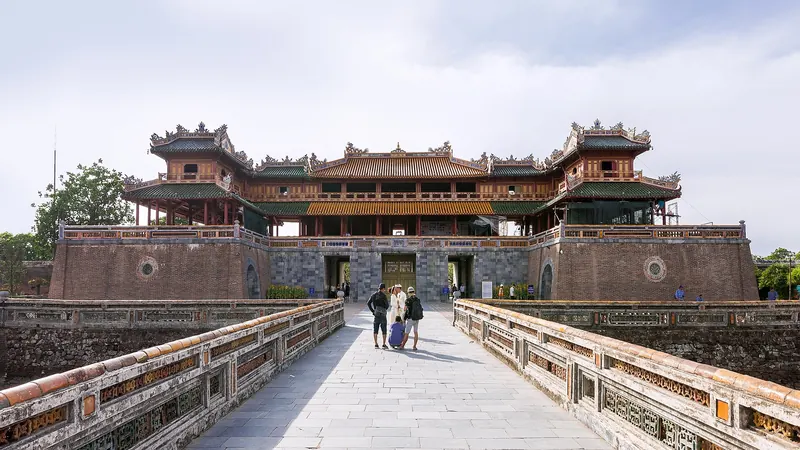
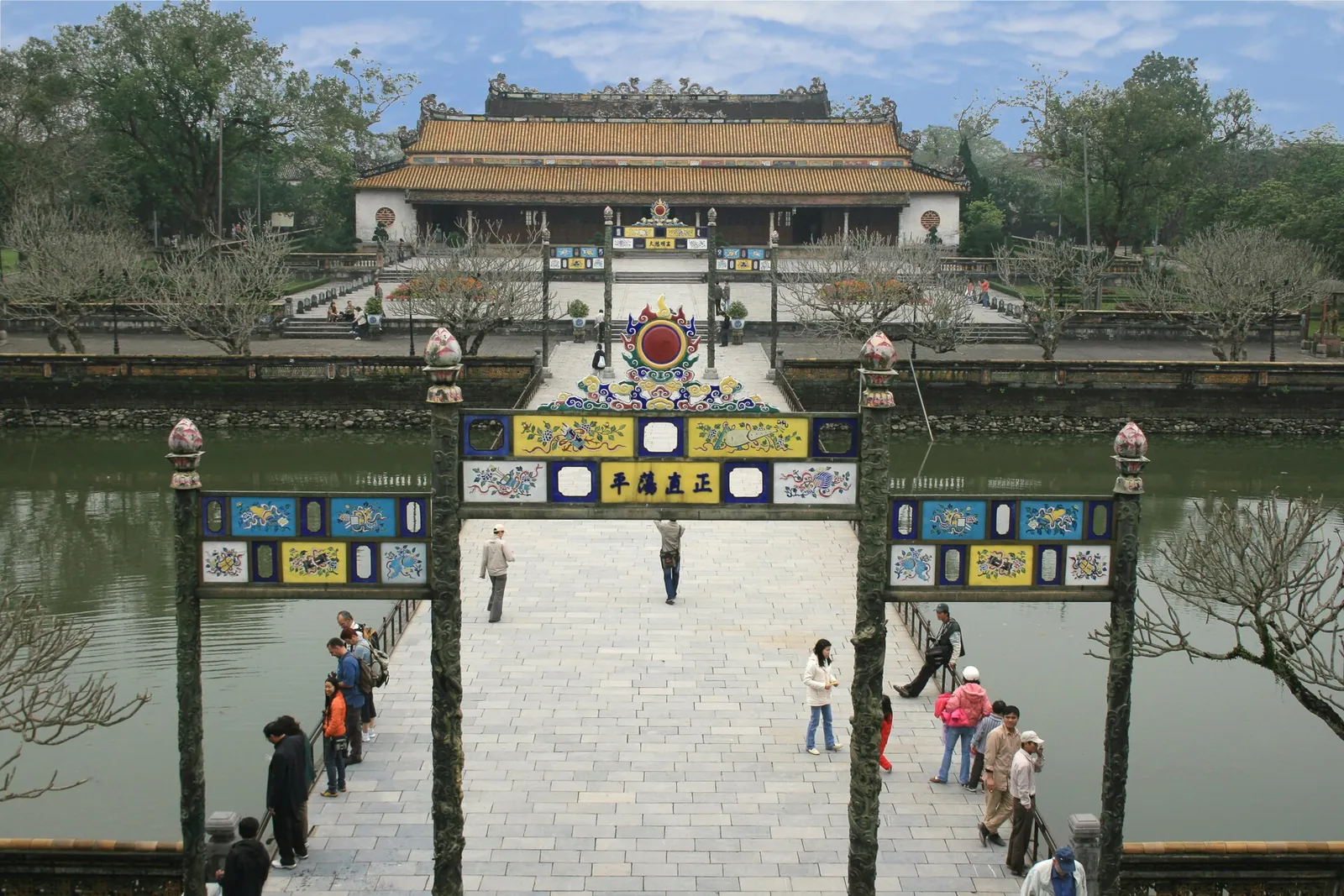
Day two is the big one. Enter the Imperial City through the Ngo Mon Gate as early as you can; the national tourism site says the visit takes around two hours and that a guide, arranged through your hotel, adds a lot. After lunch and a rest, take a car to two of the royal tombs. The tourism site's advice is to pick two or three rather than all seven: Minh Mang is large and strictly ordered, Tu Duc a landscaped poet's retreat, Khai Dinh a hillside mix of Eastern and Western styles that splits opinion.
When we checked on 2026-10-03, the Visit Hue site of the Hue tourism department listed the Imperial City at 200,000 VND for adults, and combined tickets for the Imperial City plus two of those three tombs from 420,000 VND, in a price table it said was updated in December 2023. The combined ticket is the obvious buy for this day. If you land early on day one, spend the late afternoon at Thien Mu Pagoda, which the tourism site recommends at sunset when the crowds have gone; otherwise end day two at the Ngo Mon Gate at dusk, when the square fills with kite-flyers and the gate lights come on. Our Hue guide covers the tombs and the river in more depth.
Make time for the local food
What to eat and where to look
Bun bo Hue (Hue beef noodle soup)
Rice noodles in a lemongrass and shrimp-paste broth with beef brisket and pork, from hock to cubes of congealed blood, finished with herbs and lime. The national tourism site calls it heartier than pho.
- Where to look
- Breakfast noodle shops all over Hue; look for a sign that just says bun bo.
- Fit it into your day
- Breakfast on day two, before the Imperial City.
It is a pork-heavy dish despite the name; ask to leave out the blood cubes if you prefer.
Banh beo, banh nam and banh bot loc (Hue steamed cakes)
Hue's small court-style cakes: banh beo are coin-sized rice cakes steamed in saucers and topped with dried shrimp, pork crackling and scallion oil; banh nam are flat rice dumplings with shrimp steamed in banana leaf; banh bot loc are chewy tapioca dumplings.
- Where to look
- Specialist cake shops and family eateries in Hue, often ordered as a mixed tray.
- Fit it into your day
- Lunch on day two between the Imperial City and the tombs, shared rather than one plate each.
Most are dressed with fish sauce and contain shrimp or pork.
Seafood at Lang Co
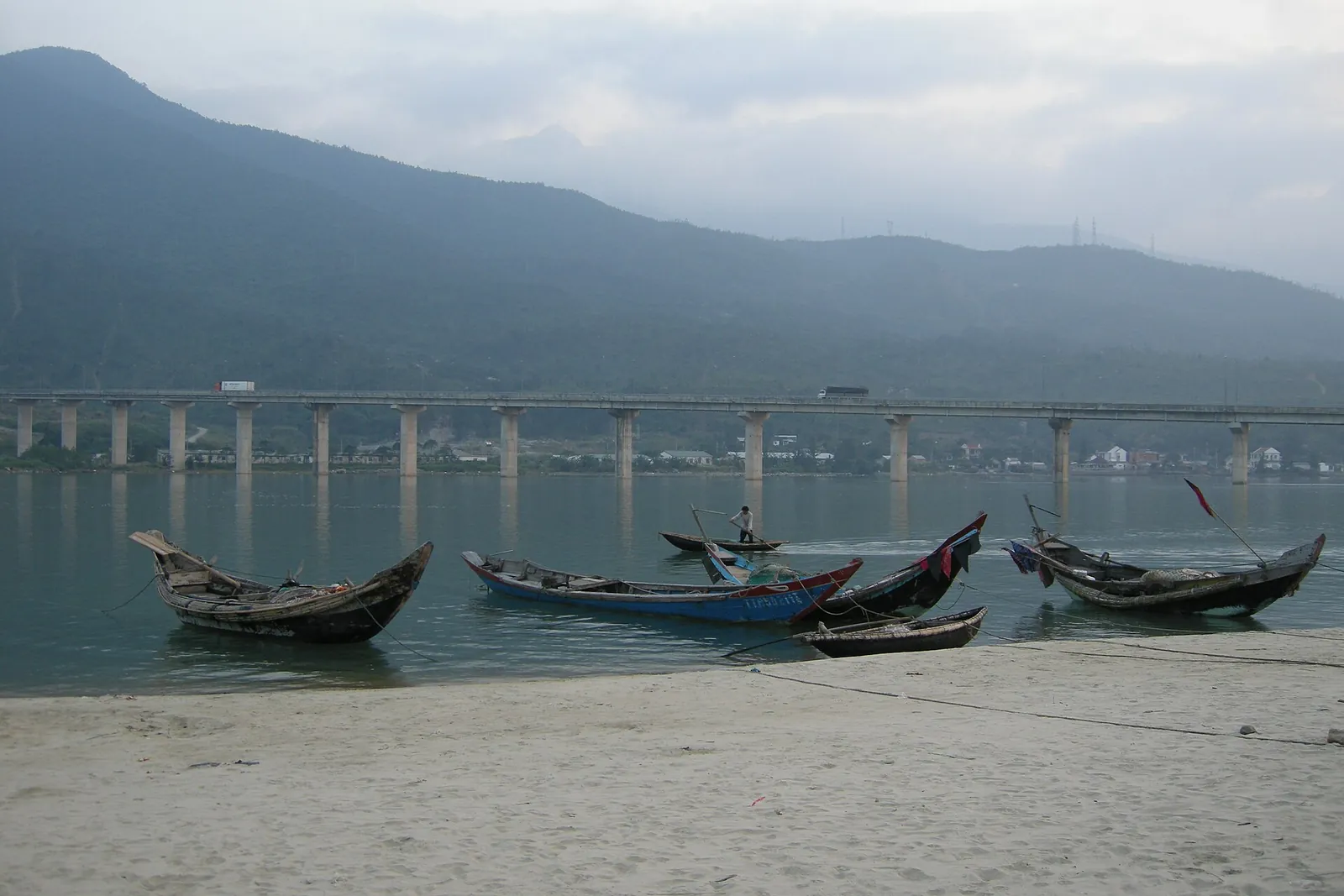
The lagoon at the foot of the Hai Van Pass is the national tourism site's suggested lunch stop on the drive between Hue and Hoi An, with restaurants set out over the water.
- Where to look
- Lagoon-side restaurants along the road around Lang Co.
- Fit it into your day
- Lunch on day three, before the climb over the pass.
Seafood is often sold by weight; agree the price and weight before it is cooked.
Cao lau
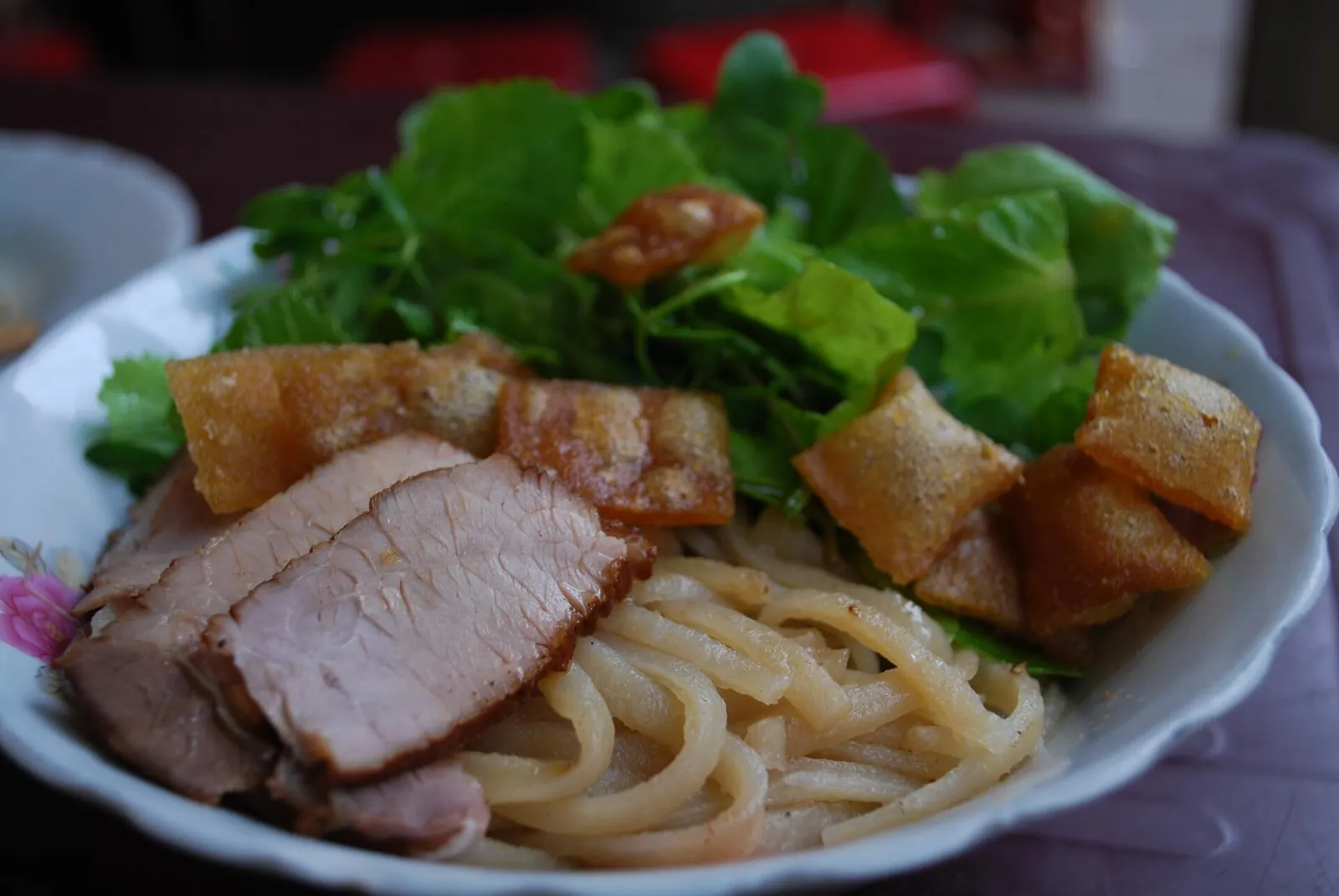
Thick, chewy noodles with slices of pork, crisp crackers and herbs over a little sauce rather than a soup. The Hoi An heritage centre and the national tourism site both name it among the town's best-known dishes.
- Where to look
- Market stalls and family restaurants in and around Hoi An's Old Town.
- Fit it into your day
- Lunch on day four after My Son, or a last meal on day five.
Contains pork; there is little broth, so do not expect a soup.
Mi Quang
Wide rice noodles with pork, shrimp, quail eggs, peanuts and herbs, served with only a ladle of broth and a rice cracker to break over the top. The national tourism site calls it Da Nang's must-try dish, and it is just as common in Hoi An.
- Where to look
- Breakfast and lunch shops in Hoi An and Da Nang; roadside eateries on the way back from My Son.
- Fit it into your day
- Breakfast on day four before or after My Son, or lunch on day five on the way to the airport.
Peanuts and shrimp are standard toppings; say so if you have an allergy.
Day 3: over the Hai Van Pass to Hoi An
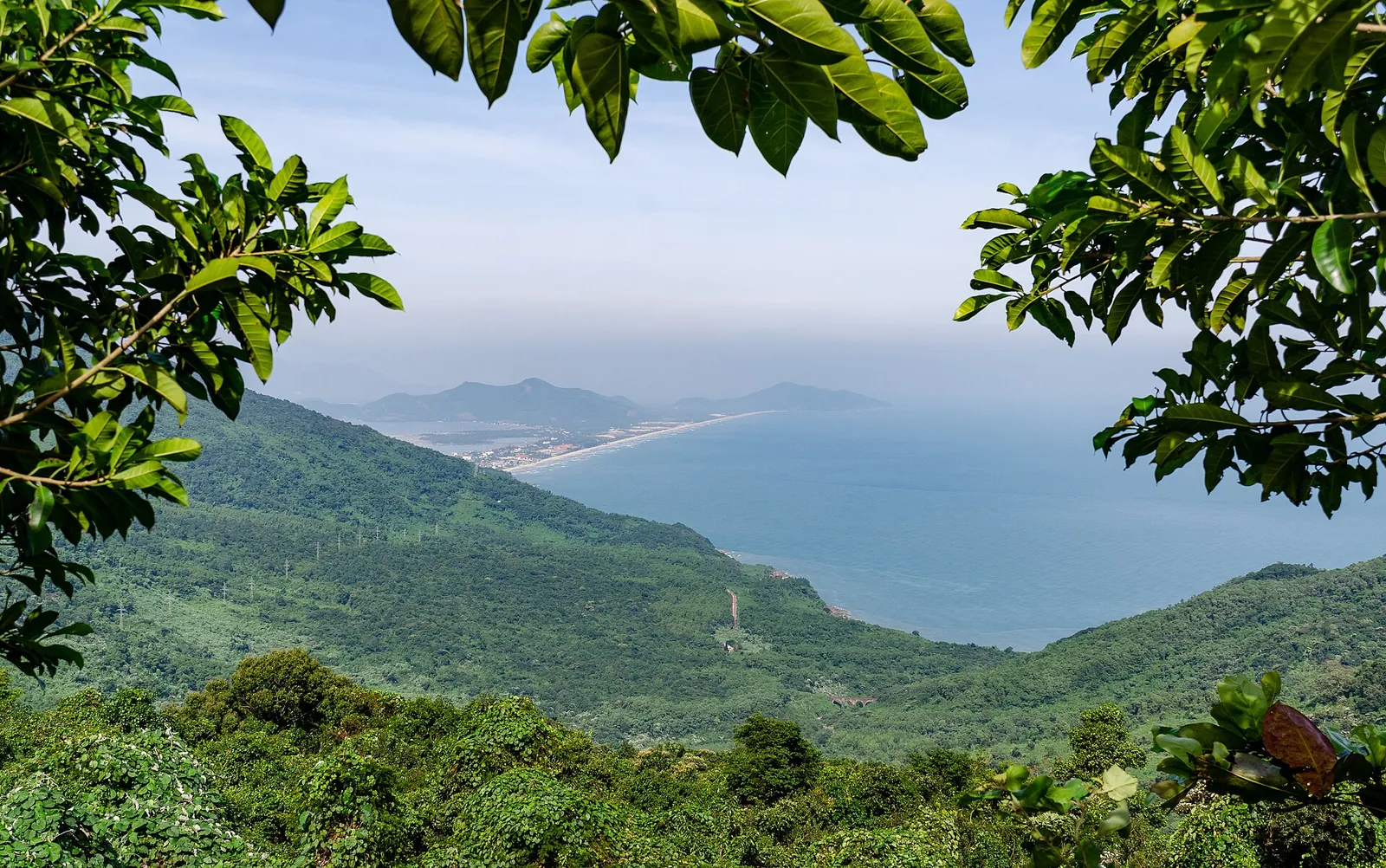
Book a private car with a driver for this day; it is the only practical way to stop where you want. The Da Nang tourism portal notes that cars can take the 6.2-kilometre Hai Van Tunnel instead and advises asking your driver to take the pass road for the views; agree that and the stops in advance. The national tourism site describes the pass itself as only about 20 kilometres, with jungle-covered mountains dropping into the sea and the remains of a Nguyen-dynasty lookout post at the top. The Da Nang tourism portal says the views over Da Nang Bay, Son Tra and Lang Co are best on clear days, so on a day of low cloud, keep the stop at the top short and spend the time at the lagoon instead.
Coming from Hue, Lang Co is at the foot of the pass on the Hue side, and the tourism site recommends it for a seafood lunch at a restaurant out on the lagoon. Time lunch there before the climb. On the Da Nang side, the road runs down past the city to the Marble Mountains, about 8 kilometres south-east of the centre according to the city portal and right on the way to Hoi An. When we checked on 2026-10-03, the city portal listed adult tickets for Thuy Son, the mountain to climb, at 40,000 VND with a separate lift ticket, and the national tourism site gave opening hours of 7:00 to 17:30 and suggested allowing at least two hours. Arrive by mid-afternoon or skip it rather than rushing the steps.
Riding the pass by motorbike is popular and the tourism site's own route is written for it, but only do it if you are experienced on Vietnamese roads and mountain bends; on a five-day trip, an accident or a breakdown costs you the rest of the route. If you prefer the train, the HD heritage trains run the coast between Hue and Da Nang with a stop at Lang Co, and you continue to Hoi An by taxi.
Day 4: My Son at opening time, Hoi An by lantern light
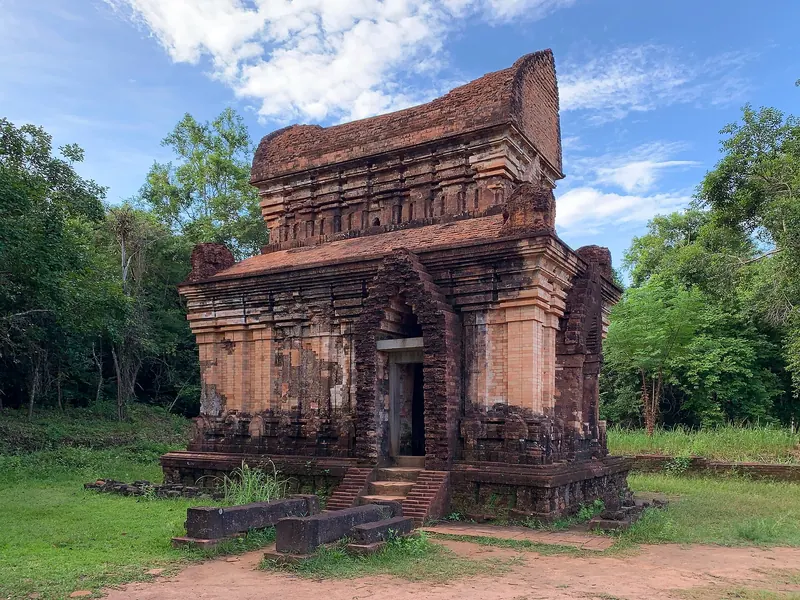
My Son Sanctuary, the valley of Cham brick temples, is about 45 kilometres from Hoi An according to the site's management board. When we checked on 2026-10-03, the board's hours page listed opening every day from 06:00 to 17:00, and its visitor guide listed admission at 150,000 VND for international visitors, including the electric buggy into the monument zone, the site museum and the Cham folk performances. Guides are sold separately at the buggy stop. Leave Hoi An by private car or with an early tour, be there close to 06:00, and you will have the main tower groups in cool morning light and be back in Hoi An before the midday heat.
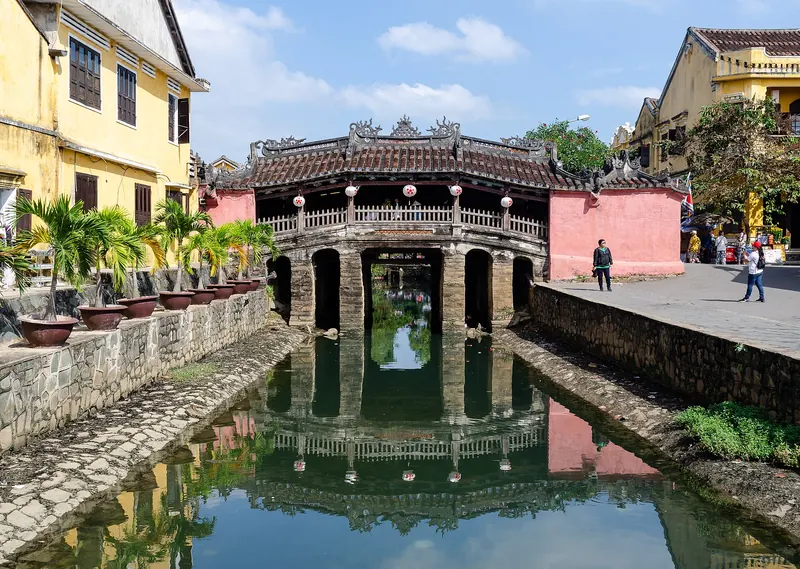
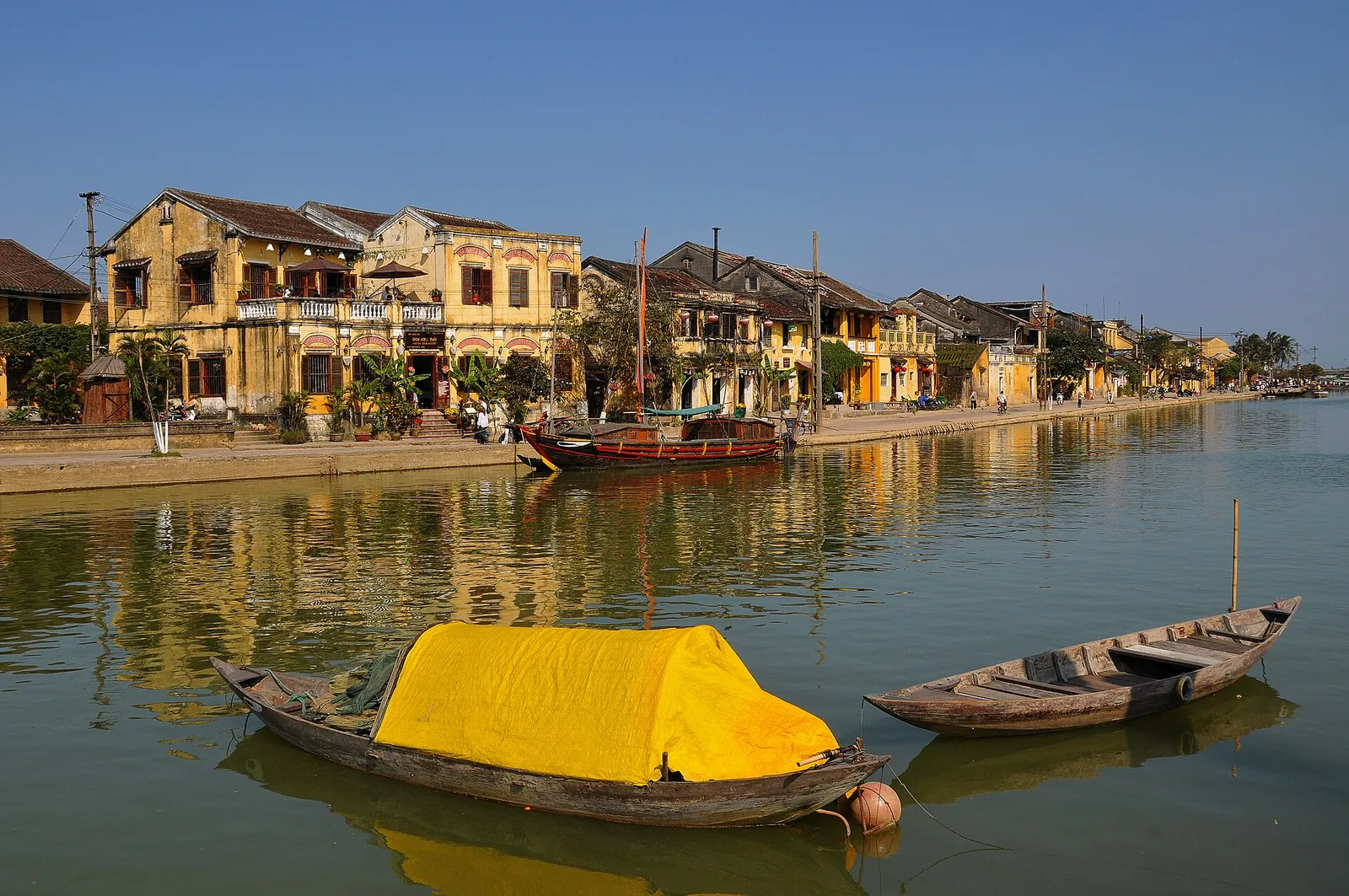
After lunch and a rest, use the afternoon for the Old Town. When we checked on 2026-10-03, the Hoi An World Heritage Conservation Centre's ticket page (posted in 2023) listed a 120,000 VND ticket covering the general Old Town area, either the Japanese Covered Bridge or the Quan Cong Temple, a museum of your choice and three other heritage buildings, with an 80,000 VND version that leaves out the museum and has one building fewer. Keep the stub: the centre asks visitors to hold on to it for going in and out of the Old Town. Choose houses that explain the town, such as Tan Ky House with its One Hundred Birds lacquered board, which the national tourism site singles out, rather than whichever door is nearest.
Stay for dusk. The same page listed the Old Town's walking-street hours, closed to motor traffic, as 09:00 to 21:30 in summer and 09:00 to 21:00 in winter. If your dates fall on the 14th night of the lunar month, the town holds its Old Town Night, with candles and lanterns in place of electric light and folk performances in the streets; it is the most atmospheric evening and the busiest.
Day 5: a slow Hoi An morning and the airport
Keep the last morning light. The national tourism site suggests cycling out of town towards Cam Thanh and Cam Chau past vegetable gardens and rice paddies, and An Bang beach is about 10 minutes from the Ancient Town by car. Alternatively, walk the Old Town at dawn, before the houses open and the tour groups arrive, and have a last bowl of cao lau. If you ordered clothes from a tailor when you arrived, this is the morning for the final fitting.
Allow the 50 minutes the tourism site gives for the drive to Da Nang airport, plus time for traffic and check-in. With an evening flight, stop at the Museum of Cham Sculpture on the Han River in Da Nang, which holds many of the carvings found at My Son: when we checked on 2026-10-03, the city portal listed opening from 07:30 to 11:00 and 13:00 to 17:00, closed on Mondays, at 60,000 VND.
The five days at a glance
This is an editorial suggestion, not a timetable. Check opening times, train times and the weather before each move.
- Day 1 — Da Nang to Hue: land at DAD, about two hours by car to Hue (or the train from Da Nang station), Thien Mu Pagoda at sunset if you arrive in time, dinner on the south bank. Night: Hue.
- Day 2 — Imperial City and tombs: the Imperial City from early morning with a guide, lunch and a rest, two royal tombs by car in the afternoon, the Ngo Mon Gate at dusk. Night: Hue.
- Day 3 — The Hai Van Pass: private car south, lunch at Lang Co, the lookout at the top of the pass, the Marble Mountains in the afternoon, evening in Hoi An. Night: Hoi An.
- Day 4 — My Son and the Old Town: My Son at 06:00, back for lunch, heritage houses in the afternoon, lanterns by the river after dark. Night: Hoi An.
- Day 5 — Hoi An to the airport: a bicycle ride or a dawn walk, a last lunch, then about 50 minutes to Da Nang airport.
Adding Phong Nha or the Cham Islands, and the October problem
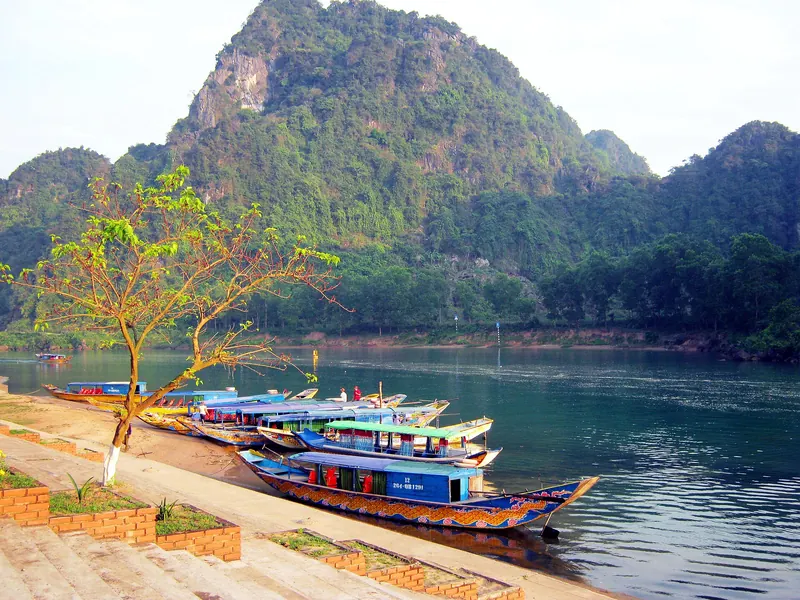
With two more days, Phong Nha fits before Hue. The national tourism site lists daily open buses to Phong Nha from Hue and Da Nang, and Dong Hoi, about 45 kilometres from the caves, is a stop on the north–south railway. But the same site warns that many of Phong Nha's caves are inaccessible in the rainy season from October to December and that the area is prone to flooding, so this add-on belongs to the dry months. Our Phong Nha guide explains which caves you can see in a day.
The Cham Islands, about 15 kilometres off Hoi An, are a day trip by speedboat from Cua Dai pier, which the national tourism site puts at roughly 25 minutes. The same site says the islands are virtually inaccessible from October to February because of rough seas, and calm from March to September. Add the day only in that window, give it its own date rather than the morning of your flight, and keep the day after on the mainland in case the boats stop.
From October to January, plan the core route with flexibility. Hue often floods from October onwards, according to the national tourism site, and Hoi An expects rain and storms in the same months; Da Nang's long rains run from November to February. Keep the Hai Van Pass day movable, check the weather the evening before, and if a storm is forecast, swap the pass for the train and spend the extra time under a roof in Hoi An.
Practical questions
Which airport should I fly into for central Vietnam?
Da Nang (DAD). It has domestic flights from Vietnam's main cities and international connections, it sits about 3 km from Da Nang's centre, and both Hue (about two hours by road) and Hoi An (about 50 minutes) are within reach. Hue's own Phu Bai airport has domestic flights from Hanoi and Ho Chi Minh City, which helps only if you are already in Vietnam.
Should I start in Hue or in Hoi An?
Start in Hue. You do the two-hour transfer on arrival day, cross the Hai Van Pass once on a day of its own, and end in Hoi An, 50 minutes from the airport, so the last morning is relaxed.
Is five days enough for Hue, Hoi An and My Son?
Yes, if you keep it to two bases and four nights. Hue gets one full day plus an evening, Hoi An a full day plus a morning, and My Son fits into an early half day from Hoi An. Phong Nha or the Cham Islands need extra days.
Car, motorbike or train over the Hai Van Pass?
A private car with a driver is the best fit: you can stop at Lang Co, the top of the pass and the Marble Mountains. The HD heritage trains between Hue and Da Nang run the coast and stop at Lang Co for about ten minutes, but you miss the summit. Ride a motorbike only if you are experienced on Vietnamese mountain roads.
Can I do this route in October or November?
Yes, but plan for rain. The national tourism site says Hue often floods from October and Hoi An expects rain and storms from October to January. Keep the pass day flexible, use the train if the weather turns, and drop the Cham Islands and Phong Nha caves, which are largely closed or inaccessible in those months.
Do I need a tour for My Son?
No. A private car from Hoi An or an early tour both work; the site is about 45 km from Hoi An. Your ticket includes the buggy to the monuments, the museum and the Cham performances, and a guide can be hired at the buggy stop.
Sources and checks before you travel
Reference sources for the version dated 3 October 2026. Confirm opening times, access, transport and conditions for your travel dates.
- Vietnam National Authority of Tourism: Hue ↗ — opens in a new tab
- Vietnam National Authority of Tourism: Hue itinerary ↗ — opens in a new tab
- Visit Hue (Hue Department of Culture, Sports and Tourism): monument ticket prices ↗ — opens in a new tab
- Vietnam National Authority of Tourism: motorbiking Hoi An to Hue over the Hai Van Pass ↗ — opens in a new tab
- Vietnam National Authority of Tourism: Vietnam's railway journey ↗ — opens in a new tab
- Da Nang Fantasticity (city tourism portal): Hai Van Pass ↗ — opens in a new tab
- Da Nang Fantasticity: Marble Mountains ↗ — opens in a new tab
- Vietnam National Authority of Tourism: around the Marble Mountains ↗ — opens in a new tab
- My Son Sanctuary Management Board: opening hours and performances ↗ — opens in a new tab
- My Son Sanctuary Management Board: visitor guide ↗ — opens in a new tab
- My Son Sanctuary Management Board: about the site ↗ — opens in a new tab
- Hoi An World Heritage Conservation Centre: visitor information ↗ — opens in a new tab
- Vietnam National Authority of Tourism: Hoi An ↗ — opens in a new tab
- Vietnam National Authority of Tourism: top things to do in Hoi An ↗ — opens in a new tab
- Da Nang Fantasticity: arriving at Da Nang International Airport ↗ — opens in a new tab
- Vietnam National Authority of Tourism: Da Nang ↗ — opens in a new tab
- Da Nang Fantasticity: Museum of Cham Sculpture ↗ — opens in a new tab
- Vietnam National Authority of Tourism: complete guide to Phong Nha ↗ — opens in a new tab
- Vietnam National Authority of Tourism: Phong Nha ↗ — opens in a new tab
- Vietnam National Authority of Tourism: Cu Lao Cham ↗ — opens in a new tab
- Vietnam National Authority of Tourism: Hue's best food ↗ — opens in a new tab
- Vietnam National Authority of Tourism: how to eat like a local in Hue ↗ — opens in a new tab
- Hoi An World Heritage Conservation Centre: dishes visitors should try ↗ — opens in a new tab
- Vietnam National Authority of Tourism: the best ways to explore Hoi An's Ancient Town ↗ — opens in a new tab
- Hoi An World Heritage Conservation Centre: Old Town Night ↗ — opens in a new tab
Does this experience fit your route?
The Hai Van Pass day is the one booking that shapes this trip. Compare routes, stops and luggage terms before you choose a car.
Check dates and details on Viator ↗ — opens in a new tabAffiliate link · Book with ViatorPhoto credits
Looking north from the Hai Van Pass towards Lang Co bay, on the Hue side of the pass
Photograph: Steffen Schmitz — opens in a new tab · CC BY-SA 4.0 — opens in a new tab
Changes: Resized and converted to WebP; displayed with responsive crops. · Original photograph and licence details ↗ — opens in a new tab
The approach to Thai Hoa Palace (Palace of Supreme Harmony) inside the Imperial City in Hue
Photograph: Lưu Ly — opens in a new tab · Public domain — opens in a new tab
Changes: Resized and converted to WebP; displayed with responsive crops. · Original photograph and licence details ↗ — opens in a new tab
Hoi An's Old Town waterfront on the Thu Bon River
Photograph: Dennis G. Jarvis — opens in a new tab · CC BY-SA 2.0 — opens in a new tab
Changes: Resized and converted to WebP; displayed with responsive crops. · Original photograph and licence details ↗ — opens in a new tab
Cao lau at a stall in Hoi An Market
Photograph: avlxyz — opens in a new tab · CC BY-SA 2.0 — opens in a new tab
Changes: Resized and converted to WebP; displayed with responsive crops. · Original photograph and licence details ↗ — opens in a new tab
Fishing boats on Lang Co lagoon, at the Hue end of the Hai Van Pass
Photograph: Vyacheslav Argenberg — opens in a new tab · CC BY 4.0 — opens in a new tab
Changes: Resized and converted to WebP; displayed with responsive crops. · Original photograph and licence details ↗ — opens in a new tab