Itineraries · Vietnam
Vietnam in 10 days: Hanoi, Ha Long Bay, Hue and Hoi An with one flight
Ten days is the shortest trip that can join the north and the centre of Vietnam without turning into a string of airport transfers. The trick is to use one internal flight for the long leg and to travel overland only where the road is part of the experience. This route spends four nights around Hanoi, including one on a boat on Ha Long Bay, flies to Hue for the old imperial capital, crosses the Hai Van Pass to Hoi An and leaves from Da Nang. Ho Chi Minh City and the Mekong Delta are left out on purpose; our 14-day route adds the south.
- Suggested time
- 10 days (9 nights)
- Where to stay
- Hanoi Old Quarter (3 nights), an overnight boat on Ha Long Bay (1 night), Hue (2 nights), Hoi An (3 nights)
- Season and timing
- March to May is the best fit for the whole route: the national tourism site calls it the best weather countrywide and the best months for Hoi An, with Hue at its best from February to April. September to November is excellent in Hanoi and on Ha Long Bay but is the start of the central coast's rainy season, with floods in Hue and storms around Hoi An. June to August is hot everywhere and brings storms that can close the bay.
The short answer
Fly into Hanoi and out of Da Nang. Sleep three nights in Hanoi's Old Quarter, one on an overnight Ha Long Bay boat, two in Hue and three in or near Hoi An's Old Town. Take the cruise with its Hanoi transfer included, make the single internal flight Hanoi to Hue (Phu Bai), and give the Hue–Hoi An leg a full day by car over the Hai Van Pass, or the Hue–Da Nang heritage train plus a taxi. March to May is the one window that suits all four stops; autumn is fine in the north but brings rain and floods to Hue and Hoi An.
How the route fits together
Vietnam is long, and the national tourism board is direct about the cost of ignoring that: many travellers underestimate the distances and the state of the roads, the train from Hanoi to Ho Chi Minh City can take up to 30 hours, and 16 hours from the centre to either end is common. Its advice for travellers short on time is to take a one- or two-hour flight and spend the saved time at the destination. Ten days covers two regions well if you use exactly one flight, for the leg where the train would eat a day.
That leg is Hanoi to Hue. The tourism site notes that domestic flights from Hanoi land at Hue's Phu Bai airport, a 30-minute drive from the city. From Hue south the distances shrink: Hoi An is a full day's scenic drive over the Hai Van Pass or a short train ride to Da Nang plus a taxi, and Da Nang airport, which the tourism site lists among Vietnam's three main international gateways, is 29 kilometres from Hoi An's Ancient Town. Book an open-jaw ticket, into Hanoi and out of Da Nang, and you never retrace a kilometre.
The nine nights break down as three in Hanoi (split around the cruise), one on Ha Long Bay, two in Hue and three in Hoi An. Hoi An gets the most because it is where the trip slows down; if you need to cut a night, take it from there rather than from Hue, where two nights is already the minimum for the citadel and the tombs.
Days 1–4: Hanoi and one night on Ha Long Bay
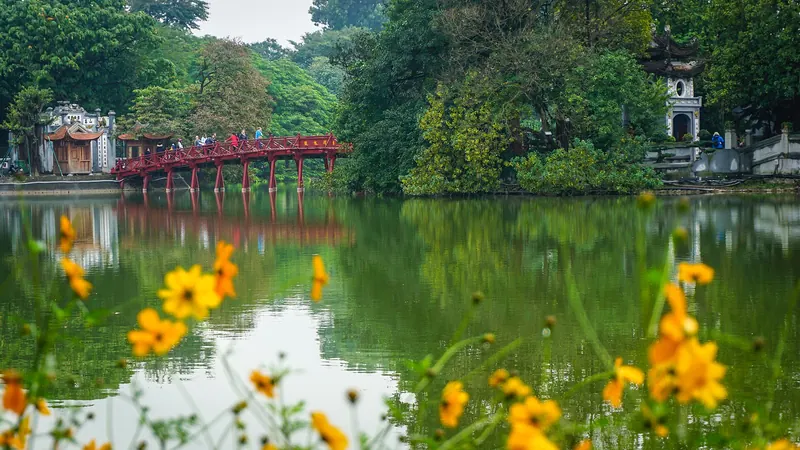
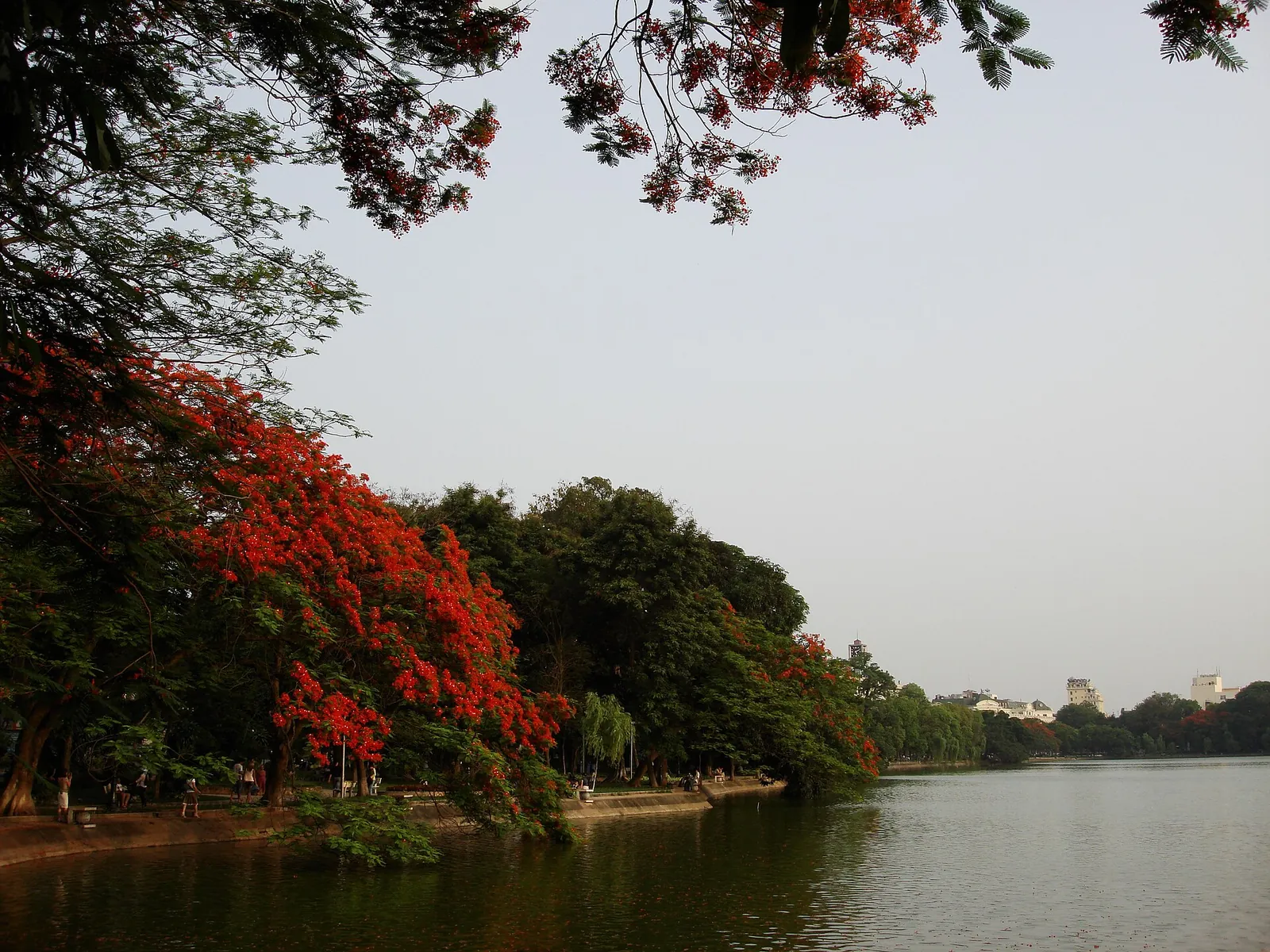
Stay in or beside the Old Quarter, whose streets the tourism board traces to the 14th century. Use day one for Hoan Kiem Lake, the red The Huc bridge and Ngoc Son Temple, and dinner in the street kitchens; on weekends the area around the lake is closed to vehicles and, after dark, Hang Dao street becomes a night market. Day two is the old capital: when we checked on 2026-10-03, the Temple of Literature's official site listed opening from 8:00 to 17:00 every day and a 70,000 VND standard ticket, and the Imperial Citadel of Thang Long listed 8:00 to 17:00 and 100,000 VND per person. The Ho Chi Minh Mausoleum is closed for maintenance from 4 September to 2 November 2026 and reopens on 3 November, according to the Mausoleum Command's notice reported by Tuoi Tre.
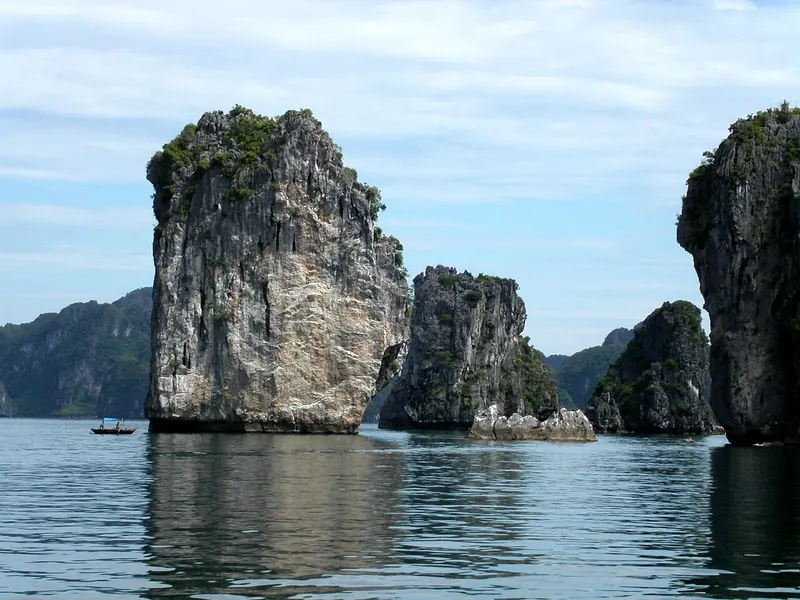
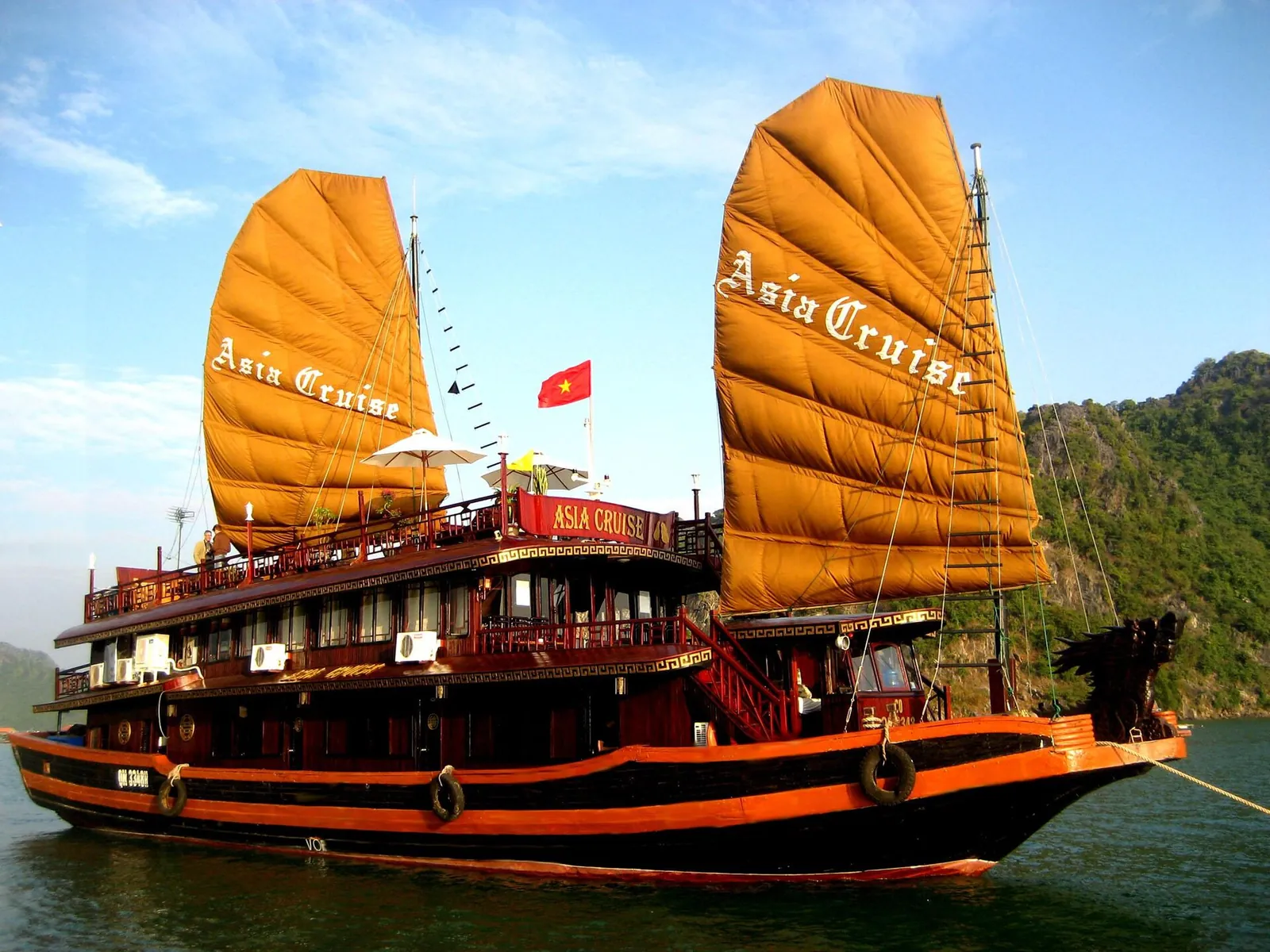
On day three, take the overnight boat. The national tourism site says most visitors book a packaged cruise that includes transport to and from Hanoi, and on a ten-day trip that saves you working out which port your boat leaves from. VnExpress put the road from Hanoi to the bay at two to two and a half hours in April 2026, so leave the main luggage at your Hanoi hotel and take an overnight bag. When we checked on 2026-10-03, the Ha Long Bay management board listed overnight sightseeing fees of 550,000 VND for route 2 and 500,000 VND for routes 3 or 4, with one night meaning at most 24 hours from departure; most packages include the fee, so ask which route yours uses.
The boat is back on day four and the shuttle returns you to Hanoi in the afternoon or evening. Book that fourth night in Hanoi rather than trying to fly south the same day: a storm delay or a slow transfer would cost you the flight. Our Hanoi and Ha Long Bay guides go into the neighbourhoods, sights and cruise routes in more detail.
Make time for the local food
What to eat and where to look
Bun cha (grilled pork with rice noodles)
Charcoal-grilled pork with rice vermicelli, herbs and a dipping sauce, the lunch Hanoi is best known for. The national tourism site describes the Old Quarter's cooks doing a roaring trade in pho and bun cha.
- Where to look
- Old Quarter lunch shops with a grill at the door; the tourism site names Bun Cha Huong Lien and, less crowded, Hang Quat.
- Fit it into your day
- Lunch on day two, between the Temple of Literature and the Imperial Citadel.
The dipping liquid is fish-sauce based; add the chilli and garlic on the table to taste.
Bun bo Hue (Hue beef noodle soup)
Rice noodles in a broth seasoned with lemongrass, shrimp paste, garlic and shallots, with beef brisket and several cuts of pork. The tourism site describes it as a heartier option than pho.
- Where to look
- Noodle shops across Hue, busiest at breakfast.
- Fit it into your day
- Breakfast on day six before the Imperial City.
It is spicy and usually contains cubes of congealed pork blood; ask for it without if you prefer.
Banh beo and banh nam (Hue steamed rice cakes)
Hue's small steamed snacks: banh beo are coin-sized rice cakes steamed in little saucers and topped with dried shrimp, pork crackling and scallion oil, and banh nam are thin rice-flour dumplings with shrimp, folded into banana leaf and steamed.
- Where to look
- Specialist cake shops and family eateries in Hue; order a mixed tray to share.
- Fit it into your day
- Lunch on day five after the flight, when a light meal suits the heat.
Both are dressed with fish sauce and contain shrimp.
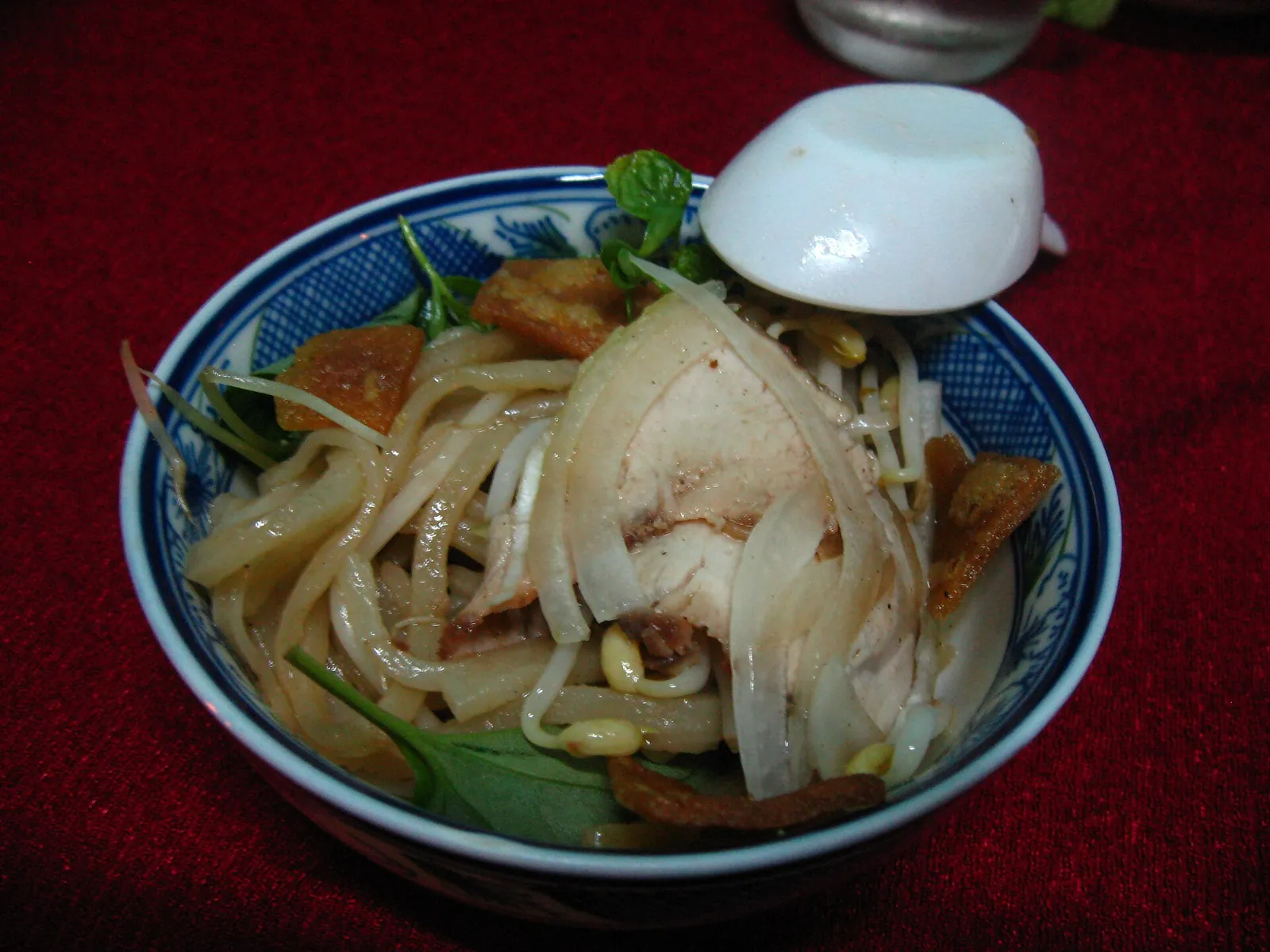
Cao lau
Thick, chewy noodles with slices of pork, greens and crisp crackers in a little sauce rather than a soup. The tourism site lists it first among Hoi An's local specialities, with white rose dumplings, hoanh thanh and mi Quang.
- Where to look
- Market stalls and family restaurants in and around the Old Town; look for 'cao lau' on a short menu.
- Fit it into your day
- Your first lunch or dinner in Hoi An on day seven or eight.
Contains pork; ask for a vegetarian version only where the menu offers one.
Days 5–6: fly to Hue for the citadel and the tombs
Take a morning flight from Noi Bai's domestic terminal (T1) to Phu Bai and be in Hue by lunch. Sleep on the south bank near Le Loi Street for restaurants and easy taxis, or beside the Citadel if you want to walk into the Imperial City at opening time. Spend the late afternoon of day five at Thien Mu Pagoda on the north bank of the Perfume River, which the tourism site recommends visiting late in the day when the crowds have gone.
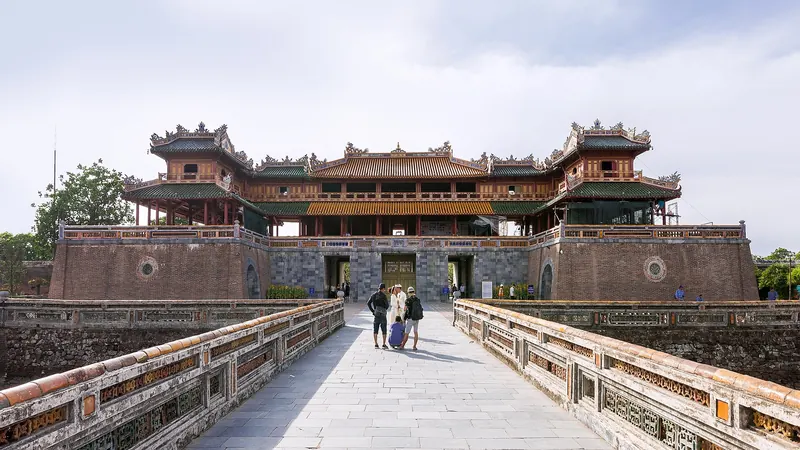
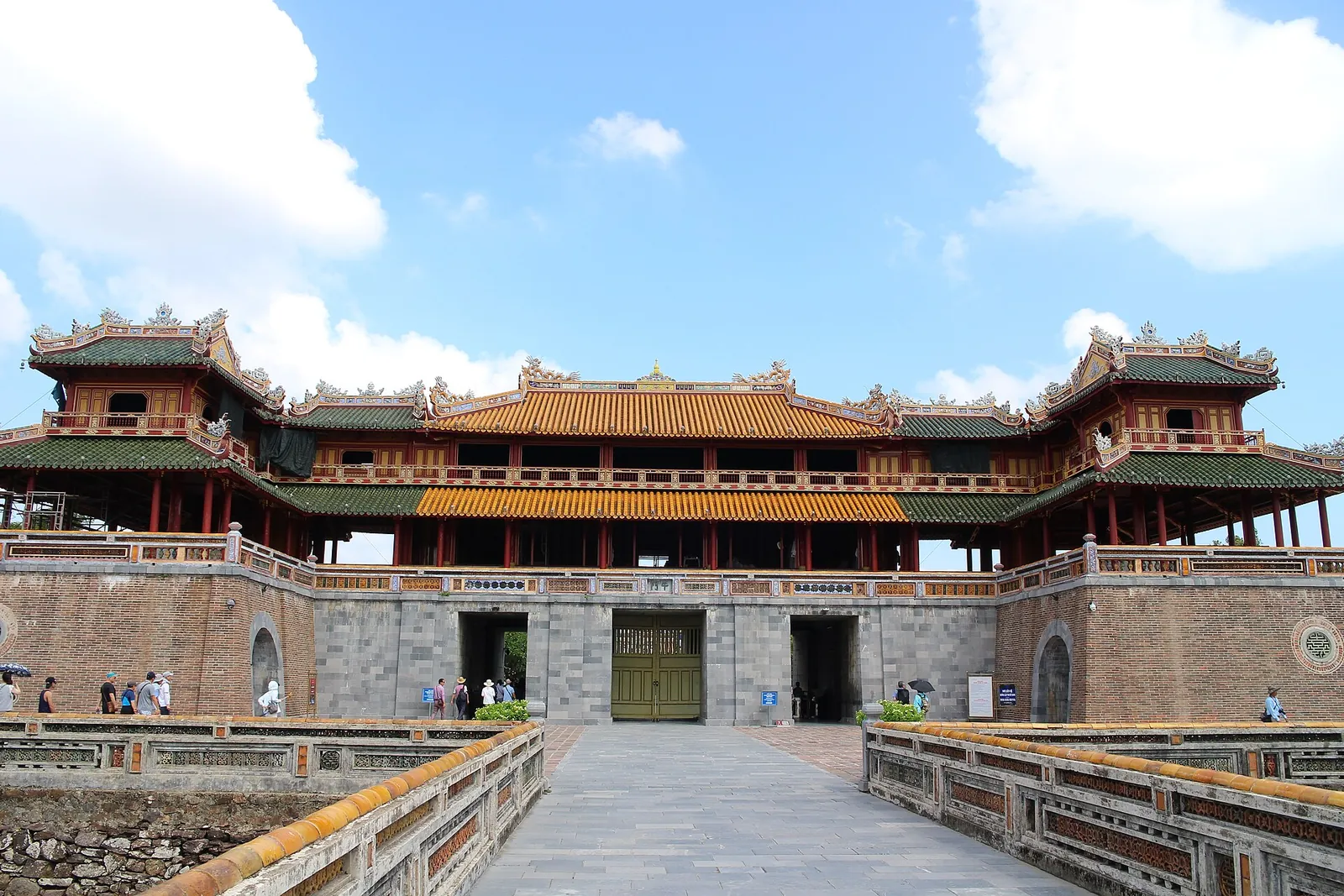
Day six is the main sightseeing day. The tourism site says the Imperial City, entered through the Ngo Mon (Meridian) Gate, takes around two hours to explore and that a guide adds a great deal; ask your hotel to arrange one. In the afternoon, take a car to the royal tombs, choosing two or three of the seven as the tourism site suggests rather than trying to see them all: Minh Mang's is the large, ordered one, Tu Duc's the landscaped poet's tomb. When we checked on 2026-10-03, the Visit Hue site of the city's culture and tourism department listed the Imperial City at 200,000 VND for adults and combined tickets for the Imperial City plus two of the tombs of Minh Mang, Tu Duc and Khai Dinh from 420,000 VND, in a price table it said was updated in December 2023; confirm the current price at the ticket office.
Plan meals as carefully as sights here. Hue's small steamed rice cakes and its spicy beef noodle soup are reason enough to keep lunch and dinner free of transfers. See our Hue guide for the less-visited tombs and the garden houses of Kim Long.
Day 7: Hue to Hoi An over the Hai Van Pass
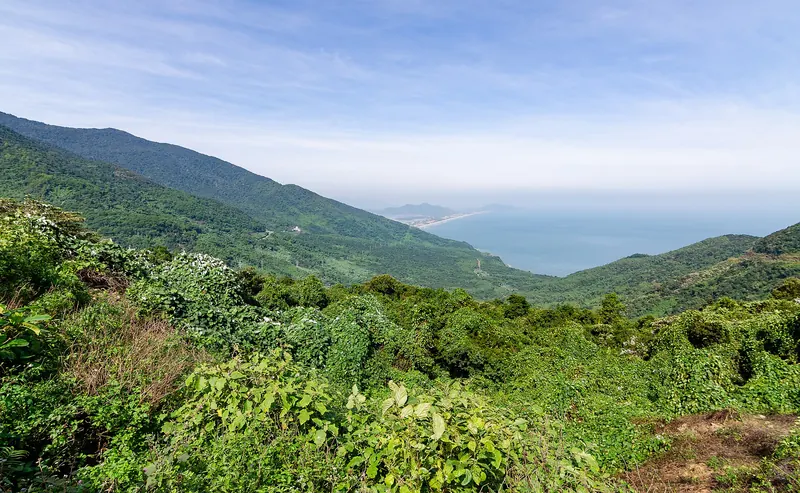
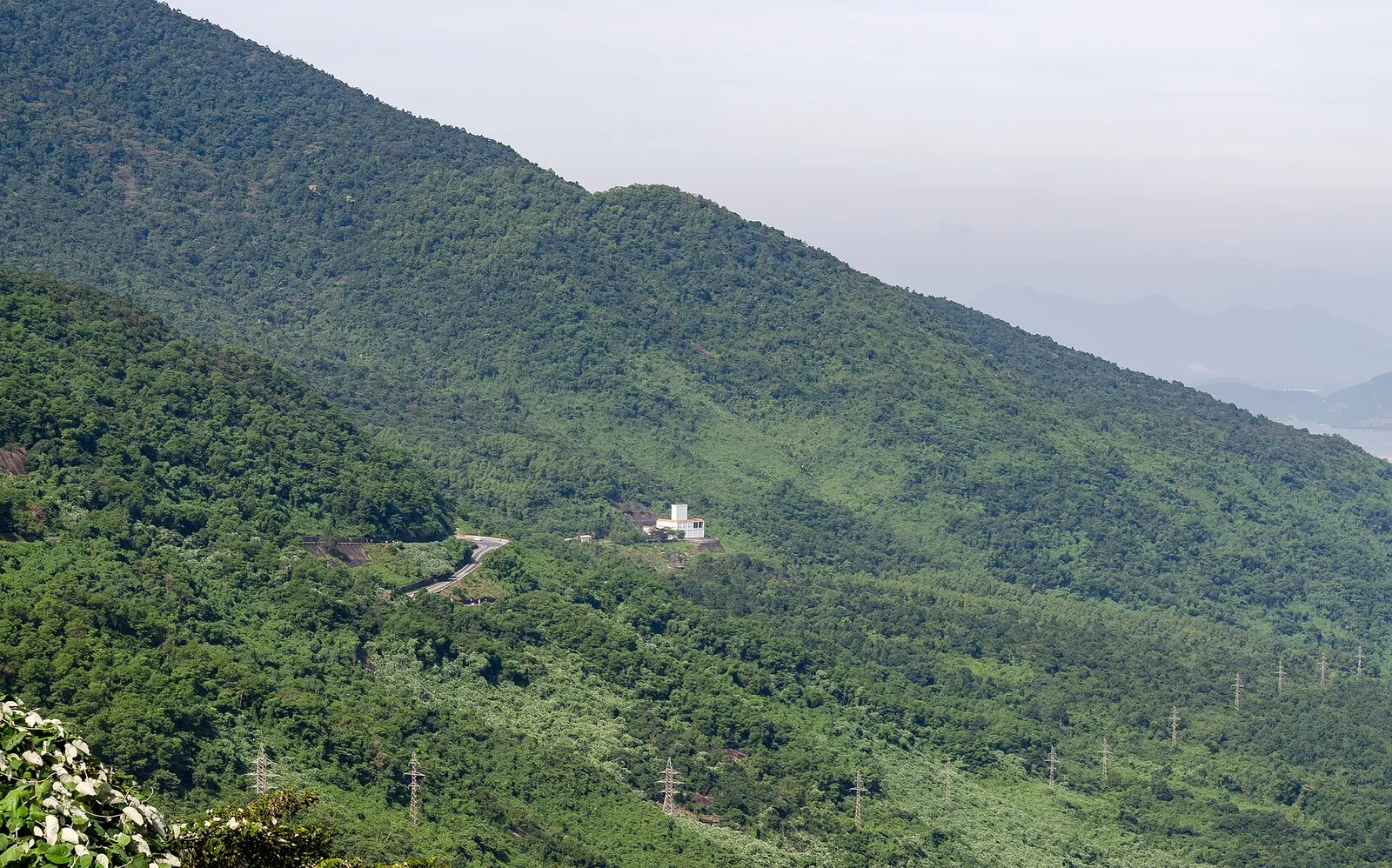
Treat the move south as a travel day with sights, not a gap. The national tourism site describes the coastal route from Hue to Hoi An, via Tam Giang Lagoon, Lang Co, the Hai Van Pass and the Marble Mountains, as about 150 kilometres and a full day with stops. The pass itself is only about 20 kilometres, with the remains of a Nguyen-era lookout post at the top and Lang Co, at the foot on the Hue side, a good place for a seafood lunch by the lagoon. A private car with a driver lets you make those stops and is the comfortable choice with luggage; ride a motorbike only if you are experienced on mountain roads in Vietnamese traffic.
The alternative is the railway. The tourism site describes a dedicated Hue–Da Nang tourist service, "Connecting Central Heritage", with two pairs of trains, HD1/2 and HD3/4, which stop at Lang Co station for about ten minutes so passengers can see the bay; it advises checking the exact timetable on Vietnam Railways' website. From Da Nang you continue to Hoi An by taxi or ride-hailing car. Buses and shuttle vans also run from Hue to Hoi An, but they skip the stops that make the day worthwhile.
Whichever you choose, aim to reach Hoi An by late afternoon. The Old Town's lanes are at their best at dusk, and that first evening by the river is a good reward for the day on the road.
Days 8–10: Hoi An at a slower pace
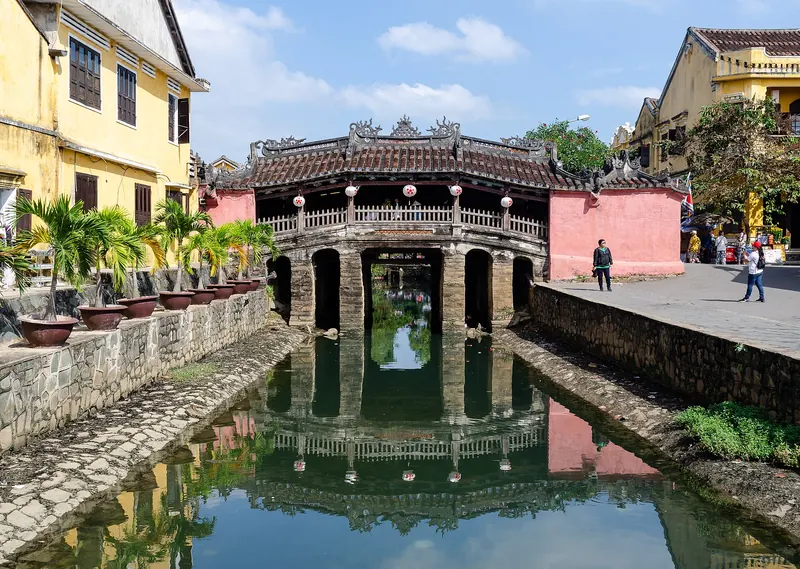
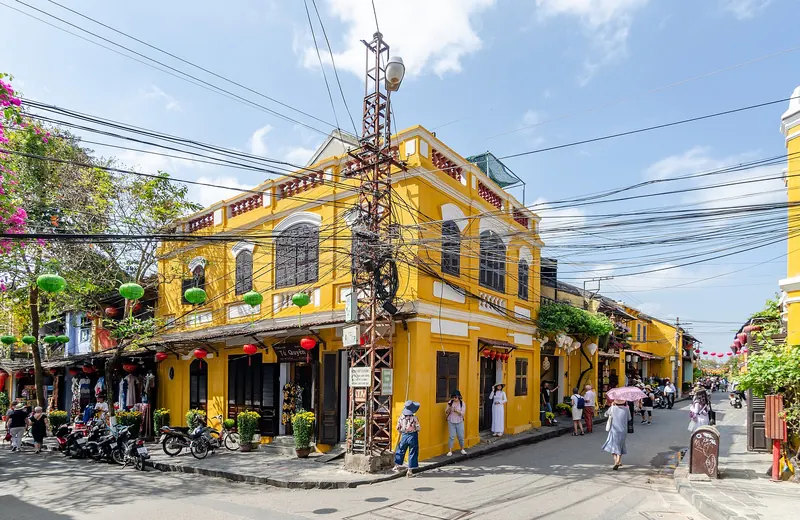
Sleep on the edge of the Ancient Town if you want to walk in before the tour groups and home after the lanterns are lit, or at An Bang beach, a ten-minute drive away according to the tourism site, if you would rather wake up by the sea. When we checked on 2026-10-03, the Hoi An World Heritage Conservation Centre's ticket page listed a 120,000 VND ticket covering the Old Town area, the Japanese Covered Bridge or the Quan Cong Temple, a museum and three other heritage buildings, and an 80,000 VND ticket with fewer entries; it also listed walking-street hours of 9:00 to 21:30 in summer and 9:00 to 21:00 in winter. Keep the ticket stub for going in and out of the Old Town.
Use day eight for the Old Town by morning and the riverside at dusk, and day nine for a bicycle ride through the rice fields and the Tra Que vegetable village to An Bang for lunch and a swim. The tourism site notes that Hoi An is known for its tailors; if you want something made, order it on day eight so there is time for a fitting before you leave. My Son Sanctuary and the Cham Islands are worth a day each, but on a ten-day trip they replace day nine rather than add to it.
Day ten is departure. Da Nang International Airport is 29 kilometres from the Ancient Town, about a 50-minute drive according to the tourism site; allow more for traffic and check-in. Our Hoi An guide covers the heritage houses, the lantern nights and the beaches in more detail.
The ten days at a glance
This is an editorial suggestion, not a timetable. Check flight times, cruise pick-ups, opening days and the weather forecast before each move.
- Day 1 — Arrive in Hanoi: Noi Bai to the Old Quarter, Hoan Kiem Lake at dusk, dinner in the street kitchens. Night: Hanoi.
- Day 2 — Old capital: the Temple of Literature at opening time, the Imperial Citadel of Thang Long, bun cha for lunch. Night: Hanoi.
- Day 3 — To the bay: cruise shuttle to Ha Long, the caves and stops your boat's route includes. Night: on board.
- Day 4 — Back to Hanoi: a morning on the water, the shuttle back, a last Hanoi evening. Night: Hanoi.
- Day 5 — Fly to Hue: morning flight to Phu Bai, lunch, Thien Mu Pagoda in the late afternoon. Night: Hue.
- Day 6 — Imperial City and tombs: the Imperial City with a guide in the morning, two royal tombs by car after lunch. Night: Hue.
- Day 7 — Hai Van Pass: by car via Lang Co and the pass (or the heritage train to Da Nang), Hoi An by dusk. Night: Hoi An.
- Day 8 — Old Town: heritage houses in the morning, a tailor's first fitting, lanterns by the river. Night: Hoi An.
- Day 9 — Countryside and beach: cycling through Tra Que to An Bang, or a day trip to My Son or the Cham Islands. Night: Hoi An.
- Day 10 — Depart: transfer to Da Nang International Airport.
Weather, storms and when to choose another route
The route crosses two climates. The national tourism site describes the north as cool to cold and misty from December to March, warm and clear from April to June and stormy from June to August, and it suggests April to June or September to November for Ha Long Bay. The centre runs the other way: Hue has a late rainy season, wet and cool from September to February with occasional flooding from September to November, and Hoi An expects rainy days and several storms from October to January, with March to May the best months. The overlap is spring, which is why March to May is the window to aim for.
Storms close Ha Long Bay at short notice. Ahead of Storm Wutip on 13 June 2025, the waterway authorities stopped licensing overnight boats and ordered tourist boats back to land by 18:00. Keep a buffer: if the forecast for day three is poor, ask the operator about sailing on day two instead and seeing Hanoi on day four, and book a cruise with clear rules on weather cancellations. Because the boat returns the day before the Hue flight, choose a flight ticket that can be changed, so a one-day weather delay does not cost you the centre of the trip.
If your dates fall between October and December, consider reversing the emphasis: give the north an extra night and the centre one less, and keep a flexible day in Hoi An. Check entry rules for your own passport before you book; when we checked on 2026-10-03, the UK government's travel advice said British citizens could visit Vietnam visa-free for up to 45 days, and other nationalities have different rules.
Practical questions
Is 10 days enough for Vietnam?
Ten days is enough for the north and the centre, not the whole country. The tourism board notes that the Hanoi to Ho Chi Minh City train can take up to 30 hours. This route covers Hanoi, Ha Long Bay, Hue and Hoi An with one internal flight; see our 14-day route if you also want Ho Chi Minh City and the Mekong Delta.
Should I fly or take the train from Hanoi to Hue?
Fly on a ten-day trip. The national tourism site recommends a one- or two-hour flight over long train rides when time is short, and domestic flights from Hanoi land at Phu Bai, 30 minutes from Hue. The overnight train is an experience in itself but costs you most of a day.
Can I do Ha Long Bay as a day trip instead?
You can, but the road from Hanoi takes about two to two and a half hours each way, so a day trip spends much of its time in a minibus. The overnight boat is worth the extra night, and the fourth Hanoi night gives you a buffer before the flight south.
How do I get from Hue to Hoi An?
By private car over the Hai Van Pass with stops at Lang Co and the Marble Mountains, which the tourism site describes as a full-day route of about 150 kilometres, or by the Hue–Da Nang heritage train (HD1/2 and HD3/4) and a taxi from Da Nang. Buses and shuttle vans also run. Check the train timetable with Vietnam Railways.
Which airport do I fly home from?
Da Nang (DAD), 29 kilometres and about 50 minutes by road from Hoi An. The tourism site lists it as one of Vietnam's three main international airports, so you can fly out directly or connect through Hanoi or Ho Chi Minh City.
Is October a good month for this route?
October suits Hanoi and Ha Long Bay but falls in the central coast's rainy season, with occasional floods in Hue and storms around Hoi An. If you travel then, keep a flexible day in Hoi An. Note also that the Ho Chi Minh Mausoleum in Hanoi is closed until 2 November 2026.
Sources and checks before you travel
Reference sources for the version dated 3 October 2026. Confirm opening times, access, transport and conditions for your travel dates.
- Vietnam National Authority of Tourism: transport within Vietnam ↗ — opens in a new tab
- Vietnam National Authority of Tourism: a traveller's guide to Vietnam's airports ↗ — opens in a new tab
- Vietnam National Authority of Tourism: Ha Noi ↗ — opens in a new tab
- Vietnam National Authority of Tourism: explore the Old Quarter your way ↗ — opens in a new tab
- Temple of Literature – Quoc Tu Giam (official site) ↗ — opens in a new tab
- Imperial Citadel of Thang Long: ticket prices ↗ — opens in a new tab
- Tuoi Tre: Ho Chi Minh Mausoleum closed for maintenance from 4 September 2026 ↗ — opens in a new tab
- Vietnam National Authority of Tourism: Ha Long ↗ — opens in a new tab
- VnExpress: Hanoi – Quang Ninh high-speed railway breaks ground ↗ — opens in a new tab
- Ha Long Bay Management Board: sightseeing fees ↗ — opens in a new tab
- Ha Long Bay Management Board: boat permits suspended for Storm Wutip (June 2025) ↗ — opens in a new tab
- Vietnam National Authority of Tourism: Hue ↗ — opens in a new tab
- Vietnam National Authority of Tourism: 3 days in Hue for culture seekers ↗ — opens in a new tab
- Visit Hue (Hue Department of Culture, Sports and Tourism): heritage site ticket prices ↗ — opens in a new tab
- Vietnam National Authority of Tourism: Hue's best to eat, from the palace to the street ↗ — opens in a new tab
- Vietnam National Authority of Tourism: how to eat like a local in Hue ↗ — opens in a new tab
- Vietnam National Authority of Tourism: motorbiking Hoi An to Hue over the Hai Van Pass ↗ — opens in a new tab
- Vietnam National Authority of Tourism: Vietnam railway, an incredible train journey ↗ — opens in a new tab
- Vietnam National Authority of Tourism: Hoi An ↗ — opens in a new tab
- Vietnam National Authority of Tourism: 10 essential things to do in Hoi An ↗ — opens in a new tab
- Hoi An World Heritage Conservation Centre: Old Town ticket information ↗ — opens in a new tab
- Vietnam National Authority of Tourism: weather and climate in Vietnam ↗ — opens in a new tab
- UK FCDO travel advice: Vietnam entry requirements ↗ — opens in a new tab
Does this experience fit your route?
Two bookings shape this route: the Ha Long Bay boat and the Hue to Hoi An transfer. Compare routes, inclusions and weather terms before you choose.
Check dates and details on Viator ↗ — opens in a new tabAffiliate link · Book with ViatorPhoto credits
An overnight boat on Ha Long Bay, days three and four of the route
Photograph: Arianos — opens in a new tab · Public domain — opens in a new tab
Changes: Resized and converted to WebP; displayed with responsive crops. · Original photograph and licence details ↗ — opens in a new tab
Cao lau, the noodle dish most closely tied to Hoi An
Photograph: Dragfyre — opens in a new tab · CC BY-SA 3.0 — opens in a new tab
Changes: Resized and converted to WebP; displayed with responsive crops. · Original photograph and licence details ↗ — opens in a new tab
Hoan Kiem Lake, the first evening's walk from the Old Quarter
Photograph: Jorge Láscar from Australia — opens in a new tab · CC BY 2.0 — opens in a new tab
Changes: Resized and converted to WebP; displayed with responsive crops. · Original photograph and licence details ↗ — opens in a new tab
The Ngo Mon (Meridian) Gate, the way into Hue's Imperial City on day six
Photograph: Suicasmo — opens in a new tab · CC BY-SA 4.0 — opens in a new tab
Changes: Resized and converted to WebP; displayed with responsive crops. · Original photograph and licence details ↗ — opens in a new tab
The green slopes of the Hai Van Pass between Hue and Da Nang, crossed on day seven
Photograph: Steffen Schmitz — opens in a new tab · CC BY-SA 4.0 — opens in a new tab
Changes: Resized and converted to WebP; displayed with responsive crops. · Original photograph and licence details ↗ — opens in a new tab
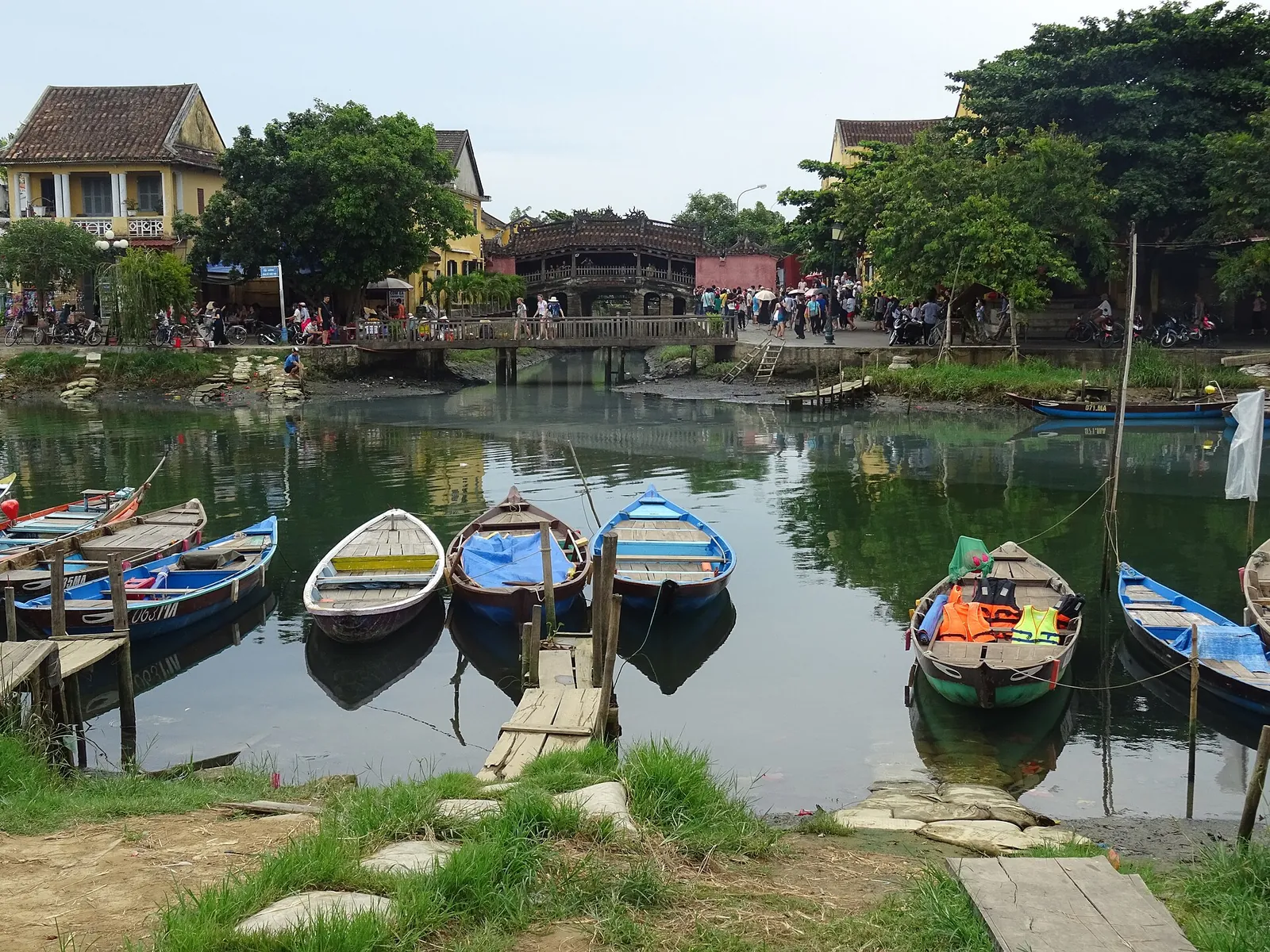
The Japanese Covered Bridge seen from across the water in Hoi An
Photograph: Christophe95 — opens in a new tab · CC BY-SA 4.0 — opens in a new tab
Changes: Resized and converted to WebP; displayed with responsive crops. · Original photograph and licence details ↗ — opens in a new tab