Plan your trip · Vietnam
North, central or south Vietnam: which region to choose first
Vietnam is long and narrow, and its three regions feel like three different trips. The north is mountains, limestone bays and Hanoi's old streets, with a real winter. The centre is the old imperial and trading towns of Hue and Hoi An, with beaches and a late, stormy rainy season. The south is Ho Chi Minh City, the Mekong Delta and the islands, hot all year. If you have a week, or two weeks with no wish to spend them in transit, choosing well matters more than squeezing everything in.
- Suggested time
- 5–7 days for one region; about two weeks for north, centre and south
- Where to stay
- Hanoi for the north, Hoi An (or Hue) for the centre, Ho Chi Minh City for the south
- Season and timing
- North: April to June or September to November. Central coast: February or March to August. South: December to April. Countrywide: March to May.
The short answer
With one week, choose one region and fly into its own airport: Hanoi (HAN) for the north, Da Nang (DAD) for Hue and Hoi An, Ho Chi Minh City (SGN) for the south. With about two weeks, you can link the north, the centre and the south if you fly the long legs, ideally arriving in Hanoi and leaving from Ho Chi Minh City, or the other way round. Let the month decide which region gets the most nights: the north from September to November or April to June, the central coast from February or March to August, the south and Phu Quoc from December to April. Sleep in Hanoi's Old Quarter, in Hoi An and in central Ho Chi Minh City.
Three regions, three different trips
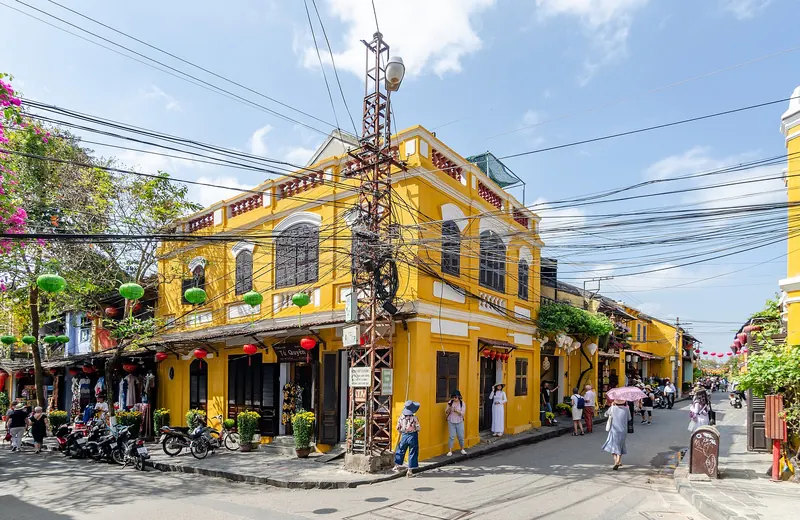
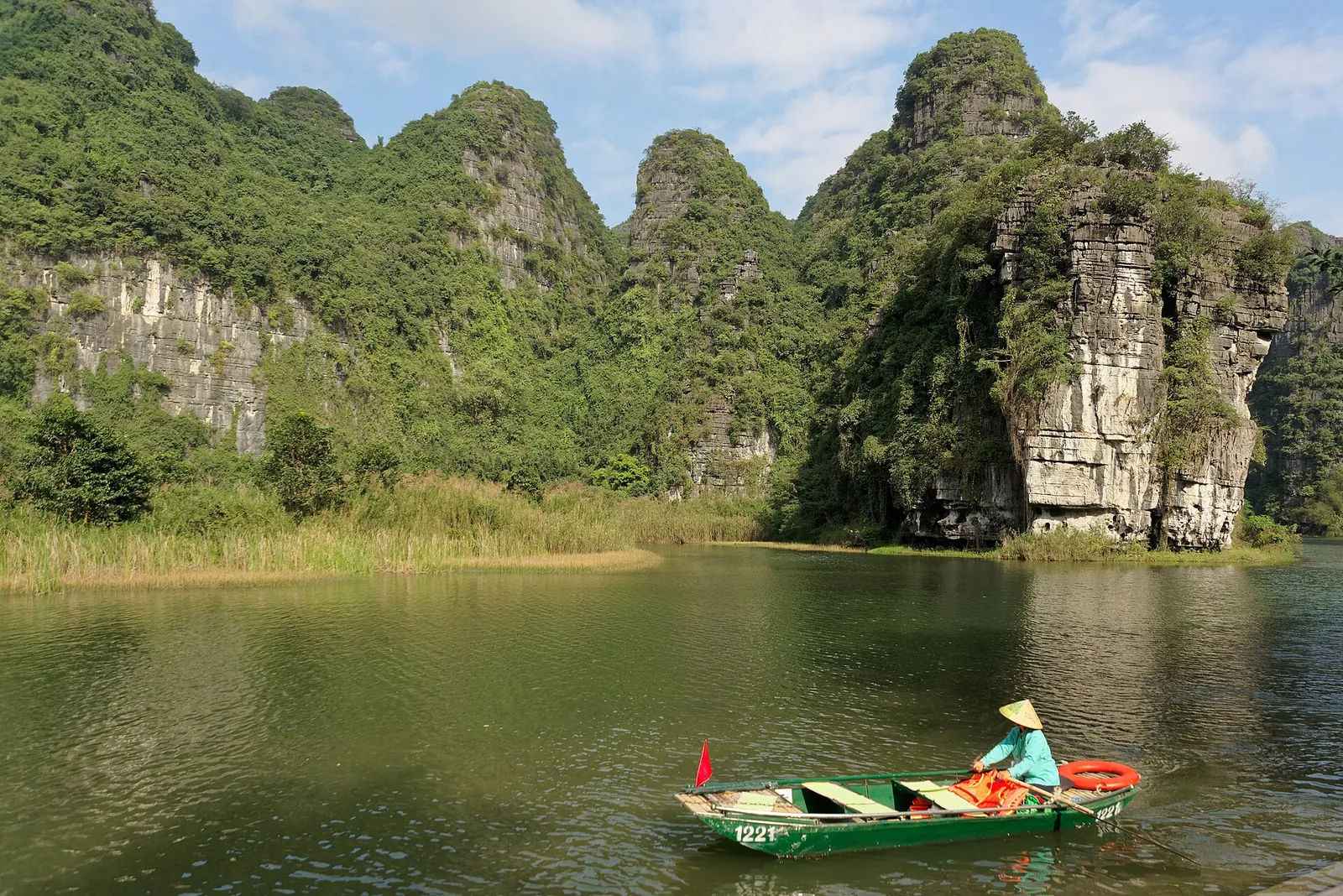
The national tourism board divides the country into the same three parts most travellers end up choosing between. Its description of the north is mountain ranges, centuries-old rice terraces and ethnic minority villages, with Hanoi's Old Quarter and Hoan Kiem Lake at the centre, Ninh Binh's limestone cliffs rising from paddy fields and a cruise on Ha Long Bay. The centre is history and beaches: Hoi An's Ancient Town with its timber shophouses and lanterns, the Nguyen dynasty citadel, tombs and temples of Hue along the Perfume River, Da Nang's resorts and beach, and the caves of Phong Nha a few hours away. The south is the energy of Ho Chi Minh City, the slow water life of the Mekong Delta, and islands such as Phu Quoc and Con Dao.
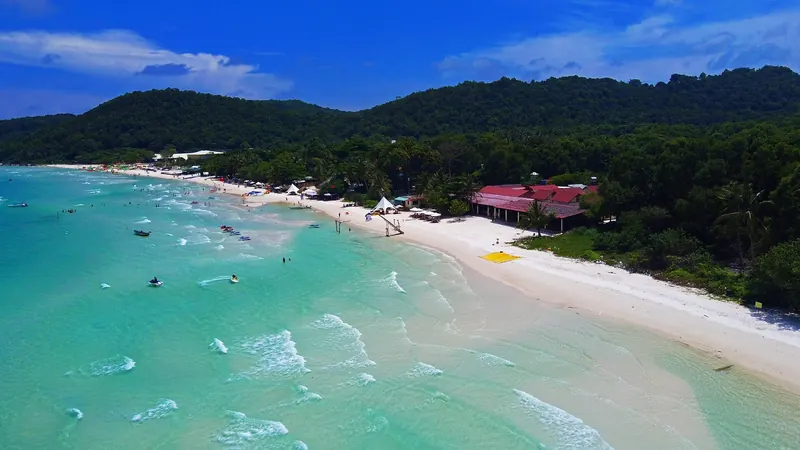
UNESCO's list makes the difference sharper. The north holds the central sector of Hanoi's Imperial Citadel of Thang Long, Ha Long Bay and the Cat Ba archipelago, the Trang An landscape at Ninh Binh and other sites; the centre holds the Complex of Hue Monuments, Hoi An Ancient Town, My Son Sanctuary and Phong Nha-Ke Bang National Park. None of Vietnam's World Heritage sites is in the far south. That does not make the south less worth visiting, but it tells you what kind of trip it is: a city, the river delta and the beach, rather than monuments and landscapes.
Distance is the other reason to choose. The official transport guide notes that the train from Hanoi to Ho Chi Minh City can take up to 30 hours and that 16 hours from central Vietnam to either end is common, which is why it recommends flying when time is short. Two regions in a week is possible with a flight between them; three regions in a week mostly means airports.
Let the month decide which region comes first
The tourism board's climate guide says March to May has the best weather countrywide and that some part of Vietnam always has good conditions. The trouble is that the good part moves. Use this as an editorial summary of that guide, not a forecast.
- December to February: the south is dry and sunny, and Phu Quoc is at its best in December and January. Hanoi is cool, misty and, from late December to March, surprisingly cold, with lows around 10 degrees; Hue and Hoi An are cool and rainy. Put the south first.
- March to May: the best all-round window. The north is warming, the central coast is dry and the south is still in its dry season until the end of April. Any combination works; this is the time for the full north-to-south route.
- June to August: the central coast is hot, sunny and at its beach best; the guide describes July in Hue as perfect beach weather. The north is hot, humid and rainy, the south has its afternoon downpours and Phu Quoc's stormy months begin in July. Put the centre first.
- September to November: the north is at its clearest, with temperatures around 25 degrees in Hanoi and golden terraces around Sapa in early October. The central coast takes heavy rain, storms and some flooding, and the south is wet until November. Put the north first and keep the centre short and flexible.
Make time for the local food
What to eat and where to look
Phở and bún chả (the north)
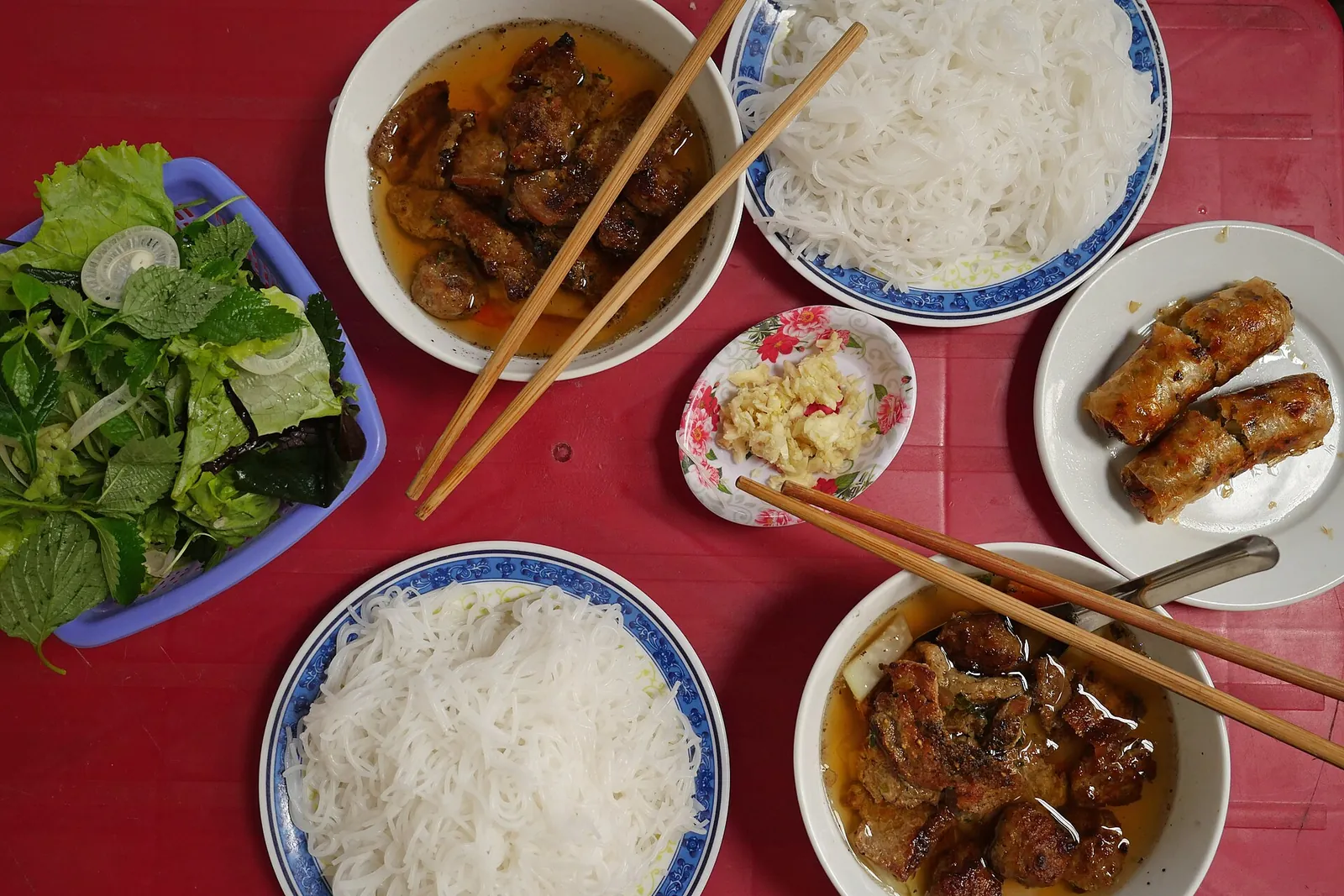
Hanoi's two signature dishes: a clear, broth-led rice noodle soup, and grilled pork in a sweet-sour dipping broth with rice vermicelli and herbs. Both are reasons to give the capital at least two full days.
- Where to look
- Specialist phở shops busy at breakfast, and small bún chả shops with a charcoal grill at the door, in and around Hanoi's Old Quarter.
- Fit it into your day
- Phở for breakfast, bún chả for lunch: in Hanoi both are traditionally eaten early rather than late.
Beef in phở is often served rare; ask for well-done (chín) if you prefer. Bún chả contains pork and fish sauce.
Bún bò Huế and cao lầu (the centre)
Central cooking is spicier and more regional. Hue's bún bò Huế is a beef and pork noodle soup flavoured with lemongrass and chilli; Hoi An's cao lầu is firm, chewy noodles with sliced pork, herbs and crisp croutons in a little sauce.
- Where to look
- Market stalls and family restaurants in Hue for bún bò; around Hoi An's Ancient Town and its market for cao lầu.
- Fit it into your day
- A bowl of bún bò for breakfast before the Hue citadel; cao lầu for lunch in Hoi An, a good way to sit out an afternoon shower in the wet months.
Bún bò Huế can be very hot and often includes congealed pig's blood; ask before ordering. Cao lầu contains pork and soy.
Bánh xèo and Mekong fruit (the south)
Large, thin, crisp rice-flour pancakes coloured with turmeric and filled with prawns, pork and bean sprouts, eaten wrapped in leaves and herbs, plus the tropical fruit that the delta grows in quantity.
- Where to look
- Evening eateries in Ho Chi Minh City, and markets and riverside restaurants in Can Tho and other delta towns.
- Fit it into your day
- Dinner after a morning boat trip in the delta; fruit as a mid-morning stop on the water.
Bánh xèo contains shellfish and fish sauce. Peel or wash fruit yourself if you have a sensitive stomach.
Choose by what you want to do
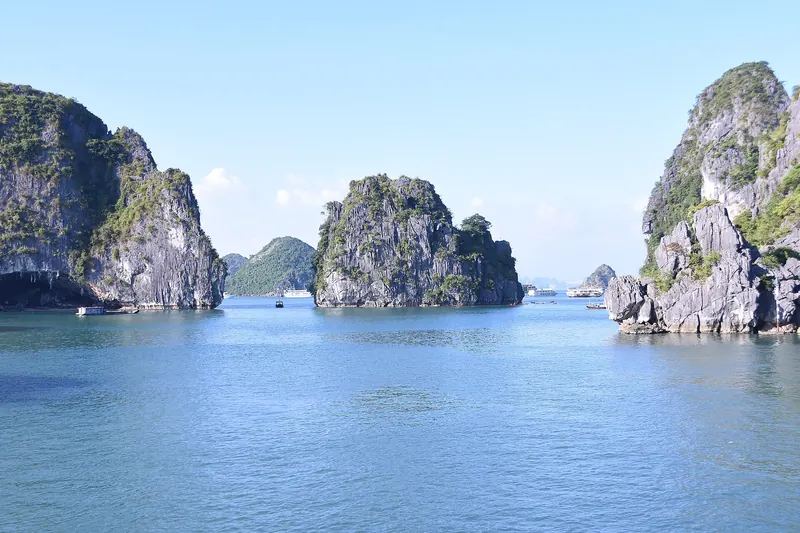
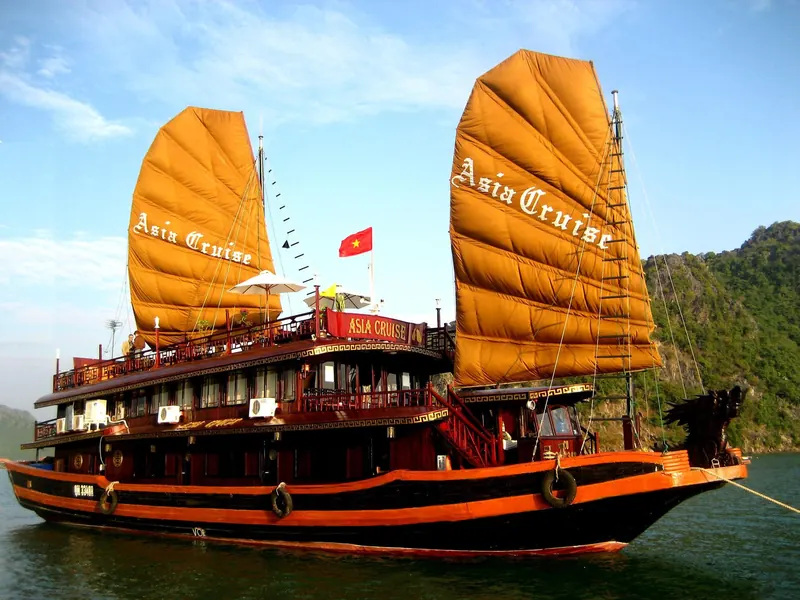
For landscapes, the north is the stronger choice. Ha Long Bay is usually seen on a packaged cruise from Hanoi, Ninh Binh is reached by daily buses, vans or trains from the capital, and the mountains around Sapa need at least an overnight stay. If you care most about karst scenery and mountains, give the north the larger share of your days, and keep a spare day in Hanoi in case weather cancels a cruise.
For heritage and an easy pace, choose the centre. Hue and Hoi An are close enough to share one base region, with Da Nang's airport and beach between them, and the region suits travellers who want to walk old towns, eat well and add a beach afternoon without long transfers. From March to August it also has the better weather of the three. Phong Nha is the add-on for caves: Dong Hoi, the nearest town, has its own airport and station on the north-south line.
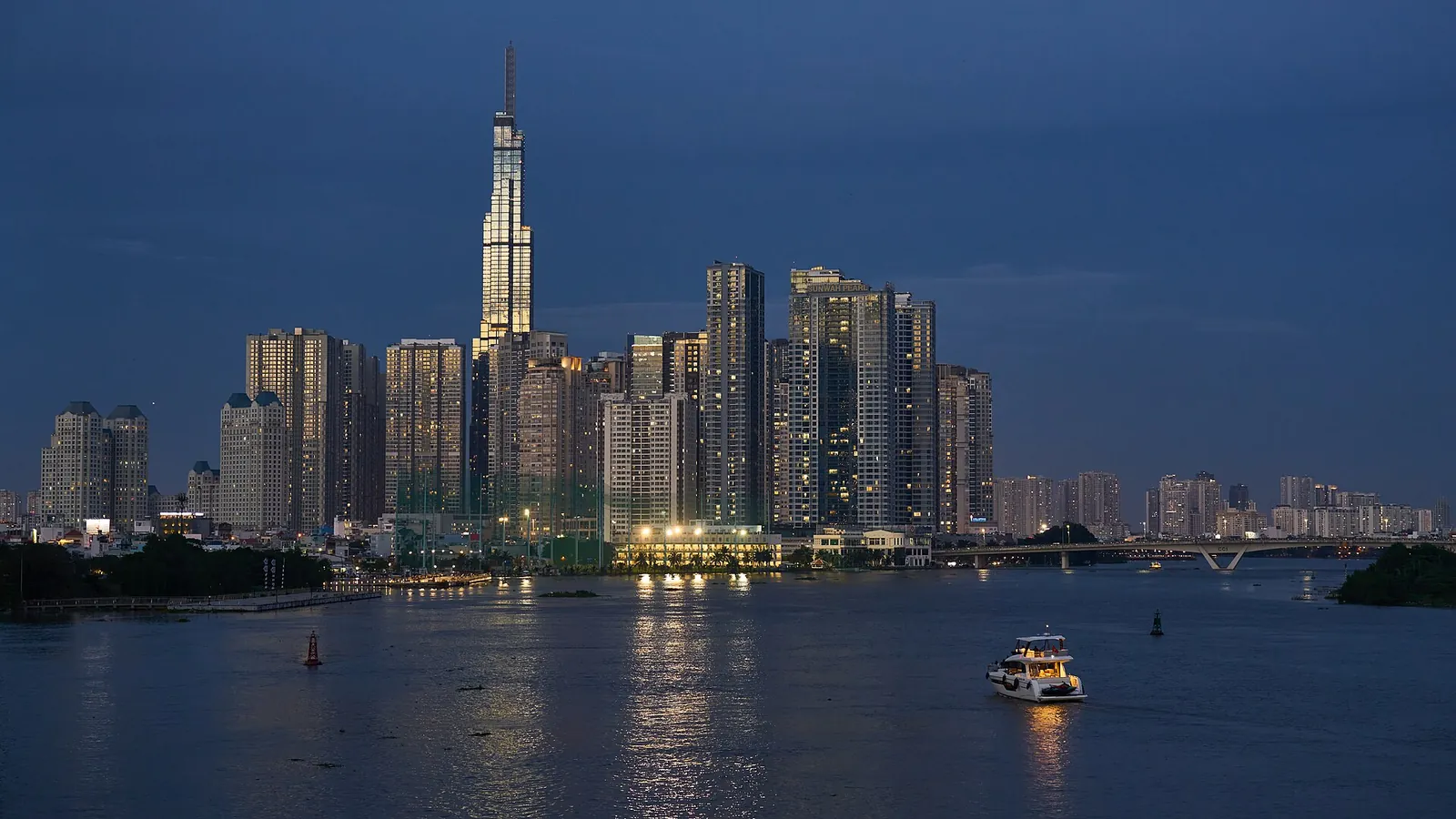
For city life, the delta and a beach finish, choose the south. Ho Chi Minh City is the metropolis the tourism board calls a sensory overload, where small family shops sit beside skyscrapers; Can Tho, the main Mekong Delta city, is about four hours by bus according to the tourism board, or reached by its own airport. From December to April the region is reliably dry, which makes boat days and an island ending on Phu Quoc easy to plan.
Which direction to travel, and which airports to use
Most international flights arrive at Hanoi's Noi Bai (HAN), Ho Chi Minh City's Tan Son Nhat (SGN) or Da Nang (DAD), and the tourism board notes direct international flights to Nha Trang and Phu Quoc as well. For a trip that covers more than one region, an open-jaw ticket, into one end of the country and out of the other, saves you flying back over ground you have already covered.
The season usually settles the direction. In the cool months, start in Hanoi and finish in the warm south, so the cold, misty part of the trip comes first and the beach comes last. In September to November, start in the north while it is clear, then fly over or keep a short, flexible stop on the stormy central coast before the south. In March to May, the weather works either way, and the direction can follow your flights. If you only use one airport, choose the region you will spend most time in, not the cheapest arrival, and allow for a domestic flight on the first or last day.
Ho Chi Minh City's main gateway is changing. When we checked on 2026-10-03, VnExpress reported that the Civil Aviation Authority of Vietnam had agreed a three-stage move: airlines may operate international flights at the new Long Thanh International Airport in Dong Nai from 1 December 2026; long-haul international flights (to Europe, the Americas, Oceania, Africa, the Middle East, South and Central Asia) move there from 28 March 2027; and most other international flights from 30 October 2027. Check which airport your ticket names before you book a hotel or a domestic connection.
Moving between regions: fly, train or bus
Flying is the official guide's recommendation for the long legs: a one- or two-hour flight instead of a day or a night on the train. Vietnam Airlines, Vietjet Air, Bamboo Airways and Jetstar fly domestically, and the tourism board warns that fares rise around public holidays. At Da Nang and Tan Son Nhat the domestic terminal is a walk from the international one; at Noi Bai, a free shuttle bus links the two terminals, which are 850 metres apart.
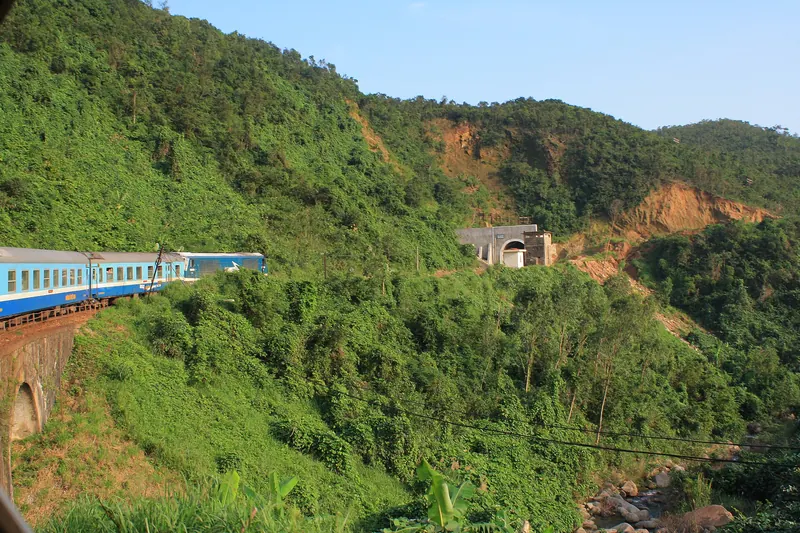
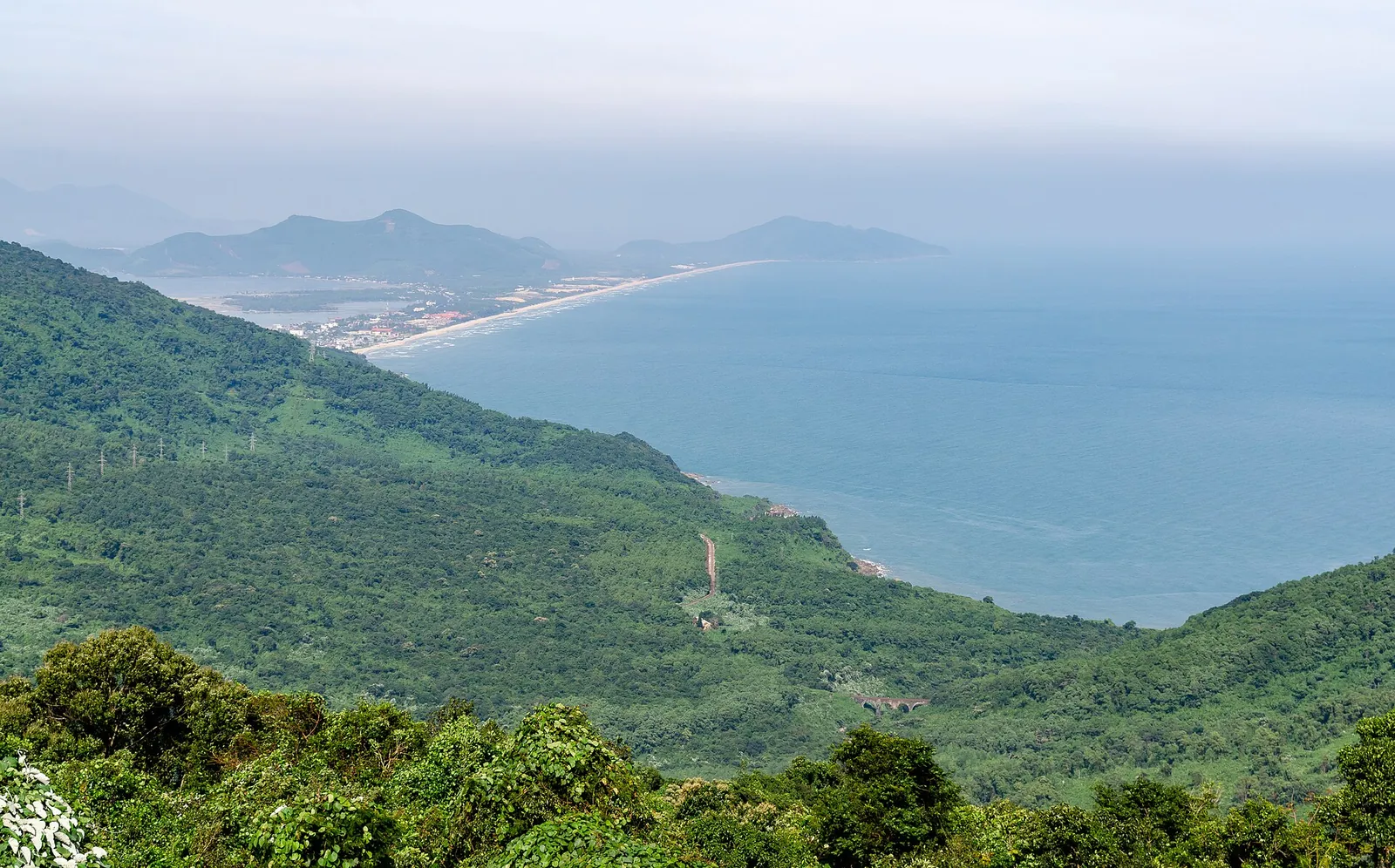
The train is worth it for one shorter, scenic stretch rather than the whole length. The north-south line runs about 2,600 km from Ho Chi Minh City towards the Chinese border, operated by Vietnam Railways, with stops including Hue, Da Nang and Nha Trang. Book well in advance for holidays and peak times, as the official guide advises. Hue and Da Nang are both stops, so the train is an option for that short central leg; by road, the Hai Van Pass links the two. Da Nang airport is about 98 km from Hue and 29 km from Hoi An's Ancient Town, according to the tourism board.
Open-tour buses, mostly sleeper buses, run between Hanoi, Hue, Hoi An, Nha Trang, Da Lat, Mui Ne and Ho Chi Minh City. The official guide suggests booking a day or two ahead, and at least two weeks ahead for a Vietnamese holiday. In the wet months the UK government's travel advice warns that floods and landslides can block roads, so avoid an overland transfer the day before an international flight.
One week or two: how to split your days
These are editorial suggestions, not timetables. Check transport for your own dates before you book.
- One week, north: Hanoi, a Ha Long Bay cruise and Ninh Binh, or Hanoi and Sapa. Best from September to November or April to June.
- One week, centre: Hue and Hoi An with a beach day at Da Nang or near Hoi An; add Phong Nha only with a few more days. Best from February or March to August.
- One week, south: Ho Chi Minh City, a night in the Mekong Delta and a few days on Phu Quoc. Best from December to April.
- Two weeks, all three: about four nights in the north, four in the centre and four in the south, with domestic flights between them and the extra nights in the region that has the best weather in your month.
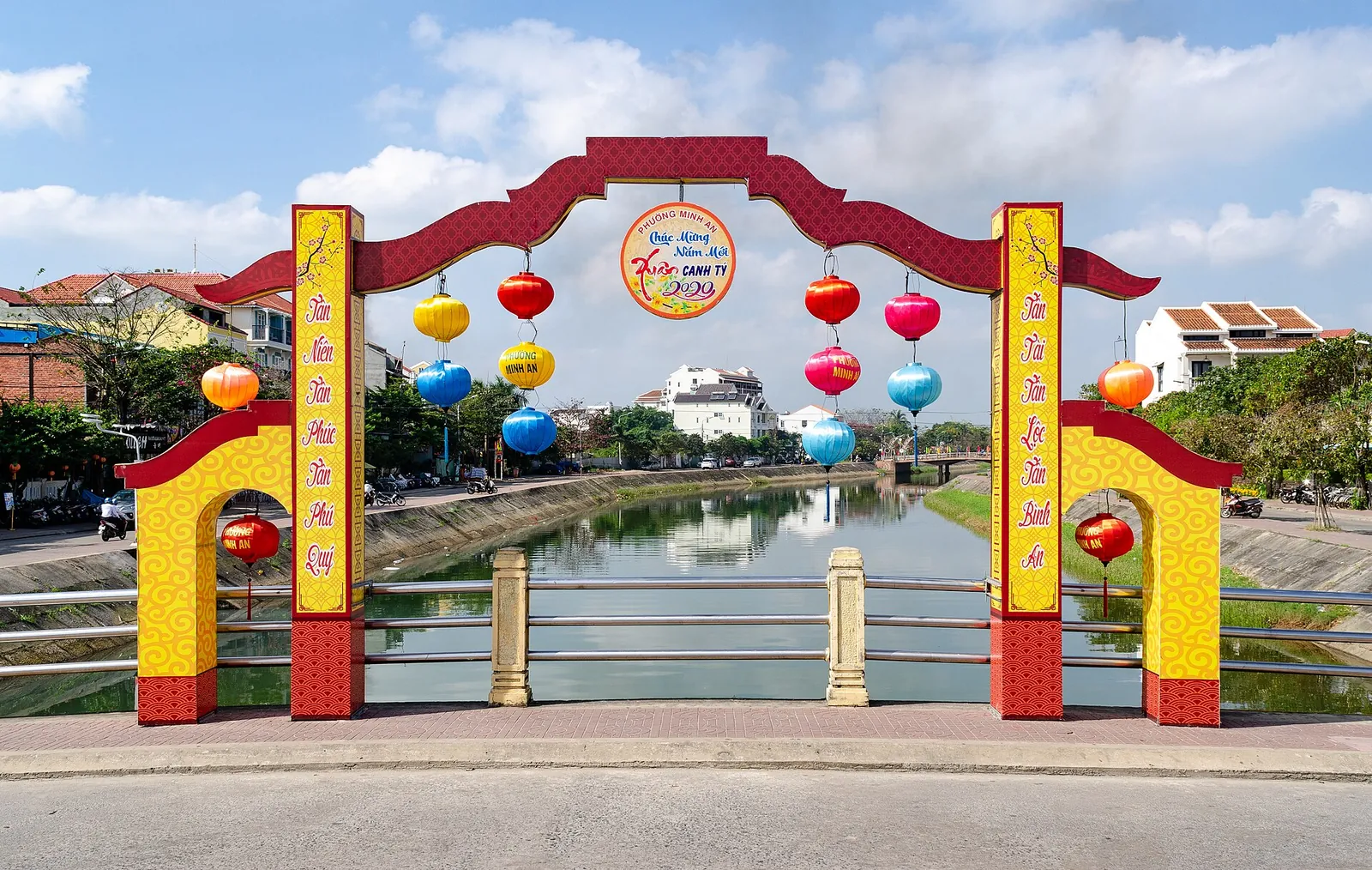
- Tet (Lunar New Year, usually January or February): the tourism board's FAQ warns that many businesses close during the festivities; transport fills up, so book flights and trains early or travel just after the holiday.
Practical questions
Is it better to visit north or south Vietnam?
It depends on the month and on what you want. The north has the mountains, Ha Long Bay and Hanoi, and is best from September to November or April to June; the south has Ho Chi Minh City, the Mekong Delta and Phu Quoc, and is best from December to April. If you can only choose one, choose the region whose good season matches your dates.
Can I see north, central and south Vietnam in one week?
Only by spending a large part of it in airports. The official transport guide says the train from Hanoi to Ho Chi Minh City can take up to 30 hours, so a one-week trip works better with one region, or two linked by a domestic flight. Allow about two weeks for all three.
Should I travel Vietnam north to south or south to north?
In winter, start in the cold north and end in the warm south. From September to November, start in the clear north and keep the stormy central coast short. From March to May, either direction works, so follow the cheapest or most convenient open-jaw flights.
Which airport should I fly into for central Vietnam?
Da Nang (DAD), which has international flights and is about 29 km from Hoi An's Ancient Town and 98 km from Hue, according to the national tourism site.
Where is the weather good in Vietnam in December?
In the south. Ho Chi Minh City and the Mekong Delta are in their dry season from December to April, and the tourism board describes Phu Quoc as at its best in December and January. Hanoi and Sapa are cold and misty, and Hue and Hoi An are still in their rainy season.
Is the central coast worth it in October?
Go with flexible plans or keep it short. The tourism board describes September to November in Hue and Hoi An as rainy, with occasional flooding, and the UK government's advice notes seasonal flooding in central Vietnam in October and November. The north is the better place to spend most of an October trip.
Sources and checks before you travel
Reference sources for the version dated 3 October 2026. Confirm opening times, access, transport and conditions for your travel dates.
- Vietnam National Authority of Tourism: Weather and climate in Vietnam ↗ — opens in a new tab
- Vietnam National Authority of Tourism: Northern Vietnam ↗ — opens in a new tab
- Vietnam National Authority of Tourism: Central Vietnam ↗ — opens in a new tab
- Vietnam National Authority of Tourism: Southern Vietnam ↗ — opens in a new tab
- UNESCO World Heritage Centre: Viet Nam ↗ — opens in a new tab
- Vietnam National Authority of Tourism: Transport within Vietnam ↗ — opens in a new tab
- Vietnam National Authority of Tourism: Getting to Vietnam ↗ — opens in a new tab
- Vietnam National Authority of Tourism: A traveller's guide to Vietnam's airports ↗ — opens in a new tab
- Vietnam National Authority of Tourism: Ha Long, Ninh Binh, Phong Nha and Can Tho destination pages ↗ — opens in a new tab
- Vietnam National Authority of Tourism: Frequently asked questions ↗ — opens in a new tab
- UK FCDO travel advice: Vietnam safety and security ↗ — opens in a new tab
- VnExpress: Long Thanh airport operating roadmap in three phases (29 July 2026) ↗ — opens in a new tab
Does this experience fit your route?
Chosen your region? Compare day trips from Hanoi, the Hai Van Pass transfer in the centre and Mekong Delta tours from Ho Chi Minh City, and check each operator's weather policy before you book.
Check dates and details on Viator ↗ — opens in a new tabAffiliate link · Book with ViatorPhoto credits
Trang An near Ninh Binh, the north's karst landscape and an easy trip from Hanoi.
Photograph: Jakub Hałun — opens in a new tab · CC BY 4.0 — opens in a new tab
Changes: Resized and converted to WebP; displayed with responsive crops. · Original photograph and licence details ↗ — opens in a new tab
The Hai Van Pass between Hue and Da Nang, the scenic link between the two central bases.
Photograph: Steffen Schmitz — opens in a new tab · CC BY-SA 4.0 — opens in a new tab
Changes: Resized and converted to WebP; displayed with responsive crops. · Original photograph and licence details ↗ — opens in a new tab
A bridge over the Thu Bon River in Hoi An decorated for Tet, the Lunar New Year.
Photograph: Steffen Schmitz ( more photos ) — opens in a new tab · CC BY-SA 4.0 — opens in a new tab
Changes: Resized and converted to WebP; displayed with responsive crops. · Original photograph and licence details ↗ — opens in a new tab
Ho Chi Minh City at blue hour, seen across the Saigon River towards Landmark 81.
Photograph: Radek Kucharski — opens in a new tab · CC BY 2.0 — opens in a new tab
Changes: Resized and converted to WebP; displayed with responsive crops. · Original photograph and licence details ↗ — opens in a new tab
Bun cha, the Hanoi lunch of grilled pork, rice noodles and herbs.
Photograph: Valentin Orange — opens in a new tab · CC BY-SA 4.0 — opens in a new tab
Changes: Resized and converted to WebP; displayed with responsive crops. · Original photograph and licence details ↗ — opens in a new tab