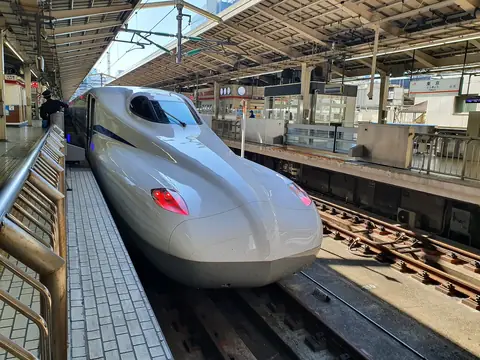
Hokkaido · Hokkaido
Niseko ski guide: where to stay, the lift pass and getting there
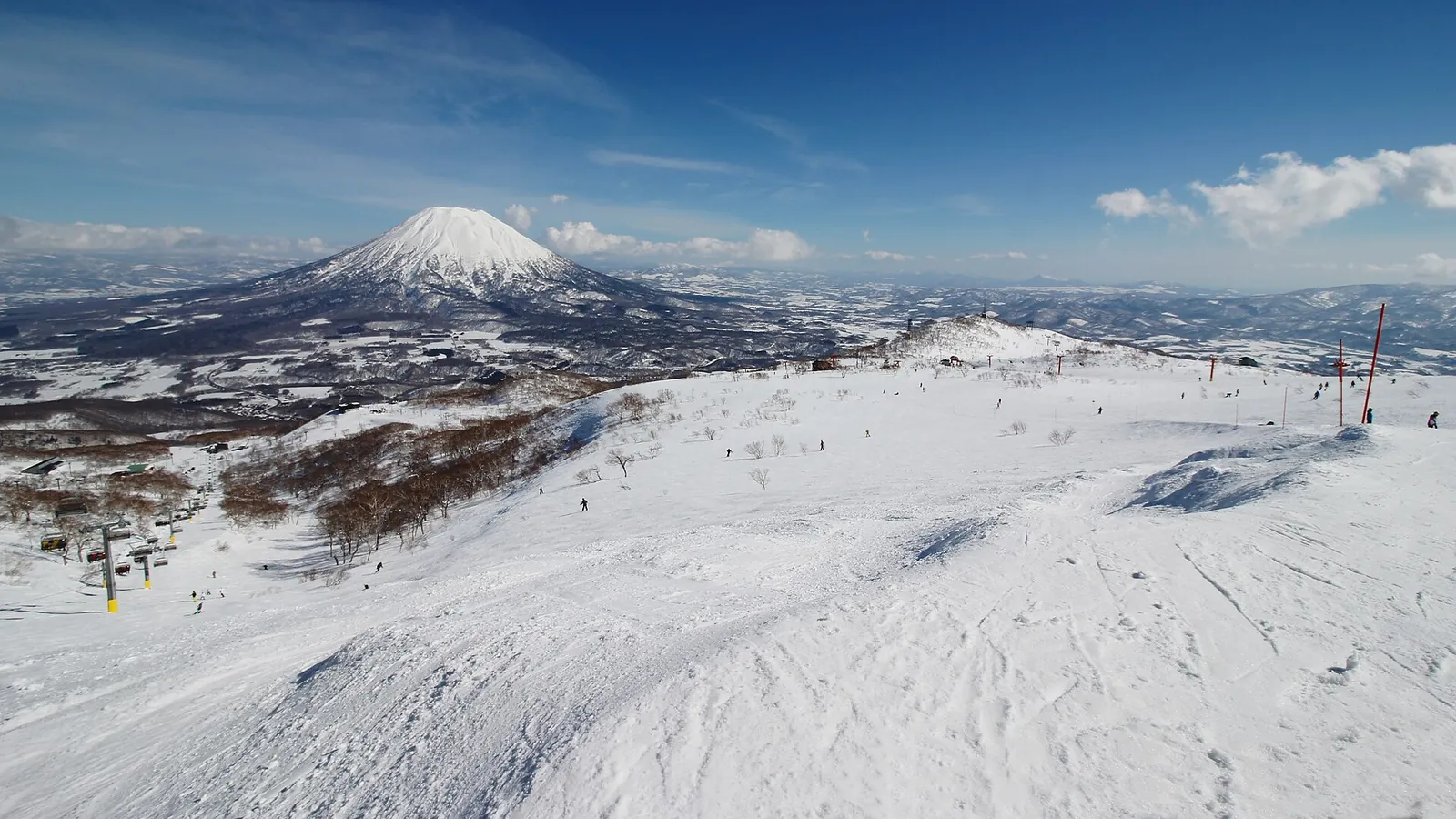
Niseko is four ski resorts on one volcano, Niseko Annupuri, about 100 km from Sapporo, with Mount Yotei filling the view across the valley. Skiers come from around the world for the snow, and the busiest weeks run from Christmas to the end of February. The decisions that shape a week here are made before the first run: which village to sleep in, how to get from New Chitose Airport with ski bags, and what to book before the peak weeks fill. The skiing is shared, as one pass covers all four resorts; the villages at their feet are not, and they differ more than the trail map suggests.
- Suggested time
- 6–7 nights for a ski week; 2–3 nights in summer
- Where to stay
- Hirafu village for the lifts, restaurants and nightlife; Niseko Village for resort hotels with ski-in access; Annupuri for quiet and onsen; Kutchan for the JR station
- Season and timing
- Lifts are scheduled to run from 28 November 2026 to 5 May 2027 at Grand Hirafu and Annupuri, to 11 April at Hanazono and 4 April at Niseko Village. Niseko Tourism calls December to February the powder months and March to early May the spring season; summer brings rafting, hiking and cycling.
The short answer
Give Niseko six or seven nights on a six-day All Mountain Pass, sleeping in Hirafu village, and book a reservation-only airport bus from New Chitose, about 2 hours 30 minutes to Hirafu. Ski Grand Hirafu and Hanazono first, then use the inter-resort shuttle, free with the pass, for Niseko Village and Annupuri, and keep an evening under the lights for a snowy day. Choose Niseko Village for resort hotels with ski-in access, Annupuri for quiet and onsen, or Kutchan for the station and town life. From Christmas to February, book lessons, rentals and must-have dinners before you fly.
A ski week in Niseko, and which village to sleep in
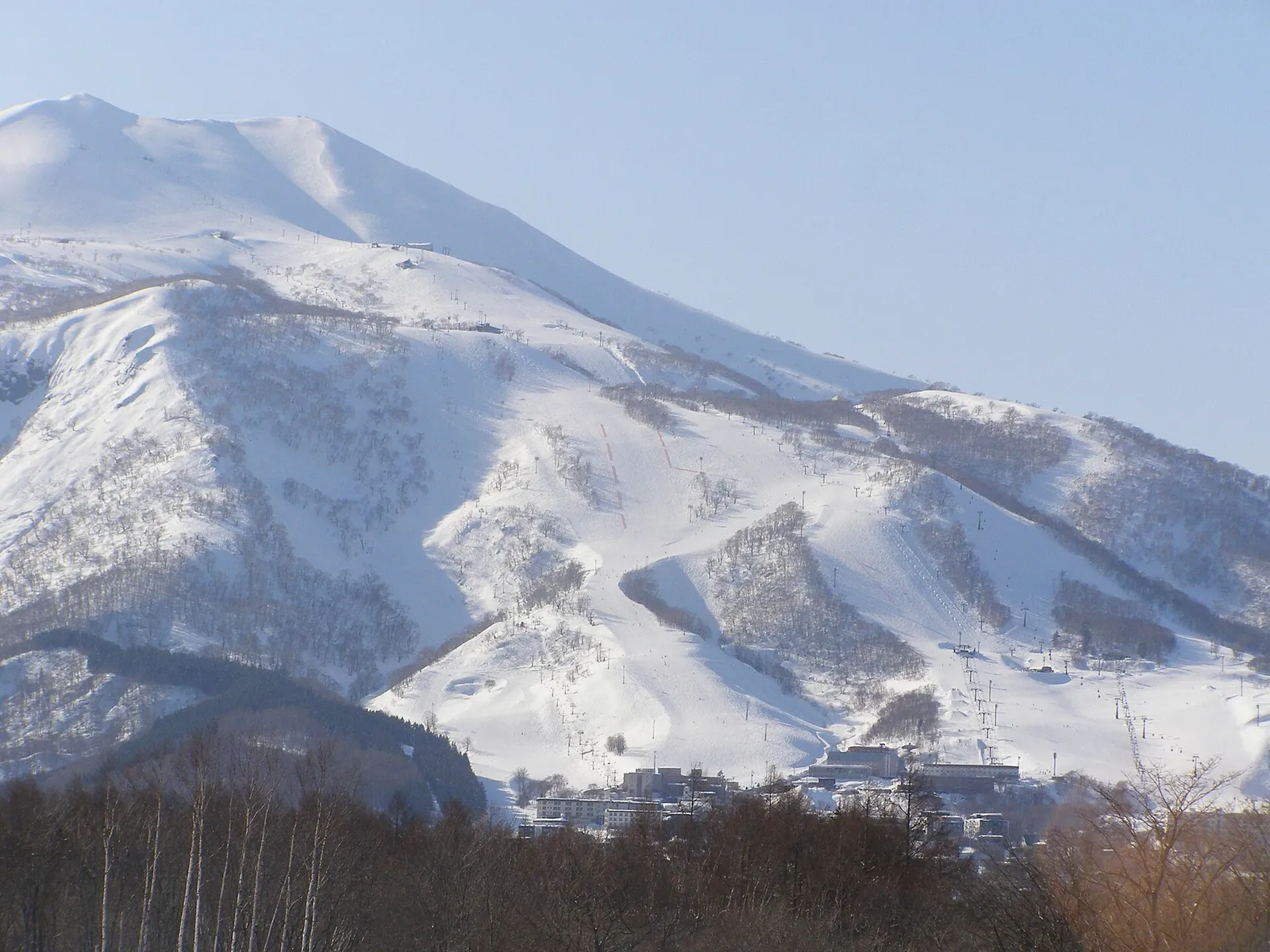
Niseko United is four resorts on one mountain, Niseko Annupuri (1,308 m): Grand Hirafu, the largest, with Hanazono beside it, and Niseko Village and Annupuri further round the mountain. JNTO notes that each resort is run independently but that they connect near the summit, and one pass covers all four. That makes the skiing easy to share out over a week and turns the choice of bed into the real decision: where you sleep decides whether you walk to the lifts, how much of each day goes on shuttle buses and how far you are from dinner.
Hirafu is the obvious choice for a first visit. Niseko United describes it as Niseko's largest village, with the widest selection of accommodation, restaurants and nightlife, and Grand Hirafu's base has hotels, condominiums, shops and restaurants at the foot of the slopes. The village is spread out, so the walk from your door to the gondolas varies from one property to the next: check it before you book, or plan around the Hirafu Village Shuttle, which Niseko Tourism says runs three loops every 20–30 minutes in winter. Hanazono, next door, is a growing area of luxury hotels and modern resort facilities, known for its terrain parks and tree runs; the Hanazono shuttle links it with Hirafu from 08:00 into the evening.
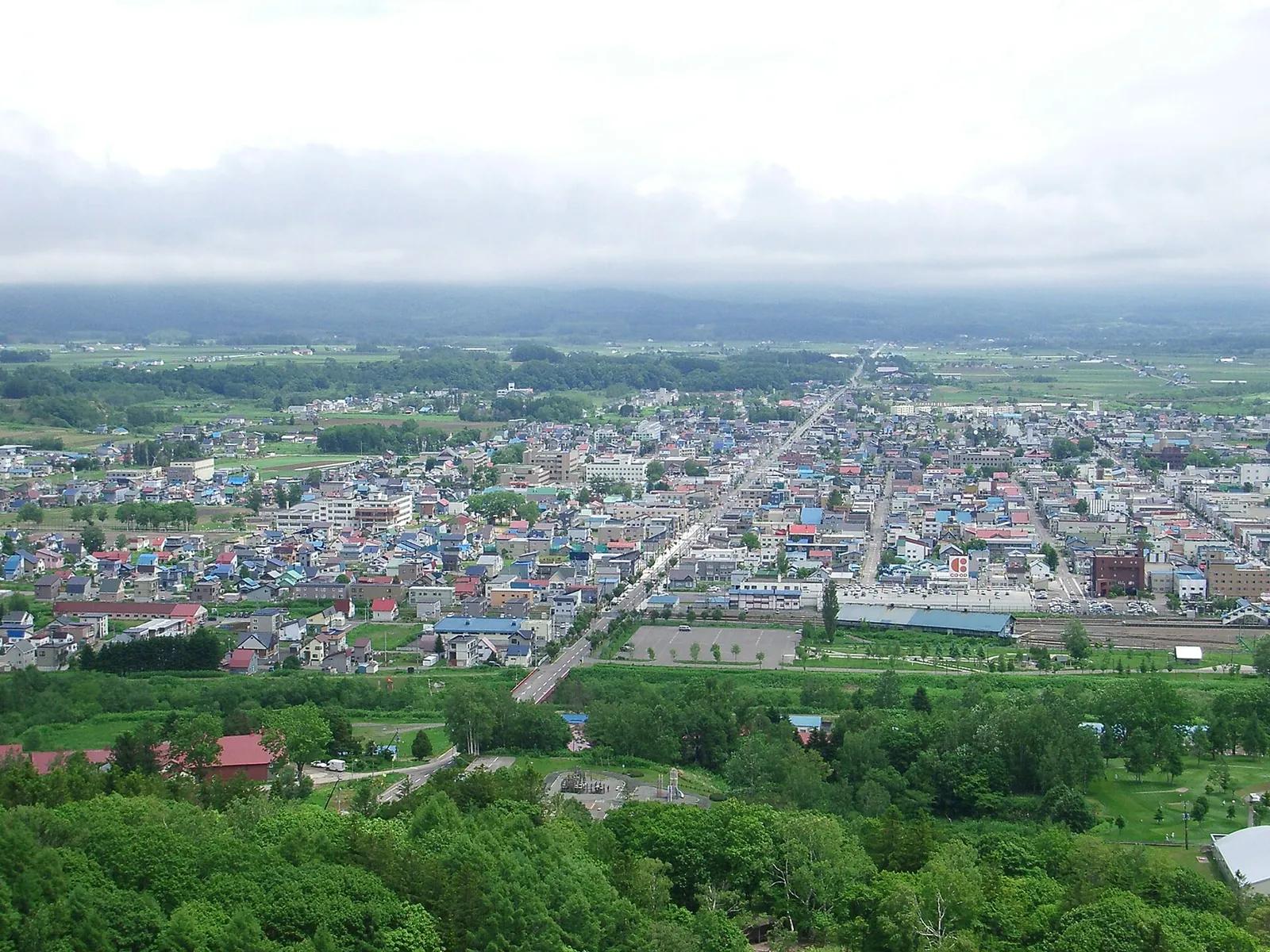
Niseko Village suits travellers who want a resort hotel with ski-in access, dining and an onsen under one roof. It is quieter and more self-contained, with its own dining street, Niseko-yo, which Niseko United says now has 15 restaurants, and Niseko Village lists a complimentary shuttle for in-house guests to Hirafu and Kutchan. Annupuri is the calmest base, with traditional Japanese hotels, natural hot springs near the slopes and, in Niseko Tourism's words, fewer crowds than elsewhere on the mountain. Kutchan, the town with the JR station, is not a ski base: buses and taxis run from the station to each resort, so the lifts are a ride away every morning, but you get the trains and the hearty local eateries Niseko Tourism describes, and it is worth comparing prices with Hirafu for the same dates.
Much of Niseko's accommodation is self-catering. Niseko Tourism lists apartment-style condominiums with kitchens and living areas for families and groups, private chalets, and small family-run pensions and lodges that serve breakfast; JNTO counts about 300 condominiums in the area. An apartment suits a week with children or a group, as long as there are restaurants within walking distance for the nights you do not cook. Book early: Niseko United says many properties release winter availability in early April, and that the most popular ones sell out first for Christmas and New Year, Chinese New Year and January–February.
Niseko United, the All Mountain Pass and night skiing
The Niseko United All Mountain Pass covers Grand Hirafu, Hanazono, Niseko Village and Annupuri, and includes free rides on the Niseko United shuttle bus between the resorts. Niseko Tourism counts more than 47 km of groomed runs and nine backcountry gates across the four. Multi-day passes must be used on consecutive days, and during the night-skiing season a day pass stays valid until the lights go out on its last day. Niseko United is on the Ikon Pass, whose holders redeem their days at any of the four ticket counters, and on the Mountain Collective, which gives two free days.
When we checked on 2026-10-10, Niseko United listed 2026–27 ticket-counter prices for adults of ¥13,500 for one day and ¥78,500 for six days in the peak season (24 December 2026 to 28 February 2027), and ¥12,600 and ¥73,100 in the regular season (12–23 December and 1–22 March). A day costs ¥8,800 in the early season, before 12 December, and in the spring season from 23 March. Buying online saves about 5%, and online sales are due to open in early November. If you will only ski the Hirafu side, Grand Hirafu also sells a cheaper Grand Hirafu & Hanazono pass, which leaves out Niseko Village and Annupuri.
All four resorts are scheduled to open on 28 November 2026. Grand Hirafu and Annupuri run until 5 May 2027, Hanazono until 11 April and Niseko Village until 4 April, with lifts from 08:30 to 16:30. From 12 December to 22 March, all four light runs for night skiing, which Niseko United calls the largest night-skiing area in Japan. Niseko United's resort pages give 16:00–19:00 at Grand Hirafu, 16:30–19:00 at Niseko Village and 16:30–19:30 at Annupuri, and Hanazono's gondola runs until 19:00. Night-only passes are sold for single resorts.
Make time for the local food
What to eat and where to look
Niseko milk, soft serve and cheese
Niseko's dairy farms supply milk for soft serve, custards and cheese. Hokkaido's official tourism site singles out Niseko Milk Kobo, run by Niseko Takahashi Dairy Farm, whose cows are raised in Niseko, and the soft serve made at Michi-no-Eki Niseko View Plaza's own milk factory.
- Where to look
- Niseko Milk Kobo, with its restaurant PRATIVO and views of Mount Yotei; Michi-no-Eki Niseko View Plaza, a roadside station with a farm market.
- Fit it into your day
- An afternoon stop on a rest day or a summer drive.
Dairy products. Hokkaido's tourism site warns of long queues at Milk Kobo in peak season.
Kutchan potatoes
Kutchan's potatoes are the local pride: Niseko Tourism says they shine in every meal, and the town holds a long-running potato festival, the Kutchan Jaga Matsuri. Michi-no-Eki Niseko View Plaza sells dishes made with the region's potatoes alongside fresh produce at its farm market.
- Where to look
- Michi-no-Eki Niseko View Plaza's farm market and food stands; local izakaya and diners in Kutchan.
- Fit it into your day
- A side dish at an izakaya dinner, or a snack at the roadside station.
Farm-market produce is seasonal; ask how a dish is prepared if you avoid dairy or fried food.
Soup curry
Sapporo's signature dish: a thin, spiced broth rather than a thick curry, with chicken, shrimp or scallops and large pieces of vegetables. Hokkaido's official tourism site traces one of its roots to a Sapporo café, Ajanta, in the 1970s.
- Where to look
- Niseko Wine & Dine, Niseko Tourism's restaurant guide, has a soup-curry category; it includes Grand Hirafu's King Bell, near the top of the King Gondola.
- Fit it into your day
- A warming lunch on the mountain or a casual dinner.
Contains meat or seafood; ask about the broth if you avoid either. Spice levels vary from shop to shop.
Ramen
Hokkaido's official tourism site notes that Sapporo is famous for its ramen, and in Niseko a bowl of noodles in hot broth is the quickest way to warm up between runs or after night skiing. Niseko Tourism lists hearty ramen among the area's quick comforts.
- Where to look
- Niseko Wine & Dine's ramen listings include Ace Hill, a ramen shop next to the top station of Grand Hirafu's Ace Gondola, and Asahikawa Ramen Tozanken.
- Fit it into your day
- Lunch on the slopes, or a late supper after a night session.
Ask about the broth if you avoid pork, chicken or fish.
Craft beer brewed at the slopes
Grand Hirafu's POWDERHOOD Restaurant & Taproom, in the ALPEN NODE building next to the Ace Gondola base station, houses Hirafu's first on-site craft brewery, with burgers and Hokkaido-made sausages on the menu.
- Where to look
- POWDERHOOD Restaurant & Taproom at the Ace Gondola base, a minute's walk from Hirafu's No. 1 car park.
- Fit it into your day
- Après-ski, or lunch on a rest day.
Alcohol. Opening hours change between seasons; the hours we saw were for summer 2026.
Backcountry gates: the Niseko Rules and the daily avalanche report
Niseko's powder draws people beyond the ropes, and Niseko United is blunt about why the Niseko Rules exist: the area once had the highest number of fatal avalanche accidents in Japan. The rules allow backcountry skiing only through the official gates, never under boundary ropes and never when the gates are closed; off-limits areas stay closed at all times; and everyone going through a gate should wear a helmet and carry an avalanche beacon, with a probe and shovel very highly recommended. Breaking the rules can cost you your lift pass, and a backcountry search and rescue is charged at a minimum of ¥100,000.
The rules name the Niseko Avalanche Information as the area's official avalanche information. Written by the Niseko Avalanche Institute, it is posted in Japanese and English on its own site and on Niseko United's almost every day of the season. Each one gives the snow, wind and temperature at stations around the mountain, the day's avalanche risk, which slopes and gullies to avoid and whether the summit gates are expected to open. Read it each morning before you head up, and follow the ski patrol's instructions at the gates.
If you have not skied avalanche terrain before, go with a guide. Niseko United advises choosing an appropriately qualified guide and knowing the Niseko Rules before leaving controlled terrain, names options from Hanazono Powder Guides' First Tracks to Weiss Powder Cats, and warns that these are not bookings to leave until the night before. For the snow-filled forest without the risk, Niseko Tourism points to guided snowshoe routes through woods and open fields.
Getting there from New Chitose Airport
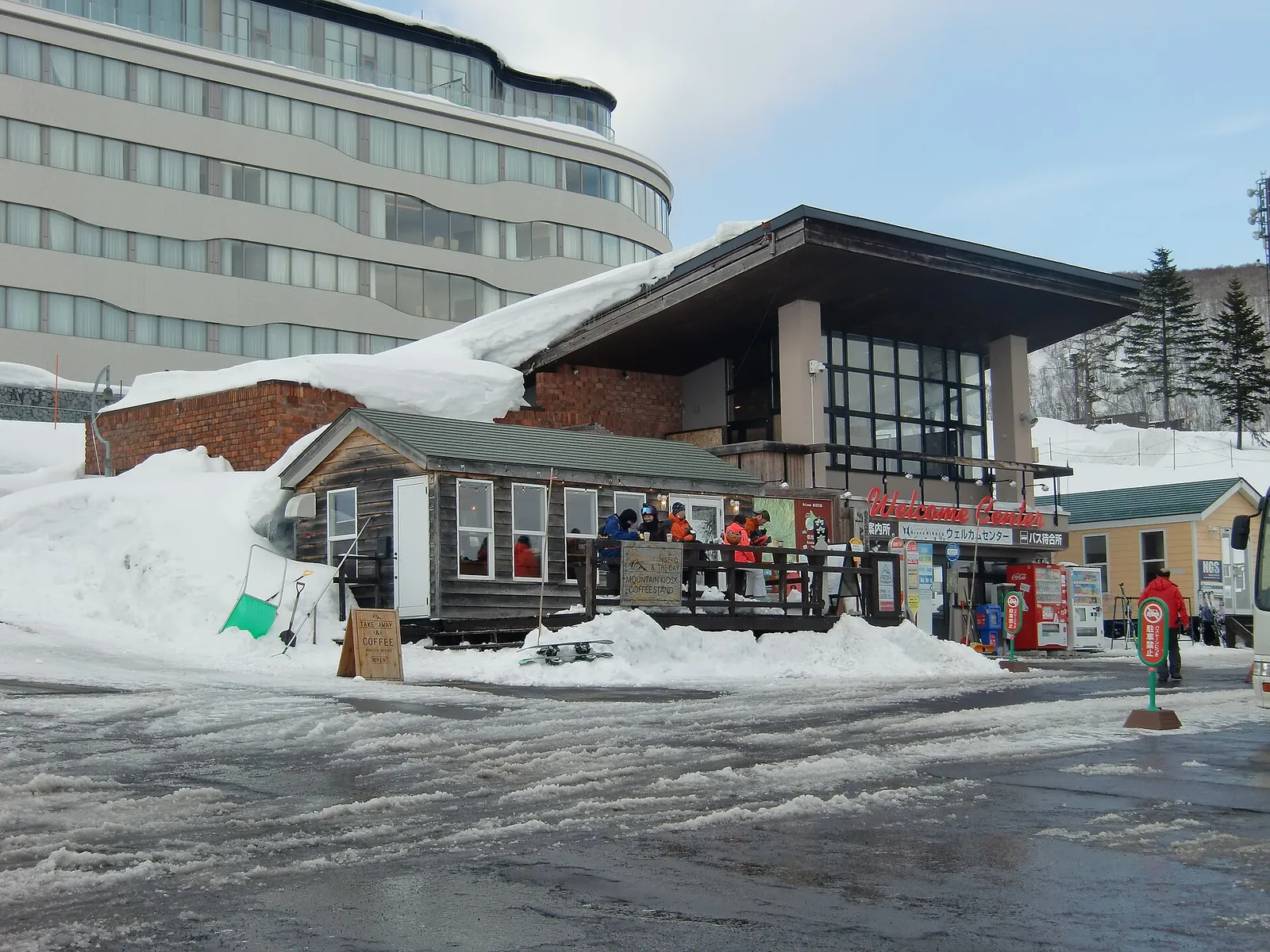
New Chitose Airport is the gateway, and in winter Niseko Tourism's advice is simple: take a direct coach, and reserve it. The Hokkaido Resort Liner runs daily from 1 December 2026 to 30 March 2027; when we checked on 2026-10-10, its one-way fare to Niseko was ¥6,000 for adults, and it gave about 2 hours 30 minutes to the Hirafu Welcome Center on runs that skip the stop at Rusutsu. Each passenger may put one set of skis or one board, in a bag, and one other piece of luggage in the hold.
Hokkaido Chuo Bus also runs a reservation-only ski bus that calls at Annupuri, Hilton Niseko Village and Hirafu; its 2026–27 timetable was not yet published when we checked. Niseko Village's own coach stops at the door of each of its hotels, about 2.5 hours from the airport. Whichever you choose, leave a margin: the Resort Liner asks for at least 90 minutes between an international arrival and the bus (45 minutes after a domestic flight) and 120 minutes between the bus and an international departure. Niseko United advises booking the transfer as soon as your flights are confirmed; the Resort Liner opened its 2026–27 bookings on 1 August.
The train is slower but useful if you are staying in Kutchan or coming from Sapporo. JR Hokkaido's Rapid Airport reaches Otaru in 73 minutes at its fastest; there you change to a local train for Kutchan and Niseko, about 90 minutes from Otaru to Niseko Station by Niseko United's reckoning, and services are few. JR Hokkaido warns that IC cards such as Suica cannot be used beyond Otaru, so buy a ticket to Kutchan at the airport, and it limits luggage to two items, each within 250 cm in total dimensions and no longer than 2 m. If you would rather drive, Niseko Village puts the trip from the airport at about 110 km, or 120 minutes, and hire cars are available at New Chitose.
Lessons, restaurants and onsen: what to book ahead
All four resorts run ski schools. Niseko United advises booking lessons before you arrive, especially in the peak weeks, when private instructors and the most popular times go first; the same applies to rental equipment, particularly if you need children's sizes. At Grand Hirafu's school, lesson fees do not include lift tickets or rentals, ski and snowboard lessons need separate instructors, and there is no hotel pick-up.
Dinner takes planning in the peak weeks. Niseko Tourism's advice is to book restaurants five to seven days ahead, especially for weekends, and notes that hotel concierges can often secure tables; many izakaya take walk-ins but expect a wait, while omakase and kaiseki meals always need a reservation. Niseko United suggests reserving a few must-visit places before the trip and leaving other evenings free. For lunch on the mountain, Annupuri's Rest House has a food court and a free rest area where you can eat your own packed lunch.
Hot springs are the other half of a Niseko day. Within walking distance of the Annupuri slopes, the Niseko Annupuri Hot Spring fills its open-air rock bath straight from a 56.4°C source, without dilution or recirculation, according to Hokkaido's official tourism site, and Niseko Konbu Onsen, at the south-western foot of the mountain, is one of the area's largest hot-spring districts, where many inns have their own sources. Niseko Village's resort hotels have onsen of their own. In shared baths you go in naked, wash fully at the showers first and keep your small towel out of the water. Tattoos are handled case by case: JNTO suggests asking ahead, covering small tattoos with skin-coloured seals or booking a private *kashikiri* bath.
Niseko or Hakuba?
The difference is in the layout and the journey. Niseko United is four resorts on one mountain, connected near the summit and sharing one pass and free shuttles, while Hakuba Valley is ten ski areas along a valley that JNTO puts at nearly 30 km, where only Goryu and Hakuba47 are joined by their runs and shuttle buses link the rest. Hakuba is 2 hours 50 minutes at best from Tokyo by Hokuriku shinkansen and express bus, according to its official site; Niseko means a flight to New Chitose and then about 2 hours 30 minutes by bus to Hirafu. Niseko United is on the Ikon Pass and Mountain Collective, Hakuba Valley on the Epic Pass. Choose Niseko for one connected mountain, night skiing at every resort and a big ski village at the lifts, or Hakuba to combine a ski week with Tokyo and the Japan Alps by rail; our Hakuba guide covers the other side of the decision.
Niseko in summer: rafting, Mount Yotei and cycling
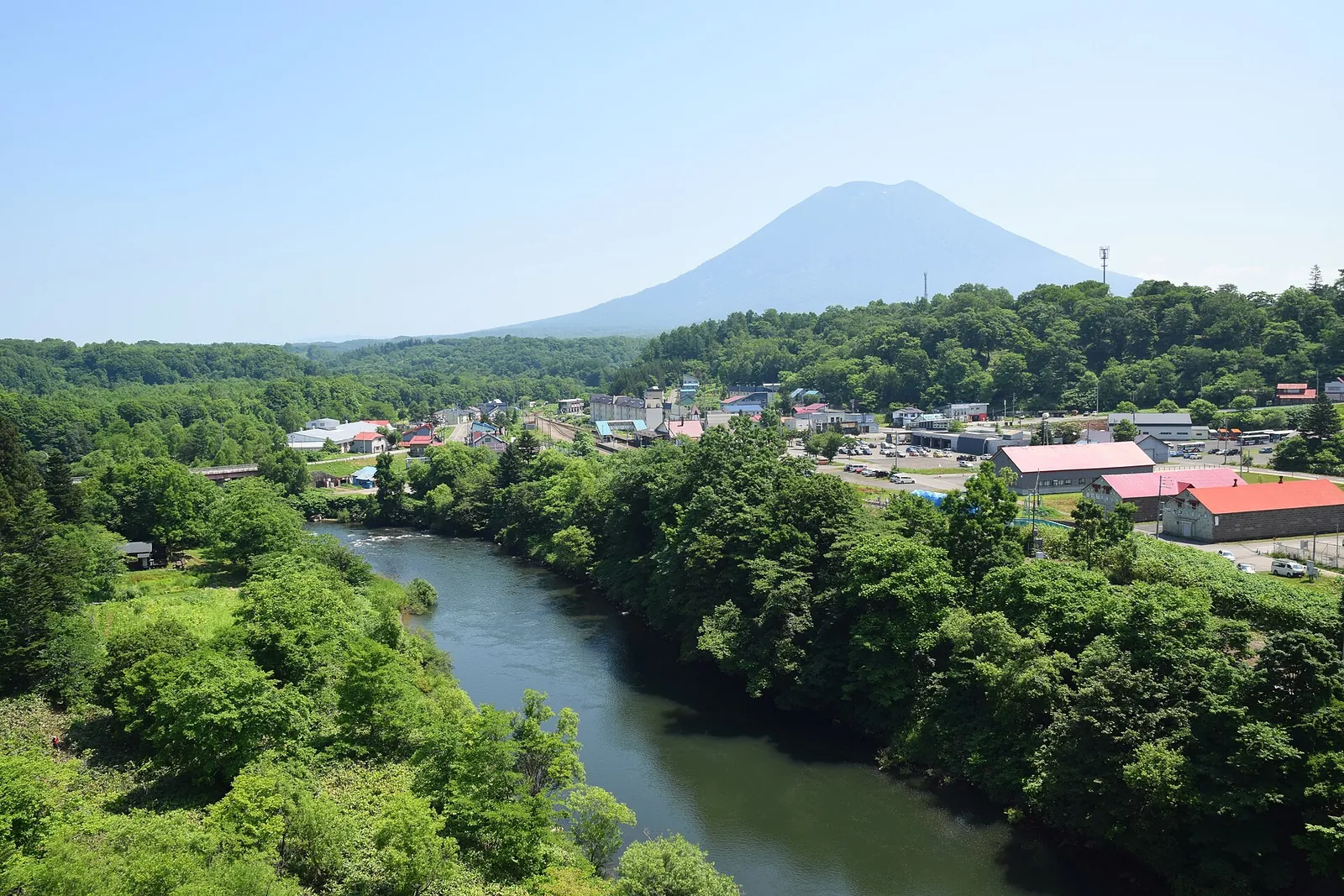
Out of the snow season, Niseko is a base for rafting, hiking and cycling. Rafting on the Shiribetsu River is the classic half day: the Niseko Adventure Centre at Grand Hirafu, which has guided on the river since 1995, runs trips from April to early November, with high-water rafting during the spring snowmelt in April and May and gentler family trips for children from age three in July and August. When we checked on 2026-10-10, its standard trip cost ¥6,980 for adults.
Mount Yotei (1,898 m) is the big hike. Kutchan Town calls it a mountain for intermediate and advanced hikers, about 10 hours up and down, and warns of brown bears: walk in a group and make noise as you go. From early July to early August, more than 100 species of alpine plants flower above 1,700 m. For cycling, Niseko Tourism points to smooth roads past farmland with Yotei views and the NAMBA MTB course, 13–16 km of free singletrack. Airport coaches run only limited schedules in summer, so a hire car or the train to Kutchan or Niseko Station is the easier way in.
A workable seven-night ski week
This is an editorial suggestion, not a timetable. Check lift status each morning and move your days around the snow.
- Day 1 — Arrive: airport bus from New Chitose to Hirafu, collect the rentals and lift passes you booked online, and soak in an onsen.
- Day 2 — Grand Hirafu: a lesson in the morning if you need one, the long runs from the top, and a night session if it is snowing.
- Day 3 — Hanazono: the shuttle or the slopes across, for tree runs and the terrain parks.
- Day 4 — Niseko Village and Annupuri: ski across near the summit or take the Niseko United shuttle, lunch at Niseko-yo or Annupuri's Rest House, and finish at the Annupuri hot spring.
- Day 5 — Rest or guided day: a snowshoe walk, a backcountry day with a qualified guide once you have read the avalanche bulletin, or an afternoon in Kutchan.
- Day 6 — Powder day: wherever the snow fell overnight, then dinner at a restaurant you booked ahead.
- Day 7 — Your favourite: last runs on the resort you liked best and an evening under the lights.
- Day 8 — Leave: the airport bus to New Chitose, allowing two hours between the bus and an international flight.
Practical questions
How many days do you need in Niseko?
A week is the usual ski trip: six or seven nights with a six-day All Mountain Pass covers all four resorts with room for a rest day or a guided day. In summer, two or three nights cover rafting, a hike and a day of cycling.
Where is the best place to stay in Niseko?
Hirafu, for a first visit: Niseko United calls it Niseko's largest village, with the most accommodation, restaurants and nightlife. Choose Niseko Village for resort hotels with ski-in access, Annupuri for quiet and onsen, or Kutchan if you want the JR station and do not mind a bus to the lifts.
How much is the Niseko United All Mountain Pass for 2026–27?
When we checked on 2026-10-10, Niseko United listed adult counter prices of ¥13,500 for one day and ¥78,500 for six days in the peak season, 24 December 2026 to 28 February 2027. Buying online saves about 5%, and online sales are due to open in early November.
How do I get from New Chitose Airport to Niseko?
Take a reservation-only airport bus: the Hokkaido Resort Liner takes about 2 hours 30 minutes to Hirafu and charges adults ¥6,000 one way for 2026–27, and Hokkaido Chuo Bus runs a ski bus too. By train, take the Rapid Airport to Otaru and change for Kutchan, buying a paper ticket at the airport, as IC cards do not work beyond Otaru.
Is there night skiing in Niseko?
Yes, at all four resorts from 12 December 2026 to 22 March 2027, from 16:00 or 16:30 until 19:00 or 19:30 depending on the resort. Day passes stay valid until the end of night skiing on their last day.
Is Niseko or Hakuba better for a ski week?
Niseko suits skiers who want one connected mountain, night skiing at every resort and a big village at the lifts, but it needs a flight to New Chitose. Hakuba's ten resorts are spread along a valley and linked by shuttle buses, and the valley is under three hours from Tokyo by shinkansen and bus.
Sources and checks before you travel
Reference sources for the version dated 10 October 2026. Confirm opening times, access, transport and conditions for your travel dates.
- Niseko United: 2026–27 All Mountain Pass prices and operating dates ↗ — opens in a new tab
- Niseko United: resort pages (Grand Hirafu, Hanazono, Niseko Village, Annupuri) ↗ — opens in a new tab
- Niseko United: about Niseko United ↗ — opens in a new tab
- Niseko United: Niseko Rules ↗ — opens in a new tab
- Niseko Avalanche Institute: Niseko Avalanche Information ↗ — opens in a new tab
- Niseko United: getting to Niseko ↗ — opens in a new tab
- Niseko United: 7 things you should book before your Niseko winter trip (29 September 2026) ↗ — opens in a new tab
- Niseko United: guide to lift passes ↗ — opens in a new tab
- Niseko United: night skiing at all four resorts ↗ — opens in a new tab
- Niseko United: accommodation bookings for next winter ↗ — opens in a new tab
- Niseko United: lift network upgrades ↗ — opens in a new tab
- Niseko United: resort dining ↗ — opens in a new tab
- Niseko Tokyu Grand HIRAFU: lift tickets 2026–27 ↗ — opens in a new tab
- Niseko Tokyu Grand HIRAFU: winter, school FAQ, restaurants and rafting ↗ — opens in a new tab
- Niseko HANAZONO Resort: lift tickets ↗ — opens in a new tab
- Niseko Village: getting here ↗ — opens in a new tab
- Hokkaido Resort Liner (Hokkaido Access Network): New Chitose Airport–Niseko 2026–27 ↗ — opens in a new tab
- JR Hokkaido: New Chitose Airport–Sapporo–Otaru airport trains ↗ — opens in a new tab
- Niseko Tourism: arrival and getting around ↗ — opens in a new tab
- Niseko Tourism: resorts ↗ — opens in a new tab
- Niseko Tourism: winter in Niseko ↗ — opens in a new tab
- Niseko Tourism: summer in Niseko and the three towns ↗ — opens in a new tab
- Niseko Wine & Dine (Niseko Tourism restaurant guide) ↗ — opens in a new tab
- Kutchan Town: Mount Yotei information (Japanese) ↗ — opens in a new tab
- HOKKAIDO LOVE! (Hokkaido official tourism site): Sapporo, Otaru and Niseko itinerary ↗ — opens in a new tab
- HOKKAIDO LOVE!: soup curry ↗ — opens in a new tab
- HOKKAIDO LOVE!: Niseko Annupuri Hot Spring and Niseko Konbu Hot Spring ↗ — opens in a new tab
- JNTO: Niseko United ↗ — opens in a new tab
- JNTO: onsen hot springs, tattoos and etiquette ↗ — opens in a new tab
- Hakuba Valley (official): about and access ↗ — opens in a new tab
- JNTO: Hakuba ski resorts ↗ — opens in a new tab
Does this experience fit your route?
A private car from New Chitose suits a family or group with more luggage than the airport bus allows, one ski or board bag and one other piece each. Compare its price with the bus fares for your group, and check the vehicle size and the delay policy before you book.
Check dates and details on Viator ↗ — opens in a new tabAffiliate link · Book with ViatorPhoto credits
Mount Yotei from the top of Niseko Annupuri, the view that follows you round the resorts
Photograph: MIKI Yoshihito — opens in a new tab · CC BY 2.0 — opens in a new tab
Changes: Resized and converted to WebP; displayed with responsive crops. · Original photograph and licence details ↗ — opens in a new tab
Niseko Annupuri above Hirafu: all four resorts share this one mountain
Photograph: wakimasa — opens in a new tab · Public domain — opens in a new tab
Changes: Resized and converted to WebP; displayed with responsive crops. · Original photograph and licence details ↗ — opens in a new tab
The Hirafu Welcome Center, where the airport buses from New Chitose stop
Photograph: Excellent moniteur de ski — opens in a new tab · CC BY-SA 4.0 — opens in a new tab
Changes: Resized and converted to WebP; displayed with responsive crops. · Original photograph and licence details ↗ — opens in a new tab
Kutchan, the town with the JR station, seen from the Asahigaoka ski jump
Photograph: en:User:Rockfender — opens in a new tab · CC BY-SA 3.0 — opens in a new tab
Changes: Resized and converted to WebP; displayed with responsive crops. · Original photograph and licence details ↗ — opens in a new tab
Niseko in early summer, when rafting, hiking and cycling take over from skiing
Photograph: Raita Futo from Tokyo, Japan — opens in a new tab · CC BY 2.0 — opens in a new tab
Changes: Resized and converted to WebP; displayed with responsive crops. · Original photograph and licence details ↗ — opens in a new tab