Sapporo travel guide: where to stay, the Snow Festival and Otaru
Sapporo is Hokkaido's capital and, for most visitors, the island's front door: the largest city north of Tokyo, 37 minutes from New Chitose Airport on the fastest Rapid Airport train. Winter visitors come for the Snow Festival in February or pass through on the way to the ski slopes of Niseko; summer visitors come for the festivals in Odori Park and a comfortable season without Honshu's humid rainy spell. The centre is compact and easy to read, so the real decisions are how many nights to give it, which neighbourhood to sleep in, and how to fit in Otaru, Jozankei Onsen and the onward trip to the mountains.
In this guide
Find the location ↗ — opens in a new tabThe short answer
Give Sapporo two nights, or three for the Snow Festival or an Otaru day trip, and sleep near Sapporo Station, 37 minutes from New Chitose Airport by JR Rapid Airport, or around Odori. Spend the first day on Odori Park, the Clock Tower and Nijo Market, and ride the Mt Moiwa ropeway before dusk. Give the second to the Sapporo Beer Museum and Moerenuma Park, or to the baths at Jozankei Onsen. Otaru is 32 minutes away by JR at the fastest. For the Snow Festival, 4–11 February 2027, book rooms first. Skiers heading for Niseko change trains at Otaru.
- Suggested time
- 2–3 nights (3 in Snow Festival week or with a day in Otaru)
- Where to stay
- Sapporo Station for the airport, Otaru and Niseko trains; Odori for the Snow Festival and the subway hub; Susukino for food and nightlife; Nakajima Park for quieter nights
- Season and timing
- The Snow Festival runs from 4 to 11 February 2027. Winter (November–March) brings about 470 cm of snow a year and pavements that freeze overnight; February averages −3.1°C. Summer (June–August) has no humid rainy season like Honshu's and fills Odori Park with festivals and a beer garden.
Two nights or three, and where in Sapporo to sleep
Central Sapporo is easy to cover on foot. The city's official tourism site puts Susukino about 1.5 km, or a 20-minute walk, south of JR Sapporo Station, with Odori Park in between, and an underground walkway links the two stations, which matters on a snowy day. Two nights give you one full day for the centre and the night view from Mt Moiwa, and a second for the Beer Museum, Moerenuma Park or a bath at Jozankei Onsen. Make it three if you come for the Snow Festival, which deserves a daylight visit and an evening at each city-centre site, or if you want a day in Otaru. If you are only passing through to Niseko, one night on arrival or before your flight home still buys a bowl of miso ramen and the ropeway at dusk. If you have a week on the island, our Hokkaido in 7 days route keeps Sapporo as the first base and adds Asahikawa, Furano and Noboribetsu Onsen.
Sapporo's tourism site groups its hotels into four central areas, and each suits a different trip. Sapporo Station is where the JR trains to the airport, Otaru and Niseko leave from; Visit Sapporo, the city's international site, describes the station building as directly connected to shopping malls, department stores and hotels, so it is the easy choice with ski bags or early trains. Odori is the middle of everything: three subway lines, the Namboku, Tozai and Toho, meet at Odori Station, and the Snow Festival's main site is the park itself. Susukino, south of Odori on the Namboku Line, is in Visit Sapporo's words the city's iconic entertainment district, full of izakaya, bars, karaoke and an alley of ramen restaurants; sleep here for late dinners and accept neon and late-night crowds outside. Hotels around Nakajima Park, just south of Susukino by Nakajima-koen Station on the Namboku Line, are a quieter option with a park and pond on the doorstep, at the cost of a longer ride to the JR station.
Budget for the accommodation tax. Since 1 April 2026, both Sapporo City and Hokkaido have charged one, collected by your hotel; when we checked on 10 October 2026, the city's tourism site listed a combined ¥300 per guest per night for rates under ¥20,000, ¥400 from ¥20,000 to under ¥50,000 and ¥1,000 from ¥50,000. For Snow Festival week, JNTO's advice is to reserve accommodation early because of the crowds, so book those nights before anything else on your trip.
The Sapporo Snow Festival: dates, sites and timing
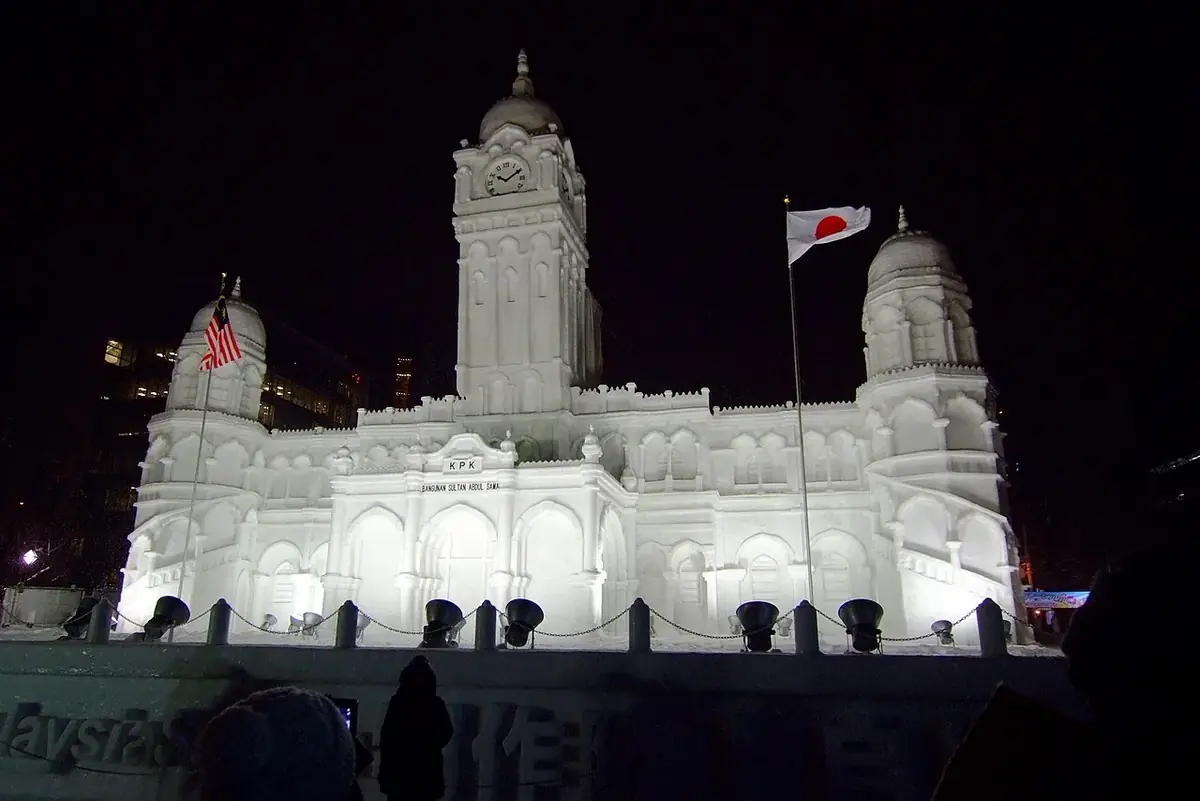
The festival began in 1950, when local junior and senior high school students displayed six snow sculptures in Odori Park; the organisers now count more than two million visitors a year from Japan and abroad. The 77th festival runs from 4 to 11 February 2027 at three sites, and the organisers' FAQ says entry to all of them is free. Details of the 2027 programme are due on the official site from mid-December 2026.
The Odori site fills Odori Park from West 1-chome to West 11-chome. The 2027 outline is built around five large snow sculptures, with medium and small sculptures between them and the International Snow Sculpture Contest at 11-chome, and the sculptures are lit until 22:00. The Susukino site lines Ekimae-dori between Minami 4-jo and Minami 6-jo with ice sculptures, about 60 of them in 2026, including the ice-carving contest and blocks with fish frozen inside; the FAQ gives the lighting until 23:00, or 22:00 on the last night. Tsudome, the Sapporo Community Dome in Higashi-ku, is the family site, with tube slides, snow rafting and indoor food stalls, open 10:00–16:00; it is a 15-minute walk or a shuttle bus ride from Sakaemachi Station on the Toho Line, and its attractions require a hat and gloves.
See Odori twice, once in daylight to look at the carving and again after dark, and walk down to Susukino after dinner, when the ice is lit. Tsudome is worth the trip mainly with children. Do not plan to arrive on 12 February: the organisers knock the sculptures down the morning after the festival closes, for safety. The same week, Otaru holds its Snow Light Path, from 6 to 13 February 2027, so an evening there fits neatly into a festival trip.
What to eat and where to look
Miso ramen
Sapporo is the birthplace of ramen in miso broth, which the city's tourism site dates to 1958 at Aji no Sanpei. The classic bowl has crinkled, medium-thick noodles designed to hold the broth, topped with bean sprouts and onion; soy sauce and salt ramen have since joined it.
- Where to look
- Ganso Sapporo Ramen Yokocho, the Susukino alley the tourism site lists with 17 miso ramen restaurants, or Aji no Sanpei on the fourth floor of Daimaru Fujii Central near Odori.
- Fit it into your day
- A late supper after the Mt Moiwa night view or the Susukino ice sculptures.
Broths are usually pork-based, the noodles contain wheat and miso is made from soy.
Soup curry
A Sapporo speciality that the tourism site calls the city's soul food: a light, spiced broth with large pieces of Hokkaido vegetables, chicken, braised pork or seafood, eaten with rice on the side. You choose the spice level, the amount of rice and usually about two toppings.
- Where to look
- Soup curry restaurants all over the centre; one of the tourism site's picks, Okushiba Shoten, has a branch in the Hokuren building near Sapporo Station.
- Fit it into your day
- A warming lunch on a cold day, or dinner after a day in Otaru.
Broths vary from shrimp to pork bone, so ask if you avoid shellfish or pork; start at a low spice level.
Jingisukan (grilled lamb and mutton)
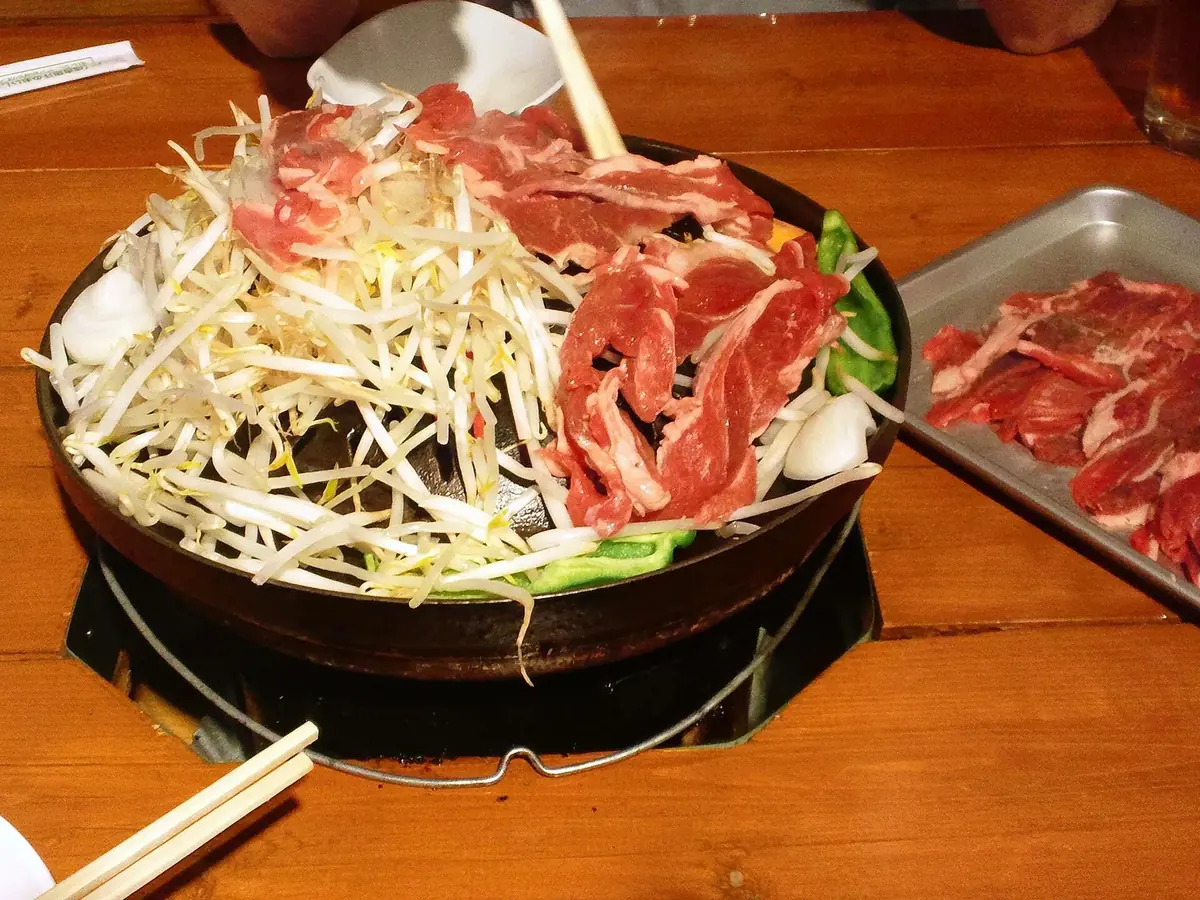
Hokkaido's soul food: lamb or mutton grilled with vegetables on a domed iron skillet, the meat either marinated first or dipped in sauce after grilling. Some restaurants finish by simmering udon or ramen in the juices left in the pan.
- Where to look
- The Sapporo Beer Garden beside the Beer Museum, or the long-established jingisukan restaurants the tourism site lists, from Susukino to Tsukisamu.
- Fit it into your day
- Dinner with a Sapporo beer, ideally after the Beer Museum.
Lamb or mutton; ask about the sauce if you avoid soy or wheat, and expect your clothes to smell of the grill.
Seafood bowls and crab
Sashimi-topped rice bowls (kaisendon) and sushi made with the morning's catch are the reason to visit Nijo Market early, and crab is the market's signature: you can pick a live crab from a tank and have it boiled on the spot. The tourism site's tip is to choose a heavy crab, a sign of well-filled shells.
- Where to look
- The restaurants inside Nijo Market and the dining halls of the Curb Market by the central wholesale market.
- Fit it into your day
- Breakfast at the market on your first full day.
Raw fish and shellfish; ask the price of a crab before it is cooked.
Sapporo beer
The brand traces its roots to the brewery opened by the Hokkaido Development Commission in 1876. At the Beer Museum's tasting hall you can compare Sapporo Draft Beer Black Label (Kuro Label), the Kaitakushi beer still brewed in Sapporo and Sapporo Classic, which is sold only in Hokkaido.
- Where to look
- The Sapporo Beer Museum's tasting hall, and any izakaya in the city for Sapporo Classic.
- Fit it into your day
- A three-beer set at the museum before a jingisukan dinner next door.
Alcohol is not served to anyone under 20, and the museum may ask for ID.
Odori Park, the Clock Tower and Nijo Market: the centre in a day
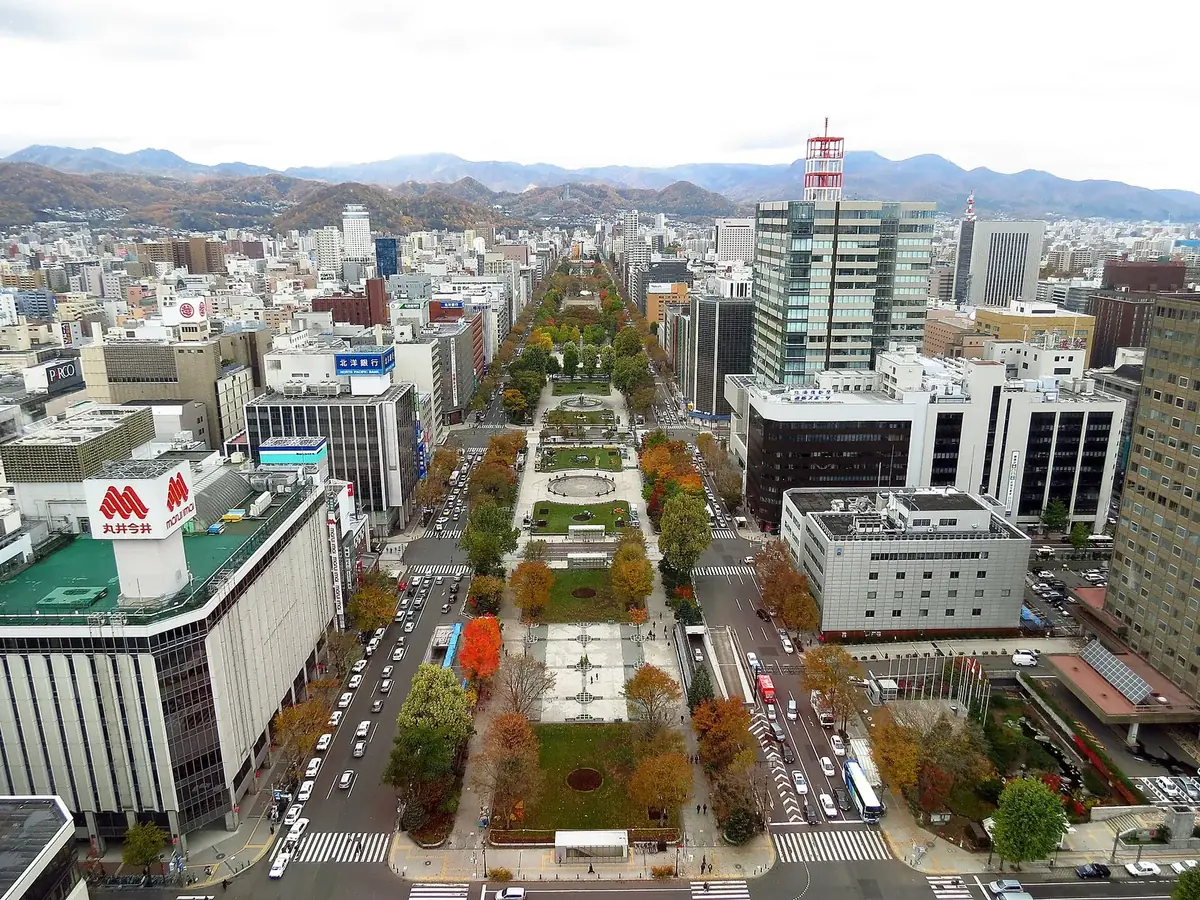
Odori Park began in 1871 as a firebreak dividing central Sapporo into north and south. Today, the city's tourism site says, it runs for about 1.5 km from 1-chome to 12-chome, with lawns, fountains and 92 kinds of trees, and takes about 30 minutes to walk end to end. It is the stage for the city's year: the Snow Festival in February, the Lilac Festival in May, the YOSAKOI Soran dance festival in June and a beer garden in summer. In winter 2026–27 the Sapporo White Illumination lights the park from 20 November 2026 to 14 March 2027, with a German Christmas Market at 2-chome until 25 December.
Just north of the park stands the Sapporo Clock Tower, built in 1878 as the drill hall of the Sapporo Agricultural College, today's Hokkaido University. Its clock, made by E. Howard of Boston, was installed in 1881, and the building is a National Important Cultural Property and now a museum. When we checked on 10 October 2026, the official site listed opening hours of 08:45–17:10 (last entry 17:00), admission at ¥350 for adults and closure from 1 to 3 January. It is a five-minute walk from exit 7 of Odori Station.
For breakfast, walk east to Nijo Market, which the tourism site traces to the early Meiji period, when fishermen from Ishikari Bay began selling their catch here. Stalls sell crab, hokke and other Hokkaido seafood, fruit and vegetables, and the market's restaurants serve sushi and seafood bowls; the tourism site lists shops open 07:00–18:00 and restaurants 06:00–21:00, with hours varying by business. Go early: it says stock starts to run down after the busy hours of 08:00–11:00. Vendors will boil a live crab you choose from the tank, or cook it and ship it home for you. The Curb Market, beside Sapporo's central wholesale market, has about 60 stores and opens at 06:00, a seven-minute walk from Nijuyon-ken Station on the Tozai Line.
Between sights in bad weather, go underground. The Chi-Ka-Ho walkway runs about 520 m beneath Ekimae-dori from Sapporo Station to Odori, roughly ten minutes on foot, and the city's site lists it open from 05:45 to 00:30; together with the Pole Town underground mall, the route links JR Sapporo Station and Susukino Station in a straight line.
Mt Moiwa at dusk and the Sapporo Beer Museum
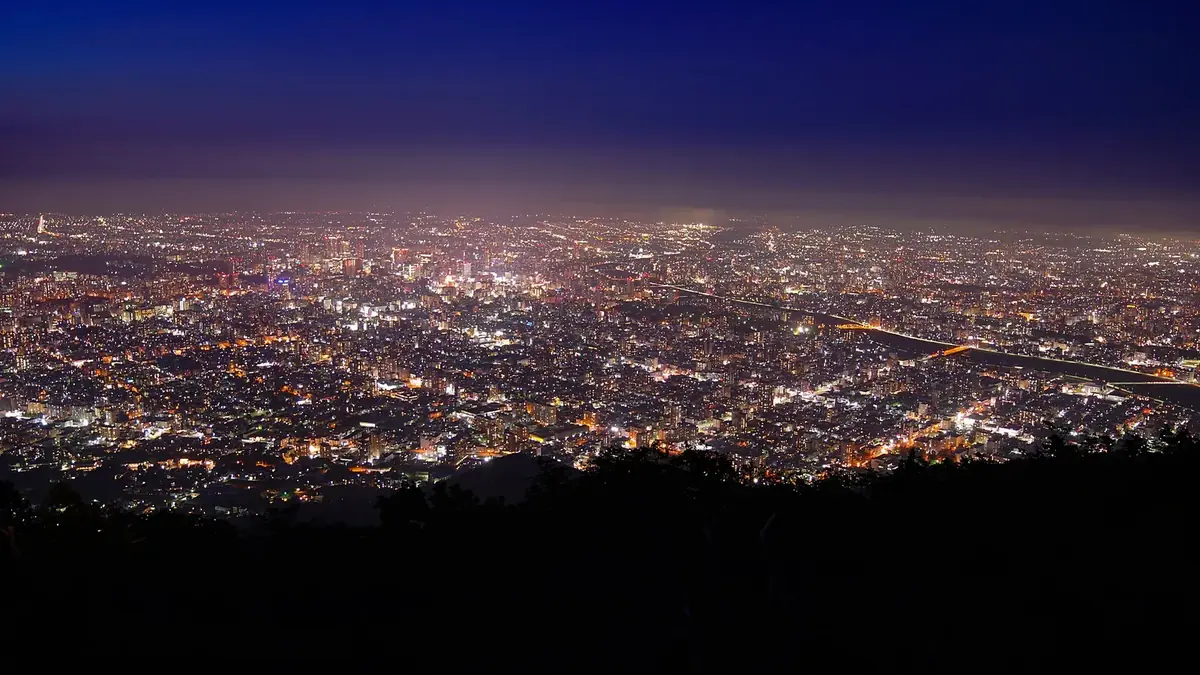
Mt Moiwa, 531 m high and within the city, is where Sapporo goes for its night view; at the Night View Summit in 2015, Sapporo was named one of Japan's three most beautiful city night views, alongside Nagasaki and Kobe. A ropeway climbs 1,200 m from the base station in about five minutes, and a mini cable car carries you through the forest to the summit observatory. When we checked on 10 October 2026, the operator listed a round trip on both at ¥2,100 for adults, ropeway hours of 10:30–22:00 from April to November and 11:00–22:00 from December to March, and a last ascent at 21:30. It closes on 31 December and 1 January, and for annual maintenance from 29 March to 28 April 2027.
Take the streetcar to Ropeway-Iriguchi, then the free shuttle bus to the base station or a 10-minute walk. Plan around the crowds. The operator says a round trip normally takes about an hour, but at night-view time in its busiest periods, which include Golden Week, the summer holidays, the Snow Festival and Lunar New Year, it can take two hours or more, with up to an hour's wait for the cable car down after sunset. Go up before sunset and watch the lights come on, or buy the priority boarding ticket sold for ascents between 17:00 and 21:00.
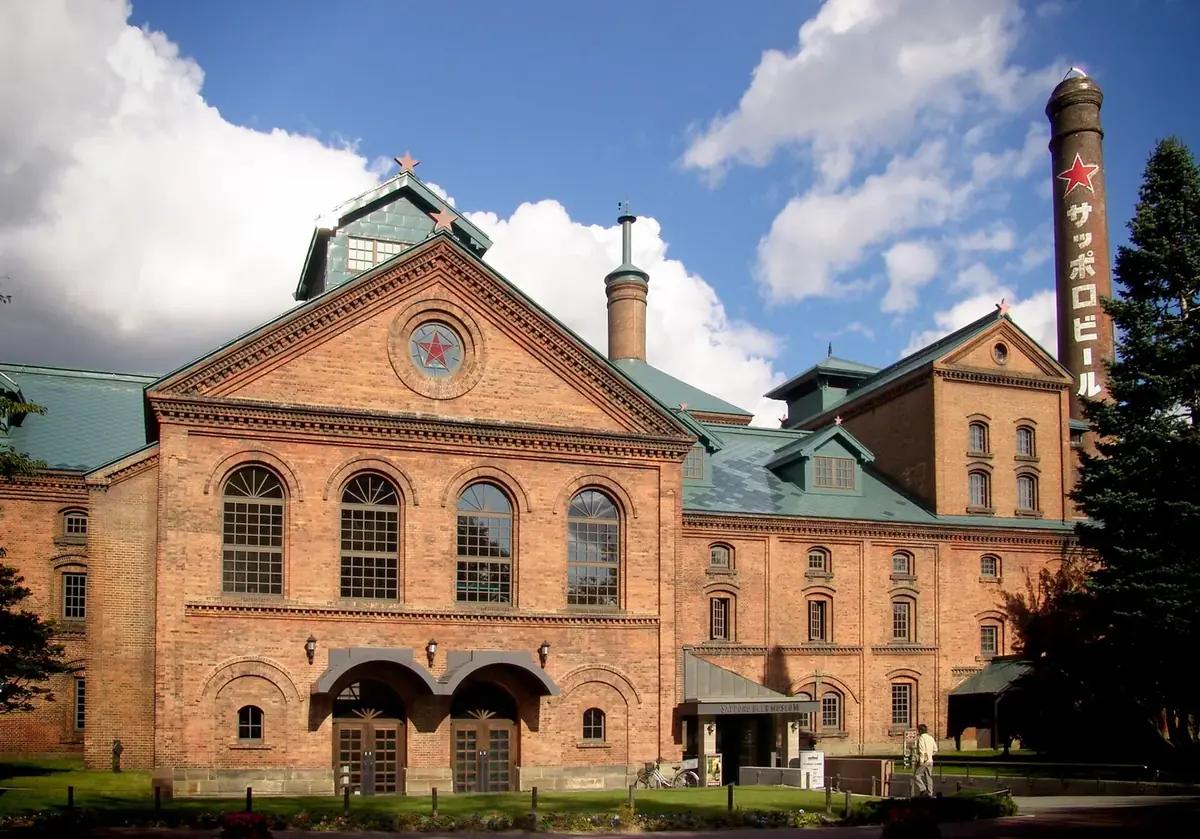
The Sapporo Beer Museum, in Higashi-ku east of the centre, is in Sapporo Breweries' words Japan's only museum dedicated to beer, tracing the brand back to the Hokkaido Development Commission's brewery of 1876. The self-guided route takes 15–40 minutes with the audio guide, which is available in English. When we checked on 10 October 2026, admission was ¥1,000 for adults and the museum was open 11:00–18:00 (last entry 17:30); the tasting hall pours Sapporo Classic, sold only in Hokkaido. The paid guided tour is conducted in Japanese only. The museum is an eight-minute walk from the north exit of JR Naebo Station, or take the 188 bus from Sapporo Station's north exit; the Sapporo Beer Garden next door serves jingisukan.
Moerenuma Park and Jozankei Onsen: half a day beyond the centre
Moerenuma Park is the city's most unusual green space: the sculptor Isamu Noguchi created its basic design on the concept of the whole park as a single sculpture, on land that had been a waste-disposal site, and it opened fully in 2005. Geometric hills, the Sea Fountain, which shoots up to 25 m, and the Glass Pyramid are spread across the open grounds. Entry is free and the park is open 07:00–22:00 (gates close at 21:00); the fountain runs from 29 April to 20 October, and in winter the slopes are used for sledging and cross-country skiing. From the centre, take the Toho Line to Kanjo-dori-higashi and then a Chuo Bus for about 25 minutes to the east entrance.
Jozankei Onsen is Sapporo's hot-spring valley, south of the city; its tourist association puts it 50 minutes from the city by car. The city's tourism site dates the springs to 1866, when the monk Miizumi Jozan opened a healing bath, and counts 56 sources producing water at 60–80°C. The Kappa Liner shuttle bus from Sapporo Station, Odori and Susukino requires a reservation; direct buses also run from Sapporo Station, or you can take the subway to Makomanai and change to a bus there. If you do not stay the night, the tourist association lists hotels that open their baths to day visitors, several of them estimated from ¥1,500 for adults. From late January to early February, the Snow Candle Way (Yuki Touro) lights the area around Jozankei Shrine with snow candles.
Otaru, Shakotan and the way on to Niseko
Otaru is the classic day trip, and the train makes it simple. Some Airport trains continue from Sapporo to Otaru; Otaru's tourism association gives 32 minutes at the fastest, and JR Hokkaido's adult fare is ¥800. Check the destination on the platform before you board. Otaru also works as the day trip of a longer loop, which our Hokkaido in 7 days itinerary sets out.
From Otaru Station, the association's suggested walk heads downhill past the old Temiya railway line and stone former bank buildings to the canal, then along the water to Asakusa Bridge. From there, Sakaimachi-dori is lined with buildings from the days when Otaru was called the Wall Street of the North, now glass shops, seafood stores, sweet shops and sushi restaurants, and ends at the music box museum at the Marchen crossroads. For sushi, the association recommends local botan and sweet shrimp, sea urchin, abalone and scallops. A half day is enough; in Snow Festival week, stay into the evening for the Snow Light Path.
The Shakotan Peninsula, about 90 minutes from Sapporo by car according to the city's tourism site, is known for the clear blue sea it calls Shakotan Blue, the cliffs around Cape Kamui and sea urchin in summer. Without a car, a guided day tour from Sapporo is the practical way to see it, and some combine it with Otaru.
For Niseko, JR Hokkaido says passengers bound for Kutchan and Niseko must change at Otaru, and that IC cards such as Suica cannot be used beyond Otaru, so buy a ticket at your departure station; our Niseko guide covers the trains, the winter buses and where to stay. Do not expect a shinkansen from Sapporo yet. From Honshu, the Hokkaido shinkansen currently ends at Shin-Hakodate-Hokuto, and Otaru's tourism association routes travellers on to Sapporo by limited express.
Arriving from New Chitose, and walking on ice
Almost everyone arrives at New Chitose Airport, about 45 km from the city centre, whose JR station is directly below the terminal. JR Hokkaido runs six Airport trains an hour between 09:00 and 16:00, and the Rapid Airport takes 37 minutes to Sapporo at its fastest. Since JR Hokkaido's fare revision of 1 April 2025, the adult fare to Sapporo has been ¥1,230. You can tap in with an IC card such as Suica; the reserved u-seat car (car 4) costs ¥1,000 extra, or ¥800 booked as a ticketless seat, and is worth it with big luggage at busy times. Airport buses run by Chuo Bus and Hokuto Kotsu take about 70 minutes into central Sapporo.
Winter is the season that needs planning. The city's tourism site gives an average of about 470 cm of snowfall a year and explains that snow melting by day refreezes overnight, leaving pavements smooth and slippery, so it recommends snow boots or shoes with deep treads. Walk with your whole sole on the ground and take small steps; the site suggests imagining a penguin. Slip-on grips for your shoes sell for about ¥1,000–2,000 in central convenience stores and shoe shops, and the Snow Festival's official shop at the Odori site lends walking sticks free of charge. Buildings and trains are well heated, so wear layers you can take off, and use the underground walkways between Sapporo Station, Odori and Susukino when the wind is up.
Two or three nights: Mt Moiwa at dusk, Nijo Market, then Otaru
This is an editorial suggestion, not a timetable.
- Day 1, arrival: Rapid Airport to Sapporo Station and drop your bags. Walk to the Clock Tower and along Odori Park, then take the streetcar to the Mt Moiwa ropeway and go up before sunset. Miso ramen in Susukino afterwards.
- Day 2, morning: Breakfast at Nijo Market before 08:00, then Moerenuma Park in the green months, or the Kappa Liner to Jozankei Onsen for a bath in winter.
- Day 2, afternoon: The Sapporo Beer Museum, then jingisukan at the beer garden next door or back in Susukino.
- Day 3 (optional): JR to Otaru for the canal and Sakaimachi-dori, back for soup curry in the evening; or continue from Otaru towards Niseko.
- In Snow Festival week: Odori in daylight on your first afternoon and again after dark, Susukino's ice sculptures after dinner, and the Otaru Snow Light Path (6–13 February 2027) on your extra night.
Practical questions
How many days do I need in Sapporo?
Two nights cover the centre, the Mt Moiwa night view and a half day at the Beer Museum, Moerenuma Park or Jozankei Onsen. Stay three nights for the Snow Festival or a day trip to Otaru.
Where is the best area to stay in Sapporo?
Stay near Sapporo Station if you will take trains to the airport, Otaru or Niseko, or around Odori for the Snow Festival and the subway. Susukino suits late dinners and nightlife, and Nakajima Park is quieter.
When is the Sapporo Snow Festival in 2027?
The 77th Sapporo Snow Festival runs from 4 to 11 February 2027 at the Odori, Susukino and Tsudome sites. Entry is free, and JNTO advises booking accommodation early.
How do I get from New Chitose Airport to Sapporo?
Take the JR Airport train from the station below the terminal: the Rapid Airport reaches Sapporo in 37 minutes at its fastest, and the adult fare is ¥1,230. Airport buses take about 70 minutes.
Is Otaru worth a day trip from Sapporo?
Yes, for a half day of canal, old stone buildings, glass shops and sushi. The fastest JR trains take 32 minutes, and in Snow Festival week the Snow Light Path runs from 6 to 13 February 2027.
How do I get from Sapporo to Niseko?
By JR, change at Otaru for Kutchan or Niseko, and buy a ticket at your departure station, because IC cards such as Suica cannot be used beyond Otaru. Our Niseko guide covers the trains and the winter buses.
Keep planning your trip
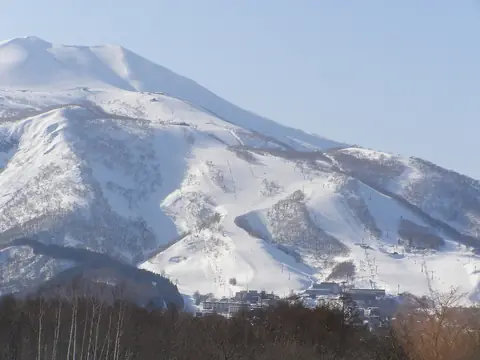
Niseko
How long to ski Niseko, whether to stay in Hirafu, Niseko Village, Annupuri or Kutchan, 2026–27 pass prices, airport buses and the backcountry rules.
Read the guide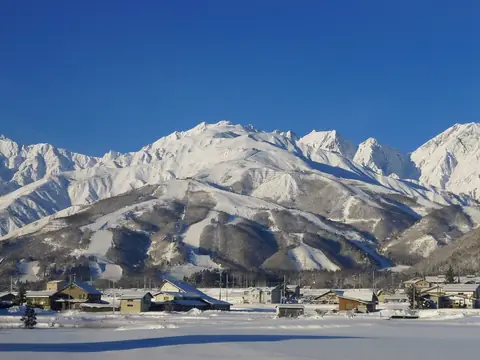
Hakuba
Plan a Hakuba ski week: the ten resorts, whether the 2026–27 valley pass pays, which village to sleep in, and the shinkansen and bus from Tokyo.
Read the guide
Best time to visit Japan
Pick your month for Japan: blossom, autumn colour, the June rains, summer heat, typhoons and holidays to avoid, such as Golden Week (29 April and 1–5 May 2027).
Read the guide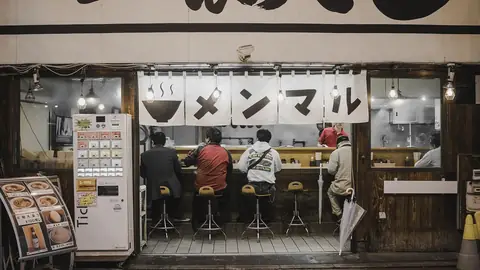
Food in Japan
What to eat from Tokyo to Hiroshima and on to Kanazawa or Sapporo, which meals to book, how ticket machines and the otoshi work, and eating vegetarian or halal.
Read the guide
First trip to Japan
How to shape two weeks in Japan, what to settle before you fly (entry, Visit Japan Web, cash, data, insurance) and which trains, tickets and rooms to book.
Read the guideSources and checks before you travel
(25)
- Sapporo Snow Festival: outline of the 2027 festival (77th) (Japanese) ↗ — opens in a new tab
- Sapporo Snow Festival: FAQ (Japanese) ↗ — opens in a new tab
- Sapporo Snow Festival: Odori, Tsudome and Susukino site pages (Japanese) ↗ — opens in a new tab
- JNTO: Japan in February ↗ — opens in a new tab
- Welcome to Sapporo (Sapporo Tourist Association): accommodation tax notice ↗ — opens in a new tab
- Welcome to Sapporo: access and coming to Sapporo ↗ — opens in a new tab
- JR Hokkaido: New Chitose Airport – Sapporo – Otaru airport train ↗ — opens in a new tab
- JR Hokkaido: Rapid Airport (Japanese) ↗ — opens in a new tab
- JR Hokkaido: main fares after the 1 April 2025 revision (PDF, Japanese) ↗ — opens in a new tab
- Visit Sapporo (Sapporo International Tourism Promotion Executive Committee): Sapporo Station and Susukino ↗ — opens in a new tab
- Welcome to Sapporo: distance from Sapporo Station and the Chi-Ka-Ho walkway ↗ — opens in a new tab
- Welcome to Sapporo: Odori Park ↗ — opens in a new tab
- Welcome to Sapporo: winter and summer in Sapporo ↗ — opens in a new tab
- Welcome to Sapporo: what to wear in winter ↗ — opens in a new tab
- Sapporo Clock Tower (official site, Japanese and English) ↗ — opens in a new tab
- Welcome to Sapporo: Nijo Market and Curb Market ↗ — opens in a new tab
- Sapporo Mt Moiwa Ropeway (official site, Japanese) ↗ — opens in a new tab
- Welcome to Sapporo: Mt Moiwa and the Sapporo Mt Moiwa Ropeway ↗ — opens in a new tab
- Sapporo Breweries: Sapporo Beer Museum ↗ — opens in a new tab
- Moerenuma Park (official site) ↗ — opens in a new tab
- Jozankei Tourist Association: access and day-trip bathing ↗ — opens in a new tab
- Welcome to Sapporo: Jozankei Onsen ↗ — opens in a new tab
- Otaru Tourism Association: access and the canal walk (Japanese) ↗ — opens in a new tab
- Welcome to Sapporo: a day in Shakotan ↗ — opens in a new tab
- Welcome to Sapporo: ramen, soup curry and jingisukan guides ↗ — opens in a new tab
Reference sources for the version dated 26 October 2026. Confirm opening times, access, transport and conditions for your travel dates.
Photo credits
(5)
Odori Park from its eastern end in autumn, the city's main stage for festivals all year
Photograph: redlegsfan21 — opens in a new tab · CC BY-SA 2.0 — opens in a new tab
Changes: Resized and converted to WebP; displayed with responsive crops. · Original photograph and licence details ↗ — opens in a new tab
A large snow sculpture at the 2014 festival, floodlit after dark
Photograph: t-konno — opens in a new tab · CC BY-SA 3.0 — opens in a new tab
Changes: Resized and converted to WebP; displayed with responsive crops. · Original photograph and licence details ↗ — opens in a new tab
The view from Mt Moiwa just after sunset, worth reaching before the evening queues
Photograph: 掬茶 — opens in a new tab · CC BY-SA 4.0 — opens in a new tab
Changes: Resized and converted to WebP; displayed with responsive crops. · Original photograph and licence details ↗ — opens in a new tab
The Sapporo Beer Museum, with its tasting hall on the ground floor
Photograph: MIKI Yoshihito derivative work: MrPanyGoff — opens in a new tab · CC BY 2.0 — opens in a new tab
Changes: Resized and converted to WebP; displayed with responsive crops. · Original photograph and licence details ↗ — opens in a new tab
Jingisukan at a long-established Sapporo restaurant: mutton grilled over vegetables on a domed pan
Photograph: Gpx-evo — opens in a new tab · CC BY-SA 3.0 — opens in a new tab
Changes: Resized and converted to WebP; displayed with responsive crops. · Original photograph and licence details ↗ — opens in a new tab