Ishigaki travel guide: Taketomi, Iriomote, ferries and where to stay
Ishigaki is the main island of the Yaeyama group, 410 km south of Okinawa Island and about an hour's flight from Naha, according to the city's tourism site. It is also the hub for everything else: Taketomi's red-tiled village is a short ferry ride away, and the jungle and mangrove rivers of Iriomote are under an hour away. The decision that shapes the trip is whether to sleep on Ishigaki and cross by day, or to spend a night on one of the smaller islands, and the sea can overrule either plan. This guide covers the port-side town, Kabira Bay and the beaches, the ferries from Ishigaki Port's Rito Terminal, and what Taketomi and Iriomote ask of visitors.
In this guide
Find the location ↗ — opens in a new tabThe short answer
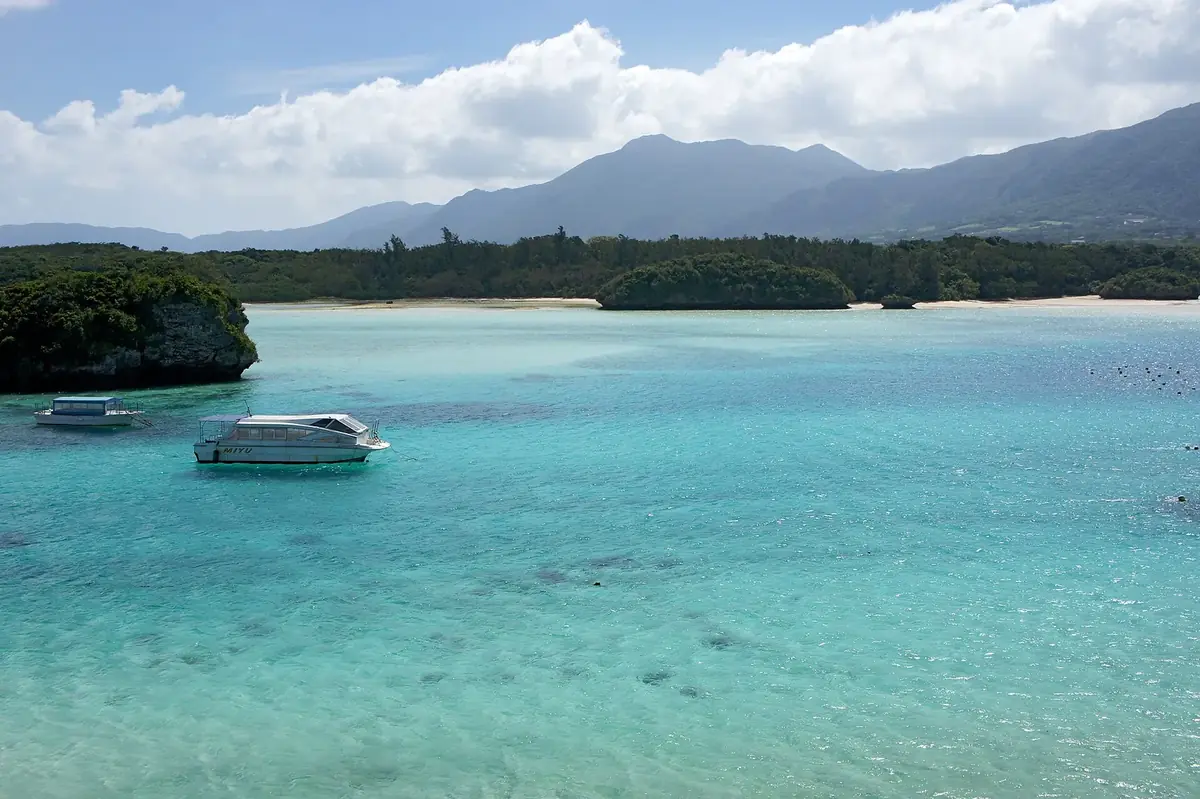
Base yourself on Ishigaki for three to four nights, and add a night on Taketomi or Iriomote only if you want the island after the last ferry has gone. Day trips leave from Ishigaki Port's Rito Terminal on Anei Kanko or Yaeyama Kanko Ferry boats, 10 to 15 minutes to Taketomi and under an hour to Iriomote. Swimming is not allowed at Kabira Bay, so go for the glass-bottom boats. Keep a spare day, because rough seas cancel sailings, and book a licensed guide months ahead for Iriomote's protected waterfall hikes.
- Suggested time
- 3–4 nights
- Where to stay
- Ishigaki town by the Rito Terminal for ferries; Kabira for the north-west coast; Taketomi village or Uehara on Iriomote for a quiet night
- Season and timing
- The city's tourism site gives typhoon season as around May to November, and daytime temperatures can reach 30°C until early November. Okinawa Prefecture's habu jellyfish advisory runs from 1 June to 30 September each year.
Sleep on Ishigaki, or spend a night on Taketomi or Iriomote
For most trips Ishigaki is the right base. It has the airport, the town's restaurants and shops, and the Rito Terminal, where two ferry companies sell tickets to the neighbouring islands. Anei Kanko's winter timetable lists the crossing to Taketomi at 10 to 15 minutes, so sleeping on the main island does not stop you seeing the village or Iriomote. Three or four nights give you a day on Taketomi, a day on Iriomote, a day around Kabira Bay and the beaches, and a spare day, which you will need because boats are cancelled in rough weather (see the ferry section).
A night on Taketomi is worth it if the evening matters to you. When we checked on 12 October 2026, the winter timetables of both Anei Kanko and Yaeyama Kanko Ferry listed the last boat from Taketomi to Ishigaki at 17:50, so day visitors leave in the late afternoon and the village is left to its residents and guests. Yaeyama Kanko Ferry describes the island as having no large commercial facilities, only small local restaurants and guesthouses, so expect a quiet night rather than a resort.
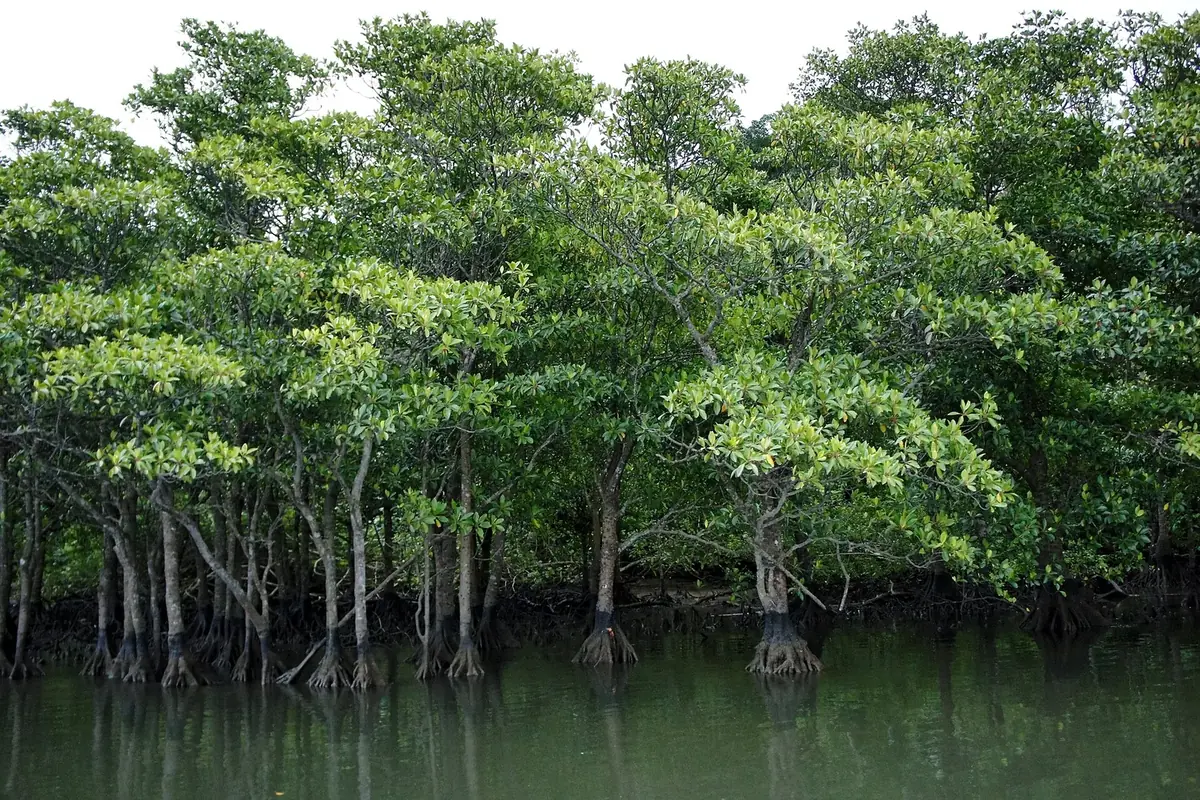
A night on Iriomote is worth it if you want more than one river. Taketomi Town's English guide divides the island into an east and a west: the Nakama River, the mangroves and Yubu Island are in the east, Pinaisara Falls and the Urauchi River in the west. A day trip from Ishigaki covers one side comfortably, and the island has a port for each, Ohara in the east and Uehara in the west. Sleeping on the island also gives you the hours a day trip misses: the Urauchi River operator lists an early-morning tour, sunset and starry-sky canoe tours and a night cruise.
One cost to allow for: the Ishigaki City tourism site says a lodging tax applies to stays from 1 February 2027. It is 2% of the room charge per person per night, capped at ¥2,000, and meals and consumption tax are not part of the base. The accommodation collects it on the city's behalf, either with your booking or at the property, so check whether a prepaid rate includes it. The same page says the tax applies to all accommodation in Okinawa Prefecture from that date, so expect it on Taketomi and Iriomote too, and ask the lodging there how it is charged.
Ishigaki: the port-side town, Kabira Bay and the beaches
The town sits on the south coast, compact and facing the sea. The city's guide says the ferry terminal is south of the centre, that the centre has many restaurants and souvenir shops, and that the bus terminal is close to the ferry terminal. A room in town puts the first boat within walking distance, which matters for an early departure and for mornings when sailings are cancelled and you need to rearrange the day. Away from town the island is spread out: the city says buses between the airport and the centre run about every 20 to 30 minutes, but other routes are infrequent, and it recommends a rental car for reaching Kabira Bay and the north. Rental cars can run out in peak summer and over long holidays, so reserve once your dates are fixed. Taxis are easy to find in town and rare at Fusaki Beach or Kabira Bay.
Kabira Bay, on the north-west coast, is the island's best-known view. Swimming is not allowed there. JNTO ties the rule to the black pearl cultivation in the bay, while the Okinawa Convention & Visitors Bureau's site says the currents are fast and the city's guide calls swimming dangerous because of strong currents. Go for the glass-bottom boats instead: JNTO says tickets are sold in the shops by the car park, boats leave every 15 or 30 minutes and you can board without a reservation. Kabira Park has an observation spot above the bay, and JNTO puts the bay about 30 minutes by car from the airport. The city recommends daylight for the colour of the water.
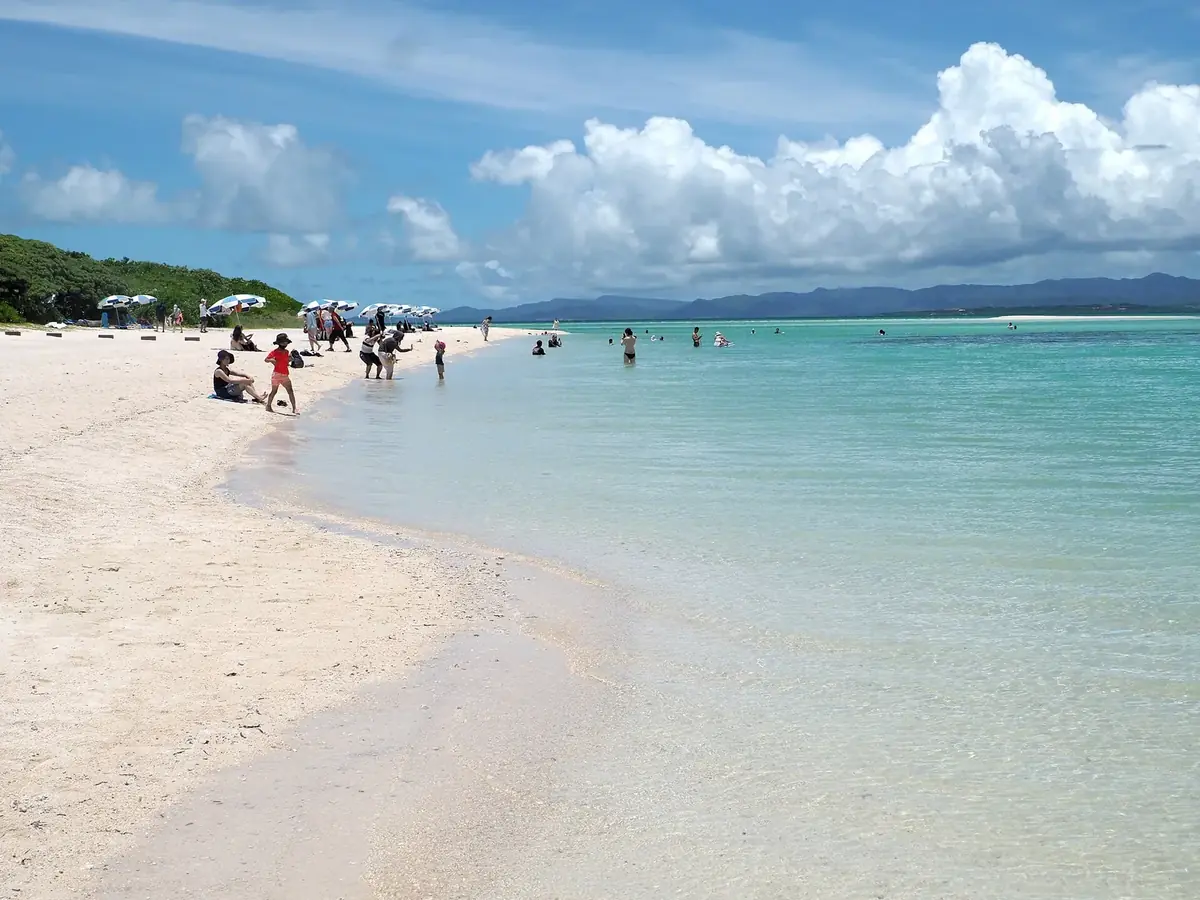
For swimming, choose a beach with nets and lifeguards. The city's guide describes Sukuji Beach in the Kabira area as shallow, with showers, toilets, summer snorkel-set rental, jellyfish nets and lifeguards. Maesato Beach (inside the ANA InterContinental Ishigaki Resort) and Fusaki Beach (the Fusaki Beach Resort Hotel & Villas beach, about 1 km long) also have lifeguards and nets, but they belong to resorts, so check access if you are not a guest. Sunset Beach, in the north, is a natural beach with clear water and paid showers, and a marine-sports desk open from early summer to autumn; unlike the three beaches above, the city's description mentions no nets or lifeguards, so swim there only where staff or a tour operator says it is safe. The city adds that daytime temperatures can reach 30°C until early November.
Habu jellyfish are the hazard to plan around. The prefecture issues its habu jellyfish advisory every year from 1 June to 30 September, and the Okinawa Convention & Visitors Bureau asks visitors not to swim at beaches without jellyfish-prevention nets. It recommends a rash guard or long sleeves and carrying vinegar, which you pour over a sting before removing the tentacles and cooling the skin with ice or cold water; fresh water, alcohol and sand should not be used.
Beyond the water, the city recommends Cape Goshinzaki for sunsets towards Iriomote and Hirakubo Cape Lighthouse, at the island's northern tip, which it puts about 80 minutes' drive from the town centre. It also says Iriomote-Ishigaki National Park has been provisionally designated a Dark Sky Reserve, and names the coast near Tamatorizaki for stars.
What to eat and where to look
Ishigaki beef
Beef from cattle raised freely in the island's natural surroundings. The city's tourism site recommends it grilled, as steak or in sushi, and the town centre has yakiniku and steak restaurants.
- Where to look
- Yakiniku and steak restaurants around the town centre by the Rito Terminal.
- Fit it into your day
- Dinner after an island day trip, when you are back before the evening rush.
Beef. Ask what is raw or lightly seared if you want it fully cooked.
Yaeyama soba
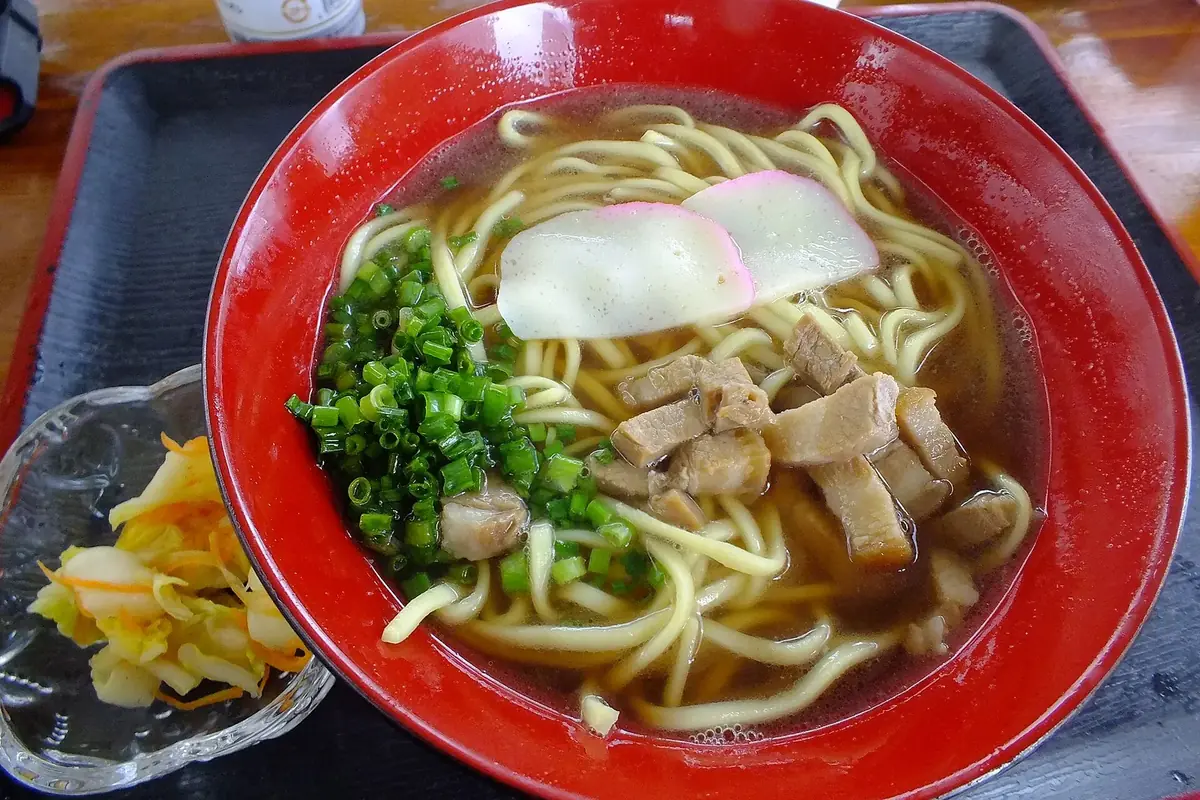
A noodle soup in a broth made from bonito and pork, topped with thin slices of pork, fish cake and island leeks, according to the city's tourism site.
- Where to look
- Restaurants in the town centre that list local dishes; look for 'Yaeyama soba' on the menu.
- Fit it into your day
- Lunch before a Taketomi or Iriomote ferry, or a light supper after a long day.
Contains pork, fish stock and wheat.
Yaeyama kamaboko
A fried fish cake that, according to the city's tourism site, usually resembles tarashiage and is good as a snack or appetizer.
- Where to look
- Souvenir and food shops in town; it is sold as a local product.
- Fit it into your day
- A snack for the ferry or the beach.
Fish, and fried; ask about wheat and egg if you avoid them.
Island fruit
Mangoes, pineapples, dragon fruit and other tropical fruits from the island, which the city says are in season from May to August.
- Where to look
- Fruit stalls and shops; outside May to August the choice is narrower.
- Fit it into your day
- Breakfast or a beach snack.
Fresh fruit only in season; check what is local if you want island-grown fruit.
Brown sugar sweets
Brown sugar grown in the sea breeze, rich in minerals according to the city, which also points to many souvenir sweets made with it.
- Where to look
- Souvenir shops in the town centre.
- Fit it into your day
- A packed treat for the ferry back or a gift.
Sweets may contain wheat, egg or nuts; check the label.
Ferries from the Rito Terminal, fares and weather cancellations
Every crossing in this guide leaves from Ishigaki Port's Rito (remote-island) Terminal, which the operators' pages call the Euglena Ishigaki Port Rito Terminal. Two companies run the routes: Anei Kanko and Yaeyama Kanko Ferry. Both serve Taketomi, Kohama, Kuroshima, Iriomote's Ohara and Uehara ports and Hatoma; Anei Kanko also runs the Hateruma route. Tickets are company-specific, because both firms state that the shared ticket scheme ended on 30 September 2020, so decide which boat you want before you buy a return.
Anei Kanko's winter timetable, valid from 1 October 2026 to 31 March 2027, lists these one-way times from Ishigaki: Taketomi 10 to 15 minutes, Iriomote's Ohara 40 to 45 minutes, Uehara 45 to 55 minutes, and Kohama or Kuroshima 25 to 30 minutes. It warns that times vary with the ship and the weather, and asks for at least 30 minutes between connections. When we checked on 12 October 2026, both companies' fare tables listed the same adult fares, including the fuel surcharge: ¥970 one way or ¥1,880 return to Taketomi, ¥2,520 or ¥4,880 to Ohara, and ¥3,290 or ¥6,370 to Uehara.
Buy ahead if you can. Anei Kanko takes online bookings until 18:00 the day before, with advance card payment and a QR code to show at the boarding point. Yaeyama Kanko Ferry's FAQ says all seats are unreserved, that it caps the tickets sold for each sailing across counter, web and tour sales, and that it recommends e-tickets. It suggests buying at the counter at least 30 minutes before departure and being at the pier when boarding opens 15 minutes before, and says its timetable is not linked to flights, so it cannot hold a boat for a late plane. At Taketomi Port, Anei Kanko's counter takes cash only.
Treat every timetable as a plan, because weather cancellations are routine. Yaeyama Kanko Ferry's FAQ says boats normally run unless a typhoon is approaching or the weather is severe, and gives the conditions for halting sailings: wind of 15 m/s or more, waves of 3.0 m or more, or visibility of 500 m or less. It adds that sea conditions differ by route and wind direction, and that forecast wave heights describe the sea near Ishigaki rather than the routes. Anei Kanko's Q&A says the Uehara route, which also carries the Hatoma sailings, crosses open sea and is cancelled more often than the Ohara route, especially in winter, when strong seasonal northerly winds often bring runs of cancellations. For that case each operator runs a connecting bus from Ohara to Uehara for its own Uehara ticket holders (Anei Kanko only on the sailings its timetable marks); Yaeyama Kanko Ferry says you need a bus ticket, issued with the ticket, and both say seats are limited. The Ishigaki City Tourism Exchange Association says many typhoons pass near the island from late June to October, that ferries and flights are cancelled as they approach, and that swell can keep boats cancelled for days afterwards and affect your flight home. Check the operators' live status pages and the Japan Meteorological Agency's Ishigaki observatory.
Two practical points. After swimming or a river trip, change into dry clothes: Anei Kanko's notice says wet clothing may be refused on its high-speed boats, and that island buses, rental bicycles and water-buffalo carts may refuse it too. And if you book a sightseeing tour with Yaeyama Kanko Ferry, its FAQ says no cancellation fee applies when it cannot run the tour because of bad weather. Keep a buffer day before an onward flight rather than scheduling an island day for the last day.
Taketomi: the village, the carts and the ¥300 entrance fee
Taketomi Town's English guide describes red-tiled roofs, clay shisa lions on the eaves, coral-stone walls and streets paved with white sand. The island is small enough to see on foot: the Taketomi Town Tourism Association says buses run from the port to the village and the beach, and there are sightseeing buses and taxis, but it recommends walking or cycling and warns that roads outside the villages are unpaved. The Yugafu-kan visitor centre of Iriomote-Ishigaki National Park is about two minutes' walk from the port; its site lists opening hours of 08:00–17:00, free entry and closure in typhoons, and describes a 6 km nature trail recommended by the Ministry of the Environment.
The Taketomijima Regional Foundation asks every visitor for a ¥300 entrance fee, paid by buying an entrance ticket (the Utsugumi ticket). It sells them from vending machines in the Ishigaki Rito Terminal, beside the exit between berths 4 and 5, and at Kariyushi-kan at Taketomi Port, as well as at some shops and businesses on the island. The money pays for conservation work and the foundation's running costs, and the simplest place to buy the ticket is the Rito Terminal, before you board.
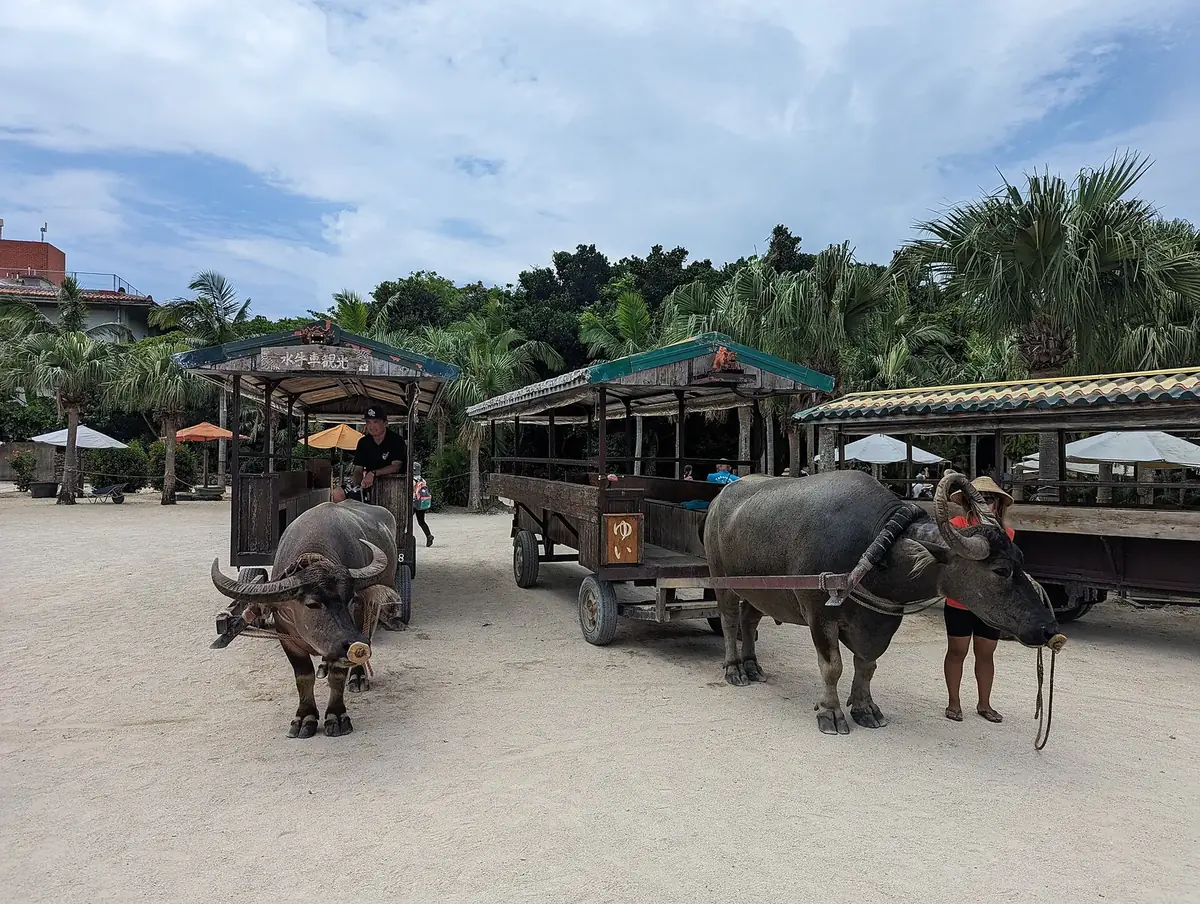
Water-buffalo carts are the island's signature ride. Taketomi Kanko Center, one of the operators, listed cart fares of ¥3,300 for adults (junior high school and older), ¥2,200 for children (primary school) and ¥1,600 for infants (aged three and over) from 1 April 2025, with ¥3,900, ¥2,900 and ¥1,900 in peak periods (New Year, Golden Week, July, August and March); one child aged two or under is free per adult. Its cart page says payment is cashless only and that cart customers can use a free shuttle bus from Taketomi Port. Its home page lists opening hours of 08:45–16:35 daily and says it closes in bad weather or when the scheduled boats from Ishigaki are cancelled. Yaeyama Kanko Ferry's cart tour puts the ride at about 25 minutes. For a bicycle, the same operator's 2025 notice listed ¥2,200 a day for a standard model before 13:00 (¥2,000 after), charged by the day rather than the hour.
For the water, Yaeyama Kanko Ferry names Kaiji Beach for its star-shaped sand, the Nishi Pier for sunsets and Kondoi Beach for shallow swimming. The tourism association asks you not to swim alone, to wear a life jacket when snorkelling and to remember that reef currents can form at any beach. It also asks visitors not to walk around in swimwear or without a shirt away from the beach, and not to enter the utaki, the sacred places in and around villages.
Time your visit around Tanadui, the island's largest annual festival. Taketomi Town says it has a history of 600 years and has been designated by the national government as a significant intangible folk cultural asset. During the 2026 festival, from 10 to 13 November, Taketomi Kanko Center closed its cart, bicycle and restaurant services, and Anei Kanko said nearly all sightseeing facilities, restaurants and shops were shut, leaving only walking. Come on another date unless the festival is the reason for your trip.
Iriomote: mangrove rivers, jungle and the two ports
Most of Iriomote is subtropical rainforest inside Iriomote-Ishigaki National Park, which the Ministry of the Environment calls a primeval subtropical forest and ocean with coral reefs and JNTO lists as established on 15 May 1972. Taketomi Town says it is the only known habitat of the Iriomote cat. The Government of Japan reports that Iriomote, with Amami-Oshima, Tokunoshima and the northern part of Okinawa Island, was inscribed as a World Natural Heritage site on 26 July 2021.
Your port decides your day. Ohara, in the east, is for the Nakama River and Yubu Island. Uehara, in the west, is for the Urauchi River and the western waterfalls. The crossing times and fares are in the ferry section; the Uehara route is the one with the substitute bus from Ohara when it is cancelled. On land you can use buses, rental cars and taxis, and the tourism association says taxis need booking.
The Nakama River cruise from near Ohara Port is the standard mangrove trip. Iriomote Kotsu's mangrove course takes 50–60 minutes and costs ¥3,500 for adults and ¥1,750 for children (up from ¥3,000 and ¥1,500 on 1 October 2026). When we checked on 12 October 2026, its longer course of 80–90 minutes to the Sakishima-suonoki tree (¥4,500 and ¥2,250) was suspended until further notice because of a damaged boardwalk. It takes online bookings only, but says you can board without one if seats remain; groups of ten or more must reserve. There is no toilet on board, and heavy rain, strong wind or low tide can stop or interrupt the trip, or switch it to the operator's mangrove course. Yubu Island lies across a shallow flat, reached by water-buffalo cart from a stand the tourism association puts about 20 minutes from Ohara Port by bus, taxi or rental car; it lists the crossing at 15 minutes, and its Yubu Island listing gives the garden's hours as 09:30–16:00, with last entry at 15:15.
On the west side, the Urauchi River is Okinawa's longest river, according to Taketomi Town. Urauchigawa Kanko's boats go about 30 minutes upstream from the lower landing. The operator listed ¥3,000 for adults and ¥1,500 for children when four or more board, and ¥12,000, ¥6,000 or ¥4,000 per person for one, two or three passengers; reservations are not required, but arrive 10 minutes early, and it says the river-only cruise does not reach the waterfalls, which are a separate longer course. It runs a free shuttle from Uehara Port, with no restaurant within walking distance of the landing, so bring food.
Walkers should know that the hike to Pinaisara Falls, which Taketomi Town calls Okinawa's tallest waterfall, is restricted. Since 1 March 2025, entering any of five fields needs prior approval from the mayor of Taketomi: the Hinai River (Pinaisara Falls), the Nishida River (Sangara Falls), Komi-dake, the upper Urauchi River (Mayagusuku Falls and the cross-island trail) and Tedo-yama. Daily caps are 200, 100, 30, 50 and 30 people respectively, and the Hinai and Nishida River fields require a registered escort guide. The other three require a guide or a briefing course taken on the island. The tourism association lists fees of ¥500 per person with a guide and ¥1,000 for the briefing, applications open six months ahead, and the town warns that entering without approval can be punished under the law. Only guides licensed by the mayor may lead land-based nature tours on Iriomote, and the guide operator completes the application, so book through one. Outside the restricted fields, the association asks you to tell the local police and the forestry office before entering the jungle, not to go into the mountains alone, and notes that most of the jungle has no mobile reception.
For a day trip, Anei Kanko's most popular course covers Iriomote, Yubu and Taketomi in 7 hours 30 minutes to 9 hours 30 minutes. It includes the Nakama River cruise (about 60 minutes), a cart to Yubu's garden with lunch and free time on Taketomi, and when we checked on 12 October 2026 it listed an adult price of ¥17,400 (¥15,660 online if booked four days ahead).
Flying to Ishigaki
Ishigaki is reached by air only, according to the city. Ishigaki Airport, which uses the name Painushima Ishigaki Airport and was called New Ishigaki Airport until Okinawa Prefecture renamed it on 7 August 2025, opened in 2013, and the Ishigaki Air Terminal's network page lists direct flights from Tokyo (Haneda, with Japan Airlines and All Nippon Airways, and Narita, with Peach), Nagoya (Chubu), Osaka (Kansai), Fukuoka and Naha, with further links to Miyako, Yonaguni, Tarama and Hateruma. It lists international flights to Hong Kong, Taipei (Taoyuan) and Seoul (Incheon). The city's guide gives flying times of about 3 hours 10 minutes from Haneda, about 4 hours from Narita, about 2 hours 25 minutes (Japan Airlines or ANA) or 2 hours 45 minutes (Peach) from Kansai and about an hour from Naha, calls connecting through Naha convenient, and says Nagoya and Fukuoka flights run depending on the season. Routes and airlines change, so check the airport's timetable for your dates.
Four nights based on Ishigaki, with Taketomi, Iriomote and a spare day
This is an editorial suggestion, not a timetable. Check ferry status the evening before each island day and swap days if the sea decides for you.
- Day 1, arrival: Fly in, take the bus or a taxi to the Rito Terminal area and walk the town. Book tomorrow's ferry online and buy your Taketomi entrance ticket from the vending machine at the terminal.
- Day 2, Taketomi: An early boat, the village on foot or by bicycle, a cart ride, Kondoi or Kaiji Beach, and a late-afternoon boat back. Or stay the night and see the village after the last sailing.
- Day 3, Iriomote: Ohara for the Nakama River cruise and Yubu Island, or Uehara for the Urauchi River. Book any guided waterfall hike months ahead. If Uehara sailings are cancelled, use the Ohara bus link described in the ferry section.
- Day 4, Ishigaki north: A rental car or taxi to Kabira Bay for the glass-bottom boats, an afternoon at Sukuji Beach, and sunset at Cape Goshinzaki. This is also your spare day: swap it with whichever island day the weather cancels.
- Day 5, departure: Return the car and fly home, without an island crossing today.
Practical questions
How many nights do I need in Ishigaki and the Yaeyama islands?
Three or four nights on Ishigaki are enough for Taketomi, Iriomote, Kabira Bay and the beaches, with a spare day for rough seas. Add a night on Taketomi or Iriomote only if you want the evening or early morning there.
Can you swim at Kabira Bay?
No. JNTO says swimming is not allowed because of the black pearl cultivation, and the Okinawa Convention & Visitors Bureau and the city also warn of strong currents. Take a glass-bottom boat, or swim at a netted beach such as Sukuji.
Is Taketomi worth a night, or is a day trip enough?
A day trip covers the village, a cart ride and a beach, since the crossing takes 10 to 15 minutes. Stay a night to see the village after day visitors leave; the winter timetables list the last boat to Ishigaki at 17:50.
Is there an entrance fee for Taketomi?
Yes. The Taketomijima Regional Foundation asks each visitor for ¥300, paid through an entrance ticket sold from vending machines in the Ishigaki Rito Terminal and at Taketomi Port, and at some shops on the island.
Which port should I use for Iriomote, Ohara or Uehara?
Use Ohara in the east for the Nakama River and Yubu Island, and Uehara in the west for the Urauchi River. Anei Kanko lists 40 to 45 minutes to Ohara and 45 to 55 minutes to Uehara.
What happens if the ferries are cancelled?
Routes are cancelled individually, so another island may still be reachable. Yaeyama Kanko Ferry stops sailing in winds of 15 m/s or more, waves of 3.0 m or more, or visibility of 500 m or less, and charges no cancellation fee for a tour it cannot run in bad weather.
Keep planning your trip
Okinawa Main Island
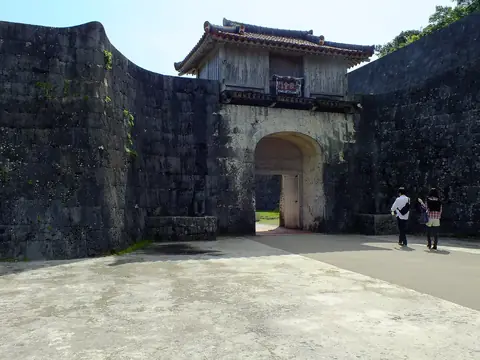
How many nights Okinawa's main island needs, Naha or a west-coast resort as your base, Shuri Castle's reopening, Churaumi, a rental car and the Kerama ferry.
Read the guide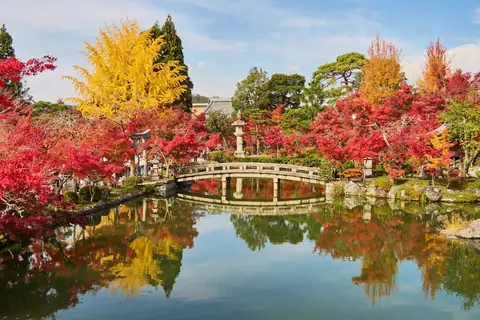
Best time to visit Japan
Pick your month for Japan: blossom, autumn colour, the June rains, summer heat, typhoons and holidays to avoid, such as Golden Week (29 April and 1–5 May 2027).
Read the guide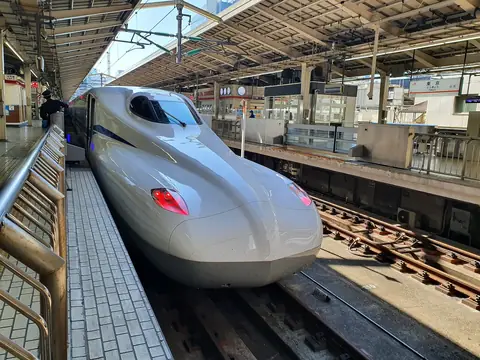
Getting around Japan
How to get around Japan: booking the shinkansen and its big-suitcase rule, IC cards, highway buses, sending luggage ahead, domestic flights and driving.
Read the guide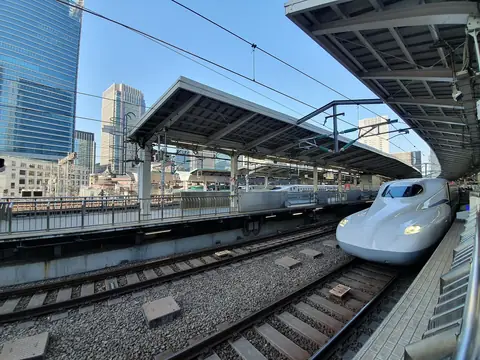
First trip to Japan
How to shape two weeks in Japan, what to settle before you fly (entry, Visit Japan Web, cash, data, insurance) and which trains, tickets and rooms to book.
Read the guide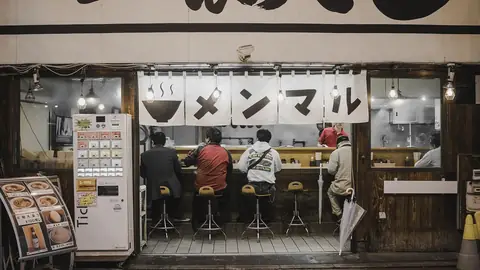
Food in Japan
What to eat from Tokyo to Hiroshima and on to Kanazawa or Sapporo, which meals to book, how ticket machines and the otoshi work, and eating vegetarian or halal.
Read the guideSources and checks before you travel
(42)
- Ishigaki City tourism site (OORITOORI): basic information ↗ — opens in a new tab
- Ishigaki City tourism site (OORITOORI): main tourist spots ↗ — opens in a new tab
- Ishigaki City tourism site (OORITOORI): recommendations ↗ — opens in a new tab
- Ishigaki City tourism site (OORITOORI): island transportation guide ↗ — opens in a new tab
- Ishigaki City tourism site (OORITOORI): accommodation tax ↗ — opens in a new tab
- Ishigaki City Tourism Exchange Association: what to do in a typhoon ↗ — opens in a new tab
- JNTO: Kabira Bay Glass Bottom Boats ↗ — opens in a new tab
- Okinawa Convention & Visitors Bureau (Okinawa Story): Kabira Bay ↗ — opens in a new tab
- Okinawa Convention & Visitors Bureau (Okinawa Story): jellyfish notice ↗ — opens in a new tab
- Okinawa Prefecture: habu jellyfish and marine hazards ↗ — opens in a new tab
- Painushima Ishigaki Airport: flight network ↗ — opens in a new tab
- Painushima Ishigaki Airport: bus and taxi ↗ — opens in a new tab
- Anei Kanko: timetable and fares ↗ — opens in a new tab
- Anei Kanko: winter timetable, 1 October 2026 to 31 March 2027 (PDF) ↗ — opens in a new tab
- Anei Kanko: Q&A ↗ — opens in a new tab
- Anei Kanko: notice on wet clothing ↗ — opens in a new tab
- Anei Kanko: Iriomote, Yubu and Taketomi three-island course ↗ — opens in a new tab
- Yaeyama Kanko Ferry: operation page ↗ — opens in a new tab
- Yaeyama Kanko Ferry: FAQ ↗ — opens in a new tab
- Yaeyama Kanko Ferry: English page ↗ — opens in a new tab
- Taketomi Town Tourism Association: access and island rules ↗ — opens in a new tab
- Taketomi Town Tourism Association: Iriomote usage limits ↗ — opens in a new tab
- Taketomi Town: restricted fields on Iriomote (notice) ↗ — opens in a new tab
- Taketomi Town: Taketomi Island (English) ↗ — opens in a new tab
- Taketomi Town: Iriomote Island (English) ↗ — opens in a new tab
- Taketomi Town: Tanadui festival (English) ↗ — opens in a new tab
- Taketomijima Regional Foundation: entrance fee (Japanese) ↗ — opens in a new tab
- Taketomi Visitor Centre Yugafu-kan ↗ — opens in a new tab
- Taketomi Kanko Center: new fares from 1 April 2025 ↗ — opens in a new tab
- Taketomi Kanko Center: water-buffalo cart information ↗ — opens in a new tab
- Taketomi Kanko Center: home page ↗ — opens in a new tab
- Taketomi Kanko Center: Tanadui closure notice ↗ — opens in a new tab
- Iriomote Kotsu: Nakama River mangrove cruise ↗ — opens in a new tab
- Urauchigawa Kanko: Urauchi River jungle cruise ↗ — opens in a new tab
- Urauchigawa Kanko: access ↗ — opens in a new tab
- Urauchigawa Kanko: tour menu ↗ — opens in a new tab
- Taketomi Town Tourism Association: Yubu Island ↗ — opens in a new tab
- JNTO National Parks: Iriomote-Ishigaki National Park ↗ — opens in a new tab
- Ministry of the Environment: Iriomote-Ishigaki National Park ↗ — opens in a new tab
- Government of Japan: new World Natural Heritage site ↗ — opens in a new tab
- Japan Meteorological Agency: Ishigaki Local Meteorological Observatory ↗ — opens in a new tab
- Okinawa Prefecture: renaming of New Ishigaki Airport (Japanese) ↗ — opens in a new tab
Reference sources for the version dated 16 November 2026. Confirm opening times, access, transport and conditions for your travel dates.
Photo credits
(5)
Kabira Bay, where swimming is not allowed and glass-bottom boats show the reef instead
Photograph: 663highland — opens in a new tab · CC BY 2.5 — opens in a new tab
Changes: Resized and converted to WebP; displayed with responsive crops. · Original photograph and licence details ↗ — opens in a new tab
The Nakama River's mangroves, seen from the river on Iriomote's east side
Photograph: 663highland — opens in a new tab · CC BY 2.5 — opens in a new tab
Changes: Resized and converted to WebP; displayed with responsive crops. · Original photograph and licence details ↗ — opens in a new tab
Water-buffalo carts waiting for passengers at a Taketomi cart stand
Photograph: Syced — opens in a new tab · CC0 — opens in a new tab
Changes: Resized and converted to WebP; displayed with responsive crops. · Original photograph and licence details ↗ — opens in a new tab
Kondoi Beach, the shallow swimming beach on Taketomi
Photograph: Paipateroma — opens in a new tab · CC BY-SA 4.0 — opens in a new tab
Changes: Resized and converted to WebP; displayed with responsive crops. · Original photograph and licence details ↗ — opens in a new tab
Yaeyama soba, the island's noodle soup with pork, fish cake and leeks
Photograph: 松岡明芳 — opens in a new tab · CC BY-SA 4.0 — opens in a new tab
Changes: Resized and converted to WebP; displayed with responsive crops. · Original photograph and licence details ↗ — opens in a new tab