Kansai · Wakayama
Kumano Kodo guide: choose a pilgrimage route and plan the logistics
The Kumano Kodo is a pilgrimage network rather than one compulsory march. On the Nakahechi, the meaningful choice is a stage that fits your ability, confirmed accommodation and the time to understand the mountain setting.
- Suggested time
- Two to four days or longer, depending on the route; shorter walks are also possible
- Where to stay
- Kii-Tanabe and accommodation booked on the route
- Season and timing
- Spring and autumn are popular; summer can be hot, humid and rainy, while winter may bring cold and ice at altitude
The short answer
Read the official maps and current notices, reserve nights and meals, then choose the stage. A short permitted walk can be a complete experience. Bus alternatives need actual stops and schedules; they do not reach every point along the trail.
Choose a stage for your experience
Takijiri, Takahara, Chikatsuyu and Hongu are useful route references, not a universal daily timetable. Compare distance, elevation and terrain on the official maps with the whole group’s experience. A shorter walk can leave more time for a shrine and conversation at the accommodation. There is no requirement to continue all the way to Nachi.
Reserve accommodation and meals before fixing distance
Check that the walking stage ends near the room you can actually book. Arrange dinner, breakfast and any packed lunch in advance. Small communities do not provide the same evening dining flexibility as cities. A luggage service can help only when its coverage, deadline and delivery points match the stay; confirm those details before lightening the walking pack.
Make time for the local food
What to eat and where to look
Mehari-zushi
Rice wrapped in preserved mustard leaves can make a simple Kumano meal. Fillings and seasoning vary.
- Where to look
- Confirmed accommodation or regional restaurant menus
- Fit it into your day
- Arrange a packed lunch in advance when walking.
Sanma-zushi
Pressed sushi with marinated Pacific saury belongs to the Kii food story and fish-preservation tradition.
- Where to look
- Regional coast and town menus
- Fit it into your day
- A transfer-day taste with storage advice checked.
Kii chagayu
Rice cooked with tea offers a regional everyday preparation, sometimes alongside small dishes. It is not a guaranteed inn breakfast.
- Where to look
- Accommodation menus explicitly naming it
- Fit it into your day
- Ask before arrival if this is a particular interest.
Kishu umeboshi
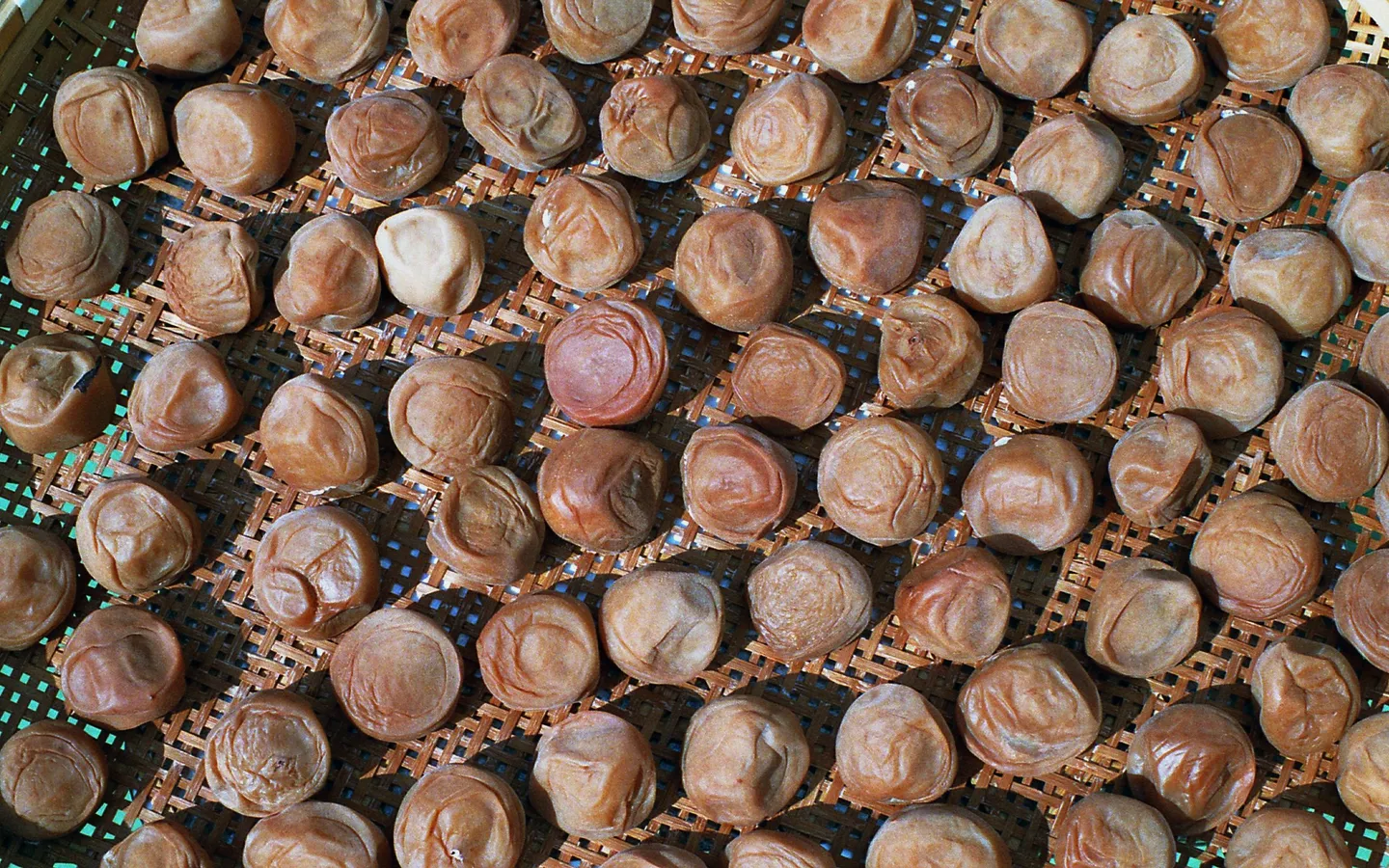
Preserved plums associated with the Minabe–Tanabe area vary in saltiness, acidity and sweetness. Small portions accompany rice.
- Where to look
- Shops identifying the preparation and origin
- Fit it into your day
- A small accompaniment or safely packed purchase.
A bus alternative needs a usable stop
Kii-Tanabe is a gateway for inland services, but buses do not pass every trail section. Identify the stops that allow a shorter day and write down the last useful service. A change for fatigue or weather is a normal route decision. Leave room to arrive before dinner instead of treating the final stage estimate as an exact promise.
Check the notices for the exact route
Read the current Tanabe Kumano Tourism Bureau updates before setting out. A closure on one route does not establish conditions on another. Rain, roots and stone steps can change the effort considerably. Carry an offline map, water, rain protection and shoes already used for walking. Ask the accommodation about conditions and postpone or shorten an unsuitable stage.
Practical questions
Must you walk the whole Nakahechi?
No. A short stage selected from official maps can be a complete experience. Choose it around ability, conditions, accommodation and a confirmed return.
Is a guided visit necessary?
An independent visit can work with a clear route and current access information. Compare the actual guided programme for interpretation or practical support, including the meeting place and what is covered.
How should food fit the route?
Choose one main meal near the planned visit and leave smaller tastes optional. Check the actual menu, ingredients and opening before making a restaurant the only lunch option.
Sources and checks before you travel
Reference sources for the version dated 30 September 2026. Confirm opening times, access, transport and conditions for your travel dates.
Does this experience fit your route?
Explore related tours and experiences
Check dates and details on Viator ↗ — opens in a new tabAffiliate link · Book with ViatorPhoto credits
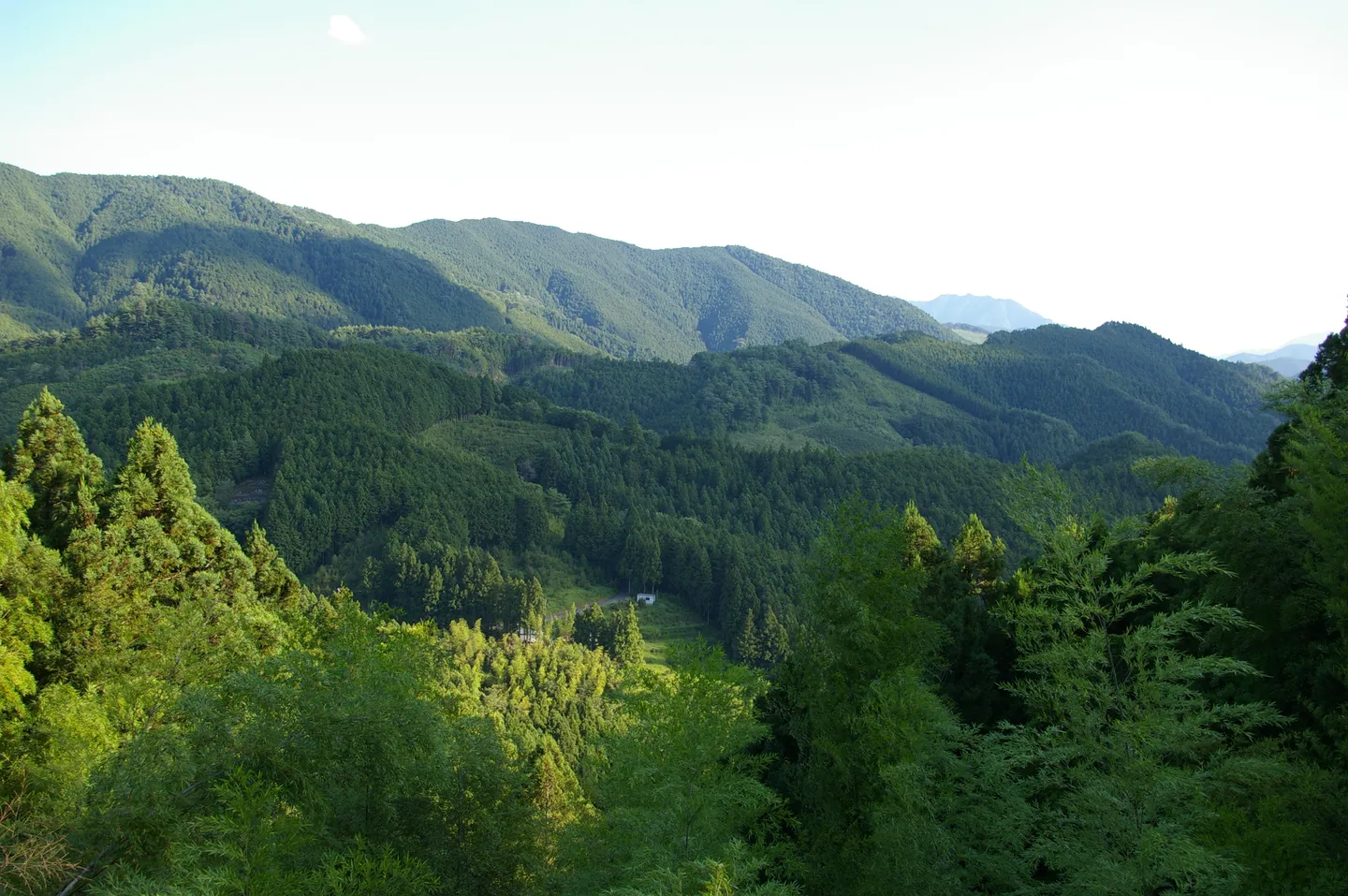
Forested mountains along the Nakahechi route of the Kumano Kodo.
Photograph: Nao Iizuka — opens in a new tab · CC BY 2.0 — opens in a new tab
Changes: Resized and converted to WebP; displayed with responsive crops. · Original photograph and licence details ↗ — opens in a new tab
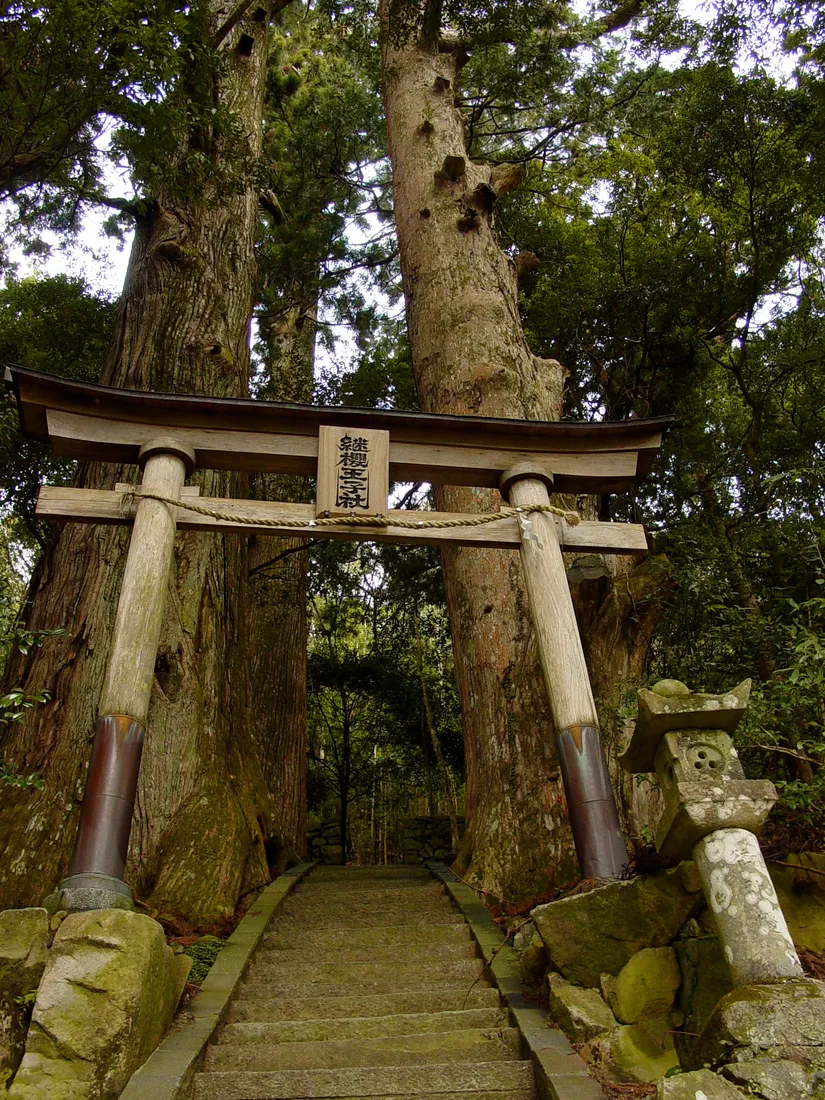
A shrine gate and wooded stairway at Tsugizakura-oji on the Kumano Kodo's Nakahechi route.
Photograph: 顔なし — opens in a new tab · CC BY-SA 2.0 — opens in a new tab
Changes: Resized and converted to WebP; displayed with responsive crops. · Original photograph and licence details ↗ — opens in a new tab
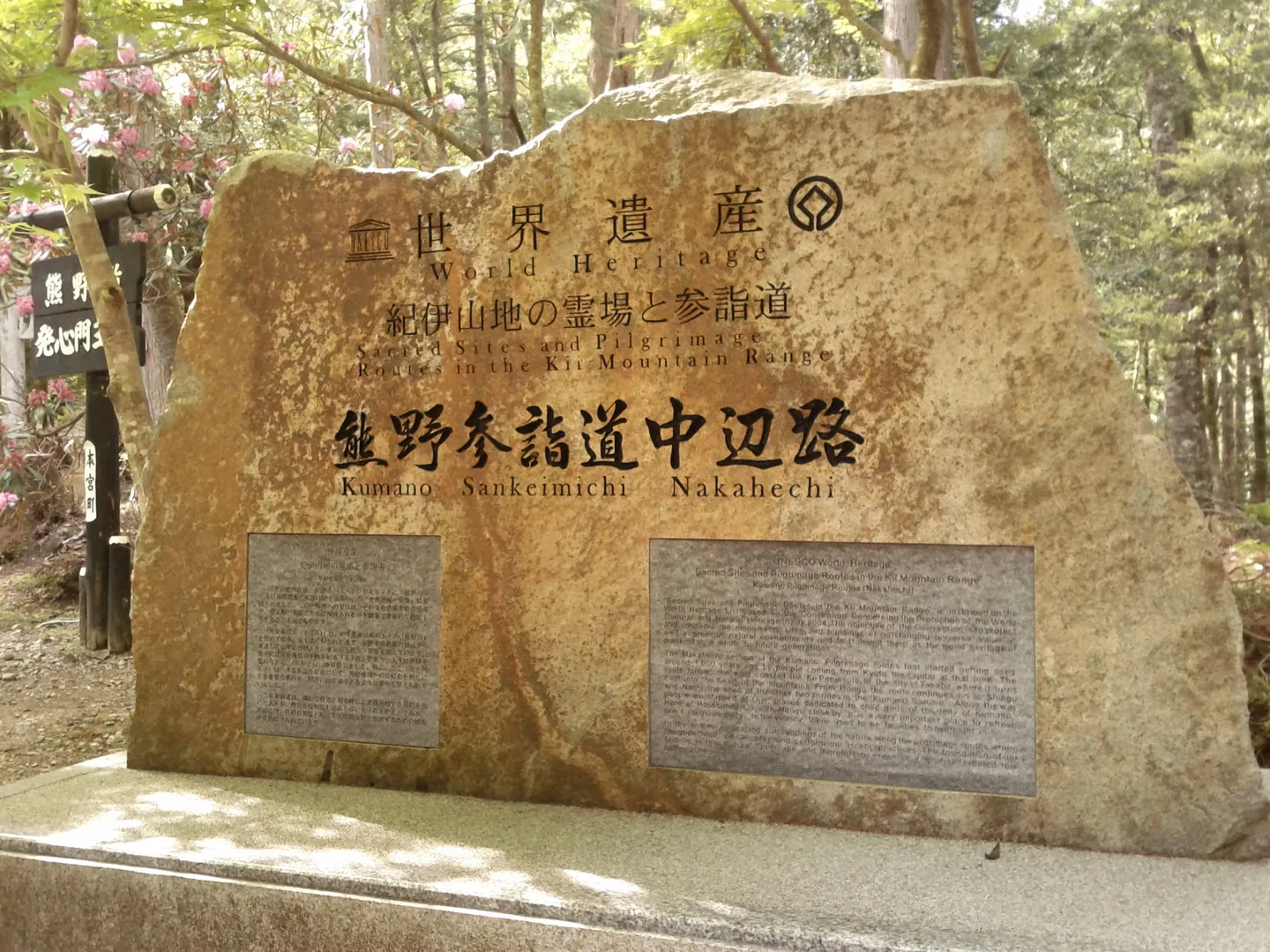
A stone monument to the Kumano Sankeimichi Nakahechi route among trees.
Photograph: Yusuke Kawasaki — opens in a new tab · CC BY 2.0 — opens in a new tab
Changes: Resized and converted to WebP; displayed with responsive crops. · Original photograph and licence details ↗ — opens in a new tab
Umeboshi plums arranged on a woven surface for drying.
Photograph: Hiroshi Nishimoto — opens in a new tab · CC BY 2.0 — opens in a new tab
Changes: Resized and converted to WebP; displayed with responsive crops. · Original photograph and licence details ↗ — opens in a new tab