Gifu
Takayama travel guide: old town, morning markets and where to stay
Takayama is an old merchant town on a plateau in the Hida mountains, with dark-timbered lanes, sake breweries and two morning markets within a short walk of the station. It is easy to see it in an afternoon between Nagoya and Shirakawa-go, but that means meeting the old town only in the middle of the day and missing the markets altogether. Two nights let you walk the lanes in the late afternoon, be at the river when the stalls open and still have time for the festival floats or Hida Folk Village. The decision that shapes the stay is where to sleep: by the station, in an old-town ryokan, or an hour away among the hot springs of Okuhida.
In this guide
Find the location ↗ — opens in a new tabThe short answer
Give Takayama two nights, sleeping in the old town or by the station, and arrive on the Limited Express Hida from Nagoya, which JR Central puts at about 2 hours 20 minutes. Walk Sanmachi and its sake breweries on the first afternoon. Next morning, go to the Miyagawa and Jinya-mae markets when they open, then Takayama Jinya, the festival-float hall or Hida Folk Village. Add a third night at Okuhida Onsen for open-air baths and mountain views, and leave by Nohi Bus via Shirakawa-go to Kanazawa, with seats booked ahead.
- Suggested time
- 2 nights (3 with Okuhida Onsen)
- Where to stay
- The old town (Sanmachi) or the station area for walking access; Okuhida Onsen for open-air baths and Northern Alps views
- Season and timing
- The Takayama Festival fills the town on 14–15 April and 9–10 October. Takayama sits on a plateau at about 573 m: winter (December–March) brings snow and below-freezing temperatures, the rainy season runs from mid-June to mid-July, and autumn colour at Hida Folk Village peaks from late October to early November.
Two nights, and where in Takayama to sleep
Takayama is compact. Takayama City puts the Sanmachi preservation area about 12 minutes' walk from JR Takayama Station and Takayama Jinya about 15, and the two morning markets are close to both. What a day trip loses is the edges of the day: arrive on a lunchtime train and leave on the evening bus, and you see the old town only in the middle of the day and miss the markets, which open early and pack up around noon. Two nights give you a first afternoon in the lanes, a full second day that starts at the river, and an unhurried departure. A third night is worth it only if you add Okuhida Onsen or come back from Shirakawa-go rather than moving on.
Choose the base by what you will do first and last. The station area suits travellers who arrive by train, leave on an early Nohi bus or carry big suitcases: the city notes that the Nohi Bus Center is right outside the station exit and can hold bags too large for coin lockers. The old town, in and around Sanmachi, has the ryokan and small inns that put you a few minutes from the markets at opening time; the trade-off is hauling luggage through the lanes and quiet evenings, as the tourism association says most shops close around 18:00 and many close on Tuesdays or Wednesdays. Okuhida Onsen, five hot-spring villages at the foot of the Northern Alps about an hour away, is a place for baths and mountain views rather than a base for the old town.
If you want one ryokan night on a central-Japan route, decide what matters more. An old-town ryokan can give you dinner and breakfast without leaving the historic centre; Okuhida gives you open-air baths with the mountains in front of you. When we checked on 10 October 2026 (rechecked on 20 October 2026), Takayama City listed an accommodation tax, introduced 1 October 2025, of ¥100 per person per night for lodging charges below ¥10,000, ¥200 from ¥10,000 to below ¥30,000 and ¥300 for ¥30,000 or more. The taxable charge includes service fees and excludes meals and consumption tax. Guests who have not yet reached the first 31 March following their 12th birthday are exempt. For the festival dates in April and October, JNTO warns that rooms are hard to find, so book those nights first.
Sanmachi and the old-town sake breweries
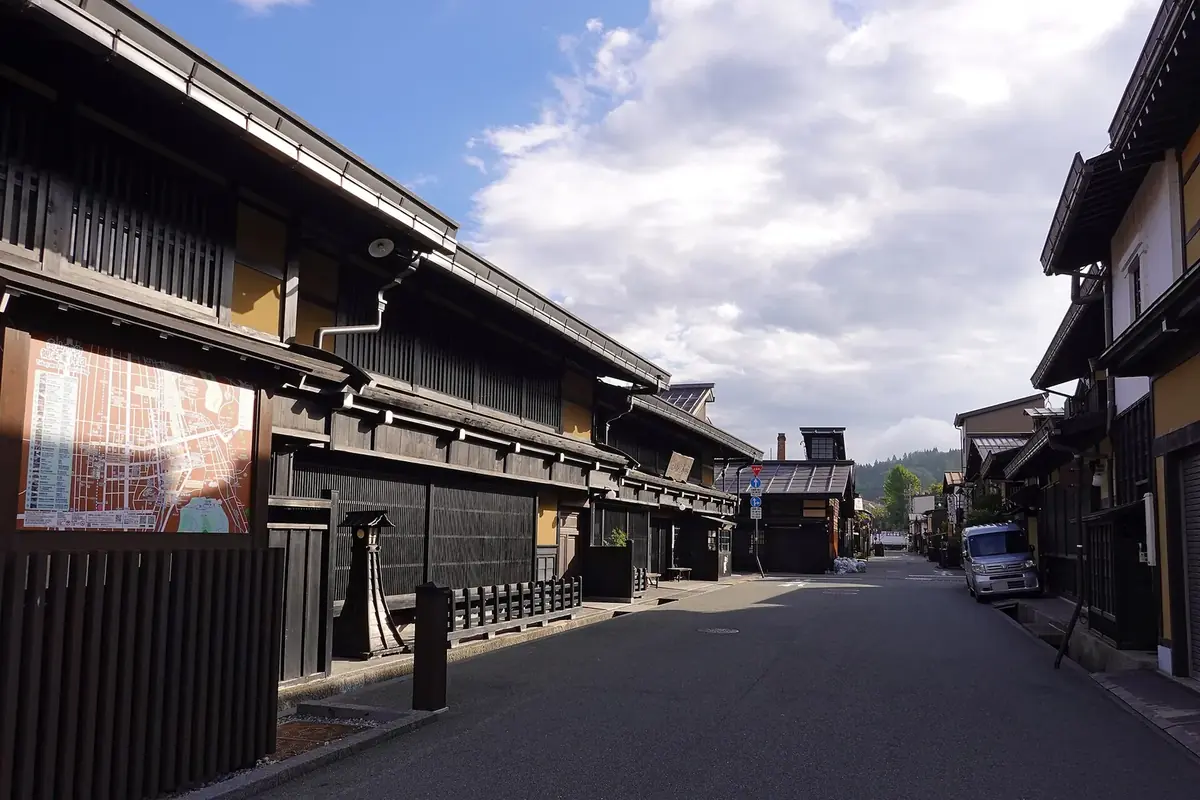
Sanmachi is the old merchant quarter: three streets, Kamiichinomachi, Kamininomachi and Kamisannomachi, lined with wooden townhouses. Takayama City describes continuous wooden latticework along the fronts and clear water running in channels beneath the eaves, and the area is a nationally designated preservation district. JNTO notes that it is a small area, so the trick is timing: come in the late afternoon of your first day, when the shops are still open, and again early the next morning, before they open, for photographs of empty streets.
Sake is the old town's trade. Breweries hang a ball of cedar leaves (sakabayashi or sugidama) above the door, and the Hida Takayama tourism association counts seven breweries in the old town, several offering tastings. The city's sake page credits the cold winters, Northern Alps water and Hida-Homare rice for the local style, and names Hirase as the oldest brewery in town, first recorded in 1623. The same page describes a winter season, from early January to late February, when breweries open their working cellars to visitors in turn, a week each.
For a quieter walk, cross Yasugawa Street to the Shimoninomachi–Ojinmachi preservation area to the north. The city describes it as more lived-in and not commercialised for tourism, with confectioners, mochi makers, tatami shops and local restaurants. Two merchant houses there, the Kusakabe Folk Museum and the Yoshijima Heritage House, a former sake brewery, stand side by side and are both designated Important Cultural Properties.
What to eat and where to look
Hida beef nigiri and skewers
Hida beef comes from black-haired Japanese cattle raised in Gifu Prefecture for at least 14 months and graded 3 to 5 for meat quality. In the old town it is eaten as street food: thin slices on rice as nigiri, and grilled skewers, which the tourism association lists among Sanmachi's walking snacks.
- Where to look
- Sanmachi's food counters. The tourism association's old-town food guide features Sakaguchiya on Kamisannomachi for Hida beef nigiri, served on a shrimp cracker in place of a plate.
- Fit it into your day
- A snack between breweries on your first afternoon; save a sit-down Hida beef dinner for the evening.
Beef. The guide lists Sakaguchiya as open for lunch only (11:00–15:00) and closed on Tuesdays, with some irregular closures.
Takayama ramen (chuka soba)
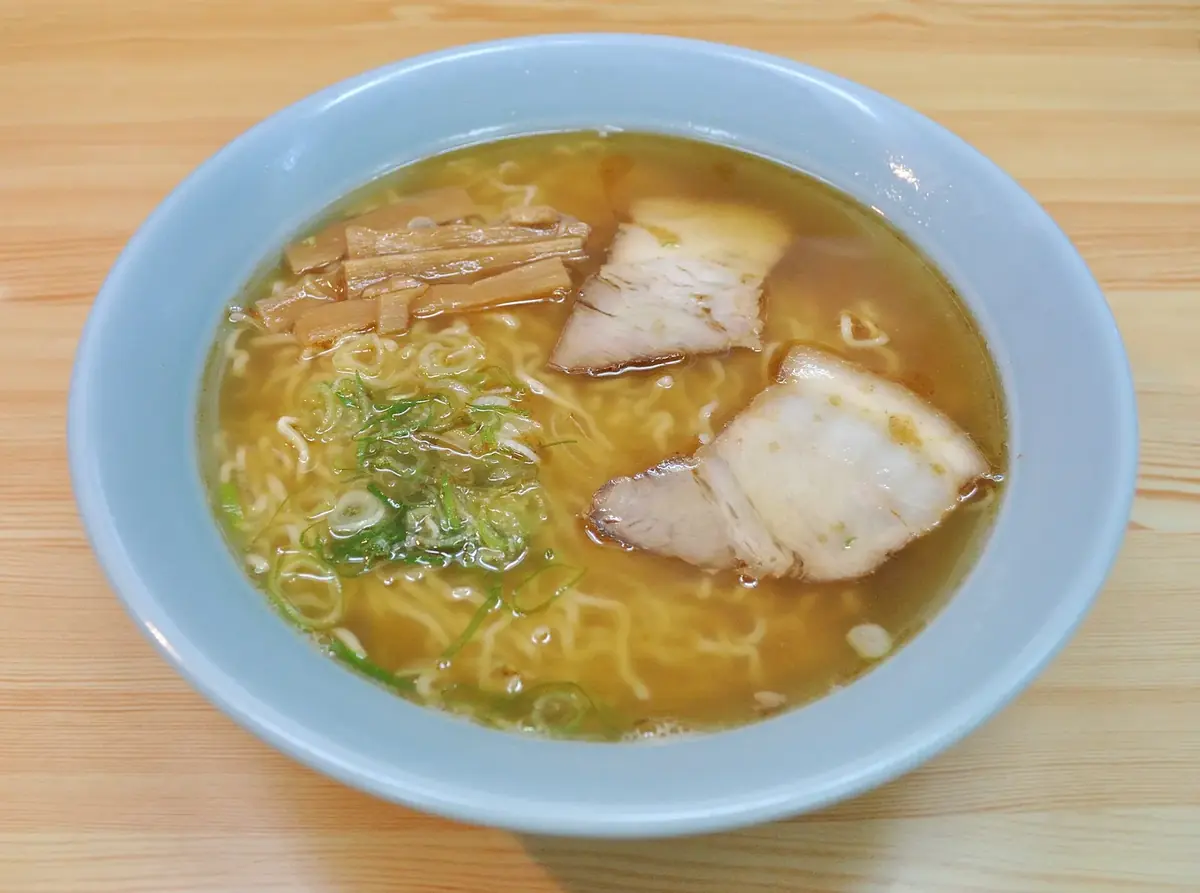
Thin, curly noodles in a clear soy-based broth. Takayama City explains the local method: the seasoning base and the broth are simmered together in one pot instead of being combined in the bowl. Locals call it chuka soba, and the tourism association traces it to a single street stall in 1938.
- Where to look
- Ramen shops across the city. The tourism association's ramen feature lists long-running shops such as Kikyoya and Masago Soba, which it calls the starting point of Takayama chuka soba.
- Fit it into your day
- A quick lunch, or a late supper after a sake tasting.
The broth is usually made with chicken bones, dried sardines and bonito, so it is not vegetarian; contains wheat and soy.
Hoba miso
Miso, chopped spring onion and shiitake heaped on a dried magnolia leaf and grilled at the table over a small earthenware stove, the Hida konro. The tourism association notes that Hida beef or mushrooms are often added and that the dish was named one of Japan's 100 local dishes by the agriculture ministry in 2007.
- Where to look
- Local-cuisine restaurants in the old town; the association's guide features Hisadaya on Kamisannomachi for Hida beef hoba miso.
- Fit it into your day
- Lunch with rice, or a dinner course at a ryokan.
Contains soy; the beef version is not vegetarian, so ask for the plain miso and vegetable version if you need it.
Mitarashi dango
Rice dumplings on a skewer, grilled and brushed with soy sauce. Takayama City points out the local difference: most of Japan uses a sweetened sauce, but Takayama's dango are glazed with plain, unsweetened soy, so they taste savoury, with the aroma of toasted soy sauce.
- Where to look
- Snack stands in the Sanmachi old town, where the tourism association lists mitarashi dango among the walking snacks.
- Fit it into your day
- A cheap, warm snack while you walk the lanes.
Contains soy and wheat (in the soy sauce).
Red turnip pickles and pickle steak
Long winters made pickles a staple here, and Takayama City singles out bright, crunchy red turnip pickles as the local speciality. The tourism association describes pickle steak (tsukemono steak), said to have begun as a way of warming pickles that had frozen in the cold over the hearth.
- Where to look
- The morning markets, where farmers sell their own pickles; vacuum-packed pickles and pickle-steak kits are sold at markets and souvenir shops.
- Fit it into your day
- Taste at the market in the morning, and order pickle steak as a side at dinner.
Salty. Buy vacuum-packed packs if you want to carry pickles home.
The morning markets and Takayama Jinya: start early
Takayama's two markets are the best reason to sleep in town. The Miyagawa Morning Market runs along the Miyagawa River, with white tents of vegetables, fruit and homemade pickles, while permanent shops on the other side of the street sell sweets and crafts; its association notes that sarubobo dolls and Ichii Itto-bori wood carvings are sold by their makers. The smaller Jinya-mae Morning Market fills the square in front of Takayama Jinya, and the city says only farmers may hold stalls there. When we checked on 10 October 2026, Takayama City listed the same hours for both markets as the Miyagawa market's own site: 07:00–12:00 from April to November and 08:00–12:00 from December to March. The city adds that in rain or in winter the stalls may drop to about ten.
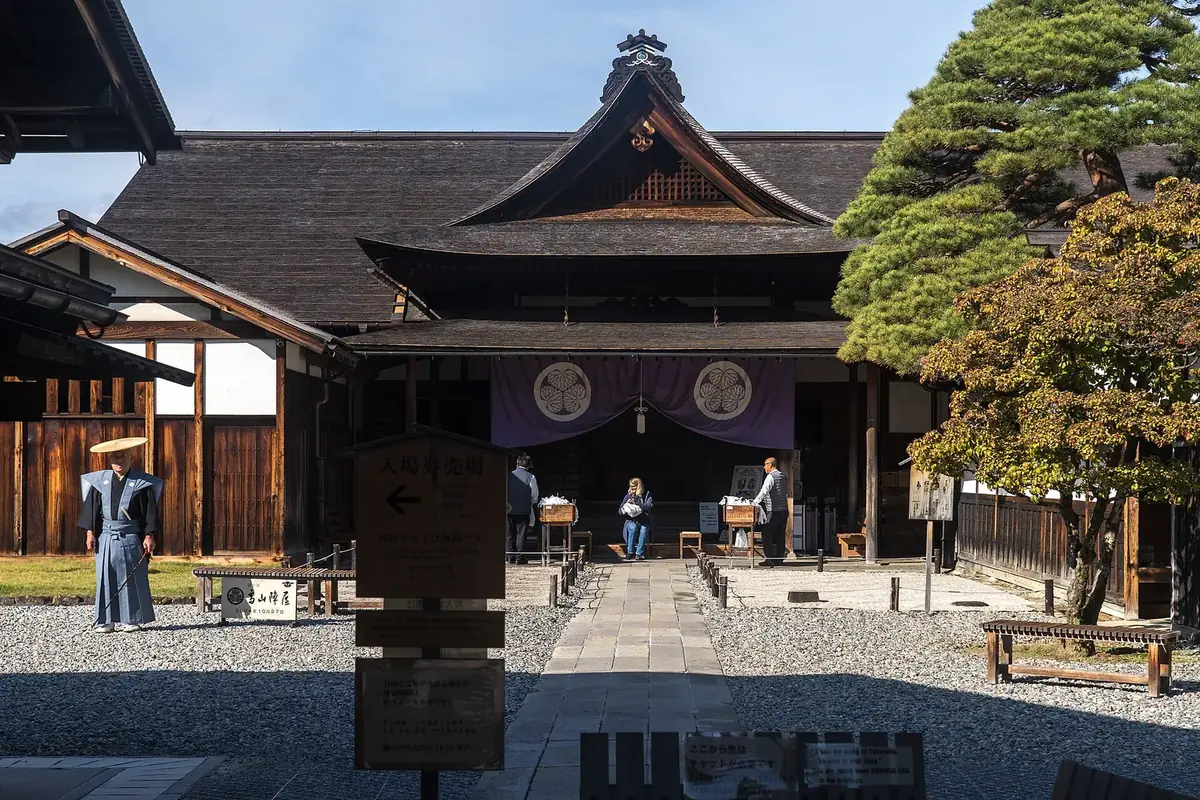
Takayama Jinya was the office from which the shogunate's governors ruled Hida after 1692, and it served as a government office until 1969. Its official site says it is the only governor's office in Japan, of some 60 at the end of the shogunate, whose main building still stands. Look for the courtroom where judgments were announced and the rice granary, moved here from Takayama Castle in 1695 and one of the oldest and largest of its kind. When we checked on 10 October 2026, the Gifu Prefecture site listed admission at ¥500 (free for those aged 18 and under), opening hours of 08:45–17:00 from April to October and 08:45–16:30 from November to March, a ticket window that closes 30 minutes earlier, and closure from 29 December to 3 January.
Ask at the ticket counter for the free guided tour: the Jinya lists an English tour of 30–40 minutes for 1–15 people, with a limited number of guides. It asks visitors to enter 2 hours before closing. Book at the counter or by phone; group bookings are by phone in advance. Shoes come off at the entrance, and the Jinya asks you to bring a bag to carry them in. There is no heating and no slippers in winter, so wear thick socks. Do the market and the Jinya together: stalls from 07:00 (08:00 from December to March), the Jinya when it opens at 08:45.
Festival floats: Takayama Festival dates and the Yatai Kaikan
The Takayama Festival is really two festivals. The spring Sanno Matsuri, for Hie Shrine, is held on 14 and 15 April south of Yasugawa Street with 12 floats; the autumn Hachiman Matsuri, for Sakurayama Hachimangu, is held on 9 and 10 October in the Shimomachi area north of it and has 11 traditional floats. The city's 2026 autumn programme announced that only 10 would be displayed while the Gyojintai float was under repair. Takayama City's festival pages describe processions of several hundred people in traditional dress, marionette performances on some floats, and an evening parade on the first night with about 100 lanterns lit on each float. Plan around the weather: the city states that rain cancels the processions, marionette shows and night parade, and that the festival is not postponed.
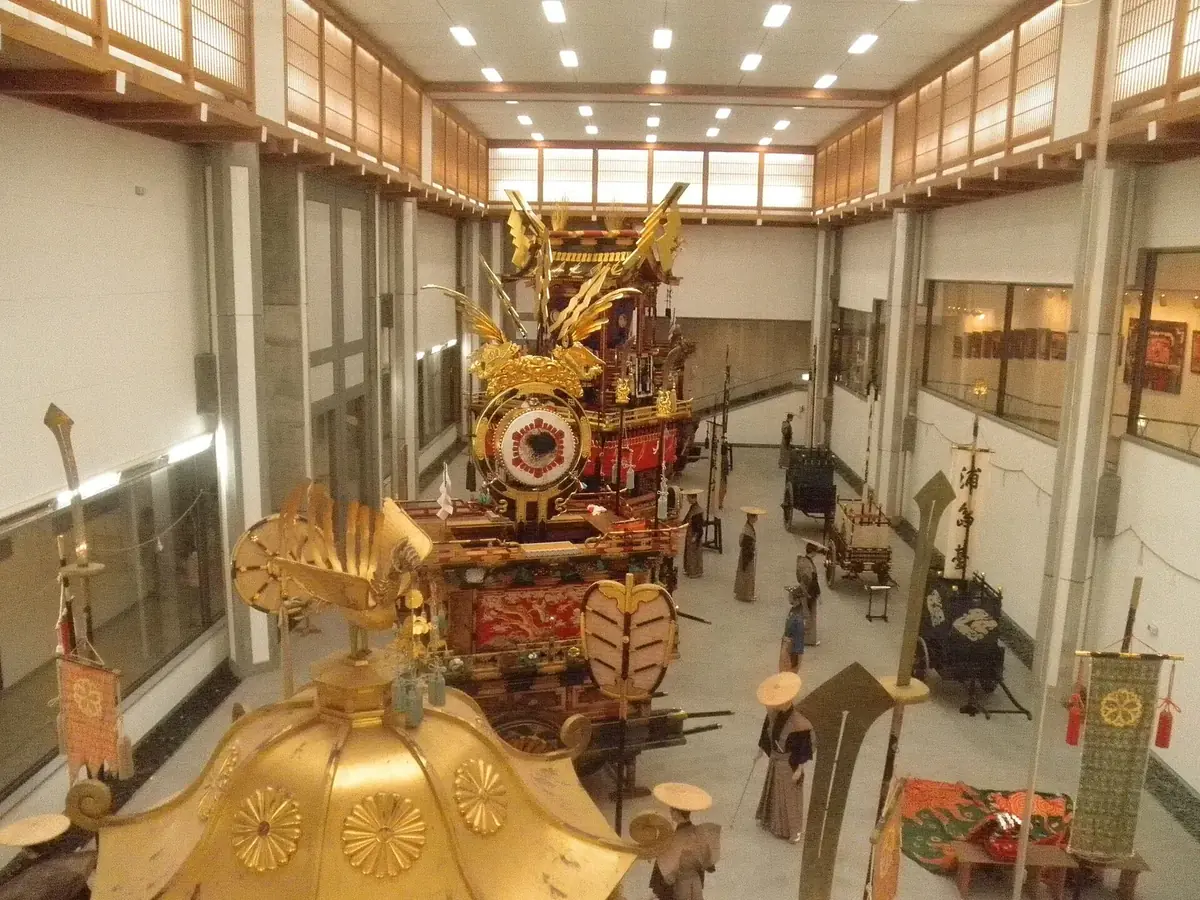
On any other day, the floats are in storehouses around town, and the place to see them is the Takayama Festival Floats Exhibition Hall (Yatai Kaikan) in the grounds of Sakurayama Hachimangu. The shrine's site explains that it displays four of the eleven autumn floats, changed three times a year, in late March, late July and mid-November. When we checked on 10 October 2026, it listed adult admission at ¥1,000 and opening hours of 09:00–17:00 from March to November and 09:00–16:30 from December to February. The hall is about 1.3 km, or 20 minutes on foot, from the station, so it pairs well with the Shimoninomachi–Ojinmachi lanes on the way.
Hida Folk Village and the Higashiyama temples
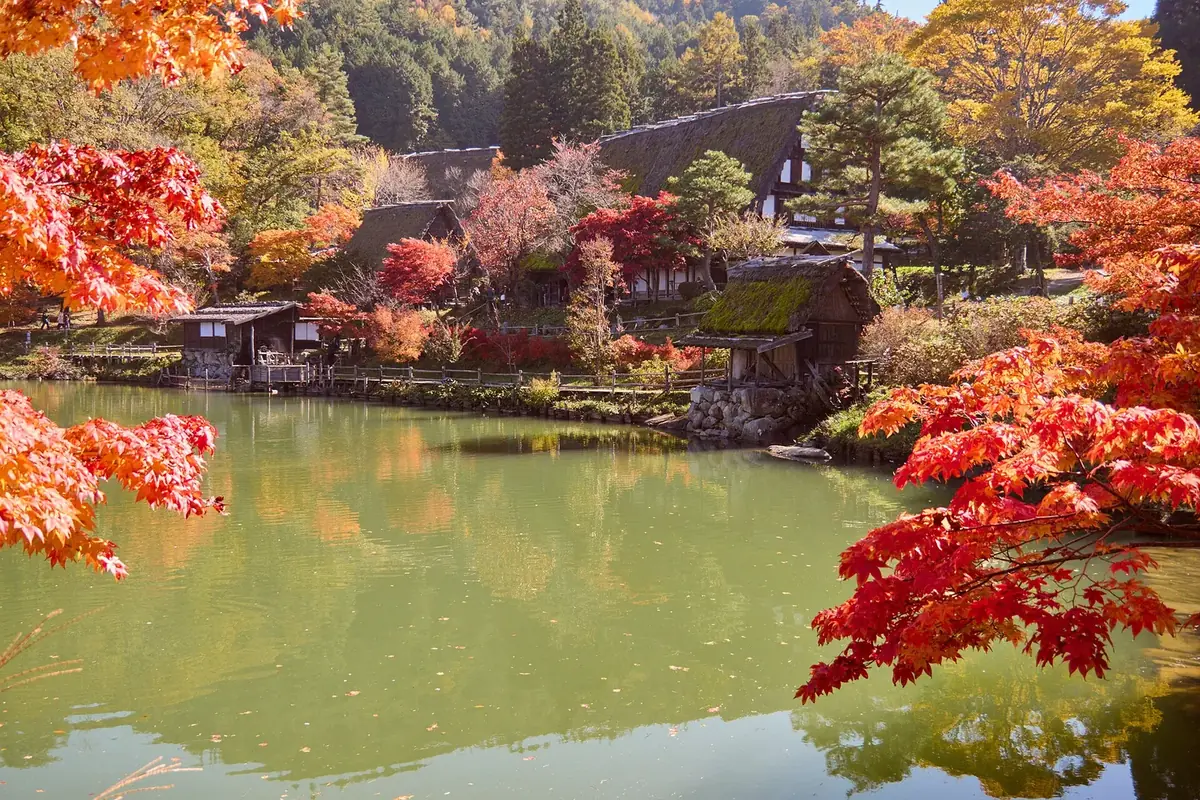
Hida Folk Village (Hida no Sato) is an open-air museum in the south-west of town. JNTO describes more than 30 historic buildings from across the Hida region, including thatched farmhouses in the steep-roofed gassho-zukuri style, and the city notes craft demonstrations and workshops in straw craft and sashiko stitching. When we checked on 10 October 2026, the tourism association listed adult admission at ¥700 and opening hours of 08:30–17:00 every day of the year. The Sarubobo bus from the Nohi Bus Center takes about 10 minutes.
If your route includes Shirakawa-go, decide which kind of visit you want. Shirakawa-go is a village whose gassho-zukuri houses are still lived in, with a few open to visitors; the Folk Village gathers farmhouses from across Hida into one museum. With only two nights in Takayama, most travellers need only one of them. The Folk Village is at its most photogenic in autumn, when the tourism association puts the colour from late October to early November.
For an easy half-day closer to town, the Higashiyama walking course links the temples that were built or moved to the hills east of town when it was laid out in the 16th century; the city puts the route at about 4 km from Ryuunji Temple to Shiroyama Park. The city has also warned of many reports of bear sightings in recent years, so keep to the marked path and walk it in daylight.
Getting there, and moving on to Shirakawa-go and Kanazawa
The train is the simplest way in. The Limited Express Hida runs from Nagoya to Takayama in about 2 hours 20 minutes, according to JR Central, and JNTO gives about 1 hour 30 minutes from Toyama. JR West's service list shows Hida trains starting from Osaka as well as Nagoya; otherwise, from Kyoto or Osaka, take the shinkansen to Nagoya and change. The Hida runs with every seat reserved in the peak holiday periods: when we checked on 10 October 2026, JR Central's next such period was 25 December 2026 to 5 January 2027, and reserved tickets go on sale at 10:00 one month before the travel date.
From Tokyo, the Nohi Bus and Keio highway buses from the Shinjuku Expressway Bus Terminal take 5 hours 45 minutes to 6 hours on the daytime timetable checked on 20 October 2026 and stop at Hirayu Onsen on the way, handy for an Okuhida night. Every seat is reserved, and bookings open one month ahead. When we checked on 10 October 2026, the daytime fare from Shinjuku was ¥8,000.
Shirakawa-go is about 50 minutes from the Takayama Nohi Bus Center by Nohi Bus, which lists 16 round trips a day; many continue to Kanazawa, Toyama or Takaoka. Nohi's timetable, checked on 20 October 2026, gives journeys from Takayama of 2 hours 15 minutes to Kanazawa, 2 hours 20 minutes to Toyama and 2 hours 40 minutes to Takaoka. When we checked on 10 October 2026, the fares were ¥2,800 from Takayama to Shirakawa-go and ¥4,200 to Kanazawa; every through bus to Kanazawa, Toyama or Takaoka required a reservation, while several Nohi buses that end at Shirakawa-go were first come, first served. Nohi Bus warns that delays of two hours or more can happen because of queues for car parking at Shirakawa-go, heavy snow or expressway closures, so do not plan a tight train connection at the far end.
Go as a day trip if you are coming back to Takayama for another night, and make it the onward leg to Kanazawa if you are not; our Shirakawa-go guide covers how long to spend in the village. Takayama also works as a hinge for the rest of the Alps: Nohi Bus runs reserved-seat buses to Matsumoto via Hirayu Onsen (2 hours 33 minutes in the timetable checked on 20 October 2026) and a seasonal service south via Gero Onsen to Magome and Tsumago, the old post towns on the Nakasendo road; check the operator’s operating dates before planning that leg.
Okuhida Onsen, and Takayama in winter
Okuhida Onsen (Okuhida Onsengo) is the collective name for five hot-spring villages: Hirayu, Fukuji, Shin-Hirayu, Tochio and Shin-Hotaka. Takayama City says the area has more open-air baths than anywhere else in Japan. Hirayu, the oldest, is the bus hub, with connections to Kamikochi, Mount Norikura and Shinjuku; Shin-Hotaka, at the end of the line, is the base of the Shinhotaka Ropeway, whose double-decker gondolas reach an observation deck at 2,156 m with views of the Northern Alps. Nohi Bus runs about once an hour from Takayama. When we checked on 10 October 2026, its timetable showed just under an hour to Hirayu Onsen, at ¥1,600, and ¥2,200 to the ropeway.
Okuhida suits travellers who want a ryokan night built around the bath, or who are heading on to Kamikochi or Matsumoto. It does not suit anyone who wants to be at the morning markets for 07:00, so sleep there before or after your Takayama nights rather than in the middle.
Winter is cold and beautiful, and it needs planning. Takayama City notes that the town lies at more than 500 m, temperatures fall below freezing from December to March and roads can be snow-covered or icy even when the airport is clear. It asks visitors not to drive rental cars on normal tyres and to request snow tyres when booking. Pack non-skid boots, as the city recommends, and allow extra time on the Okuhida buses, which Nohi Bus says can be badly delayed in heavy snow.
Sanmachi first, the morning markets next: two nights in Takayama
This is an editorial suggestion, not a timetable. Check opening hours and bus times for your dates.
- Day 1, arrival: Limited Express Hida from Nagoya, or a bus from Shinjuku or Kanazawa. Leave your bags, then spend the afternoon in Sanmachi and its sake breweries before the shops close around 18:00. Hida beef for dinner.
- Day 2, morning: Miyagawa Morning Market from 07:00 (08:00 from December to March), the Jinya-mae market, then Takayama Jinya at 08:45 with the free English guide. Walk north through Sanmachi to the quieter Shimoninomachi–Ojinmachi lanes.
- Day 2, afternoon: the Yatai Kaikan float hall, then either the Higashiyama walking course or the Sarubobo bus to Hida Folk Village. Takayama ramen or a sake tasting in the early evening.
- Day 3: Nohi Bus to Shirakawa-go, then on to Kanazawa on a reserved seat; or the bus to Okuhida Onsen for a third night of open-air baths.
Practical questions
How many days do I need in Takayama?
Two nights are right for most people: an afternoon in Sanmachi and the sake breweries, then a full day starting at the morning markets and Takayama Jinya. Add a third night at Okuhida Onsen for hot springs, or if you come back from Shirakawa-go instead of moving on.
Where should I stay in Takayama?
Stay near the station if you are arriving by train, leaving on an early bus or carrying big luggage, or in the old town if you want to walk to the morning markets. Okuhida Onsen, about an hour away, is for open-air baths and mountain views rather than sightseeing in town.
What time do the Takayama morning markets open?
When we checked on 10 October 2026, both the Miyagawa and Jinya-mae markets were listed from 07:00 to 12:00 from April to November and from 08:00 to 12:00 from December to March. Takayama City notes that fewer stalls open in rain or in winter.
When is the Takayama Festival?
The spring festival is held on 14 and 15 April and the autumn festival on 9 and 10 October. On other days, the Yatai Kaikan exhibition hall displays four of the autumn festival's floats.
How do I get from Takayama to Shirakawa-go?
Take the Nohi Bus from the bus centre next to Takayama Station; the ride takes about 50 minutes, and many buses continue to Kanazawa. When we checked, the through buses to Kanazawa required a reservation, several buses ending at Shirakawa-go did not, and the fare to Shirakawa-go was ¥2,800.
How do I get to Takayama from Tokyo?
Take the shinkansen to Nagoya and the Limited Express Hida, about 2 hours 20 minutes from Nagoya, or the reserved-seat highway bus from Shinjuku, which takes 5 hours 45 minutes to 6 hours on the daytime timetable checked on 20 October 2026 and stops at Hirayu Onsen.
Keep planning your trip
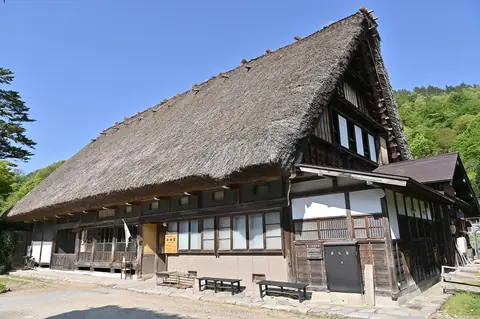
Shirakawa-go
Whether to stop on the Takayama–Kanazawa bus, day-trip or sleep in a gassho farmhouse, plus bus bookings, the viewpoint, village rules and the 2027 light-up.
Read the guide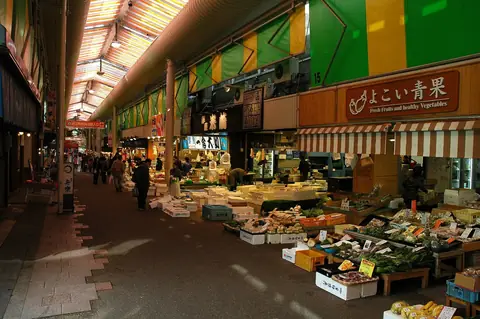
Kanazawa
Whether Kanazawa is worth the detour between Tokyo and Kyoto, how many nights to give it, where to sleep, and how to fit the garden, museums and Shirakawa-go.
Read the guide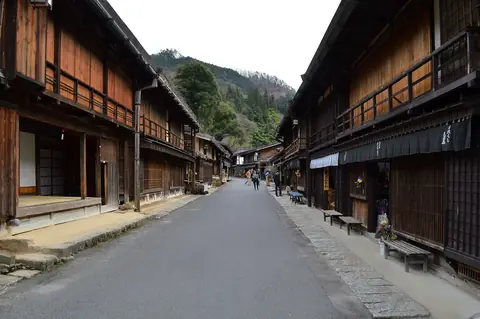
Kiso Valley
How long the Magome–Tsumago walk takes, which way to walk, sending bags ahead, trains from Nagoya, and whether to sleep in Tsumago, Magome or Narai.
Read the guide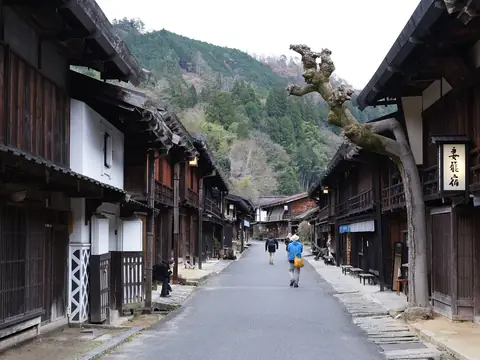
Japanese Alps in 6 days
A six-day loop from Nagoya: the Magome–Tsumago walk, two nights in Takayama, a Shirakawa-go farmhouse night and Kanazawa, plus the buses, pass and bookings.
Read the guide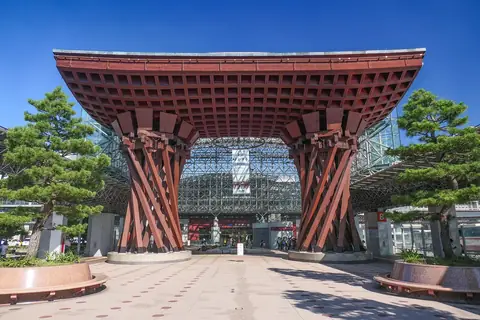
Japan in 14 days
A 14-day Japan itinerary by train: Tokyo and Kamakura, a Hakone ryokan, Kanazawa, Kyoto and Nara, Hiroshima and Miyajima, with bases, tickets and bookings.
Read the guide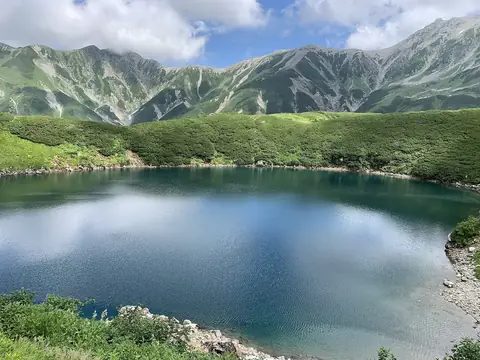
Tateyama Kurobe Alpine Route
Six vehicles across the Northern Alps from Toyama to Nagano: when it opens, which way to ride, ticket prices, the snow walls, Kurobe Dam and your luggage.
Read the guideSources and checks before you travel
(31)
- Takayama City: Sanmachi Traditional Buildings Preservation Area ↗ — opens in a new tab
- Takayama City: Shimoninomachi–Ojinmachi Traditional Buildings Preservation Area ↗ — opens in a new tab
- Takayama City: Kusakabe Folk Museum and Yoshijima Heritage House ↗ — opens in a new tab
- Hida Takayama Tourism (Hida-Takayama Tourism and Convention Association): old town ↗ — opens in a new tab
- Miyagawa Morning Market (official, English) ↗ — opens in a new tab
- Takayama City: Miyagawa and Jinya-mae morning markets ↗ — opens in a new tab
- Takayama Jinya (Gifu Prefecture): official site, hours, fees and free guide ↗ — opens in a new tab
- Takayama City: Takayama Festival (spring and autumn) ↗ — opens in a new tab
- Sakurayama Hachimangu: Takayama Festival Floats Exhibition Hall (Yatai Kaikan) ↗ — opens in a new tab
- Hida Takayama Tourism: Hida Folk Village (Hida no Sato) ↗ — opens in a new tab
- Takayama City: Hida Folk Village and Higashiyama walking course ↗ — opens in a new tab
- Takayama City: local food, Hida beef and local sake ↗ — opens in a new tab
- Hida Takayama Tourism: local food guide ↗ — opens in a new tab
- Hida Takayama Tourism: old-town food guide and Takayama ramen feature ↗ — opens in a new tab
- Takayama City: travel tips (transport, accommodation tax, climate, winter driving, bears) ↗ — opens in a new tab
- Takayama City: Okuhida Hot Spring Village ↗ — opens in a new tab
- JR Central: Hida Takayama ↗ — opens in a new tab
- JR Central: all-reserved periods for the Hida, Shinano and Nanki (Japanese) ↗ — opens in a new tab
- JR West: limited express service status ↗ — opens in a new tab
- Nohi Bus: Takayama–Shirakawa-go–Kanazawa line ↗ — opens in a new tab
- Nohi Bus: Takayama–Shinjuku line and express bus overview ↗ — opens in a new tab
- Nohi Bus: Takayama–Shinhotaka line ↗ — opens in a new tab
- Nohi Bus: Takayama–Centrair ticket ↗ — opens in a new tab
- JNTO: Hida Takayama ↗ — opens in a new tab
- JNTO: Sanmachi Suji ↗ — opens in a new tab
- JNTO: Nagoya airport access ↗ — opens in a new tab
- Takayama Jinya (Gifu Prefecture): free guided tours ↗ — opens in a new tab
- Nohi Bus: Takayama–Matsumoto route timetable ↗ — opens in a new tab
- Nohi Bus: Takayama/Gero Onsen–Magome/Tsumago seasonal route ↗ — opens in a new tab
- Meitetsu: Centrair–Meitetsu Gifu direct train timetable for 20 October 2026 ↗ — opens in a new tab
- Meitetsu: first-class cars and μticket rules ↗ — opens in a new tab
Reference sources for the version dated 20 October 2026. Confirm opening times, access, transport and conditions for your travel dates.
Photo credits
(5)
Sanmachi before the shops open, the best time to photograph the old lanes
Photograph: 663highland — opens in a new tab · CC BY-SA 4.0 — opens in a new tab
Changes: Resized and converted to WebP; displayed with responsive crops. · Original photograph and licence details ↗ — opens in a new tab
Takayama ramen at Kikyoya: thin, curly noodles in a clear soy broth
Photograph: Ocdp — opens in a new tab · CC0 — opens in a new tab
Changes: Resized and converted to WebP; displayed with responsive crops. · Original photograph and licence details ↗ — opens in a new tab
Takayama Jinya, the last shogunate governor's office in Japan whose main building still stands
Photograph: Alexkom000 — opens in a new tab · CC BY 4.0 — opens in a new tab
Changes: Resized and converted to WebP; displayed with responsive crops. · Original photograph and licence details ↗ — opens in a new tab
The Yatai Kaikan, where four of the autumn festival floats are on show all year
Photograph: Mti — opens in a new tab · CC BY-SA 3.0 — opens in a new tab
Changes: Resized and converted to WebP; displayed with responsive crops. · Original photograph and licence details ↗ — opens in a new tab
Hida Folk Village in autumn colour, a short bus ride from the station
Photograph: lumoplank — opens in a new tab · CC0 — opens in a new tab
Changes: Resized and converted to WebP; displayed with responsive crops. · Original photograph and licence details ↗ — opens in a new tab