Where to go in Asia in August: Tohoku festivals, the steppe and Bali
August is the month of summer holidays and of weather to plan around. Tokyo and Kyoto pass 31°C, typhoon season is at its height in Taiwan, Hong Kong, Macau and the Philippines, and the monsoon still covers India, Nepal, Bhutan and most of mainland Southeast Asia. But northern Japan has its great festivals, Mongolia and the Kyrgyz mountains are in high summer, and Bali, Java, Sri Lanka's dry zone and Sabah's west coast are in their drier months. Here are six trips that suit August, what a day costs on each, the holidays and festivals that change a booking, and the places to leave for another month.
In this guide
The short answer
In August, go to Hokkaido and the Tohoku festivals (Aomori's Nebuta runs from 2 to 7 August every year), Mongolia, Kyrgyzstan and Almaty, Bali and Java, Sri Lanka's Cultural Triangle and Kandy for the Esala Perahera season, or Sabah's west coast. A mid-range day costs about EUR 80 a person all-in in Malaysia, EUR 80 in Kyrgyzstan, EUR 90 in Bali, EUR 100 in Sri Lanka, EUR 150 in Japan and EUR 255 in Mongolia, rooms and meals included. Skip Tokyo and Kyoto in the heat, Taiwan, Hong Kong and the Philippines in typhoon season, and Nepal, Bhutan and India in the monsoon. Book Japanese trains and rooms early for Obon, usually around 13 to 16 August.
- Key point
- One country for 7-10 days, or two neighbouring ones in 14 days.
- Where it applies
- Sapporo, Aomori and Sendai, Ulaanbaatar, Karakol and Bishkek, Ubud and the south coast of Bali, Sigiriya and Kandy, Kota Kinabalu.
- Timing
- August, high summer in North and Central Asia, the dry season in Indonesia and Sri Lanka's dry zone, and the monsoon and typhoon season across much of the rest.
August at a glance
These six trips are the ones where August's weather or festivals work in your favour. The table compares them, with the mid-range cost of a day.
| Trip | August weather | Mid-range day, per person | Holidays and events |
|---|---|---|---|
| Hokkaido and the Tohoku festivals | Warm in Hokkaido; hot further south | EUR 150 | Nebuta 2-7 August; Obon usually around 13-16 August |
| Mongolia | Warm days, cool nights | EUR 255 | No national holiday |
| Kyrgyzstan and Almaty | Dry high summer | EUR 80 / EUR 90 | Village horse-games festivals; Independence Day 31 August |
| Bali and Java | Dry season | EUR 90 | Independence Day 17 August |
| Sri Lanka's Cultural Triangle and Kandy | Dry zone; elephant season | EUR 100 | Esala Perahera July or August; Nikini Poya, usually August |
| Sabah's west coast | One of its two lower-rainfall months | EUR 80 | Merdeka 31 August |
Every daily cost on this page comes from the country's trip-cost guide: its mid-range all-in total divided by its days, per person, for two people sharing a room, converted at the rate that guide states and rounded to EUR 5. That covers rooms, every meal, local transport, sights, a SIM and a 10% buffer; only the international flight is extra. Each guide prices its own route in the month it names, so the figures show the level of a country, not a quote for your dates.
Hokkaido and the Tohoku festivals
August is hot in most of Japan: the Japan Meteorological Agency's 1991-2020 normals give Tokyo a high of 31.3°C and Kyoto 33.7°C. Sapporo is cooler, with a high of 26.4°C, a low of 19.1°C and 126.8 mm of rain, and the north of Honshu, Tohoku, has its biggest festivals in the first week of the month.
Our Tohoku in 7 days runs from Sendai to Aomori; Hokkaido in 7 days starts in Sapporo, a short flight or train ride further north.
In Japan, a mid-range day costs about EUR 150 all-in, from our Japan trip-cost guide.
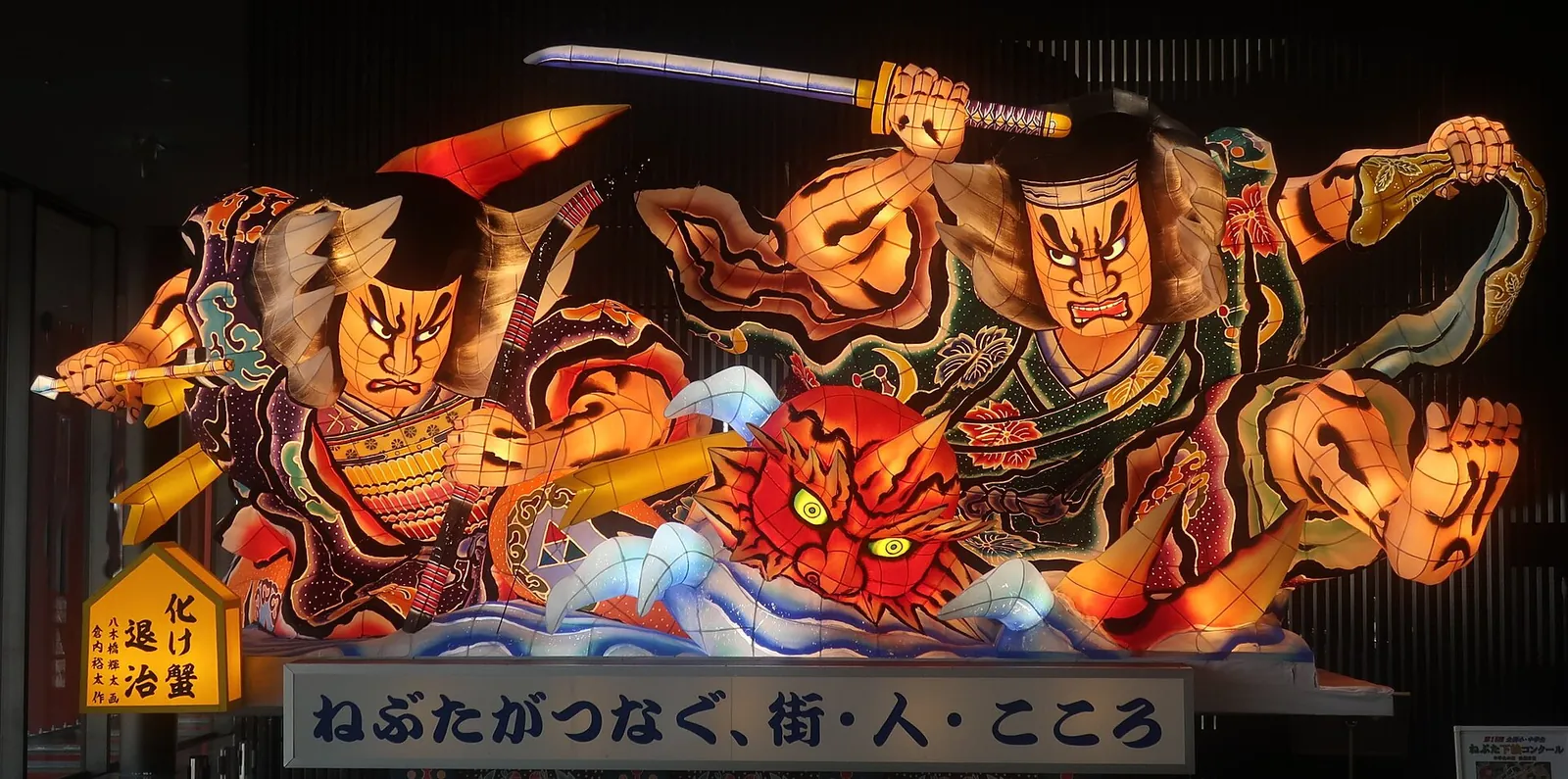
Aomori Nebuta Matsuri runs from 2 to 7 August every year: giant illuminated nebuta floats parade through central Aomori on the evenings of 2 to 6 August, and again by day and in the evening on 7 August. Akita Kanto Matsuri runs from 3 to 6 August every year, and Sendai Tanabata Matsuri from 6 to 8 August. Mountain Day, 11 August, is a national holiday. Obon, usually around 13 to 16 August, is not a public holiday, but JNTO says seats on planes, trains and highway buses sell out in advance. See the Japan festivals calendar.
Mongolia
August is still summer on the steppe, with the Naadam crowds gone. In the World Meteorological Organization's 1981-2010 figures, Ulaanbaatar averages a high of 22.4°C and a low of 10.5°C in August, with 71.7 mm of rain, and Dalanzadgad in the Gobi a high of 26.6°C. At Khatgal on Lake Khövsgöl the August low is 4.5°C. View Mongolia says the seasonal ger camps are fully open from 15 May to 20 September.
Our Mongolia in 14 days adds the north to the Gobi; Mongolia in 10 days covers Ulaanbaatar, Terelj and a Gobi loop to Kharkhorin.
In Mongolia, a mid-range day costs about EUR 255 all-in, from our Mongolia trip-cost guide.
August has no national holiday in Mongolia. See the best time to visit Mongolia guide for the camp seasons.
Kyrgyzstan and Almaty
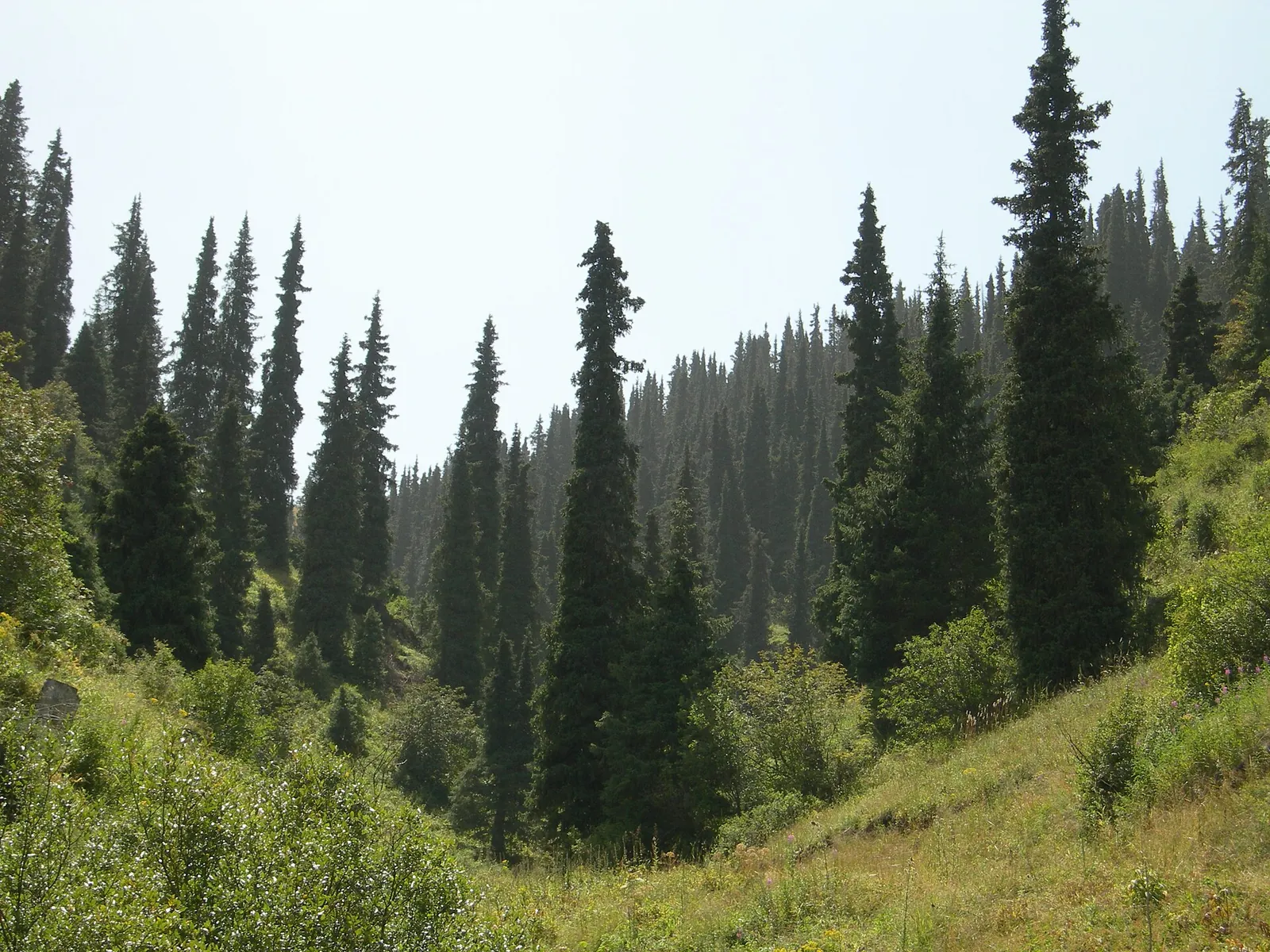
August is Bishkek's driest month, with 14 mm of rain on average. Destination Karakol calls June to early September the high season for trekking, and Issyk-Kul's beach season is high summer, with July and August the warmest months. Almaty, across the border, averages a high of 28.8°C. The UK Foreign Office warns that mountain weather can change very quickly.
Our Issyk-Kul and Karakol guide covers the lake and the trekking base; Central Asia in 14 days runs from Tashkent through Almaty to Bishkek.
In Kyrgyzstan, a mid-range day costs about EUR 80 all-in, from our Kyrgyzstan trip-cost guide. In Kazakhstan, it costs about EUR 90 all-in, from our Kazakhstan trip-cost guide.
Community Based Tourism Kyrgyzstan holds village festivals through August, among them national horse games, birds of prey festivals and a yurt festival, and posts each year's dates on its events page. Independence Day, 31 August, is the national day and a public holiday. See the Kyrgyzstan festivals calendar.
Bali and Java in the dry season
August is the dry season in southern Indonesia. Indonesia's Ministry of Tourism says that in most of the country, Java and Bali included, the dry season runs from April to October, though it calls both seasons relative. Its Bromo page says the sunset is best during the dry season from July to October.
Our Indonesia in 14 days runs from Yogyakarta to Bromo, Ijen and Bali; Bali in 7 days splits the week between Ubud and the south coast.
In Bali, a mid-range day costs about EUR 90 all-in, from our Bali trip-cost guide.
Independence Day, 17 August, marks the 1945 proclamation and is a national holiday. Islamic holidays such as the Prophet's Birthday move about 11 days earlier each year, so check them in the festivals calendar. The Dieng Culture Festival in Central Java is an annual event, usually held in August. See the Indonesia festivals calendar.
Sri Lanka's Cultural Triangle and Kandy
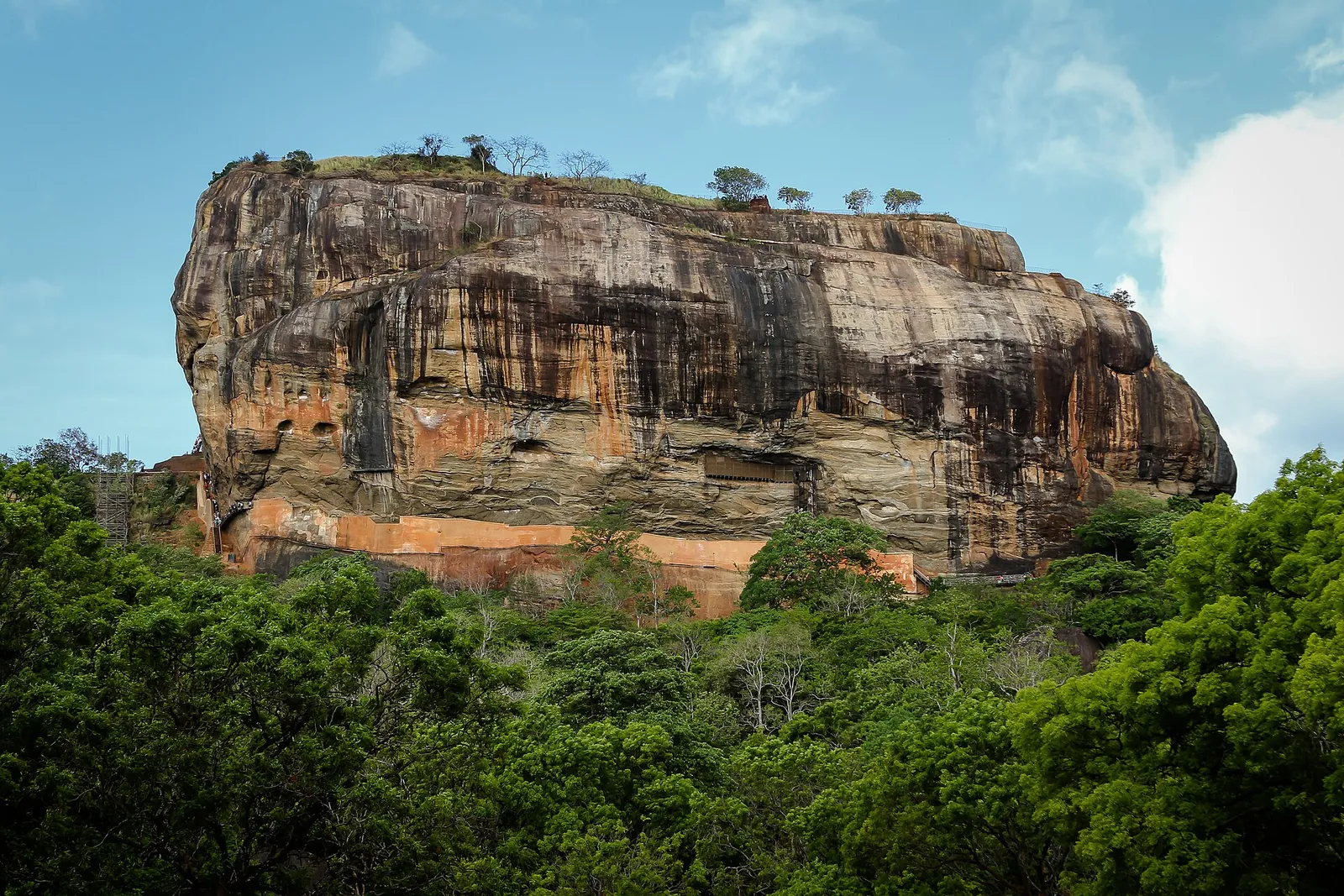
In August the south-west monsoon still rains on Sri Lanka's south-west coast and hills, but the dry zone is on the other side of the island's weather. The German Foreign Office puts the south-west rain from June to October. Sri Lanka Tourism says May to October is a popular time to visit Minneriya, in the dry zone near Polonnaruwa, for the elephant gathering.
Our Sigiriya and Dambulla guide covers the Cultural Triangle, and the Kandy guide the city of the Temple of the Tooth.
In Sri Lanka, a mid-range day costs about EUR 100 all-in, from our Sri Lanka trip-cost guide.
The Sri Dalada Maligawa holds its Esala Perahera in July or August, and fixes the nights anew each year. Nikini Full Moon Poya, usually in August, is a bank and public holiday. See the Kandy Esala Perahera guide for the nights and the Sri Lanka festivals calendar for the Poya dates.
Sabah's west coast
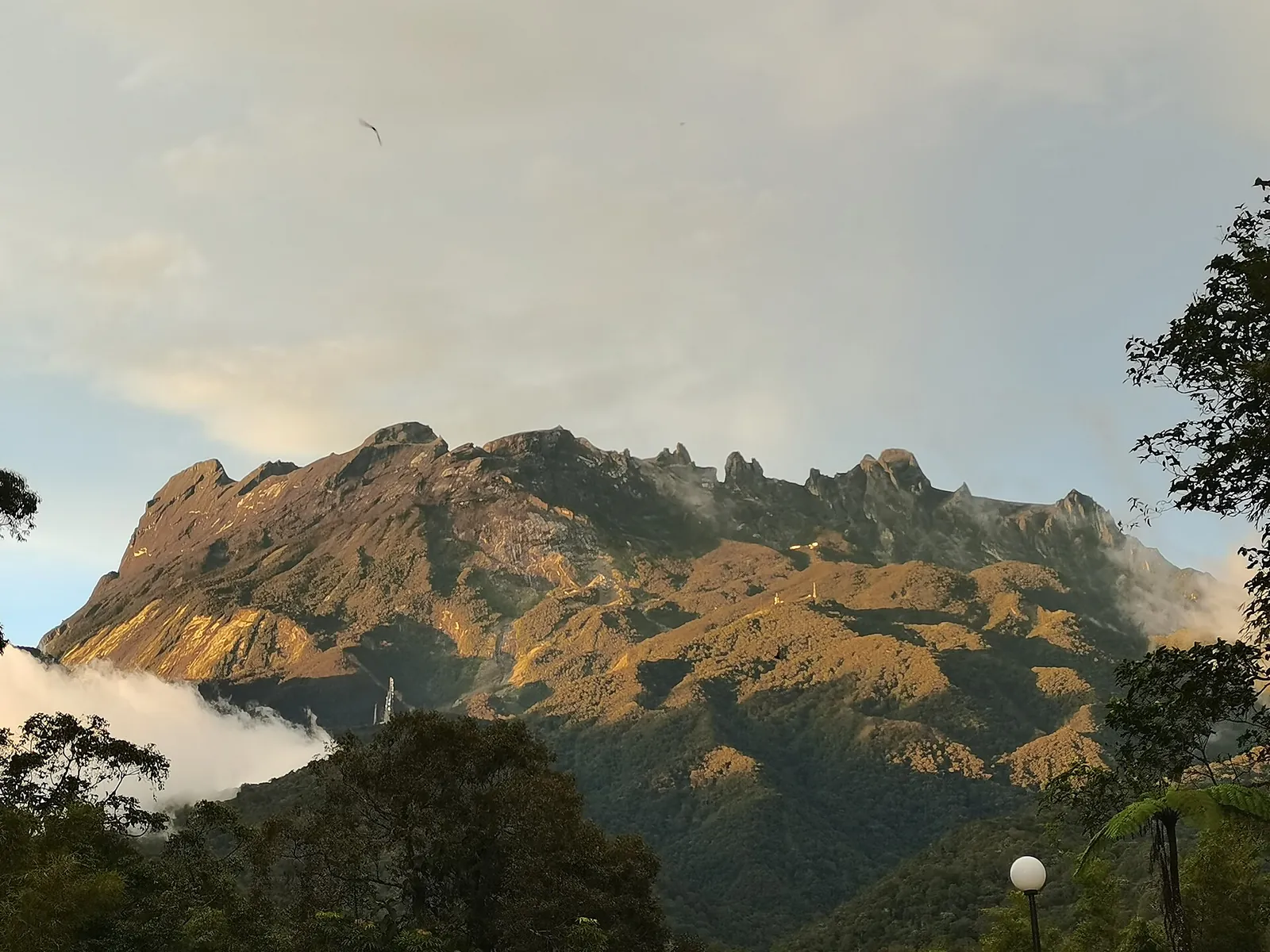
Sabah's rainfall changes over short distances. MET Malaysia records the north-west coast's two lower-rainfall months as February and August, with rainfall peaks around June and October. August is the wetter of the two, but it is still a good month for Kota Kinabalu and Kinabalu Park.
Our Sabah in 10 days covers Kota Kinabalu, Kinabalu Park, Sepilok and the Kinabatangan River.
In Malaysia, a mid-range day costs about EUR 80 all-in, from our Malaysia trip-cost guide.
National Day (Merdeka), 31 August, commemorates independence. See the Malaysia festivals calendar for the state holidays.
Also good in August
Two more places suit August, with conditions.
- Koh Tao and the Gulf islands: the Tourism Authority of Thailand puts the Gulf's rains from October to December, and Ban's Diving Resort on Koh Tao charges its high-season rate from 1 July to 31 August. In Thailand, a mid-range day costs about EUR 115 all-in, from our Thailand trip-cost guide. See Gulf islands in 7 days.
- Singapore for National Day, 9 August, if you accept the south-west monsoon showers; Singapore averages 146.9 mm of rain in August. See the best time to visit Singapore guide.
Where not to go in August, and why
In these places August works against an ordinary trip.
- Tokyo, Kyoto and Osaka, if you mind heat: highs of 31.3°C in Tokyo and 33.7°C in Kyoto. JNTO says the big cities are far less crowded than usual over Obon.
- Taiwan, Hong Kong and Macau: typhoon season; Kaohsiung averages 512.4 mm of rain in August and Hong Kong 453.2 mm, and Macau's tourism office names July to September as the months most seriously affected by tropical cyclones. See the best time to visit Macau guide.
- South Korea and eastern China: hot and wet; Seoul averages 348.2 mm in August, and Shanghai a high of 31.5°C.
- The Philippines: Baguio averages 963.2 mm of rain in August, and Manila and Coron are in the wet season. See the best time to visit the Philippines guide.
- Nepal, Bhutan and India: the monsoon; the Nepal Tourism Board says the June-to-September monsoon brings about 80% of the year's rain. See the best time to visit Bhutan guide.
- Uzbekistan's desert cities: Bukhara's August mean is 27.6°C. Go in spring or autumn.
- Laos, Cambodia and northern Vietnam: the wet season; Vientiane averages 329.5 mm in August.
- The Maldives and Thailand's Andaman coast: the south-west monsoon, which the Maldives Meteorological Service dates from mid-May to November.
Practical questions
Where is best in Asia in August?
Hokkaido and Tohoku, Mongolia, Kyrgyzstan and Almaty, Bali and Java, Sri Lanka's dry zone and Kandy, and Sabah's west coast. Most of the rest is in the monsoon or typhoon season.
When are the Tohoku summer festivals?
Aomori Nebuta from 2 to 7 August, Akita Kanto from 3 to 6 August and Sendai Tanabata from 6 to 8 August, on the same dates every year.
Is August a good time to visit Japan?
In the north, yes. Tokyo and Kyoto average highs of 31.3°C and 33.7°C. Obon, usually around 13 to 16 August, sells out planes, trains and highway buses in advance.
Is Bali good in August?
Yes. Indonesia's Ministry of Tourism puts Bali and Java in the dry season from April to October. Independence Day, 17 August, is a national holiday.
How much does a day in Asia cost in August?
From our trip-cost guides, a mid-range day costs about EUR 80 a person in Malaysia, EUR 80 in Kyrgyzstan, EUR 90 in Bali and Kazakhstan, EUR 100 in Sri Lanka, EUR 115 in Thailand, EUR 150 in Japan and EUR 255 in Mongolia, all-in except the international flight.
Keep planning your trip
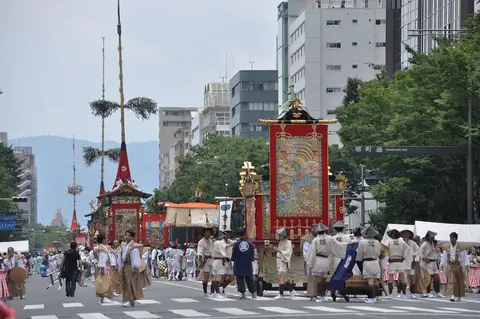
Japan festivals and events 2027
Japan's 2027 holidays and big festivals month by month: Golden Week, Obon, the Sapporo Snow Festival, Gion Matsuri, Nebuta, Awa Odori, Nagasaki Kunchi and more.
Read the guide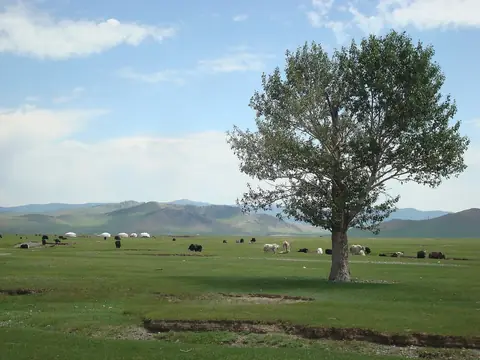
Best time to visit Mongolia
When to go to Mongolia: the June to September camp season, July's Naadam crowds, the Gobi's summer heat, Ulaanbaatar's long winter and the camps that close for it.
Read the guide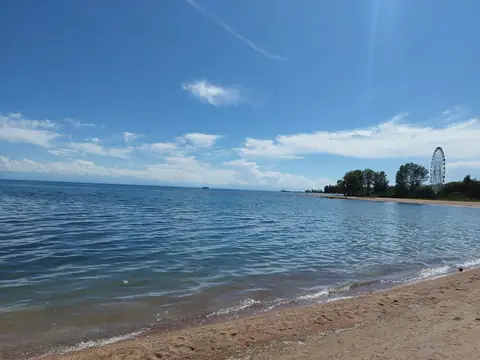
Best time to visit Kyrgyzstan
When to go to Kyrgyzstan for mountain walks, the Issyk-Kul beach season or skiing at Karakol, with the climate month by month and the holidays that change a trip.
Read the guide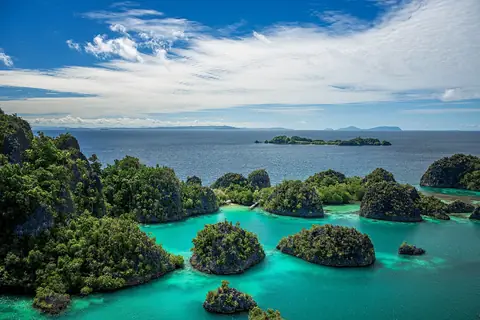
Best time to visit Indonesia
Which months suit Bali, Java, Komodo, Sumatra and Raja Ampat, how sea and fire change plans, and the 2027 Nyepi and Lebaran dates, and what Ramadan changes.
Read the guide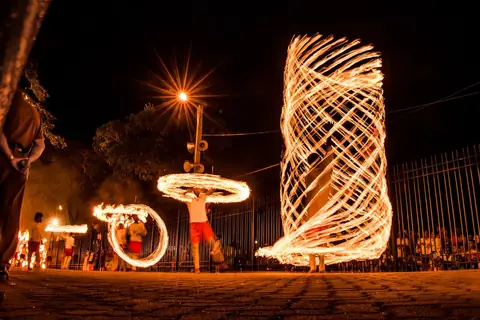
Kandy Esala Perahera 2027
The Kandy Esala Perahera 2027 falls in July or August: what is known about the dates, the ten nights of processions, official seats and getting to Kandy.
Read the guide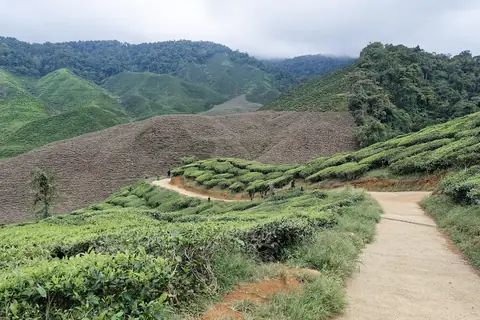
Best time to visit Malaysia
Match Malaysia's west coast, east-coast islands and Borneo to their different rain patterns, then choose dates that fit the trip you want.
Read the guideSources and checks before you travel
(42)
- Japan Meteorological Agency: Tokyo normals 1991-2020 ↗ — opens in a new tab
- Japan Meteorological Agency: Kyoto normals 1991-2020 ↗ — opens in a new tab
- Japan Meteorological Agency: Sapporo normals 1991-2020 ↗ — opens in a new tab
- Aomori Nebuta Matsuri organisers: festival guide in English ↗ — opens in a new tab
- Akita Kanto Festival Executive Committee: FAQ ↗ — opens in a new tab
- Sendai Tanabata Matsuri organisers: official site ↗ — opens in a new tab
- Cabinet Office, Japan: national holidays ↗ — opens in a new tab
- JNTO: Japan in August ↗ — opens in a new tab
- World Meteorological Organization: Ulaanbaatar ↗ — opens in a new tab
- World Meteorological Organization: Dalanzadgad ↗ — opens in a new tab
- World Meteorological Organization: Khatgal ↗ — opens in a new tab
- View Mongolia: Gobi desert tour ↗ — opens in a new tab
- World Meteorological Organization: Bishkek ↗ — opens in a new tab
- Destination Karakol: trekking ↗ — opens in a new tab
- World Meteorological Organization: Almaty ↗ — opens in a new tab
- UK Foreign Office: Kyrgyzstan safety and security ↗ — opens in a new tab
- Community Based Tourism Kyrgyzstan: events ↗ — opens in a new tab
- Ministry of Labour, Kyrgyzstan: 2027 production calendar ↗ — opens in a new tab
- Indonesia's Ministry of Tourism (Indonesia Travel): weather and climate ↗ — opens in a new tab
- Ministry of Tourism (Indonesia Travel): Gunung Bromo ↗ — opens in a new tab
- Ministry of State Secretariat, Indonesia: 2027 holidays and collective leave ↗ — opens in a new tab
- Indonesia Travel: Dieng Plateau ↗ — opens in a new tab
- German Foreign Office: Sri Lanka travel advice ↗ — opens in a new tab
- Sri Lanka Tourism: Minneriya National Park ↗ — opens in a new tab
- Sri Dalada Maligawa: Four Main Festivals ↗ — opens in a new tab
- Central Bank of Sri Lanka: bank holidays 2027 ↗ — opens in a new tab
- Malaysian Meteorological Department: climate of Malaysia ↗ — opens in a new tab
- Tourism Malaysia: travel guide ↗ — opens in a new tab
- Tourism Authority of Thailand: monsoon season ↗ — opens in a new tab
- Ban's Diving Resort, Koh Tao: Superior rooms ↗ — opens in a new tab
- Ministry of Manpower, Singapore: public holidays for 2027 ↗ — opens in a new tab
- Meteorological Service Singapore: climate of Singapore ↗ — opens in a new tab
- Central Weather Administration, Taiwan: precipitation normals ↗ — opens in a new tab
- Hong Kong Observatory: climatological normals 1991-2020 ↗ — opens in a new tab
- Macao Government Tourism Office: practical information ↗ — opens in a new tab
- Korea Meteorological Administration: 1991-2020 normals (August) ↗ — opens in a new tab
- Central Weather Administration, Taiwan: China mean maximum temperature ↗ — opens in a new tab
- PAGASA: climatological normals 1991-2020 ↗ — opens in a new tab
- Nepal Tourism Board: climate ↗ — opens in a new tab
- Japan Meteorological Agency: ClimatView, Bukhara ↗ — opens in a new tab
- Japan Meteorological Agency: ClimatView, Vientiane ↗ — opens in a new tab
- Maldives Meteorological Service: climate ↗ — opens in a new tab
Reference sources for the version dated 3 November 2026. Confirm opening times, access, transport and conditions for your travel dates.
Photo credits
(4)
Sigiriya, in Sri Lanka's Cultural Triangle.
Photograph: V. Epiney — opens in a new tab · CC BY-SA 2.0 — opens in a new tab
Changes: Resized and converted to WebP; displayed with responsive crops. · Original photograph and licence details ↗ — opens in a new tab
A nebuta float at the 2025 Aomori Nebuta Matsuri.
Photograph: Hiart — opens in a new tab · CC0 — opens in a new tab
Changes: Resized and converted to WebP; displayed with responsive crops. · Original photograph and licence details ↗ — opens in a new tab
Mount Kinabalu, in Kinabalu Park, Sabah.
Photograph: Nelynnnnn — opens in a new tab · CC BY-SA 4.0 — opens in a new tab
Changes: Resized and converted to WebP; displayed with responsive crops. · Original photograph and licence details ↗ — opens in a new tab
The Karakol Gorge, near Issyk-Kul.
Photograph: Jigitekov at English Wikipedia — opens in a new tab · Public domain — opens in a new tab
Changes: Resized and converted to WebP; displayed with responsive crops. · Original photograph and licence details ↗ — opens in a new tab