Plan your trip
Best time to visit Malaysia: a coast-by-coast guide
Malaysia has no single dry season. Langkawi, Redang and Kuching can experience very different weather in the same week, while warm temperatures and passing rain are possible almost everywhere. The useful question is therefore not simply when Malaysia is sunny, but which coast and landscape suit your dates. Choose the region first, then reserve the weather-sensitive island or rainforest part of the journey before adding city nights around it.
In this guide
Find the location ↗ — opens in a new tabThe short answer
Choose Malaysia's travel dates by region: January or February favours Langkawi on the northwest coast, while Redang and Tioman suit trips from March onwards; Borneo needs a location-specific forecast. MET Malaysia records the east coast's highest rainfall in November, December and January, while the northwest has a drier spell in January and February. Sabah and Sarawak have separate regional patterns, so build a Borneo trip around the precise park, river or coast instead of borrowing a peninsula forecast.
- Key point
- Choose the season before fixing a 7- to 14-day route; allow at least 3 nights for a weather-sensitive island
- Where it applies
- Kuala Lumpur and George Town for a west-coast route; the named mainland jetty for an east-coast island; Kota Kinabalu or Kuching for Borneo
- Timing
- January–February suits the northwest coast; March–September is the clearest planning window for many east-coast islands, with Tioman operating into October.
There is no single Malaysian dry season
Malaysia stays warm, humid and rainy throughout the year. MET Malaysia describes temperatures as comparatively uniform and rainfall as abundant, with the seasonal wind pattern and mountain ranges determining where the heaviest rain falls. A forecast icon showing showers does not mean an entire day will be lost, but a monsoon can change sea conditions, boat services and the value of a beach booking.
Divide the map into at least four planning zones: the northwest peninsula around Penang and Langkawi, the east-coast peninsula and islands, Sabah, and Sarawak. Kuala Lumpur, Melaka and the southwest coast form another useful practical group, with rainfall peaking in October and November and a lower average in February on the southwest coast.
For a multi-region holiday, place the least flexible element first. That may be a Redang resort package, a Tioman ferry, a Kinabatangan lodge or a Mulu flight. Kuala Lumpur and George Town have far more hotel and indoor options, so their nights can sit around the weather-sensitive booking.
January and February: northwest coast first
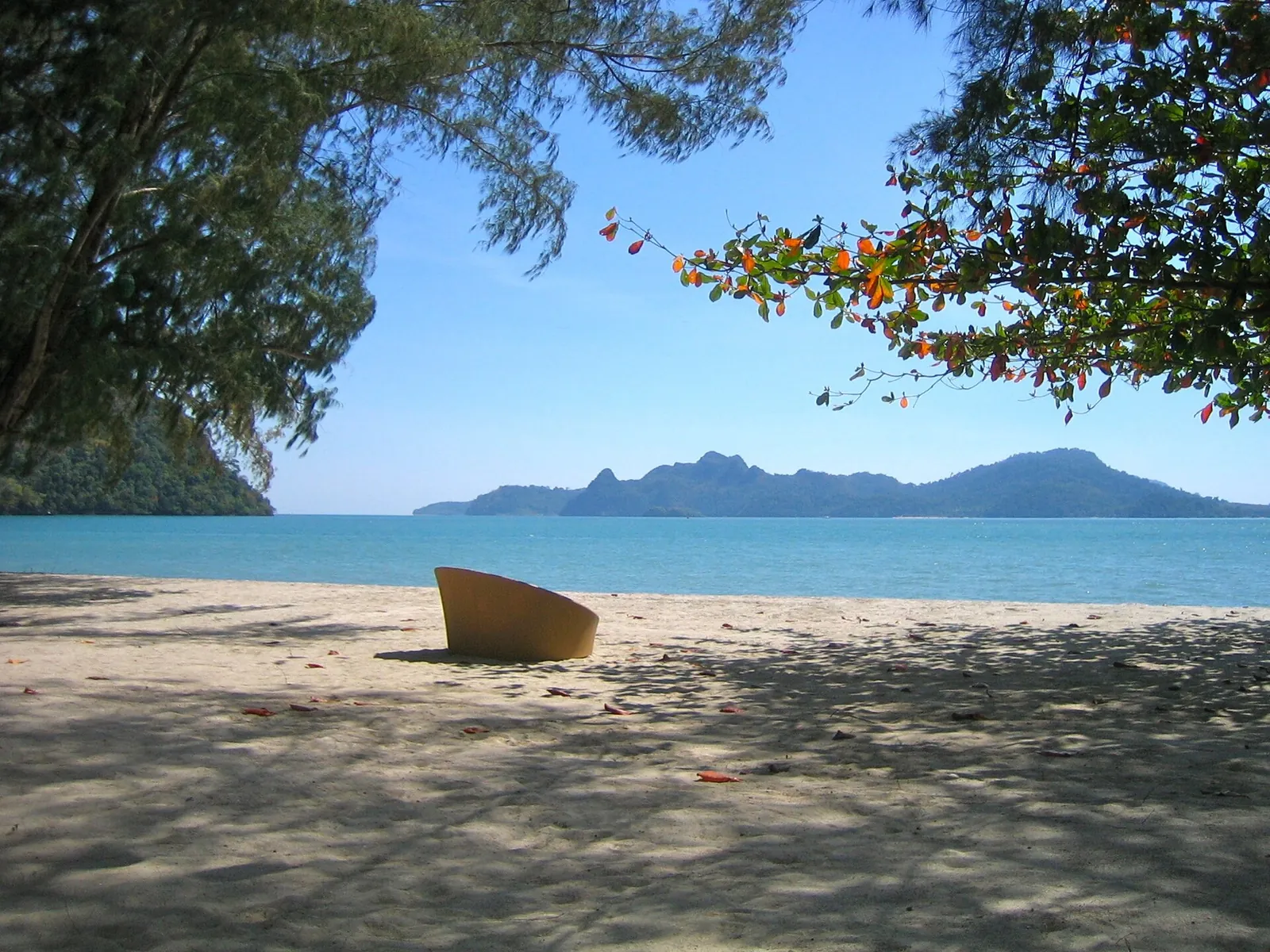
MET Malaysia identifies January and February as the main lower-rainfall period for the peninsula's northwest. That makes these months a logical pairing for George Town and Langkawi, with Kuala Lumpur added before or after. Langkawi has both an airport and daily passenger ferries from Kuala Perlis and Kuala Kedah, so it is easier to keep in a winter route than an east-coast island whose resorts close for the monsoon.
The trade-off is regional. November to March is the Northeast Monsoon, when the east coast of the peninsula receives heavy rain and rough seas can affect marine travel. Redang resorts normally close between November and February, while Tourism Malaysia describes Tioman's monsoon from late October to early February and says most establishments reopen in March.
Kuala Lumpur remains a practical year-round gateway, though no month guarantees dry city days. Reserve outdoor viewpoints and neighbourhood walks for the clearer part of the forecast, and keep museums, markets and food stops ready for a wet spell.
March to September: choose an east-coast island carefully
The east-coast island season does not open everywhere on one date. Tourism Malaysia places Redang's usual visiting window between March and October, while a separate Tourism Malaysia feature narrows its strongest visibility period to March–September and says boating and diving stop after October as facilities close. Redang therefore suits travellers willing to reserve a resort and mainland transfer as one package.
Tioman has a longer shoulder: Tourism Malaysia says resorts wake from their seasonal closure in March, generally operate until October and are busiest in June and July. Ferries depart Mersing or Tanjung Gemok, so one mainland night is sensible before an early boat. Perhentian boats use Kuala Besut; the state tourism board describes a roughly 30-minute speedboat crossing, while Tourism Malaysia contrasts quieter Perhentian Besar with Long Beach and Coral Bay on Perhentian Kecil.
MET Malaysia records June and July as the driest months in most east-coast districts, but a climatological average is not a promise of calm water on a particular day. Keep the final mainland-to-island transfer flexible enough to follow the operator's sailing advice, especially near the edge of the season.
West-coast cities and islands outside winter
Penang and Langkawi do not close when January and February end. The northwest's secondary lower-rainfall period falls in June and July, while its wetter peaks generally occur in April–May and October–November. This double pattern makes the west coast a useful alternative when the east is between boat seasons, but not a permanently dry refuge.
Pangkor is another west-coast option, reached by a short ferry from the Lumut area. It works well for a compact beach break when you do not want to fly, while Langkawi has the broader choice of resort coasts, flights and car hire. Neither needs to be squeezed into a northern route simply because the weather is favourable; three nights make the transfer worthwhile and leave a spare half-day if showers interrupt a beach plan.
On the southwest coast, MET Malaysia says October and November are the wettest months and February is the driest on average. Early-morning squalls from Sumatra also influence the coast from May to August, a reminder that the western peninsula contains more than one rainfall regime.
Highlands and rainforest: temperature and rain change the packing list
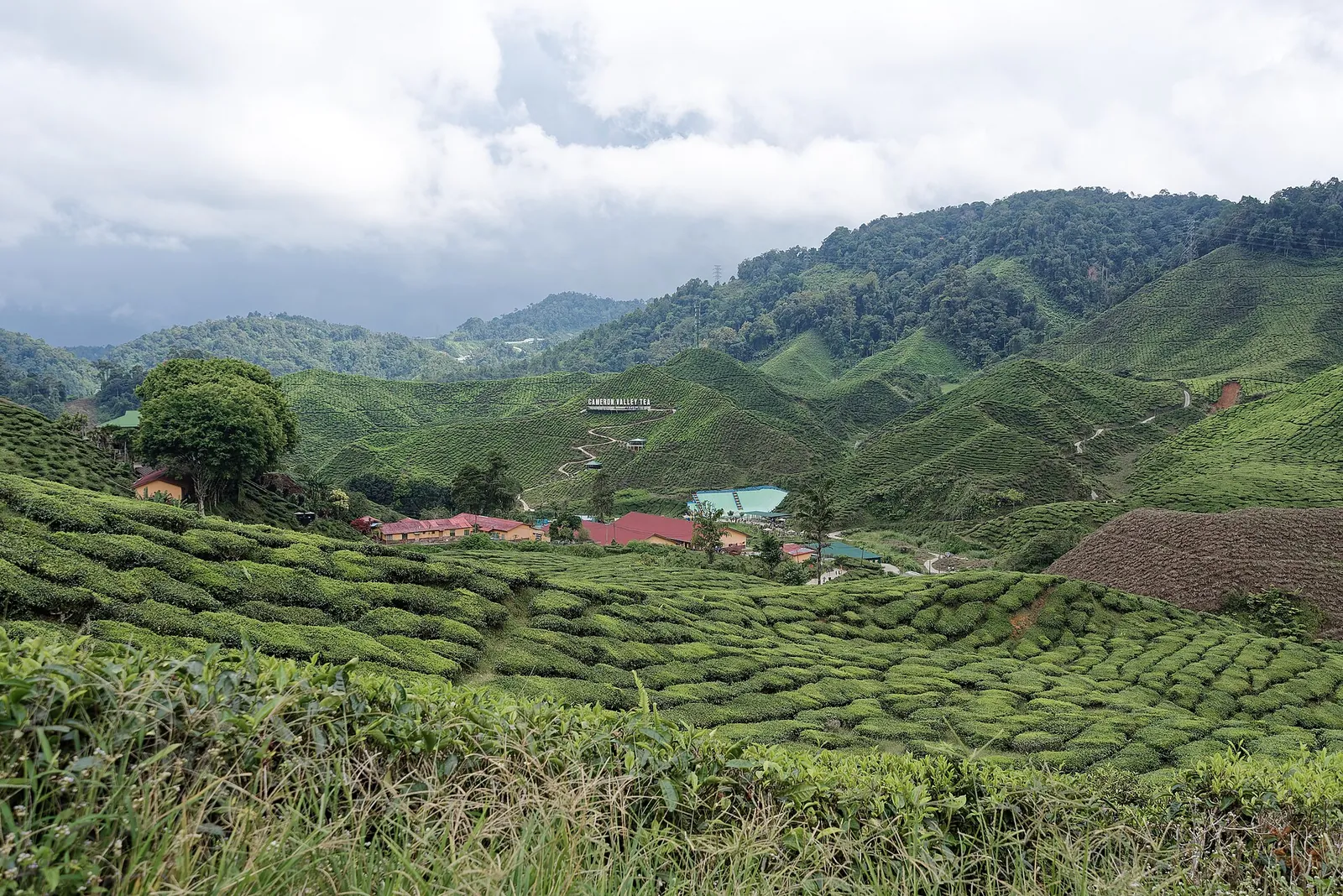
Cameron Highlands is a climate decision of a different kind. Tourism Malaysia gives a typical range of 15–25°C, so the reward is cooler walking weather rather than a beach-style dry season. Carry a light layer and rain protection, and reserve two nights so a wet afternoon does not consume the whole visit.
Taman Negara remains a rainforest trip in every month. The November–March Northeast Monsoon brings the east of Peninsular Malaysia its most persistent heavy rain, while the park's river travel and forest activities remain sensitive to local conditions. Kuala Tahan is road-led and the useful experiences—forest walks, a night walk, river trips and the canopy walkway—need more than a rushed excursion from Kuala Lumpur.
Pairing the highlands and rainforest can work in a two-week peninsula route, but they should not be treated as weather-proof fillers. Put two nights in each, accept that tropical rain is part of the landscape, and avoid a same-day island or flight connection after a long road transfer.
Sabah: decide between the west coast, mountains and east
Sabah's rainfall changes over surprisingly short distances. MET Malaysia records the northwest coast's lower-rainfall months in February and August, with rainfall peaks around June and October. Central, hillier Sabah also has relative minima in February and August, while southern Sabah is more evenly wet with a slightly drier period from February to April.
For Kota Kinabalu, Kinabalu Park and Kundasang, February can therefore be a sensible starting point, but mountain cloud, rain and temperature still change within a day. Book the city and highland as separate bases: Kota Kinabalu for the airport and coast, then Kundasang or the park area for early mountain mornings without a return drive from the city.
A Sepilok and Kinabatangan journey has a different purpose from a beach holiday. Build it around confirmed lodge transfers and wildlife activities rather than a promise of dry weather, and retain enough time for the road and river sequence from Sandakan.
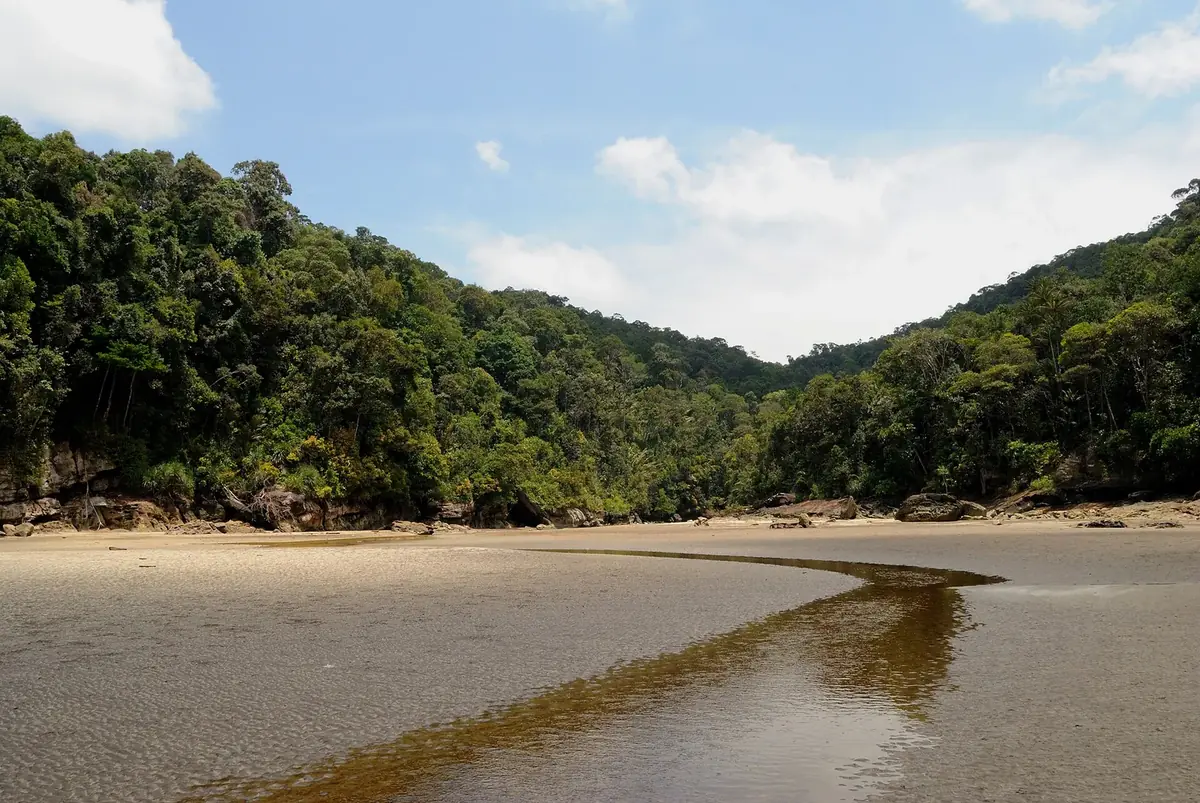
Sarawak: Kuching and Mulu need their own calendar
Coastal Sarawak receives much of its rain during the Northeast Monsoon, with January the average maximum and June or July the minimum. That makes June and July an appealing period for Kuching and Bako, although Bako's boat approach still depends on local water and weather conditions on the day.
Inland Sarawak is different again: MET Malaysia describes rainfall as fairly even through the year, with a modest reduction from June to August and very high totals on some inland slopes. Gunung Mulu is therefore best planned around flights, park reservations and sufficient nights, not a search for a perfectly dry month.
A seven-day Sarawak trip needs one regional focus. Keep Kuching and its nearby parks together, then add Mulu only when the flight schedule and park stay leave genuine time on the ground. If the calendar is fixed, a well-paced route is more valuable than crossing several weather zones in pursuit of an uncertain sunny day.
Practical questions
What is the best month to visit Malaysia?
There is no single best month for the whole country. January or February suits a Kuala Lumpur–Penang–Langkawi route, while March to September is the clearer planning window for Redang and many other east-coast island stays.
When is Malaysia's monsoon season?
The Northeast Monsoon runs from November to March and brings the heaviest rain to the peninsula's east coast, western Sarawak and northeast Sabah. Other regions have different rainfall peaks, so the word monsoon is not a countrywide closure notice.
When should I visit Redang, Perhentian or Tioman?
Plan Redang from March to September for the strongest official seasonal window, with many resorts operating into October. Tioman generally reopens in March and runs to October; Perhentian boats use Kuala Besut and should be arranged with the accommodation for your dates.
Is December a good time for Malaysia?
December works better for Kuala Lumpur, Penang and Langkawi than for the peninsula's east-coast islands. Redang resorts are normally closed, and Tioman is in its monsoon period.
When is the best time to visit Sabah?
Northwest Sabah has lower average rainfall in February and August, but mountain and rainforest conditions remain changeable. Choose dates around the precise route and keep Kota Kinabalu, Kundasang and eastern Sabah transfers as separate travel blocks.
Does rain ruin a trip to Malaysia?
Not usually in cities, where food, museums and covered transport give alternatives, but rough seas can disrupt an island transfer. Reserve enough nights for the destination and avoid tying the final ferry to an inflexible long-haul departure.
Keep planning your trip

First trip to Malaysia
Seven days in Kuala Lumpur and George Town: where to base yourself, visa by nationality and the MDAC, the ETS train to Penang and what to see.
Read the guide
Getting around Malaysia
Malaysia transport with fares and times: KLIA Ekspres, ETS from Butterworth to JB Sentral, Shuttle Tebrau to Singapore, coaches, island ferries and Borneo flights.
Read the guide
Malaysia island guide
Compare five Malaysian islands by coast, season, jetty, travel style and hotel base, from easy Langkawi to boat-led Redang and Tioman.
Read the guide
Langkawi
Plan three or four nights in Langkawi, choosing the right beach base and linking SkyCab, Kilim's mangroves and island trips without wasting days in transit.
Read the guide
Where to go in Asia in February
February brings dry weather to Thailand, Sri Lanka, Singapore and the Philippines, and often Lunar New Year. Six trips with daily costs and the month's festivals.
Read the guide
Where to go in Asia in June
June is rainy season across much of Asia. Six trips that dodge it, from Hokkaido and Mongolia to Bali and Malaysia's east coast, with costs and festivals.
Read the guideSources and checks before you travel
(9)
- MET Malaysia: Malaysia's climate ↗ — opens in a new tab
- MET Malaysia: monsoon and weather phenomena ↗ — opens in a new tab
- Tourism Malaysia: Tioman Island ↗ — opens in a new tab
- Tourism Malaysia: Redang Island ↗ — opens in a new tab
- Tourism Malaysia: islands of Terengganu ↗ — opens in a new tab
- Tourism Terengganu: Perhentian Islands ↗ — opens in a new tab
- Tourism Malaysia: Cameron Highlands ↗ — opens in a new tab
- Langkawi Development Authority: getting to Langkawi ↗ — opens in a new tab
- Tourism Malaysia: Pangkor Island ↗ — opens in a new tab
Reference sources for the version dated 20 October 2026. Confirm opening times, access, transport and conditions for your travel dates.
Photo credits
(5)
Langkawi fits the northwest coast season and is easy to reach by air or mainland ferry.
Photograph: Romain Pontida — opens in a new tab · CC BY-SA 2.0 — opens in a new tab
Changes: Resized and converted to WebP; displayed with responsive crops. · Original photograph and licence details ↗ — opens in a new tab
The highlands trade tropical heat for cooler, mist-prone walking weather.
Photograph: Jakub Hałun — opens in a new tab · CC BY 4.0 — opens in a new tab
Changes: Resized and converted to WebP; displayed with responsive crops. · Original photograph and licence details ↗ — opens in a new tab
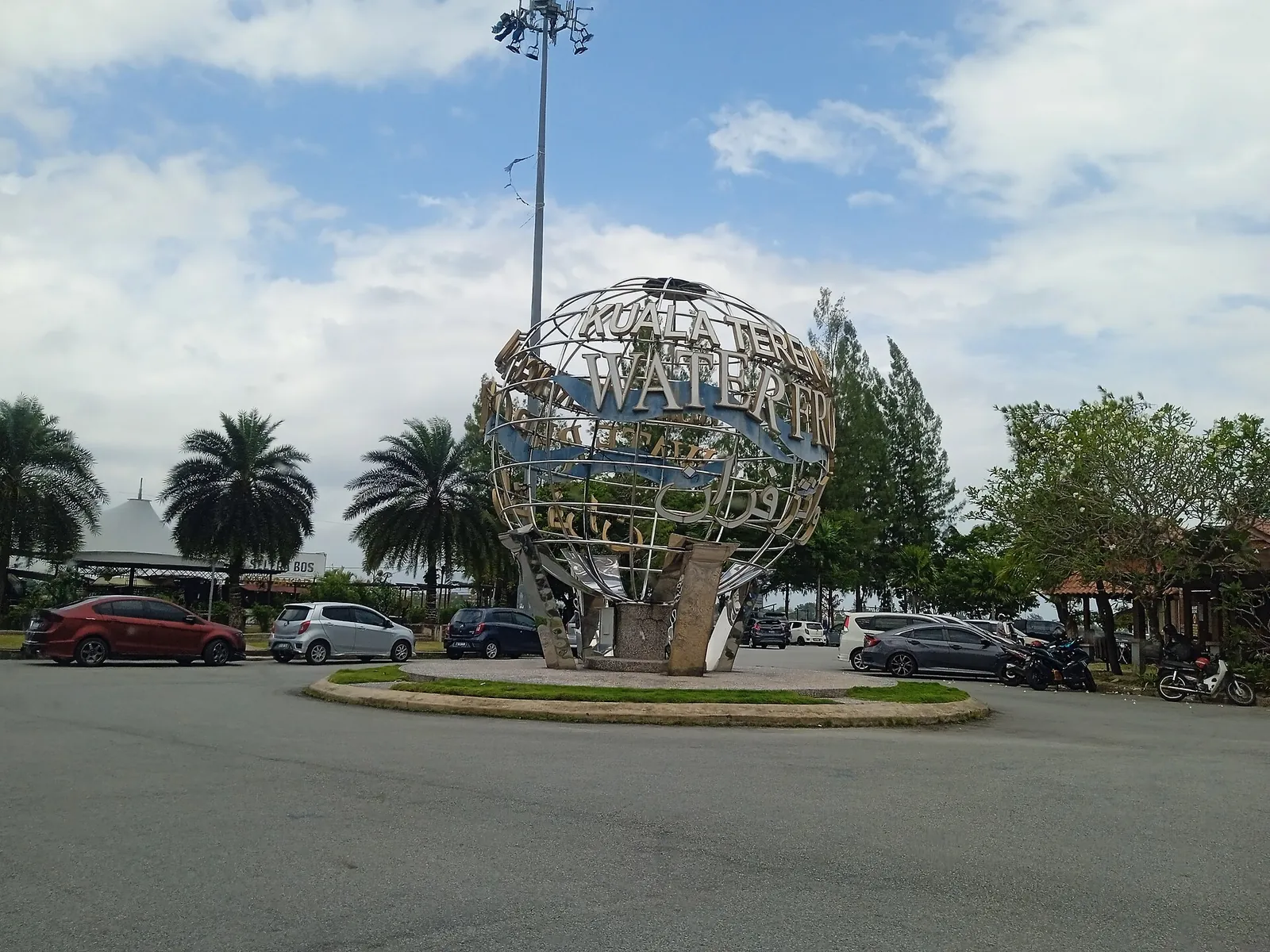
Sabah has several local rainfall patterns, from the west coast to the mountain interior.
Photograph: Angah hfz — opens in a new tab · CC BY-SA 4.0 — opens in a new tab
Changes: Resized and converted to WebP; displayed with responsive crops. · Original photograph and licence details ↗ — opens in a new tab
West-coast island life continues year-round even though rainfall changes with the season.
Photograph: CEphoto, Uwe Aranas — opens in a new tab · CC BY-SA 3.0 — opens in a new tab
Changes: Resized and converted to WebP; displayed with responsive crops. · Original photograph and licence details ↗ — opens in a new tab
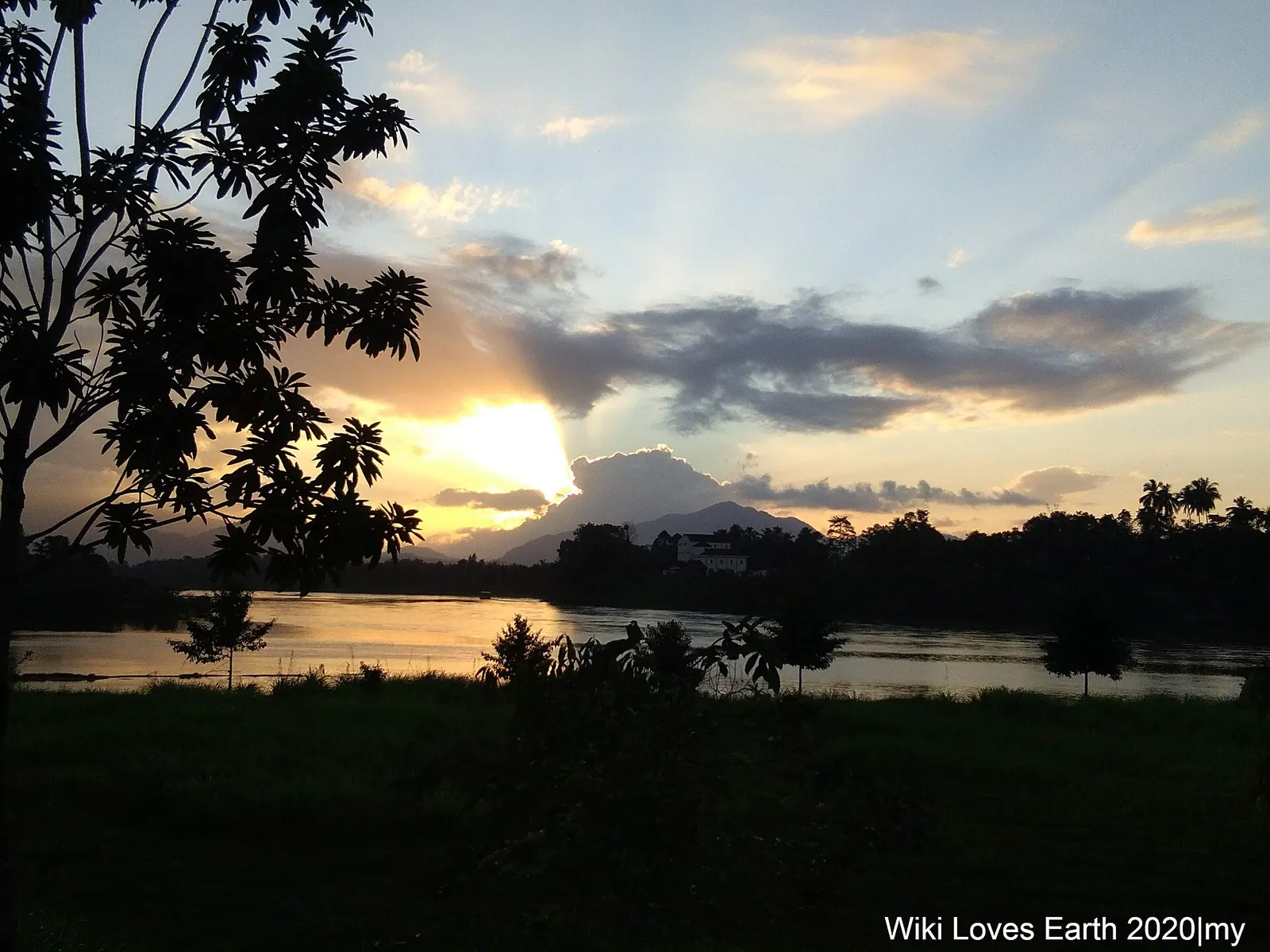
Coastal Sarawak follows a different rainfall calendar from Peninsular Malaysia and Sabah.
Photograph: diego_cue — opens in a new tab · CC BY-SA 3.0 — opens in a new tab
Changes: Resized and converted to WebP; displayed with responsive crops. · Original photograph and licence details ↗ — opens in a new tab