Itineraries · Indonesia
Indonesia in 2 weeks: Yogyakarta, Bromo, Ijen and Bali overland
Two weeks is enough to cross from the temples of Central Java to the beaches of Bali on the ground, as long as you accept two things. The volcanoes in East Java are visited in the dark, so Bromo and Ijen mean two pre-dawn starts that need sleep around them. And the road from Yogyakarta to Bali is long: train, minibus, car and ferry, with two big travel days that cannot be squeezed. This route gives Yogyakarta three nights, splits the volcanoes with a rest day in Banyuwangi, crosses to Bali on the ferry from Ketapang and then slows down in Ubud, on Nusa Penida and on the Canggu coast before the flight home.
- Suggested time
- 14 days (13 nights)
- Where to stay
- Yogyakarta (3 nights), Cemoro Lawang (1), Banyuwangi (3), Ubud (3), Nusa Penida north coast (2), Canggu (1)
- Season and timing
- The Ministry of Tourism gives April to October as the dry season and November to March as the wet season for Java and Bali, while noting that the seasons have become less predictable. Go in the dry months for the best chance of clear dawns from the crater rims. Nights at Bromo and Ijen are cold all year. Avoid Nyepi, Bali's day of silence in March or April, when the island and its airport shut for 24 hours.
The short answer
Plan 14 days and 13 nights in six bases: Yogyakarta (3 nights), Cemoro Lawang on the rim of the Bromo caldera (1), Banyuwangi (3), Ubud (3), the north coast of Nusa Penida (2) and Canggu (1). Fly into Yogyakarta International Airport (YIA) and out of Bali's Ngurah Rai (DPS). Go east from Yogyakarta by train to Probolinggo and up to Cemoro Lawang by minibus or car; after the Bromo sunrise, continue east to Banyuwangi by train or with a driver. Keep a free day before the Ijen climb, which opens at 01:00, then take the 24-hour ferry from Ketapang to Gilimanuk and a car across Bali to Ubud. Book the Bromo and Ijen park tickets online and check both volcanoes' alert levels the day before. The dry season, April to October, is the best time for the whole line.
Why this order, and where the two weeks go
The route runs west to east, and that is the only way it makes sense overland. You land in Yogyakarta, see the palace city and the two great temple compounds, Borobudur and Prambanan, then ride east along Java. Mount Bromo comes first because Probolinggo, its gateway, is on the railway line towards the eastern tip of the island. Ijen sits above Banyuwangi, which is also where the ferry leaves for Bali. Once you are across, Ubud, Nusa Penida and Canggu are all within reach of the airport you fly home from. Nothing has to be done twice.
Thirteen nights in six bases is already the limit. The two volcanoes are what make this trip different from a Bali holiday, and also what make it tiring: the Bromo sunrise and the Ijen climb both start in the middle of the night. This plan never puts them on consecutive nights. You sleep on the Bromo rim, travel the next day, have a full rest day in Banyuwangi, climb Ijen the following night and recover before the ferry. Three nights in Banyuwangi may look generous on paper. In practice they are what keeps the Bali week from starting with two lost days.
If you have fewer than 14 days, drop Nusa Penida before you drop the rest day. If you have more, Ubud and Canggu are the places to add nights; our Ubud, Canggu and Nusa Penida guides cover them in full.
Days 1–3: Yogyakarta, Borobudur and Prambanan
Yogyakarta International Airport is in Kulon Progo, far to the west of the city. The Ministry of Tourism lists taxis, ride-hailing and shuttle buses into town, and its Prambanan guide also names the DAMRI shuttle and the airport train to Tugu or Lempuyangan station. Sleep near Malioboro or in the lanes of Sosrowijayan if you want to walk to Tugu station for the train east on day four, or in Prawirotaman for a quieter street south of the palace. Spend the first evening on Malioboro.
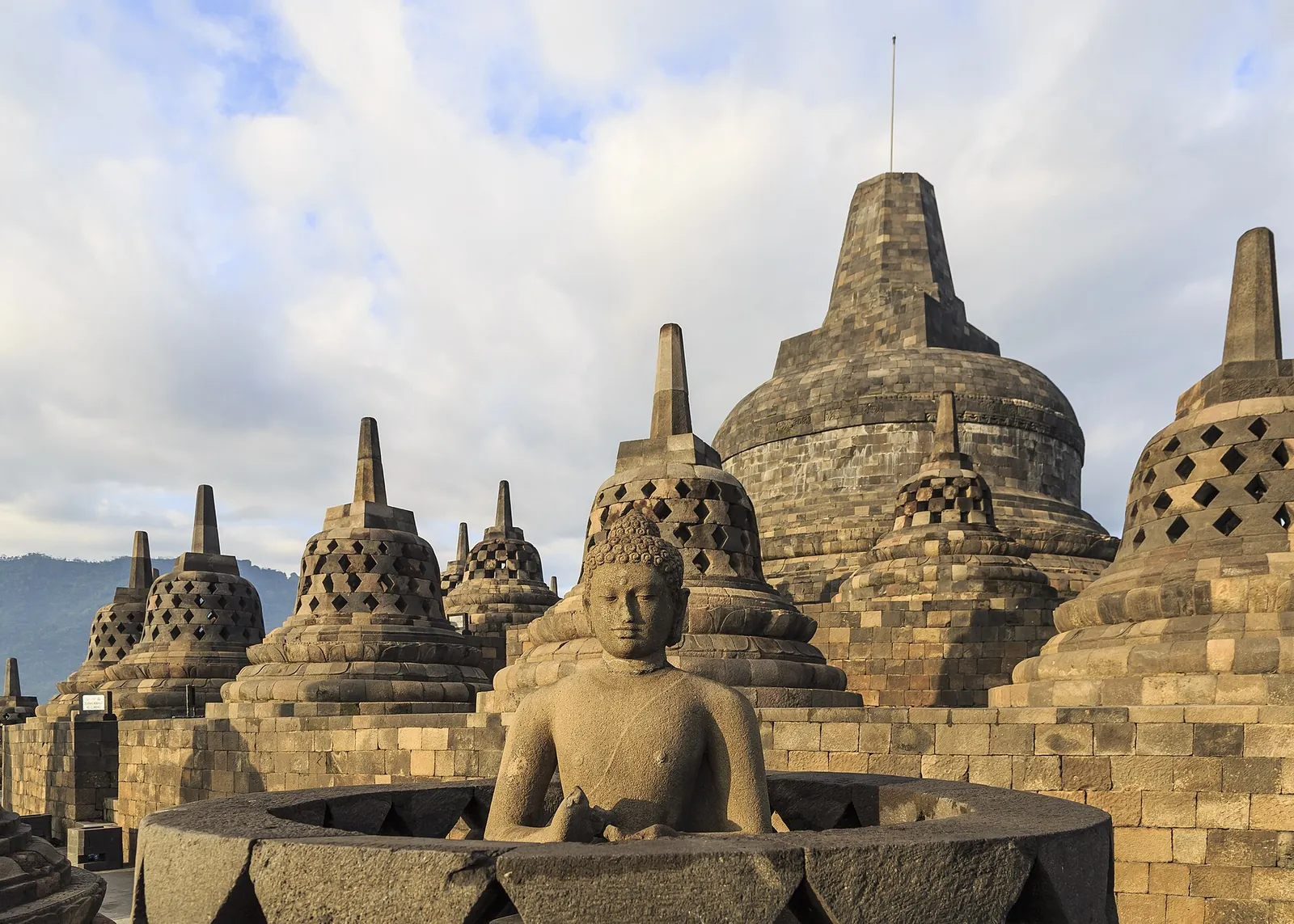
Give day two to Borobudur, north-west of the city in Central Java. Its operator sells two tickets: one for the grounds only and one for the temple structure, which lets you climb the monument. When we checked on 2026-10-03, the operator said climbing tours ran every day from 09:00 to 17:00 local time. If climbing matters to you, buy that ticket online for your date rather than hoping for space at the gate. A car with a driver for the day is the simplest way to get there and back, and our Borobudur guide explains the sunrise options.
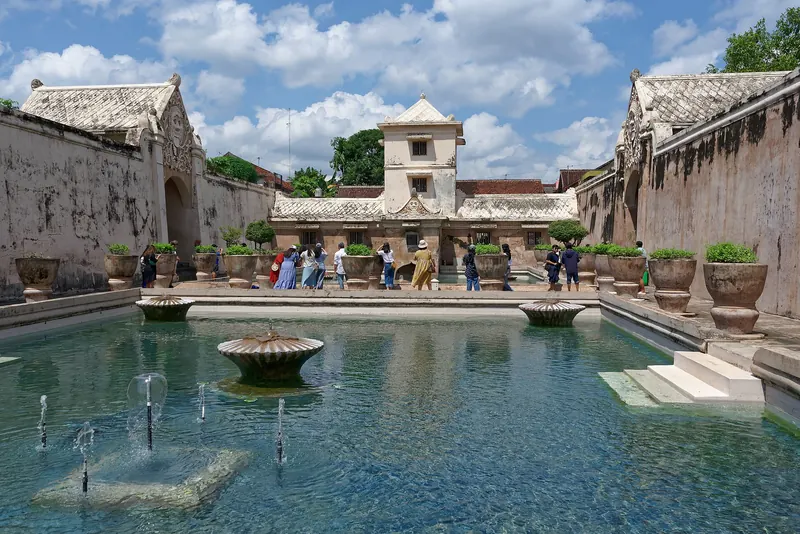
Day three is royal Yogyakarta in the morning and Prambanan in the afternoon. When we checked on 2026-10-03, the palace's tourism site listed the Kraton (the Kedhaton area) as open 08:30 to 14:30 from Tuesday to Sunday and closed on Monday, so swap days two and three if you arrive on a Sunday. Walk on to the Taman Sari water garden, then go about 17 km east to Prambanan, Indonesia's largest Hindu temple complex. The operator's ticket site listed daily opening from 06:30. If the Ramayana Ballet is on that evening, stay for it; the operator publishes its schedule by stage and warns that it can change without notice.
Merapi, the volcano north of the city, was at Level III (Siaga) on Indonesia's volcano monitoring site when we checked on 2026-10-03. Leave the jeep tours on its slopes out of this trip unless the alert has dropped and local authorities allow visits.
Make time for the local food
What to eat and where to look
Gudeg (Yogyakarta)
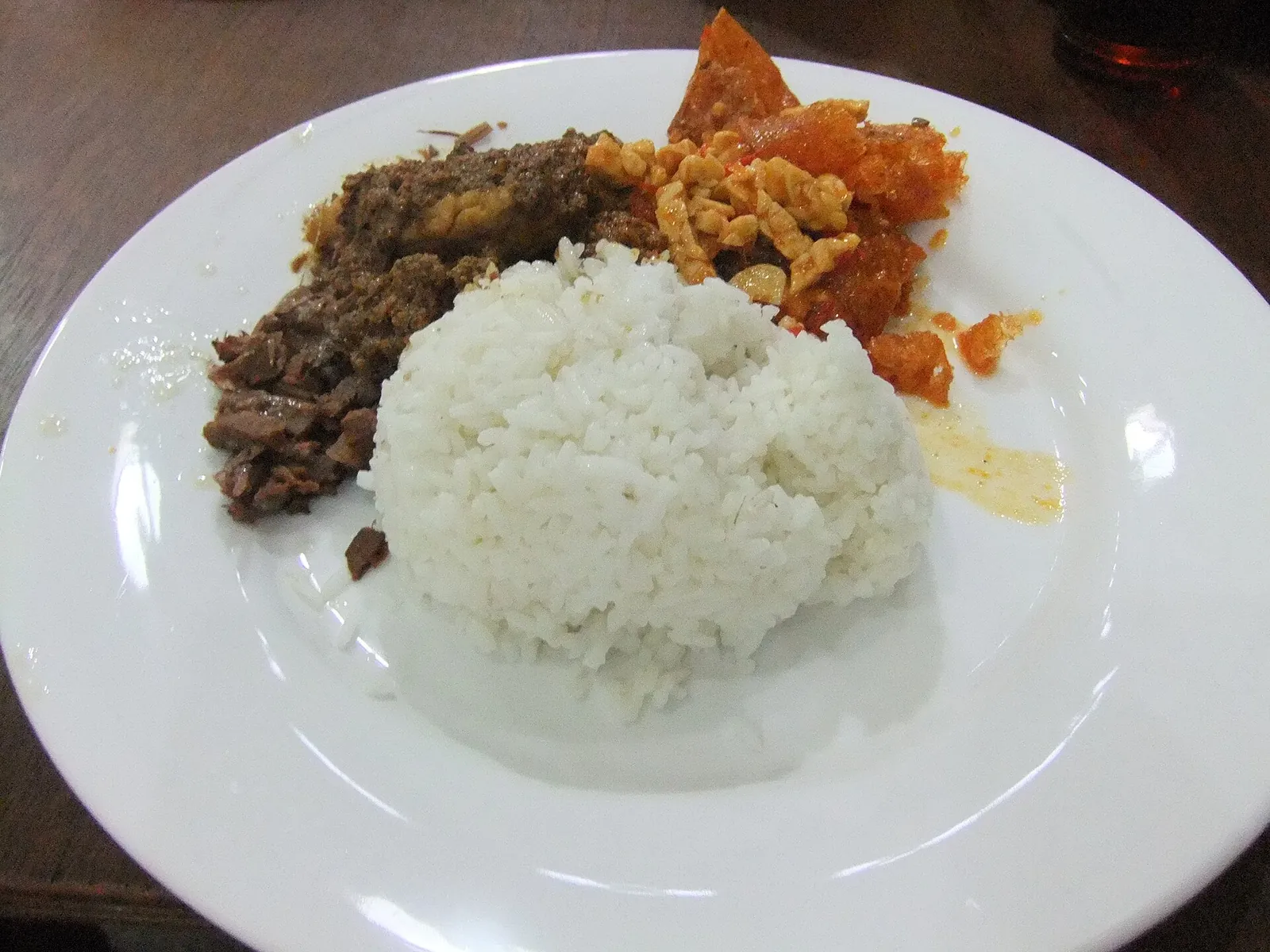
Young jackfruit slow-cooked for hours with coconut milk and spices until it turns sweet and deep brown. The Ministry of Tourism calls it the icon of the city, typically cooked for 4 to 12 hours; as nasi gudeg komplit it comes with white rice and krecek, beef-skin crackers cooked in coconut milk and chilli.
- Where to look
- Gudeg stalls and restaurants across Yogyakarta, including the street-side warung around Malioboro.
- Fit it into your day
- Breakfast or lunch on day two or three, before or after a temple.
Sweet rather than hot on its own; the krecek and sambal that come with it can be spicy.
Rawon (East Java)
East Java's black beef soup, coloured and flavoured by kluwek nuts; the Ministry of Tourism names it as beloved in Surabaya, Malang and Pasuruan, made with beef and short bean sprouts and traditionally served with steamed rice, salted egg and sambal.
- Where to look
- Warung around Probolinggo and Surabaya stations on the way east; look for the word rawon on the sign.
- Fit it into your day
- A filling lunch on the travel day to Bromo, or on the way down afterwards.
Beef; the sambal served with it is hot.
Nasi tempong and nasi cawuk (Banyuwangi)
Two dishes the Ministry of Tourism lists among Banyuwangi's own: nasi tempong is rice with steamed vegetables and a fiercely hot raw sambal; nasi cawuk is a breakfast of rice with savoury grated coconut, grilled corn and a lemongrass sauce, with egg or steamed fish.
- Where to look
- Local warung in Banyuwangi town.
- Fit it into your day
- Nasi cawuk for breakfast on the rest day, nasi tempong for lunch after the Ijen climb if you like heat.
Nasi tempong is very spicy; ask for less sambal.
Babi guling (Bali)
Whole roast pig rubbed with Balinese spices, served in pieces with crisp skin, rice, lawar (a mix of vegetables and meat) and sambal. The Ministry of Tourism names Babi Guling Ibu Oka in central Ubud among the places known for it.
- Where to look
- Babi guling warung in Ubud and across south Bali.
- Fit it into your day
- Lunch in Ubud on day nine, between the palace and a museum.
Pork, and the lawar may contain blood; not suitable for halal or vegetarian diets.
Sate lilit (Bali)
Balinese satay of minced, spiced meat or fish wrapped around a bamboo stick or lemongrass stalk and grilled, served both in warung and at ceremonial feasts, according to the Ministry of Tourism, which lists pork, chicken and fish versions.
- Where to look
- Warung in Ubud, on Nusa Penida and along the Canggu coast.
- Fit it into your day
- Part of a nasi campur plate or a seafood dinner by the sea on Nusa Penida.
Ask what it is made of before ordering if you avoid pork.
Days 4–5: east by train to Bromo and a night on the rim
Day four is a travel day. The aim is Cemoro Lawang, the village on the caldera rim above Probolinggo, which the Ministry of Tourism calls the most popular entrance to Bromo, with direct access to the sea of sand and plenty of inns. The ministry's route is by train or bus to Probolinggo and then by rented vehicle or local transport up the mountain. Wikivoyage lists trains to Probolinggo from Yogyakarta as well as Surabaya, and describes the green public minibuses to Cemoro Lawang that wait at the Bayuangga bus terminal and leave when they are full. It puts the road up at about an hour and a half.
Choose a train on KAI's booking site or the Access by KAI app that gets you to Probolinggo with daylight to spare. If none fits, ride to Surabaya Gubeng and change: Wikivoyage puts the train from Gubeng to Probolinggo at about two hours. Arranging a car from Probolinggo station through your inn costs more than the minibus, but it removes the wait.
Before you leave Yogyakarta, buy the park ticket. Bromo Tengger Semeru National Park has sold tickets online only since 1 December 2019, with a daily quota of 2,752 visitors and no sales at the gate. The park also closes at short notice. In September 2026 it shut after fires on the savannah and reopened on 19 September, according to ANTARA's report of the park's announcement.
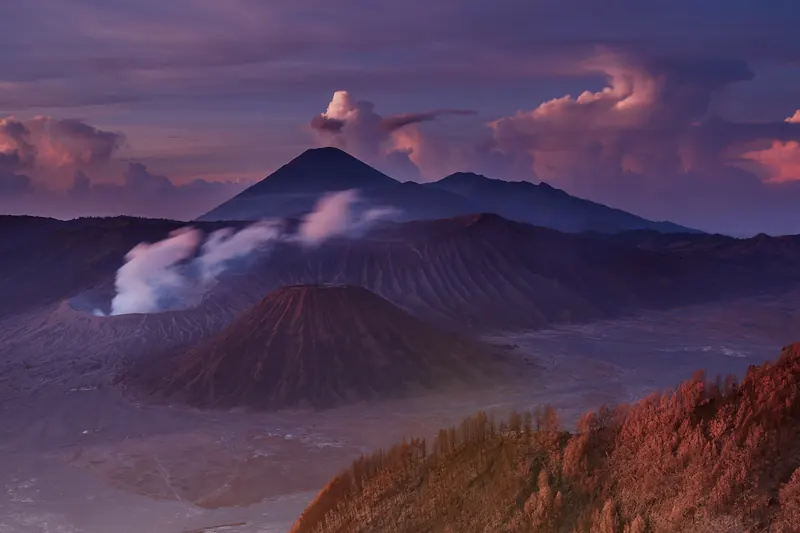
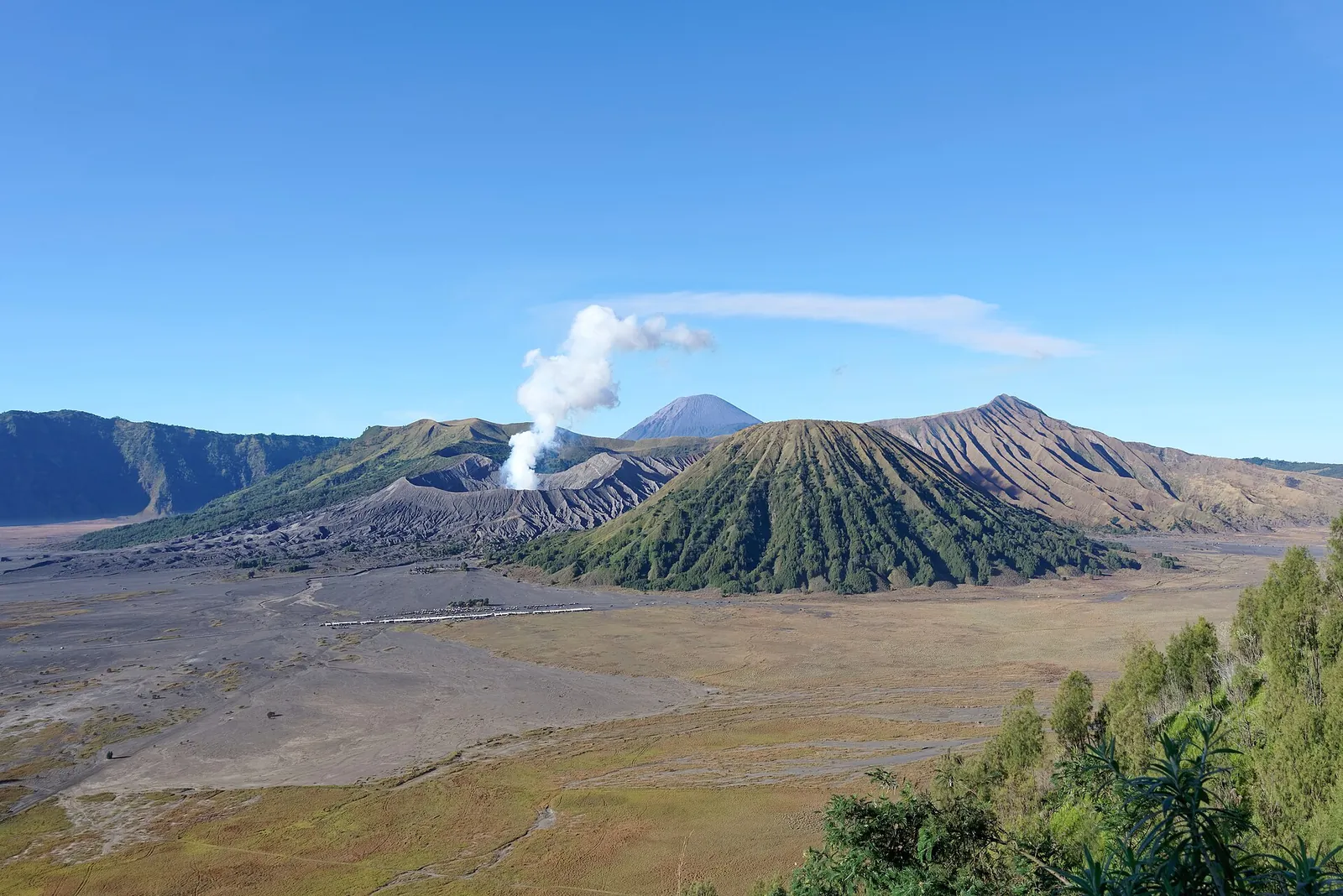
On day five, take a jeep before dawn to the sunrise viewpoints on the rim, then go down to the sea of sand and Pura Luhur Poten. Do not plan to climb to the crater. When we checked on 2026-10-03, the volcanology agency's monitoring site listed Bromo at Level II (Waspada), and its daily report of 2 October told visitors not to enter within 1 km of the active crater and warned that steam-driven eruptions can happen suddenly, without clear warning. Semeru, the peak behind Bromo in the classic view, was at Level III. By late morning you can be back down for the trip east. Wikivoyage lists trains from Probolinggo to Banyuwangi; a car with a driver from Cemoro Lawang is the other way. Either way, it fills the rest of the day.
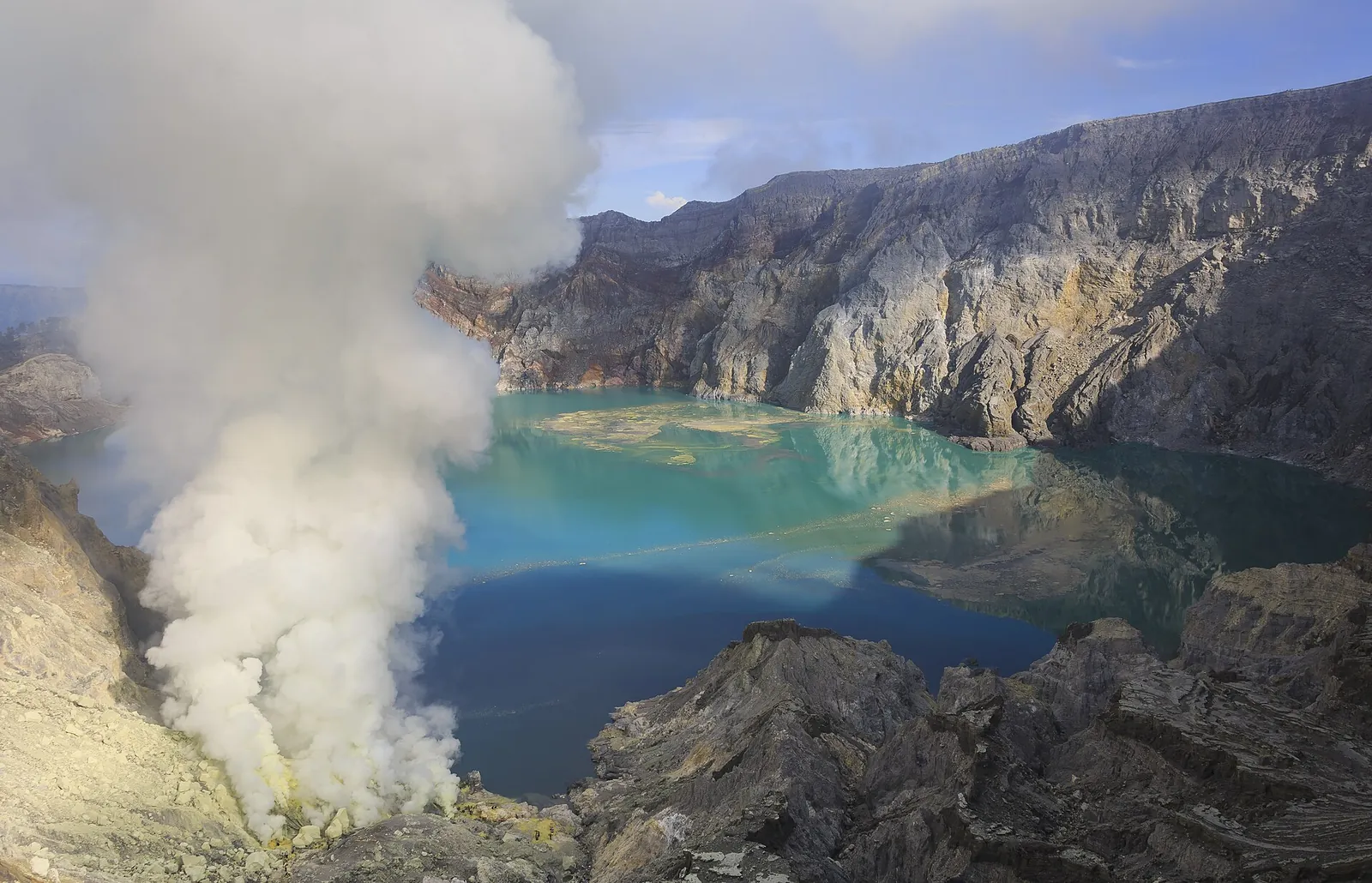
Days 6–7: a rest day in Banyuwangi, then the Ijen night climb
Day six has nothing booked, and that is deliberate. Sleep late in Banyuwangi, which the Ministry of Tourism describes as the starting point for the Ijen blue fire. In the afternoon, visit Kemiren, the Osing village on the road up the mountain, then eat early and go to bed. Arrange the climb with a local guide and a car with pick-up. The ministry warns that the road up is very steep and recommends a sturdy vehicle, and it strongly recommends a guide because of toxic gas around the crater.
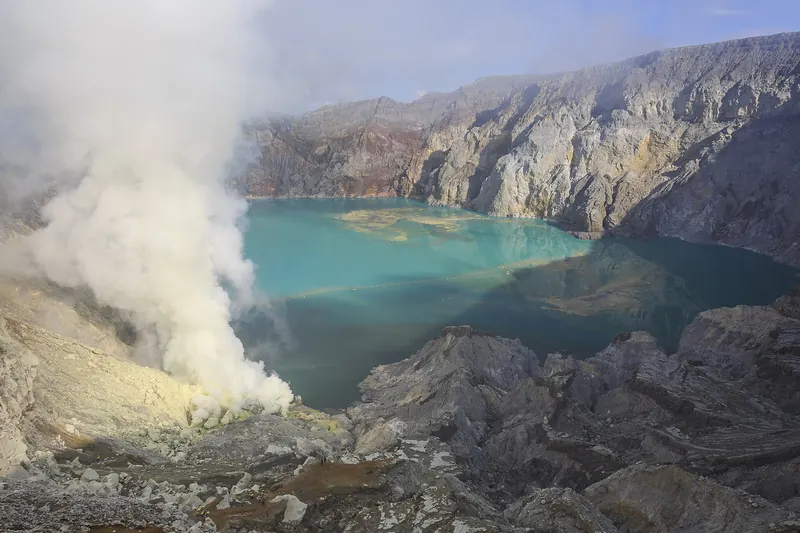
When we checked on 2026-10-03, the ministry's Ijen page said the climb from Paltuding opens daily at 01:00, or at 03:00 during restriction periods. It gives the route to the rim as 3 km; a newer ministry article describes a trek of about 3.8 to 4 km taking two to three hours. Its advice for the blue fire is to be there between about 02:00 and 04:00, before first light. Expect a pick-up around midnight, and be on the rim for sunrise over the turquoise lake. The ministry puts the air up there at about 10°C on a normal day and sometimes as low as 2°C.
Two safety points matter more than the photographs. When we checked on 2026-10-03, MAGMA Indonesia listed Ijen at Level I (Normal). Even so, the agency's daily report of 2 October advised visitors not to go down to or approach the crater floor, where the blue flames burn, and to beware of toxic gas around the crater. Bring a proper respirator; ANTARA reported that the park requires torches and warm clothing and strongly recommends masks. The park also closed for several weeks after forest fires and reopened on 28 September 2026. Tickets are booked online through the Forestry Ministry's site, ayoketamannasional.kehutanan.go.id, so check the current status when you book.
Back by mid-morning on day seven, you will want a shower, food and sleep. The third night in Banyuwangi is what makes the hike pleasant rather than a forced march, so keep the rest of the day free.
Days 8–10: the ferry to Bali and three nights in Ubud
Day eight crosses the Bali Strait. Ferries leave Ketapang harbour in Banyuwangi for Gilimanuk at the western tip of Bali. Wikivoyage reports that they run 24 hours a day, take roughly half an hour to 45 minutes, and that loading and unloading can take much longer. It also says tickets can be bought online through ASDP's Ferizy system or at the port. Security checks at Gilimanuk can mean queues. The long part is the road east across Bali: Wikivoyage puts the bus from Gilimanuk to Denpasar at about three hours, and Ubud is beyond that. A car with a driver, booked through your Ubud hotel to meet you off the ferry, is the most comfortable option.
Bali charges international visitors a tourist levy. When we checked on 2026-10-03, the provincial Love Bali site listed it at IDR 150,000 per person, and the voucher is sent by email; paying online before you cross saves a queue.
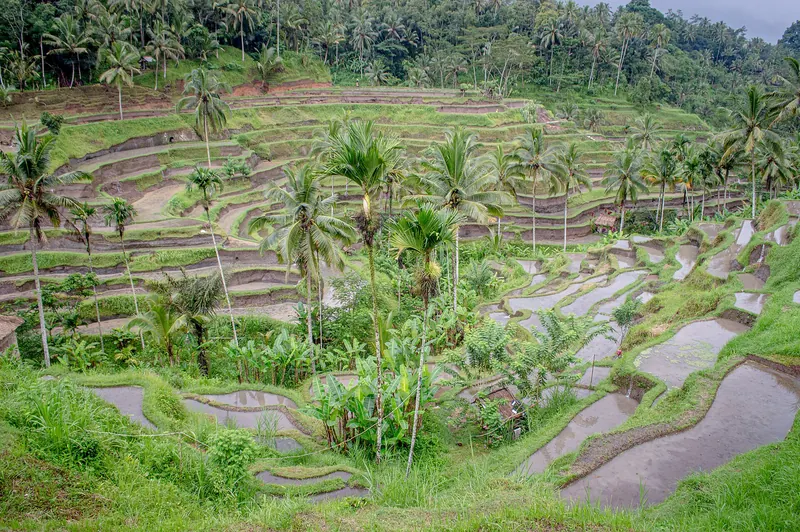
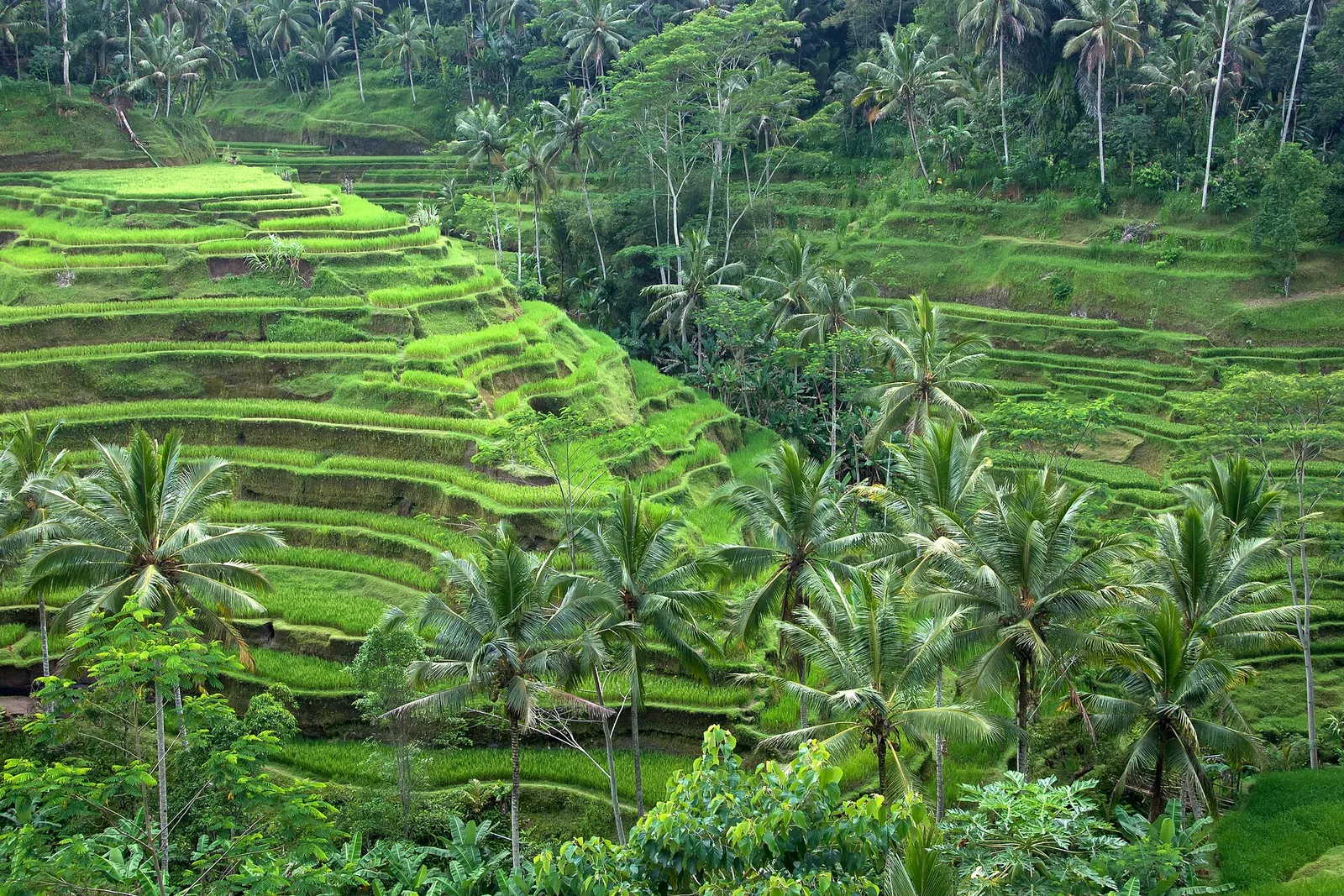
Ubud gets three nights because it is the cultural heart of Bali, and you arrive tired. Spend day nine in town: the Sacred Monkey Forest Sanctuary at opening time, Ubud Palace and the market, a museum after lunch and a legong or kecak performance in the evening. On day ten, walk the Campuhan ridge or go to the Tegallalang terraces at first light, then drive to the temple road north-east of town, where Goa Gajah, Tirta Empul and Gunung Kawi are close together. Cover shoulders and legs at all three; our Ubud guide has the details. The Ministry of Tourism suggests staying in the centre if you want to be close to the action and away from it for nature and quiet; Sayan and Penestanan, west of town, are the usual quieter choices.
Days 11–14: Nusa Penida, Canggu and the flight home
On day eleven, go down to Sanur for a fast boat to Nusa Penida. The Ministry of Tourism lists crossings from Sanur, Kusamba and Padang Bai to the harbours of Toyapakeh and Sampalan, usually 30 to 45 minutes depending on the weather, and advises booking well in advance in holiday periods. Leave Ubud early with your luggage, take a morning boat and sleep on the north coast around Ped and Toyapakeh. Spend the afternoon at Crystal Bay for a swim and the sunset.
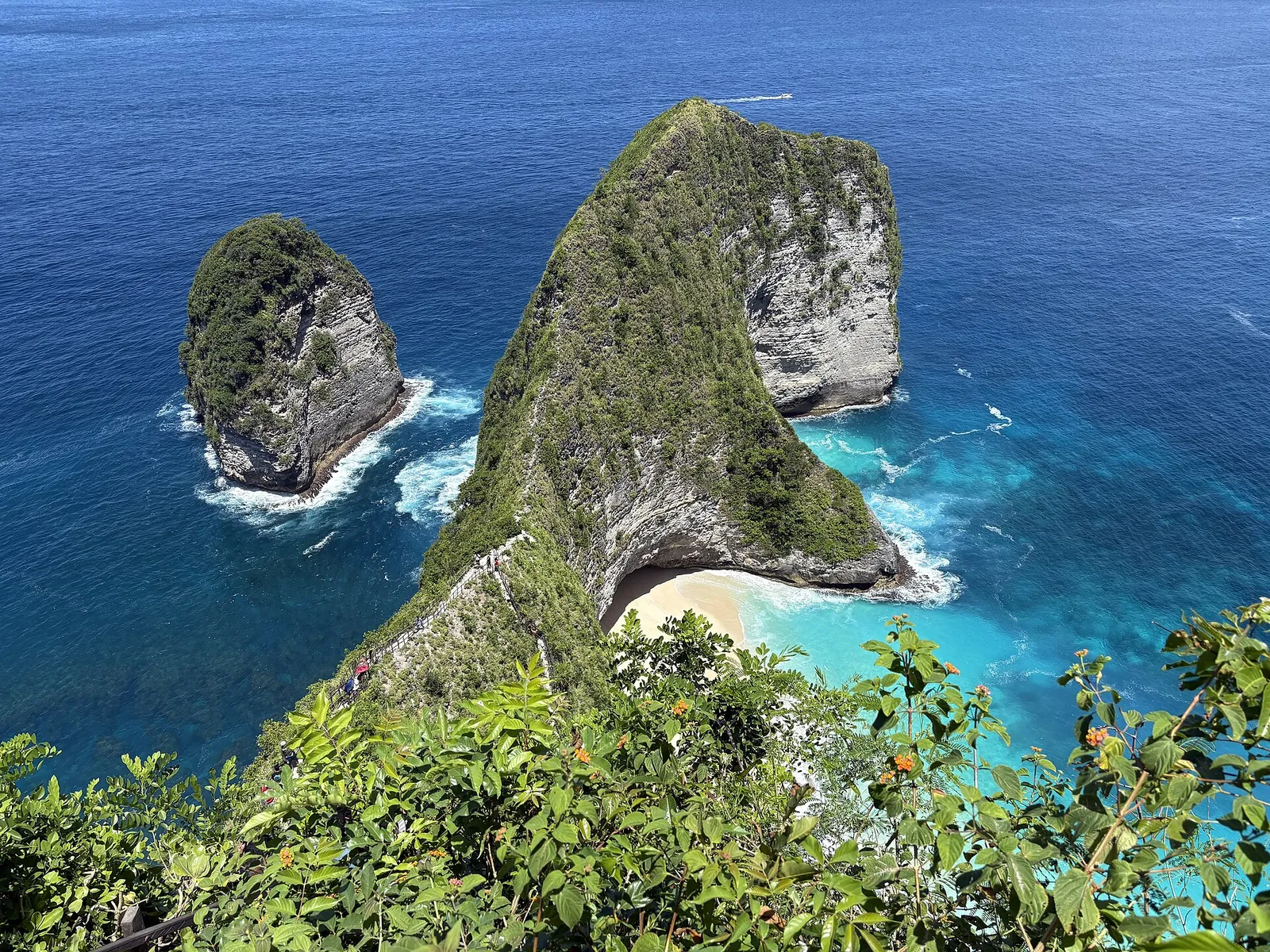
Day twelve is the west coast and the water. Book a morning manta snorkelling trip with a licensed operator. The ministry names diving at Manta Point to meet the manta rays among the island's highlights. Then go to the Kelingking viewpoint and Broken Beach once the heat drops. The ministry calls the descent to Kelingking beach steep and dangerous, and describes the island's roads as hilly and partly rocky, so hire a car with a driver rather than a scooter unless you are an experienced rider.
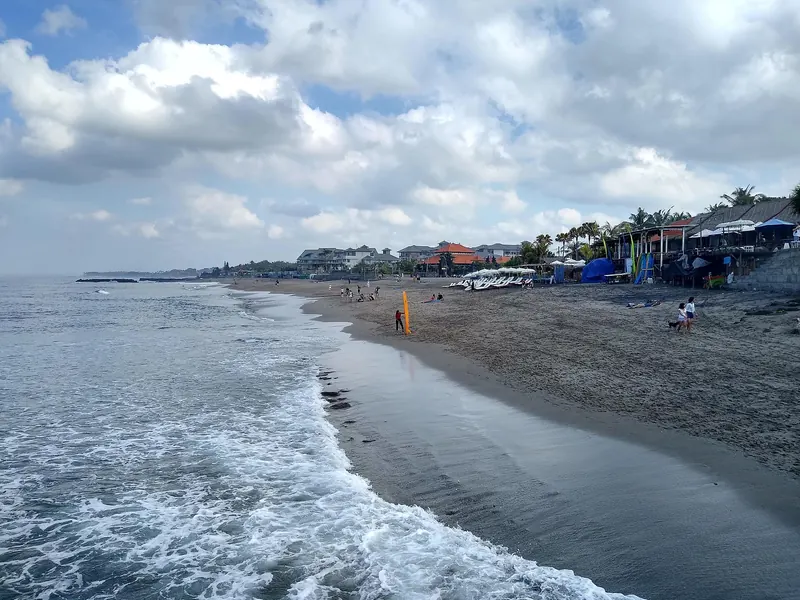
On day thirteen, take a morning boat back to Sanur and transfer to Canggu on the west coast for the last night. The ministry describes it as a black-sand surf beach backed by rice fields; Batu Bolong and Echo Beach are the busiest stretches, Pererenan the quietest. Take a surf lesson or simply wait for the sunset, which is the main event of the evening. Allow plenty of time for the drive from Sanur.
Day fourteen is for a final swim and the airport. The ministry puts Canggu about 45 minutes by car from Ngurah Rai, but south Bali traffic is slow, so leave much more time before an international flight and do not schedule the boat from Nusa Penida on the same day as your flight.
The fourteen days at a glance
This is an editorial plan, not a timetable. Check train times on KAI, the Bromo and Ijen park notices, the volcano alert levels on MAGMA Indonesia and the boat operator's schedule before each move.
- Day 1 — Arrive in Yogyakarta: YIA to the city by airport train, shuttle or taxi; Malioboro in the evening. Night: Yogyakarta.
- Day 2 — Borobudur: a day by car with a pre-booked climbing ticket. Night: Yogyakarta.
- Day 3 — Kraton and Prambanan: the palace (closed on Mondays) and Taman Sari in the morning, Prambanan and perhaps the Ramayana Ballet later. Night: Yogyakarta.
- Day 4 — East by train: Yogyakarta to Probolinggo (or via Surabaya Gubeng), minibus or car to Cemoro Lawang. Night: Cemoro Lawang.
- Day 5 — Bromo sunrise: viewpoints on the rim by jeep, the sea of sand, then onward to Banyuwangi. Night: Banyuwangi.
- Day 6 — Rest: a free morning, Kemiren in the afternoon, an early night before the climb. Night: Banyuwangi.
- Day 7 — Ijen: pick-up around midnight, the climb from Paltuding, sunrise on the rim, sleep in the afternoon. Night: Banyuwangi.
- Day 8 — To Bali: Ketapang–Gilimanuk ferry, then a car across the island. Night: Ubud.
- Day 9 — Ubud town: the Monkey Forest, the palace, the market, a museum and a dance performance. Night: Ubud.
- Day 10 — Rice and temples: Campuhan ridge or Tegallalang at dawn, then Goa Gajah, Tirta Empul and Gunung Kawi. Night: Ubud.
- Day 11 — Nusa Penida: road to Sanur, a morning fast boat, Crystal Bay at sunset. Night: Nusa Penida.
- Day 12 — West coast: manta snorkelling in the morning, Kelingking and Broken Beach later. Night: Nusa Penida.
- Day 13 — To Canggu: a morning boat to Sanur, a transfer to the west coast, sunset on the beach. Night: Canggu.
- Day 14 — Fly home: a last swim, then leave plenty of time for the drive to Ngurah Rai.
Entry rules, safety checks and the day of silence
Check the entry rules for your own passport before you book. When we checked on 2026-10-03, the UK government's travel advice said British visitors need a visa and can get a 30-day visa on arrival, which can be extended once, or apply online in advance through the Indonesian immigration website. It also says all travellers must complete the free All Indonesia arrival declaration within 72 hours before arrival and should avoid sites that charge for it. A 14-day trip fits inside a 30-day visa, but other nationalities have different rules.
Three checks are worth making the day before each mountain leg: the alert level on MAGMA Indonesia, the park's own closure notices and your ticket booking. Both Bromo and Ijen closed for part of September 2026 because of fires, and the alert levels can change in either direction. If a volcano is closed, swap the order of the East Java days or spend the time on the coast near Banyuwangi rather than forcing the plan.
In Bali, Nyepi, the Balinese new year, brings Bali to a halt for 24 hours: the Ministry of Tourism says planes, cars, buses and ships stop and Ngurah Rai airport closes, and non-Hindu visitors must follow the rules of the day too. It falls in March or April, outside the dry season this route is built for, but check the date if you travel then and do not plan the Java–Bali crossing or your flight home on that day.
Practical questions
Is two weeks enough for Java and Bali?
Yes, for this line: three nights in Yogyakarta, the two East Java volcanoes, and a week in Bali split between Ubud, Nusa Penida and the coast. It does not leave room for Jakarta, Lombok or the Gili Islands; add a week for those.
Can I do Bromo and Ijen on back-to-back nights?
Many tours do, but it means two midnight starts in a row with a long drive in between. This route puts a full rest day in Banyuwangi between them, which is safer on a steep, dark trail with volcanic gas.
Do I need to book the volcano tickets in advance?
Yes. Bromo Tengger Semeru National Park sells tickets online only, with a daily quota, and Ijen's tickets are booked online through the Forestry Ministry's site. Check both parks' notices and the MAGMA alert levels the day before.
Can I see the blue fire at Ijen?
The blue flames burn on the crater floor and are visible only before dawn. When we checked on 2026-10-03, the volcanology agency advised visitors not to go down to or approach the crater floor, so plan on watching from the rim and ask your guide where they intend to take you.
How do I get from Java to Bali without flying?
Take the ferry from Ketapang in Banyuwangi to Gilimanuk in Bali. Wikivoyage reports that ferries run 24 hours a day with a crossing of roughly 30 to 45 minutes, plus loading time, then it is a long road across Bali to Ubud.
Which airports should I book?
An open-jaw ticket: into Yogyakarta International Airport (YIA) and out of Bali's Ngurah Rai (DPS). Doing the route in reverse also works, but then the volcano nights come at the end of the trip.
Sources and checks before you travel
Reference sources for the version dated 3 October 2026. Confirm opening times, access, transport and conditions for your travel dates.
- Indonesia Travel: weather, climate and seasons ↗ — opens in a new tab
- Indonesia Travel: Karaton Ngayogyakarta ↗ — opens in a new tab
- Indonesia Travel: Candi Prambanan ↗ — opens in a new tab
- Kraton Jogja tourism: Kagungan Dalem Kedhaton ↗ — opens in a new tab
- InJourney Destination: Borobudur temple tours open daily ↗ — opens in a new tab
- InJourney official tickets: Prambanan Temple ↗ — opens in a new tab
- InJourney official tickets: Ramayana Ballet Prambanan ↗ — opens in a new tab
- MAGMA Indonesia (PVMBG): volcano activity levels ↗ — opens in a new tab
- MAGMA Indonesia: Bromo daily report, 2 October 2026 ↗ — opens in a new tab
- MAGMA Indonesia: Ijen daily report, 2 October 2026 ↗ — opens in a new tab
- Indonesia Travel: Gunung Bromo ↗ — opens in a new tab
- Bromo Tengger Semeru National Park: online registration ↗ — opens in a new tab
- ANTARA: Bromo reopens after fires ↗ — opens in a new tab
- Wikivoyage: Probolinggo ↗ — opens in a new tab
- Wikivoyage: Bromo-Tengger-Semeru National Park ↗ — opens in a new tab
- Indonesia Travel: Ijen Crater ↗ — opens in a new tab
- Indonesia Travel: the magic of Kawah Ijen ↗ — opens in a new tab
- ANTARA: Ijen Crater to reopen after wildfires ↗ — opens in a new tab
- Indonesia Travel: Kemiren ↗ — opens in a new tab
- Indonesia Travel: Banyuwangi ↗ — opens in a new tab
- Wikivoyage: Banyuwangi ↗ — opens in a new tab
- Wikivoyage: Gilimanuk ↗ — opens in a new tab
- Love Bali (Bali provincial government) ↗ — opens in a new tab
- Indonesia Travel: Ubud ↗ — opens in a new tab
- Indonesia Travel: Nusa Penida ↗ — opens in a new tab
- Indonesia Travel: Canggu Beach ↗ — opens in a new tab
- UK government: Indonesia entry requirements ↗ — opens in a new tab
- Indonesia Travel: gudeg ↗ — opens in a new tab
- Indonesia Travel: rawon ↗ — opens in a new tab
- Indonesia Travel: babi guling ↗ — opens in a new tab
- Indonesia Travel: sate lilit ↗ — opens in a new tab
- Indonesia Travel: Nyepi in Bali, frequently asked questions ↗ — opens in a new tab
Does this experience fit your route?
The Borobudur day and the Bali transfers are the easiest parts of this route to book in advance. Compare pick-up times and what each price includes before you choose.
Check dates and details on Viator ↗ — opens in a new tabAffiliate link · Book with ViatorPhoto credits
Borobudur, Central Java: the upper terraces with their latticed stupas, a day out from Yogyakarta
Photograph: CEphoto, Uwe Aranas — opens in a new tab · CC BY-SA 3.0 — opens in a new tab
Changes: Resized and converted to WebP; displayed with responsive crops. · Original photograph and licence details ↗ — opens in a new tab
Mount Bromo smoking in the Tengger caldera, with Batok in front and Semeru on the horizon
Photograph: Jakub Hałun — opens in a new tab · CC BY-SA 4.0 — opens in a new tab
Changes: Resized and converted to WebP; displayed with responsive crops. · Original photograph and licence details ↗ — opens in a new tab
Kawah Ijen, East Java: the acid lake and sulphur vents inside the crater
Photograph: CEphoto, Uwe Aranas — opens in a new tab · CC BY-SA 3.0 — opens in a new tab
Changes: Resized and converted to WebP; displayed with responsive crops. · Original photograph and licence details ↗ — opens in a new tab
Rice terraces near Ubud, where the Bali half of the route begins
Photograph: Vyacheslav Argenberg — opens in a new tab · CC BY 4.0 — opens in a new tab
Changes: Resized and converted to WebP; displayed with responsive crops. · Original photograph and licence details ↗ — opens in a new tab
Kelingking on Nusa Penida's south-west coast, seen from the clifftop viewpoint
Photograph: Chainwit. — opens in a new tab · CC BY 4.0 — opens in a new tab
Changes: Resized and converted to WebP; displayed with responsive crops. · Original photograph and licence details ↗ — opens in a new tab
Gudeg from Wijilan, Yogyakarta: young jackfruit stew with rice and krecek
Photograph: Midori — opens in a new tab · CC BY 3.0 — opens in a new tab
Changes: Resized and converted to WebP; displayed with responsive crops. · Original photograph and licence details ↗ — opens in a new tab