Plan your trip · Indonesia
Best time to visit Indonesia: Bali, Komodo, Sumatra and Raja Ampat
Indonesia is warm all year, so the question is not heat but rain, sea conditions and crowds. The Ministry of Tourism describes two relative seasons, dry and wet, with April to October dry across most of the country, Java and Bali included. But the archipelago is vast, and the far east follows different rules: Raja Ampat's calmest seas come in the months when Bali is wettest. On top of the weather sit two calendars that move every year, the Islamic one that sets Ramadan and Lebaran, and the Balinese one that sets Nyepi, the day Bali's airport shuts.
- Suggested time
- About two weeks for Bali plus one other island; 7–10 days for one region; at least a week on its own for Raja Ampat
- Where to stay
- Ubud or south Bali, Labuan Bajo for Komodo, Yogyakarta for Java, Waisai for Raja Ampat
- Season and timing
- April to October for Java, Bali, Lombok and Komodo (April–June and September–October are quieter); June to September for Sumatra's Leuser treks; October to April for Raja Ampat.
The short answer
For a first trip built around Bali, Java, Lombok and Komodo, go between April and October, and if you can, in the shoulder months of April to June or September to October, which avoid the July–August school-holiday peak and the Christmas–New Year rush. Allow about two weeks for Bali plus Java or Komodo, sleeping in Ubud or the south of Bali, then Labuan Bajo or Yogyakarta, and fly between islands. Raja Ampat is the exception: the Ministry of Tourism puts its best months at October to April, so it pairs with a late-year trip rather than a midsummer one. In northern Sumatra, June to September is the official hiking window for the Leuser forests. Before booking, check two dates: Nyepi (8 March in 2027), when Bali's airport closes for 24 hours, and Lebaran (Idul Fitri, 10–11 March 2027), when much of the country travels home.
Two seasons, but not the same everywhere
The Ministry of Tourism's own summary is short: Indonesia has no spring, summer, autumn or winter, only a rainy season and a dry season, "both of which are relative". In most of the country, including Java and Bali, the dry season runs from April to October and the wet season from November to March. Temperatures change very little through the year; the ministry gives averages of about 28 °C on the coastal plains and 23 °C in the higher mountains, and notes that it gets roughly 1 °C cooler for every 90 metres you climb. Rain, not temperature, is what decides a trip.
The UK government's travel advice describes the same pattern from a risk angle: the rainy season usually runs from October to March, while in eastern Indonesia the wet season usually runs from April to August. Flash floods and landslides happen in the wet months, and Jakarta and Bali can have severe local flooding that snarls traffic, including on the toll road to Jakarta's airport. In the dry season, the same advice warns, forest fires are at their worst, usually from April to September.
The ministry also adds a caveat worth taking seriously: the seasons have become less predictable. When we checked on 2026-10-03, Indonesia's meteorological agency BMKG was forecasting a late start to the 2026/2027 rains because of a very strong El Niño. It expected the rainy season to begin in some areas in November 2026 and in more in December, with the wettest weeks arriving in waves between December 2026 and February 2027. For Lombok and the rest of West Nusa Tenggara, BMKG expected 93 per cent of the province to enter the rainy season only in December. So treat month ranges as a guide, and check BMKG's forecasts in the week before outdoor plans.
Bali, Java, Lombok and Komodo: the April–October window
This is the core route for most first trips, and it shares one rhythm. The ministry recommends the dry months of April to October for East Bali, for the sunrise climb at Borobudur (for clearer skies), and for the night walk to Ijen crater's blue fire, when clear views are more likely.
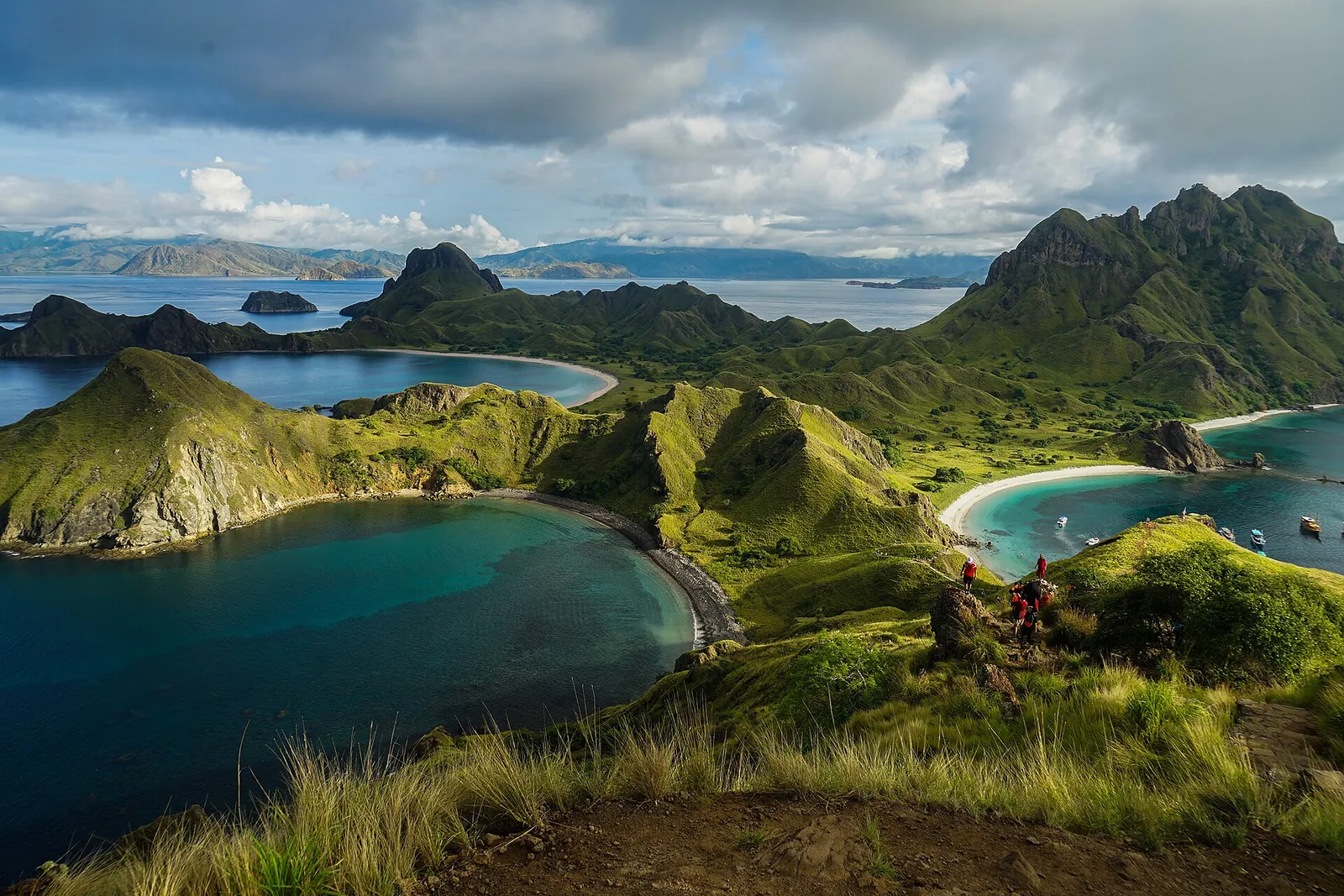
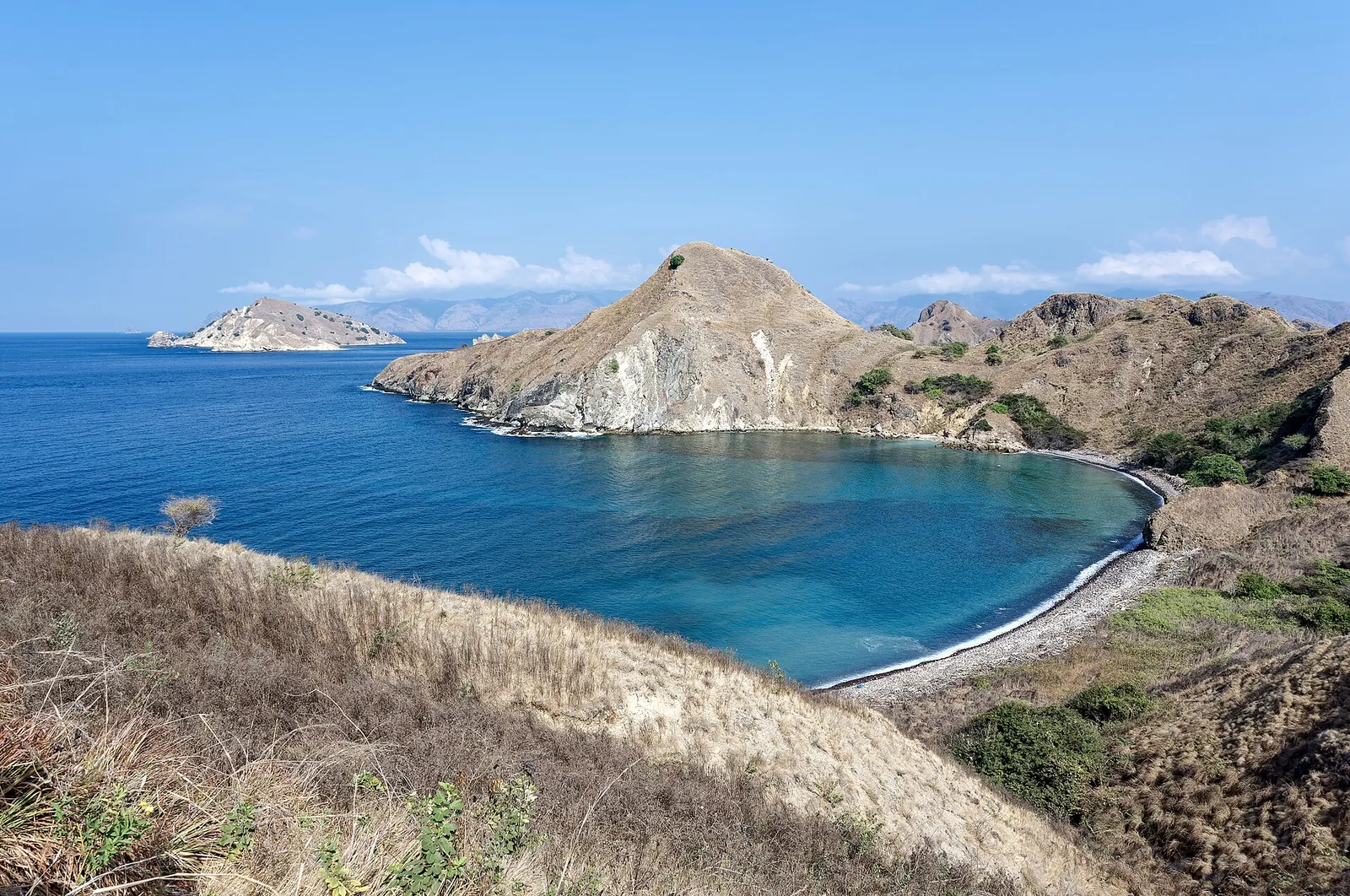
Some trips are tied to a calendar that is stricter than the weather. Mount Rinjani on Lombok closes every trail at the start of each year; the park's notice for 2026 listed a closure from 1 January to 31 March. Around Komodo, the Ministry of Tourism describes Padar's hills as green in the rainy season and dry and golden in the dry season, so the colour of the famous viewpoint depends on the month. It also advises against visiting Rinca in June and July, the dragons' mating period, when they stay near their nests and are harder to find. Labuan Bajo has heavy rain from December to March and much less from April to November.
Since 1 April 2026, Komodo National Park has limited visits to 1,000 people a day, according to the park office quoted by the state news agency Antara. That matters most in the busy dry-season months: book boat trips and park tickets early, and keep a spare day in Labuan Bajo in case the sea or your slot does not cooperate.
Make time for the local food
What to eat and where to look
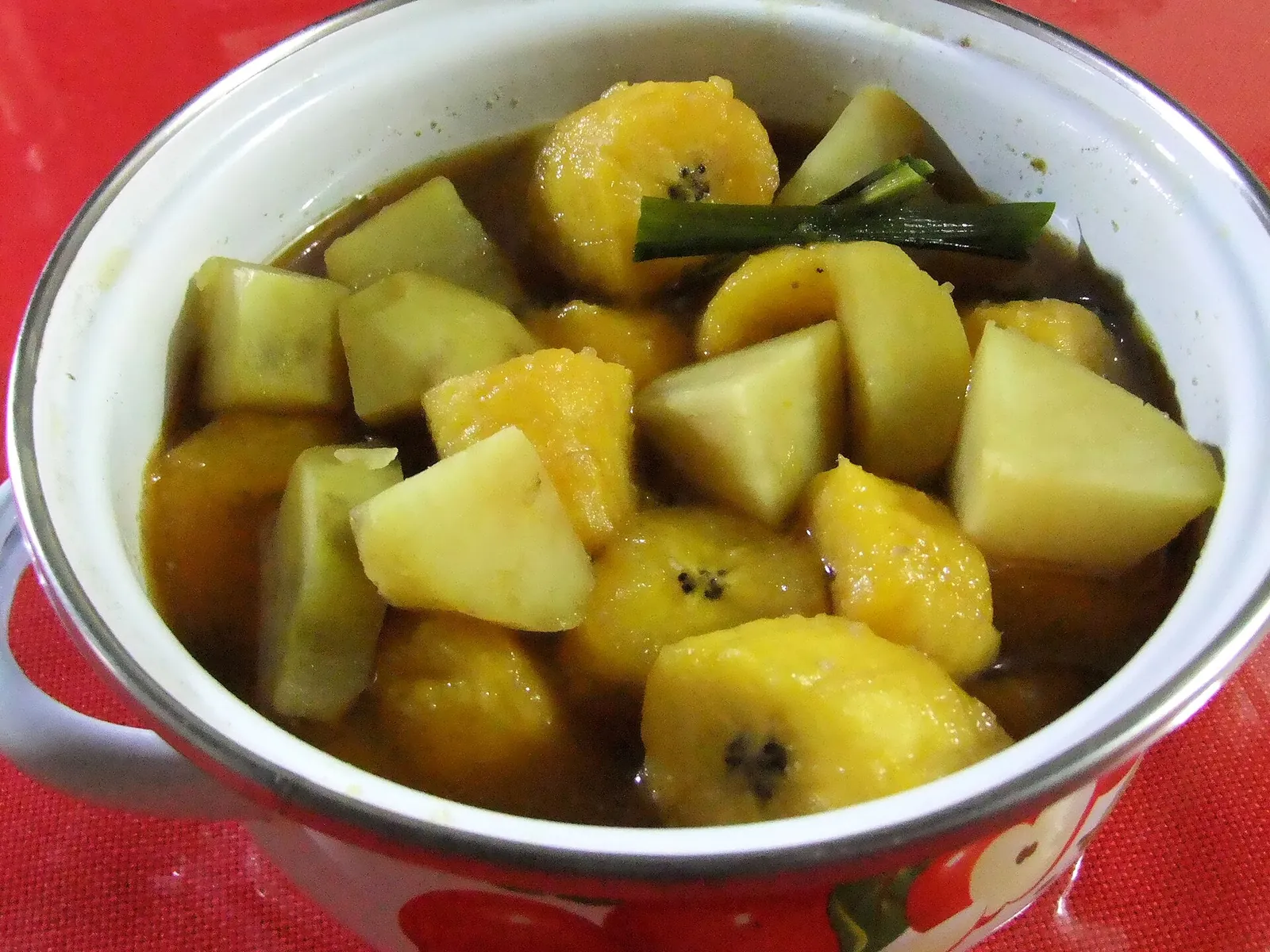
Kolak
A warm or room-temperature dessert of banana, often with sweet potato or other tubers, cooked in coconut milk and palm sugar. The Ministry of Tourism calls it the dish most closely linked to Ramadan in Indonesia.
- Where to look
- Takjil stalls that set up in the late afternoon around markets and large mosques during Ramadan, in Java, Sumatra and most Muslim-majority cities.
- Fit it into your day
- Buy it just before sunset during Ramadan and eat it as the fast breaks, the way locals do; outside Ramadan it turns up at markets and dessert stalls.
Very sweet and made with coconut milk and palm sugar; ask before ordering if you avoid either.
Ketupat
A compressed rice cake cooked in a woven leaf casing. The ministry describes it as the specialty that always appears on Idul Fitri tables, served alongside the main dishes of the holiday feast.
- Where to look
- At Lebaran, family and open-house tables; at other times, warung and satay or soto stalls that serve it sliced with curries, stews or satay.
- Fit it into your day
- A holiday lunch around Idul Fitri, or a filling meal at a satay or soto stall at other times of year.
Plain rice is gluten-free, but the dishes served with it are often rich in coconut milk, beef or offal; ask what is in the sauce.
Papeda with ikan kuah kuning
Sticky, neutral-tasting sago porridge served with fish in a yellow broth of turmeric, lemongrass and chilli. The ministry describes it as a traditional dish of West Papua, eaten by twisting chopsticks to break off the papeda.
- Where to look
- Seafood eateries in the Papua region; in Raja Ampat, ask at homestays and in Sorong or Waisai, since the ministry's own examples are in Fakfak and Wondama Bay.
- Fit it into your day
- A shared lunch or dinner on a Raja Ampat trip.
The texture surprises many visitors; start with a small portion. Ask about chilli strength.
Bubur kanji rumbi
A brownish rice porridge from Aceh with a strong spice aroma, which the ministry says shows the influence of Indian cooking. It is the dish often shared at mosques when the fast is broken in Aceh.
- Where to look
- Mosques and takjil markets in Banda Aceh and other Acehnese towns during Ramadan.
- Fit it into your day
- An early-evening meal at sunset during Ramadan in northern Sumatra.
Strongly spiced; ask about the ingredients if you avoid meat or seafood.
Sumatra: forests, Lake Toba and surf
Northern Sumatra's dry window is narrower than Bali's. For hiking in the Gunung Leuser mountains of Aceh and North Sumatra, the Ministry of Tourism names June to September as the best time. At Lake Toba, it gives April to October as the dry season, sunny and good for boating, hiking and viewpoints, and warns that heavy rain and strong winds between November and March can disrupt plans. It also recommends booking early for June to August, the lake's peak months.
Surfers read a different calendar. Off West Sumatra, the ministry calls May to October the peak surf season in the Mentawai Islands, when lodging is limited and fills up. Rain falls heavily there in every month, so a Mentawai trip is planned around swell, not dry skies.
The dry season has a downside in Sumatra and Kalimantan: smoke from forest and land fires. In August and September 2026, Antara reported haze bad enough that schools in Palangka Raya changed hours and moved young children to remote learning, and that schools in Berau in East Kalimantan switched to remote learning. If an orangutan trip to Kalimantan or a forest trek in Sumatra falls between August and October, check air-quality reports before you go and consider packing a fitted mask.
Raja Ampat and the far east: the reverse season
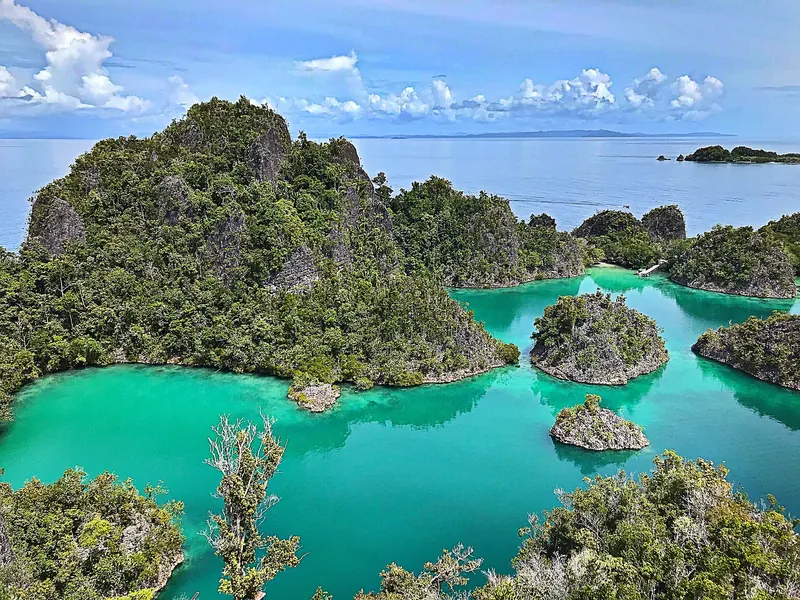
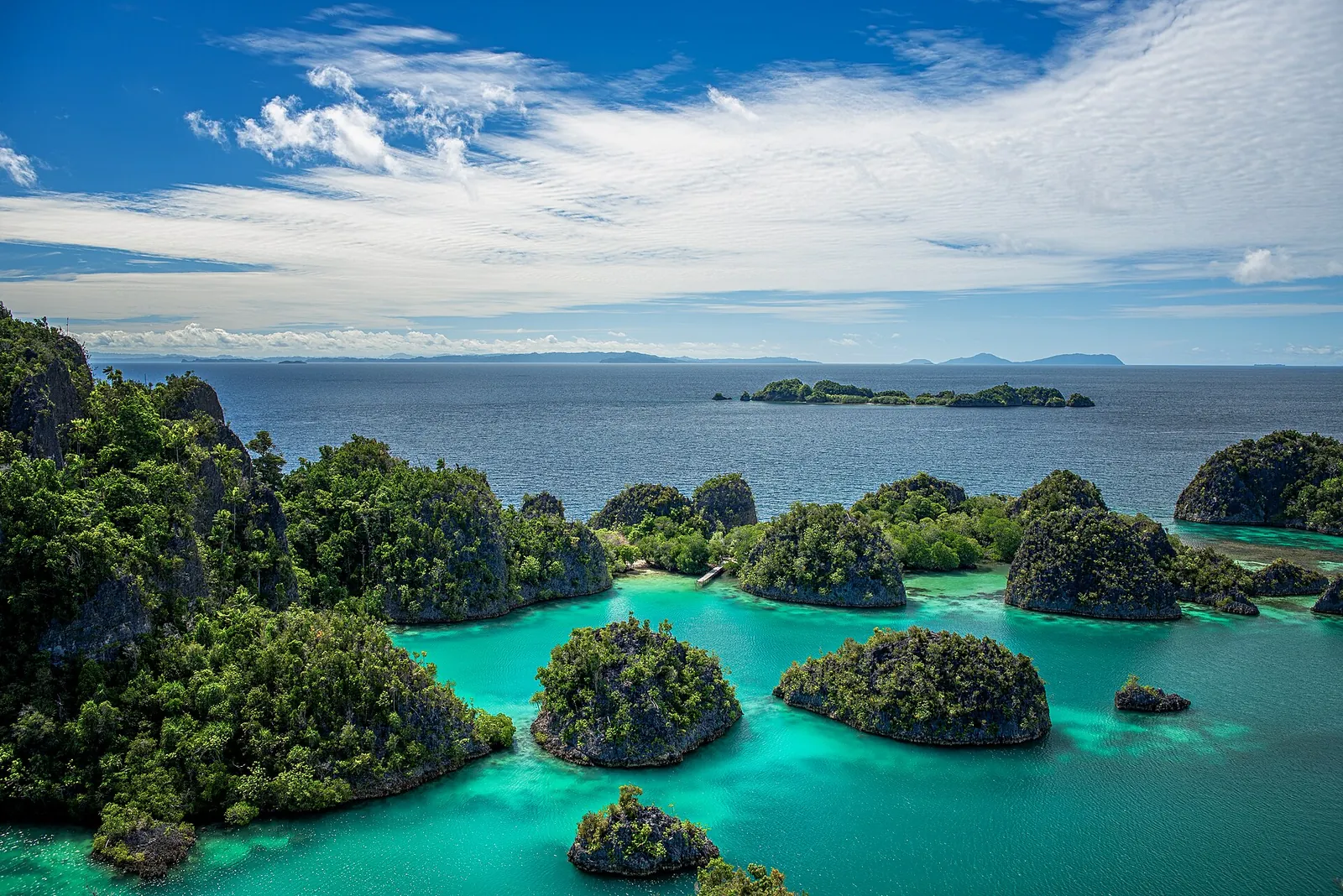
In the far east of the archipelago the pattern turns around. The Ministry of Tourism's Raja Ampat guide says the best time to visit is October to April, when the seas are calmer and better for snorkelling and diving. That is the same period when Java and Bali are in their wet season, so a single trip that wants dry Bali and calm Raja Ampat works best in October, or in April, at the edges of both windows.
Raja Ampat is not a side trip. The ministry's Raja Ampat guide describes flying from Jakarta to Sorong's Domine Eduard Osok Airport (DEO), about four to five hours direct with Garuda Indonesia, Batik Air or Lion Air, or with a stop in Makassar or Manado, and notes that fares depend on the season. From Sorong port, the ministry's Waigeo page describes boats to Waisai, the regency capital, taking about two to three hours. Give Raja Ampat a week on its own, and do not schedule the Sorong flight on the same day as your international departure.
Elsewhere in Maluku, flights can be cancelled at short notice: the ministry's Banda Neira page warns that flights from Ambon are often cancelled because of bad weather, engine problems and other reasons, and advises reconfirming them repeatedly. Build slack days into any trip to the eastern islands, whatever the month.
School holidays, Christmas and New Year: when the crowds come
Indonesia's busiest travel weeks are set by domestic holidays, not foreign ones. The long school holiday falls in the middle of the dry season: Statistics Indonesia (BPS) said Bali had the highest star-rated hotel occupancy of any province in July 2026, at 67.29 per cent, and attributed the national rise mainly to domestic travel during the school holidays. The same pattern explains the ministry's advice to book Lake Toba early for June to August.
The Christmas and New Year break is the second peak. Bali's hotel and restaurant association (PHRI Badung) told Antara that the 2025/26 season peaked between 20 and 27 December for Christmas and from 27 December to 5 January for New Year, when it expected occupancy around 97 per cent. That peak lands in the middle of Bali's wet season, so you pay peak prices for unsettled weather. Outside both peaks, April to June and September to October combine dry-season weather with fewer holidaymakers, although Lebaran can bring a short domestic rush whenever it falls.
- April to June: dry season starting in Java, Bali, Lombok and Komodo; Sumatra's Leuser treks begin in June; Raja Ampat's calm season ends in April.
- July and August: the driest, busiest weeks in Bali, Java and Komodo, with school-holiday crowds; Rinca's dragons are harder to find in June and July; good for Leuser treks and Mentawai surf.
- September and October: still dry in most of the west, quieter than midsummer; haze is possible in Sumatra and Kalimantan; October opens the Raja Ampat season.
- November to March: wet season in the west with afternoon downpours and flood risk; the best months for Raja Ampat; Rinjani closes from January; Christmas–New Year is the peak for prices in Bali.
Ramadan, Lebaran and Nyepi in 2027
On 15 September 2026, Indonesia's government fixed its 2027 public holidays in a joint decree of three ministers. When we checked on 2026-10-03, Antara's report of the decree listed Nyepi on Monday 8 March 2027, and Idul Fitri (Lebaran) on Wednesday 10 and Thursday 11 March, with collective leave days on 9, 12 and 15 March. Counting the weekends either side, that creates a run of up to ten days off, from Saturday 6 to Monday 15 March 2027. Ramadan, the fasting month, ends with Idul Fitri, so in 2027 it falls mainly in February and the first days of March.
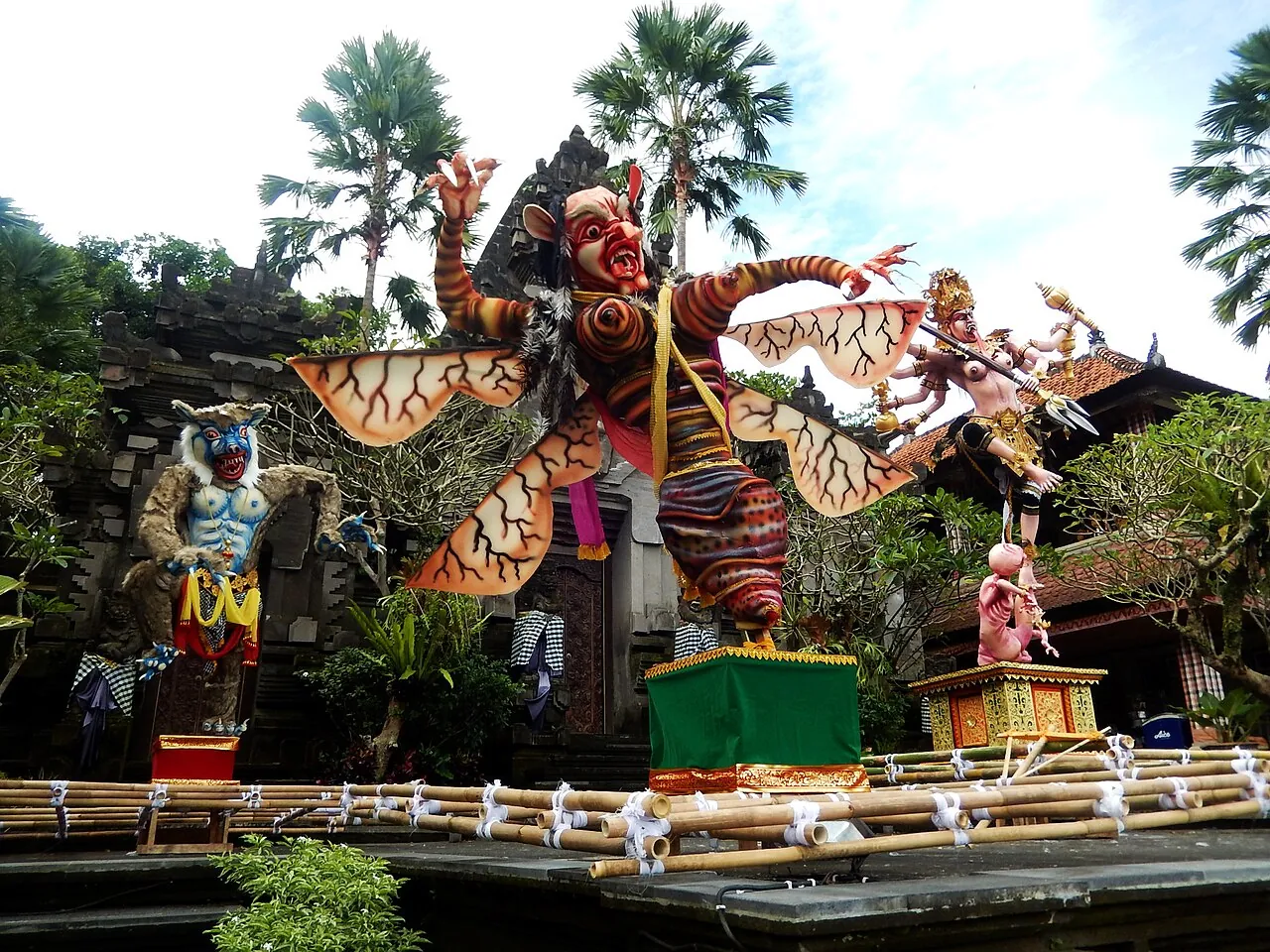
Nyepi matters most for Bali. The Ministry of Tourism says the island observes a day of silence for 24 hours: Ngurah Rai airport closes, no planes land or take off, transport stops, shops close, and everyone, visitors included, stays indoors with lights low. Do not book a flight to or from Bali for that day, and plan to be in your hotel. The night before, villages parade and burn ogoh-ogoh effigies. In 2025, Bromo Tengger Semeru National Park in East Java also closed completely for Nyepi and Idul Fitri, so check park notices on those dates for sights outside Bali too.
Lebaran affects the whole country. The ministry explains that the Idul Fitri holiday is usually extended by around 7 to 10 days of collective leave because families gather in their home towns; this is the mudik, the great homeward journey. Expect full trains, flights and ferries and heavy traffic on Java's toll roads before and after the holiday. During Ramadan itself, many restaurants and food stalls close in the daytime or draw curtains out of respect for those fasting, while fast-food and larger restaurants usually stay open. Ramadan is still a rewarding time to visit: in the late afternoon, takjil stalls selling sweet snacks for breaking the fast appear around markets and large mosques. Just book long-distance transport well ahead if your dates touch Lebaran, and in 2027 remember that Nyepi and Lebaran fall in the same week.
Practical questions
What is the best month to visit Indonesia?
For Bali, Java, Lombok and Komodo, any month from April to October falls in the dry season the Ministry of Tourism describes. May, June and September are a good compromise: dry in most years, but outside the July–August school-holiday peak. For Raja Ampat, choose October to April instead.
When is the rainy season in Bali?
The Ministry of Tourism gives November to March as the wet season for Java and Bali, and the UK government's advice says October to March. Expect heavy showers and possible local flooding. For 2026/2027, BMKG was forecasting a later start than usual because of El Niño when we checked on 2026-10-03.
When is the best time to visit Raja Ampat?
The Ministry of Tourism says October to April, when the seas are calmer for snorkelling and diving. This is the opposite of Bali's dry season, so for both on one trip, aim for October or April.
When is Nyepi in 2027, and what closes?
Nyepi falls on Monday 8 March 2027 under the government's 2027 holiday decree. For 24 hours Bali's Ngurah Rai airport is closed, transport stops and everyone must stay indoors, so do not plan flights or excursions in Bali that day.
Is it a good idea to travel in Indonesia during Ramadan?
Yes, with some planning. Many restaurants close in the daytime or draw curtains, but larger restaurants usually stay open, and the evening takjil markets are a highlight. Avoid the days around Idul Fitri (10–11 March 2027) for long journeys: millions of people travel home and transport fills up.
When are Indonesia's school holidays?
The long school holiday falls in the middle of the year. Statistics Indonesia linked July 2026's high hotel occupancy, highest in Bali, to domestic school-holiday travel. Book July and August accommodation, boats and domestic flights early.
Sources and checks before you travel
Reference sources for the version dated 3 October 2026. Confirm opening times, access, transport and conditions for your travel dates.
- Ministry of Tourism (Indonesia Travel): Weather, climate and seasons ↗ — opens in a new tab
- Ministry of Tourism (Indonesia Travel): Business hours and holiday ↗ — opens in a new tab
- Ministry of Tourism (Indonesia Travel): Planning to spend Nyepi in Bali? Frequently asked questions ↗ — opens in a new tab
- Ministry of Tourism (Indonesia Travel): 5 ideas on how to enjoy your holiday during Ramadan in Indonesia ↗ — opens in a new tab
- Antara: Daftar libur nasional 2027 dan cuti bersama, total 26 hari ↗ — opens in a new tab
- Antara: Jadwal libur Lebaran 2027, ada potensi libur panjang 10 hari ↗ — opens in a new tab
- UK FCDO travel advice: Indonesia safety and security ↗ — opens in a new tab
- Antara: Kapan musim hujan 2026/2027 dimulai? Ini prediksi BMKG ↗ — opens in a new tab
- Antara: BMKG prediksi 93 persen wilayah NTB masuk musim hujan Desember 2026 ↗ — opens in a new tab
- BMKG maritime weather service ↗ — opens in a new tab
- Ministry of Tourism (Indonesia Travel): Discover Raja Ampat ↗ — opens in a new tab
- Ministry of Tourism (Indonesia Travel): Wonderful Waigeo Island of Raja Ampat ↗ — opens in a new tab
- Ministry of Tourism (Indonesia Travel): Banda Neira ↗ — opens in a new tab
- Ministry of Tourism (Indonesia Travel): Explore Rinca Island ↗ — opens in a new tab
- Ministry of Tourism (Indonesia Travel): The wonder of Padar Island ↗ — opens in a new tab
- Wikipedia: Labuan Bajo ↗ — opens in a new tab
- Antara: BTNK tetapkan kuota 1.000 wisatawan per hari di TN Komodo ↗ — opens in a new tab
- Mount Rinjani National Park: Closure of hiking trails ↗ — opens in a new tab
- Ministry of Tourism (Indonesia Travel): Enjoy the sunrise at Borobudur ↗ — opens in a new tab
- Ministry of Tourism (Indonesia Travel): The magic of Kawah Ijen ↗ — opens in a new tab
- Ministry of Tourism (Indonesia Travel): 5 aktivitas seru di Amed Beach ↗ — opens in a new tab
- Ministry of Tourism (Indonesia Travel): Gunung Leuser ↗ — opens in a new tab
- Ministry of Tourism (Indonesia Travel): 6 important things to know before exploring Lake Toba ↗ — opens in a new tab
- Ministry of Tourism (Indonesia Travel): Guide to planning a trip to the Mentawai Islands ↗ — opens in a new tab
- Antara: Komisi X DPR minta pemerintah pertimbangkan libur sekolah imbas karhutla ↗ — opens in a new tab
- Antara: Asap karhutla memburuk, Pemkab Berau terapkan PJJ 18-19 September ↗ — opens in a new tab
- Antara: BPS: Bali, Banten, dan DIY alami okupansi hotel tertinggi pada Juli ↗ — opens in a new tab
- Antara: PHRI: Puncak libur Nataru di Bali setelah 20 Desember 2025 ↗ — opens in a new tab
- Bromo Tengger Semeru National Park: News ↗ — opens in a new tab
- Ministry of Tourism (Indonesia Travel): Denpasar, Bali Ngurah Rai Airport ↗ — opens in a new tab
- Ministry of Tourism (Indonesia Travel): 9 iconic Ramadan dishes from various regions in Indonesia ↗ — opens in a new tab
- Ministry of Tourism (Indonesia Travel): What makes Indonesia's ketupat so legendary? ↗ — opens in a new tab
- Ministry of Tourism (Indonesia Travel): Papeda ikan kuah kuning ↗ — opens in a new tab
- Ministry of Tourism (Indonesia Travel): 5 seafront hotels in Labuan Bajo ↗ — opens in a new tab
Does this experience fit your route?
Planning around the seasons? Compare Bali day trips, Ijen night walks and Borobudur sunrise tours, and check each operator's weather and holiday policy before you book.
Browse relevant experiences on Viator ↗ — opens in a new tabAffiliate link · Book with ViatorPhoto credits
Piaynemo, Raja Ampat: the far east's calmest seas usually come from October to April.
Photograph: Rolandandika — opens in a new tab · CC BY-SA 4.0 — opens in a new tab
Changes: Resized and converted to WebP; displayed with responsive crops. · Original photograph and licence details ↗ — opens in a new tab
Padar Island in Komodo National Park, with its hills green after rain.
Photograph: YUS JULIADI — opens in a new tab · CC BY-SA 4.0 — opens in a new tab
Changes: Resized and converted to WebP; displayed with responsive crops. · Original photograph and licence details ↗ — opens in a new tab
The same Padar viewpoint in the dry season, when the hills turn brown and gold.
Photograph: Jakub Hałun — opens in a new tab · CC BY 4.0 — opens in a new tab
Changes: Resized and converted to WebP; displayed with responsive crops. · Original photograph and licence details ↗ — opens in a new tab
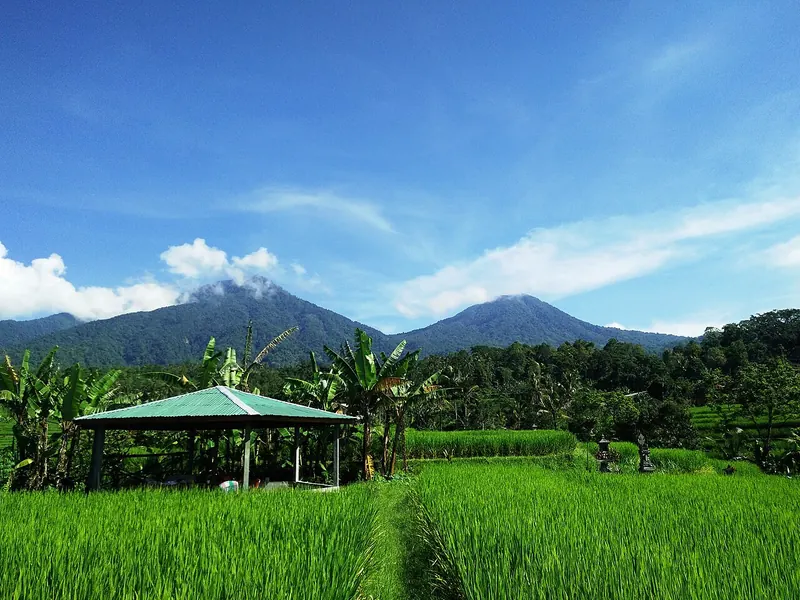
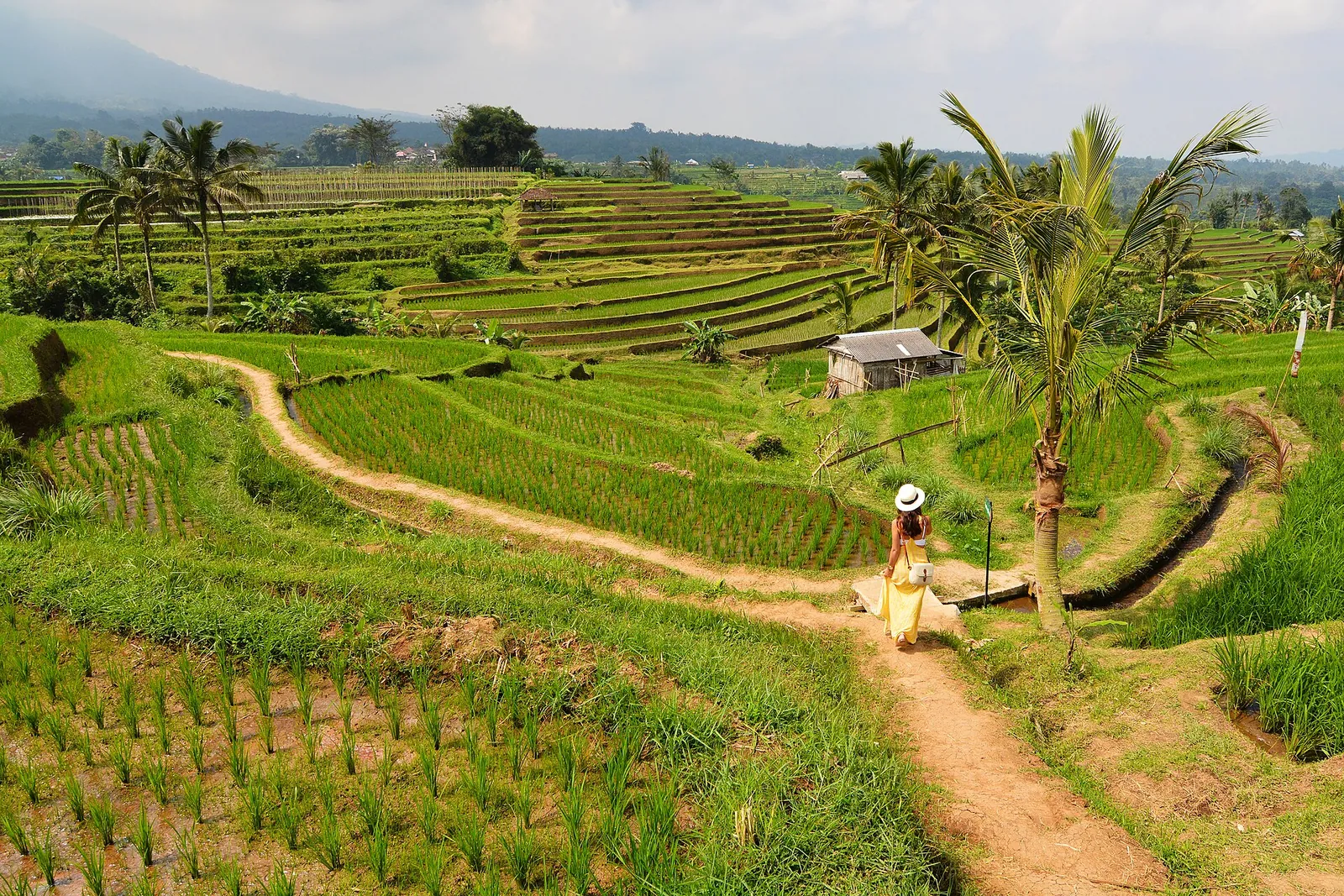
Rice terraces at Jatiluwih in Bali's Tabanan highlands.
Photograph: Paxson Woelber — opens in a new tab · CC BY-SA 4.0 — opens in a new tab
Changes: Resized and converted to WebP; displayed with responsive crops. · Original photograph and licence details ↗ — opens in a new tab
Ogoh-ogoh figures outside the Puri Lukisan Museum in Ubud, made for the parade on the eve of Nyepi.
Photograph: MagdaLena7 — opens in a new tab · CC BY-SA 4.0 — opens in a new tab
Changes: Resized and converted to WebP; displayed with responsive crops. · Original photograph and licence details ↗ — opens in a new tab
Kolak, the banana and palm-sugar dessert sold for breaking the fast during Ramadan.
Photograph: Sakurai Midori — opens in a new tab · CC BY 3.0 — opens in a new tab
Changes: Resized and converted to WebP; displayed with responsive crops. · Original photograph and licence details ↗ — opens in a new tab