Plan your trip
Best time to visit Macau: weather, typhoons, crowded weeks
Macau is small enough to see in two or three days, so the weather on those days matters more than in most places. From October to December the air is dry, the skies clear and the walks between the temples, churches and fortresses of the old city are a pleasure. From May to September the city is hot, very humid and wet, and typhoons can stop the ferries. Then there are the crowds: a few weeks a year, mainland Chinese holidays fill every hotel. Below are the months one by one, then the typhoon rules, the busy weeks and a plan for hot or wet days.
In this guide
Find the location ↗ — opens in a new tabThe short answer
Go from October to December: the Macao Meteorological and Geophysical Bureau's 1991-2020 averages give November 39 mm of rain on about 5 days, highs of 24.7°C and humidity of about 73%, among the lowest of the year. Avoid the first days of May and October, when the mainland Labour Day and National Day holidays push hotel occupancy towards 90%, and Grand Prix week in November. May to September is hot, humid and wet, and typhoon season runs from May to November. Book the room first, then a ferry or flight you can change, since typhoons and holiday weeks decide both. Two prices for a wet day: the Macao Museum costs MOP 15 (free on Tuesdays and the 15th of the month), and the Macau Tower observation deck MOP 208.
- Key point
- Two or three days in any season; one or two nights on the peninsula
- Where it applies
- The Macau Peninsula near Senado Square, close to the museums for a wet day
- Timing
- October to December is dry, sunny and mild; May to September is hot, humid and wet, with typhoons possible from May to November
October to December: dry air and clear days
Macau has what its weather bureau calls a subtropical monsoon climate. In winter, dry northerly air comes down from the Asian continent; in summer, south-westerly winds bring heat and heavy rain off the sea, first a rainy season and then a second one with more typhoons and storms. Autumn, with less rain and easterly winds, is the season the bureau describes as clear and refreshing. The Macao Government Tourism Office (MGTO) calls October and November the ideal months to visit, with mild temperatures and dry weather.
The figures agree. Over 1991-2020, October averaged 75 mm of rain, November 39 mm and December 31 mm, against 374 mm in June. Humidity falls from about 85% in spring and early summer to 71-73% from October to December, and October has more sunshine than any month except July. The old city is a walking city: the climb to Mount Fortress, the steps of St Paul's and the lanes of Taipa and Coloane are far easier at 25°C and dry than at 31°C and 85% humidity.
December is cooler, with highs around 20°C and lows around 14°C, and January cooler still; MGTO notes that the winter months from December to March are often sunny but can feel cold, so bring a warm layer. In December the old city also lights up for Light Up Macao, the festival of light installations, which runs from 5 December 2026 to 10 January 2027. If you can choose only one month, choose November or early December, outside Grand Prix week.
Macau's weather month by month
The table gives the Macao Meteorological and Geophysical Bureau's (SMG) 1991-2020 averages: the mean daily high and low, the monthly rainfall with the average number of rain days, the mean relative humidity and the hours of sunshine in the month. Over the year the mean temperature is 22.8°C, and about 1,967 mm of rain falls on about 131 days.
| Month | Average high / low | Rain (rain days) | Humidity | Sunshine |
|---|---|---|---|---|
| January | 18.6°C / 12.7°C | 34 mm (6) | 75% | 127 h |
| February | 19.2°C / 13.9°C | 44 mm (9) | 81% | 86 h |
| March | 21.4°C / 16.5°C | 80 mm (11) | 85% | 75 h |
| April | 25.1°C / 20.3°C | 154 mm (12) | 86% | 95 h |
| May | 28.7°C / 23.7°C | 286 mm (14) | 85% | 136 h |
| June | 30.5°C / 25.7°C | 374 mm (18) | 85% | 159 h |
| July | 31.4°C / 26.1°C | 291 mm (17) | 83% | 211 h |
| August | 31.5°C / 25.9°C | 331 mm (16) | 82% | 188 h |
| September | 30.8°C / 25.1°C | 228 mm (12) | 78% | 178 h |
| October | 28.5°C / 22.7°C | 75 mm (6) | 73% | 192 h |
| November | 24.7°C / 18.8°C | 39 mm (5) | 73% | 158 h |
| December | 20.3°C / 14.3°C | 31 mm (5) | 71% | 145 h |
January and February are the coolest months and usually dry, with Lunar New Year falling in one of them (6 February in 2027). March and April are mild but damp: humidity peaks at 85-86%, sunshine is at its lowest, and March has the most fog, on about 7 days. May to September brings the heat and most of the rain, with thunderstorms on about 10 days a month in June and August. October to December is the dry season.
Typhoon season and what Signal No. 8 changes
MGTO gives the typhoon season as May to November, with July to September the peak period; the UK government's travel advice also puts it from May to November. Most weeks pass without a storm, but when one comes close, SMG hoists numbered signals. Signal No. 1 means a tropical cyclone is within 800 km and may affect Macau. Under Signal No. 3, winds of 41-62 km/h are expected, with gusts that may exceed 110 km/h.
Signal No. 8 changes the day. It means winds of 63-117 km/h, with gusts that may exceed 180 km/h. MGTO's advice is to stay indoors as far as possible, away from exposed doors and windows, and to suspend all outdoor and marine activities; the bridges across the sea may close at any time. Public offices shut. The crossings from Hong Kong stop too: Cotai Water Jet and TurboJET suspend their ferries at No. 8, and the bridge (HZMB) shuttle bus may stop when the bridge closes in bad weather; Cotai Water Jet may also stop under Signal No. 3. The Macao Museum and its sister venues close all day if No. 8 is up before 09:00, close at once if it goes up during opening hours, and stay closed for the afternoon if it is lowered after 14:30. Signals No. 9 and No. 10 mean the storm is closer still.
If you travel between May and November, and above all from July to September, book a ferry or flight you can change, keep a spare evening before an onward flight, and follow SMG's warnings. Storm surge warnings, from blue to black, give the expected water level above the roads around the Inner Harbour; when one is issued, MGTO advises keeping away from low-lying streets, basements and underground car parks.
The crowded weeks: holidays, the Grand Prix and the fireworks
Macau's busiest days follow the mainland Chinese holidays. Over the five-day Labour Day holiday of 1-5 May 2026, the city counted about 873,000 visitor arrivals, a record 248,000 on 2 May alone, and an average hotel occupancy of 92.7%. Over the National Day and Mid-Autumn holiday of 1-8 October 2025, arrivals reached 1.144 million, with 191,000 on 4 October and hotels 87.9% full. Rooms are scarce on those days. Avoid the first week of May and of October unless the crowds are the point.
Lunar New Year falls on 6 February 2027, and 6-8 February are holidays in Macau. In 2026 the city added drone and fireworks shows and a parade over the holiday weeks, so expect busy streets around the date.
The Macau Grand Prix is held every November on the city's street circuit; the 2026 race runs on 19-22 November, and the 2027 dates have not been announced. Book a room early if you want to watch, and choose another week if you do not. The Macao Food Festival is held in November too: its 25th edition opened on 14 November 2025.
The Macao International Fireworks Display Contest usually takes place on several Saturdays in September and October and on National Day, 1 October; in 2026 the nights were 12, 19 and 25 September and 1 and 4 October. Teams from around the world compete, and the contest is one of the year's big draws. Our festivals and events calendar for Macau gives the 2027 public holidays and the other festivals month by month.
A plan for hot or wet days
Start early in summer. A-Ma Temple and the gardens of Mount Fortress open at 07:00, so walk the hills before the midday heat and keep the afternoon for indoor stops. In ordinary rain, the same order works the other way round: museums when it pours, streets when it stops.
The Macao Museum, at Mount Fortress, tells the history of the city and the lives of its residents from different countries and cultures; it opens from 10:00 to 18:00 (last entry 17:30), closes on Mondays except public holidays, and costs MOP 15, free on Tuesdays and the 15th of each month. Below the Ruins of St Paul's, the Museum of Sacred Art and Crypt is free and opens from 09:00 to 18:00, closing at 14:00 on Tuesdays. In Taipa, the five Taipa Houses hold a free museum of Macanese domestic life, open 10:00-19:00 and closed on Mondays. The observation decks of the Macau Tower, on levels 58 and 61, cost MOP 208 for an adult and open at 10:00.
Cotai's resort shopping malls, such as the Shoppes at Venetian, are the other rainy-day choice. Our Macau where-to-stay guide compares sleeping on the peninsula with a Cotai resort, and Macau in 2 days sets out the museum swap on its rain-day plan.
Which month for which trip
- Walking the old city in comfort: October to early December, outside Grand Prix week; October has the most sunshine, November and December the least rain.
- Lowest prices and fewer crowds: weekdays outside the holiday weeks; the first week of May and of October are the busiest of the year.
- Cool, sunny days: December and January, with highs of 19-20°C and a warm layer for the evenings.
- Festivals: Lunar New Year (6 February 2027), the Drunken Dragon and Fatima procession in May, the fireworks contest in September and October, the Grand Prix and the Food Festival in November.
- Summer: hot and humid with frequent showers; plan early starts, museum afternoons and a ferry you can change. Our first-trip guide to Macau keeps the route short enough to adapt.
Practical questions
What is the best month to visit Macau?
November. SMG's 1991-2020 averages give it 39 mm of rain on about 5 days, highs of 24.7°C and humidity of about 73%, and MGTO names October and November as the ideal months. Avoid the Grand Prix week if you do not want to watch the race.
When is the rainy season in Macau?
Most rain falls from April to September, peaking in June with an average of 374 mm. MGTO gives the rainy season as May to September; October to February are the driest months.
When is typhoon season in Macau?
MGTO gives May to November, with the peak from July to September. Under Signal No. 8 you are advised to stay indoors, outdoor and marine activities stop, the Cotai Water Jet and TurboJET ferries are suspended and the Macao Museum closes.
When is Macau most crowded?
During the mainland Chinese Labour Day holiday in early May and the National Day holiday in early October, when hotel occupancy reached 92.7% (May 2026) and 87.9% (October 2025), and around Lunar New Year and Grand Prix week.
Is Macau too hot in summer?
It is hot and humid: from June to September average highs are 30-32°C and humidity about 78-85%. Walk early, spend afternoons in museums or the Cotai resorts, and carry water.
When are the Macau fireworks?
The Macao International Fireworks Display Contest usually runs on several Saturdays in September and October and on 1 October. In 2026 the nights were 12, 19 and 25 September and 1 and 4 October.
Keep planning your trip

Macau festivals and events 2027
Macau's 2027 holidays and festivals month by month: Lunar New Year, the Drunken Dragon and Fatima processions, the fireworks contest, the Grand Prix and Light Up Macao.
Read the guide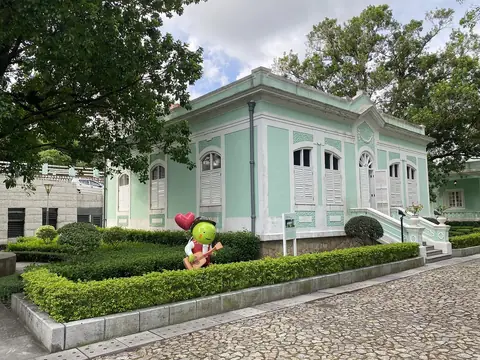
First trip to Macau
Plan a first Macau visit: where to sleep, entry rules, a two-day peninsula, Taipa and Coloane route, public transport, local food and a priced transport budget.
Read the guide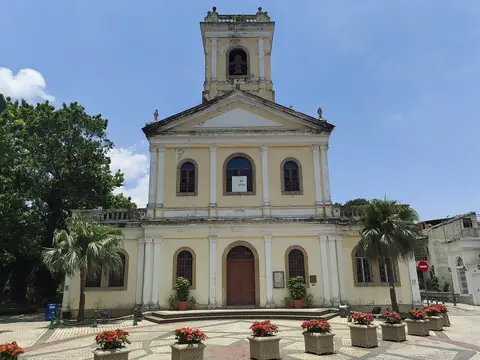
Macau in 2 days
A two-day Macau itinerary with one peninsula night, A-Ma, Senado, St Paul’s, Taipa and Coloane, named meals, bus stops and an MFM departure.
Read the guide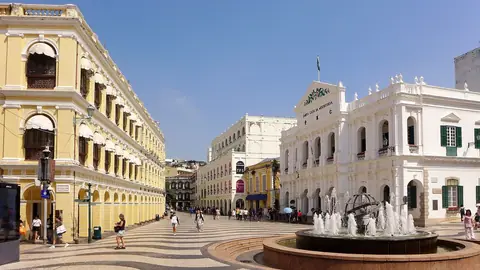
Where to stay in Macau
Choose a Macau base for heritage walks, Taipa dinners, Cotai resort facilities or a quiet Coloane stay, with a one-night peninsula plan and clear alternatives.
Read the guide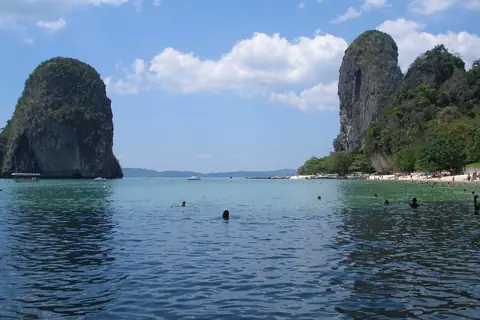
Where to go in Asia in November
November opens the dry season in Thailand, Laos and Cambodia and brings autumn colour to Japan. Six trips with daily costs, the festivals to time and the places to skip.
Read the guide
Where to go in Asia in December
Where Asia is dry and warm in December, where it rains or freezes: six trips with daily costs, the holidays and the places to skip.
Read the guideSources and checks before you travel
(21)
- Macao Meteorological and Geophysical Bureau (SMG): 30-year statistics, 1991-2020 ↗ — opens in a new tab
- Macao Meteorological and Geophysical Bureau (SMG): climate in Macao ↗ — opens in a new tab
- Macao Government Tourism Office: climate and clothing ↗ — opens in a new tab
- Macao Government Tourism Office: what you need to know about typhoon season ↗ — opens in a new tab
- UK FCDO: Macao safety and security ↗ — opens in a new tab
- Cotai Water Jet: latest news ↗ — opens in a new tab
- Macao Museum: visiting information ↗ — opens in a new tab
- Macao Museum: Museum of Sacred Art and Crypt ↗ — opens in a new tab
- Cultural Affairs Bureau: Taipa Houses ↗ — opens in a new tab
- Cultural Affairs Bureau: World Heritage opening hours ↗ — opens in a new tab
- Macau Tower: observation deck tickets ↗ — opens in a new tab
- Government Information Bureau: Labour Day holiday 2026 ↗ — opens in a new tab
- Government Information Bureau: National Day holiday 2025 ↗ — opens in a new tab
- Macao SAR Government: public holidays 2027 ↗ — opens in a new tab
- Macao Government Tourism Office: events calendar ↗ — opens in a new tab
- Macao International Fireworks Display Contest: about ↗ — opens in a new tab
- Macao SAR Government: 72nd Macau Grand Prix ↗ — opens in a new tab
- Government Information Bureau: opening of the 25th Macao Food Festival ↗ — opens in a new tab
- The Venetian Macao: Shoppes at Venetian ↗ — opens in a new tab
- TurboJET: typhoon arrangement regarding ferry services ↗ — opens in a new tab
- Hong Kong Transport Department: HZMB Hong Kong Port access ↗ — opens in a new tab
Reference sources for the version dated 1 November 2026. Confirm opening times, access, transport and conditions for your travel dates.
Photo credits
(4)
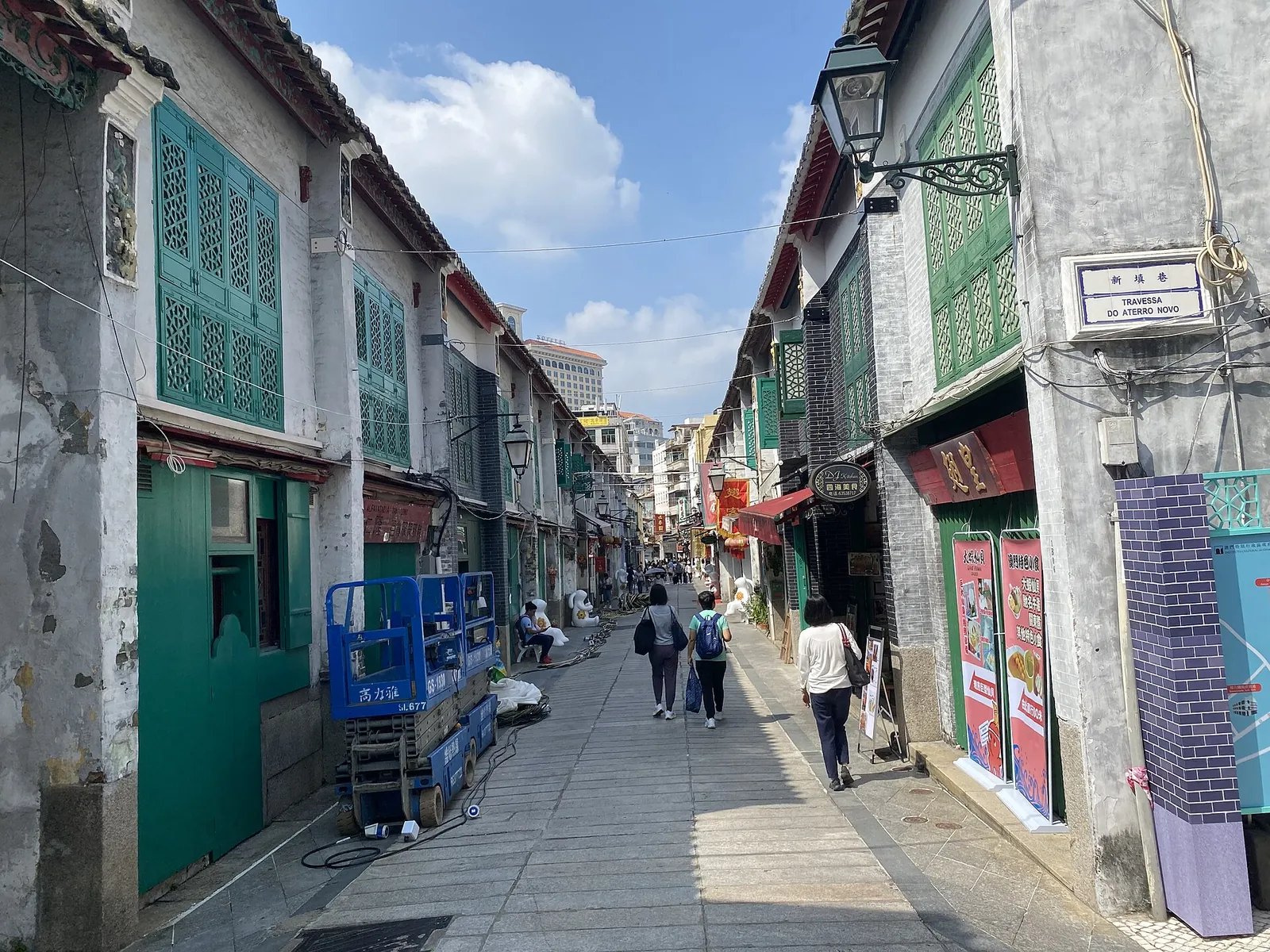
Rua da Felicidade in central Macau, photographed in mid-October
Photograph: LN9267 — opens in a new tab · CC BY-SA 4.0 — opens in a new tab
Changes: Resized and converted to WebP; displayed with responsive crops. · Original photograph and licence details ↗ — opens in a new tab
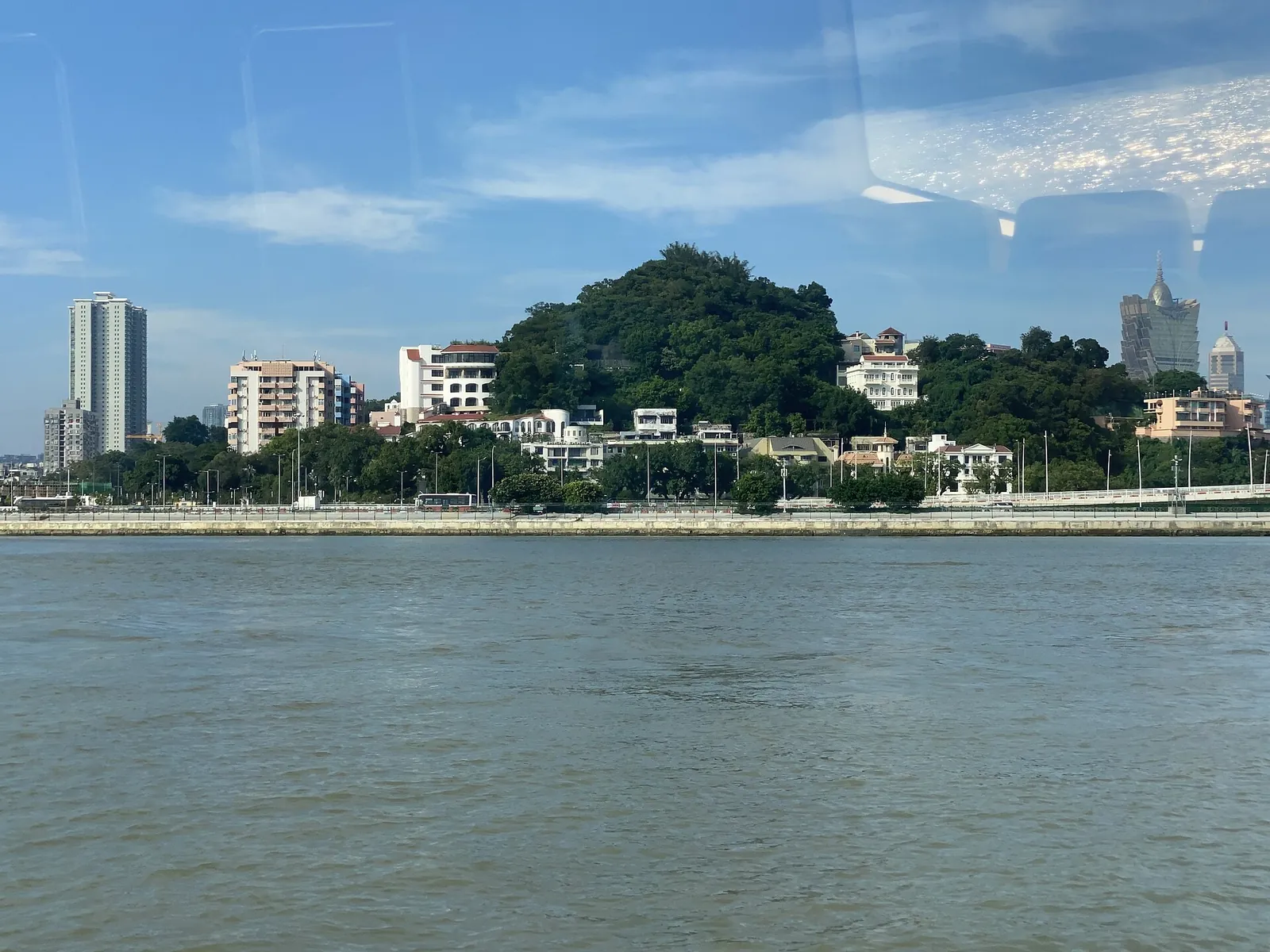
Penha Hill above the waterfront on a clear early-September day
Photograph: LN9267 — opens in a new tab · CC BY-SA 4.0 — opens in a new tab
Changes: Resized and converted to WebP; displayed with responsive crops. · Original photograph and licence details ↗ — opens in a new tab
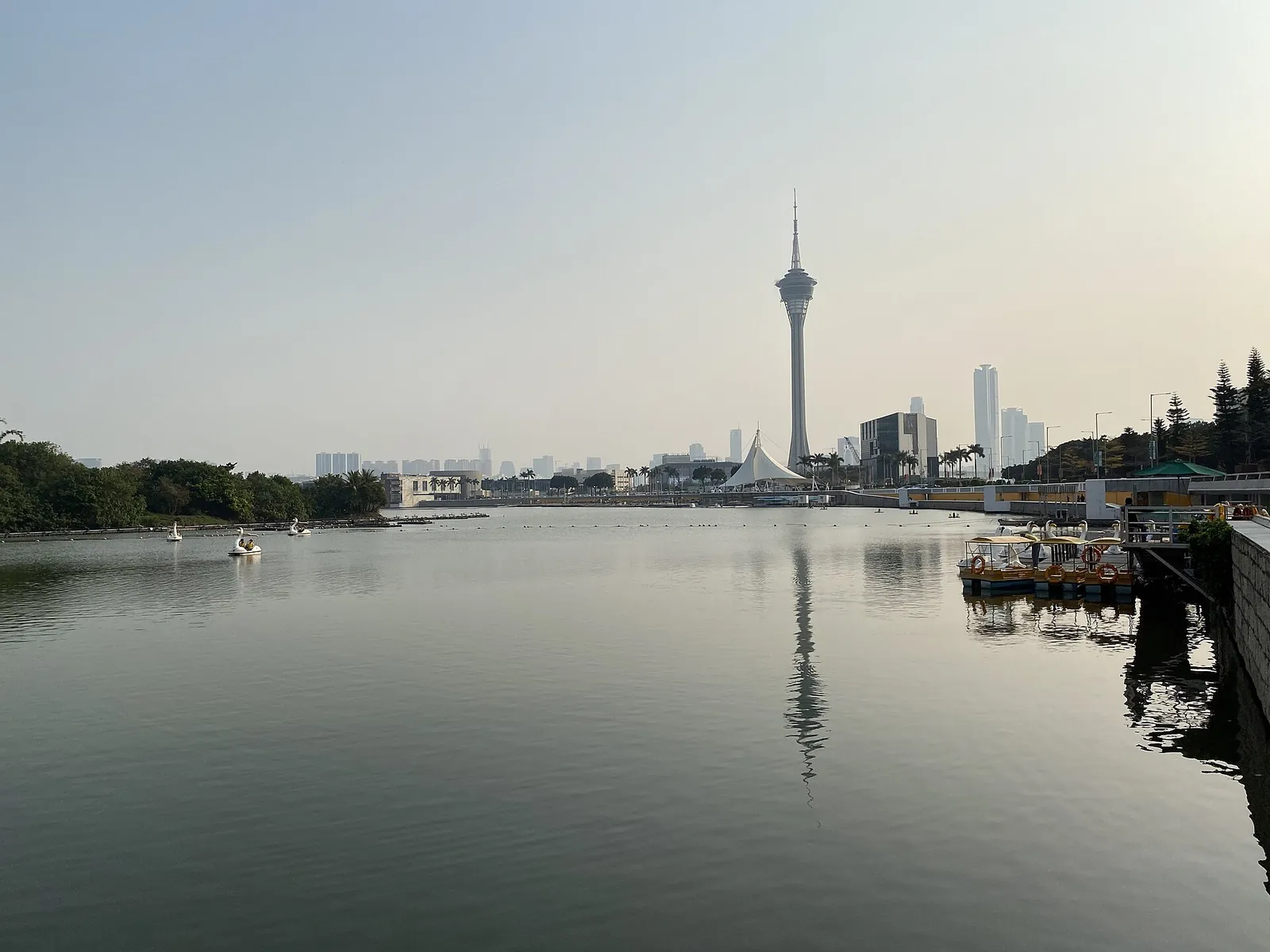
Nam Van Lake and the Macau Tower on a calm February day
Photograph: LN9267 — opens in a new tab · CC BY-SA 4.0 — opens in a new tab
Changes: Resized and converted to WebP; displayed with responsive crops. · Original photograph and licence details ↗ — opens in a new tab
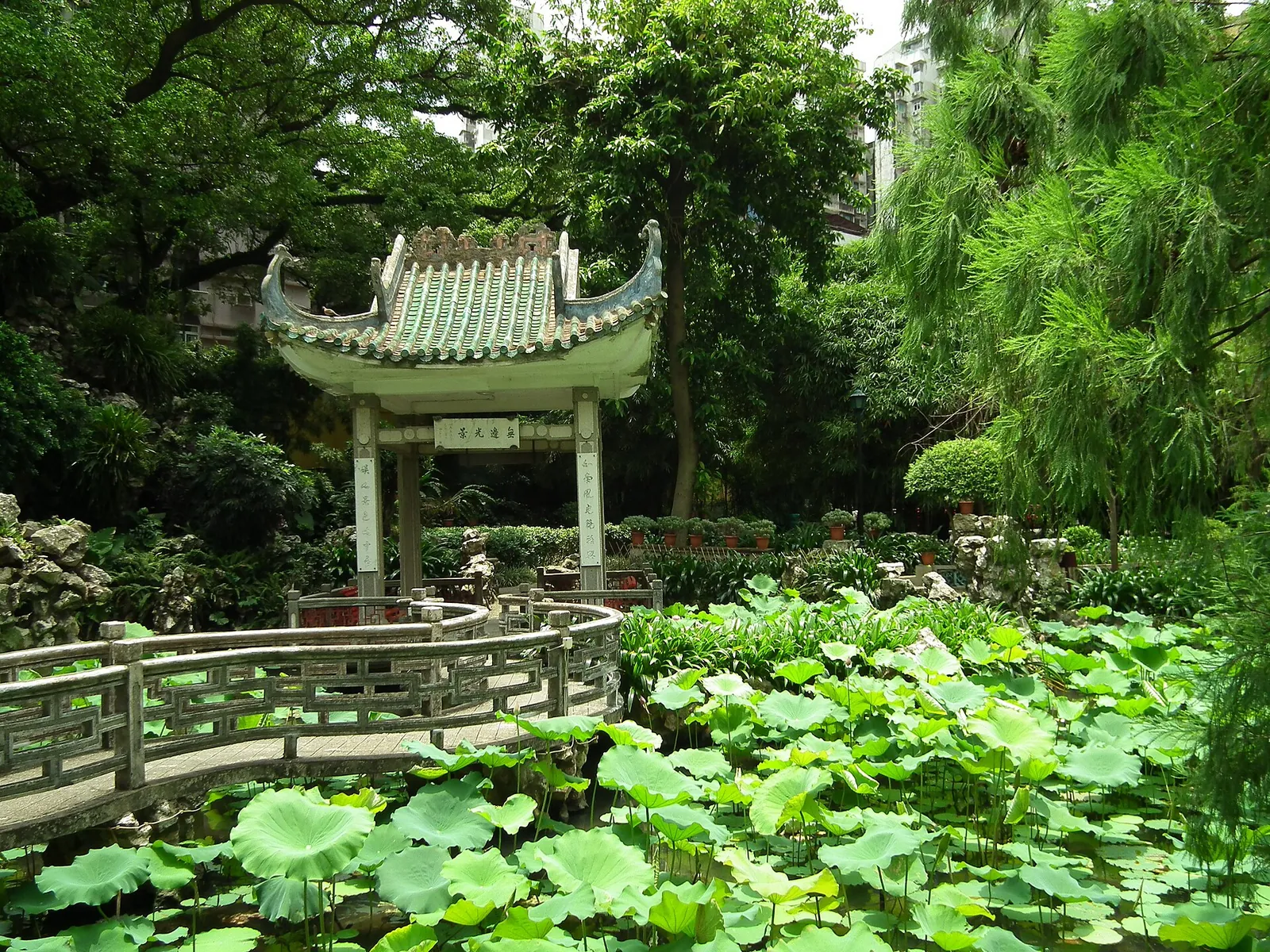
The pavilion and lotus pond of Lou Lim Ioc Garden
Photograph: lienyuan lee — opens in a new tab · CC BY 3.0 — opens in a new tab
Changes: Resized and converted to WebP; displayed with responsive crops. · Original photograph and licence details ↗ — opens in a new tab