Plan your trip · Singapore
Best time to visit Singapore: rain, heat and flexible days
Singapore does not require a perfect-weather week to be enjoyable. It requires a plan that still works when a long outdoor walk becomes a shorter one. Choose dates first around your available time and the experiences you care about, then use climate patterns to shape the day. Heritage streets, gardens, meals and museums can complement each other; an itinerary made entirely of exposed viewpoints is harder to rearrange.
- Suggested time
- 3–4 days for a flexible first visit
- Where to stay
- One central base near the journeys you intend to make
- Season and timing
- Tropical warmth and humidity year-round; choose flexibility over a guaranteed dry-season promise.
The short answer
For a first visit, allow three or four days and stay in one central base rather than changing hotels for the weather. Put your most important outdoor outing in a flexible block, with a sheltered alternative nearby. February is worth considering if relatively lower average rainfall matters, but no month guarantees dry days. Check the actual forecast close to travel and leave room to swap a garden morning with an indoor visit.
Read the climate pattern without treating it as a forecast
When checked on 3 October 2026, Meteorological Service Singapore described year-round warmth, humidity and rain. Its long-term climate account identifies higher rainfall from November to January and February as the driest month on average. Those comparisons help choose priorities, but they do not predict the weather on an individual holiday.
If a garden-heavy trip is your main reason to visit, leave spare daylight somewhere in the stay. If food, galleries and heritage are equally important, your programme can adapt more easily. Decide which outing you would most regret missing before filling every remaining block with reservations.
Plan the day around exposure and useful shelter
Outdoor walks are more comfortable to organise when you can stop rather than press on to keep a timetable. Start with a manageable part of Chinatown, the bay or a garden, then pair it with lunch and a genuinely interesting indoor stop. A meal is a natural pause, not lost sightseeing time.
Pack for warm walking and wet conditions, and check the near-term forecast before setting out. If thunder or heavy rain develops, follow local safety instructions and postpone exposed activities. A promised photograph should not determine whether you remain outside.
Make time for the local food
What to eat and where to look
Hainanese chicken rice
Chicken, fragrant rice and accompanying condiments form a straightforward main meal.
- Where to look
- Chicken-rice menus at hawker centres or neighbourhood eateries on your chosen route.
- Fit it into your day
- Use lunch as a seated break between outdoor walks.
Ask about stock, sauces and preparation if ingredients matter; appearance alone cannot establish suitability.
Laksa
A rich, spicy noodle soup to consider when choosing a more substantial lunch.
- Where to look
- Laksa menus in local eateries; a Katong-Joo Chiat visit can be planned around a food stop.
- Fit it into your day
- Save it for a seated meal rather than carrying a hot bowl between sights.
Recipes and toppings vary. Ask directly about seafood, stock and other ingredients.
Kaya toast
A Singapore breakfast choice that can anchor a simple start before sightseeing.
- Where to look
- Kopitiams and breakfast menus near your actual accommodation.
- Fit it into your day
- Have breakfast before a garden or heritage walk, then adjust the day to the forecast.
Confirm spread, accompaniments and drink ingredients; a set is not automatically suitable for every diet.
Keep monsoon labels in proportion
The official climate description places the Northeast Monsoon from December to early March and the Southwest Monsoon from June to September, with transition periods between them. Rain can occur during all of these periods. Choose actual-day decisions from forecasts rather than reading a monsoon label as a blanket closure of the city.
Before reserving an outdoor guided activity, read its weather and cancellation conditions. Check whether the operator substitutes a route, postpones departure or offers another arrangement. An activity marketed for a particular setting should explain what happens if that setting cannot be used.
Use one base to make changes easier
Choose a hotel whose immediate surroundings suit your evenings as well as your day plans. Chinatown can anchor food and heritage walks; Orchard Road offers a shopping-led base; Marina Bay suits a bay-focused programme. Check the precise address and station entrance so that a forecast change does not require rebuilding every journey.
Avoid changing accommodation solely because one district appears to have better weather. A hotel move consumes time for packing, luggage and check-in. Spend that effort on moving the outdoor block to another day, or choosing a museum visit you actually want.
Leave a flexible day without leaving a blank day
Write down a preferred outdoor plan and an alternative with a different weather exposure. For example, make a garden visit the first choice and a civic-district museum plus a seated meal the alternative. Check the relevant venue information before relying on the alternative; indoor does not automatically mean open.
Book major fixed experiences only after considering arrival and departure days. Keep your last day easy to shorten so that a changed forecast or a slower morning does not compete with reaching the airport. Do not use the entire stay as a race to recover photographs missed earlier.
Practical questions
Is there a completely dry season in Singapore?
No. Plan for rain in any month and use the current forecast for day-to-day choices.
Should I cancel a November visit?
A wetter average does not decide whether your trip will work. Combine outdoor priorities with meals and indoor interests, and keep reservations proportionate.
How much time should I allow?
Three or four days is an editorial suggestion for a first visit with room to rearrange one outing. A shorter stopover needs fewer fixed commitments.
Should I book every outdoor activity in advance?
Reserve what needs a booking, then check its weather terms. Keep some independent walks flexible and avoid assuming all cancelled activities have identical refund policies.
Sources and checks before you travel
Reference sources for the version dated 3 October 2026. Confirm opening times, access, transport and conditions for your travel dates.
- Meteorological Service Singapore: climate ↗ — opens in a new tab
- Singapore Tourism Board: neighbourhoods ↗ — opens in a new tab
- Singapore Tourism Board: local food ↗ — opens in a new tab
- Furama: Chinatown location ↗ — opens in a new tab
- Orchard Hotel: official location ↗ — opens in a new tab
- Pan Pacific Singapore: Marina Bay location ↗ — opens in a new tab
- Viator: Singapore culinary experiences collection ↗ — opens in a new tab
Does this experience fit your route?
Compare a food experience with your independent meal plan before booking; reserve only what adds something useful.
Browse relevant experiences on Viator ↗ — opens in a new tabAffiliate link · Book with ViatorPhoto credits
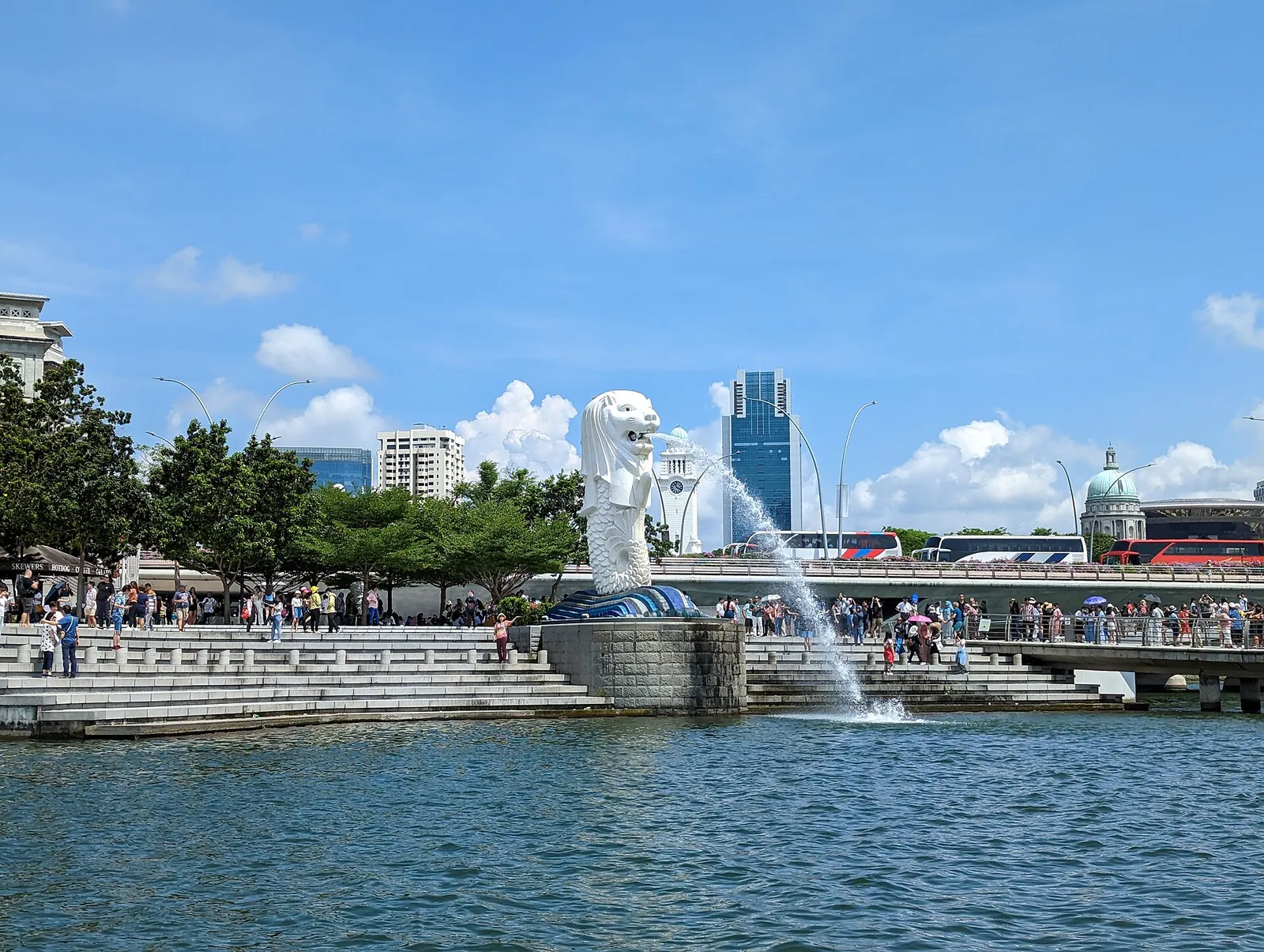
Sunshine at Merlion Park in Singapore.
Photograph: Ngerng21 — opens in a new tab · CC BY-SA 4.0 — opens in a new tab
Changes: Resized and converted to WebP; displayed with responsive crops. · Original photograph and licence details ↗ — opens in a new tab
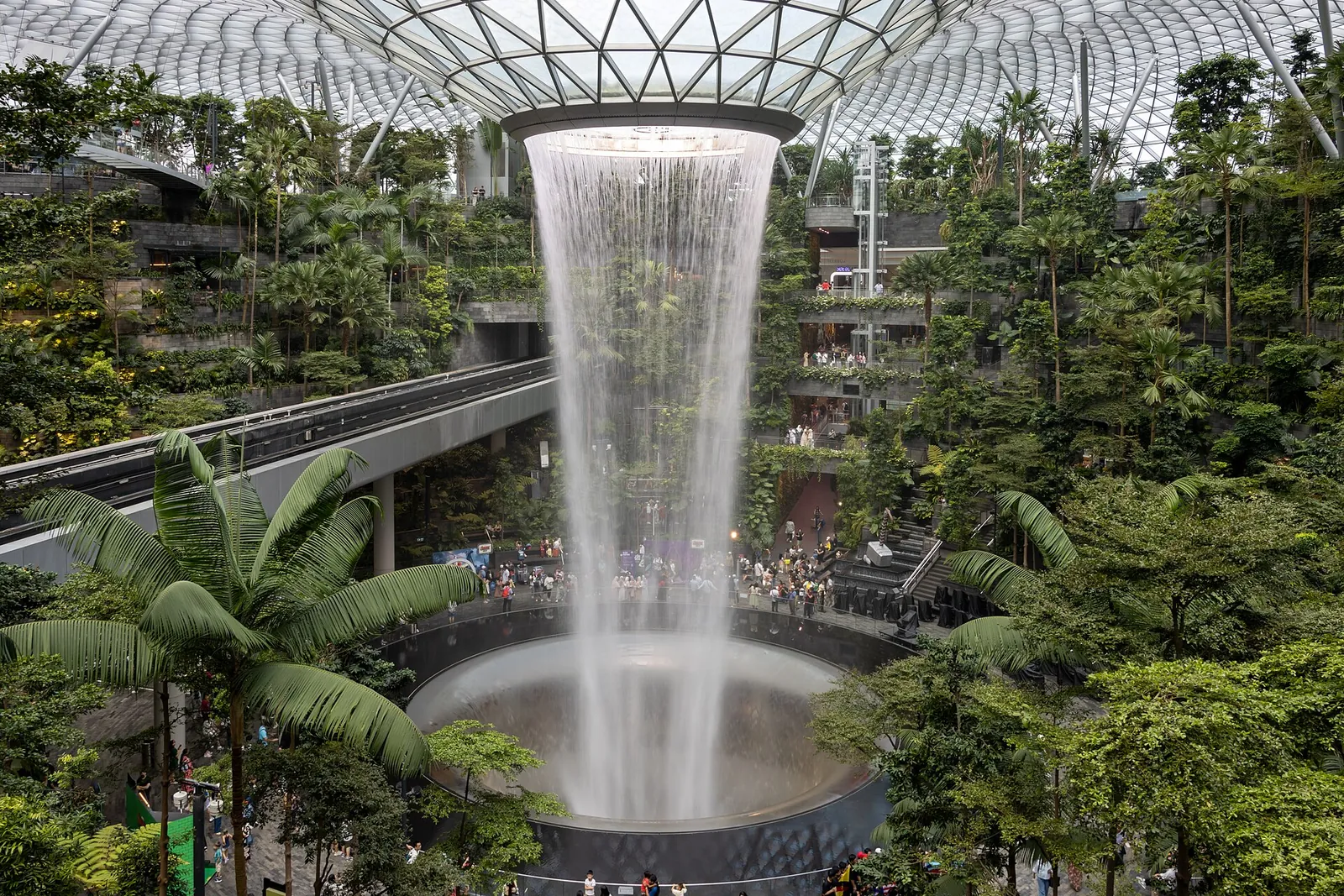
The Rain Vortex inside Jewel Changi; an indoor setting for a weather-conscious itinerary.
Photograph: Photograph by Mike Peel ( www.mikepeel.net ). — opens in a new tab · CC BY-SA 4.0 — opens in a new tab
Changes: Resized and converted to WebP; displayed with responsive crops. · Original photograph and licence details ↗ — opens in a new tab
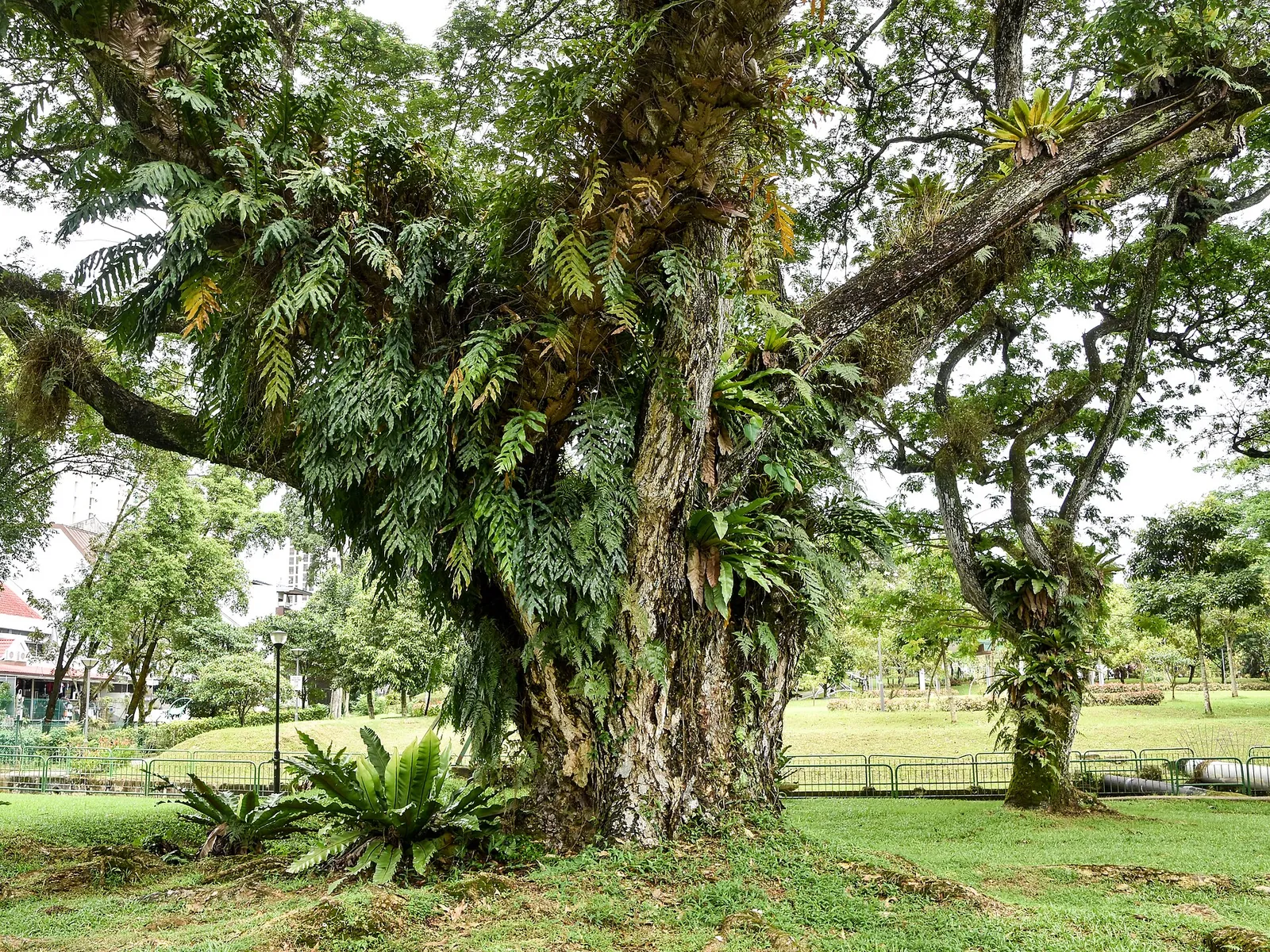
A rain tree with ferns in the Upper Bukit Timah area, photographed in February 2023.
Photograph: This Photo was taken by Timothy A. Gonsalves . Feel free to use my photos, but please mention me as the author. I would much appreciate if you send me an email tagooty@yahoo.com or write on my talk page , for my information. Please contact me before commercial use. Please do not upload an edited image here without consulting me. I would like to make corrections only at my own source to ensure that the changes improve the image and are preserved. Otherwise you may upload an edited image with a new name. Please use one of the templates derivative or extract . — opens in a new tab · CC BY-SA 4.0 — opens in a new tab
Changes: Resized and converted to WebP; displayed with responsive crops. · Original photograph and licence details ↗ — opens in a new tab
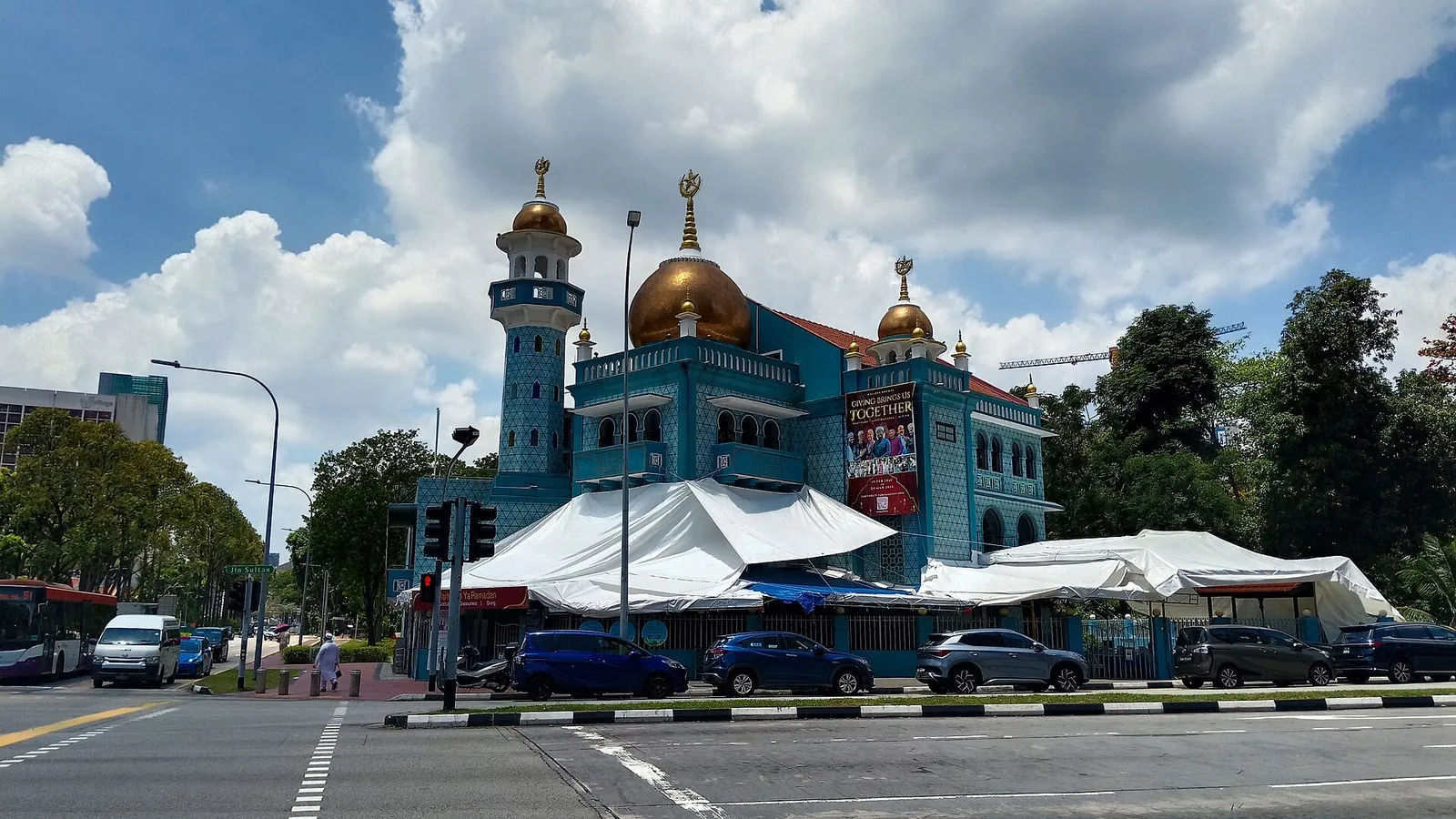
Malabar Mosque during Ramadan 2026; the canopies shown were temporary.
Photograph: M. Adrian Jurhami — opens in a new tab · CC BY 4.0 — opens in a new tab
Changes: Resized and converted to WebP; displayed with responsive crops. · Original photograph and licence details ↗ — opens in a new tab