Plan your trip
Autumn leaves in Japan: when the colour comes and where to go
Japan's autumn colour, koyo, travels the opposite way to the cherry blossom: it starts on the high mountains and in Hokkaido in September and reaches the gardens of Tokyo and Kyoto from mid-November into early December. That long season is the planner's friend. You can follow the colour from the Alpine Route and the lakes above Nikko in October to Kanazawa and Miyajima in mid-November and Kyoto's temples at the end of the month, choosing your weeks by where you want to be. This guide gives the Japan Meteorological Agency's normal dates by city, the usual windows at the best-known places, and what to book before everyone else does.
In this guide
Find the location ↗ — opens in a new tabThe short answer
For the classic temples and gardens, go to Kyoto from about 20 November to early December and Tokyo from mid-November to early December: the Japan Meteorological Agency's 1991–2020 normals put the maple colour date on 28 November in Tokyo and 5 December in Kyoto, and in recent years Kyoto has usually been later than that. For colour in October, go high: the Tateyama Kurobe Alpine Route from mid-September to early November, Okunikko above Nikko from late September to late October, and Hakone from late October to mid-November. Book Kyoto rooms as soon as your dates are fixed, because JNTO warns the city is particularly busy at the end of November, see the famous temples early in the morning, and sleep in Nikko rather than driving up in the traffic.
- Key point
- A week to ten days for Tokyo and Kyoto at the city peak; five to seven weeks to follow the colour all the way down from the mountains, or two to three weeks for one leg of it.
- Where it applies
- Tokyo and Kyoto for the city gardens in late November; Nikko, Hakone or Takayama for the mountains in October and early November.
- Timing
- Mid-September in the high mountains to early December in Tokyo, Kyoto and Kamakura. JMA's 1991–2020 normal maple colour dates: Sapporo 28 October, Kanazawa 24 November, Tokyo 28 November, Kyoto 5 December.
How the colour moves across Japan
JNTO, Japan's national tourism organisation, puts the leaves across the country between late September and early December, and gives mid-November to early December as the time the trees turn in most of the places visitors go. The colour starts on the mountains and in the north and works its way down: the higher and colder the place, the earlier it turns.
The Japan Meteorological Agency (JMA) tracks the front with a sample maple at each observatory and records the first day when most of the tree's leaves have turned red. On its 1991–2020 normals, that line starts in eastern Hokkaido in mid-October, reaches Tohoku and eastern Hokuriku by 20 November, Kanto, Tokai, Chugoku, Shikoku and northern Kyushu by 30 November, and the Pacific coast of Kanto and Tokai, Kinki and southern Kyushu in early to mid-December. In Tokyo and Kyoto, the normal ginkgo yellowing date comes before the maple colour date.
These are city observatory trees, not forecasts for a famous garden or a mountain pass. Use them to choose your weeks, then check each place's own colour report as the season starts.
Normal dates by city
JMA's normal dates give a fair idea of when the cities reach full colour. The maple date is the day most leaves on the sample tree have turned; the ginkgo date the same for yellow.
| City | Maple colour, normal date | Ginkgo yellow, normal date | 2024 maple | 2025 maple |
|---|---|---|---|---|
| Sapporo | 28 October | 4 November | 11 November | 6 November |
| Kanazawa | 24 November | 10 November | 3 December | 25 November |
| Tokyo | 28 November | 23 November | 3 December | 23 November |
| Kyoto | 5 December | 24 November | 20 December | 10 December |
| Osaka | 1 December | 22 November | 10 December | 4 December |
| Hiroshima | 22 November | 15 November | 2 December | 27 November |
| Fukuoka | 1 December | 20 November | 6 December | 1 December |
Kyoto stands out. Its observatory maple turned later than its 5 December normal in eight of the nine years recorded from 2016 to 2025 (none was recorded in 2021), and in 2024 not until 20 December. Tokyo has stayed close to its normal. Treat late November to early December as Kyoto's core weeks, with the gardens' earlier trees colouring from mid-November, as JNTO says.
Our best time to visit Japan guide sets autumn against the rest of the year, with the rain and typhoon normals for October.
October: the Alps, Nikko and the north
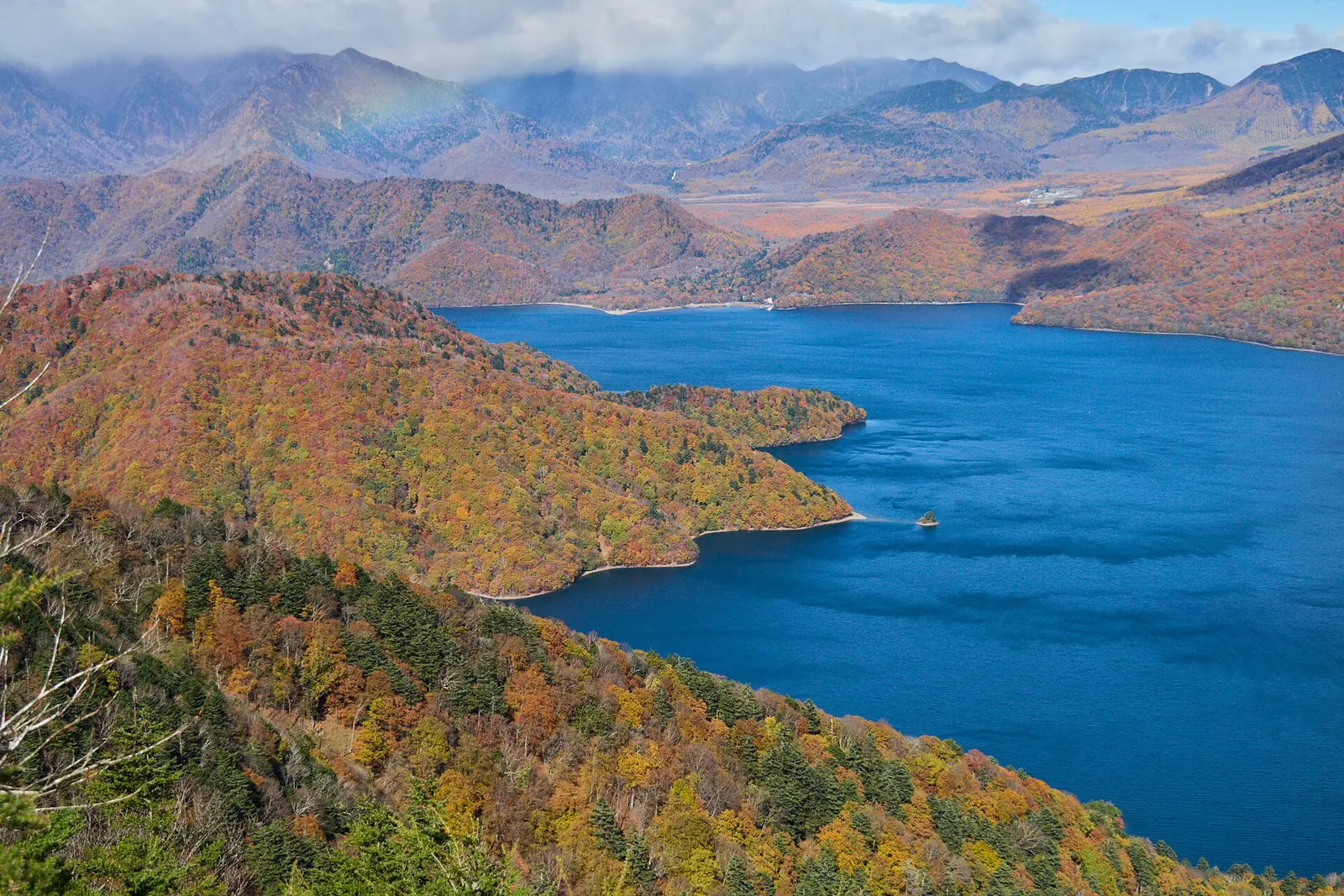
October is for altitude. On the Tateyama Kurobe Alpine Route, which climbs about 2,000 m across the Northern Alps, the operator calls mid-September to early November the best viewing time, with each stop turning at its own moment. Above Nikko, Visit Nikko puts the colour at Okunikko, around Lake Chuzenji and the moors, from late September to late October, at Kinugawa-Kawaji Onsen from mid-October to late November, and in central Nikko, around the shrines, from late October to mid-November.
Nikko's beauty comes with traffic. Visit Nikko warns that between mid-October and mid-November the usual 45 minutes from Nikko Station to Lake Chuzenji can stretch to more than four hours. The city's 2026 traffic guide gives 09:00 to 15:00 as the congested period, sometimes lasting until 17:00 on autumn weekends; weekdays are also busy at the peak. It suggests going up before 07:00 at weekends or after 15:00 on weekdays. The way round it is to stay a night by the lake and see it in the early morning.
Further north, JNTO says the leaves start changing in late September in eastern Yamagata's mountain gorges. Hirosaki's tourist bureau lists 30 October to 8 November for its 2026 Chrysanthemum and Autumn Foliage Festival. Our Tohoku in 7 days itinerary follows that route.
Late October to mid-November: Hakone, Takayama and Kanazawa
Around Tokyo, the colour reaches Hakone's ropeway in late October and lasts along the line to around mid-November, starting at Owakudani, its highest station. The operator warns of road congestion on fine autumn days and recommends reaching Owakudani by ropeway from Sounzan, Ubako or Togendai instead of driving to its car park. At Lake Kawaguchiko's Momiji Corridor, the prefectural tourism guide gives late October for the start of the colour and early to mid-November for its peak. Choose a weekday or an early start for the popular lakeside viewpoints.
In the Hida mountains, Takayama's tourism association puts the colour at the Hida Folk Village from late October to early November, and Shirakawa-go's village site gives the same window for its farmhouses.
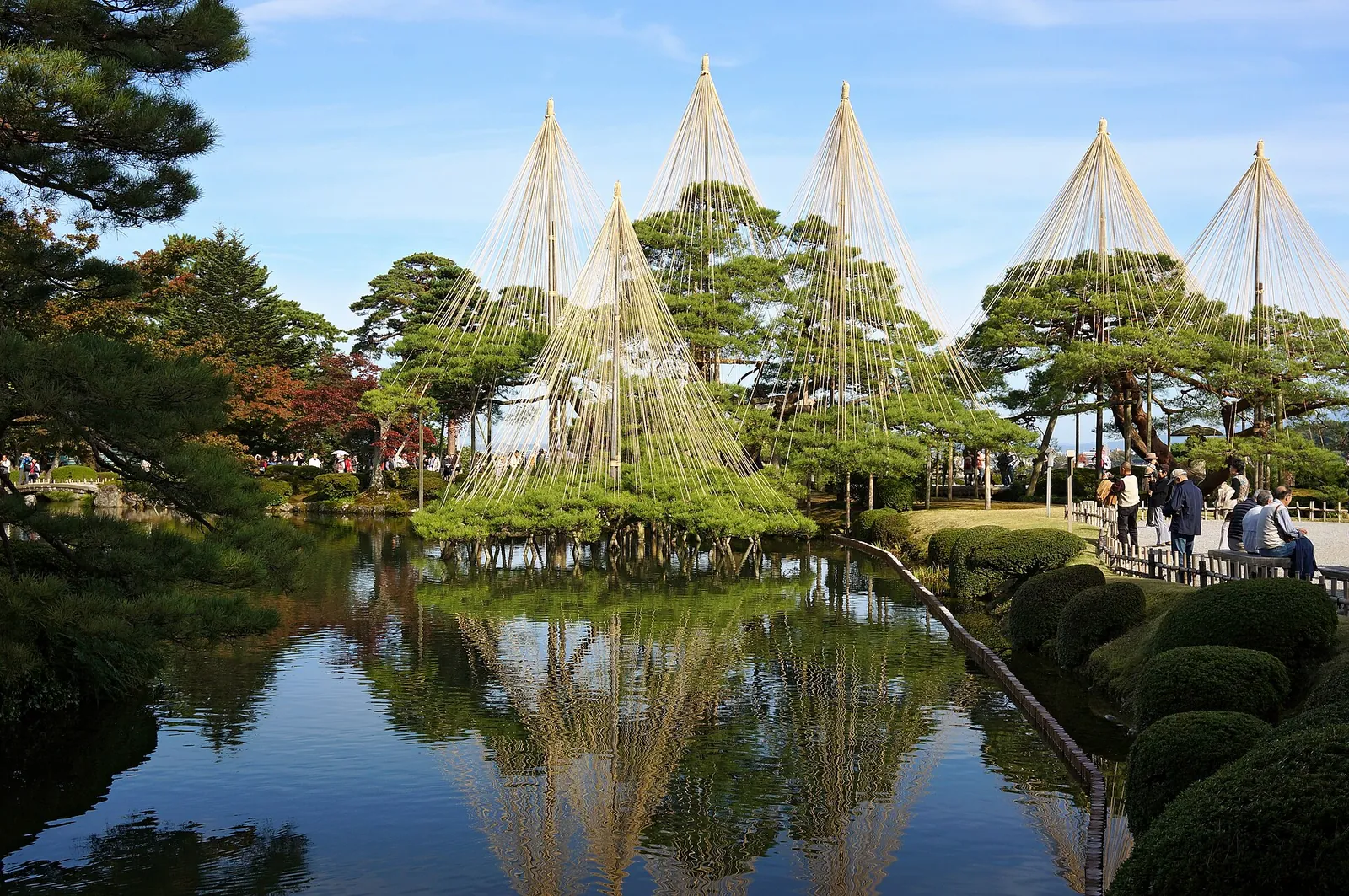
In Kanazawa, Visit Kanazawa says the colour peaks surprisingly late, later than in Hakone. The avenue of American maples from City Hall to Kanazawa Castle Park comes first, from late October to early November; the ginkgo and zelkova of the city centre follow in early November; and Kenroku-en, with its many kinds of tree, keeps its colour from early to late November, while work on the garden's snow ropes, the yukitsuri, begins around 1 November and takes about six weeks.
Mid-November to early December: Tokyo, Miyajima, Kyoto and Kamakura
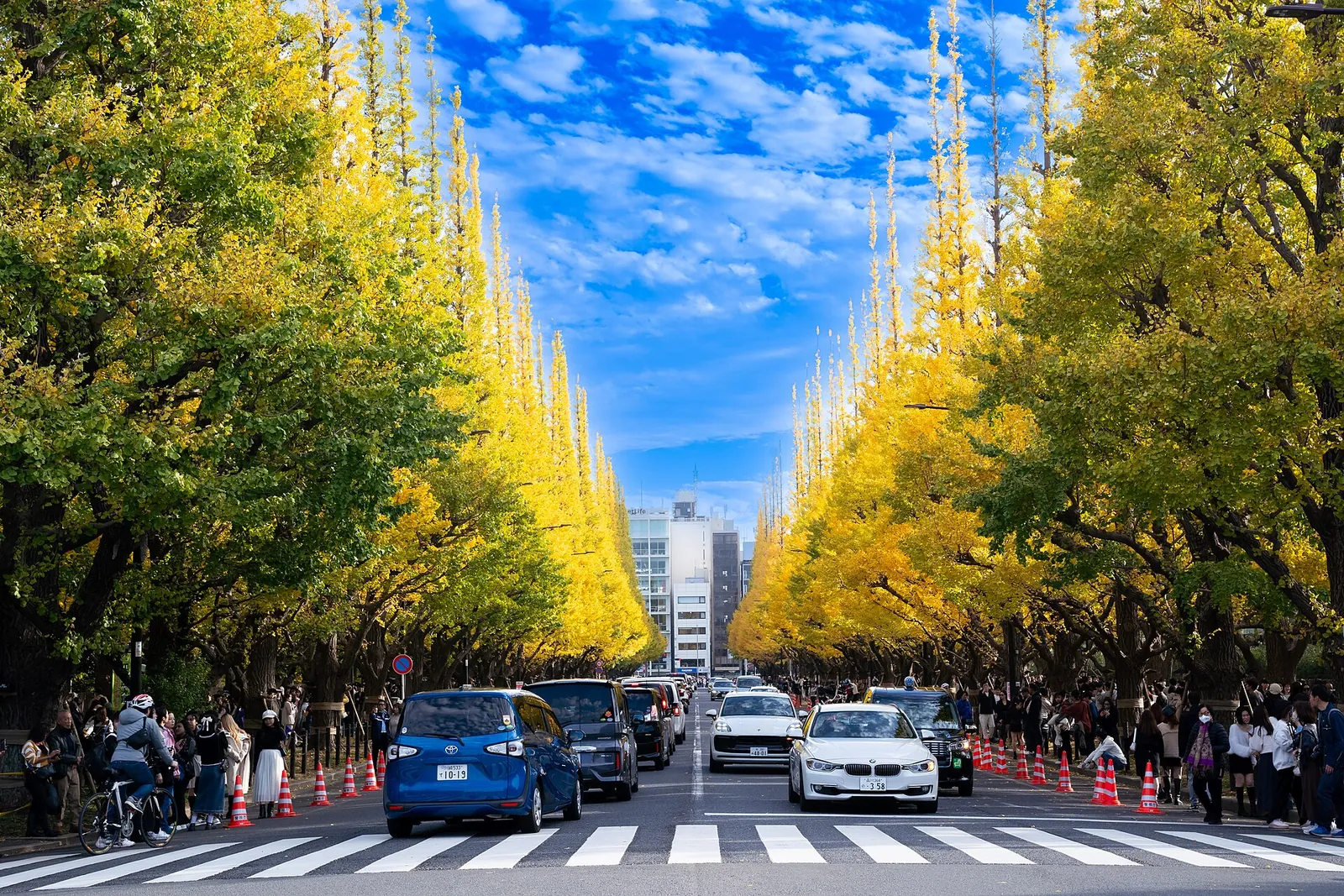
In Tokyo, JNTO sends you to the ginkgo avenue of Meiji Jingu Gaien, yellow from mid-November to early December, and to Koishikawa Korakuen and Rikugien, a traditional garden whose maples are lit in the evenings from mid-November into early December. Kamakura is last of all: its temples are at their best from late November to early December.
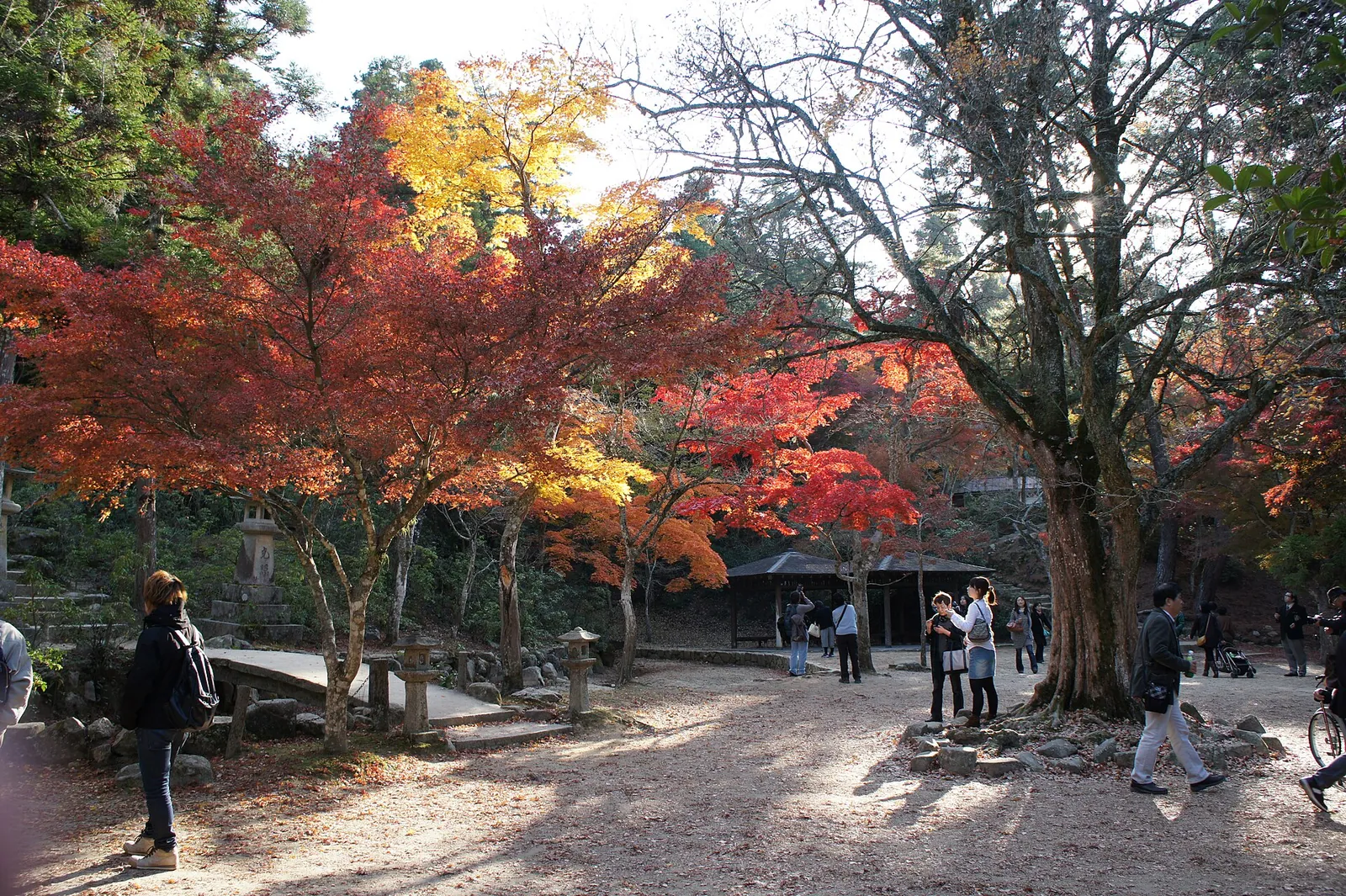
On Miyajima, the tourist association puts the leaves at their best around 20 November, and Momijidani Park, the maple valley at the foot of Mount Misen, has about 700 trees. When checked on 2 November 2026, the Miyajima Ropeway's booking calendar required advance online reservations on every November weekend and on 23 November. Use its reservation calendar for your travel date.
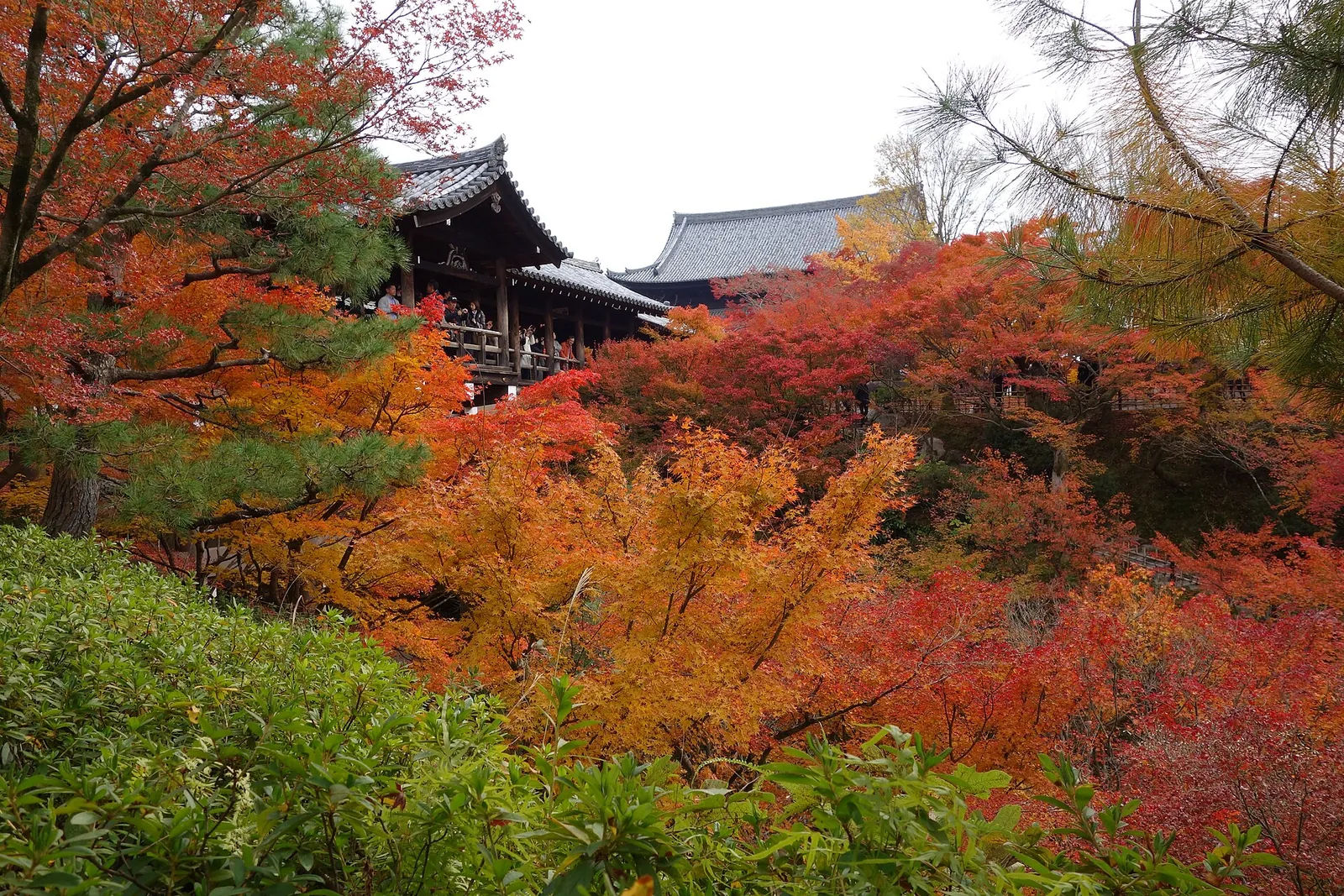
Kyoto's season begins in mid-November, and JNTO warns that the city is particularly busy at the end of the month, when the leaves peak. Two temples show how the season works. At Tofuku-ji, the wooden Tsutenkyo bridge looks down on a ravine of maples; when checked on 2 November 2026, the temple listed 14 November to 6 December as its autumn period, with the bridge and the founder's hall priced at ¥1,000 for adults (¥600 at other times) and opening from 08:30. Photography on the Tsutenkyo and Gaunkyo bridges may be refused in the crowds. The autumn dates change every year. Kiyomizu-dera holds an evening special visit among its lit maples, from 21 to 30 November in 2026, 17:30 to 21:30 with last entry at 21:00 and no reservation needed. If you can only go once, go at opening time on a weekday.
What to book, and in what order
Rooms in Kyoto go first. Our where-to-stay guide for Kyoto advises booking as early as you can for the autumn leaves, with weekdays and the weeks either side easier; book a rate you can cancel, so you can move the dates once the first colour reports appear. In Nikko and Hakone, an overnight stay is what turns a day of traffic into an early morning at the lake.
Then plan the days. See the famous temples and gardens early in the morning or on weekdays, which JNTO recommends for avoiding crowds at popular shrines and temples, and keep the evenings for illuminations. Reserve the Miyajima Ropeway if your date is a peak day, and allow extra time for the roads around Hakone's Owakudani on fine autumn days. Our day trips from Tokyo guide explains which trips are better with a night away in autumn.
Two ways to plan the trip
Follow the colour down, in one leg. The whole descent, from Okunikko or the Alpine Route in mid- to late October to Kyoto and Kamakura at the end of November or the first days of December, takes five to seven weeks. In two to three weeks, pick one leg. The early leg runs from mid-October to early November: Okunikko or the Alpine Route first, then Takayama, Shirakawa-go and Hakone. The late leg runs from mid-November to early December: Kanazawa and Miyajima first, then Kyoto and Kamakura. Each stop catches its own best weeks.
The city peak. Spend about four nights in Tokyo from mid-November and five in Kyoto from about 20 November, with day trips to Nikko's town and shrines or to Kamakura. It is the simpler trip, and it puts you in the gardens when most of the trees are turning; accept that you share them with the rest of Japan.
Practical questions
When is the best time to see autumn leaves in Japan?
It depends on the place: mid-September to early November in the high mountains, October around Nikko's lakes, late October to mid-November in Hakone, and mid-November to early December in Tokyo and Kyoto. JMA's normal maple colour dates are 28 November in Tokyo and 5 December in Kyoto.
When do the leaves peak in Kyoto?
JNTO says Kyoto's season starts in mid-November and the city is particularly busy at the end of the month, when the leaves peak. JMA's observatory maple has a normal date of 5 December, and in recent years it has usually turned later.
Where can I see autumn leaves in October?
In the mountains: the Tateyama Kurobe Alpine Route from mid-September, Okunikko above Nikko from late September to late October, and the Yamagata mountains from late September. Hakone's colour starts in late October.
Do I need to book anything for the autumn leaves?
Book Kyoto rooms as early as you can, and check whether your date is a reservation day for the Miyajima Ropeway, as the operator's November 2026 calendar requires on weekends and 23 November. Some temples charge a higher fee in the autumn season, as Tofuku-ji's published 2026 schedule shows.
Where are the autumn illuminations?
Kiyomizu-dera in Kyoto holds an evening special visit in late November (21 to 30 November in 2026, no reservation), and Rikugien in Tokyo lights its maples from mid-November into early December.
Keep planning your trip
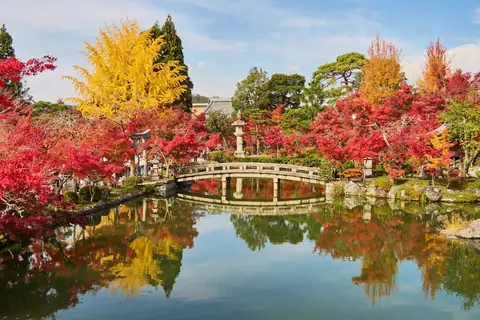
Best time to visit Japan
Pick your month for Japan: blossom, autumn colour, the June rains, summer heat, typhoons and holidays to avoid, such as Golden Week (29 April and 1–5 May 2027).
Read the guide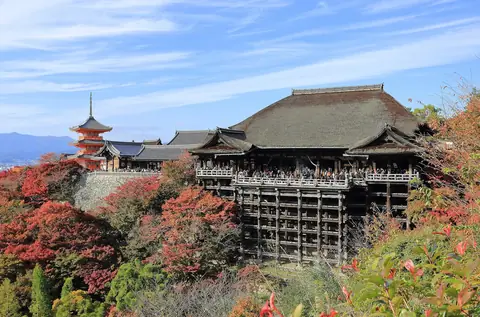
Kyoto
How many nights Kyoto needs, where to base yourself, how to group the sights into east, west and south days, and how to beat the crowds and the buses.
Read the guide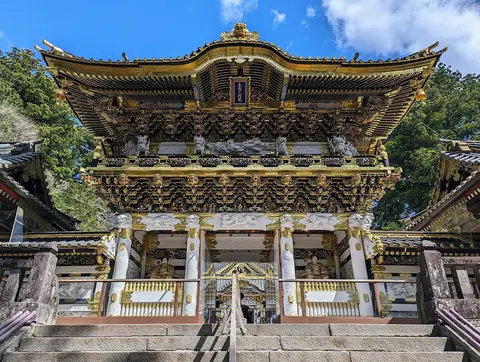
Nikko
Decide whether Nikko is a day trip or worth a night: Tobu trains and the NIKKO PASS from Asakusa, the shrine route, Kegon Falls and autumn road traffic.
Read the guide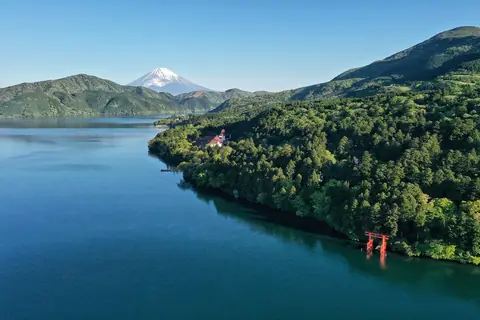
Hakone
How many nights Hakone needs, which area to stay in, which way to ride the Hakone loop, whether the Freepass pays, ropeway closures and onsen manners.
Read the guide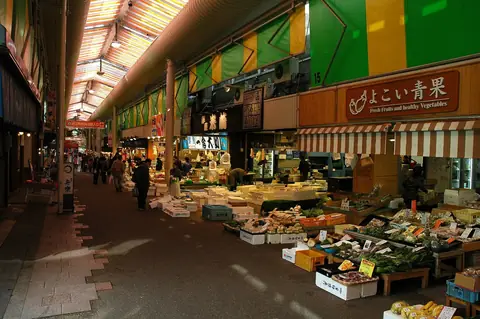
Kanazawa
Whether Kanazawa is worth the detour between Tokyo and Kyoto, how many nights to give it, where to sleep, and how to fit the garden, museums and Shirakawa-go.
Read the guide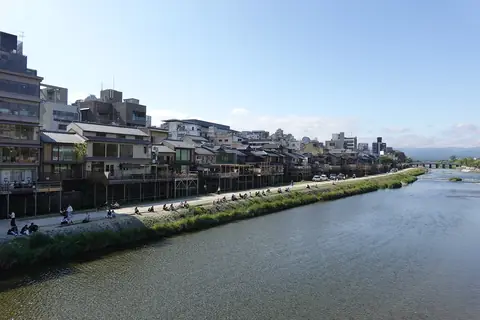
Where to stay in Kyoto
Downtown or Kyoto Station? Six Kyoto areas compared by who they suit and their train lines, plus machiya rentals, ryokan, the hotel tax and Osaka as a base.
Read the guideSources and checks before you travel
(27)
- Japan Meteorological Agency: maple colour progression, 1991–2020 normals (PDF, Japanese) ↗ — opens in a new tab
- Japan Meteorological Agency: maple colour records and normals by station (PDF, Japanese) ↗ — opens in a new tab
- Japan Meteorological Agency: ginkgo yellowing records and normals by station (PDF, Japanese) ↗ — opens in a new tab
- JNTO: autumn in Japan ↗ — opens in a new tab
- JNTO: Japan in November ↗ — opens in a new tab
- JNTO: weather and seasonal guides ↗ — opens in a new tab
- JNTO: business hours and holidays ↗ — opens in a new tab
- Tateyama Kurobe Alpine Route: FAQ ↗ — opens in a new tab
- Visit Nikko (Nikko City Tourism Association): FAQs ↗ — opens in a new tab
- Visit Nikko (Nikko City Tourism Association): getting here ↗ — opens in a new tab
- Nikko City official tourism site: Irohazaka traffic guide 2026 (Japanese) ↗ — opens in a new tab
- JNTO: Yamagata ↗ — opens in a new tab
- Hirosaki Tourism and Convention Bureau: events ↗ — opens in a new tab
- Hakone Navi: Hakone Ropeway ↗ — opens in a new tab
- Yamanashi Tourism Organization: Momiji Corridor (Japanese) ↗ — opens in a new tab
- Hida Takayama Tourism: Hida Folk Village (Hida no Sato) ↗ — opens in a new tab
- Shirakawa-go Tourist Association: seasonal FAQ ↗ — opens in a new tab
- Visit Kanazawa: autumn in Kanazawa ↗ — opens in a new tab
- Visit Kanazawa: winter in Kanazawa ↗ — opens in a new tab
- Miyajima Tourist Association: FAQ (Japanese) ↗ — opens in a new tab
- Dive! Hiroshima (official prefectural tourism site): Miyajima ↗ — opens in a new tab
- Miyajima Ropeway: boarding reservation calendar ↗ — opens in a new tab
- Visit Kamakura: seasons ↗ — opens in a new tab
- Tofuku-ji: visiting information (Japanese) ↗ — opens in a new tab
- Kiyomizu-dera: evening special visit, autumn 2026 ↗ — opens in a new tab
- Kyoto City Tourism Association (kyoto.travel): getting to Kyoto ↗ — opens in a new tab
- GO TOKYO: Haneda Airport access ↗ — opens in a new tab
Reference sources for the version dated 2 November 2026. Confirm opening times, access, transport and conditions for your travel dates.
Photo credits
(5)
The Tsutenkyo bridge at Tofuku-ji, Kyoto, in autumn
Photograph: Luka Peternel — opens in a new tab · CC BY-SA 4.0 — opens in a new tab
Changes: Resized and converted to WebP; displayed with responsive crops. · Original photograph and licence details ↗ — opens in a new tab
Lake Chuzenji from Hangetsuyama, Okunikko, above Nikko
Photograph: lumoplank — opens in a new tab · CC0 — opens in a new tab
Changes: Resized and converted to WebP; displayed with responsive crops. · Original photograph and licence details ↗ — opens in a new tab
The ginkgo avenue at Meiji Jingu Gaien, Tokyo
Photograph: Dick Thomas Johnson from Tokyo, Japan — opens in a new tab · CC BY 2.0 — opens in a new tab
Changes: Resized and converted to WebP; displayed with responsive crops. · Original photograph and licence details ↗ — opens in a new tab
Snow ropes going up at Kenroku-en, Kanazawa, in November
Photograph: 663highland — opens in a new tab · CC BY 2.5 — opens in a new tab
Changes: Resized and converted to WebP; displayed with responsive crops. · Original photograph and licence details ↗ — opens in a new tab
Momijidani Park on Miyajima in autumn
Photograph: tina_kazusa — opens in a new tab · CC BY 3.0 — opens in a new tab
Changes: Resized and converted to WebP; displayed with responsive crops. · Original photograph and licence details ↗ — opens in a new tab