Where to go in Asia in May: the last spring weeks and the dry south
May splits Asia in two. In the north it is the last month of spring before the rains and the heat: Tokyo, Seoul and Beijing are warm, Samarkand and Bukhara have their best weeks, and Bhutan's valleys are green. Across most of the south the monsoon is arriving: the Andaman coast of Thailand, Sri Lanka's south-west coast, the Maldives and Cambodia all turn wetter during the month, and north India passes 39°C. The exception is Indonesia, where Bali and Java are in their dry season. Here are six trips that suit May, what a day costs on each, the holidays that change a booking, and the places to leave for another month.
In this guide
The short answer
In May, go to Japan after Golden Week, South Korea, Beijing and Xi'an once China's early-May Labour Day break is over, Uzbekistan and Almaty, Bali and Java in their dry season, or Bhutan's western valleys. A mid-range day costs about EUR 150 a person in Japan, EUR 160 in South Korea, EUR 135 in China and EUR 90 in Bali, all-in. Skip Delhi and Rajasthan, where May averages about 40°C, Thailand's Andaman coast and Sri Lanka's south-west beaches as the south-west monsoon starts, and the Maldives from mid-May. The second half of May is the calmer time to travel in Japan.
- Key point
- One country for 7-10 days, or two neighbouring ones in 14 days.
- Where it applies
- Tokyo and Kyoto, Seoul and Busan, Beijing and Xi'an, Samarkand and Bukhara, Ubud and the south coast of Bali, Paro and Thimphu.
- Timing
- May, late spring in East and Central Asia, the dry season in Bali and Java, and the start of the south-west monsoon in South and mainland Southeast Asia.
May at a glance
These six trips are the ones where May's weather works in your favour. The table compares them, with the mid-range cost of a day.
| Trip | May weather | Mid-range day, per person | Holidays and events |
|---|---|---|---|
| Japan after Golden Week | Warm, before the rainy season | EUR 150 | Golden Week to 5 May; Grand Sumo in mid-May; Aoi Matsuri 15 May |
| South Korea: Seoul, Jeonju and Busan | Warm and fairly dry | EUR 160 | Children's Day 5 May; Buddha's Birthday, usually in May |
| Beijing, Xi'an and Shanghai | Warm in the north; rain builds in Shanghai | EUR 135 | Labour Day break in early May; avoid it |
| Uzbekistan and Almaty | Warm, mostly dry | EUR 95 / EUR 90 | Boysun Bahori, early May; Remembrance Day 9 May |
| Bali and Java | Dry season | EUR 90 | Waisak, May or early June |
| Bhutan's western valleys | Mild, occasional showers | EUR 265 | Usually no big festival |
Every daily cost on this page is the mid-range level of the country's trip-cost guide: its all-in total per person, for two people sharing a room, divided by its days. That covers rooms, every meal, local transport, sights, a SIM and a 10% buffer; only the international flight is extra. Each guide prices its own route in the season it names, so the figures show the level of a country, not a quote for your dates. Euro amounts use the rate each guide states.
Japan after Golden Week
May is warm across mainland Japan before the rainy season. The Japan Meteorological Agency's 1991-2020 normals give Tokyo a high of 23.6°C, a low of 14.6°C and 139.7 mm of rain, Kyoto a high of 25.1°C and Sapporo a high of 17.9°C. Okinawa is the exception: its rainy season comes earlier, in May and June, and Naha averages 245.3 mm.
Our Japan in 10 days covers Tokyo, Hakone, Kyoto, Hiroshima and Osaka; for the north, Hokkaido in 7 days starts in Sapporo.
In Japan, a mid-range trip costs about EUR 150 a day all-in, from our Japan trip-cost guide, per person with two sharing a room.
Golden Week is the run of national holidays from Showa Day on 29 April to Children's Day on 5 May, with Constitution Day on 3 May and Greenery Day on 4 May. Expect crowded, fully booked transport in the first days of May. The Japan National Tourism Organization calls the second half of May the calmer time to travel. The Hiroshima Flower Festival is usually held from 3 to 5 May, and the Grand Sumo May Tournament fills two weeks in mid-May at the Ryogoku Kokugikan in Tokyo. Kyoto's Aoi Matsuri is held on 15 May every year, and Asakusa Shrine's Sanja Matsuri runs on the Friday to Sunday around the third Saturday of May. The Japan festivals calendar has this year's dates.
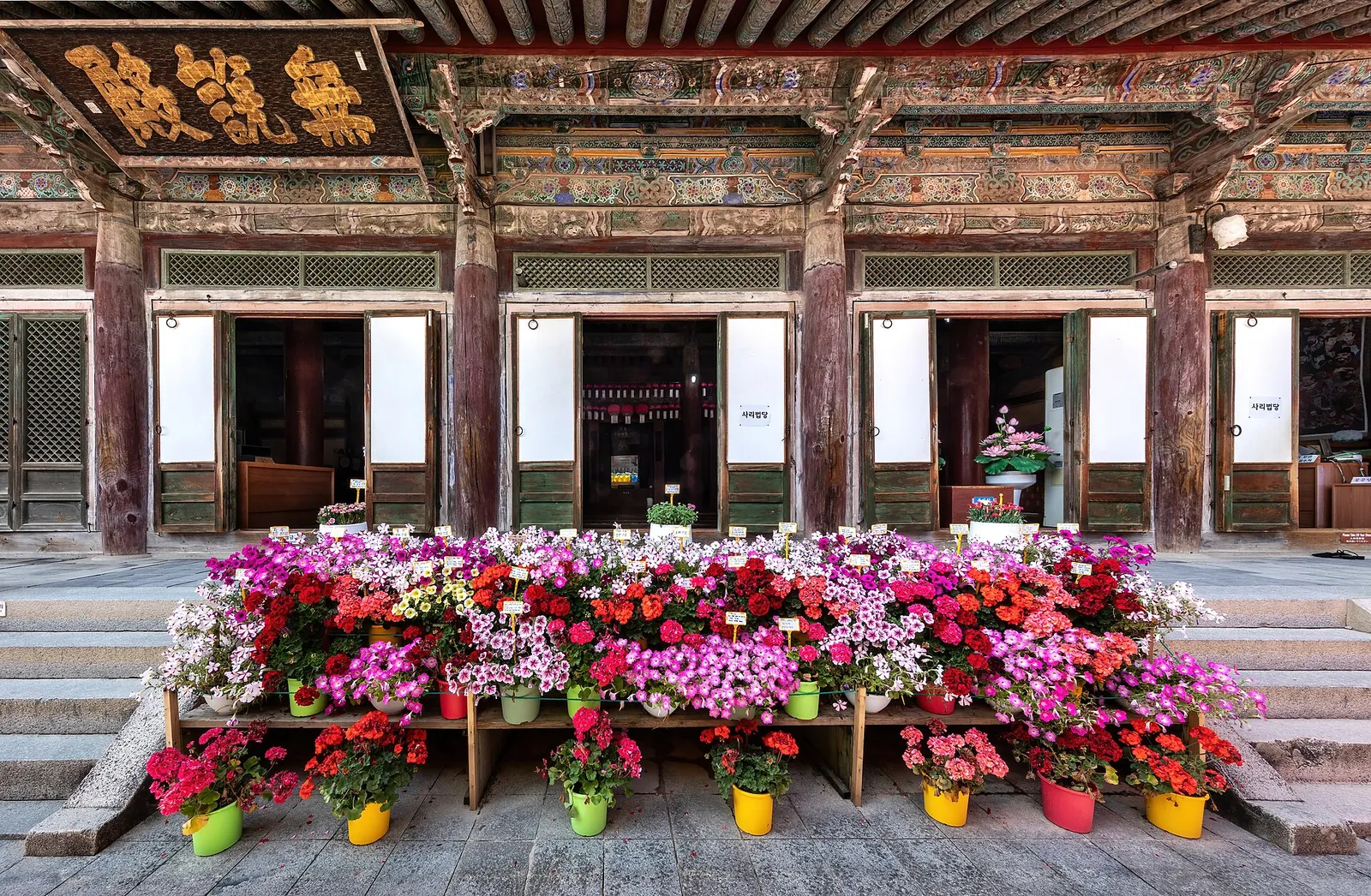
South Korea: Seoul, Jeonju and Busan
May is Korea's other best spring month, warmer than April. The Korea Meteorological Administration's 1991-2020 normals give Seoul a high of 23.6°C, a low of 13.5°C and 103.6 mm of rain, Busan a high of 22.0°C and Jeju a high of 22.1°C.
Our South Korea in 10 days runs by KTX from Seoul to Jeonju, Yeosu, Busan and Gyeongju; with a week, South Korea in 7 days covers Seoul, Gyeongju and Busan.
In South Korea, a mid-range trip costs about EUR 160 a day all-in, from our South Korea trip-cost guide, per person with two sharing a room.
Buddha's Birthday falls on the 8th day of the fourth lunar month, usually in May, and temples hang colourful lanterns for it; Seoul's Lotus Lantern Festival has its own dates. Labour Day (1 May) and Children's Day (5 May) are public holidays too, and a holiday that falls on a weekend moves to the next working day. The South Korea festivals calendar has this year's dates.
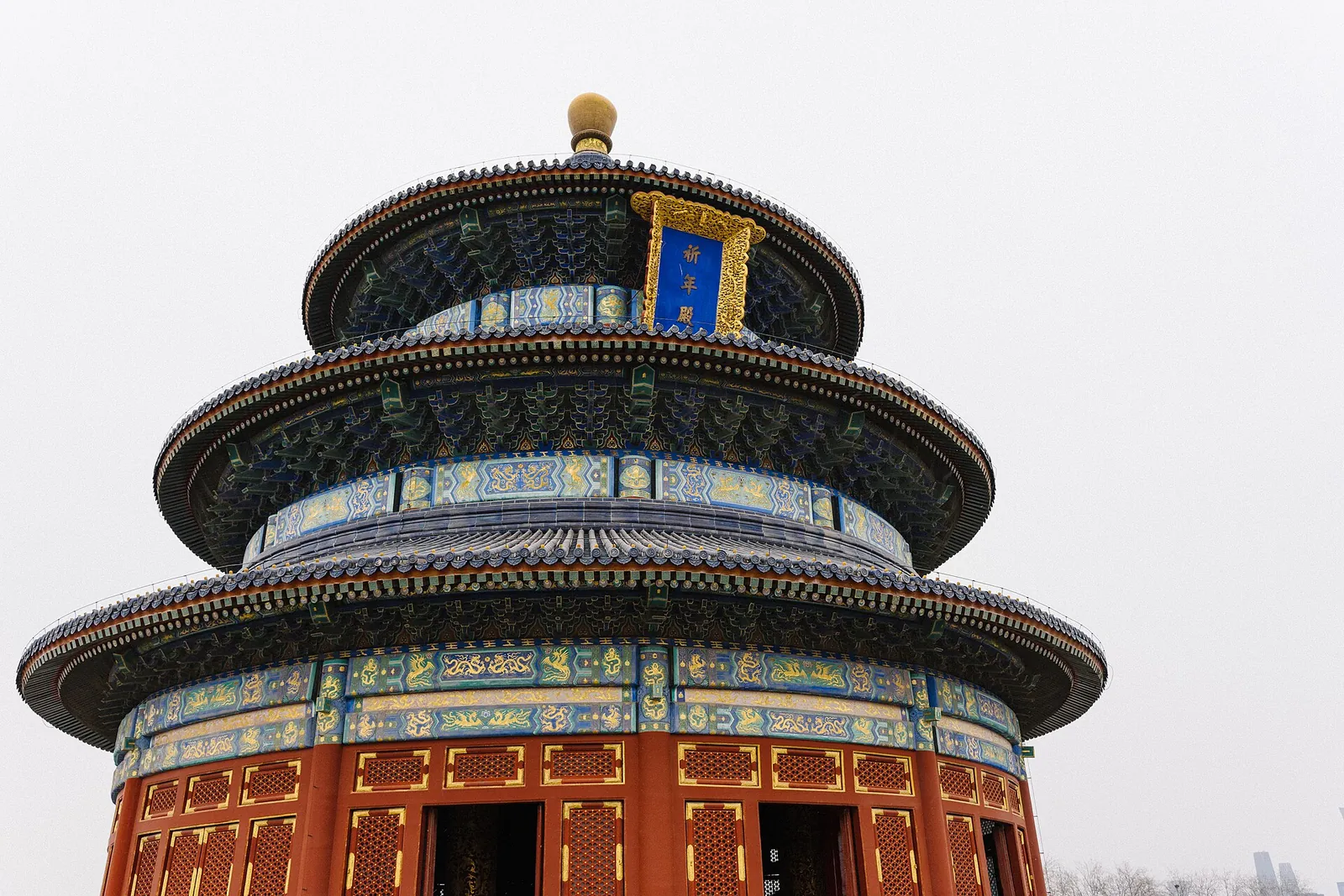
Beijing, Xi'an and Shanghai
For the usual first route through Beijing, Xi'an and Shanghai, the most comfortable months are April to May and late September to October. In May Beijing averages a high of 26.4°C and a low of 13.2°C with 29 mm of rain, and Shanghai a high of 23.5°C with 115 mm, in the 1961-1990 normals that Taiwan's Central Weather Administration publishes. Shanghai's rain builds towards the plum-rain season, which normally starts about 19 June.
Our China in 10 days covers Beijing, Xi'an, Chengdu and Shanghai; China in 7 days keeps to Beijing, Xi'an and Shanghai.
In China, a mid-range trip costs about EUR 135 a day all-in, from our China trip-cost guide, per person with two sharing a room.
The Labour Day break in early May is the one spring week to avoid. By law Labour Day has two days off, 1 and 2 May, and each year the State Council's holiday notice stretches them into a longer break with make-up working days; in 2026 it ran from 1 to 5 May. Treat the break as peak from its first day to its last. The best time to visit China guide has the month-by-month detail.
Uzbekistan and Almaty
May is the warmest of the good spring months on the Silk Road. The Japan Meteorological Agency's 1991-2020 normals give Samarkand a May mean of 21.1°C, Bukhara 23.3°C and Urgench, near Khiva, 22.7°C, with 7-32 mm of rain. Across the border, Almaty averages a high of 21.7°C and a low of 10.9°C in the World Meteorological Organization's figures.
Our Central Asia in 14 days runs from Tashkent to Bishkek: Samarkand and Bukhara by train, the night Talgo to Almaty and Lake Issyk-Kul. For Uzbekistan alone, Uzbekistan in 10 days adds Khiva and Shahrisabz.
In Uzbekistan, a mid-range trip costs about EUR 95 a day all-in, from our Uzbekistan trip-cost guide. In Kazakhstan it is about EUR 90 a day all-in, from our Kazakhstan trip-cost guide. Both are per person with two sharing a room.
Boysun Bahori (Boysun Spring) is a folklore festival held every year in the first ten days of May in a mountain village of the Boysun district, off the main route. Day of Remembrance and Honour, 9 May, is a public holiday in Uzbekistan. The Eids follow the Islamic calendar and move about 11 days earlier each year. The Uzbekistan festivals calendar has this year's dates.
Bali and Java in the dry season
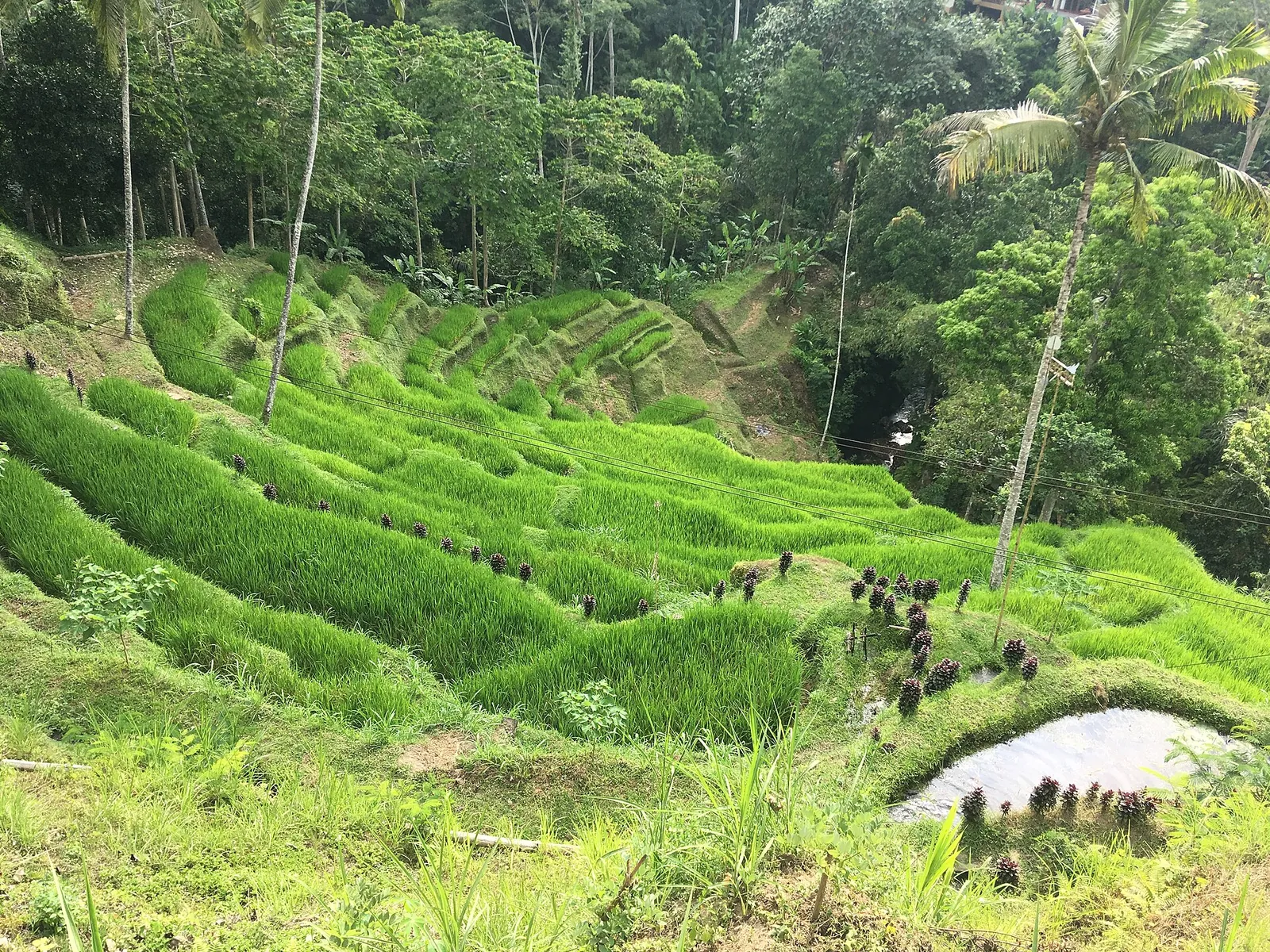
May is one of the surest dry-season months in southern Indonesia. Indonesia's Ministry of Tourism says that in most of the country, Java and Bali included, the dry season runs from April to October and the wet season from November to March, though it calls both seasons relative. The ministry's Bromo page puts the best sunsets later, from July to October.
Our Bali in 7 days splits the week between Ubud and the south coast; Indonesia in 14 days starts in Yogyakarta and crosses to Bali by ferry.
In Bali, a mid-range trip costs about EUR 90 a day all-in, from our Bali trip-cost guide, per person with two sharing a room.
Waisak, the Buddhist holy day, falls at a full moon in May or early June, and the government adds collective-leave days around it. If you hope to see ceremonies at Borobudur, check that year's programme nearer the time. Idul Adha and Ascension Day, which move each year, can also fall in May, and Indonesian domestic travel is busy around these long weekends. The Indonesia festivals calendar has this year's dates.
Bhutan's western valleys
March to May and late September to November are Bhutan's classic months. In May, Paro averages a high of 22.0°C, a low of 10.7°C and 57.9 mm of rain, and Thimphu a high of 24.7°C, in the World Meteorological Organization's 1996-2018 figures: summer weather with occasional showers. The National Center for Hydrology and Meteorology warns that the southernmost areas are prone to severe thunderstorms from April to June, so keep to the western valleys. Our best time to visit Bhutan guide goes through the seasons.
Our Bhutan in 7 days covers Thimphu, Punakha and Paro, with the hike to Tiger's Nest.
In Bhutan, a mid-range trip costs about EUR 265 a day all-in, from our Bhutan trip-cost guide, per person with two sharing a room. That includes the Sustainable Development Fee at the rate the guide gives.
Bhutan's big spring festivals, Paro Tshechu among them, usually fall in March or April, so May rooms in the western valleys are easier to find. Festival dates follow the lunar calendar and move each year; the Bhutan festivals guide lists the Department of Tourism's dates.
Also good in May
Three more places suit May, with conditions.
- Mongolia, at the start of the season: Ulaanbaatar's May averages a high of 17.9°C and a low of 3.2°C, and Gobi camps open fully from 15 May. See the best time to visit Mongolia guide.
- Northern Vietnam and Nha Trang: Vietnam's tourism board gives Hanoi and Ha Long Bay warm, sunny weather from April to June, and Nha Trang is dry until its September-to-December rains, while Ho Chi Minh City and the Mekong Delta start their afternoon downpours in May. See the best time to visit Vietnam guide.
- Sri Lanka for Vesak: Vesak Poya, the full moon that usually falls in May, is a public holiday, and so is the day after it; poya-day rules, such as no alcohol sales, apply. Sri Lanka Tourism says the sea at Mirissa is rougher from May to October, so base yourself inland. See the Sri Lanka festivals calendar.
Where not to go in May, and why
In these places May works against an ordinary trip.
- Delhi, Agra and Rajasthan: the India Meteorological Department's 1991-2020 means give Delhi a May high of 39.9°C and Jaipur 41.1°C. The best time to visit India guide explains why October to March is better.
- Thailand's Andaman coast: the south-west monsoon affects the Andaman from May to October. Samui, Phangan and Tao receive their heavier rain later, especially from October to December; see the best time to visit Thailand guide.
- The Maldives: the Maldives Meteorological Service dates the wet south-west monsoon from mid-May to November.
- Taiwan: Taiwan's Central Weather Administration calls May and June the Mei-Yu season, mostly cloudy to rainy; Taipei averages 239.9 mm in May.
- Hong Kong and Macau: Hong Kong averages 290.6 mm of rain in May and Macau 293.5 mm; Macau's tourism office dates its rainy season from May to September. See the best time to visit Macau guide.
- Cambodia and Laos, if you mind rain: the wet season starts in May, with 128.4 mm in Phnom Penh and 195.1 mm in Vientiane in the 1991-2020 normals.
- Singapore, Malaysia's west coast and Brunei: the inter-monsoon thunderstorms continue; Brunei airport averages 271.8 mm in May.
Practical questions
Where is best in Asia in May?
Japan after Golden Week, South Korea, Beijing and Xi'an, Uzbekistan and Almaty, Bali and Java, and Bhutan's western valleys. Much of South and mainland Southeast Asia turns hot or wet.
Is May a good time to visit Japan?
Yes, outside Golden Week. Tokyo averages a high of 23.6°C in May. Expect crowded, fully booked transport from 1 to 5 May; the Japan National Tourism Organization calls the second half of May the calmer time to travel.
Is Bali good in May?
Yes. Indonesia's Ministry of Tourism puts Bali and Java in the dry season from April to October. Waisak, in May or early June, and the moving Islamic and Christian holidays make some weekends busy with domestic travellers.
Is Thailand good in May?
Only in parts. The south-west monsoon affects the Andaman coast from May to October, and the Tourism Authority of Thailand puts the hot season from March to May. Samui, Phangan and Tao receive their heavier rain later, especially from October to December.
How much does a day in Asia cost in May?
From our trip-cost guides, a mid-range day costs about EUR 90 a person in Bali and in Kazakhstan, EUR 95 in Uzbekistan, EUR 135 in China, EUR 150 in Japan and EUR 160 in South Korea, all-in except the international flight.
Keep planning your trip
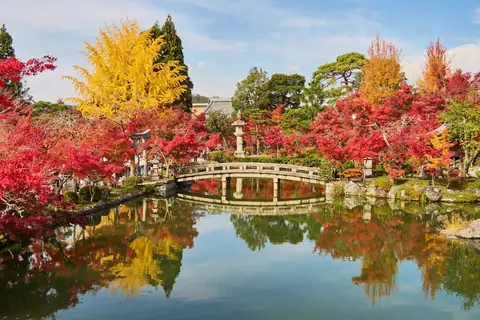
Best time to visit Japan
Pick your month for Japan: blossom, autumn colour, the June rains, summer heat, typhoons and holidays to avoid, such as Golden Week (29 April and 1–5 May 2027).
Read the guide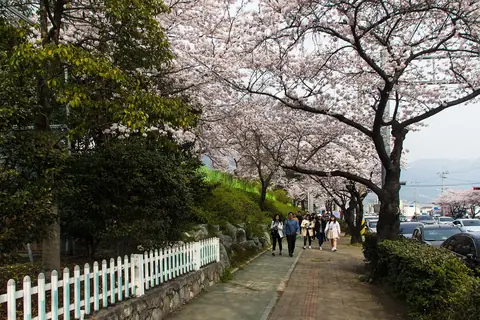
Best time to visit South Korea
Cherry blossom from late March to mid-April, autumn colour from early October on Seoraksan: which month to book, rains, typhoons and holidays that fill trains.
Read the guide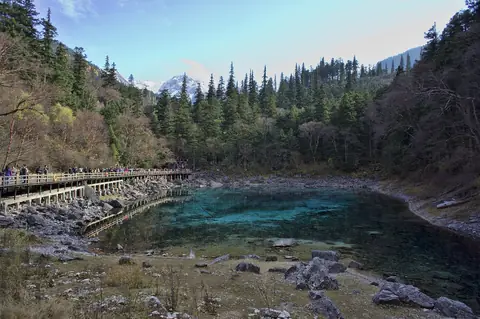
Best time to visit China
When to go to China by region and month: spring and autumn for Beijing, Xi’an and Shanghai, rain and typhoon seasons, and the expected 2027 holiday peaks.
Read the guide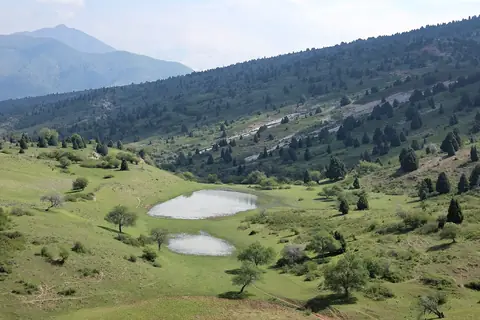
Best time to visit Uzbekistan
Choose your Uzbekistan dates by season: spring and autumn for walking, the summer chillya, winter air, Ramadan, Navruz and the school holidays, month by month.
Read the guide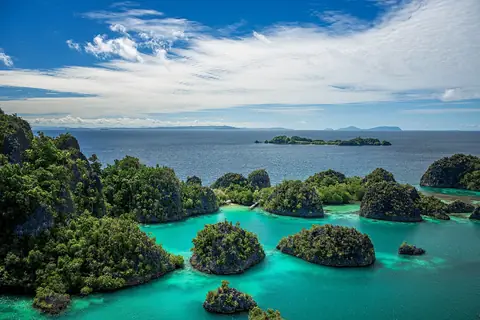
Best time to visit Indonesia
Which months suit Bali, Java, Komodo, Sumatra and Raja Ampat, how sea and fire change plans, and the 2027 Nyepi and Lebaran dates, and what Ramadan changes.
Read the guide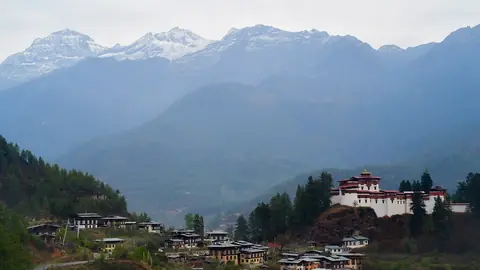
Best time to visit Bhutan
When to visit Bhutan: dry spring and autumn, the June-September monsoon, clear winters, 2027 festival months and Paro and Thimphu weather by month.
Read the guideSources and checks before you travel
(47)
- Japan Meteorological Agency: Tokyo normals 1991-2020 ↗ — opens in a new tab
- Japan Meteorological Agency: Kyoto normals 1991-2020 ↗ — opens in a new tab
- Japan Meteorological Agency: Sapporo normals 1991-2020 ↗ — opens in a new tab
- Japan Meteorological Agency: Naha normals 1991-2020 ↗ — opens in a new tab
- Japan Meteorological Agency: rainy season ↗ — opens in a new tab
- Cabinet Office, Japan: national holidays ↗ — opens in a new tab
- Japan National Tourism Organization: Japan in May ↗ — opens in a new tab
- Hiroshima Flower Festival: official site ↗ — opens in a new tab
- Japan Sumo Association: tournament schedule ↗ — opens in a new tab
- Kyoto City Official Travel Guide: Aoi Matsuri ↗ — opens in a new tab
- Asakusa Shrine: Sanja Matsuri ↗ — opens in a new tab
- Korea Meteorological Administration: 1991-2020 normals (May) ↗ — opens in a new tab
- Korea Law Translation Center: Regulations on Public Holidays ↗ — opens in a new tab
- Central Weather Administration, Taiwan: China mean maximum temperature ↗ — opens in a new tab
- Central Weather Administration, Taiwan: China mean minimum temperature ↗ — opens in a new tab
- Central Weather Administration, Taiwan: China precipitation ↗ — opens in a new tab
- State Council, China: national holiday rules ↗ — opens in a new tab
- Xinhua: State Council notice on 2026 holidays ↗ — opens in a new tab
- Japan Meteorological Agency: ClimatView, Samarkand ↗ — opens in a new tab
- Japan Meteorological Agency: ClimatView, Bukhara ↗ — opens in a new tab
- Japan Meteorological Agency: ClimatView, Urgench ↗ — opens in a new tab
- World Meteorological Organization: Almaty ↗ — opens in a new tab
- Uzbekistan Travel: Boysun Bahori ↗ — opens in a new tab
- Indonesia's Ministry of Tourism (Indonesia Travel): weather and climate ↗ — opens in a new tab
- Ministry of State Secretariat, Indonesia: 2027 holidays and collective leave ↗ — opens in a new tab
- World Meteorological Organization: Paro ↗ — opens in a new tab
- World Meteorological Organization: Thimphu ↗ — opens in a new tab
- National Center for Hydrology and Meteorology, Bhutan: seasons ↗ — opens in a new tab
- Department of Tourism, Bhutan: tentative festival dates 2027 ↗ — opens in a new tab
- World Meteorological Organization: Ulaanbaatar ↗ — opens in a new tab
- Vietnam National Authority of Tourism: weather and climate ↗ — opens in a new tab
- Central Bank of Sri Lanka: bank holidays 2027 ↗ — opens in a new tab
- Sri Lanka Tourism: Mirissa ↗ — opens in a new tab
- India Meteorological Department: Safdarjung (Delhi) climatology ↗ — opens in a new tab
- India Meteorological Department: Jaipur climatology ↗ — opens in a new tab
- Tourism Authority of Thailand: monsoon season ↗ — opens in a new tab
- Tourism Authority of Thailand: a year-round destination ↗ — opens in a new tab
- Maldives Meteorological Service: climate ↗ — opens in a new tab
- Central Weather Administration, Taiwan: climate of Taiwan ↗ — opens in a new tab
- Central Weather Administration, Taiwan: precipitation normals ↗ — opens in a new tab
- Hong Kong Observatory: climatological normals 1991-2020 ↗ — opens in a new tab
- Japan Meteorological Agency: ClimatView, Macau (Taipa Grande) ↗ — opens in a new tab
- Macao Government Tourism Office: practical information ↗ — opens in a new tab
- Japan Meteorological Agency: ClimatView, Phnom Penh ↗ — opens in a new tab
- Japan Meteorological Agency: ClimatView, Vientiane ↗ — opens in a new tab
- Meteorological Service Singapore: climate of Singapore ↗ — opens in a new tab
- Japan Meteorological Agency: ClimatView, Brunei airport ↗ — opens in a new tab
Reference sources for the version dated 2 November 2026. Confirm opening times, access, transport and conditions for your travel dates.
Photo credits
(5)
The Temple of Heaven in Beijing.
Photograph: Lloyd Tudor — opens in a new tab · CC BY-SA 4.0 — opens in a new tab
Changes: Resized and converted to WebP; displayed with responsive crops. · Original photograph and licence details ↗ — opens in a new tab
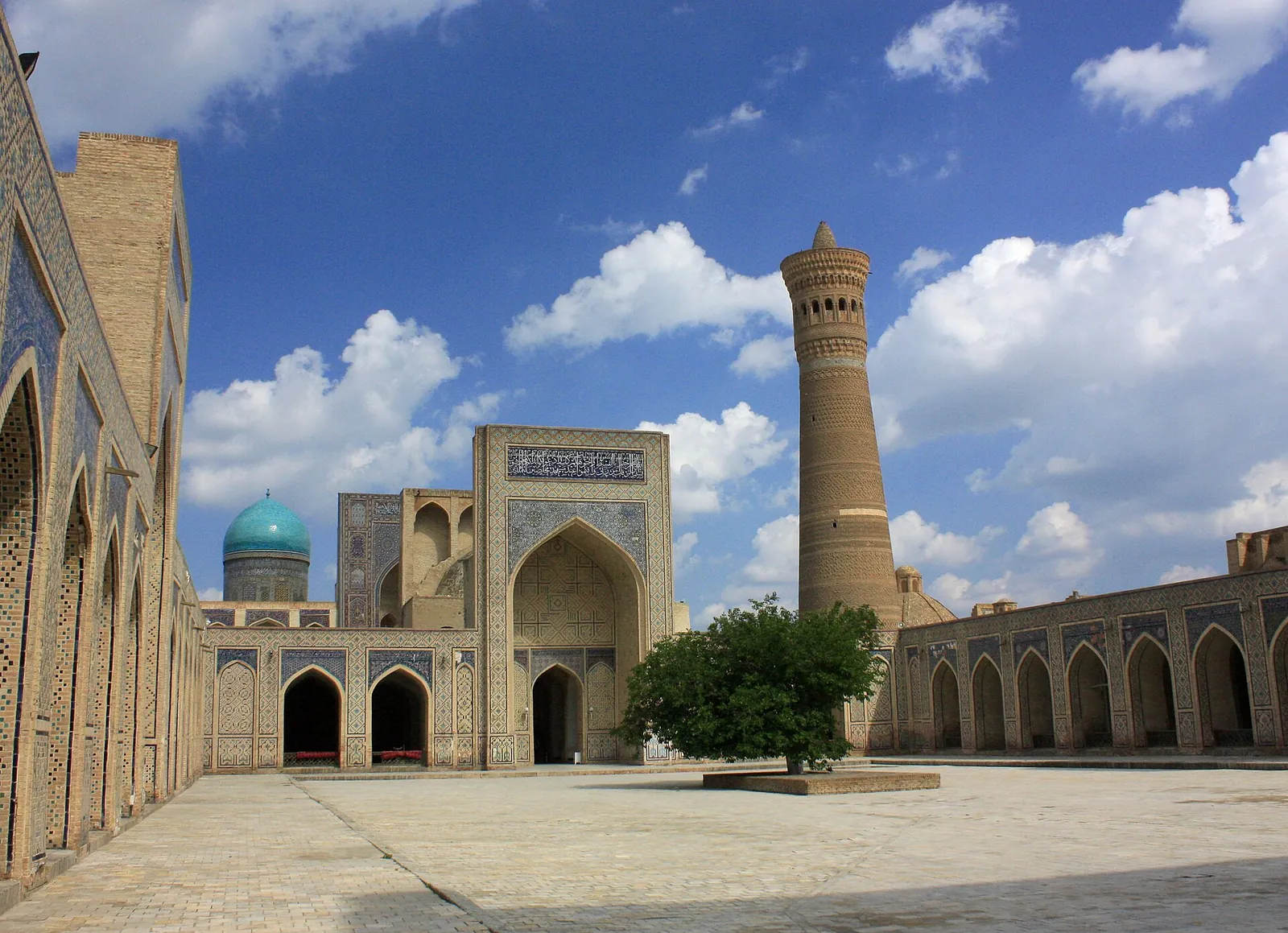
The Po-i-Kalyan complex in Bukhara.
Photograph: RK — opens in a new tab · CC BY-SA 4.0 — opens in a new tab
Changes: Resized and converted to WebP; displayed with responsive crops. · Original photograph and licence details ↗ — opens in a new tab
Bulguksa temple in Gyeongju.
Photograph: Basile Morin — opens in a new tab · CC BY-SA 4.0 — opens in a new tab
Changes: Resized and converted to WebP; displayed with responsive crops. · Original photograph and licence details ↗ — opens in a new tab
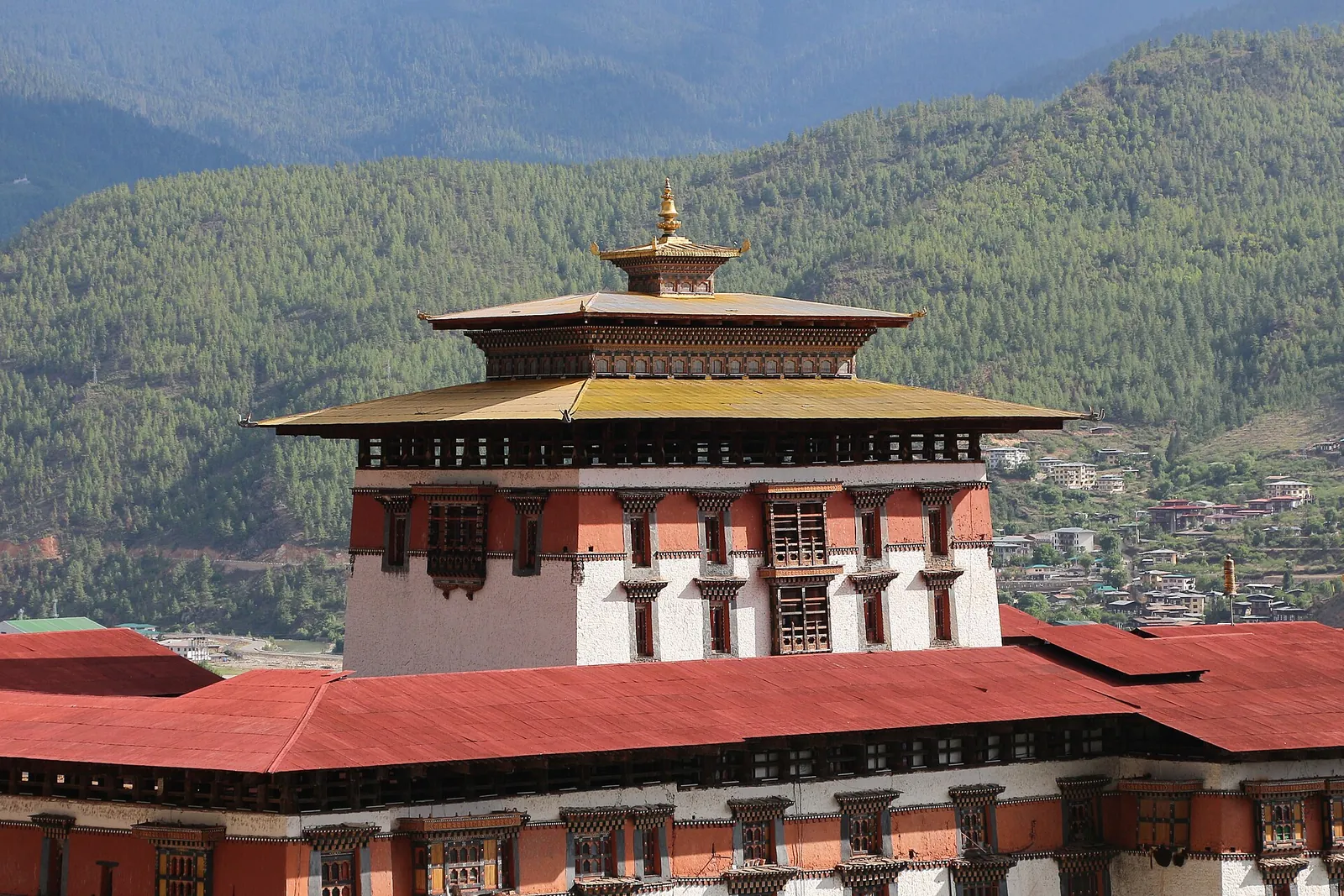
Rinpung Dzong in Paro.
Photograph: Bernard Gagnon — opens in a new tab · CC BY-SA 4.0 — opens in a new tab
Changes: Resized and converted to WebP; displayed with responsive crops. · Original photograph and licence details ↗ — opens in a new tab
The rice terraces at Tegallalang, Bali.
Photograph: Christophe95 — opens in a new tab · CC BY-SA 4.0 — opens in a new tab
Changes: Resized and converted to WebP; displayed with responsive crops. · Original photograph and licence details ↗ — opens in a new tab