Plan your trip
Best time to visit Uzbekistan: weather and holidays by month
For a Silk Road trip the weather question is about heat and cold rather than rain, and the calendar question comes down to a handful of dates. This guide rates each month for a seven-day route through Tashkent, Samarkand and Bukhara or the ten-day route that adds Khiva, and describes what each season looks like in each city.
In this guide
Find the location ↗ — opens in a new tabThe short answer
Book six nights (two in Tashkent, two in Samarkand, two in Bukhara), or nine with three in Samarkand and two in Khiva added, for April–May or September–October. Reserve Afrosiyob seats first, as sales open 60 days ahead: Tashkent–Samarkand economy is UZS 311,000 on the fares in force since 1 February 2026. The Registan costs UZS 100,000 for foreign visitors. Summer’s chillya heat and Tashkent’s winter air are the months to avoid.
- Key point
- 7 days to 10 days on the Silk Road route
- Where it applies
- Tashkent, Samarkand and Bukhara, with Khiva on the ten-day route
- Timing
- April–May and September–October are the best months. The summer chillya runs from after 20 June to early August, the winter chillya from mid-December to almost the end of January, and poor city air is a risk from November to February.
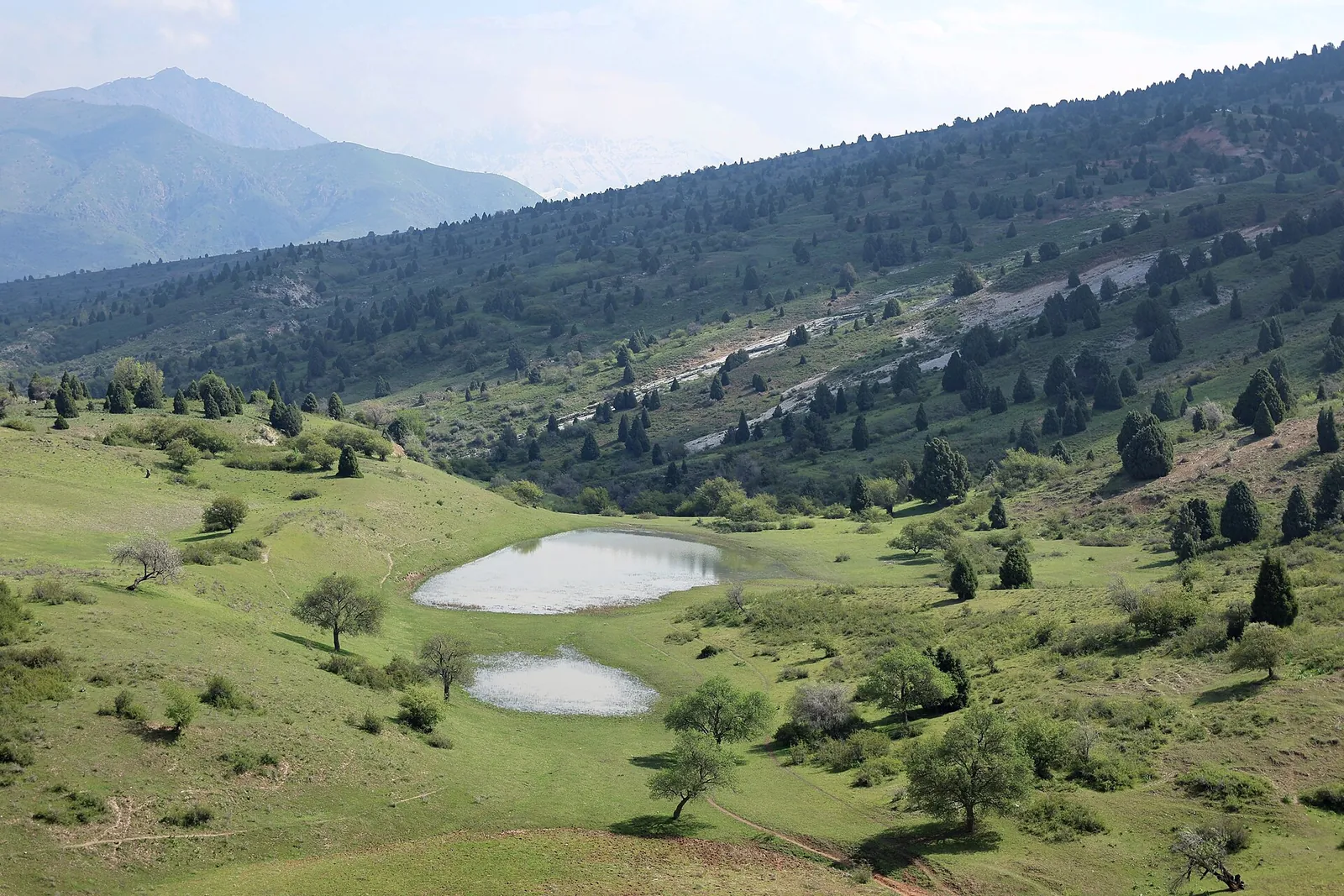
Spring and autumn: the walking seasons
Uzbekistan Travel, the official tourism portal, calls spring and autumn “the velvet season”, the time to walk the Great Silk Road routes. The climate is mostly hot and dry, and the national range runs from below −6°C in the coldest month to above 32°C in the hottest. Germany’s Foreign Office adds that extremes of heat and cold can change very quickly, so pack a warm layer and sun protection for any spring or autumn week.
Spring has its own festival: Navruz, the Eastern new year, falls on 21 March, but its festivities run through the whole month, with sumalak and other national dishes cooked, folk festivals and streets decorated with spring flowers. You do not have to be in a city on the 21st to see it.
Samarkand’s Registan keeps the longest hours in the season. It is open daily with no weekly closure: 07:00–24:00 from 20 February to 20 November, and 08:00–20:00 from 20 November to 20 February; a notice on the same page set different winter hours in 2025–26, so check the winter hours before a winter evening visit. Foreign visitors pay UZS 100,000. In the season the evenings are part of the visit: Gur-e-Amir, Bibi-Khanym, the Afrasiab museum and the Ulugh Beg Observatory museum stay open until 23:00, and a musical show plays on Registan square every day at 21:00. Autumn keeps the Registan’s late hours until 20 November.
Summer: the chillya in Samarkand, Bukhara and Khiva
Uzbeks call the hottest stretch of summer chillya, from the Uzbek for “40 days”: sweltering, windless heat that starts after 20 June and ends in early August. Do not walk around the city at hot noon, wear a hat and light, comfortable clothing and shoes, and drink as much water as possible.
Samarkand is very hot in summer, so bring a hat and sunglasses, and take the Registan in the evening, when it is open until midnight. Bukhara is hot and arid, and its old centre suits an early start, with museum interiors at midday. Khiva has a dry, desert-like climate, hot but windy in summer; keep the walk along the walls for the early morning or the evening.
August is Khiva’s reason to come in the heat: the traditional Qovun sayli melon festival fills Ichan-Kala with pavilions from the districts of Khorezm, each showing the sweet melons it grows.
Winter: mild in Samarkand, colder in Khiva, poor air in Tashkent
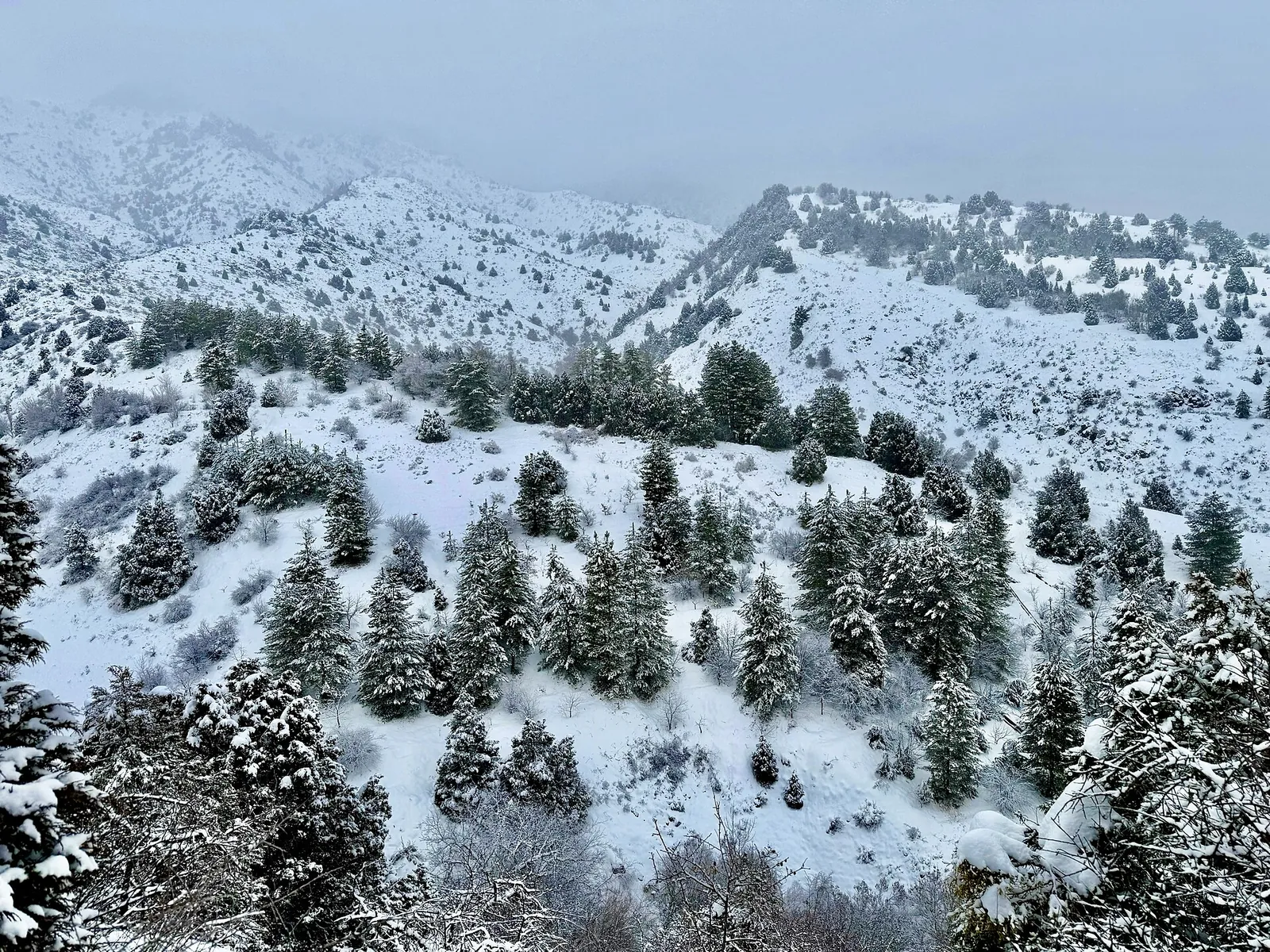
The winter chillya begins in mid-December and lasts almost until the end of January, the coldest period of winter. It suits a museum-led trip in the cities, or snow at one of the ski resorts.
Samarkand winters are usually mild, with temperatures rarely below 0°C and cold snaps rare and mostly at night, so take a warm sweater and scarf; the Registan keeps its shorter off-season hours. Bukhara winters are rather mild, though warm clothes are still needed. Khiva is colder, with temperatures very often below 0°C, so pack warm layers for the walled town.
The UK’s FCDO says poor outdoor air quality is a risk especially between November and February, and that the major cities, including Tashkent and the Fergana Valley, are most affected. Choose spring or autumn for the capital if you can.
In Karakalpakstan and the Khorezm region, where Khiva lies, the FCDO says air quality can be poor all year, because storms over the Aral Sea carry salt, dust and pollutants into the air. Read the day’s World Air Quality Index before a long walk in Khiva and shorten the outdoor hours on a bad day.
Ramadan, Navruz and the school breaks
Ramadan follows the lunar calendar, so it starts earlier each year. Turkey’s calculated calendar puts the first day of Ramadan 1448 on 8 February 2027, Eid al-Fitr on 9 March and Eid al-Adha on 16 May; Uzbekistan’s own announcement may differ by a day. During Ramadan, the FCDO notes, cafés and restaurants may amend their menus and be busy around iftar, the fast-breaking meal, and the areas around mosques are busy at prayer times.
Navruz on 21 March, the first day of each Eid and Independence Day on 1 September are nonworking days. In 2027 Navruz and Eid al-Adha fall on Sundays, so the day off normally moves to the Monday.
Under the general-school rule the autumn break is 4–9 November, the winter break 28 December to 10 January and the spring break 21–27 March, and the summer break runs until 1 September. Our festivals and events guide covers the cultural events of the year.
Month by month
January (hard): cold, with the winter chillya lasting almost to the month’s end and Tashkent in its poor-air season.
February (hard): cold, and Ramadan is expected from about 8 February 2027, which moves evening meals to iftar time.
March (good): spring begins and Navruz festivities fill the month, with Eid al-Fitr about 9 March falling inside it.
April (best): the velvet season with no public holiday on a fixed date.
May (best): still the velvet season, with two holidays: Remembrance Day on 9 May and Eid al-Adha around 16 May.
June (good): the heat builds, and the chillya begins after 20 June.
July (hard): the middle of the chillya.
August (hard): the chillya ends in early August but summer stays very hot; the Khiva melon festival is the reason to come.
September (good): the velvet season returns, and Independence Day on 1 September is the one holiday.
October (best): autumn walking, with the Registan still open until midnight.
November (good): good in Samarkand until the Registan’s off-season hours begin on 20 November, but Tashkent’s poor-air season has started.
December (hard): cold, with the winter chillya from mid-December.
What to book first, and the way to Khiva
Start with the trains. Domestic tickets go on sale 60 days ahead, and the Afrosiyob links the three cities (see our transport guide). Tashkent–Samarkand is the first booking, and Samarkand–Bukhara is a conventional train: the Sharq 710 leaves Samarkand at 11:55 and reaches Bukhara-1 at 14:10 (2 h 15), and the other conventional trains take up to 2 h 32.
Khiva is the far end of the ten-day route. From Tashkent the Jaloliddin Manguberdi train takes 7 h 31 on Tuesday, Thursday and Saturday, with the return on Wednesday, Friday and Sunday, and the overnight train takes 14 h 38 to 14 h 59; the alternative is an Uzbekistan Airways flight to Urgench.
Then book rooms in Samarkand and Bukhara, and in Khiva on the ten-day route. Hotels set their own seasonal rates, so price your exact nights. Our trip-cost guide has the budget.
Practical questions
What is the best month to visit Uzbekistan?
April, May and October rate best: they sit in the velvet season and outside both chillya periods and the winter air season. September and March are good, with a holiday or Ramadan to allow for.
Is Uzbekistan too hot in summer?
July and August are the hardest months. The summer section explains how to plan the day around the chillya.
Is winter a good time to visit?
It suits a museum-led trip in mild Samarkand and Bukhara, with colder weather in Khiva and poor air in Tashkent; see the winter section.
Does Ramadan affect a trip to Uzbekistan?
Ramadan 2027 is expected from about 8 February to 8 March. Restaurants may change their menus and fill up around iftar.
How do I get from Tashkent to Khiva?
The Jaloliddin Manguberdi train takes 7 h 31 on its running days, the overnight train 14 h 38 to 14 h 59, and there are flights to Urgench.
Keep planning your trip
First trip to Uzbekistan
Choose seven days or ten for Tashkent, Samarkand, Bukhara and Khiva: nights, trains, season, registration, money, a SIM and an all-in budget.
Read the guide
Uzbekistan festivals and events 2027
Uzbekistan's 2027 holidays and festivals by month: Navruz, Boysun Bahori, Silk and Spices in Bukhara, Khiva's melon festival and Sharq Taronalari in Samarkand.
Read the guide
Uzbekistan trip cost
Ten days across Tashkent, Samarkand, Bukhara and Khiva, all in: about UZS 9.9 million per person on a budget, 12.7 million mid-range or 18.0 million in comfort.
Read the guide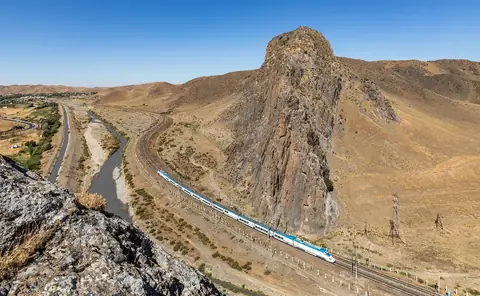
Transport in Uzbekistan
Book Uzbekistan’s trains and flights: the Afrosiyob to Samarkand and Bukhara, the 2026 Khiva trains, domestic fares, airport links and the Tashkent metro.
Read the guide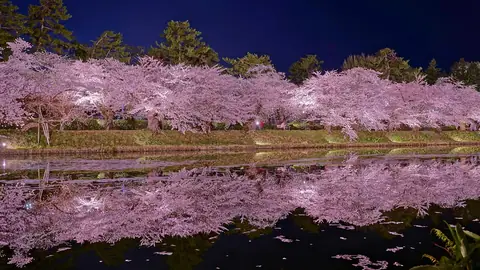
Where to go in Asia in April
April is spring in Japan, Korea, northern Vietnam and the Silk Road, and new year in Thailand. Six trips with daily costs, festivals and places to skip.
Read the guide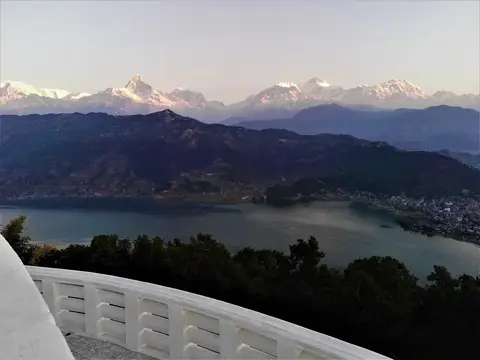
Where to go in Asia in October
October is Asia's best month for the Himalaya, Japan, Korea and north India. Six trips with daily costs, the festivals to plan around and places to skip.
Read the guideSources and checks before you travel
(22)
- Uzbekistan Travel: travel tips ↗ — opens in a new tab
- Registan Ensemble Directorate: homepage ↗ — opens in a new tab
- Uzbekistan Travel: Samarkand ↗ — opens in a new tab
- Uzbekistan Travel: Bukhara ↗ — opens in a new tab
- Uzbekistan Travel: Khiva ↗ — opens in a new tab
- Registan Ensemble Directorate: director’s interview of 2 October 2025 ↗ — opens in a new tab
- Registan Ensemble Directorate: news of 9 September 2026 on night tourism ↗ — opens in a new tab
- Uzbekistan Railways (UTY): ticket sales 60 days ahead ↗ — opens in a new tab
- Diyanet (Turkey): 2027 religious days ↗ — opens in a new tab
- Lex.uz: Labour Code of Uzbekistan, Article 208 ↗ — opens in a new tab
- Lex.uz: Regulation on general secondary education, clause 26 ↗ — opens in a new tab
- UK FCDO: Uzbekistan health ↗ — opens in a new tab
- UK FCDO: Uzbekistan safety and security ↗ — opens in a new tab
- Germany’s Foreign Office (Auswärtiges Amt): Uzbekistan travel and safety advice ↗ — opens in a new tab
- Uzbekistan Tourism: March 21, Navruz holiday ↗ — opens in a new tab
- Uzbekistan Tourism: Qovun sayli to be held in Khiva ↗ — opens in a new tab
- Uzbekistan Railways (UTY): launch of the Jaloliddin Manguberdi train ↗ — opens in a new tab
- Uzbekistan Railways (UTY): timetable ↗ — opens in a new tab
- Uzbekistan Railways (UTY): notice of train time changes from 9 September ↗ — opens in a new tab
- Anhor.uz: train fares raised by 15% (Russian) ↗ — opens in a new tab
- Kursiv: Afrosiyob ticket prices to rise 15% from February 2026 ↗ — opens in a new tab
- Uzbekistan Railways (UTY): Afrosiyob tariff notice of 16 January 2026 ↗ — opens in a new tab
Reference sources for the version dated 26 October 2026. Confirm opening times, access, transport and conditions for your travel dates.
Photo credits
(5)
Spring meltwater lake in the mountains of Uzbekistan
Photograph: 26D — opens in a new tab · CC BY-SA 4.0 — opens in a new tab
Changes: Resized and converted to WebP; displayed with responsive crops. · Original photograph and licence details ↗ — opens in a new tab
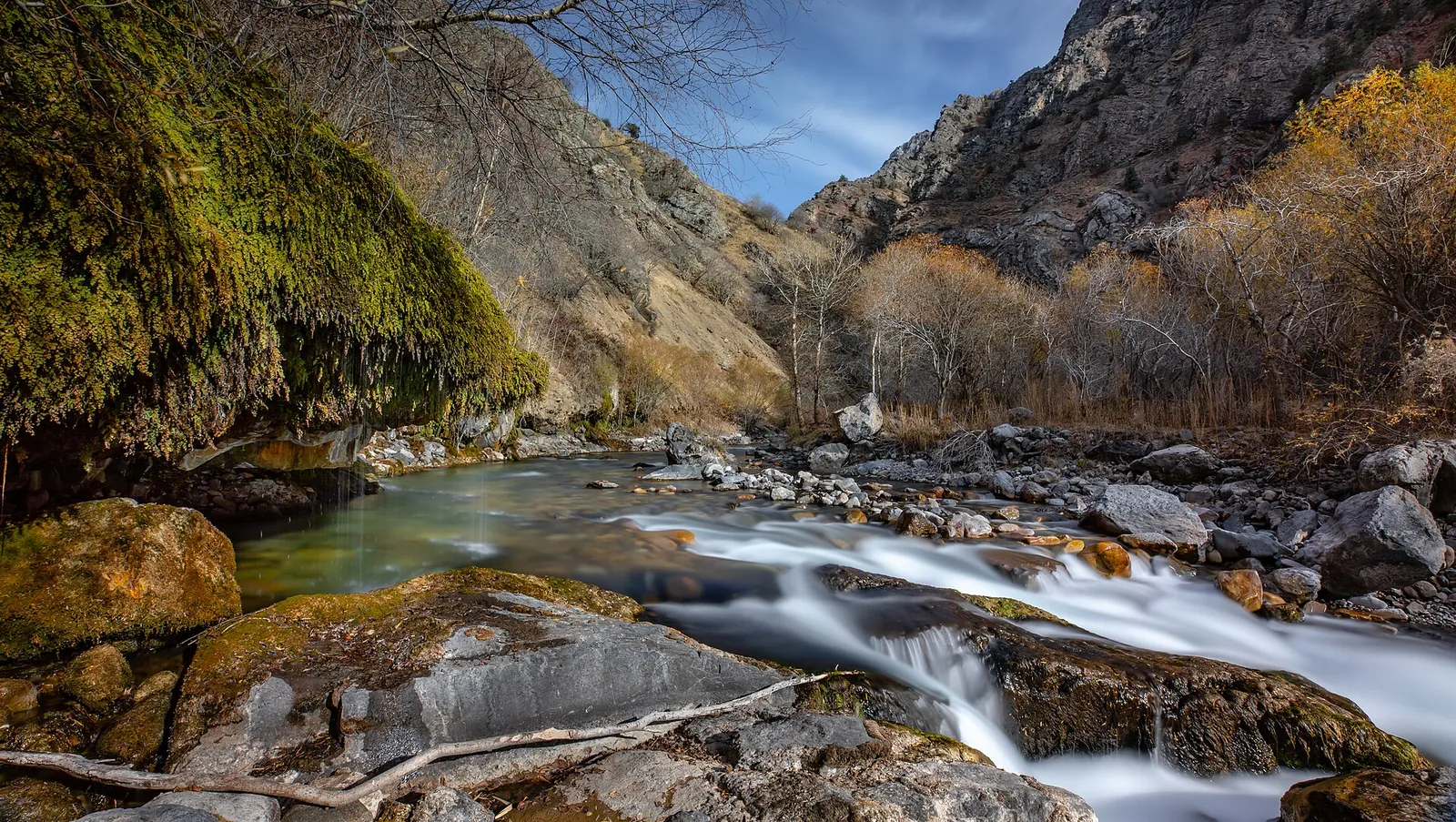
The Koksu in autumn, Ugam-Chatkal National Park, Tashkent Region
Photograph: Marat Nadjibaev — opens in a new tab · CC BY-SA 4.0 — opens in a new tab
Changes: Resized and converted to WebP; displayed with responsive crops. · Original photograph and licence details ↗ — opens in a new tab
Ugam-Chatkal reserve in January, Tashkent Region
Photograph: 26D — opens in a new tab · CC BY-SA 4.0 — opens in a new tab
Changes: Resized and converted to WebP; displayed with responsive crops. · Original photograph and licence details ↗ — opens in a new tab
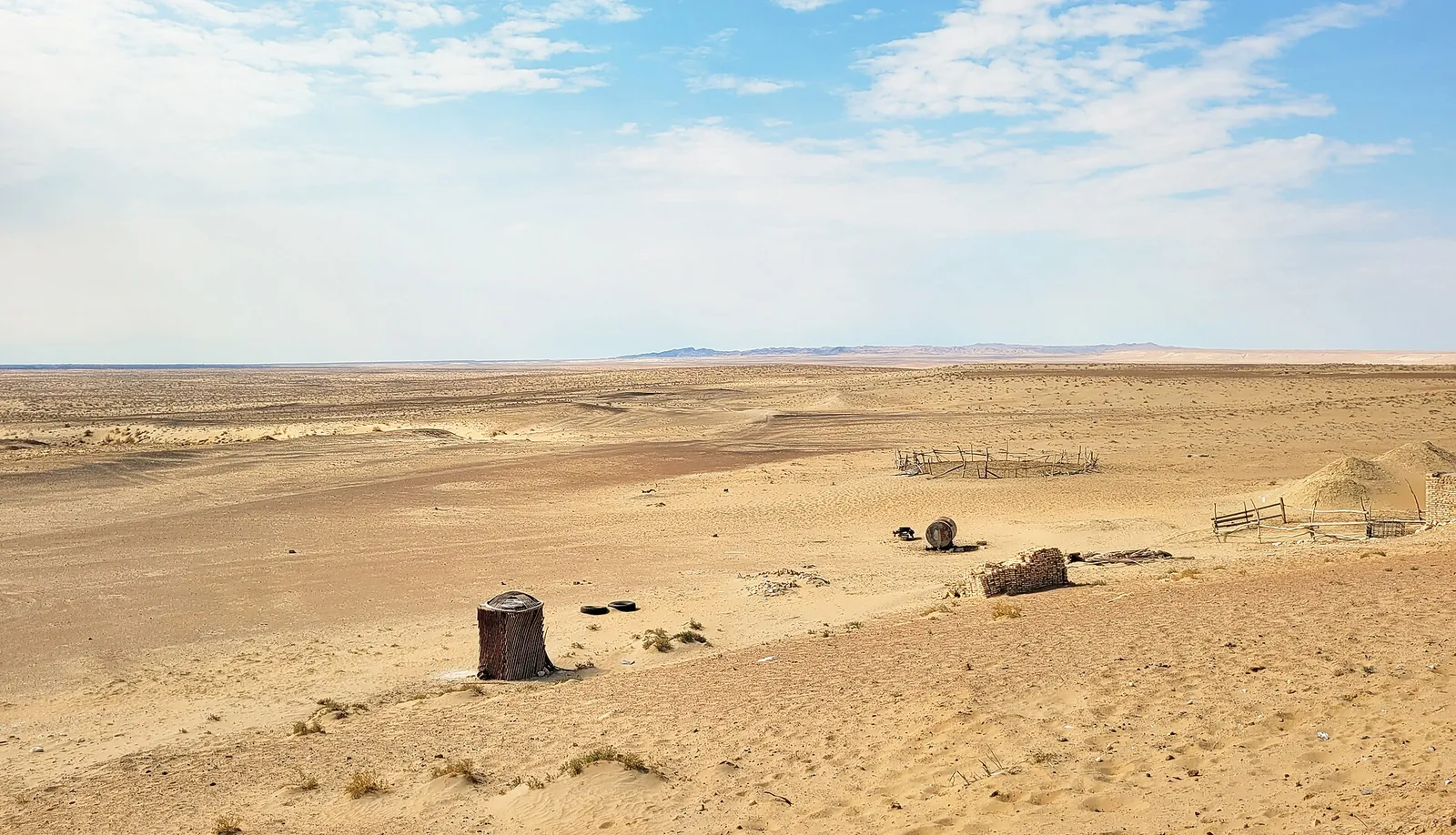
The Kyzylkum Desert near Ayaz-Kala
Photograph: Bgag — opens in a new tab · CC0 — opens in a new tab
Changes: Resized and converted to WebP; displayed with responsive crops. · Original photograph and licence details ↗ — opens in a new tab
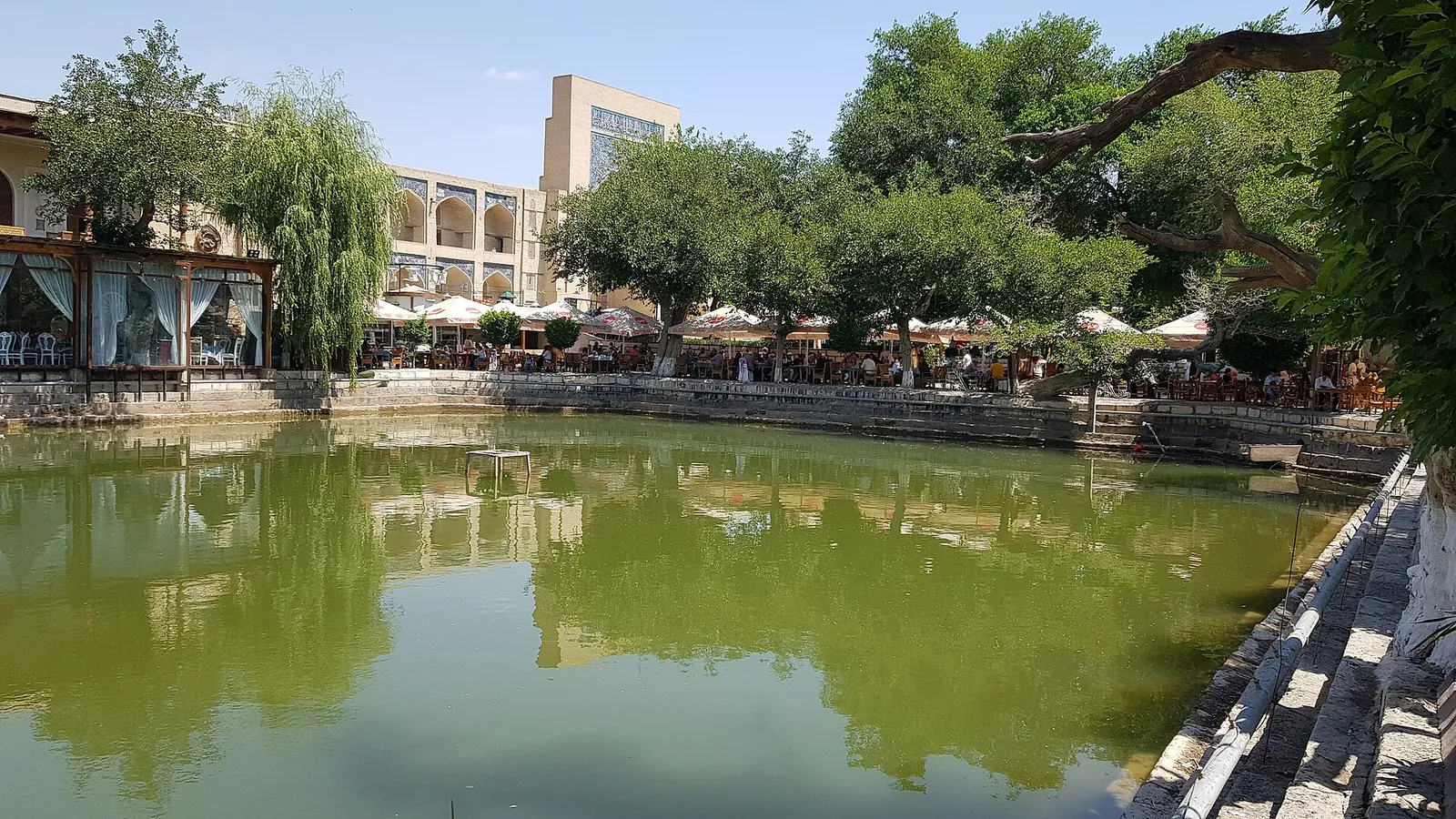
Lyabi-Hauz, the shaded pool at the heart of old Bukhara
Photograph: Myu471 — opens in a new tab · CC BY-SA 4.0 — opens in a new tab
Changes: Resized and converted to WebP; displayed with responsive crops. · Original photograph and licence details ↗ — opens in a new tab