Plan your trip · India
Best time to visit India: seasons, monsoon, heat, smog and festivals
India is big enough that some region is in season every month, but rarely all of them at once. The cool, dry northern winter that suits Delhi, Agra and Jaipur is also the season of fog and the worst smog; the monsoon that stops water sports on Goa's beaches turns Kerala green; and the weeks before the rains bring heat waves to the plains. This guide follows the year as the India Meteorological Department divides it, region by region, then sets out the festivals that move with the lunar calendar and which months suit each of our routes.
- Suggested time
- Best months: November to February for the north and Rajasthan, January for Kerala with Munnar, January or February for the backwaters alone, November to February for Mumbai and Goa
- Where to stay
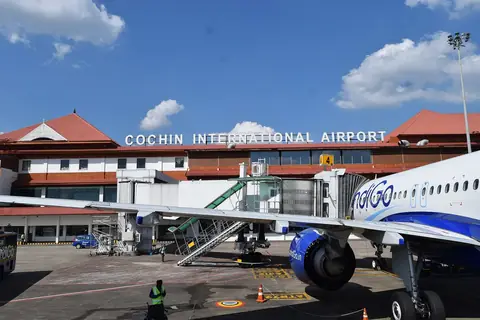
- Northern routes start in Delhi (DEL); Kerala routes at Cochin International Airport (COK); the west coast at Mumbai (BOM) or one of Goa's two airports
- Season and timing
- IMD's seasons: winter January-February, pre-monsoon March-May (heat waves peak in May), southwest monsoon June-September, northeast or post-monsoon October-December (the south's second rains and the main cyclone season)
The short answer
For the north, Delhi, Agra, Jaipur, Varanasi and Rajasthan, go from November to February, or in October or March for warmer days; take Kerala in January if Munnar is on the route, or in January or February for the backwaters alone, and Mumbai and Goa from November to February. Avoid April to June on the northern plains, when IMD's heat-wave season peaks in May. Book the main train legs as soon as your dates are fixed (up to 365 days ahead); apply for the e-Visa at least 4 days before arrival; the e-Visa site allows applications up to 120 days ahead. Two key prices from the official e-Tourist fee table (dated 8 September 2026, checked on 17 October 2026): the 30-day visa costs most European, US, Canadian and Australian passports USD 25 from July to March and USD 10 from April to June.
Four seasons, and which one suits which region
The India Meteorological Department (IMD) divides the year into four seasons: winter in January and February, the pre-monsoon season from March to May, the southwest monsoon from June to September, which IMD calls "the principal rainy season of the country", and the northeast or post-monsoon season from October to December. They do not reach every region in the same way, and that is what decides the month for your route.
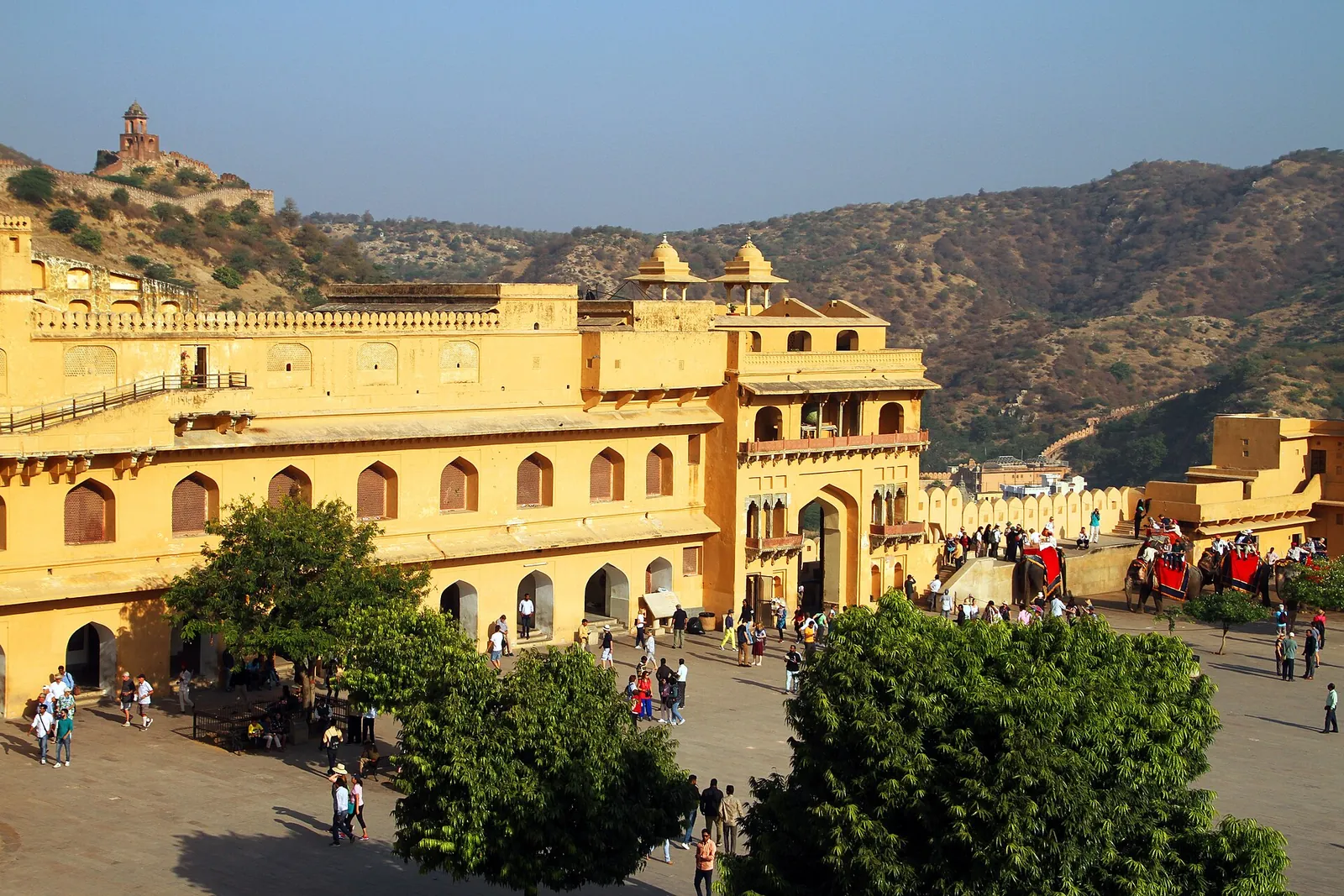
For Delhi, Agra, Jaipur and the rest of the north, the dry, cool months from November to February give the easiest sightseeing, with the trade-off of cold nights, fog and the worst air of the year; October to March is the best season for Agra. The southwest monsoon from June to September is the main rainy season in Kerala and Goa, as in the rest of the country, and Kerala has a second wet season from October to December, so January and February, IMD's winter, fall between its two rainy spells. From March the plains of the north heat up quickly, and May is the peak of IMD's heat-wave season.
The month also changes the price of the 30-day e-Tourist visa, which costs less from April to June; our India entry guide has the full fee table and the exceptions.
November to February in the north: clear days, cold nights, fog and smog
This is the season most first trips to the Golden Triangle are built around. IMD's 1991-2020 table for New Delhi (Safdarjung) gives a mean daily maximum of 28.4°C in November, 22.8°C in December and 20.1°C in January, with nights falling to a mean minimum of 7.5°C in January. Rain is rare: 4.1 mm in an average November. Jaipur is a little warmer by day, with a mean maximum of 22.5°C in January and 29.6°C in November, and an average of 1.9 mm of rain in November. Pack a warm layer for early starts and evenings.
Fog is the price of the clear winter. The same Delhi table counts an average of 12.3 days with fog in November, 19.2 in December and 21.6 in January, against 3.4 in October and 3.5 in March. Road accidents are most common at night and in fog, so plan long drives for daylight, and leave a wide margin before the international flight home, most of all in December and January, when fog delays trains across the north.
Air pollution is the other side of the northern winter. The UK Foreign Office (FCDO) calls severe air pollution a major health hazard, especially during the winter months from October to February, with north Indian cities and metros across the country most affected; other governments word their advice differently, so read your own government's travel advice as well. Children, older people and travellers with pre-existing medical conditions feel it most; if you are pregnant or have a respiratory or heart condition, see a doctor before you travel, because asthma and COPD can worsen markedly in the winter smoke.
Daily readings come from the Central Pollution Control Board (CPCB), whose National Air Quality Index sorts each day into six categories: Good (0-50), Satisfactory (51-100), Moderately polluted (101-200), Poor (201-300), Very Poor (301-400) and Severe (401-500). CPCB's guidance for Very Poor and Severe days is to minimise travel and use public transport; for a visitor that means keeping outdoor sightseeing short and taking the metro or a train rather than spending hours in road traffic. March falls outside the FCDO's October-to-February window, which is one reason to consider it for a northern trip. Our health and safety guide for India covers the health side in full.
March to June: when the plains get dangerously hot
Heat waves come mainly from March to June, in rare years even in July, and May is the peak month. Delhi, Uttar Pradesh, Rajasthan, Madhya Pradesh and parts of Maharashtra and Karnataka are prone to them, and sometimes Tamil Nadu and Kerala, so the Golden Triangle, Rajasthan, Varanasi and Khajuraho all sit inside the heat belt. In New Delhi the mean daily maximum is 36.5°C in April, 39.9°C in May and 39.0°C in June; in Jaipur it reaches 41.1°C in May.
In Delhi and Jaipur that means afternoons above 40°C on the hottest May days. IMD and the National Disaster Management Authority issue colour-coded heat warnings, yellow, orange and red, and IMD's special heat-wave bulletins appear every day from 1 March to 30 June on its website; read the day's bulletin before you plan outdoor sightseeing.
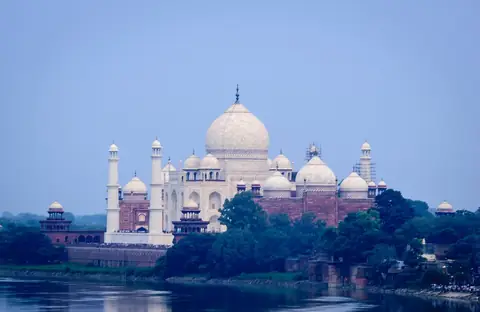
If your dates fall in this window, shape the day around the heat. Sights that open at sunrise, like the Taj Mahal (30 minutes before sunrise to 30 minutes before sunset, closed on Fridays), are best done first thing, with a long indoor break at midday; our Agra guide has the Taj tickets and entry rules. IMD's advice for heat alerts is to avoid exposure to the sun, wear light, loose cotton clothes, cover your head with a cloth, hat or umbrella, and keep drinking water even when you are not thirsty, with oral rehydration salts, lemon water, lassi or buttermilk. Heat stroke, a body temperature of 40°C or more with delirium, seizures or coma, is potentially fatal and needs medical help at once.
If you can choose, keep a week of forts in Rajasthan or temples in Khajuraho for the cooler months.
The southwest monsoon, from Kerala to the north
The southwest monsoon normally sets in over Kerala around 1 June, advances northwards, usually in surges, and covers the entire country around 8 July. In 2026 it set in over Kerala on 4 June, three days after the normal date. It withdraws from the north-west first: IMD's normal date for the start of withdrawal from north-west India is 17 September, and the monsoon normally leaves the whole country around 15 October. Rain does not fall all day every day: July and August bring "breaks", dry spells of several days between active spells.
In the north the monsoon arrives as heavy showers on hot days. Delhi averages 195.8 mm of rain over 9.7 rainy days in July and 226.8 mm over 10.2 days in August, and Jaipur 190.5 mm in July and 203.4 mm in August, against almost nothing in winter. The countryside turns green and the heat eases a little, Delhi's mean maximum falling from 39.0°C in June to 35.6°C in July, but the air is humid and outdoor days are shorter. Heavy rain from July to September regularly disrupts transport across much of the country, flights included, and brings flash floods and landslides, especially in mountainous areas, and flooding in big cities. Mumbai in particular can flood badly, so on a monsoon trip keep a spare day there before the train or flight on to Goa; if your route includes Rishikesh or the hills, read the warning in our health and safety guide before you book.
On the west coast the monsoon is the off-season for the beach. Goa's water sports policy allows no water sports "in unsafe weather conditions, monsoons, period of storm", and powerful currents run off Goa and the Karnataka coast during the monsoon; Miramar beach in Panaji is particularly dangerous. Konkan Railway runs a monsoon timetable with sectional speed restrictions along the route; its 2026 monsoon timetable runs from 15 June to 20 October; after that date the non-monsoon timings in our guide to transport in India should apply, but check IRCTC for your date.
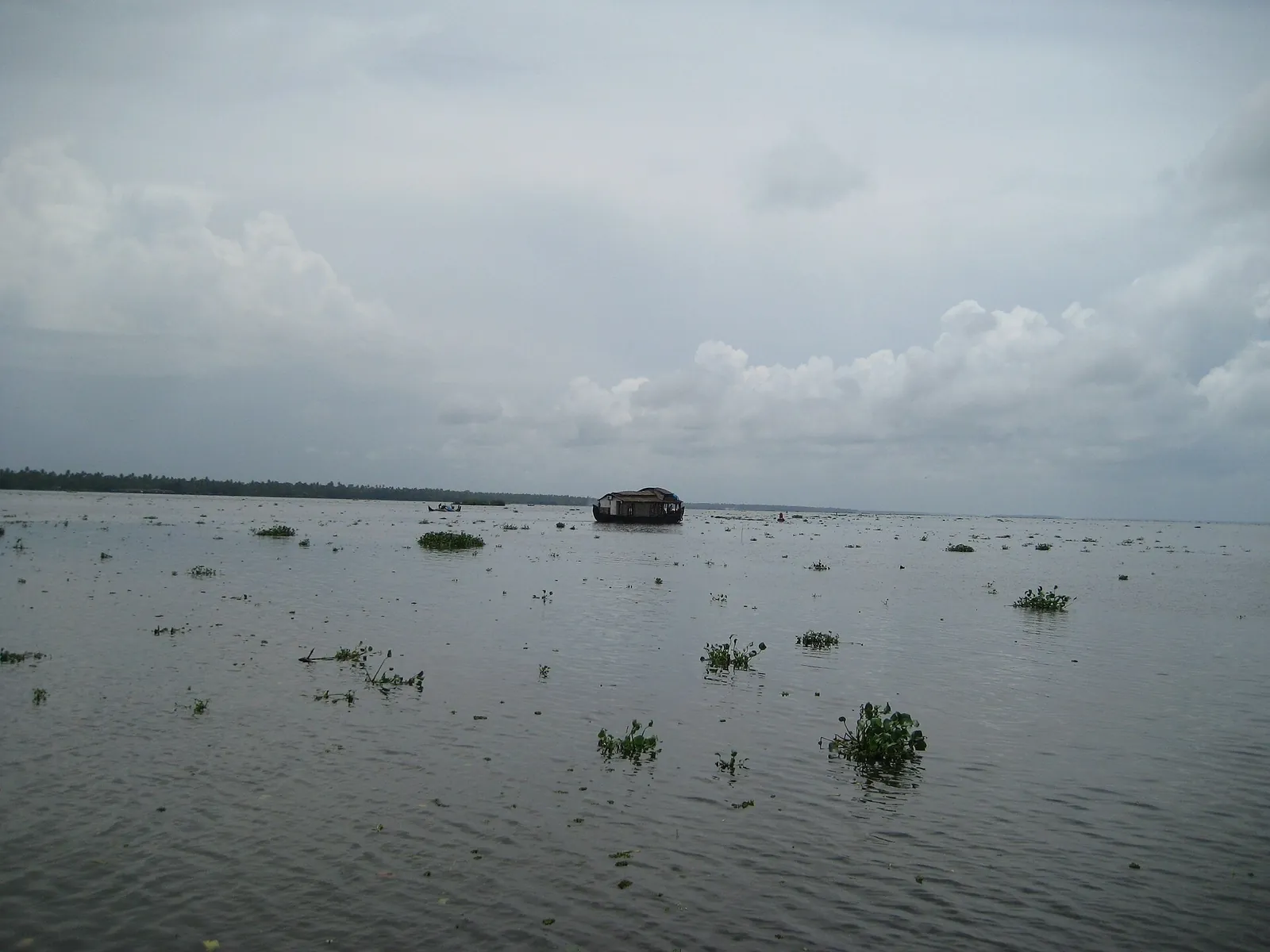
Kerala sells the same months differently. Kerala Tourism calls June, when the monsoon is "quite active", the period for rejuvenation therapy, with oil massages and medicinal food at the centre of it. It links this period with karkkadakam, a Malayalam month that its event calendar places in July and August. If you want green landscapes and a treatment programme more than beach days, this is the period Kerala Tourism links with rejuvenation therapy; if you want dry days on the backwaters, go in winter.
October to December: the south's second rains and the cyclone season
As the southwest monsoon leaves, the northeast monsoon begins over south-east India. IMD gives 20 October as the normal onset date over coastal Tamil Nadu and south coastal Andhra Pradesh. Over October to December, Tamil Nadu normally receives 442.8 mm of rain, 48% of its year, and Kerala 492.0 mm. For a Kerala trip this means a second wet season, after the main one from June to September.
October to December is also the primary cyclone season of the North Indian Ocean, on both the Bay of Bengal and the Arabian Sea, so it concerns the Goa and Kerala coasts as well as the east. IMD's cyclone FAQ adds that cyclones there peak in November, with a second peak in May, and that May-June and October-November are known to produce cyclones of severe intensity, so a late-May trip to the Goa or Kerala coast falls in a cyclone window too. On a coastal trip in these months, follow IMD's cyclone warnings and keep away from the shore during an alert.
Meanwhile the north is at its best. October and November bring dry weather back to the north before the winter fog sets in, and in Delhi the October mean maximum is a comfortable 33.0°C. Most of the big festivals below also fall in these two months.
Festivals that move with the calendar
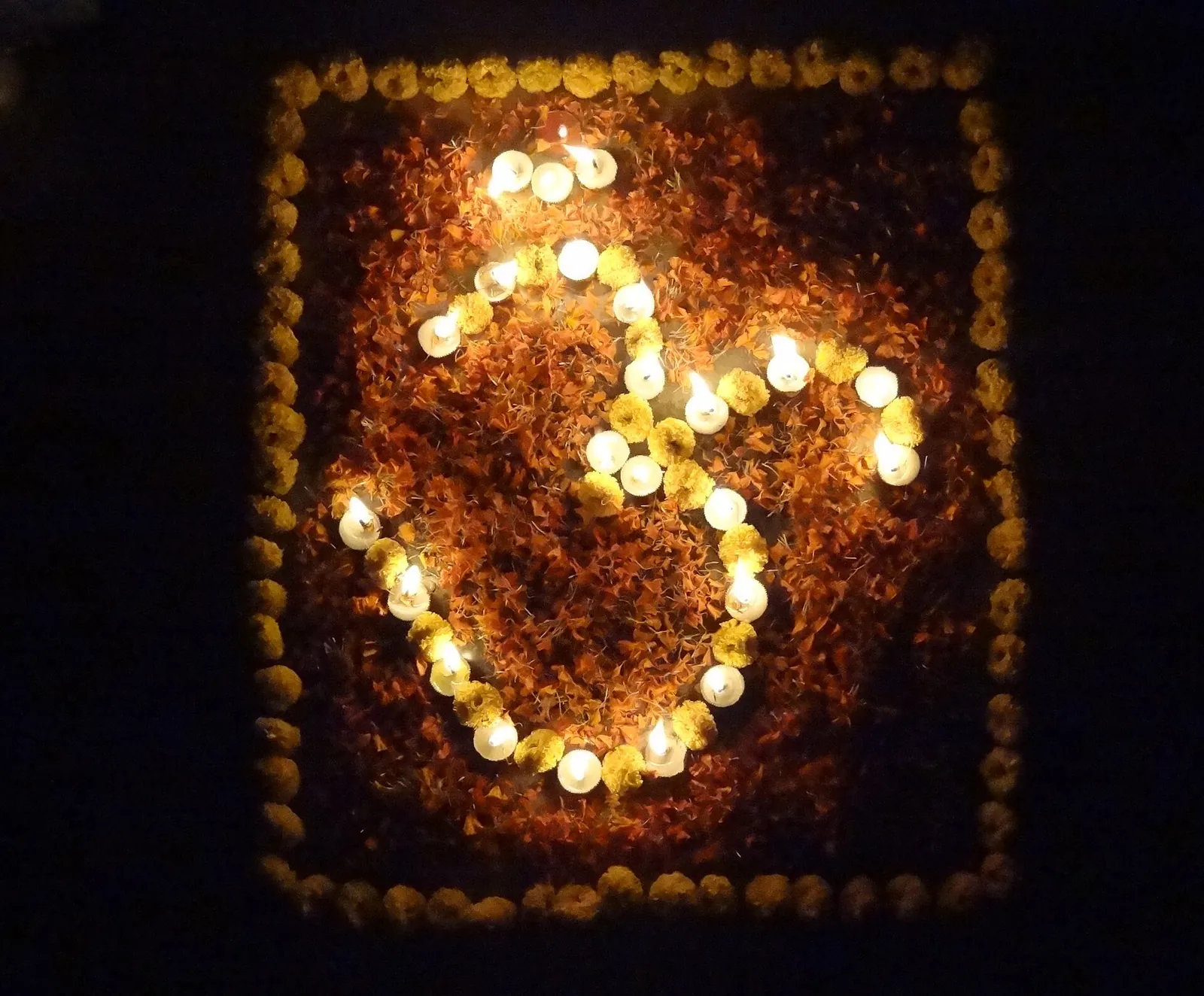
Most Hindu festivals follow a lunisolar calendar, so their dates change each year; the Ministry of Tourism's Incredible India festival pages announce them. Diwali, the festival of lights, falls in October or November and lasts five days, from the shopping day of Dhanteras to Bhai Dooj; homes and streets are lit with clay lamps, and Incredible India names Dashashwamedh Ghat in Varanasi, Lake Pichola in Udaipur and Johri Bazar in Jaipur among the places to see it. In Varanasi, Dev Deepavali follows fifteen days later, when thousands of lamps line the ghats along the Ganges.
Dussehra (Vijay Dashmi), which Incredible India says usually falls in October, closes the nine nights of Navratri and, in Kolkata, Durga Puja (which none of our routes visits): effigies of Ravana are burnt at dusk, and Ramlila plays, the Ramayana performed in the open air, run for days in towns across the north, with Ramnagar and Varanasi among the most famous. Holi, the festival of colours, falls on a full moon of the Hindu lunisolar calendar, usually in March, and begins with the Holika Dahan bonfire the evening before; on the day itself expect to be sprayed with coloured powder and water, so wear clothes you can throw away.
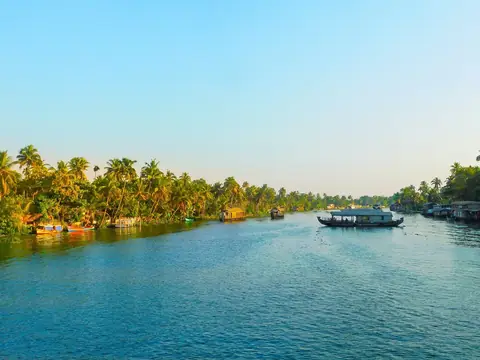
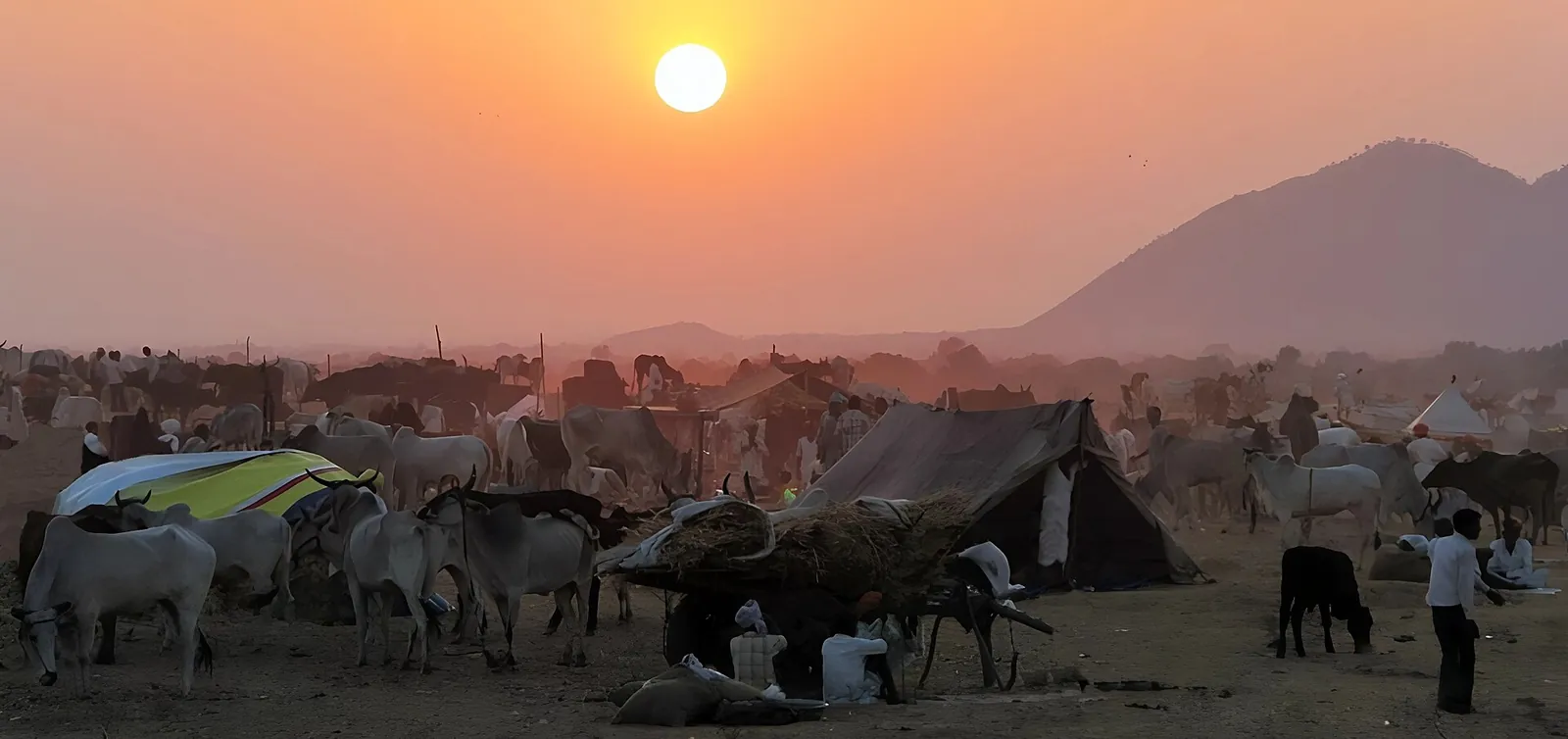
The Pushkar Camel Fair in Rajasthan takes place in October or November around Kartik Purnima, the full moon of the month of Kartik, when pilgrims bathe in Pushkar Lake; Incredible India describes camel parades, folk music and moustache competitions on the fairgrounds. For 2026 it lists Diwali on 8 November and the Pushkar Camel Fair from 17 to 24 November; it adds each later year's dates once they are announced. Kerala's festival dates follow the Malayalam calendar: Onam falls in August or September, and the Nehru Trophy Boat Race of snake boats on Punnamada Lake at Alappuzha usually takes place in August; Kerala Tourism's event calendar gives the year's dates, and our Kerala backwaters guide covers Alappuzha and its houseboats.
Three things change when you travel at festival time. Alcohol sales are often banned during major religious festivals, national holidays and elections. Take particular care around Republic Day (26 January), Independence Day (15 August) and Diwali, and keep to the edges of the densest crowds: stampedes have occurred at large religious gatherings. And trains fill early: if your dates include Diwali or a fair, book the main train legs as soon as you know them.
Matching the months to your route
Month by month, in short. January and February suit the north, Rajasthan, Mumbai and Goa, and Kerala, with Munnar in January only. March brings warmer days in the north as the heat builds, and in Kerala it closes the months from October to March that Incredible India calls the most pleasant for Kochi. April to June is the heat on the northern plains, with Rishikesh as the April alternative, and the monsoon reaches Kerala around 1 June. June to September is the southwest monsoon across the country, with the rejuvenation treatments that Kerala Tourism links with the monsoon, and no rafting in July and August. October brings dry weather back to the north while the south's second rains begin, and November and December are the north at its best, with more foggy mornings, and the cyclone season on both coasts. IMD's monthly normals in this guide are for Delhi and Jaipur; for Kochi and Goa, plan by the monsoon dates above.
Delhi, Agra and Jaipur: from October to March, with November to February the coolest. Our Golden Triangle itinerary works in any of these months, and Jaipur is at its most comfortable from November to February; in December and January expect foggy mornings. Rajasthan, Varanasi and Khajuraho follow the same calendar. From April to June, sightsee only in the early morning and evening; in April, consider Rishikesh instead, which the Ministry of Tourism recommends from September to November and from February to April. Under the state's rafting rules, the season on the Ganga runs from 1 September to 30 June, or as the board directs according to the water in the river, so there is no rafting in July and August. In Varanasi, winter mornings often bring fog over the river, and in the monsoon the river rises, and no official page says when boat rides stop for high water, so ask your hotel before you plan a dawn trip.
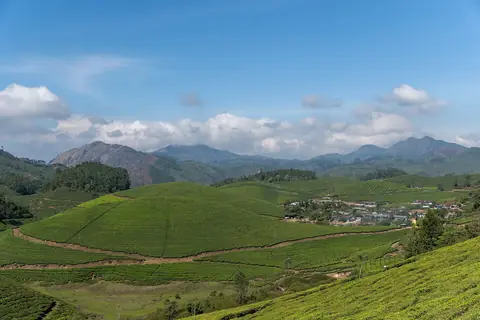
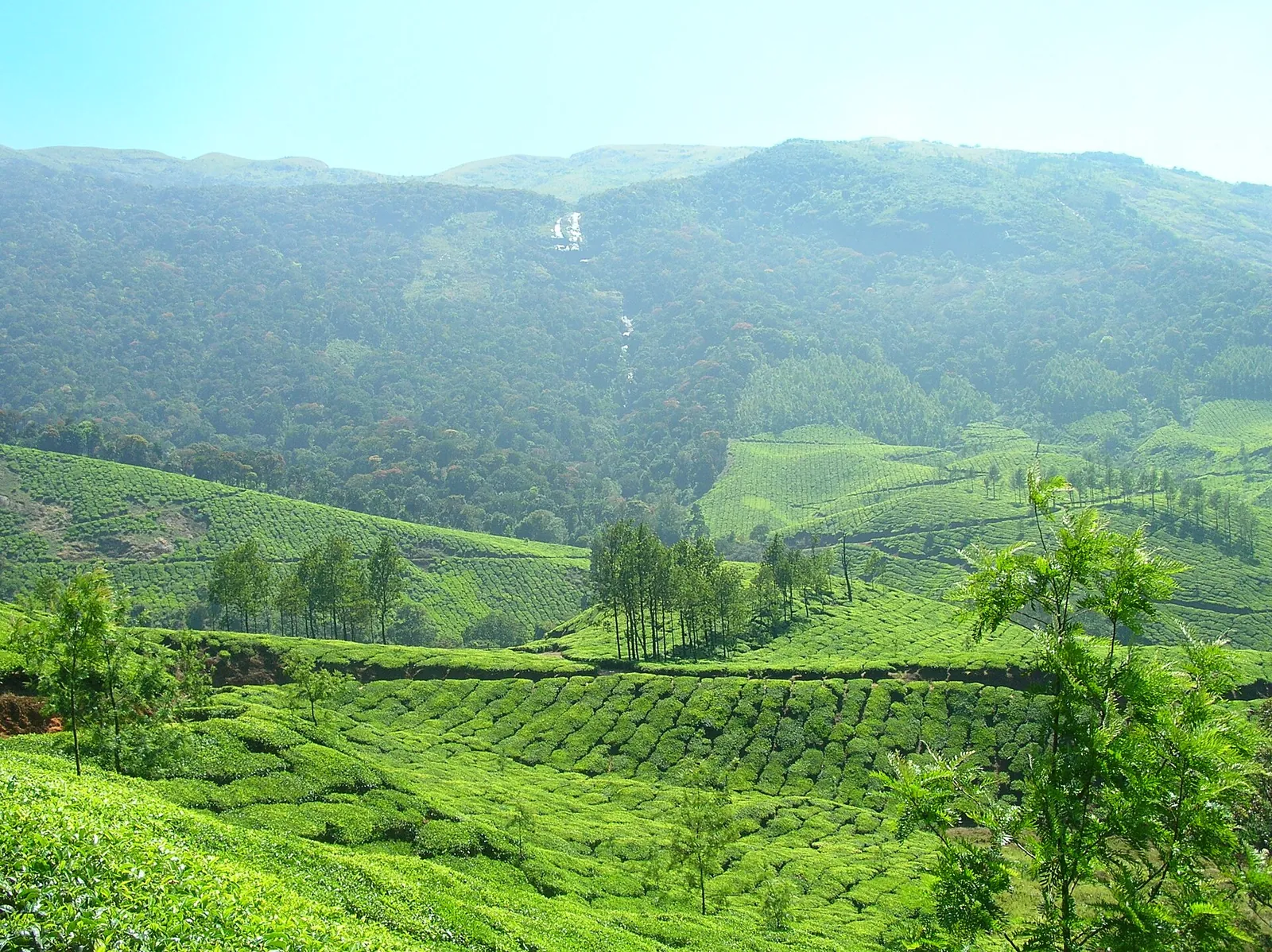
Kerala: January for dry days in the tea hills and on the backwaters, because Eravikulam National Park near Munnar closes each year for the Nilgiri tahr's calving season, from 1 February to 1 April; February still suits the backwaters alone. June to August is the green monsoon, the period Kerala Tourism links with rejuvenation therapy, and October to December brings the northeast monsoon's rains. Our Kerala backwaters guide has the room prices. Our South India itinerary suits the dry winter best. Mumbai, Goa and Hampi: from November to February, after the monsoon has withdrawn and before the heat of April and May; the beaches lose their water sports from June to September, and beach shacks may open from 15 September to 31 May, so the beach season starts again in the second half of September. Goa Tourism names December and January as its peak season, when rooms are hard to find unless you book well ahead and the price of a simple guesthouse room usually doubles, so for Christmas and the New Year book the room before anything else.
If your dates are fixed by school holidays or work, choose the region by the month rather than the other way round: the north in winter, Kerala's monsoon for green landscapes and treatments, and the early mornings only if you must see the northern plains between April and June.
Practical questions
What is the best month to visit India for a first trip?
For a first trip built on Delhi, Agra and Jaipur, November to February is the safest choice: dry, with daytime highs in Delhi from 20.1°C in January to 28.4°C in November. The trade-offs are winter fog and the worst air pollution of the year. October and March are warmer.
Is it worth visiting India during the monsoon?
Yes, if you choose the region. Kerala Tourism links the monsoon months with rejuvenation therapy, and the north is green and a little less hot once the rains arrive. The beaches of Goa are not the place: water sports stop in the monsoon and the currents are dangerous. Heavy rain from July to September regularly disrupts transport across much of the country, flights included.
How bad is the air in Delhi in winter?
The UK Foreign Office calls severe air pollution a major health hazard from October to February, with north Indian cities most affected; children, older people and travellers with pre-existing medical conditions feel it most. CPCB's daily index sorts readings into six bands, from Good (0-50) to Severe (401-500).
Is May too hot to visit the Taj Mahal?
It is possible, but hard work. IMD names May as the peak month for heat waves in north India, and Agra lies inside the heat-wave belt. The Taj Mahal opens 30 minutes before sunrise, so go at opening time, rest indoors at midday, and drink water before you are thirsty. It is closed on Fridays.
When are Diwali and Holi?
Diwali falls in October or November and Holi usually in March, but both follow the lunisolar calendar, so their dates change each year; the Ministry of Tourism's Incredible India festival pages announce them. For 2026, Incredible India lists Diwali on 8 November.
When is the best time to visit Kerala?
January and February fall between the southwest monsoon (June to September) and the northeast monsoon (October to December), so they miss both rainy seasons; choose January if Munnar is on the route, because Eravikulam National Park closes from 1 February to 1 April for the calving season. Kerala Tourism links the monsoon months with rejuvenation therapy. The state's festival dates, including Onam and the boat races, follow the Malayalam calendar and change each year.
Sources and checks before you travel
Reference sources for the version dated 17 October 2026. Confirm opening times, access, transport and conditions for your travel dates.
- India Meteorological Department: Statement on the climate of India during 2025 (1 January 2026) ↗ — opens in a new tab
- India Meteorological Department: southwest monsoon sets in over Kerala, press release of 4 June 2026 ↗ — opens in a new tab
- India Meteorological Department: Monsoon 2025, a report ↗ — opens in a new tab
- India Meteorological Department: Monsoon FAQ ↗ — opens in a new tab
- India Meteorological Department, Chennai: Northeast Monsoon 2024 report ↗ — opens in a new tab
- India Meteorological Department, RSMC New Delhi: Frequently asked questions on tropical cyclones ↗ — opens in a new tab
- India Meteorological Department: FAQ on Heat Wave ↗ — opens in a new tab
- India Meteorological Department, New Delhi: Safdarjung climatological table 1991-2020 ↗ — opens in a new tab
- India Meteorological Department, Jaipur: Jaipur climatological information 1991-2020 ↗ — opens in a new tab
- Central Pollution Control Board: About the National Air Quality Index ↗ — opens in a new tab
- Central Pollution Control Board: broad guidelines for the public on the AQI ↗ — opens in a new tab
- UK FCDO: India health ↗ — opens in a new tab
- UK FCDO: India safety and security ↗ — opens in a new tab
- Germany's Foreign Office (Auswärtiges Amt): India travel and safety advice ↗ — opens in a new tab
- France Diplomatie: India security advice ↗ — opens in a new tab
- Department of Tourism, Government of Goa: policy for the regulation of water sports in Goa ↗ — opens in a new tab
- Goa Tourist Places (Protection and Maintenance) Act, 2024 (Goa Act 25 of 2024), via PRS Legislative Research ↗ — opens in a new tab
- Uttar Pradesh Tourism, Taj Mahal site: FAQs ↗ — opens in a new tab
- Uttar Pradesh Tourism, Taj Mahal site: home page and notices ↗ — opens in a new tab
- Ministry of Tourism (Incredible India): Kochi ↗ — opens in a new tab
- Kerala Tourism: how is the Kerala tour in June? ↗ — opens in a new tab
- Kerala Tourism: Digital Event Calendar 2026-27 ↗ — opens in a new tab
- Ministry of Tourism, Incredible India: Diwali ↗ — opens in a new tab
- Ministry of Tourism, Incredible India: Dashashwamedh Ghat ↗ — opens in a new tab
- Ministry of Tourism, Incredible India: Kullu Dussehra ↗ — opens in a new tab
- Ministry of Tourism, Incredible India: Dussehra ↗ — opens in a new tab
- Ministry of Tourism, Incredible India: Holi ↗ — opens in a new tab
- Ministry of Tourism, Incredible India: Pushkar Camel Fair ↗ — opens in a new tab
- Government of India e-Visa site: e-Tourist visa fee by country (8 September 2026) ↗ — opens in a new tab
- Government of India e-Visa site (Ministry of Home Affairs): e-Visa main page ↗ — opens in a new tab
- Delhi Airport (DIAL): metro to and from the airport ↗ — opens in a new tab
- IRCTC: Foreign Tourist Quota booking (PDF) ↗ — opens in a new tab
- Eravikulam National Park (Anaimudi Forest Development Agency): ticket booking ↗ — opens in a new tab
- Goa Tourism (Department of Tourism, Government of Goa): staying in Goa ↗ — opens in a new tab
- Ministry of Tourism (Incredible India): Rishikesh ↗ — opens in a new tab
- Konkan Railway: monsoon timetable 2026 ↗ — opens in a new tab
- PIB (Ministry of Railways): steps to avoid delay of trains in foggy weather, 4 March 2020 ↗ — opens in a new tab
- Uttarakhand Tourism: river rafting and kayaking rules (2014, amended 2015) ↗ — opens in a new tab
- Ministry of Tourism, Incredible India: Varanasi ↗ — opens in a new tab
Photo credits
Amber Fort near Jaipur on a clear, dry day: the north's best sightseeing weather runs from November to February
Photograph: Gerd Eichmann — opens in a new tab · CC BY 4.0 — opens in a new tab
Changes: Resized and converted to WebP; displayed with responsive crops. · Original photograph and licence details ↗ — opens in a new tab
The Alappuzha backwaters in the monsoon season, when Kerala gets its main rains
Photograph: Saravankm — opens in a new tab · CC BY-SA 4.0 — opens in a new tab
Changes: Resized and converted to WebP; displayed with responsive crops. · Original photograph and licence details ↗ — opens in a new tab
The Pushkar camel market in October, the season of the fair around the Kartik full moon
Photograph: Pierre André Leclercq — opens in a new tab · CC BY 4.0 — opens in a new tab
Changes: Resized and converted to WebP; displayed with responsive crops. · Original photograph and licence details ↗ — opens in a new tab
Clay lamps arranged for Diwali in Kolkata
Photograph: Joydip dutt — opens in a new tab · CC BY-SA 4.0 — opens in a new tab
Changes: Resized and converted to WebP; displayed with responsive crops. · Original photograph and licence details ↗ — opens in a new tab
Tea plantations around Munnar in Kerala's hill country
Photograph: www.eatoutzone.com — opens in a new tab · CC BY 3.0 — opens in a new tab
Changes: Resized and converted to WebP; displayed with responsive crops. · Original photograph and licence details ↗ — opens in a new tab