Itineraries
China in 10 days: Beijing, Xi’an, Chengdu and Shanghai
Ten days gives Beijing three nights, adds the Terracotta Army in Xi’an and a panda morning in Chengdu, and ends in Shanghai with a day on West Lake. It is a route of three long hops, two by high-speed rail and one by air, and of timed tickets sold against your passport. This guide sets the nine nights, the order in which to book and what it all costs.
In this guide
Find the location ↗ — opens in a new tabThe short answer
Book nine nights: Beijing three, Xi’an two, Chengdu two and Shanghai two, arriving in Beijing and flying home from Shanghai on day 10, with Hangzhou as a day trip. Two high-speed rail legs and one flight link the cities. Book the hotels and the Chengdu to Shanghai flight first, then the timed tickets: the Forbidden City costs CNY 60 from April to October (CNY 40 from November) and the Panda Base CNY 55, both booked with your passport. Two adults at mid-range prices spend about CNY 20,280 on the ground, CNY 10,140 each, before flights.
- Suggested time
- 10 days / 9 nights: Beijing 3, Xi’an 2, Chengdu 2, Shanghai 2
- Route
- Beijing 3 nights
- Xi’an 2 nights
- Chengdu 2 nights
- Shanghai 2 nights
- All-in budget on the ground
- About CNY 20,280 for two at mid-range prices, CNY 10,140 each, before flights Full breakdown ↓
- Season and timing
- This route is priced for an ordinary autumn weekday. The British government says floods and storms are common from May to November, and typhoons hit southern and eastern coasts in the same season, so transport can be disrupted. Air pollution in big cities is often high to very high, especially in winter; check live readings.
- Day by day
- The ten days at a glance ↓
The ten days at a glance
One line per day, with where you sleep each night. Times, prices and bookings are in the day sections below.
- Day 1
Arrive in Beijing
the airport express into town and a roast-duck dinner near Qianmen. Night: Beijing.
- Day 2
The Forbidden City
in by the Meridian Gate, out by the north or east gate. Night: Beijing.
- Day 3
Mutianyu
a day on the Great Wall. Night: Beijing.
- Day 4
Train to Xi'an
high-speed rail from Beijing West to Xi'an North, then the City Wall if you have energy. Night: Xi'an.
- Day 5
Terracotta Army
the pits and Lishan Garden, then the Muslim Quarter. Night: Xi'an.
- Day 6
Train to Chengdu
Xi'an North to Chengdu East and an unhurried Sichuan dinner. Night: Chengdu.
- Day 7
Pandas
the Panda Base in the morning slot, then the old lanes. Night: Chengdu.
- Day 8
Fly to Shanghai
a morning flight to Hongqiao, then Yu Garden. Night: Shanghai.
- Day 9
Hangzhou
a day trip to West Lake. Night: Shanghai.
- Day 10
Fly home
from Shanghai.
Nine nights, four bases, and why Chengdu
Spend three nights in Beijing, two in Xi’an, two in Chengdu and two in Shanghai, arriving in Beijing and flying home from Shanghai on day 10. Beijing to Xi’an and Xi’an to Chengdu are high-speed rail legs booked in the 12306 app. Chengdu to Shanghai is a flight, because it is the longest leg of the route. Hangzhou is a day trip from Shanghai, not a base. Chengdu earns its place over Guilin because it follows Xi’an on the same north–south railway and gives you one panda morning and a Sichuan dinner; the 14-day plan adds Yangshuo, and the 7-day plan leaves Chengdu out.
Each stop has one mid-range chain hotel, listed with its address in the stay box below. In Beijing, Shuangjing station on Metro Line 10 is under the hotel’s Fuli City complex; in Chengdu the hotel is near Tongzilin station on Line 1, and in Shanghai near Hanzhong Road on Lines 1, 12 and 13. The Xi’an hotel is in the Qujiang district, a taxi ride from the City Wall and the Muslim Quarter.
Entry, what to book first and what to carry
Ordinary-passport holders from the listed nationalities, among them the United Kingdom, Ireland, France, Germany, Australia, Canada and New Zealand, can enter without a visa for tourism and stay up to 30 days, counted from the day after you enter. The waiver is published until 31 December 2026. No extension into 2027 has been announced, so a 2027 trip needs a published extension or a visa. If your dates cross the end date, check with the National Immigration Administration or a Chinese embassy first. Plan for six months’ passport validity after departure and two blank pages; our entry guide has the full list of nationalities, whose passport rule is which, and the arrival card.
US and Czech passports are not on this visa-free list. US and Czech citizens need a visa unless they qualify for the 240-hour transit rule, which needs an ordinary passport, a confirmed onward ticket with a date and seat to a third country or region, and entry through a designated port; Beijing Capital, Beijing Daxing and Shanghai Pudong are all on the list. This route fits the rule: Beijing, Shaanxi, Chengdu, Shanghai and Zhejiang, for Hangzhou, are all inside the permitted area, and the nine nights fit inside 240 hours, but only if you leave Shanghai for a third country or region (Hong Kong counts), not straight back to the country you flew in from.
Book the hotels and the Chengdu to Shanghai flight first. Hotels register foreign guests with the police for you, but not every property can register foreigners, so confirm it with each hotel before you book. Rail tickets go on sale up to 15 days ahead, counting the day you buy, so buy each of the four rail tickets (days 4 and 6, and both Hangzhou legs on day 9) as its window opens. Book on the 12306 website or app: the English site accepts a valid foreign passport only, the name must match the passport, and you take the original passport you booked with to the station. Our transport guide covers stations, seat classes and the airport links.
Five sights need booking. The Forbidden City releases tickets seven days ahead at 20:00 China time and sells nothing on the day. The Panda Base opens bookings up to 14 days ahead. The Mutianyu Great Wall sells up to 30 days ahead and allows one ticket per passport a day. Every visitor to the Terracotta Army, foreigners included, must reserve on the museum’s website or WeChat account before arriving, so book it as soon as your dates are fixed. Jingshan Park, for the view on day 2, admits foreign visitors only with a telephone reservation made at least a day ahead: call (010) 66055431 between 09:00 and 16:00 with your name, nationality and passport number, then buy the CNY 2 ticket at the south gate. The Forbidden City and Yu Garden close on Mondays except statutory holidays, so arrive on a Tuesday to Saturday so that neither day 2 nor day 8 falls on a Monday.
Carry your original passport at all times; a printed copy is not accepted. The British government warns of a risk of arbitrary detention, and British and German advice both warn that exit bans can affect visitors, and the British government says they can last months or years. Avoid demonstrations, large gatherings and any political or activist activity. French advice says that in Beijing, unregistered drones may not be used, carried or stored, and every flight of a registered drone needs prior permission. German advice is to refrain from using VPN services; plan on limited access to some overseas apps and keep offline maps and notes. Much of China is seismically active; this matters most for Sichuan itineraries. Our entry guide has the rest of the official advice. Check your own government’s current travel advice before you book.
Set up and test both Alipay and Weixin Pay (WeChat Pay) with your foreign card before you leave, keep a second card and some renminbi, and save your hotel addresses in Chinese; our payments guide has the details.
Days 1–3: Beijing, the palace and the Wall
Day 1: arrive and settle. From Daxing (PKX), the Daxing Airport Express runs to Caoqiao, where it meets metro lines 10 and 19, for about CNY 35 a person, the ordinary fare for the full run. From Capital (PEK), the Capital Airport Express runs from Terminals 2 and 3 to Dongzhimen, Sanyuanqiao and Beixinqiao for CNY 25 a person one way; the first and last trains are 06:22 and 22:52 from T3 and 06:36 and 23:10 from T2. Nothing today needs a timed ticket. After checking in, take the metro or a taxi to Qianmen for a first roast-duck dinner at one of the duck restaurants listed under food below; the same trip shows you the Qianmen transport hub for the day 3 bus. Sleep in Beijing: night 1.
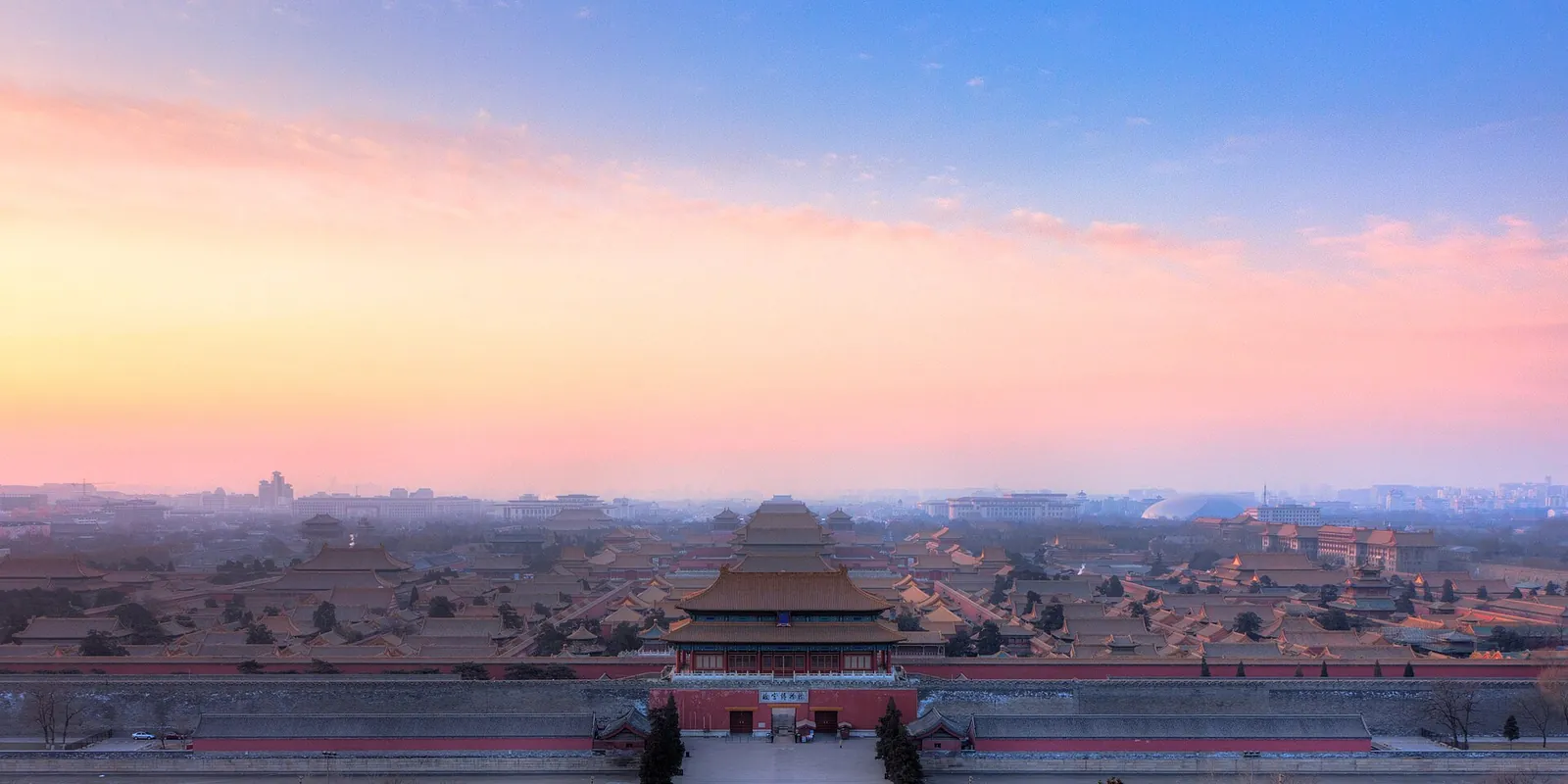
Day 2: the Forbidden City. The palace is laid out along a north–south axis, and its largest building, the Hall of Supreme Harmony, stands on it, 35 metres high including its three-tiered white marble base; 24 Ming and Qing emperors held their enthronements, weddings and great court ceremonies there. Enter by the Meridian Gate, the only entrance, and leave by the north or east gate. Admission is CNY 60 from 1 April to 31 October and CNY 40 from 1 November to 31 March, and the Treasure Gallery and the Clocks Gallery cost CNY 10 each. The palace opens at 08:30, with last admission at 16:00 in the high season and 15:30 in the low season. The Hall of Martial Valour (Wuying Hall) is closed from 19 October 2026. Leave by the north gate for Jingshan Park, where the Wanchun Pavilion, the highest point on Beijing’s central axis, looks back over the palace roofs. Our Beijing guide adds the Temple of Heaven, the hutongs and the Summer Palace for a longer stay. Sleep in Beijing: night 2.
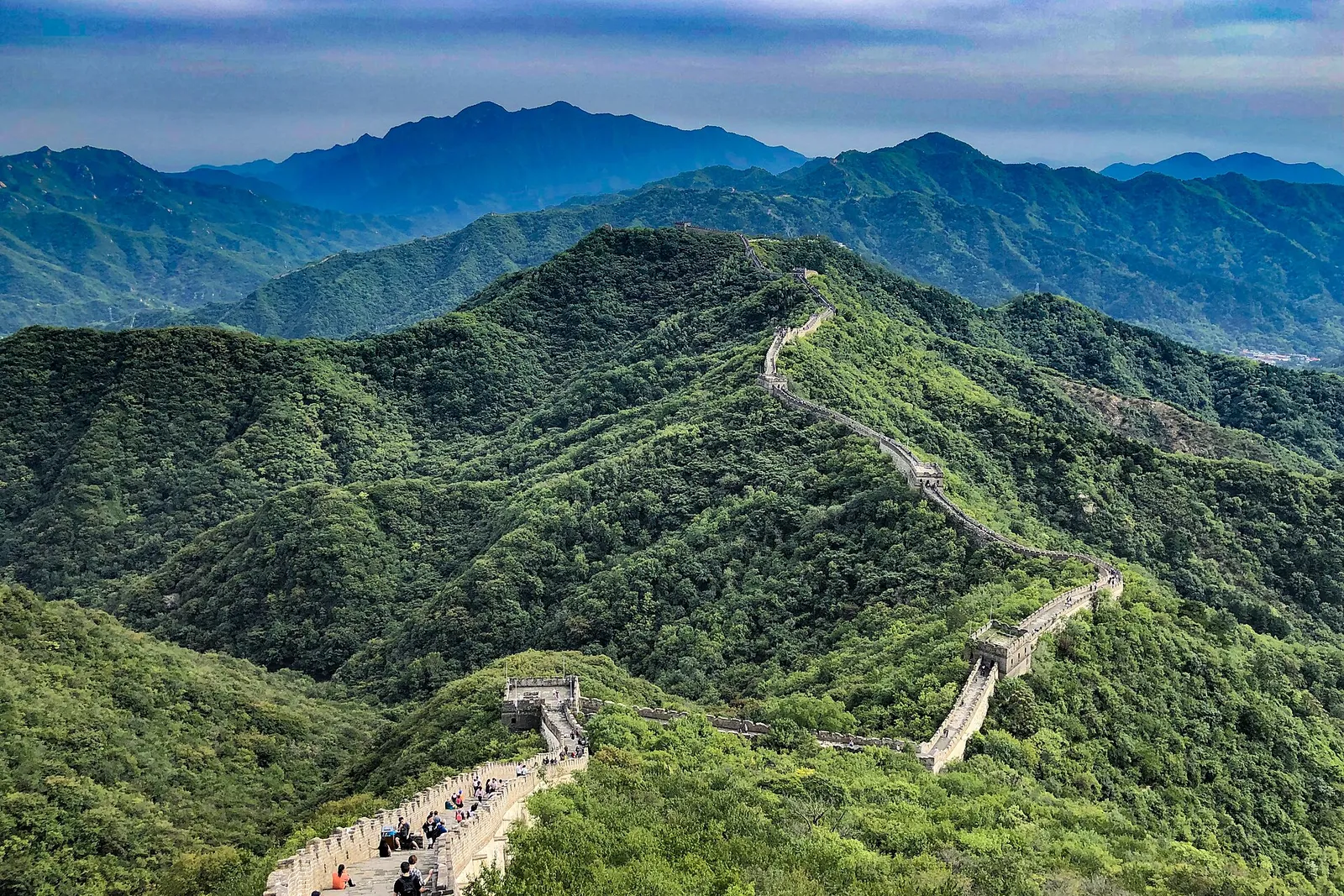
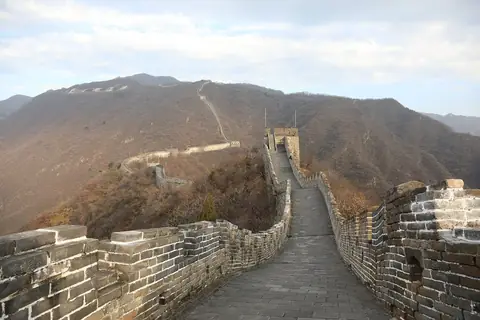
Day 3: Mutianyu Great Wall. Mutianyu is a restored stretch of Ming wall on wooded ridges, with a watchtower about every hundred metres and the three-towered Zhengguan Terrace, built in 1404. The 723 m cable car saves the steep first climb and brings you to tower 14, where the best-known view is, and a 1,580 m toboggan run winds back down to the foot of the wall. The official bus leaves the Qianmen transport hub between 07:00 and 11:00; from Shuangjing, allow time for the metro or a taxi to Qianmen if you want one of the first buses. It costs CNY 80 a person return, bought on the bus from 30 minutes before departure; the return runs from car park P4 between 13:00 and 16:00, so plan to be back by mid-afternoon. From 16 March to 15 November the wall is open 07:30 to 18:00 on weekdays and 07:30 to 18:30 at weekends; from 16 November to 15 March it is open 08:00 to 17:30. Ticket sales stop an hour before closing and entry stops half an hour before. Admission is about CNY 45. The cable car, the toboggan and the shuttle bus, which covers the roughly 3 km from its stop to the ticket gate, are each sold separately from admission: a cable-car return costs about CNY 140 a person and the shuttle about CNY 15 a person. For other sections and the full comparison, see our Great Wall guide. Sleep in Beijing: night 3.
Days 4–5: Xi’an and the Terracotta Army
Day 4: rail to Xi’an. Take a high-speed train from Beijing West to Xi’an North, the high-speed station, which is not the old Xi’an station. 12306 listed 17 direct trains for Thursday 5 November 2026, taking 4 h 10 min to 5 h 58 min, at CNY 494 to 618 in second class; times and fares change with the date and the train, so check your own date in the app. Treat the day as a travel day. If you arrive with energy, walk a stretch of the City Wall, which rings the old centre for 13.74 km; the Xi’an government calls it the largest and best-preserved ancient city wall in China, with a history of more than 1,400 years. The full ticket is CNY 54, or CNY 27 for the half-price categories. Sleep in Xi’an: night 4.
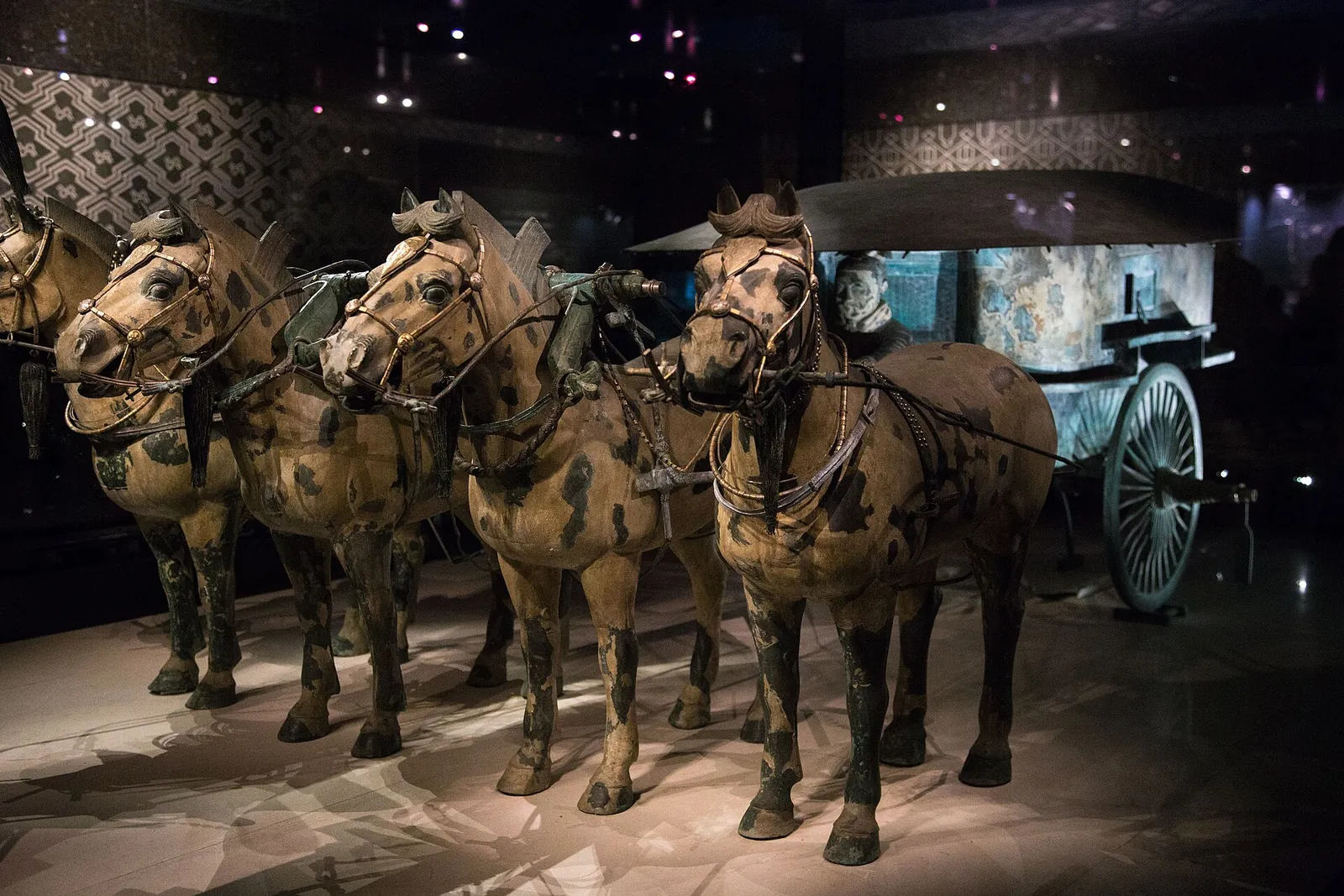
Day 5: Terracotta Army and the Muslim Quarter. Of the Terracotta Army’s three pits, Pit 1 is the largest: 14,260 square metres holding about 6,000 clay soldiers and horses, of which more than 500 life-size warriors, 24 horses and six wooden chariots have been excavated. The ticket also covers Lishan Garden, the mausoleum park, where the two bronze chariots found in 1980 beside the emperor’s burial mound are shown; each is about half life-size. Allow about 1.5 hours for each site, with a free shuttle between them; electric carts cost CNY 5 a person at the museum and CNY 15 at Lishan Garden. The ticket is CNY 120 for adults all year and is valid for the day. Entry is by the north gate only, and you should be there half an hour before your slot. Check-in runs from 08:30 to 17:00 from 16 March to 15 November and from 08:30 to 16:30 for the rest of the year.
By public transport, take metro line 1 to Fangzhicheng and line 9 to Huaqingchi, then the Lintong You 613 or Lintong 602 bus; allow about 1 hour 30 minutes each way. A taxi or ride-hailing car takes about an hour and costs about CNY 100 a vehicle each way; a car with a driver who waits costs about CNY 500 a vehicle for the return trip. With two to three hours on the road, book a morning slot. Return for dinner in the Muslim Quarter food streets, where the stalls sell skewers, iron-plate tofu and noodles. Our Xi’an guide has the rest of the city. Sleep in Xi’an: night 5.
Days 6–7: Chengdu and the pandas
Day 6: rail to Chengdu. Take a high-speed train from Xi’an North to Chengdu East. 12306 listed 63 direct trains for 5 November 2026, taking 3 h 5 min to 4 h 21 min, at CNY 260 to 316 in second class. Check in, then eat a Sichuan dinner without hurrying. Sleep in Chengdu: night 6.
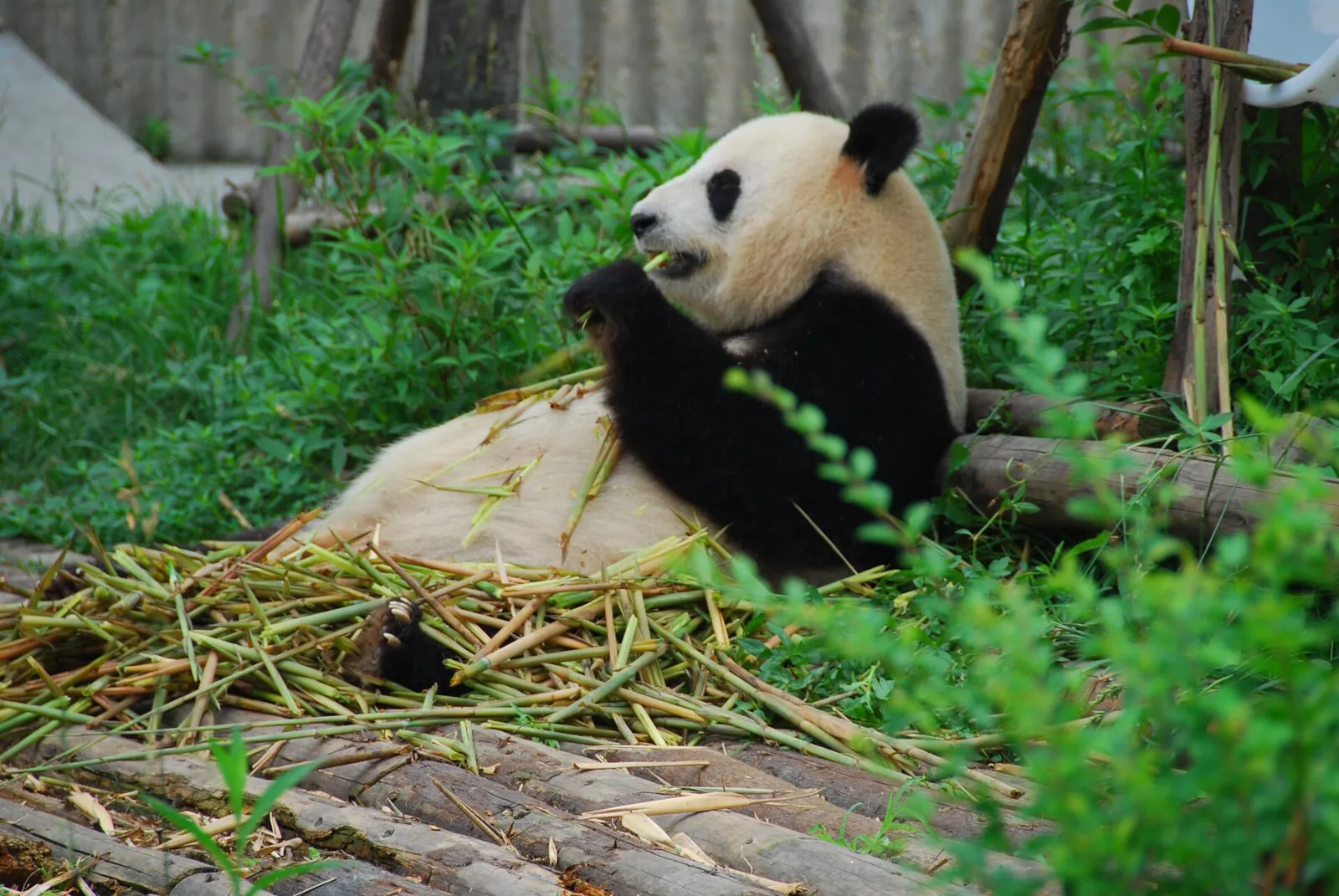
Day 7: Panda Base and the old lanes. The Chengdu Research Base of Giant Panda Breeding, 10 km from Tianfu Square, has a core area of about 238 hectares. Paths lead between the giant panda and red panda enclosures, where the base’s “Panda Chat” talks explain the animals’ habits and habitats while you watch, and the Giant Panda Theme Museum, opened in 2021, is the world’s first interactive museum devoted to giant pandas. It sells real-name tickets for CNY 55 a person, up to 14 days ahead, with a daily limit of 85,000. Entry runs from 07:30 to 12:00 in the morning from March to October (08:00 to 12:00 from November to February), and the afternoon entry ends at 17:00 (16:30 from November to February). Book the morning slot. A taxi or ride-hailing car from the city centre around Chunxi Road takes 25 to 35 minutes and costs about CNY 40 a vehicle; the Wuhou hotel is further south, so leave about 45 minutes before the morning entry opens. Inside the base, the optional sightseeing shuttle costs CNY 30 a person.
In the afternoon, visit Wenshu Monastery, a working Buddhist monastery with about 80 resident monks, founded between 605 and 617 and free to enter all year. Then walk Kuanzhai Alley, three parallel lanes (Kuan, Zhai and Jing alleys) laid out in the Qing dynasty: Kuan Alley keeps the most old buildings, with teahouses and Sichuan food, and Jing Alley has local snacks. The lanes are free, and Metro Line 4 stops at Kuanzhaixiangzi. The Leshan Giant Buddha is a separate full day out and back, so it would replace this plan’s panda or old-city time; our Chengdu guide covers it. Sleep in Chengdu: night 7.
Days 8–10: Shanghai, West Lake and home
Day 8: fly to Shanghai. Chengdu has two airports, Shuangliu (CTU) and Tianfu (TFU); this plan uses Shuangliu. Morning flights leave Shuangliu for Shanghai Hongqiao (SHA), for example at 08:00, and take about two and a half hours. Book on the airline’s own site or app; expect about CNY 1,000 a person in economy. Metro Line 10 runs from Wuhou Ci station to both Shuangliu terminals, with the first train at 06:10, but with luggage a taxi or ride-hailing car from the hotel is simpler; leave about two hours before a morning flight. Hongqiao is 13 km from the centre of Shanghai: Terminal 2 is on metro lines 2 and 10, and a taxi to the Jing’an hotel takes around 30 minutes and costs CNY 100 to 150 a vehicle. On an 08:00 flight you land at about 10:30 and reach the hotel around midday.
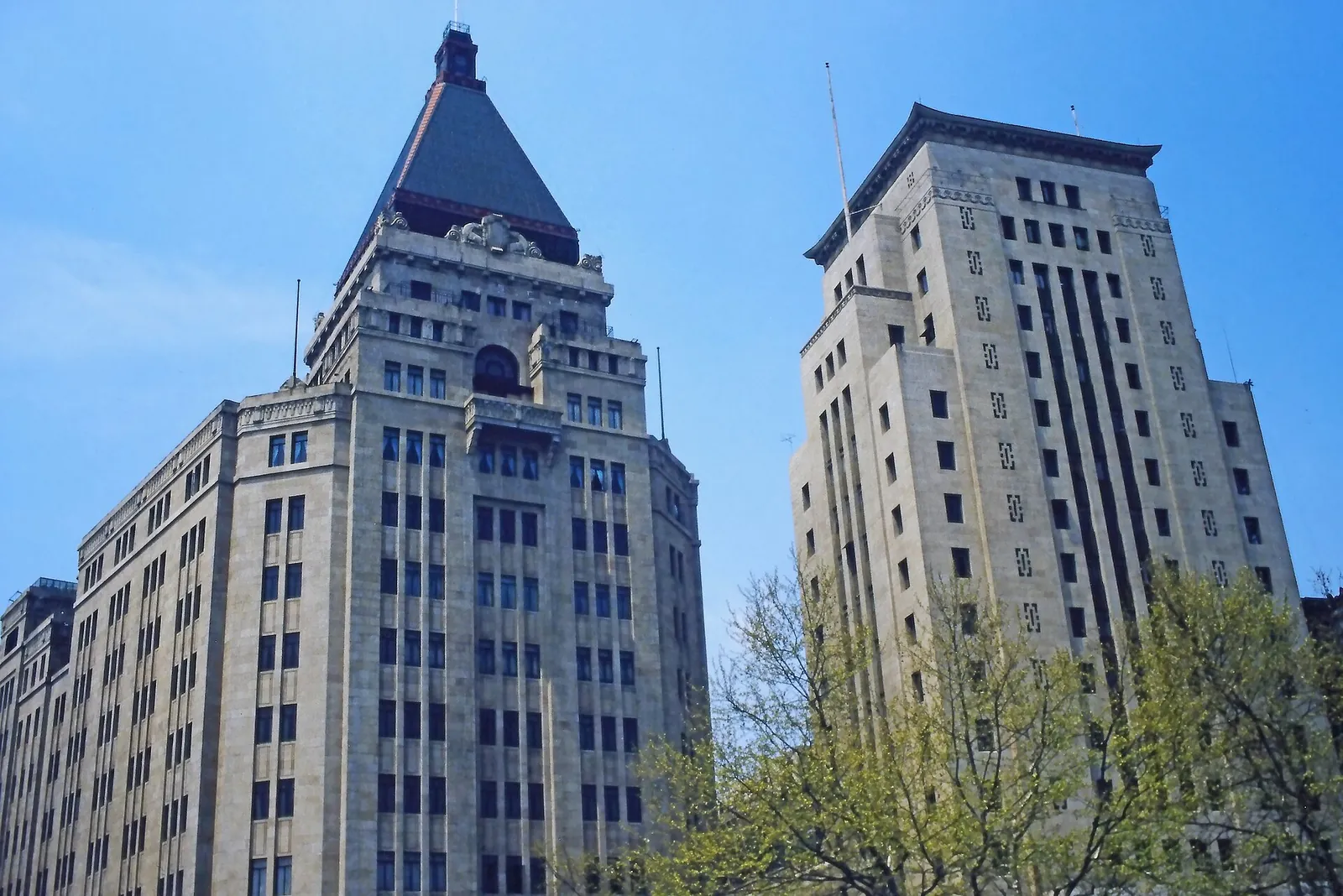
In the afternoon, visit Yu Garden, a Ming private garden begun in 1559 in the north-east of the old walled city, where rockeries, ponds and pavilions show the Jiangnan garden style; it was restored from 1956 and reopened in 1961. It is open 09:00 to 16:30 with last entry at 16:00; the adult ticket is CNY 40 from April to June and from September to November, and CNY 30 in the other months. In the evening, take a short ride to the Bund, the financial centre of old Shanghai, whose Baroque, Gothic and Ancient Greek-style buildings the city government calls an exhibition of world architecture. Our Shanghai guide lists the museums and the French Concession. Sleep in Shanghai: night 8.
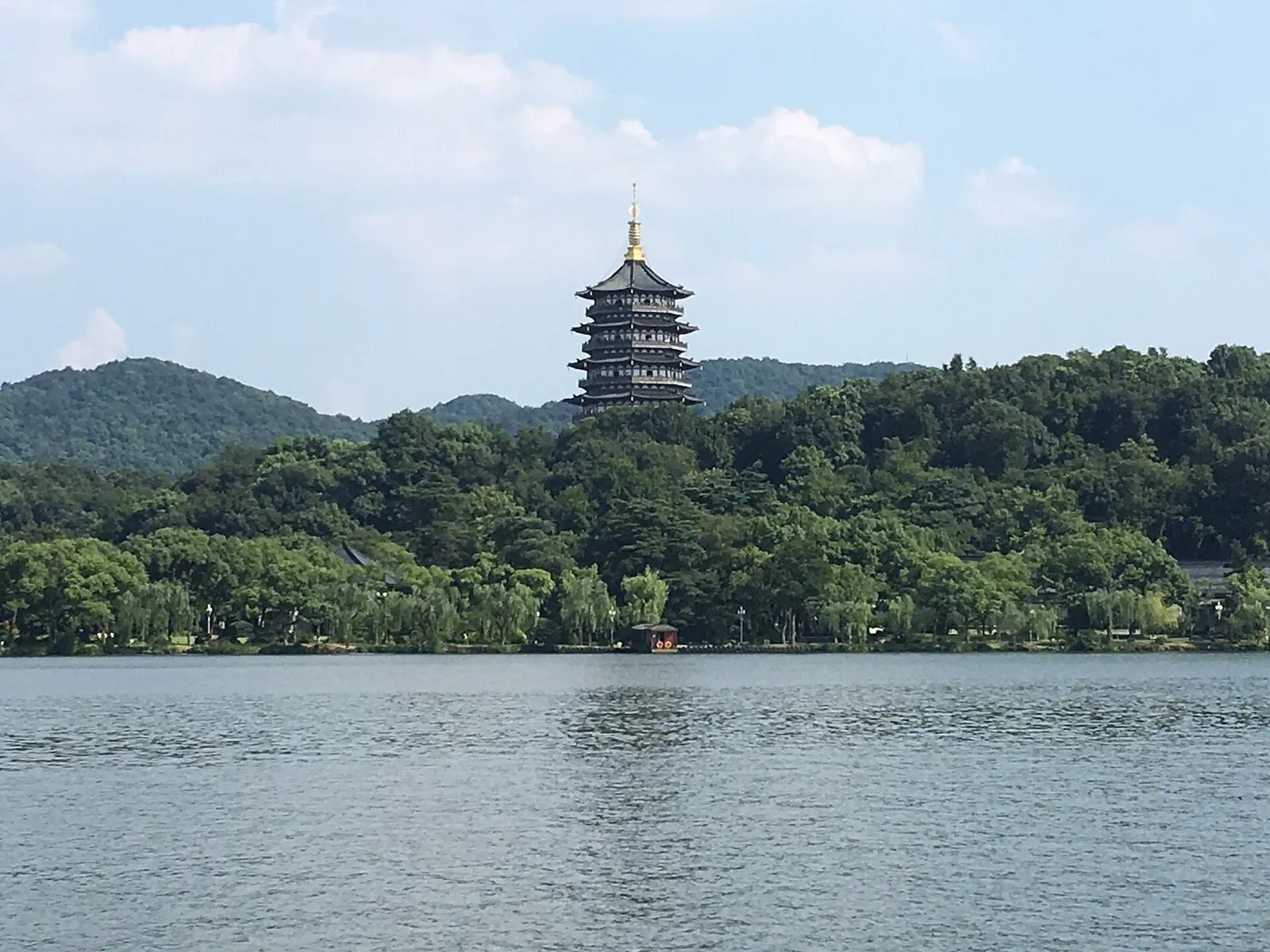
Day 9: Hangzhou and West Lake. Take a high-speed train from Shanghai Hongqiao to Hangzhou East, not Hangzhou station. 12306 listed 109 trains for 5 November 2026, taking 45 minutes to 1 hour 27 minutes, at CNY 57 to 87 in second class. Buy the evening return when you buy the outbound ticket: on that date the last direct train back to Shanghai Hongqiao left Hangzhou East at 22:51. From Hangzhou East, metro line 1 runs towards Longxiangqiao, the stop for the lake; on busy days trains announce that West Lake passengers should get off earlier, at Fengqi Road or Ding’an Road. West Lake has been free to walk around since 2002, when the city removed the fences and cancelled the entrance fee. Start on the northern shore at the Broken Bridge, the best known of the lake’s Ten Views, and walk out along the willow-shaded Bai Causeway, which links the bridge with the Autumn Moon over Calm Lake viewpoint. Then cross the lake on the Su Causeway, which runs for nearly 3 km; it was built from the mud dredged out under the poet-official Su Shi in the Northern Song dynasty, nearly 1,000 years ago. Finish on the south shore at Leifeng Pagoda, first built in the Five Dynasties (907 to 960), collapsed in the 1920s and rebuilt in 2002; it is best at sunset. The Ministry of Culture and Tourism lists the ticket at CNY 40, sold on official platforms up to 7 days ahead or on site by QR code, and lifts take you to the top. Lingyin Temple and Suzhou do not fit this day, and our Hangzhou and Suzhou guide shows how to give them their own days. If the weather is poor, stay in Shanghai. Sleep in Shanghai: night 9.
Day 10: depart. Leave for Pudong (PVG) with margin. Metro line 2 from People’s Square reaches Pudong Terminal 1 and 2 in about an hour for about CNY 7, and a taxi costs around CNY 180 a vehicle and takes about 50 minutes; add the check-in time your airline gives for an international flight. There is no tenth night.
What to eat and where to look
Peking duck
Roast duck carved at the table and eaten in thin pancakes with sauce and spring onion. Quanjude, founded in 1864, is known for the hung-oven roasting technique, and Liqun Roast Duck on Beixiangfeng Hutong is another long-running name near Qianmen.
- Where to look
- Quanjude or Liqun Roast Duck, near Qianmen, Beijing.
- Fit it into your day
- Dinner on day 1, near Qianmen, or after the Forbidden City or the Wall on day 2 or 3.
Biangbiang and youpo noodles
Wide, hand-pulled belt noodles served by the bowl with vegetables, sauce and chilli; youpo noodles, the oil-splashed version, have hot oil poured over the chilli on top. Yongxingfang, a food street in Xincheng district that keeps the layout of an old lane, is known for youpo noodles and other Shaanxi dishes.
- Where to look
- Yongxingfang food street, Xincheng district, Xi’an.
- Fit it into your day
- Dinner on day 4, after the City Wall walk; the Muslim Quarter stalls follow on day 5.
Mapo tofu
Soft tofu in a glossy red sauce with minced beef, fermented beans and chilli, finished with Sichuan pepper that numbs as much as the chilli burns; the dish uses beef, so it is not vegetarian.
- Where to look
- Chen Mapo Tofu (陈麻婆豆腐), which runs three restaurants of its own in Chengdu; franchised shops also use the name, so pick a company-run branch in a map app.
- Fit it into your day
- The first Chengdu dinner on day 6, with plain rice to balance the heat.
Sichuan hotpot
A pot of chilli-and-pepper broth kept bubbling at the table, in which you cook sliced meat, vegetables and tofu. Many restaurants offer a mild side next to the spicy broth.
- Where to look
- Hotpot restaurants around Chunxi Road and Tianfu Square, Chengdu.
- Fit it into your day
- Dinner on day 7, after the Panda Base and the old lanes.
Xiaolongbao
Small steamed dumplings: jellied broth mixed into the pork filling melts as the dumplings steam. Nanxiang Steam Bun Restaurant, founded in 1900, is a China Time-honored Brand known for pork and crab-roe fillings.
- Where to look
- Nanxiang Steam Bun Restaurant, 87 Yuyuan Road, inside Yuyuan Garden Malls, Shanghai.
- Fit it into your day
- Lunch on day 8, next to Yu Garden.
What ten days in China cost, all in
About CNY 20,280 for two at mid-range prices, CNY 10,140 each, before flights. That covers every room, meal, train, flight, airport and local ride, sight, SIM and a 10% buffer.
| Level | Per person | For two | Per person with London flights |
|---|---|---|---|
| Budget | CNY 7,360 | CNY 14,730 | GBP 1,470 to 1,670 |
| Mid-range | CNY 10,140 | CNY 20,280 | GBP 1,780 to 1,980 |
| Comfort | CNY 15,950 | CNY 31,900 | GBP 2,430 to 2,630 |
These prices assume two adults sharing one double room for nine nights outside public holidays, with the official prices in this guide read on 25 October 2026. Mid-range uses second-class rail, restaurant meals and taxis for the Terracotta Army; budget uses simpler rooms and meals; comfort uses first-class rail, a private car for Mutianyu and airport transfers by car. The costs assume the visa waiver applies; if it is not extended, add a visa fee for a 2027 trip. All figures are estimates. At the State Administration of Foreign Exchange central parity rate on 23 October 2026, USD 1 = CNY 6.7180, EUR 1 = CNY 7.5140 and GBP 1 = CNY 8.9749. Your bank or card will give a different rate.
| For two | Budget | Mid-range | Comfort |
|---|---|---|---|
| Rooms | CNY 4,600 | CNY 7,050 | CNY 11,500 |
| Food | CNY 2,000 | CNY 3,600 | CNY 7,000 |
| Getting around | CNY 5,190 | CNY 6,190 | CNY 8,900 |
| Sights and tours | CNY 1,300 | CNY 1,300 | CNY 1,300 |
| SIM and extras | CNY 300 | CNY 300 | CNY 300 |
| 10% buffer | CNY 1,340 | CNY 1,840 | CNY 2,900 |
| Total | CNY 14,730 | CNY 20,280 | CNY 31,900 |
The mid-range room line covers the four hotels in the stay box: on 25 October 2026 Marriott’s city listings showed about CNY 920 a night for the Renaissance Beijing Capital, 570 for the Renaissance Xi’an, 570 for the Renaissance Chengdu and 1,000 for the Courtyard Shanghai Central for the night of 24 November, rooms as listed, with breakfast counted under food: about CNY 7,050 for the nine nights. Budget rooms are about CNY 600 a night in Beijing, 350 in Xi’an, 450 in Chengdu and 600 in Shanghai, and comfort rooms about 1,300, 1,100, 1,000 and 1,700, from the same chain’s listings. Food is about CNY 180 a person a day at mid-range (breakfast 30, lunch 60, dinner 70, drinks and snacks 20), CNY 100 at budget and CNY 350 at comfort; for scale, Nanxiang Steam Bun Restaurant’s average cost is about CNY 93 a person on the Shanghai government’s 2026 listing.
Getting around at mid-range is CNY 4,120 for the long legs (rail Beijing West to Xi’an North about CNY 600 a person, Xi’an North to Chengdu East about CNY 300, the flight about CNY 1,000, and Hangzhou about CNY 80 each way) plus CNY 2,070 for local travel: airports about 500 (the Daxing Airport Express about CNY 70 for two, a taxi to Shuangliu about CNY 100 a vehicle, the Panda Base’s reference fare from that airport, a Hongqiao taxi up to CNY 150 and a Pudong taxi about CNY 180), station rides 480, taxis and metro in the cities 730, the Mutianyu bus 160 and the two one-way Terracotta Army taxis 200.
Sights for two come to about CNY 1,300: Forbidden City 160 (CNY 60 plus both galleries for each), Mutianyu 400 (admission, shuttle and cable car), Terracotta Army 280 (with both electric carts), City Wall 108, Yu Garden 80, Panda Base 170 (admission and shuttle), Jingshan Park 4, and 98 for other small admissions (temples, gardens and Leifeng Pagoda); West Lake itself is free. The palace line uses the April-to-October ticket; from 1 November to 31 March it is CNY 40, which takes CNY 40 off the line for two. The SIM line is about CNY 150 a person for a roughly 15-day data plan.
Flights: a London return to Beijing, flying home from Shanghai, costs about GBP 650 to 850 a person (GBP 1,300 to 1,700 for two). That range is an estimate, not a quote for the two-city ticket.
Practical questions
How many nights should I book for 10 days in China?
Nine: three in Beijing, two in Xi’an, two in Chengdu and two in Shanghai, with the international flight home on day 10. Hangzhou is a day trip from Shanghai, so it needs no hotel.
Do I need a visa for this itinerary?
Not if your ordinary passport is on China’s 30-day visa-free list, which is published until 31 December 2026; a 2027 trip needs a published extension or a visa. US and Czech citizens need a visa unless they qualify for the 240-hour transit rule, which needs an onward flight from Shanghai to a third country or region; the entry section above sets out the conditions. See our entry guide for the full rules.
Which tickets do I book first?
The hotels and the Chengdu to Shanghai flight, then the Terracotta Army as soon as your dates are fixed, and each other timed ticket as its window opens: Mutianyu up to 30 days ahead, the Panda Base up to 14 days, rail 15 days counting the day you buy, and the Forbidden City seven days ahead at 20:00 China time.
Why fly from Chengdu to Shanghai instead of taking the train?
It is the longest leg of the route, and a morning flight gives you an afternoon in Shanghai. The two earlier legs are high-speed rail, which you book in the 12306 app with your passport.
Can I swap Hangzhou for something else?
Yes. Stay in Shanghai for a museum and the French Concession, or keep Hangzhou for the lake. Lingyin Temple and Suzhou need a day of their own, as our Hangzhou and Suzhou guide explains.
How much does the trip cost?
About CNY 20,280 for two at mid-range prices, CNY 10,140 each, all in on the ground, and about GBP 1,780 to 1,980 a person with flights from London. The cost section gives budget and comfort levels.
Keep planning your trip
China in seven days
Seven days in China: two nights each in Beijing, Xi’an and Shanghai, the Great Wall, the Terracotta Army and two trains, with a budget for two.
Read the guide
China in fourteen days
Fourteen days in China: Beijing, Xi’an, Chengdu, three nights in Yangshuo and Shanghai with a Hangzhou day trip, three trains and one flight, with a budget for two.
Read the guide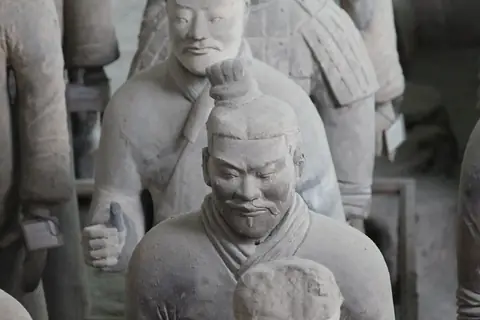
First trip to China
How long a first China trip should be, then a week in Beijing, Xi’an and Shanghai: what to book first, the trains, entry, paying and the cost per day.
Read the guide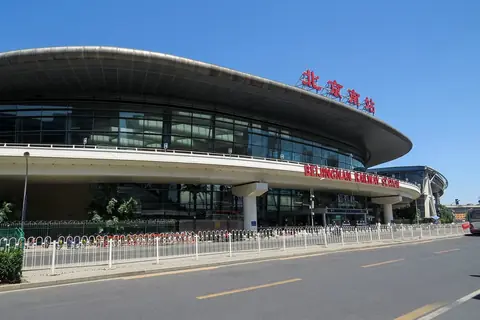
Getting around China
Book China's high-speed trains on 12306 with a foreign passport, decide when to fly, and get from the airports and stations into town.
Read the guide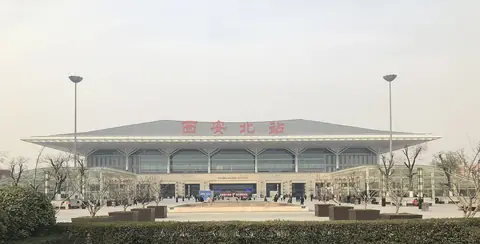
China trip cost
What 10 days in Beijing, Xi’an, Chengdu and Shanghai cost for two sharing a room: about CNY 7,360, 10,140 or 15,950 a person, with every meal, train and ticket.
Read the guide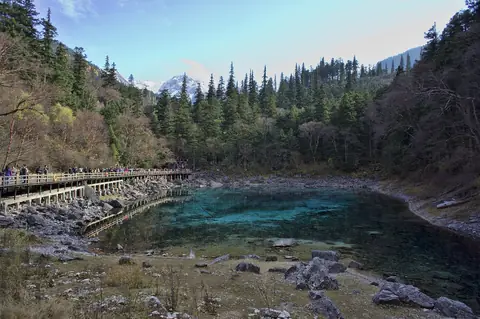
Best time to visit China
When to go to China by region and month: spring and autumn for Beijing, Xi’an and Shanghai, rain and typhoon seasons, and the expected 2027 holiday peaks.
Read the guideSources and checks before you travel
(50)
- Chinese Embassy in Timor-Leste: FAQ on visa-free entry into China (updated June 2026) ↗ — opens in a new tab
- National Immigration Administration: visa-free transit policies ↗ — opens in a new tab
- Consulate General of China in Toronto: 240-hour transit ports and permitted stay areas ↗ — opens in a new tab
- Shanghai government: London–Shanghai–Hong Kong and the 240-hour transit rule ↗ — opens in a new tab
- UK government: China entry requirements ↗ — opens in a new tab
- UK government: China safety and security ↗ — opens in a new tab
- German Federal Foreign Office: China safety ↗ — opens in a new tab
- French Ministry for Europe and Foreign Affairs: China useful information ↗ — opens in a new tab
- Palace Museum: visiting information ↗ — opens in a new tab
- Palace Museum: booking notice ↗ — opens in a new tab
- Palace Museum: Hall of Supreme Harmony ↗ — opens in a new tab
- Beijing government: Jingshan Park visitor guide ↗ — opens in a new tab
- Mutianyu Great Wall: visitor notice and ticket rules ↗ — opens in a new tab
- Mutianyu Great Wall: transport ↗ — opens in a new tab
- Beijing government: Mutianyu ticket listing ↗ — opens in a new tab
- Beijing government: Daxing airport transport ↗ — opens in a new tab
- Beijing Capital International Airport: rail links ↗ — opens in a new tab
- China Daily government-affairs portal: Renaissance Beijing Capital Hotel ↗ — opens in a new tab
- Qin Shi Huang Mausoleum Site Museum: tickets ↗ — opens in a new tab
- Qin Shi Huang Mausoleum Site Museum: transport routes ↗ — opens in a new tab
- Huaqing Palace: visit guide ↗ — opens in a new tab
- Xi’an government: efforts to protect the City Wall ↗ — opens in a new tab
- Xi’an government: two districts among China’s top 100 for specialty foods (26 March 2021) ↗ — opens in a new tab
- Xi’an Qujiang government: City Wall ticket notice ↗ — opens in a new tab
- Chengdu Research Base of Giant Panda Breeding: tickets ↗ — opens in a new tab
- Chengdu Research Base of Giant Panda Breeding: home page ↗ — opens in a new tab
- Chengdu Research Base of Giant Panda Breeding: transportation ↗ — opens in a new tab
- Chengdu Research Base of Giant Panda Breeding: introduction ↗ — opens in a new tab
- Wenshu Monastery: introduction ↗ — opens in a new tab
- China Daily government-affairs portal: Kuanzhai Alley ↗ — opens in a new tab
- Ministry of Commerce time-honoured brand museum: Chen Mapo ↗ — opens in a new tab
- Chengdu Shuangliu International Airport: English home page ↗ — opens in a new tab
- Chengdu Shuangliu International Airport: metro ↗ — opens in a new tab
- Ezhou Airport Economic Zone logistics centre: civil-aviation explainer (7 September 2023) ↗ — opens in a new tab
- Yu Garden: visiting information ↗ — opens in a new tab
- Yu Garden: history ↗ — opens in a new tab
- Shanghai government: the Bund ↗ — opens in a new tab
- Hangzhou government portal (eHangzhou): free admission at Lingyin and West Lake ↗ — opens in a new tab
- Hangzhou government portal (eHangzhou): the Su Causeway ↗ — opens in a new tab
- Ministry of Culture and Tourism (Travel China): West Lake in Hangzhou ↗ — opens in a new tab
- Hangzhou news portal: Longxiangqiao metro station crowding (April 2025) ↗ — opens in a new tab
- Shanghai government: airport transport ↗ — opens in a new tab
- Shanghai government: Nanxiang Steam Bun Restaurant ↗ — opens in a new tab
- Beijing tourism: roast duck listing ↗ — opens in a new tab
- 12306: English FAQ ↗ — opens in a new tab
- China Railway: ticket sales rules ↗ — opens in a new tab
- China Railway 12306: timetable and fares for 5 November 2026 ↗ — opens in a new tab
- State Administration of Foreign Exchange: central parity ↗ — opens in a new tab
- Mutianyu Great Wall: about the scenic area ↗ — opens in a new tab
- Hangzhou government (ehangzhou): Leifeng Pagoda ↗ — opens in a new tab
Reference sources for the version dated 9 November 2026. Confirm opening times, access, transport and conditions for your travel dates.
Photo credits
(6)
The north building of the Peace Hotel and its neighbouring tower on the Bund, Shanghai
Photograph: Jan Kranendonk ( https://www.jankranendonk.nl ) — opens in a new tab · CC0 — opens in a new tab
Changes: Resized and converted to WebP; displayed with responsive crops. · Original photograph and licence details ↗ — opens in a new tab
The Forbidden City's palace roofs and the Gate of Divine Might seen from Jingshan Park (Coal Hill) at dusk, Beijing
Photograph: Pixelflake — opens in a new tab · CC BY-SA 3.0 — opens in a new tab
Changes: Resized and converted to WebP; displayed with responsive crops. · Original photograph and licence details ↗ — opens in a new tab
The Great Wall at Mutianyu runs along wooded ridges north-east of Beijing, seen from an upper watchtower
Photograph: N509FZ — opens in a new tab · CC BY-SA 4.0 — opens in a new tab
Changes: Resized and converted to WebP; displayed with responsive crops. · Original photograph and licence details ↗ — opens in a new tab
One of the two bronze chariots found in 1980 beside the First Emperor's burial mound at Lintong, east of Xi'an
Photograph: Jmhullot — opens in a new tab · CC BY 3.0 — opens in a new tab
Changes: Resized and converted to WebP; displayed with responsive crops. · Original photograph and licence details ↗ — opens in a new tab
A giant panda eating bamboo at the Chengdu Research Base of Giant Panda Breeding, Chengdu
Photograph: jetsun — opens in a new tab · CC BY-SA 3.0 — opens in a new tab
Changes: Resized and converted to WebP; displayed with responsive crops. · Original photograph and licence details ↗ — opens in a new tab
Leifeng Pagoda above the south shore of West Lake, seen across the water, Hangzhou
Photograph: Bjoertvedt — opens in a new tab · CC BY-SA 4.0 — opens in a new tab
Changes: Resized and converted to WebP; displayed with responsive crops. · Original photograph and licence details ↗ — opens in a new tab