Kyushu and Okinawa · Nagasaki
Nagasaki travel guide: harbour history, hillside views and local food
Nagasaki is a harbour city whose food and historical sites reflect centuries of international contact. The most rewarding plan gives your main interest enough time and lets a meal become part of the visit. Decide what you want to understand or enjoy before adding more stops. This guide offers a practical starting point, with suggestions to adapt to your dates, transport and companions.
- Suggested time
- 2 days
- Where to stay
- Nagasaki
- Season and timing
- Choose around the main interest; confirm current seasonal conditions and operations
The short answer
Choose Dejima and the harbour district for trade history, or dedicate time to the Atomic Bomb Museum and Peace Park. Use the tram network for a focused city route, allowing separate travel time for hillside viewpoints.
Build the visit around Nagasaki
Choose Dejima and the harbour district for trade history, or dedicate time to the Atomic Bomb Museum and Peace Park. The city’s historical layers deserve different emotional registers. Leave a quiet interval after the atomic-bomb interpretation and place a Chinatown meal or harbour stroll later, giving both experiences their own space.
Give the second stop a purpose
Place an evening viewpoint after a complete daytime area rather than crossing the city repeatedly. Add it when it gives the day a different perspective and the connection works. Look at the route and its approach on a local map. If the extra visit compresses lunch or creates a hurried return, keep it for another day. Staying nearby can turn the first evening or the following morning into useful visiting time.
Make time for the local food
What to eat and where to look
Champon
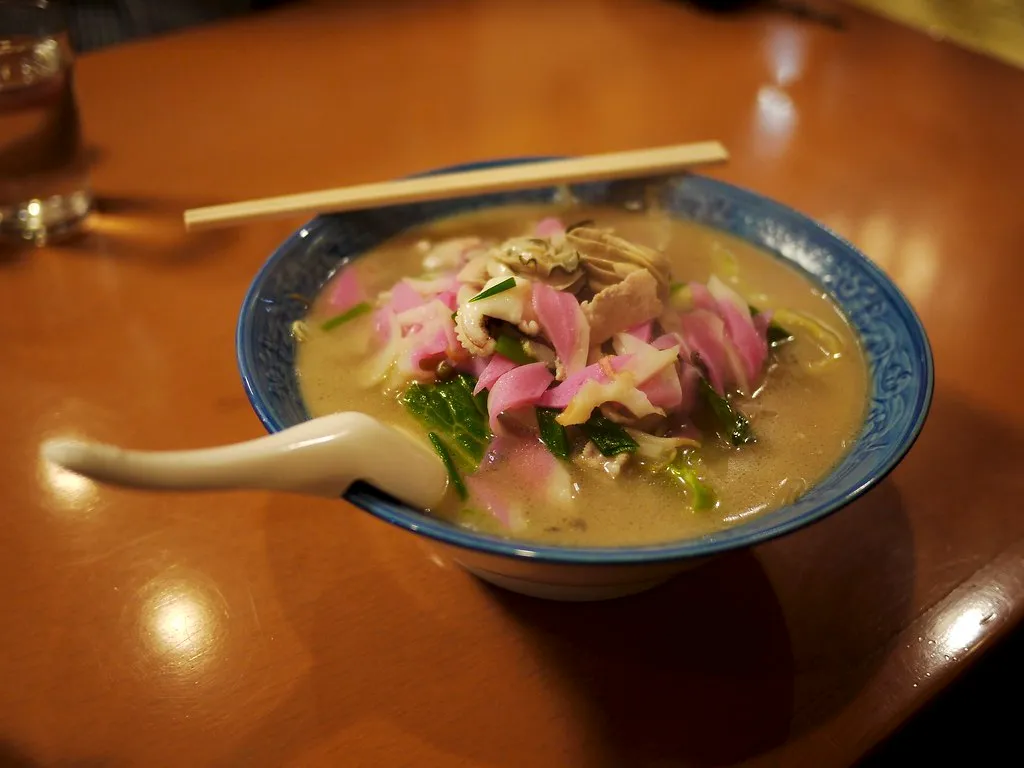
Nagasaki’s Chinese-influenced noodle dish combines broth, noodles and a mixture of ingredients that can include seafood, pork and vegetables. The noodles cook with the soup. Ask about the actual recipe rather than assuming a vegetable topping means a meat-free dish.
- Where to look
- Current local food listings and establishments on your chosen Nagasaki route; confirm the menu directly.
- Fit it into your day
- A seated lunch with time to enjoy the food before the next visit.
Sara udon
This Nagasaki dish provides a contrast with champon through its noodle texture and thick topping. Menus may offer different noodle versions, so ask which preparation is served instead of expecting one standard plate everywhere.
- Where to look
- Current local food listings and establishments on your chosen Nagasaki route; confirm the menu directly.
- Fit it into your day
- An alternative main meal or a modest tasting, according to the actual portion.
Castella
Nagasaki’s sponge cake reflects the city’s Portuguese connections. A small piece is a useful tea break after a substantial noodle lunch; boxed cakes make a practical souvenir when their date and storage fit the journey.
- Where to look
- Current local food listings and establishments on your chosen Nagasaki route; confirm the menu directly.
- Fit it into your day
- A second-day choice or a small food break; avoid ordering a second full meal just to complete a list.
Connect the station, visit and base
Use the tram network for a focused city route, allowing separate travel time for hillside viewpoints. Build the schedule from the departure and return you can actually use, including any final walk. Check current operator information when the date is settled and again shortly before travel. If carrying luggage, arrange storage or accommodation drop-off before a long outing. Include waiting, meals and entry in your estimate.
Make room for champon
The food choices below give the route a concrete pause. Champon can be the first dish to investigate; choose the remaining suggestions according to appetite and availability. Use a current menu to distinguish a regional ingredient from a restaurant’s own preparation. Ask directly about stock, sauces and allergens when relevant. Place the meal near the area you are already visiting so the food enriches the day without becoming another long transfer.
Choose an experience that adds something
A private city guide can provide historical context; a night-view transfer is a different service. If comparing a Viator listing, read its itinerary, language, walking demands and inclusions before choosing. A useful guide should contribute explanation or access that matches your interest. Keep the booking confirmation and the actual meeting address available offline. Leave a margin after arrival, and choose an independent visit when you prefer flexibility. Check the selected date and product.
Practical questions
What should you prioritise for Nagasaki?
Choose Dejima and the harbour district for trade history, or dedicate time to the Atomic Bomb Museum and Peace Park.
Should you book a guided experience?
A private city guide can provide historical context; a night-view transfer is a different service. Choose it when that explanation or support matches the visit you want.
What needs checking before travel?
Use the tram network for a focused city route, allowing separate travel time for hillside viewpoints. Confirm opening, menu and booking information for your actual date; seasonal conditions are not guaranteed.
Sources and checks before you travel
Reference sources for the version dated 30 September 2026. Confirm opening times, access, transport and conditions for your travel dates.
Does this experience fit your route?
Explore related tours and experiences
Check dates and details on Viator ↗ — opens in a new tabAffiliate link · Book with ViatorPhoto credits
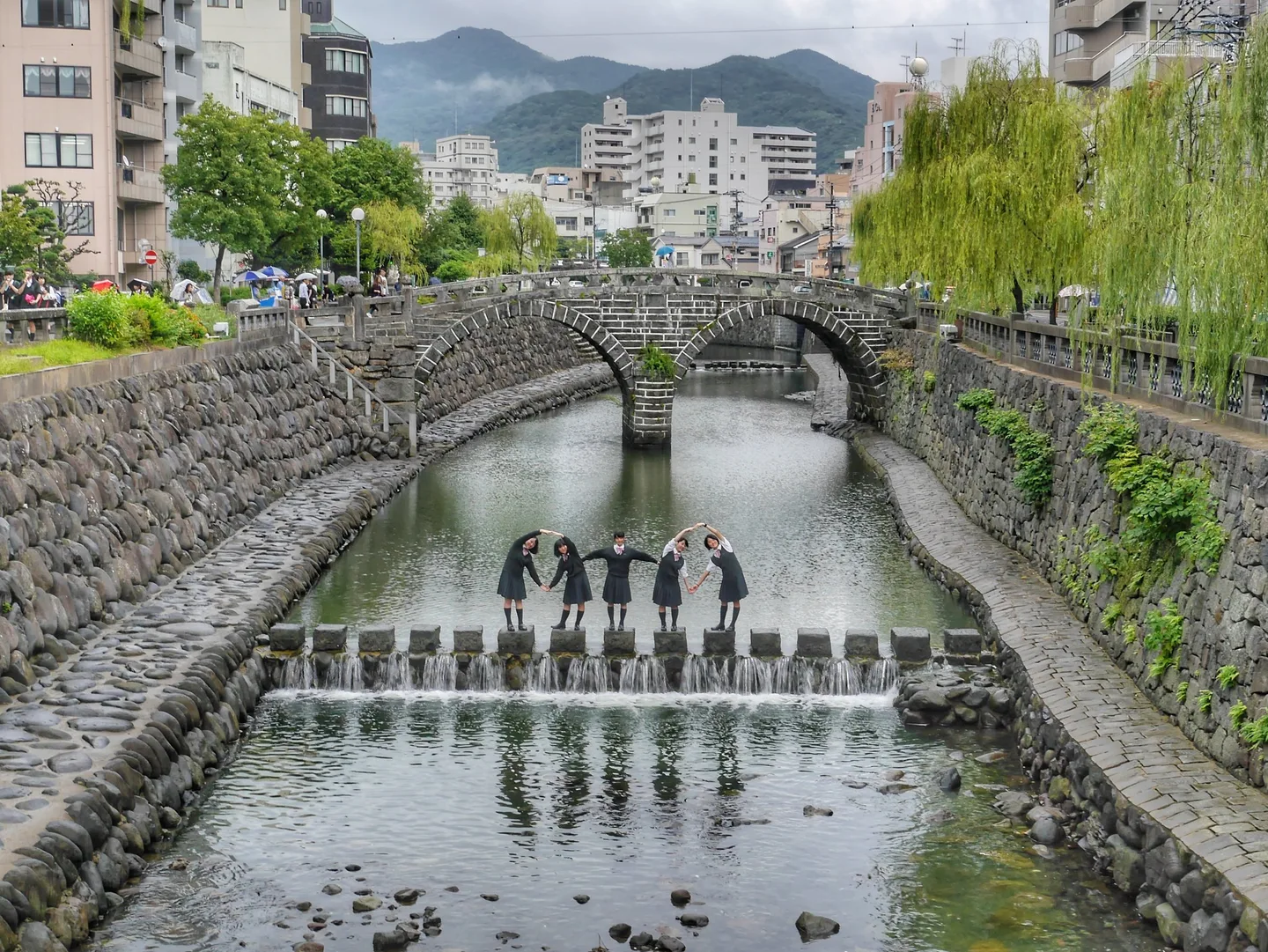
Meganebashi, the two-arched Spectacles Bridge, reflected in the river in Nagasaki.
Photograph: travel oriented — opens in a new tab · CC BY-SA 2.0 — opens in a new tab
Changes: Resized and converted to WebP; displayed with responsive crops. · Original photograph and licence details ↗ — opens in a new tab
A bowl of Nagasaki champon noodles with broth and toppings.
Photograph: Hunter Nield — opens in a new tab · CC BY-SA 2.0 — opens in a new tab
Changes: Resized and converted to WebP; displayed with responsive crops. · Original photograph and licence details ↗ — opens in a new tab